A Surgeon’s Tech Revolution: Bringing Affordable Endoscopy to Rural Clinics
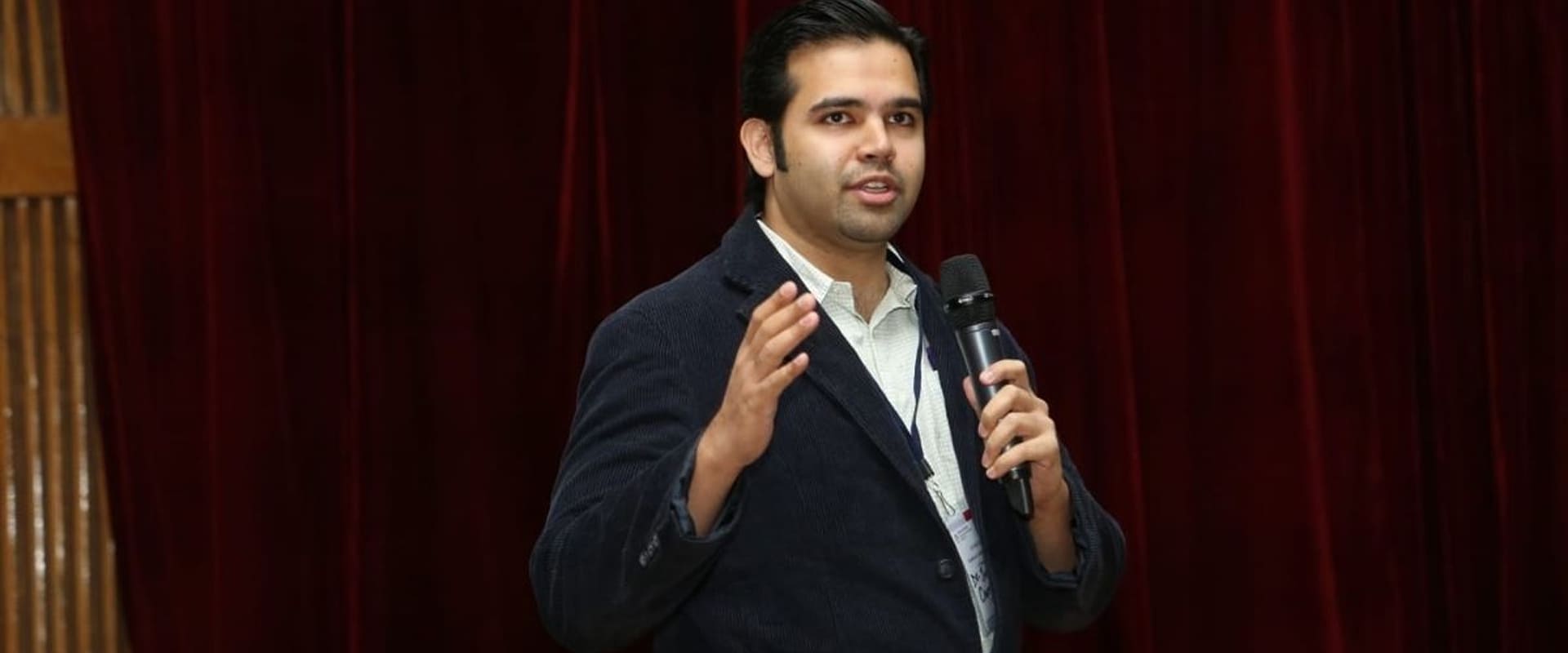
Dr Jagdish Chaturvedi, an ENT surgeon and innovator, has developed a suite of frugal medical technologies, including an AI-powered, handheld endoscopy camera. Used by over 3,000 doctors and sold in four countries, his innovations are helping democratize access to advanced diagnostics, especially in underserved regions. His work bridges clinical insight with scalable, cost-effective technology.
Updated on: 19 June 2024

Sector

Solution

Technology

State of Origin
Impact Metrics
3,000+ doctors
using Dr Jagdish's innovations across rural and telemedical settings.
4 countries
are accessing these affordable, scalable innovations.
In 2009, while working at St John’s Medical College Hospital in Bengaluru, ENT surgeon Dr Jagdish Chaturvedi found himself deeply frustrated by the gap between what doctors needed on the ground and what existing medical devices offered. This gap was particularly stark in rural and remote areas, where access to diagnostic tools was minimal or entirely absent. Armed with first-hand clinical experience and a passion for problem-solving, he began to work on frugal solutions tailored for these environments. Over time, this pursuit led to the creation of more than 18 medical devices designed with affordability, portability, and efficiency in mind.
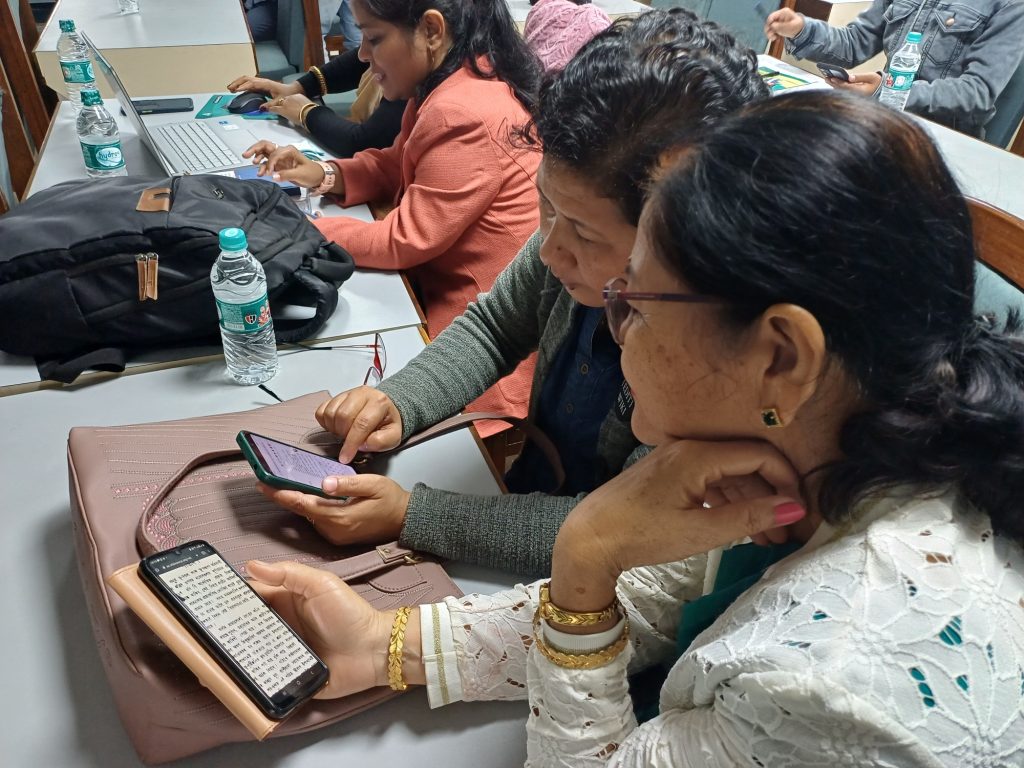
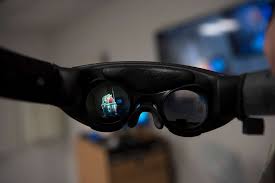
Among the most impactful of these innovations is a handheld endoscopy camera powered by AI-based image processing. Compact and user-friendly, the device transforms a smartphone into a diagnostic tool capable of conducting home-based endoscopy. It eliminates the need for large, expensive equipment and trained technicians, making it ideal for rural health centres and doorstep consultations.
Closing the healthcare access gap
India’s rural and semi-urban populations often face major barriers in accessing specialty diagnostics such as endoscopy. Traditional setups require bulky, high-cost systems operated by specialists — a reality incompatible with remote health posts. Dr Chaturvedi’s solution addresses this precise challenge: a low-cost, AI-integrated diagnostic device that empowers frontline health workers and general practitioners to perform procedures typically reserved for urban hospitals.

Dr Chaturvedi’s innovation aligns powerfully with several of India’s flagship healthcare and diagnostics initiatives. The Ayushman Bharat Digital Mission (ABDM) emphasises seamless access to digital health services, where portable, AI-enabled diagnostic tools like the handheld endoscopy camera can be directly integrated into frontline care.
Quantifying the disruption
The adoption of this handheld endoscopy device has been rapid and measurable.
- Over 3,000 doctors currently use the technology
- The innovation has reached markets in four countries, demonstrating its international relevance
- In 2025, the device is set to be rolled out for public use, expanding its impact further
- The technology is designed for video camera consultations, enabling telemedicine in its truest sense
In addition to this flagship product, Dr Chaturvedi’s other innovations — which range from neonatal respiratory support tools to ENT-specific surgical aids — have benefited thousands across India.

Built for scale and cross-sector use
A key strength of Dr Chaturvedi’s approach lies in its scalability. The technologies are modular, low-maintenance, and can be adapted across medical disciplines. The AI-assisted endoscopy tool, for example, is not confined to ENT — its base design can be re-engineered for gastroenterology, gynecology, and dental care. Its portability means that it can support mobile health vans, home care models, and even emergency services in conflict zones.
Furthermore, by using locally sourced materials and collaborating with Indian manufacturers, these devices maintain a low production cost, ensuring that scaling does not dilute affordability.
A case for frugal innovation as public health infrastructure
What sets Dr Chaturvedi’s work apart is not just technological ingenuity, but its grounding in clinical empathy and access-first design. His innovations challenge the traditional notion that cutting-edge healthcare must be expensive or limited to elite institutions. Instead, they present a compelling model of India-led, cost-effective healthtech capable of transforming both national and global medical ecosystems.
As India charts its path toward universal healthcare under national missions like Viksit Bharat and Ayushman Bharat, such models exemplify the power of doctor-led, need-based innovation to rewrite the future of diagnostics.
Share Your Story Today, Shape Viksit Bharat Tomorrow
Got an idea, innovation, or experience that's making a difference? Share your story now and ignite India's transformation because your voice can drive the future forward!
BUILD YOUR OWN

BUILD YOUR OWN
How can I implement this innovation effectively?
How is this innovation being adopted around the world?
Where else could this innovation make an impact?
Who has seen real results from using this innovation?
What insights do experts share about this innovation?
What policies support or influence this innovation?
How could this innovation evolve in the future?
Is this innovation accessible and inclusive for everyone?
How can I contribute to or participate in this innovation?
What resources can help me explore this innovation further?
If you would like to know more about this innovation, fill this form to contact the innovator.
Handpicked stories tailored just for you
Explore stories that inspire, inform, and ignite new ideas across tech, innovation, and real-world impact

800,000 Sq Ft of Farms Now Run on AI-Driven Indoor Farming Systems
4CLIMATE is an Indian agri-tech company automating indoor farms using AI, IoT sensors, and cloud-based control systems. From climate and...
Read More