₹85 IoT Device Predicts Crop Diseases Before They Spread
An Odisha innovator built a ₹85 IoT device that detects crop diseases within 12 hours—and even predicts them up to 12 days in advance. Using satellite thermal imaging, AI, and environmental data, it identifies microbial threats early and gives farmers exact solutions. Already helping 3,000+ farmers save money and boost yields, this affordable tech is tackling India’s massive crop loss crisis.
Share



Sector

Solution

Technology

State of Origin
Impact Metrics
Detects crop diseases
in less than 12 hours and up to 12 days in advance.
3,000+ farmers
are using this device to address losses due to crop diseases.
Resources to Replicate This Idea

BUILD YOUR OWN
Do you want to know how this innovator scaled their idea, how much it cost them, and what resources/partnerships they deployed?
Click here.
How can I implement this innovation effectively?
How is this innovation being adopted around the world?
Where else could this innovation make an impact?
Who has seen real results from using this innovation?
What insights do experts share about this innovation?
What policies support or influence this innovation?
How could this innovation evolve in the future?
Is this innovation accessible and inclusive for everyone?
How can I contribute to or participate in this innovation?
What resources can help me explore this innovation further?
Bridging Innovation and Impact: Lessons from AI-Powered IoT in Indian Agriculture
The integration of AI-powered IoT devices such as Kisan Know into Indian agriculture marks a pivotal shift in how technology addresses the longstanding challenges of smallholder farmers. By leveraging advanced analytics, thermal imaging, and satellite data, these devices enable early detection and prediction of crop diseases—often within hours and up to nearly two weeks in advance. This capability is particularly consequential in India, where microbial diseases routinely devastate crops, leading to significant financial losses and, in tragic cases, farmer suicides. The journey from innovation to widespread adoption, however, is shaped by a complex interplay of affordability, accessibility, institutional support, and policy alignment.
Affordability and Accessibility: The Indian Model
A defining feature of Kisan Know’s implementation is its commitment to affordability and inclusivity. Priced at just Rs 85, the device is within reach for farmers across economic backgrounds—a critical consideration in a country where the majority of cultivators operate on marginal incomes. Moreover, the deployment model integrates field workers who collect sensor data every 12 hours, ensuring that even those without personal access to digital tools benefit from AI-driven insights. This human-machine hybrid approach not only bridges digital literacy gaps but also builds trust among rural communities.
Institutional Partnerships and Policy Synergy
The successful scaling of AI-IoT solutions in Indian agriculture hinges on robust institutional collaboration and alignment with national policy frameworks. Pilot programs, such as those initiated in Odisha—where Kisan Know was first deployed—demonstrate the value of state-level experimentation before broader rollout. Partnerships with bodies like ICAR and state agricultural universities are instrumental in validating technology efficacy and tailoring solutions to diverse agro-climatic zones. Integration with flagship government schemes, such as the Pradhan Mantri Krishi Sinchayee Yojana (PMKSY), offers pathways to embed disease prediction within holistic crop management and irrigation planning.
Learning from Global and Local Precedents
India’s approach to AI-enabled agriculture is informed by both global best practices and indigenous innovation. In the Netherlands, for example, precision agriculture leverages IoT sensors and AI to optimize crop health, supported by strong farmer cooperatives and institutional frameworks. While these models often target large-scale commercial farms, India’s focus on low-cost, scalable solutions for smallholders sets it apart. Startups like CropIn and government platforms such as e-NAM exemplify how AI can be tailored to local needs, providing predictive analytics for yield, market trends, and pest risks.
Expert Perspectives: Contextualizing Technology for Indian Agriculture
Indian experts consistently emphasize the necessity of contextual adaptation in AI deployment. Dr. Ashok Dalwai, CEO of the National Rainfed Area Authority, notes that “AI solutions must be harmonized with traditional agronomic knowledge and local practices to achieve real-world impact.” Prof. Ramesh Chand of NITI Aayog advocates for policy frameworks that incentivize innovation while safeguarding farmer data rights, highlighting the need for capacity building among extension workers to bridge the digital divide. Academic institutions such as IIT Delhi and IARI are at the forefront of research on AI for pest prediction and climate-smart agriculture.
Building Capacity and Infrastructure for Sustainable Scale
The transformative potential of AI-powered IoT devices in Indian agriculture will only be realized through sustained investment in capacity building, data infrastructure, and regulatory clarity. Government and private sector stakeholders must prioritize digital literacy programs, interoperable data platforms, and clear guidelines on AI ethics and privacy. Initiatives like the Digital India program and the National AI Strategy underscore the government’s commitment to integrating AI across sectors, but continued efforts are needed to ensure that rural and marginalized communities are not left behind. The experience of over 3,000 farmers in Odisha who have benefited from Kisan Know demonstrates the tangible impact of combining cutting-edge technology with local knowledge and affordable hardware.
In sum, the implementation of AI-powered IoT devices in Indian agriculture is a multifaceted endeavor that requires not only technological innovation but also thoughtful integration with local realities, institutional support, and forward-looking policy. The lessons emerging from India’s experience offer a blueprint for other developing economies seeking to harness AI for inclusive and sustainable agricultural transformation.
AI in Agriculture: A Global Tapestry of Innovation and Adaptation
The integration of artificial intelligence (AI) and Internet of Things (IoT) technologies in agriculture is reshaping food production worldwide. From the precision farms of the Netherlands to the smallholder plots of India, AI-driven solutions are being tailored to diverse contexts, addressing unique challenges and opportunities. India’s adoption of AI-enabled IoT devices for crop disease detection, exemplified by innovations like Kisan Know, reflects both global trends and distinct national priorities. Understanding how different countries approach AI in agriculture offers valuable lessons for policy, technology design, and sustainable impact.
Precision Agriculture: Lessons from Global Leaders
Countries such as the Netherlands, Israel, and the United States have set benchmarks in precision agriculture through the deployment of advanced AI and IoT systems. In Israel, agri-tech firms like Taranis utilize high-resolution aerial imagery and AI algorithms to detect early signs of crop stress and disease, enabling targeted interventions that reduce chemical use and boost yields. The Israeli government’s proactive support—through robust R&D funding and public-private partnerships—has fostered a dynamic innovation ecosystem, accelerating the adoption of cutting-edge technologies.
The United States has mainstreamed AI-driven platforms like Climate FieldView, which aggregates data from sensors, satellites, and weather stations to provide predictive analytics on crop health, pest outbreaks, and climate risks. Federal policies incentivize such innovation via grants, tax credits, and regulatory frameworks that balance data privacy with open data principles. These models demonstrate how coordinated policy, investment, and industry collaboration can drive rapid technological advancement and adoption at scale.
India’s Contextual Approach: Accessibility and Local Innovation
While global leaders often focus on large-scale commercial farms, India’s strategy prioritizes affordability and accessibility for its vast population of smallholder farmers. Devices like Kisan Know are designed to be cost-effective and user-friendly, addressing the needs of farmers who may lack access to advanced infrastructure or technical training. Indian policy is increasingly geared toward fostering indigenous AI development, as seen in the government’s call for India-specific AI foundation models, which aim to reduce reliance on foreign technologies and ensure solutions are tailored to local agronomic conditions and languages.
The National AI Strategy, articulated by NITI Aayog, and initiatives under the Digital India program underscore a commitment to inclusive growth through digital transformation. However, challenges remain, including gaps in rural connectivity, digital literacy, and regulatory clarity. Addressing these will be crucial for scaling AI solutions across India’s diverse agricultural landscape.
Policy and Infrastructure: Bridging the Global-Local Divide
Comparative analysis reveals that India’s policy environment is evolving to address the unique demands of its agricultural sector. Regulatory frameworks such as the Digital Personal Data Protection (DPDP) Act, 2023, and the Information Technology (IT) Rules, 2021, seek to safeguard data privacy while enabling innovation. Yet, experts note that more nuanced, AI-specific regulations are needed to address ethical, safety, and accountability concerns.
Investments in rural digital infrastructure are accelerating, with government schemes supporting the expansion of broadband connectivity and digital literacy. The Pradhan Mantri Fasal Bima Yojana (PMFBY) integrates technology for crop insurance, while the e-NAM platform leverages AI for market analytics, helping farmers make informed decisions. These initiatives reflect a growing recognition of the need for interoperable platforms and public-private partnerships to bridge the digital divide.
Expert Perspectives: Indian Voices on Global Adaptation
Indian experts emphasize the importance of contextualizing global best practices to local realities. Dr. Ashok Dalwai, CEO of the National Rainfed Area Authority, asserts that “AI must be harmonized with traditional knowledge and local agronomy to be effective for India’s smallholder farmers.” Prof. Ramesh Chand of NITI Aayog highlights the necessity of government-led frameworks that both incentivize innovation and protect farmer data rights, advocating for capacity building among extension workers to bridge the digital divide.
Research institutions such as IIT Delhi and the Indian Agricultural Research Institute (IARI) are at the forefront of adapting AI for pest prediction, climate resilience, and resource optimization. Their work informs evidence-based policy and ensures that technological advances are grounded in the realities of Indian agriculture. The Ministry of Electronics and Information Technology (MeitY) has outlined AI governance principles emphasizing transparency, accountability, and inclusivity, which experts view as foundational for sustainable AI ecosystems.
Pathways Forward: Leveraging Global Insights for Indian Solutions
India’s journey with AI in agriculture is marked by both ambition and pragmatism. By learning from global leaders while adapting solutions to local needs, India can accelerate the adoption of AI-powered IoT devices and foster a resilient, inclusive agricultural sector. Strengthening governance frameworks, investing in rural infrastructure, and promoting collaboration among government, industry, and academia will be essential for realizing the full potential of AI in Indian agriculture.
AI and IoT: Catalysts for Transformative Change Across Indian Sectors
Artificial Intelligence (AI) and the Internet of Things (IoT) are rapidly reshaping India’s economic and social landscape, extending far beyond their initial applications in crop disease detection. These technologies now underpin a spectrum of innovations in agriculture, dairy, urban governance, and public service delivery. Their integration is not only enhancing productivity and sustainability but also driving policy reforms and fostering inclusive growth. This section explores the breadth of AI and IoT applications in India, highlighting research-backed developments, policy initiatives, and real-world impacts.
Precision Agriculture: From Soil to Market
AI-driven solutions are revolutionizing Indian agriculture by enabling data-informed decision-making at every stage of the crop cycle. Platforms such as CropIn leverage AI and satellite imagery to monitor crop health, predict yields, and assess pest risks, empowering farmers to optimize inputs and maximize returns. The Government of India’s e-NAM (National Agriculture Market) exemplifies policy-backed innovation, utilizing AI algorithms to analyze market trends and forecast prices, thus equipping farmers with actionable intelligence for better market access and income stability.
Startups like Fasal and DeHaat are deploying IoT sensors for real-time soil moisture and nutrient monitoring, facilitating precision irrigation and targeted fertilization. These interventions have led to measurable reductions in water and fertilizer usage. According to a 2023 NITI Aayog report, such technologies have improved yields by up to 20% in demonstration plots across Maharashtra and Punjab.
Smart Dairy and Livestock Management
The convergence of AI and IoT is also transforming India’s vast dairy sector. Companies like Stellapps have pioneered sensor-based systems that continuously monitor animal health, milk yield, and cold chain logistics. By analyzing data from wearable devices and automated milking stations, these platforms enable early disease detection, optimize feeding schedules, and ensure milk quality compliance.
A case study from Karnataka highlights how Stellapps’ solutions increased average milk yields by 15% and reduced veterinary costs for participating dairy cooperatives. These advancements directly contribute to higher incomes and improved livelihoods for smallholder dairy farmers, aligning with the objectives of the National Dairy Plan.
Urban Governance and Public Service Delivery
AI and IoT are increasingly integral to India’s urban transformation agenda. Under the Smart Cities Mission, municipal authorities in cities like Pune and Surat have deployed AI-powered traffic management systems and IoT-enabled waste collection sensors. These technologies optimize resource allocation, reduce congestion, and improve public health outcomes.
The Digital India program, a flagship government initiative, emphasizes the integration of AI in public service delivery, including e-governance, digital health records, and citizen grievance redressal. For instance, the Ayushman Bharat Digital Mission leverages AI to streamline health data management and personalize care pathways.
Research and Policy Leadership: Indian Institutions at the Forefront
Academic and policy institutions in India are actively shaping the AI and IoT landscape through cutting-edge research and strategic guidance. The Indian Agricultural Research Institute (IARI) leads projects on AI-based pest prediction and climate-resilient cropping systems, generating evidence for scalable interventions. IIT Delhi’s Centre of Excellence in AI collaborates with government agencies to develop indigenous algorithms tailored to Indian agronomic and socio-economic contexts.
NITI Aayog’s National AI Strategy and the Ministry of Electronics and Information Technology’s (MeitY) AI Governance Report provide frameworks for responsible AI adoption, emphasizing transparency, accountability, and inclusivity. These policy documents underscore the need for robust data protection, ethical standards, and capacity building to ensure sustainable and equitable technology diffusion.
Expert Perspectives: Contextualizing Innovation for Indian Realities
Indian experts consistently highlight the necessity of contextualizing AI and IoT innovations to local realities. Dr. Ashok Dalwai, CEO of the National Rainfed Area Authority, notes, “AI must be harmonized with indigenous knowledge and local agronomy to truly benefit India’s diverse farming communities.” Prof. Ramesh Chand of NITI Aayog advocates for government-led frameworks that incentivize innovation while safeguarding farmer data rights and promoting digital literacy among extension workers.
Institutions such as the Indian Institute of Science (IISc) and the Indian Council of Agricultural Research (ICAR) are developing open-source AI tools and participatory research models, ensuring that technological advancements are accessible, affordable, and relevant to smallholder farmers and marginalized groups.
—
Collectively, these applications and insights illustrate the transformative potential of AI and IoT across Indian sectors. By fostering collaboration among government, academia, industry, and civil society, India is poised to harness these technologies for inclusive, sustainable, and scalable development.
Seeds of Change: Real Lives Transformed by AI in Indian Agriculture
Artificial intelligence is quietly revolutionizing Indian agriculture, offering new hope to smallholder farmers who have long faced the twin threats of crop failure and economic insecurity. Nowhere is this transformation more evident than in the stories emerging from rural India, where AI-powered tools are not only improving yields but also restoring dignity, mental health, and resilience to farming communities. These impact stories illuminate both the promise and the complexity of deploying advanced technologies in one of the world’s most diverse agricultural landscapes.
AI-Driven Solutions: From Despair to Resilience
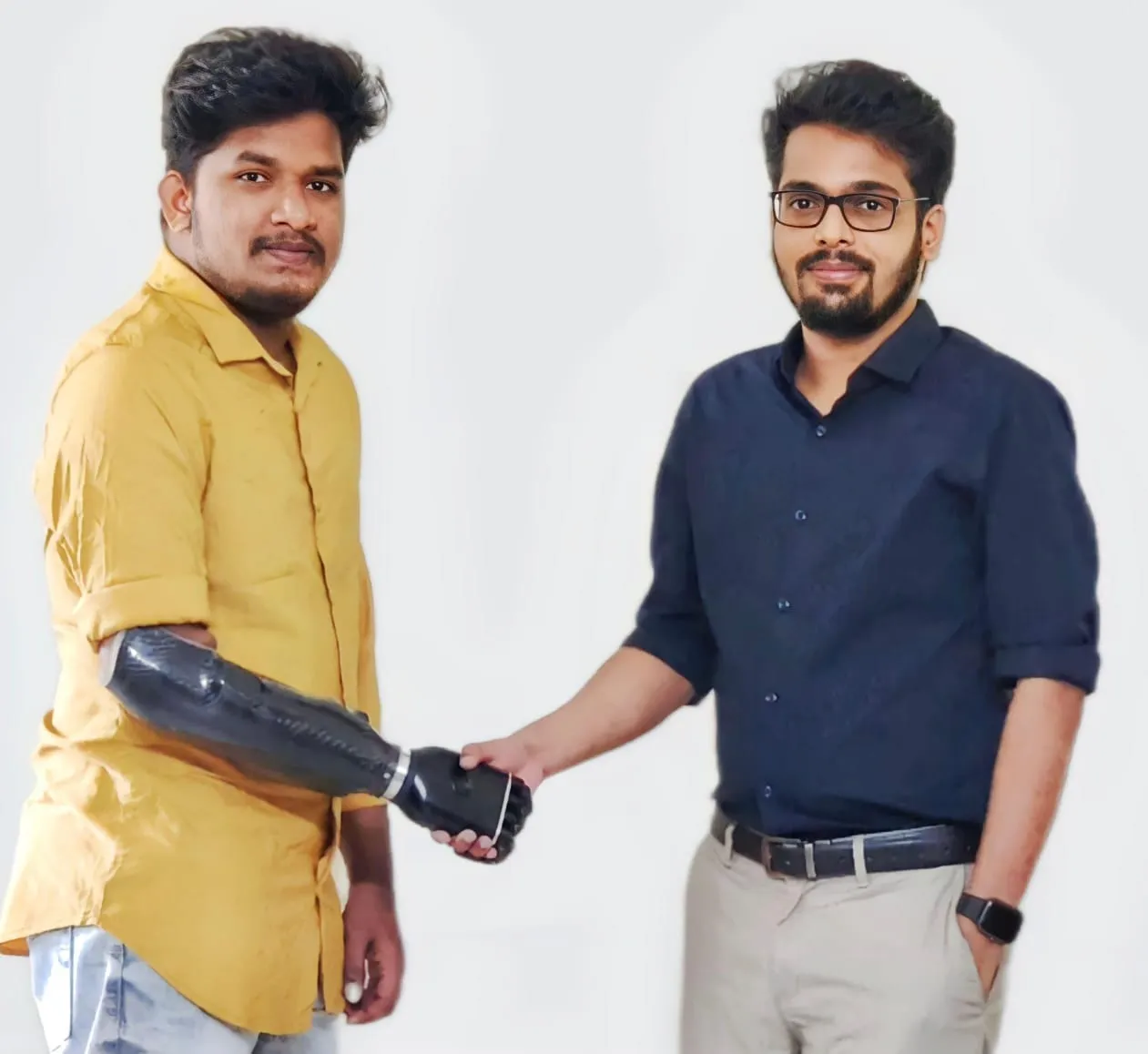
The genesis of Kisan Know, an AI-powered disease detection device, is rooted in tragedy and innovation. Rishikesh Amit Nayak, a young entrepreneur from Odisha, was moved to action after witnessing four suicides in his village, all linked to crop failures and mounting debts. Determined to break this cycle, Nayak developed Kisan Know, which leverages AI to detect early signs of crop diseases such as blight and mildew—issues that previously went unnoticed until irreversible damage occurred.
In Kendrapara district, over 3,000 farmers have adopted Kisan Know, reporting dramatic reductions in crop losses and input costs. According to field data collected by local NGOs, early detection has enabled timely interventions, reducing pesticide use by up to 30% and increasing yields by 15–20%. Farmers like Suresh Behera attest that “the anxiety of waiting for the next pest outbreak is gone; now we act before the damage is done.”
Digital Empowerment and Mental Health: The Human Dividend
Beyond productivity gains, AI-driven tools are fostering psychological resilience among farmers. NGOs such as Digital Green have documented how digital advisory platforms, powered by AI, are equipping farmers with timely knowledge and market access. In a recent impact assessment, Digital Green found that 80% of surveyed farmers in Odisha and Bihar felt more confident in their decision-making and less anxious about crop health, a shift that has contributed to improved mental well-being.
Women farmers, often excluded from traditional extension services, have particularly benefited from AI-enabled video advisories in local languages. “I can now identify problems in my crops and get solutions without waiting for the next village meeting,” shares Rekha Devi, a smallholder from Bihar. This democratization of information is helping bridge gender and literacy gaps.
Contextual Innovation: Designing for India’s Diversity
The success of AI in Indian agriculture hinges on context-sensitive design and community engagement. Kisan Know’s development process involved extensive field trials and participatory feedback from farmers, ensuring that the device’s interface was accessible to users with varying literacy levels and language backgrounds. This approach mirrors the inclusive design principles advocated by the International Fund for Agricultural Development (IFAD).
Expert institutions such as the Indian Institute of Technology (IIT) Delhi and the Indian Agricultural Research Institute (IARI) have contributed to the adaptation of AI algorithms for local crop varieties and climatic conditions. Their research underscores the importance of integrating traditional knowledge with advanced analytics to maximize impact and minimize unintended consequences.
Policy and Institutional Support: Scaling Impact Responsibly
The Indian government’s proactive stance on AI adoption in agriculture has been instrumental in scaling these innovations. The National AI Strategy, spearheaded by NITI Aayog, prioritizes agriculture as a key sector for inclusive growth. Complementary initiatives like Digital India and the Atal Innovation Mission (AIM) have expanded rural digital infrastructure and provided funding for agri-tech startups.
Regulatory frameworks such as the Digital Personal Data Protection (DPDP) Act, 2023, and the Ministry of Electronics and Information Technology’s (MeitY) AI governance guidelines emphasize transparency, accountability, and data privacy. These policies are crucial for building trust among farmers, who remain wary of data misuse and algorithmic bias.
Dr. Ashok Dalwai, CEO of the National Rainfed Area Authority, notes, “AI must complement—not replace—local wisdom. Policy must ensure that technology serves the farmer, not the other way around.” This perspective is echoed by Prof. Ramesh Chand of NITI Aayog, who advocates for robust capacity-building among extension workers to bridge the digital divide.
Looking Forward: Toward Sustainable and Inclusive Agri-Tech Ecosystems
The stories of transformation witnessed in Odisha and beyond are only the beginning. As AI-powered IoT devices evolve into integrated farm management systems, the potential for climate-resilient, data-driven agriculture grows exponentially. However, realizing this vision will require sustained investment in digital literacy, inclusive design, and public-private partnerships.
Participation opportunities abound for farmers, researchers, and entrepreneurs alike. As India charts its path toward technological self-reliance, these impact stories serve as both inspiration and a call to action—reminding us that the true measure of innovation lies in its ability to uplift those who need it most.
Voices Shaping the Future of AI in Indian Agriculture
As artificial intelligence (AI) reshapes the contours of Indian agriculture, leading experts and institutions are charting a path that balances innovation with ethical stewardship. Their perspectives, grounded in research and policy, illuminate both the promise and the complexities of integrating AI-powered Internet of Things (IoT) solutions like Kisan Know into the country’s vast and diverse agricultural landscape. This section synthesizes key viewpoints from Indian thought leaders, highlighting the nuanced debates and actionable insights that underpin the nation’s AI-driven agricultural transformation.
Integrating AI with Indigenous Knowledge: A Prerequisite for Scalable Impact
Dr. Ashok Dalwai, CEO of the National Rainfed Area Authority, underscores that the efficacy of AI in Indian agriculture hinges on its alignment with traditional knowledge systems and localized agronomic practices. “AI tools must not operate in isolation—they should complement the wisdom of farmers who have cultivated these lands for generations,” he asserts in a recent policy roundtable. This integration is particularly vital in rainfed regions, where microclimatic variability and resource constraints demand context-specific solutions.
A real-world illustration is the collaborative project between the Indian Agricultural Research Institute (IARI) and grassroots farmer collectives in Maharashtra. Here, AI-driven pest prediction models are calibrated using local crop calendars and indigenous pest management techniques, resulting in more accurate advisories and higher farmer adoption rates. Such hybrid approaches are increasingly recognized as essential for scaling AI interventions across India’s 140 million farm holdings.
Data Governance and Farmer Rights: Policy Imperatives for Trustworthy AI
The rapid proliferation of AI-powered devices in agriculture brings data privacy and ethical use to the forefront. Prof. Ramesh Chand, Member of NITI Aayog and a leading agricultural economist, advocates for robust government-led frameworks that safeguard farmer data while fostering innovation. “Protecting the rights of farmers over their data is non-negotiable. At the same time, we must incentivize responsible data sharing to unlock the full potential of AI,” he notes in his policy writings.
India’s regulatory landscape is evolving in response. The Ministry of Electronics and Information Technology (MeitY) has articulated AI governance principles emphasizing transparency, accountability, and inclusivity. The Pradhan Mantri Fasal Bima Yojana (PMFBY), which leverages AI for crop insurance, serves as a test case for balancing innovation with privacy, as it requires careful handling of sensitive farm-level data.
Capacity Building and Bridging the Digital Divide
A recurring theme among Indian experts is the urgent need for capacity building to ensure equitable AI adoption. Extension workers—often the primary interface between technology and farmers—require upskilling to interpret AI-generated insights and translate them into actionable advice. Prof. Chand highlights that “without targeted training, the digital divide will widen, leaving smallholders behind.”
Institutions such as the Indian Institute of Technology (IIT) Delhi and the Indian Council of Agricultural Research (ICAR) are piloting training modules for extension agents, focusing on digital literacy and AI application in field contexts. For example, the Digital Saksharta Abhiyan (DISHA) initiative has begun integrating AI literacy into its rural outreach, aiming to empower women and marginalized farmers who have historically been excluded from technological advancements.
Evidence-Based Policy and Research: Foundations for Sustainable AI Ecosystems
Indian research institutions are at the forefront of generating evidence to inform policy and practice. IIT Delhi’s AI4Agri initiative, for instance, is developing machine learning models for early disease detection in rice and wheat, with pilot deployments in Haryana and Punjab. These projects not only demonstrate technical feasibility but also provide critical data for policymakers evaluating the scalability and sustainability of AI interventions.
The Indian Agricultural Research Institute (IARI) has published policy briefs recommending the use of AI in climate-smart agriculture, citing successful field trials where AI-powered weather forecasting tools improved sowing decisions and reduced input costs. Such research-backed insights are shaping the government’s National AI Strategy, which prioritizes agriculture as a key sector for inclusive growth.
Towards Inclusive and Ethical AI: The Road Ahead
Experts agree that the future of AI in Indian agriculture must be both inclusive and ethically grounded. The MeitY’s AI governance framework, developed in consultation with academic and civil society stakeholders, sets out principles for fairness, explainability, and community participation. Dr. Dalwai emphasizes that “AI must serve the interests of all farmers, regardless of region, gender, or socioeconomic status.”
Emerging models, such as participatory technology design and farmer-led data cooperatives, are being piloted to ensure that AI solutions reflect the needs and aspirations of diverse rural communities. These approaches, coupled with ongoing policy innovation, are positioning India as a global leader in responsible agri-tech deployment.
Catalyzing Agricultural Transformation: India’s Policy Landscape for AI and IoT Integration
India stands at the cusp of a technological revolution in agriculture, driven by a robust policy framework that seeks to harness artificial intelligence (AI) and Internet of Things (IoT) solutions for inclusive and sustainable growth. The government’s strategic vision, articulated through landmark initiatives and regulatory reforms, is shaping an ecosystem where innovation meets the realities of rural India. This section explores the contours of India’s policy content, highlighting research-backed strategies, regulatory safeguards, and expert perspectives that are steering the nation’s agri-tech trajectory.
Strategic Vision: National AI Strategy and Digital India
The National Strategy for Artificial Intelligence, released by NITI Aayog in 2018, sets a clear agenda for leveraging AI to address India’s most pressing developmental challenges, with agriculture as a central pillar. The strategy emphasizes “AI for All,” focusing on enhancing farm productivity, optimizing resource use, and ensuring food security. Complementing this, the Digital India initiative has expanded broadband connectivity and digital infrastructure to rural areas, laying the groundwork for AI-powered solutions to reach millions of farmers.
A notable example is the integration of AI-driven analytics in the Pradhan Mantri Fasal Bima Yojana (PMFBY), India’s flagship crop insurance scheme. By utilizing satellite imagery and remote sensing, the scheme expedites claim assessments and reduces fraud, directly benefiting smallholder farmers. Similarly, the Paramparagat Krishi Vikas Yojana (PKVY) supports organic farming through digital monitoring and traceability tools, promoting sustainable practices.
Regulatory Safeguards: Balancing Innovation with Accountability
As AI adoption accelerates, the Indian government has enacted regulatory frameworks to mitigate associated risks. The Information Technology (IT) Rules, 2021, and the Digital Personal Data Protection (DPDP) Act, 2023, establish foundational safeguards for data privacy, consent, and the prevention of misinformation—critical concerns in the context of AI-driven agricultural platforms.
However, Indian policy experts, such as Dr. Subhashis Banerjee of IIT Delhi, caution that “while current regulations address data protection, sector-specific guidelines for AI in agriculture are urgently needed to ensure transparency and accountability.” The absence of comprehensive AI-specific legislation leaves gaps in areas such as algorithmic bias, liability, and explainability, especially as AI systems increasingly influence farm-level decisions.
The government’s recent call for proposals to develop India-specific AI foundation models underscores a commitment to technological sovereignty and context-aware innovation. This move aims to reduce dependence on foreign AI models and foster a homegrown ecosystem tailored to India’s agricultural diversity.
Fostering Innovation Ecosystems: Public-Private Partnerships and Research
India’s policy approach recognizes that scaling AI and IoT in agriculture requires collaboration across government, academia, industry, and civil society. Initiatives such as the Atal Innovation Mission (AIM) and Startup India provide funding and incubation support for agri-tech startups developing AI-powered solutions—from disease detection to precision irrigation.
A successful example is the partnership between the Indian Council of Agricultural Research (ICAR) and Microsoft, which piloted an AI-based sowing app in Andhra Pradesh. The app delivered personalized advisories to farmers, resulting in a reported 30% increase in crop yields. Such collaborations exemplify how policy-driven incentives can accelerate the translation of research into real-world impact.
Additionally, the government’s support for indigenous AI research is evident in its push for open data platforms and interoperability standards, enabling startups and research institutions to build scalable, context-relevant solutions.
Inclusive Design: Bridging the Digital Divide
Ensuring equitable access to AI technologies remains a policy priority. The Digital Saksharta Abhiyan (DISHA) aims to enhance digital literacy among rural populations, creating a foundation for the adoption of AI-enabled tools like Kisan Know. Policy guidelines increasingly mandate the use of multilingual, voice-based interfaces and pictorial guides to accommodate users with low literacy and diverse linguistic backgrounds.
Women farmers, who constitute nearly 33% of India’s agricultural workforce, often face unique barriers in accessing technology. Government and NGO-led training programs are being tailored to address these gaps, with community-based dissemination models proving effective in states like Maharashtra and Odisha.
Expert Perspectives: Indian Thought Leadership on AI Policy
Indian institutions and experts are shaping the discourse on responsible AI deployment in agriculture. Dr. Neeta Verma, former Director General of the National Informatics Centre, emphasizes, “AI policy must be rooted in India’s socio-economic context, prioritizing transparency, inclusivity, and farmer empowerment.” The Indian Institute of Science (IISc) and IITs are actively contributing to AI ethics frameworks and indigenous technology development.
—
India’s policy architecture for AI in agriculture is evolving rapidly, balancing innovation with inclusivity and accountability. By fostering research, enabling public-private partnerships, and embedding ethical safeguards, the government is laying the foundation for a resilient, tech-enabled agricultural future.
Charting the Next Frontier: AI and IoT in Indian Agriculture
As India’s agricultural sector embraces digital transformation, the convergence of artificial intelligence (AI) and Internet of Things (IoT) technologies is poised to redefine farming at scale. Future iterations of platforms like Kisan Know are expected to transcend single-use applications, evolving into comprehensive farm management systems that integrate disease detection, soil health analytics, weather forecasting, and market intelligence. This vision is underpinned by rapid advancements in edge computing and 5G connectivity, promising real-time insights even in the most remote corners of rural India. The trajectory of these innovations will be shaped by robust infrastructure, inclusive policy frameworks, and a commitment to equitable access.
Integrated Farm Management: Toward a Unified Digital Ecosystem
Research indicates that the next wave of AI-powered IoT solutions will offer holistic farm management, seamlessly connecting disparate data streams into actionable intelligence. For example, the Indian Council of Agricultural Research (ICAR) is piloting integrated platforms that combine pest surveillance, soil nutrient mapping, and weather-based advisory services. Such systems enable farmers to make informed decisions on crop selection, irrigation, and pest control, reducing input costs and boosting yields.
A notable case is the eNAM (National Agriculture Market) platform, which leverages digital tools to connect farmers with buyers, enhancing price transparency and market access. By integrating disease detection modules and predictive analytics, future platforms could provide end-to-end support—from sowing to sale—creating a resilient and responsive agri-tech ecosystem.
Infrastructure and Policy: Building the Digital Backbone
Scaling AI-driven innovations nationally hinges on the development of robust data infrastructure and interoperable platforms. The Indian government’s Digital India initiative and the BharatNet project are laying the groundwork by expanding high-speed internet connectivity to over 250,000 gram panchayats. These efforts are complemented by the National Strategy for Artificial Intelligence (NITI Aayog), which emphasizes public-private partnerships and open data standards to foster innovation and avoid technological silos.
Policy frameworks are also evolving to address ethical considerations and data privacy. The recently proposed Digital Personal Data Protection Act aims to safeguard farmer data, while the Ministry of Agriculture’s push for open APIs encourages collaboration between startups, research institutions, and government agencies. These measures are critical for ensuring that AI technologies serve the interests of all stakeholders, particularly smallholder farmers.
Climate Resilience and Sustainability: Harnessing AI for Adaptation
With climate variability posing mounting risks to Indian agriculture, AI-powered IoT devices offer a lifeline for building resilience. Machine learning models can analyze historical weather data, satellite imagery, and sensor inputs to generate hyper-local forecasts and early warnings for droughts, floods, and pest outbreaks. Emerging innovations such as AI-driven gene editing for pest-resistant crops and blockchain-based supply chain tracking are already being explored by Indian startups like CropIn and SourceTrace. These technologies, when integrated with disease detection and advisory platforms, can create a virtuous cycle of productivity, sustainability, and transparency across the value chain.
Expert Perspectives: Insights from Indian Thought Leaders
Indian experts underscore the importance of context-specific innovation and participatory design. Dr. Trilochan Mohapatra, former Director General of ICAR, notes: “For AI to truly benefit Indian farmers, solutions must be tailored to local agro-climatic conditions and accessible in regional languages.” The Indian Institute of Technology (IIT) Kharagpur’s Centre of Excellence in AI for Agriculture is developing voice-enabled advisory tools that cater to low-literacy users, demonstrating the value of user-centric design.
Policy analysts at NITI Aayog emphasize the need for continuous capacity building: “Digital literacy and farmer training are as crucial as technological breakthroughs. Without grassroots engagement, even the most advanced tools risk limited adoption.” These perspectives highlight the necessity of integrating technical innovation with social and institutional support systems.
Fostering Indigenous Innovation and Inclusive Growth
India’s long-term roadmap for AI in agriculture prioritizes indigenous research, digital literacy, and ethical governance. Initiatives like the Atal Innovation Mission (AIM) and Startup India are nurturing homegrown agri-tech startups, while the Digital Saksharta Abhiyan (DISHA) is working to bridge the digital divide in rural communities.
Inclusive design principles—such as voice-based interfaces, pictorial guides, and offline functionality—are being adopted to ensure that women, smallholders, and marginalized groups are not left behind. As India moves forward, the convergence of policy, research, and community engagement will be pivotal in unlocking the full promise of AI-powered IoT for sustainable, equitable, and climate-resilient agriculture.
Bridging the Digital Divide: Making AI in Agriculture Truly Inclusive
The promise of AI-driven solutions such as Kisan Know in Indian agriculture hinges on their accessibility to all segments of society, particularly rural, gender-diverse, and marginalized communities. While affordability remains a significant concern, true accessibility encompasses much more: user interfaces tailored for low literacy, support for diverse local languages, infrastructural adaptation, and gender-sensitive design. Ensuring that these technologies do not exacerbate existing inequalities but instead empower those most in need is both a policy imperative and a moral responsibility.
Designing for Low Literacy and Multilingual Realities
India’s rural population is characterized by linguistic diversity and varying literacy levels. According to the National Sample Survey Office (NSSO), nearly 26% of rural Indians are illiterate, and many more are only functionally literate. To address these challenges, AI platforms like Kisan Know must move beyond text-heavy interfaces. Voice-based interactions in local languages, pictorial guides, and intuitive navigation are critical. The e-Choupal initiative by ITC, for example, successfully deployed vernacular content and simple iconography to engage farmers across multiple states, demonstrating the value of culturally and linguistically adaptive design.
Gender-Inclusive Approaches: Overcoming Social and Structural Barriers
Women comprise nearly 33% of India’s agricultural workforce, yet they face disproportionate barriers in accessing digital technologies. Social norms, limited mobility, and lower digital literacy rates among women restrict their participation in tech-driven agricultural programs. Research by the Indian Council of Agricultural Research (ICAR) highlights that women benefit most from community-based dissemination and peer learning models.
Tailored interventions—such as women-only digital literacy camps, mobile-based training modules, and partnerships with self-help groups—have shown promise. The Mahila Kisan Sashaktikaran Pariyojana (MKSP) is a government initiative that empowers women farmers through technology and capacity building. Integrating AI tools with such programs can amplify their reach and impact. As Dr. Renu Swarup, former Secretary of the Department of Biotechnology, notes, “Technology must be designed with women’s realities in mind, or we risk leaving half our farmers behind.”
Infrastructure and Offline Accessibility: Adapting to Rural Realities
Rural India continues to grapple with unreliable electricity and patchy internet connectivity. According to the Telecom Regulatory Authority of India (TRAI), rural internet penetration remains below 40%. For AI solutions to be viable, they must function in low-connectivity environments and be resilient to power disruptions. Offline-capable devices, solar-powered charging stations, and decentralized data processing are increasingly being adopted.
Participatory and Inclusive Design: Lessons from the Field
Evidence from inclusive digital agriculture projects underscores the importance of involving end-users in the design and deployment of technology. The International Fund for Agricultural Development (IFAD) highlights participatory design as a best practice, ensuring that solutions reflect the needs and preferences of diverse user groups.
In India, the Digital Green initiative collaborates directly with farmers to co-create video content and feedback loops, resulting in higher adoption rates and improved outcomes. This participatory approach not only enhances usability but also fosters trust and ownership among marginalized communities.
Expert Perspectives: Indian Voices on Accessibility
Indian experts consistently emphasize the need for context-sensitive innovation. Dr. Neeta Verma, former Director General of the National Informatics Centre (NIC), has argued that “accessibility is not just about physical access, but about relevance, usability, and empowerment.” Institutions like the Indian Institute of Technology (IIT) Delhi are pioneering research on AI interfaces for low-resource settings, while the National Institute of Rural Development and Panchayati Raj (NIRDPR) is piloting AI-driven advisory services tailored for women and smallholder farmers.
—
By embedding accessibility at the core of AI-driven agricultural innovation, India can ensure that transformative technologies like Kisan Know serve as tools for empowerment rather than exclusion. This requires a concerted effort across policy, design, infrastructure, and community engagement—grounded in the lived realities of those who feed the nation.
Unlocking Participation: Pathways to Engage with AI-Driven Agriculture in India
India’s agricultural transformation is increasingly powered by artificial intelligence (AI), offering a spectrum of participation opportunities for citizens, institutions, and communities. From grassroots involvement in pilot projects to collaborative research and policy advocacy, stakeholders across the country are shaping the future of agri-tech. Strategic government initiatives, academic partnerships, and digital platforms are opening new avenues for engagement, ensuring that AI innovations are not only developed but also widely adopted and refined to meet local needs.
Collaborative Pilots: Farmers at the Forefront of Innovation
Direct farmer engagement is central to the successful deployment of AI in agriculture. Pilot programs, such as those involving the Kisan Know platform, invite farmers to test and provide feedback on AI-powered solutions for crop management, pest detection, and yield optimization. For example, the Indian Council of Agricultural Research (ICAR) has partnered with technology firms to launch field trials of AI-based soil health monitoring devices in Maharashtra and Punjab. These pilots empower farmers to influence technology design, ensuring tools are user-friendly and contextually relevant. Farmer Producer Organizations (FPOs) amplify this impact by coordinating collective participation, facilitating peer-to-peer learning, and enabling group-based adoption of new technologies.
Academic-Industry Partnerships: Driving Research and Capacity Building
Academic institutions and startups are pivotal in advancing AI-driven agricultural research and development. Initiatives like the Atal Innovation Mission (AIM) and the National Agricultural Higher Education Project (NAHEP) provide funding and infrastructure for collaborative projects. For instance, the Indian Institute of Technology (IIT) Kharagpur’s collaboration with agritech startup SatSure leverages satellite data and machine learning to deliver real-time advisories to farmers in Andhra Pradesh. These partnerships not only accelerate technological breakthroughs but also foster capacity building through internships, workshops, and joint research programs. The AIM’s Atal Incubation Centres have supported over 200 agri-tech startups, catalyzing grassroots entrepreneurship.
Community-Led Digital Literacy and Data Initiatives
Widespread adoption of AI in agriculture hinges on digital literacy and robust data ecosystems. NGOs and civil society organizations play a crucial role in mobilizing communities, conducting digital literacy campaigns, and facilitating data collection efforts. Volunteers and local youth are often enlisted to support these campaigns, bridging the digital divide in rural areas. Additionally, citizen science projects—such as the “Plantix” app’s pest reporting feature—enable farmers to contribute valuable field data, enhancing the accuracy of AI models. These participatory approaches ensure that AI solutions are grounded in real-world conditions and benefit from continuous community input.
Policy and Funding Mechanisms: Catalyzing Homegrown Agri-Tech Solutions
Government policy frameworks and funding schemes are instrumental in fostering participation and innovation in AI-driven agriculture. The Startup India initiative offers financial incentives, mentorship, and regulatory support to agri-tech entrepreneurs, resulting in a surge of homegrown solutions tailored to Indian contexts. The Department of Science and Technology’s National Mission on Interdisciplinary Cyber-Physical Systems (NM-ICPS) further supports the development and deployment of AI and IoT technologies in agriculture. Policy think tanks such as NITI Aayog regularly convene stakeholders to solicit feedback and co-create strategies for responsible AI adoption.
Knowledge Exchange Platforms: Building an Informed Agri-Tech Community
Digital platforms are crucial for disseminating knowledge, fostering dialogue, and connecting stakeholders. Through webinars, hackathons, and open innovation challenges, the portal enables citizens, researchers, and entrepreneurs to contribute ideas, share experiences, and stay abreast of the latest developments in AI for agriculture. These platforms not only democratize access to information but also cultivate a vibrant community of practice dedicated to sustainable and inclusive agri-tech advancement.
Collectively, these participation opportunities underscore the transformative potential of AI-powered IoT in Indian agriculture. By fostering collaboration across sectors and empowering diverse stakeholders, India is laying the groundwork for a resilient, technology-enabled agricultural future.
Kisan AI – AI-Powered Crop Disease Detector Apps Are Helping Farmers – https://netzeroindia.org/ai-powered-crop-disease-detector-apps/
An efficient IoT based crop disease prediction and recommendation system – https://dl.acm.org/doi/10.1007/s10586-023-04246-w
Artificial Intelligence and Plant Disease Management: An Agroecological Perspective – https://onlinelibrary.wiley.com/doi/10.1111/jph.70084
Handpicked stories tailored just for you
Explore stories that inspire, inform, and ignite new ideas across tech, innovation, and real-world impact