AI-Enabled Gynaecological Care Expands Access to 400,000+ Women Across India
Pinky Promise is a chat-first, AI-assisted women’s healthcare platform delivering affordable, confidential gynaecological care at scale. Founded in 2022, it enables registered doctors to provide ₹99 consultations through a secure digital interface. Serving over 400,000 women — including first-time and rural users — the model reduces stigma, cost, and geographic barriers to reproductive healthcare access across India.
Updated on: 25 February 2026

Sector

Solution

Technology

State of Origin
Impact Metrics
400000+ women
have accessed confidential, doctor-led gynaecological care.
₹99 consultations
reduce financial barriers compared to traditional clinic fees ranging from ₹800–₹2,500 per visit.
50%+ users
were first-time gynaecology patients, formalising access to reproductive healthcare for women who had never previously consulted a specialist.
Pan-India reach
including remote regions such as Jammu & Kashmir and the Northeast, enabled access through basic internet connectivity without requiring physical clinic visits.
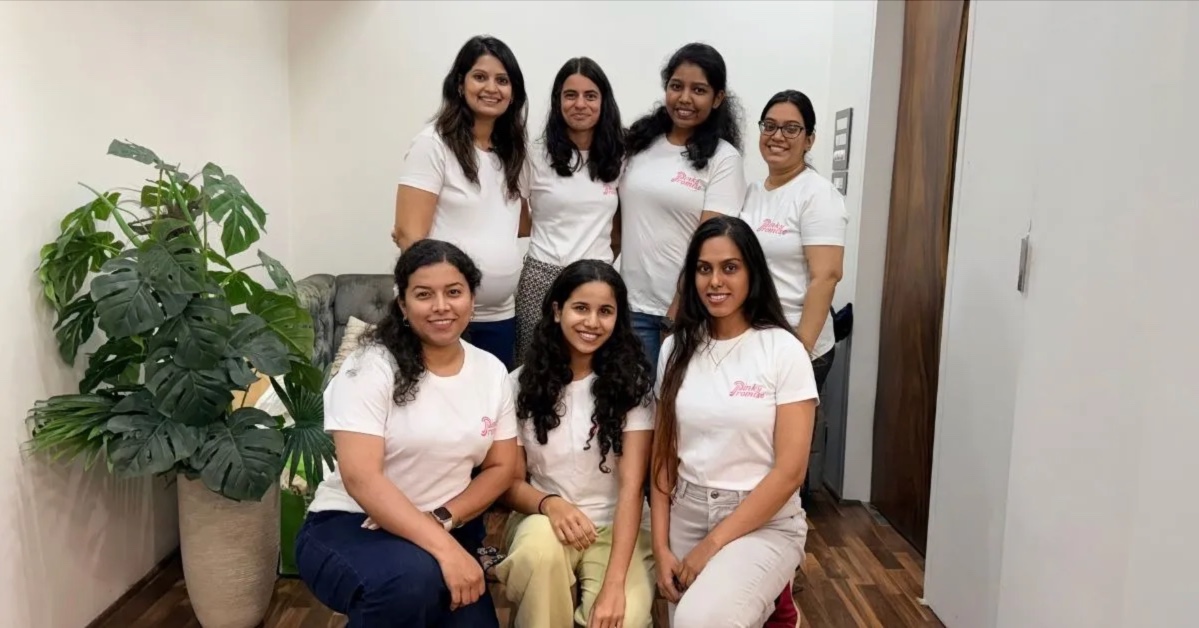
In 2022, Pinky Promise was established as a chat-first, AI-powered women’s healthcare platform by Divya Kamerkar, a Yale-trained biologist with lived experience of PCOS, and Akanksha Vyas, a computer science engineer and health-tech entrepreneur. Conceived in response to persistent gaps in India’s gynaecological care ecosystem — including stigma, delayed diagnosis, high consultation costs, and limited privacy — the platform reimagines how women access medical support. It replaces the traditional clinic-first model with a doctor-led digital interface that begins with confidential chat, making care discreet, affordable, and accessible.
Unlike conventional telemedicine models reliant on video or voice consultations, Pinky Promise is built as a structured chat-based system. The platform enables real-time consultations with registered gynaecologists, combining medical oversight with AI-assisted triaging and documentation. The model was validated through early experiments demonstrating that women disclosed sensitive symptoms more honestly over text than on calls. This behavioural insight became the foundation of a scalable, empathy-driven care architecture.
Technology Architecture and Clinical Governance
The technological backbone integrates conversational AI with doctor supervision. The system uses a Retrieval-Augmented Generation (RAG)–based copilot to assist clinicians in symptom assessment, drafting prescriptions, and managing follow-ups, while ensuring that all medical decisions remain under licensed practitioners’ authority. The platform is compliant with Indian telemedicine practice guidelines. It does not prescribe restricted medicines digitally and flags red-flag symptoms requiring immediate in-person intervention. All consultations are conducted exclusively by registered gynaecologists whose Medical Registration Numbers are visible on prescriptions.
Data governance is central to the design. Patient records are encrypted at rest (AES-256) and in transit (TLS 1.2+), and data is hosted securely in-house. Only the consulting doctor can access patient files. Users retain full data ownership and may request permanent deletion within 24 hours. AI systems are trained on anonymised datasets, ensuring that no personally identifiable information is used in model development.
Access, Affordability, and Measurable Impact
From its experimental phase in 2022 to its full-scale launch across web and mobile platforms in 2024, the platform has evolved into a comprehensive digital care pathway. Today, Pinky Promise serves over 400,000 women across India. Consultations are priced at ₹99, significantly reducing cost barriers compared to traditional urban clinic fees that may range between ₹800–₹2,500 per visit. More than 50% of users had never previously consulted a gynaecologist, and over 70% had never paid for an online medical service before, underscoring the platform’s role in formalising first-time healthcare access.
Importantly, the platform demonstrates relevance beyond urban, digitally privileged populations. Women from remote and low-connectivity regions — including parts of Jammu & Kashmir and the Northeast — access care through basic internet-enabled devices. The chat-first design allows asynchronous engagement, which is particularly valuable in rural and semi-urban settings where privacy at home may be limited and travel to clinics may involve long distances, lost wages, or social stigma. By enabling discreet consultations without requiring physical presence, the platform addresses both infrastructural and socio-cultural barriers that disproportionately affect rural women.
Approximately 30% of users manage chronic conditions such as PCOS and endometriosis through structured, long-term digital care programmes that include personalised treatment plans, continuous follow-ups, and specialist referrals. In the past year, five women with prolonged infertility histories — including failed IVF attempts — successfully conceived after completing sustained digital care protocols. These outcomes illustrate the platform’s capacity to support complex reproductive health journeys beyond episodic consultation.
The clinical workforce currently includes four full-time doctors operating in shifts, supported by senior gynaecologists and an extended panel of 50–60 trained practitioners prepared for scale. Administrative automation has reduced documentation burdens, allowing doctors to prioritise clinical judgement and patient counselling. The integration of AI as a support tool — rather than a replacement — enhances efficiency while preserving medical accountability.
Strategic Relevance for India’s Digital Health Ecosystem
Pinky Promise represents a replicable model for strengthening India’s primary and reproductive healthcare systems. By reducing cost, stigma, and geographic barriers, chat-first doctor-led platforms can expand formal care access to first-time users, particularly adolescents and women in underserved regions. The model aligns with national priorities around digital health infrastructure, preventive care, and women’s health outcomes.
As India advances its digital public health architecture, innovations such as Pinky Promise demonstrate how AI-enabled, privacy-conscious, clinician-supervised platforms can extend the reach of qualified medical care beyond physical clinics. Scaled responsibly, such models can reduce diagnostic delays, support chronic disease management, improve reproductive health outcomes, and build a more inclusive healthcare ecosystem — one where access to gynaecological care is timely, dignified, and geographically equitable.
Share Your Story Today, Shape Viksit Bharat Tomorrow
Got an idea, innovation, or experience that's making a difference? Share your story now and ignite India's transformation because your voice can drive the future forward!
Handpicked stories tailored just for you
Explore stories that inspire, inform, and ignite new ideas across tech, innovation, and real-world impact

A Patient-First Tech Model Helps 40000+ Indians Control Their Health Records Securely
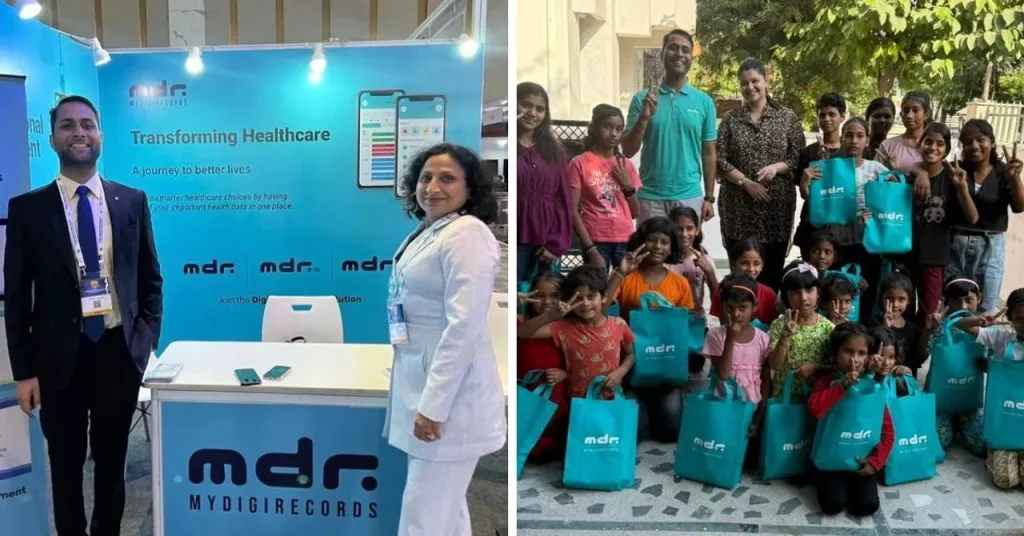
MyDigiRecords is transforming how Indians manage healthcare by enabling secure, patient-owned digital health records in one place. Integrated with the...
Read More