Charting the Next Wave: Transformative Horizons for Smart Flowmeter Technology in India
As India grapples with mounting water stress and the urgent need for sustainable management, the future of smart flowmeter technology promises a paradigm shift. By converging advanced digital tools—such as artificial intelligence, satellite remote sensing, and blockchain—with robust policy frameworks, India stands poised to revolutionize water governance. This evolution is not merely technological; it is fundamentally about empowering communities, enhancing transparency, and fostering resilience in the face of climate uncertainty.
Integrating Advanced Technologies for Predictive Water Governance
The next frontier in water management lies in the seamless integration of smart flowmeters with AI-driven analytics and satellite data. This convergence enables real-time, predictive modeling of groundwater resources, allowing authorities to anticipate shortages and intervene proactively. For example, pilot projects in Gujarat have combined sensor data with remote sensing to map aquifer health and inform cropping patterns, reducing over-extraction. Blockchain-based water trading platforms, as piloted in Telangana’s irrigation sector, offer transparent and tamper-proof records, reducing disputes and enabling efficient allocation.
Expanding Reach: Policy Mandates and Scalable Implementation
Scaling smart flowmeter deployment across India’s 600+ groundwater-stressed districts could transform water management from reactive crisis response to proactive stewardship. Policy momentum is building: the Ministry of Jal Shakti’s Atal Bhujal Yojana (Atal Jal) has begun mandating digital monitoring for large water users, coupling compliance with both incentives and penalties. This approach is mirrored in Maharashtra’s groundwater regulation, where digital metering is a prerequisite for new extraction licenses.
Public-private partnerships are accelerating this scale-up. For instance, the Jal Jeevan Mission has partnered with startups to pilot low-cost, IoT-enabled flowmeters in rural Uttar Pradesh, demonstrating the feasibility of mass adoption. International collaborations, such as the Indo-German Water Partnership, are furthering technology transfer and capacity building.
Holistic Monitoring: Integrating Water Quality and Energy Innovations
Future-ready water governance demands more than just quantity monitoring. Integrating water quality sensors with smart flowmeters provides a comprehensive view of resource health—vital for both public health and agriculture. In Punjab, the Punjab Water Supply and Sewerage Board has piloted systems that monitor both flow and contaminants, enabling rapid response to pollution events.
Energy harvesting technologies, such as solar-powered telemetry modules, are extending device lifespans and reducing operational costs. The Indian Institute of Technology (IIT) Madras is developing flowmeters with built-in micro-energy generators, ensuring reliable operation even in off-grid settings. These innovations are crucial for sustainable, low-maintenance deployment in remote areas.
Accessibility and Inclusion: Bridging the Digital Divide
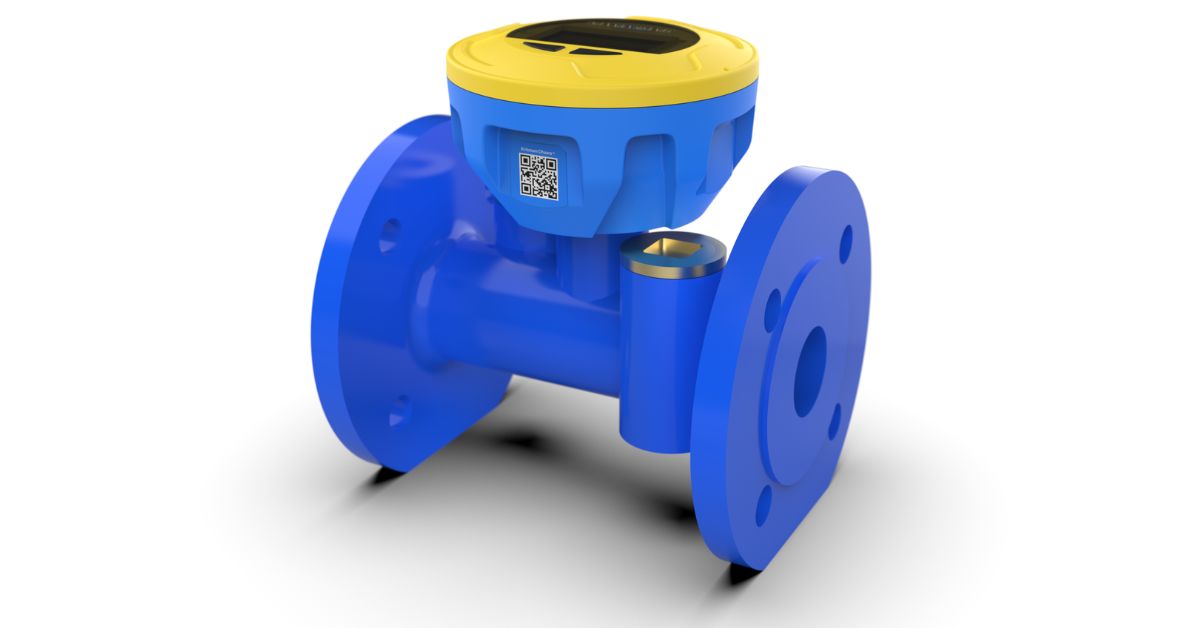
Ensuring that smart flowmeter technology benefits all segments of society requires intentional design and policy action. Devices like the Dhaara Smart Flowmeter, equipped with GPRS/4G telemetry and long battery life, are tailored for rural and low-infrastructure contexts. India’s Digital India and BharatNet initiatives are laying the groundwork for rural IoT connectivity, a prerequisite for widespread adoption.
Gender-sensitive approaches are gaining traction, recognizing women as primary water managers. Multilingual, low-literacy-friendly dashboards are being piloted in Rajasthan, ensuring that marginalized and tribal communities can participate fully in water governance.
Expert Perspectives: Indian Voices on the Road Ahead
Indian experts emphasize the importance of contextual innovation and participatory governance. Dr. Himanshu Kulkarni, Executive Director of the Advanced Centre for Water Resources Development and Management (ACWADAM), notes: “Smart metering must be embedded within local water institutions, not imposed as a top-down solution. Community ownership and data transparency are key to sustainable impact.”
The Indian Institute of Science (IISc) Bangalore’s Water Research Group highlights the need for robust data privacy frameworks as digital monitoring expands. Their recent policy brief calls for clear guidelines on data sharing and citizen consent, aligning with India’s broader digital rights discourse.
Pathways for Engagement and Capacity Building
Opportunities for participation abound. Farmers and water user associations are being trained to interpret flowmeter data and integrate it into daily management decisions, as seen in pilot projects under the Atal Bhujal Yojana. Academic institutions are collaborating with government agencies to develop localized analytics and open-source dashboards.
Startups are leveraging government incubation schemes, such as the Atal Innovation Mission, to develop complementary technologies—ranging from mobile apps to automated leak detection.
For structured engagement and funding opportunities, the Ministry of Jal Shakti’s citizen engagement portal serves as a gateway for stakeholders across the spectrum.
—
India’s journey toward smart, inclusive, and resilient water management is gathering momentum. By harnessing advanced technologies, fostering policy innovation, and prioritizing accessibility, the nation can set a global benchmark for sustainable water governance in the 21st century.