
AI-Powered Laser Weeding Technology: A Sustainable Solution for Indian Agriculture
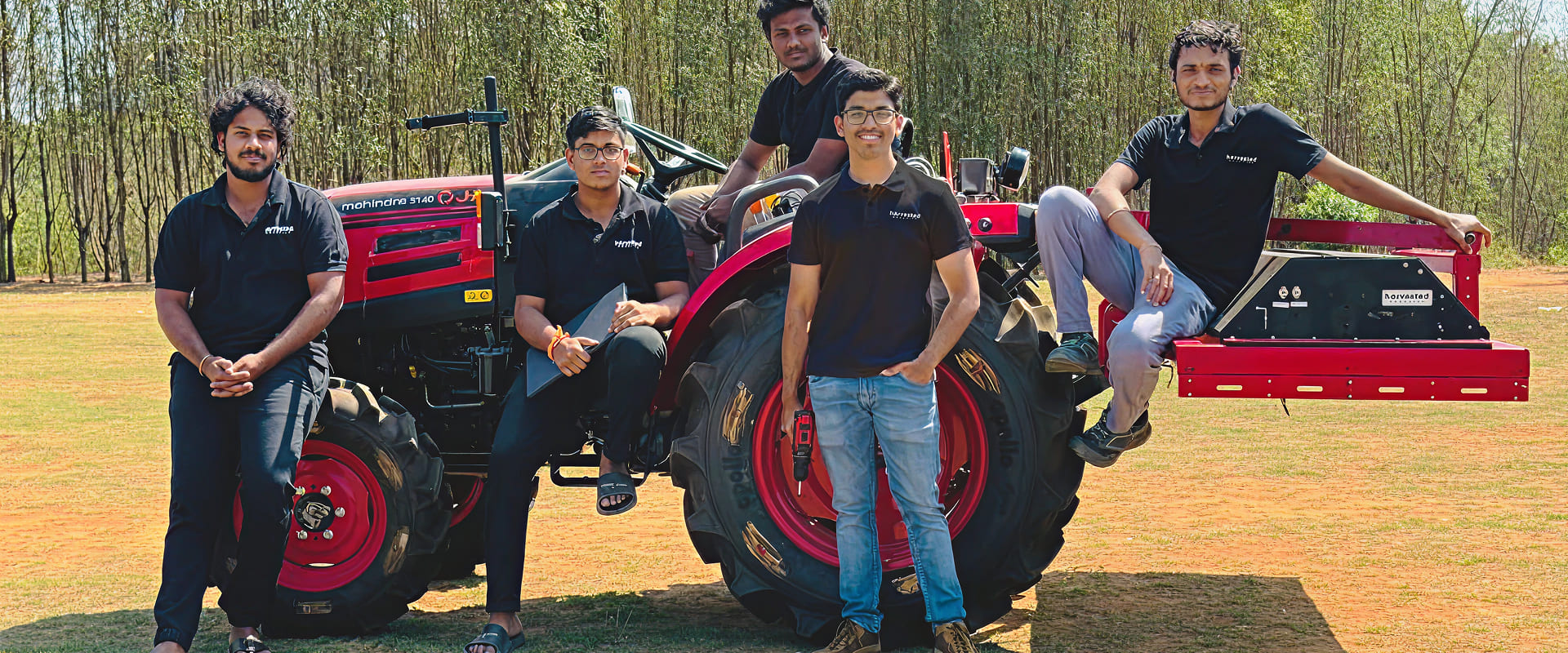
In a major leap for Indian agriculture, engineering student Rahul Arepaka has developed ‘Rakshak,’ an AI-powered laser-weeding robot that removes the need for chemical herbicides and manual labour. By automating weed control with precision, this innovation offers farmers a more sustainable and cost-effective path to better yields and healthier soil.
Updated on: 19 June 2025

Sector

Solution

Technology
AI

State of Origin
Disclaimer:
Impact Metrics
Rs 60,000 per season
cut in weed control costs.
90% accuracy
in weed detection and 5 mm tracking precision.
Eliminates chemical
herbicides, and promotes sustainable farming and healthier soil.
The journey of Rakshak began with Rahul Arepaka, a final-year computer science engineering student at Mahindra University. This is a tractor-mounted laser weeder that uses precision laser technology to eradicate weeds. Unlike traditional methods that rely on manual labor or chemical herbicides, Rakshak employs deep learning algorithms to autonomously identify and target weeds. The system uses blue laser technology, which penetrates chlorophyll faster, ensuring effective weed elimination down to the roots. This method not only reduces the chances of weed regrowth but also preserves soil integrity by avoiding chemical use and soil disturbance.

Lowering costs while protecting the planet
The economic implications of Rakshak are significant. Traditional weed management methods account for 20 to 25 percent of total cultivation costs, with manual weeding alone costing farmers up to Rs 60,000 per season. Rakshak offers a more affordable alternative, priced at Rs 10 lakh, making it the most cost-effective solution globally. Additionally, the robot’s zero-chemical approach aligns with environmental sustainability goals, reducing the long-term negative impacts of chemical herbicides on both the environment and human health.
Rakshak’s development is a testament to India’s growing focus on innovation and self-reliance in agriculture, resonating with the Atmanirbhar Bharat initiative. By providing a homegrown solution to a pervasive agricultural problem, Harvested Robotics is contributing to the vision of a Viksit Bharat, where technological advancements drive economic growth and sustainability. The technology’s potential for replication across diverse agricultural settings further enhances its strategic value to the nation.

Driving toward a new era of weed-free farming
The successful trials of Rakshak across Indian farms and its integration with platforms like Microsoft for Startups Founders Hub highlight its readiness for market launch. With a weed detection accuracy of 90% and a tracking precision of 5 mm, Rakshak promises to revolutionize weed management in India. As Harvested Robotics prepares to introduce this technology to the market, it stands as a national gamechanger, poised to transform Indian agriculture by enhancing productivity, reducing costs, and promoting sustainable practices.
Share Your Story Today, Shape Viksit Bharat Tomorrow
Got an idea, innovation, or experience that's making a difference? Share your story now and ignite India's transformation because your voice can drive the future forward!
Disclaimer:
Resources to Replicate This Idea
BUILD YOUR OWN INTERVENTION
Additional Research
How can I implement this innovation effectively?
How is this innovation being adopted around the world?
Where else could this innovation make an impact?
Who has seen real results from using this innovation?
What insights do experts share about this innovation?
What policies support or influence this innovation?
How could this innovation evolve in the future?
Is this innovation accessible and inclusive for everyone?
How can I contribute to or participate in this innovation?
What resources can help me explore this innovation further?
Handpicked stories tailored just for you
Explore stories that inspire, inform, and ignite new ideas across tech, innovation, and real-world impact

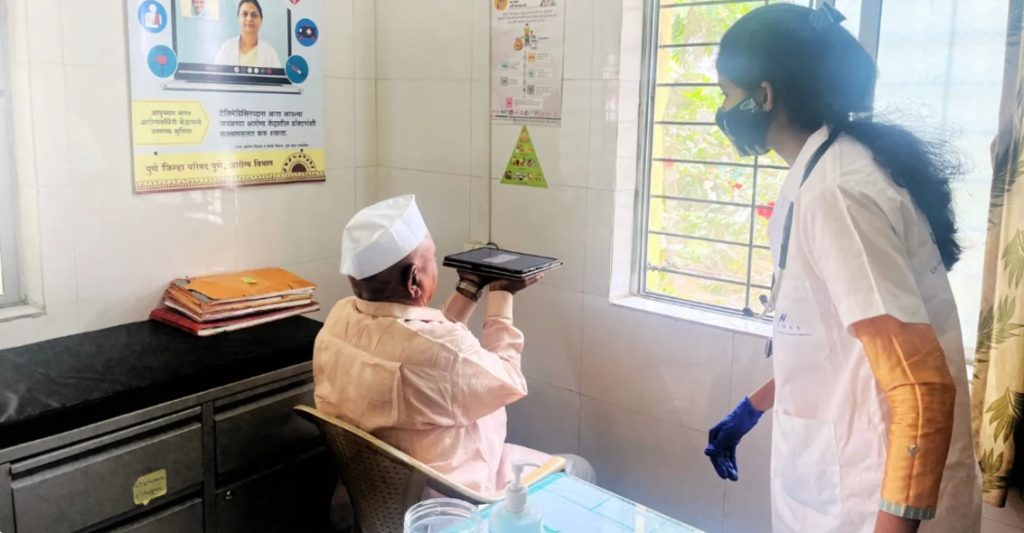
How AI Diagnostics Are Reaching India’s Frontline Health Workers
AffEx equips rural health workers with an AI-powered point-of-care screening kit — testing hemoglobin, blood pressure, ECG, and cardiac and...
Read More