Driving AI Integration in Indian Healthcare: Policy Foundations and Strategic Directions
India stands at the threshold of a healthcare transformation powered by artificial intelligence (AI), with government policy playing a pivotal role in shaping this evolution. Rather than imposing rigid regulations, India has adopted a mission-oriented, facilitative approach—prioritizing innovation, digital infrastructure, and inclusive access. This policy environment is catalyzing the adoption of AI-driven diagnostics, such as AiSteth, and fostering a robust ecosystem for future advancements.
Mission-Driven Policy Initiatives Fueling AI Adoption
The Ministry of Electronics and Information Technology (MeitY) has spearheaded the IndiaAI Mission, a flagship initiative designed to nurture AI innovation across sectors, including healthcare. Through funding, capacity building, and ecosystem development, IndiaAI supports startups and research institutions in piloting and scaling AI solutions. For example, Ai Health Highway India, a health-tech startup, has leveraged this support to deploy AI-powered diagnostic tools addressing public health challenges in both urban and rural settings.
Complementing this, the Ayushman Bharat Digital Mission (ABDM) is constructing a unified digital health infrastructure, enabling seamless integration of AI tools with electronic health records and telemedicine platforms. This digital backbone is crucial for the deployment of AI diagnostics at scale, ensuring that innovations like AiSteth can be effectively utilized by frontline health workers and clinicians nationwide.
Data Governance: Privacy, Security, and Interoperability
Effective AI deployment in healthcare hinges on robust data governance. The National Digital Health Blueprint (NDHB) sets forth standards for data interoperability, privacy, and security, which are essential for handling sensitive health information. While India does not yet have a dedicated AI regulatory statute, the Digital Personal Data Protection (DPDP) Act, 2023 establishes a legal framework for data privacy and protection. This legislation indirectly governs AI applications by mandating responsible data handling, consent management, and accountability—critical safeguards as AI tools process vast amounts of patient data.
A real-world illustration is the integration of AI-powered diagnostic devices in government-run Health and Wellness Centres, where adherence to NDHB and DPDP guidelines ensures that patient data remains secure and interoperable across platforms.
Scaling AI Diagnostics: From Pilot Projects to Nationwide Impact
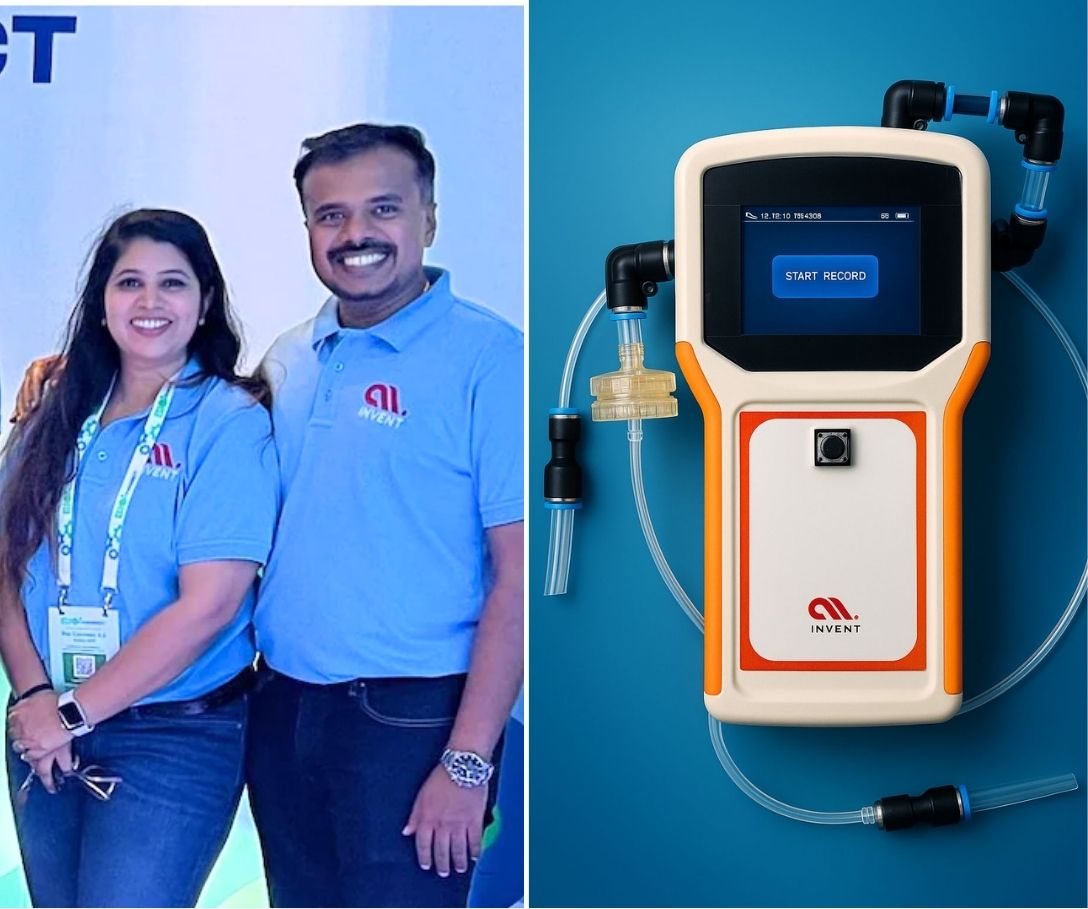
The government’s plan to operationalize 150,000 Health and Wellness Centres, staffed by trained frontline workers, provides fertile ground for scaling AI-powered diagnostics. Tools like AiSteth—a portable, AI-enabled stethoscope—are being piloted to enhance early detection of cardiac and respiratory conditions in resource-limited settings. This approach is already yielding results. In states like Karnataka and Maharashtra, pilot programs have demonstrated improved diagnostic accuracy and reduced referral times, underscoring the potential for nationwide replication.
Expert Perspectives: Indian Thought Leadership on AI Policy
Indian policy experts and institutions are shaping the discourse on responsible AI adoption. The NITI Aayog’s policy paper, “National Strategy for Artificial Intelligence,” emphasizes the need for a balanced approach—encouraging innovation while safeguarding ethical standards and public trust. Dr. Rajendra Pratap Gupta, a member of the National Digital Health Mission, notes, “India’s policy framework is unique in its emphasis on inclusivity and scalability, ensuring that AI benefits are not confined to urban elites but reach the last mile.”
Academic institutions such as the Indian Institute of Science (IISc) and All India Institute of Medical Sciences (AIIMS) are actively collaborating with startups and government agencies to develop context-specific AI solutions, further reinforcing India’s leadership in this domain.
Policy Resources and Engagement Platforms
Transparency and public engagement are central to India’s AI policy landscape. Official policy documents, implementation guidelines, and stakeholder consultation platforms are readily accessible:
– IndiaAI Mission:
– Ayushman Bharat Digital Mission:
– Digital Personal Data Protection Act, 2023:
These resources enable startups, researchers, and citizens to stay informed and participate in shaping the future of AI in healthcare.
—
By fostering a supportive policy ecosystem, India is positioning itself as a global leader in AI-enabled healthcare. The integration of mission-driven initiatives, robust data governance, and inclusive scaling strategies is not only accelerating the adoption of innovations like AiSteth but also ensuring that the benefits of AI reach all segments of society. As policy continues to evolve, sustained collaboration between government, industry, and academia will be essential to realize the full potential of AI-driven healthcare in India.