Transforming Urban Life: Real-World Impact of Smart Poles in Vadodara
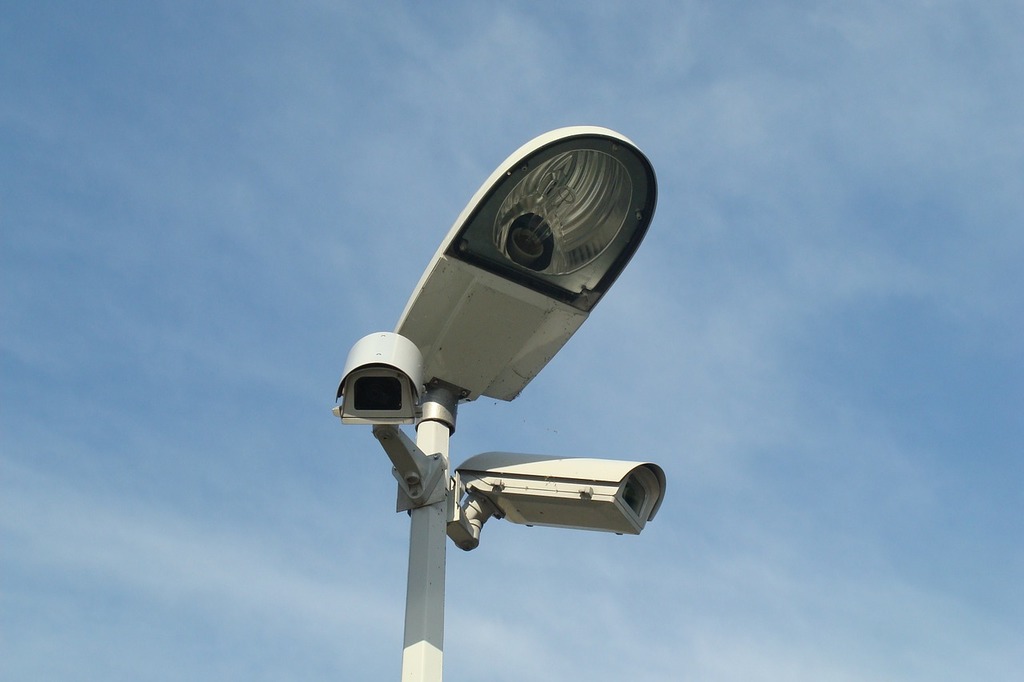
The rollout of smart poles in Vadodara stands as a testament to how integrated digital infrastructure can reshape urban safety, connectivity, and resilience. By embedding surveillance, environmental sensors, emergency communication, and public Wi-Fi into the cityscape, these smart poles have delivered measurable benefits—particularly for vulnerable populations. Drawing from on-the-ground experiences, policy frameworks, and expert analysis, this section explores the multifaceted impact of Vadodara’s smart pole initiative and its implications for India’s urban future.
Enhancing Public Safety: Real-World Outcomes
Vadodara’s smart poles have demonstrably improved public safety, especially for women, children, and senior citizens. In the Alkapuri neighborhood, a senior citizen recounted feeling significantly safer during evening walks, attributing this to the presence of emergency call boxes and surveillance cameras. Local police data corroborate a decline in harassment and petty crime in areas with smart pole coverage. A notable incident in Gotri saw a woman use a smart pole’s SOS call box to alert authorities during an attempted robbery, resulting in rapid police intervention and the prevention of further harm.
These outcomes align with the objectives of the Smart Cities Mission, which emphasizes the use of ICT and IoT to enhance urban safety. The integration of geo-tagged emergency call boxes with the Integrated Command and Control Centre (ICCC) has streamlined emergency response, reinforcing citizen trust in public infrastructure.
Crisis Response and Urban Resilience: Lessons from Floods and Pandemics
Smart poles have played a pivotal role in disaster management and public health communication. During the 2019 Vadodara floods, environmental sensors embedded in smart poles provided real-time data on rising water levels. The ICCC leveraged this information to issue timely flood warnings and evacuation advisories via public address systems. These interventions were credited with saving lives and minimizing property damage.
The COVID-19 pandemic further highlighted the adaptability of the system. Geo-fenced alerts and public announcements disseminated health advisories and lockdown updates, supporting compliance and awareness. This rapid, localized communication was instrumental in reaching residents across diverse neighborhoods, demonstrating the value of smart infrastructure in crisis scenarios.
Policy Integration: Aligning with National Digital and Urban Agendas
Vadodara’s smart pole initiative exemplifies the convergence of local innovation and national policy priorities. The Smart Cities Mission, launched by the Ministry of Housing and Urban Affairs (MoHUA), provides the strategic and financial backbone for such projects, promoting citizen-centric and sustainable urban development. Digital India’s focus on expanding broadband access is directly supported by the provision of free public Wi-Fi through smart poles, narrowing the digital divide for underserved communities.
The IndiaAI mission, spearheaded by the Ministry of Electronics and Information Technology (MeitY), advocates for the ethical use of AI and IoT in governance. The Digital Personal Data Protection Act, 2023, establishes regulatory safeguards for data collected by smart poles, ensuring privacy, consent, and accountability. Integration with the National Emergency Response System (NERS) further enhances the effectiveness of geo-tagged emergency services, creating a robust framework for urban safety and data-driven governance.
Expert Perspectives: Insights from Indian Thought Leaders
Indian urbanists and technologists recognize both the transformative potential and the governance challenges of smart pole deployments. Dr. R. K. Sharma, Director at the Centre for Urban Studies, IIT Delhi, observes, “Smart poles symbolize the intersection of technology and public safety, but their long-term success hinges on transparent data governance and active citizen engagement.” Dr. Anjali Mehta, a cybersecurity specialist at the Indian Institute of Science (IISc), cautions, “As urban IoT networks expand, robust cybersecurity protocols are essential to safeguard public trust and prevent data breaches.”
These perspectives are echoed in MeitY’s 2025 report on AI governance, which calls for balancing innovation with safeguards against bias, discrimination, and privacy risks. Indian think tanks and academic institutions are increasingly collaborating with municipal authorities to develop interdisciplinary frameworks for ethical and effective smart city deployments.
Accessibility and Inclusion: Bridging the Urban Digital Divide
Ensuring equitable access to smart pole benefits remains a central policy and design concern. Vadodara’s deployment of free public Wi-Fi and emergency call boxes in high-footfall and underserved areas supports social inclusion, particularly for women, senior citizens, and persons with disabilities. However, challenges persist in digital literacy and language accessibility. The integration of multilingual interfaces and voice-activated systems is being explored to broaden usability.
The Accessible India Campaign and the Rights of Persons with Disabilities Act, 2016, provide policy guidance for inclusive infrastructure. Local NGOs and the Centre for Internet and Society have documented best practices in ensuring that smart city technologies do not inadvertently exclude marginalized groups.
—
Collectively, these impact stories from Vadodara illustrate the tangible benefits and ongoing challenges of smart pole technology in the Indian urban context. By aligning local innovation with national policy, prioritizing safety and inclusion, and heeding expert guidance, cities can harness smart infrastructure to build safer, more resilient, and equitable urban environments.