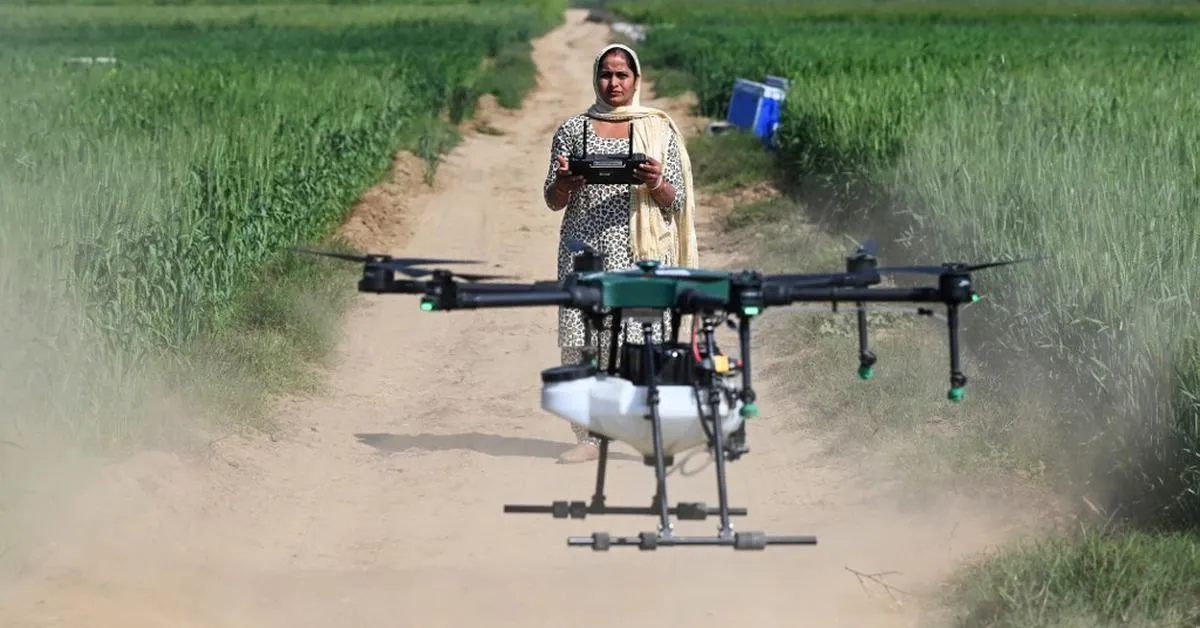
Charting the Global Landscape: How Hybrid e-VTOL Drones Are Redefining Healthcare Delivery
Around the world, the deployment of unmanned aerial vehicles (UAVs) for healthcare logistics is rapidly transforming access to essential services in hard-to-reach regions. India’s hybrid e-VTOL (electric Vertical Take-Off and Landing) drone initiative is part of this dynamic global movement, reflecting both shared challenges and unique national priorities. By examining international models, regulatory frameworks, and collaborative strategies, India’s approach can be better understood within the broader context of technological innovation in public health.
International Models: Lessons from Rwanda, Ghana, and the United States
Countries at the forefront of drone-enabled healthcare logistics have tailored their approaches to local realities. Rwanda’s Zipline program, for example, has become a global reference point by using fixed-wing drones to deliver blood and vaccines across remote rural areas. The program’s success is rooted in robust government support, clear regulatory pathways, and seamless integration with national health systems.
The United States offers a contrasting model, where the Federal Aviation Administration (FAA) has established comprehensive drone regulations that balance innovation with public safety. Companies like Wing and UPS Flight Forward have received certification to conduct commercial drone deliveries, including critical medical supplies. The U.S. framework emphasizes rigorous airspace integration, operator training, and public engagement, fostering a competitive ecosystem for drone logistics.
Ghana, meanwhile, has adapted the Zipline model to its own healthcare infrastructure, demonstrating the scalability of drone-based medical delivery in Sub-Saharan Africa. These international examples underscore the importance of regulatory clarity, government leadership, and stakeholder coordination.
India’s Distinctive Approach: Hybrid e-VTOLs and Policy Innovation
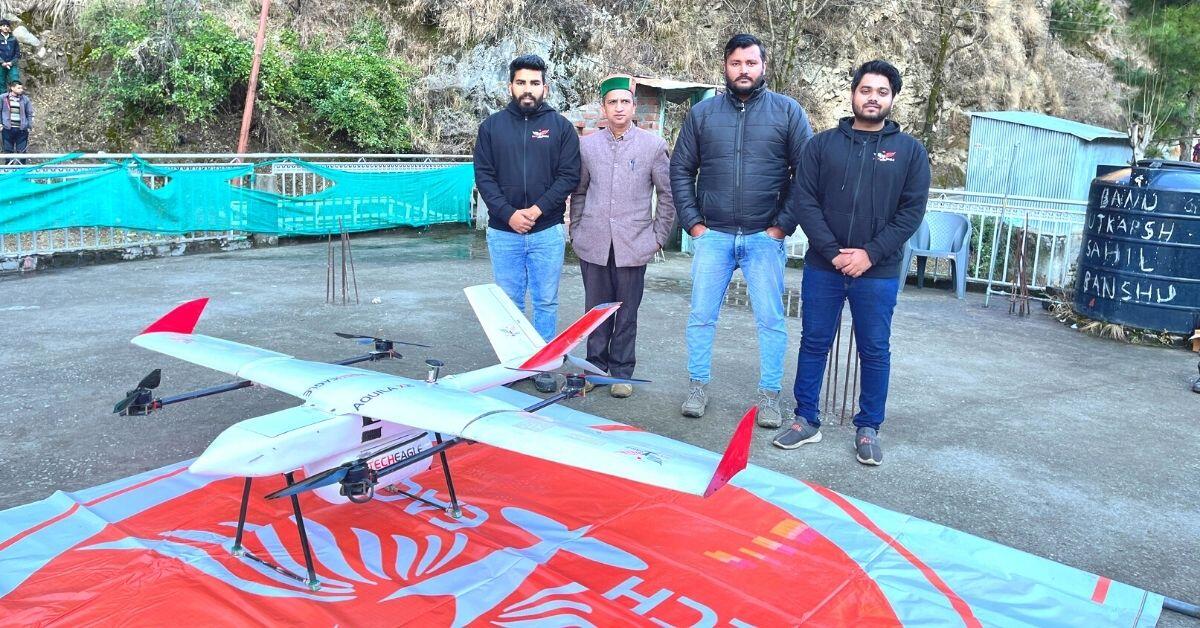
India’s geography—marked by mountains, forests, and vast rural expanses—poses unique logistical challenges. Unlike Rwanda’s fixed-wing drones, India’s leading companies such as TechEagle have developed hybrid e-VTOL drones capable of vertical takeoff and landing. This technology is particularly suited to India’s diverse terrains, enabling access to isolated communities where conventional drones may falter.
The Directorate General of Civil Aviation (DGCA) has responded with evolving regulatory frameworks, most notably the Drone Rules 2021, which streamline permissions for commercial drone operations while prioritizing safety and privacy. India’s Atmanirbhar Bharat (Self-Reliant India) initiative further distinguishes its approach by promoting indigenous innovation and manufacturing, reducing reliance on international partnerships and fostering local economic growth.
Multi-Stakeholder Collaboration: The Key to Sustainable Impact
Global experience consistently highlights the necessity of multi-stakeholder engagement for successful drone deployment. Rwanda’s Zipline program, for instance, is a product of close collaboration between government agencies, private sector innovators, healthcare providers, and local communities. India mirrors this model through partnerships between state governments, startups, and public health institutions.
A notable example is the collaboration between TechEagle and the Government of Meghalaya, which has enabled the delivery of vaccines and diagnostic samples to remote districts during the monsoon season. Such partnerships ensure that drone technology is not only technically viable but also socially accepted and operationally sustainable.
Policy Alignment and Indigenous Capacity Building
India’s policy environment is increasingly supportive of drone-based healthcare innovation. The Atmanirbhar Bharat initiative and the Digital India program provide financial incentives, infrastructure support, and a mandate for domestic technology development.
Furthermore, the National Health Mission (NHM) and state health departments are integrating drone logistics into public health delivery models, supported by pilot funding and capacity-building programs. This policy alignment not only accelerates adoption but also builds indigenous expertise and resilience in the sector.
Expert Perspectives: Indian Voices on the Global Stage
Indian experts are increasingly shaping the discourse on drone-enabled healthcare. Dr. Ramesh Kumar, Director of the Centre for Healthcare Innovation at AIIMS Delhi, notes, “India’s hybrid e-VTOL drones are uniquely positioned to address last-mile delivery challenges in our varied topography, setting a precedent for other developing nations.” Prof. Anjali Sharma of IIT Bombay emphasizes the technical leap: “Hybrid e-VTOLs combine the best of both worlds—vertical takeoff for confined spaces and fixed-wing efficiency for longer distances, making them ideal for India’s needs.”
—
By situating India’s hybrid e-VTOL drone initiative within this global context, it becomes clear that the country is not merely adopting international best practices, but actively contributing to the evolution of drone-enabled healthcare logistics. Through regulatory innovation, indigenous technology development, and robust multi-stakeholder collaboration, India is helping to chart the future of equitable healthcare delivery worldwide.