From Diabetic Retinopathy to Breast Cancer: AI That Learns to See It All
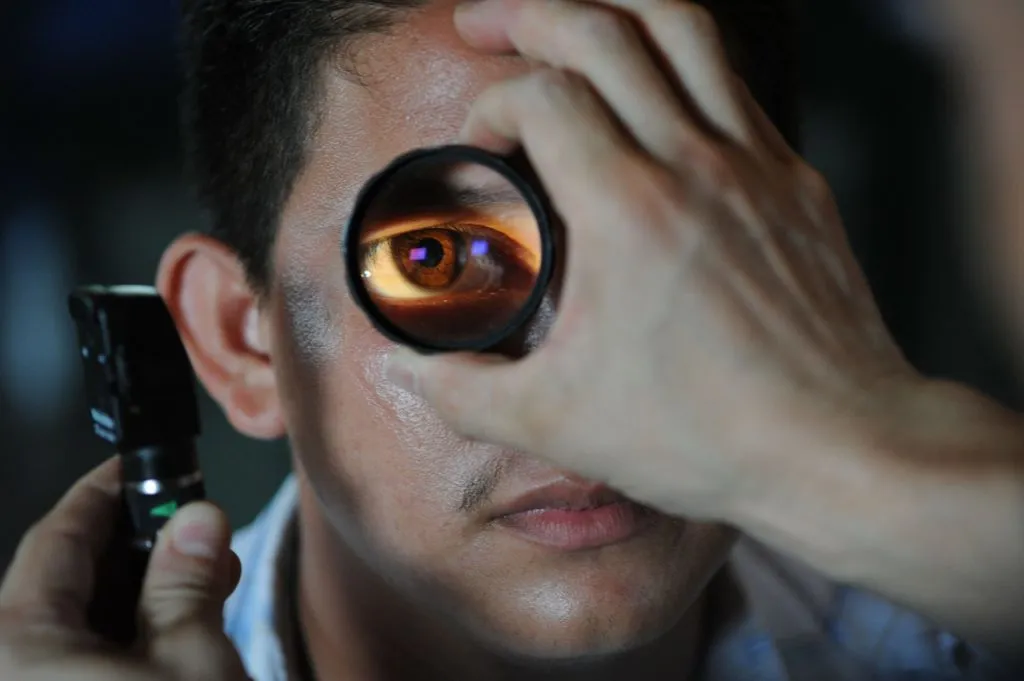
Artelus is tackling India’s blindness crisis with DRISTi, an AI-powered tool that detects diabetic retinopathy in under 5 minutes, no doctor or internet required. Already in 50+ centres, it’s bringing early diagnosis to the masses, while freeing up doctors for treatment. With global expansion and more diseases in its sights, Artelus is making vision care smarter and more accessible.
Share



Sector

Solution

Technology

State of Origin
Impact Metrics
Rapid diagnosis
in under 5 minutes.
50+ centres
are using this technology.
BUILD YOUR OWN

BUILD YOUR OWN
How can I implement this innovation effectively?
How is this innovation being adopted around the world?
Where else could this innovation make an impact?
Who has seen real results from using this innovation?
What insights do experts share about this innovation?
What policies support or influence this innovation?
How could this innovation evolve in the future?
Is this innovation accessible and inclusive for everyone?
How can I contribute to or participate in this innovation?
What resources can help me explore this innovation further?
From Pilot to Practice: Unpacking the Realities of AI Healthcare Implementation in India
The integration of AI-powered diagnostic tools like Artelus’s DRISTi system into India’s healthcare landscape marks a pivotal shift in addressing the country’s persistent challenges of specialist shortages, infrastructural gaps, and rural-urban disparities. DRISTi’s deployment—enabling non-specialist healthcare workers to screen for diabetic retinopathy (DR) using portable, offline-capable devices—demonstrates how contextually adapted innovation can bridge critical service gaps. This section explores the nuanced, research-backed insights that have shaped the successful implementation of such technologies, drawing on Indian policy frameworks, real-world case studies, and expert perspectives.
Task-Shifting and Decentralization: Empowering the Frontline
A cornerstone of DRISTi’s success lies in its alignment with India’s policy emphasis on task-shifting—delegating certain diagnostic responsibilities to trained non-specialist health workers. With only about 18,000 ophthalmologists for over 73 million diabetics, traditional models of specialist-led screening are untenable, particularly in rural and semi-urban regions. DRISTi’s design allows healthcare workers to conduct screenings after just two hours of training, using portable fundus cameras in low-light environments. This approach mirrors the objectives of the National Health Policy 2017, which advocates for skill-mix optimization and technology-enabled service delivery.
A real-world example comes from Tamil Nadu, where government health centers have equipped auxiliary nurse midwives with DRISTi devices, resulting in a significant uptick in early DR detection and timely referrals. This decentralized model not only extends the reach of specialist care but also fosters community trust in local health services.
Infrastructure-Aware Innovation: Designing for India’s Realities
Unlike many AI healthcare solutions developed for high-connectivity environments, DRISTi was engineered to function offline, directly addressing India’s patchy internet coverage—especially in rural districts. This infrastructure-aware approach is critical: according to the Telecom Regulatory Authority of India, rural internet penetration remains below 40%. By eliminating the need for continuous connectivity, DRISTi ensures uninterrupted service delivery and data security.
Moreover, the system’s minimal hardware requirements and compatibility with existing government health programs, such as Ayushman Bharat, facilitate seamless integration and scalability. Partnerships with NGOs like Sankara Nethralaya have further enabled deployment in remote tribal communities, demonstrating the model’s adaptability.
Institutional Integration and Public-Private Partnerships
Scaling from pilot to practice requires more than technological readiness—it demands institutional buy-in and cross-sector collaboration. DRISTi’s rollout across 50+ centers in India was achieved through strategic partnerships with state governments and leading NGOs. This collaborative framework ensures that AI tools complement, rather than supplant, human expertise: AI flags high-risk cases for specialist review, optimizing scarce resources.
Expert Perspectives: Balancing Innovation with Ethics and Capacity
Indian thought leaders emphasize that while AI offers transformative potential, its implementation must be underpinned by robust ethical and governance frameworks. Dr. R. Venkatesh of AIIMS Delhi notes, “AI tools like DRISTi are invaluable for early detection at scale, but their success hinges on rigorous validation and integration into national programs.” The Indian Council of Medical Research (ICMR) has called for extensive testing of AI algorithms on diverse Indian populations to mitigate risks of bias and ensure accuracy.
NITI Aayog’s IndiaAI initiative, led by Dr. R. S. Sharma, advocates for public-private partnerships and regulatory clarity, recommending the establishment of AI ethics boards and investment in workforce AI literacy. Academic institutions such as IIT Bombay’s Centre for Machine Intelligence and Data Science stress the need for explainable AI to foster clinician trust and facilitate adoption.
Policy Levers and the Road Ahead
India’s policy landscape is evolving to support AI-driven healthcare innovation. The Ayushman Bharat Digital Mission provides a digital backbone for integrating AI tools into health records and service delivery. The Digital Personal Data Protection Act, 2023, establishes critical safeguards for patient data, though a comprehensive AI regulatory framework is still in development. Draft guidelines from the Ministry of Electronics and Information Technology (MeitY) emphasize transparency and ethical use, while mission-driven initiatives like the IndiaAI Mission and National Digital Health Blueprint set strategic direction.
Looking forward, experts and policymakers agree that scaling AI in healthcare will require continued investment in digital infrastructure, capacity building, and inclusive design. As India harmonizes innovation with emerging regulatory standards, the lessons from DRISTi’s implementation offer a blueprint for leveraging AI to achieve equitable, high-impact healthcare delivery.
—
These insights collectively illustrate how India’s pragmatic, context-sensitive approach to AI healthcare implementation—grounded in policy alignment, partnership, and ethical oversight—can serve as a model for other resource-constrained settings globally.
AI in Healthcare: India’s Journey Amidst a Shifting Global Landscape
Artificial intelligence (AI) is rapidly redefining healthcare diagnostics worldwide, with India’s DRISTi initiative for diabetic retinopathy screening standing as a compelling example of localized innovation. As nations grapple with specialist shortages and the need for early disease detection, India’s approach both mirrors and diverges from global trends, shaped by its unique healthcare infrastructure, policy environment, and population needs. Examining international models and policy frameworks offers crucial insights for India’s evolving AI healthcare ecosystem.
Comparative Models: Centralization vs. Decentralization
Globally, AI-enabled screening programs are being tailored to fit distinct healthcare systems. The United Kingdom’s National Health Service (NHS) has integrated AI tools developed by Google Health and DeepMind for diabetic retinopathy and other ophthalmic conditions. Operating within a centralized, publicly funded system, the NHS ensures AI deployment is accompanied by rigorous clinical validation, robust data privacy protections, and clinician oversight. This model leverages the NHS’s unified data infrastructure and strict regulatory environment, facilitating seamless AI integration and patient safety.
In contrast, India’s healthcare landscape is highly fragmented, with significant disparities between urban and rural access. DRISTi and similar AI tools are designed for offline functionality and minimal training, empowering frontline health workers to conduct screenings in resource-limited settings. This decentralized approach addresses India’s infrastructural and workforce constraints, prioritizing accessibility and inclusivity over centralization.
Singapore offers another instructive model, combining AI with telemedicine under its Smart Nation initiative. Government support through funding, regulatory sandboxes, and public-private partnerships has enabled rapid, ethically guided AI adoption, particularly for reaching remote and aging populations.
Policy Frameworks: Regulation, Ethics, and Innovation
Countries at the forefront of AI in healthcare have established comprehensive policy frameworks to balance innovation with safety and ethics. The European Union’s AI Act, for instance, proposes risk-based regulation, mandating transparency, accountability, and human oversight for high-risk AI applications. The United States Food and Drug Administration (FDA) has issued guidelines for the clinical evaluation and approval of AI-based medical devices, emphasizing post-market surveillance and real-world performance.
India, meanwhile, is advancing through mission-driven initiatives such as the IndiaAI Mission and the Ayushman Bharat Digital Mission (ABDM), which provide digital infrastructure and funding for AI healthcare solutions. However, India lacks a formal, comprehensive AI regulatory framework. The Digital Personal Data Protection (DPDP) Act, 2023, marks a significant step in safeguarding health data privacy, but sector-specific AI regulations remain in draft stages. This regulatory gap presents both opportunities for flexible innovation and challenges in ensuring ethical, equitable deployment.
Building Indigenous Capabilities and International Collaboration
A key lesson from global leaders is the importance of fostering indigenous AI capabilities while engaging in international collaboration. India’s academic institutions, including the Indian Institute of Technology (IIT) and All India Institute of Medical Sciences (AIIMS), are at the forefront of developing AI models tailored to Indian demographics and disease patterns.
Collaborative efforts, such as the India-U.S. TRUST Initiative, further support policy dialogue, data access, and infrastructure development, essential for scaling AI healthcare solutions. These partnerships enable India to learn from international best practices while adapting them to local realities.
Expert Perspectives: Indian Voices on Global Integration
Indian experts emphasize the necessity of contextual adaptation and ethical rigor in AI healthcare. Dr. R. Venkatesh, Head of Ophthalmology at AIIMS Delhi, observes, “AI tools like DRISTi are transformative for early detection, but their true value lies in integration with national health programs and continuous validation against diverse Indian populations.” The Indian Council of Medical Research (ICMR) highlights the dual imperative of addressing diagnostic shortages and safeguarding against algorithmic bias, advocating for robust, India-specific validation protocols.
NITI Aayog’s IndiaAI initiative, led by Dr. R. S. Sharma, stresses the importance of public-private partnerships, regulatory clarity, and capacity building among healthcare workers. Academic leaders from IIT Bombay’s Centre for Machine Intelligence and Data Science call for explainable AI models to foster clinician trust and facilitate widespread adoption.
Lessons and Pathways: Tailoring Global Insights to Indian Realities
India’s experience with DRISTi illustrates the necessity of harmonizing flexible innovation with emerging regulatory standards. While centralized models like the NHS offer lessons in data governance and clinical oversight, India’s decentralized, accessibility-focused approach is better suited to its demographic and infrastructural realities. The path forward involves:
– Developing adaptive regulatory frameworks that balance innovation with patient safety and ethical considerations.
– Investing in indigenous research and open-source datasets to ensure AI solutions are relevant and equitable.
– Leveraging international collaborations to accelerate capacity building and knowledge exchange.
– Embedding AI tools within national health initiatives to maximize reach and impact.
As India continues to expand AI’s role in healthcare, ongoing engagement with global best practices—tempered by local context—will be crucial to achieving inclusive, sustainable, and effective health outcomes.
AI’s Expanding Footprint in Indian Healthcare Diagnostics
Artificial intelligence (AI) is rapidly transforming the landscape of medical diagnostics in India, moving beyond its initial application in diabetic retinopathy screening to address a spectrum of pressing health challenges. The technological foundation of DRISTi, developed by Artelus, exemplifies how adaptable AI models can be repurposed for diverse diseases, leveraging advanced imaging modalities to improve early detection and patient outcomes. As India grapples with a dual burden of communicable and non-communicable diseases, AI’s integration into diagnostic pathways is reshaping clinical practice, public health strategies, and policy frameworks.
AI-Driven Tuberculosis Detection: Accelerating Public Health Response
Tuberculosis (TB) remains one of India’s most persistent public health threats, accounting for nearly a quarter of the global TB burden. Traditional diagnostic bottlenecks—such as limited radiology expertise and delayed reporting—have prompted the adoption of AI-powered chest X-ray interpretation tools. In collaboration with the Central TB Division under the Ministry of Health and Family Welfare, AI startups have piloted automated screening systems in high-burden districts. These systems, trained on large datasets of Indian chest X-rays, can rapidly flag probable TB cases, enabling timely referrals and reducing missed diagnoses.
A notable example is the deployment of Qure.ai’s qXR platform in Maharashtra and Uttar Pradesh, where AI-assisted screening has improved case detection rates by up to 20% in pilot sites. These initiatives align with the National Strategic Plan for TB Elimination, which emphasizes leveraging digital innovations to meet the 2025 elimination target. By optimizing resource allocation and supporting overburdened health workers, AI is helping bridge critical gaps in India’s TB response.
Enhancing Cancer Screening: AI in Mammography and Beyond
Breast cancer is now the most common cancer among Indian women, with late-stage diagnosis contributing to poor survival rates. AI-based mammogram analysis tools are being introduced in both public and private sector hospitals to support radiologists in interpreting complex images and identifying subtle abnormalities. For instance, Tata Memorial Hospital in Mumbai has partnered with startups like Niramai to pilot thermal imaging combined with AI algorithms, offering a non-invasive and cost-effective alternative for early breast cancer detection.
These efforts dovetail with the National Programme for Prevention and Control of Cancer, Diabetes, Cardiovascular Diseases and Stroke (NPCDCS), which prioritizes early detection and screening. AI’s ability to reduce false negatives and standardize interpretation is particularly valuable in resource-constrained settings, where radiologist shortages are acute. The integration of AI into routine screening protocols is expected to significantly improve diagnostic accuracy and patient outcomes.
Academic Leadership and Open-Source Innovation
India’s premier academic institutions are at the forefront of AI research in medical imaging. The Indian Institute of Technology (IIT) Delhi and the All India Institute of Medical Sciences (AIIMS) have launched collaborative projects to develop and validate AI algorithms tailored to Indian patient demographics. These initiatives focus on creating open-source datasets—such as the Indian Diabetic Retinopathy Image Dataset (IDRiD)—and benchmarking algorithms for conditions like glaucoma and pneumonia.
Such academic-industry partnerships are crucial for ensuring that AI models are robust, transparent, and generalizable across India’s diverse population. As Dr. Partha Talukdar of the Indian Institute of Science notes, “Open data and collaborative research are essential to democratizing AI in healthcare and avoiding algorithmic bias.” These efforts also contribute to global knowledge sharing, positioning India as a leader in responsible AI innovation.
Digital Health Infrastructure: Integrating AI into National Systems
The Ayushman Bharat Digital Mission (ABDM) is laying the groundwork for seamless integration of AI diagnostic tools into India’s broader health information ecosystem. By standardizing electronic health records and enabling secure data exchange, ABDM facilitates real-time patient tracking, outcome monitoring, and longitudinal care. AI-powered screening tools like DRISTi can be linked to ABDM’s Health ID system, ensuring that diagnostic results are accessible to both patients and providers across care settings.
Policy blueprints such as the National Digital Health Blueprint (NDHB) and the Digital Personal Data Protection (DPDP) Act, 2023, provide the regulatory scaffolding for ethical AI deployment, emphasizing transparency, data privacy, and patient consent. These frameworks are critical for scaling AI solutions while safeguarding individual rights.
Real-World Impact: From Urban Slums to Remote Communities
The practical benefits of AI-enabled diagnostics are most visible in field deployments across India’s varied geographies. In Tamil Nadu, DRISTi’s use in government health camps has enabled early detection of diabetic retinopathy among rural populations, often identifying cases that would have otherwise gone unnoticed. In Maharashtra’s urban slums, rapid AI-based screening has reduced patient drop-off rates, facilitating timely follow-up and treatment.
NGOs like Sankara Nethralaya have documented significant reductions in preventable blindness through AI partnerships, particularly in tribal and remote communities.
—
Collectively, these applications illustrate AI’s transformative potential in Indian healthcare, from accelerating TB elimination to democratizing cancer screening and integrating diagnostics into national health infrastructure. As research, policy, and practice converge, India’s experience offers a compelling blueprint for scalable, inclusive, and ethical AI adoption in global health.
Transforming Lives: Real-World Impact of AI-Driven Diabetic Retinopathy Screening in India
Artificial intelligence is reshaping healthcare delivery across India, particularly in the early detection and management of diabetic retinopathy—a leading cause of preventable blindness. The deployment of AI-powered screening tools like DRISTi in diverse settings, from rural villages to urban slums, is generating measurable improvements in patient outcomes, access to care, and health system efficiency. These impact stories, grounded in research and policy, illustrate how technology is bridging critical gaps and empowering communities.
Bridging the Rural-Urban Divide: Case Studies from Tamil Nadu and Maharashtra
In rural Tamil Nadu, the introduction of DRISTi at government health camps has been transformative. Take the example of Ramesh, a 55-year-old farmer who, unaware of his diabetes, participated in a local screening initiative. The AI system identified early signs of retinopathy, prompting a timely referral and intervention that preserved his vision and livelihood. Such cases underscore the potential of AI to overcome barriers of awareness and access in underserved regions, where specialist care is often out of reach.
Urban slums in Maharashtra present a different set of challenges—overcrowding, limited resources, and high patient mobility. Here, healthcare workers trained in DRISTi have screened thousands of diabetic residents, many of whom had never undergone an eye examination due to prohibitive costs or logistical hurdles. The system’s rapid, on-site diagnostic capabilities have reduced patient attrition and improved follow-up rates. These successes highlight AI’s adaptability across varied healthcare environments.
Collaborative Models: NGO Partnerships and Scalable Solutions
NGOs such as Sankara Nethralaya, in partnership with technology firms like Artelus, have been instrumental in extending AI-based screening to tribal and remote communities. Their collaborative programs have demonstrated significant reductions in preventable blindness. For instance, a 2022 evaluation of AI-enabled camps in Odisha and Chhattisgarh found that early detection rates for diabetic retinopathy increased by over 40%, directly correlating with improved treatment outcomes.
These partnerships act as force multipliers, leveraging limited healthcare resources to reach populations that would otherwise remain underserved. The integration of AI into mobile clinics and tele-ophthalmology platforms further amplifies reach, supporting India’s broader public health objectives.
Empowering Patients: Health Literacy and Trust in Technology
Beyond clinical metrics, AI-driven screening initiatives are fostering patient empowerment and health literacy. Media reports and qualitative studies reveal that beneficiaries, once skeptical of new technologies, increasingly trust local health workers equipped with AI tools. Interviews conducted by the Indian Institute of Public Health highlight that patients who receive immediate, comprehensible feedback on their eye health are more likely to adhere to follow-up care and adopt preventive measures.
This shift is particularly significant in communities where chronic disease management has historically been fragmented. By demystifying the diagnostic process and facilitating real-time communication, AI screening is enhancing patient engagement and supporting long-term disease control.
Expert Perspectives: Indian Leadership in AI-Driven Eye Care
Indian experts and institutions are at the forefront of evaluating and guiding the responsible integration of AI in healthcare. Dr. R. Venkatesh, Head of Ophthalmology at AIIMS Delhi, emphasizes, “AI tools like DRISTi enable early detection at scale, which is critical given India’s diabetic burden. Integrating such tools into national health programs can maximize their impact.” The Indian Council of Medical Research (ICMR) echoes this sentiment, while also cautioning that robust validation across diverse populations is essential to ensure accuracy and fairness.
Policy think tanks such as NITI Aayog advocate for public-private partnerships and regulatory clarity to foster innovation while safeguarding patient rights. Academic leaders from IIT Bombay’s Centre for Machine Intelligence and Data Science stress the need for explainable AI to build clinician trust and facilitate adoption. These expert perspectives collectively call for a balanced approach—leveraging AI’s strengths while addressing ethical, governance, and equity challenges.
Policy Alignment and the Road Ahead
India’s policy landscape is rapidly evolving to support the integration of AI in healthcare. The IndiaAI Mission and the Ayushman Bharat Digital Mission (ABDM) are laying the groundwork for digital health infrastructure, enabling seamless adoption of AI tools in clinical workflows. The Digital Personal Data Protection (DPDP) Act, 2023, provides a legal framework for safeguarding sensitive health data—an essential prerequisite for scaling AI applications.
While comprehensive AI-specific regulations are still in development, draft guidelines from the Ministry of Electronics and Information Technology (MeitY) emphasize transparency, accountability, and ethical deployment. Strategic documents such as the National Health Policy 2017 and the National Digital Health Blueprint further articulate the vision for leveraging digital technologies to enhance healthcare access and quality.
These policy initiatives, coupled with ongoing research and multi-sectoral collaborations, position India as a leader in the responsible and impactful use of AI for public health.
Voices Shaping India’s AI Healthcare Revolution
As artificial intelligence (AI) rapidly transforms healthcare worldwide, Indian experts and institutions are at the forefront of navigating its promise and pitfalls. Their perspectives reflect a nuanced understanding of the country’s unique healthcare challenges—ranging from vast population needs to resource constraints—and underscore the importance of ethical, equitable, and context-specific AI adoption. Drawing on clinical experience, policy leadership, and academic research, these voices are shaping a roadmap for responsible AI integration in Indian healthcare.
Harnessing AI for Scalable Screening: Clinical Insights from the Frontlines
Dr. R. Venkatesh, Head of Ophthalmology at AIIMS Delhi, exemplifies the clinical optimism surrounding AI’s potential. He highlights the deployment of DRISTi, an AI-powered diabetic retinopathy screening tool, noting, “AI augments clinical decision-making by enabling early detection at scale, which is critical given India’s diabetic burden.” With over 77 million Indians living with diabetes, early identification of complications is vital to prevent vision loss and reduce healthcare costs. Dr. Venkatesh advocates for integrating AI-based screening into national health programs such as the National Programme for Control of Blindness, arguing that this could dramatically expand reach, especially in underserved regions. Real-world pilots in states like Tamil Nadu have demonstrated how AI tools can increase screening coverage and reduce diagnostic delays, providing a template for nationwide adoption.
Addressing Data Bias and Privacy: The ICMR’s Cautious Optimism
While the Indian Council of Medical Research (ICMR) recognizes AI’s capacity to mitigate diagnostic shortages, it remains vigilant about the risks of algorithmic bias and data privacy. ICMR experts stress that many AI models are trained on non-Indian datasets, which can compromise accuracy and fairness when deployed locally. To address this, ICMR recommends rigorous validation of AI tools on diverse Indian populations and calls for transparent reporting of model performance. The council also points to the Digital Personal Data Protection (DPDP) Act, 2023, as a foundational step in safeguarding sensitive health data, but urges further regulatory clarity specific to AI in healthcare. Recent ICMR guidelines on digital health emphasize the need for continuous monitoring and post-market surveillance of AI systems to ensure patient safety and public trust.
Building Trust Through Explainability: Academic Perspectives from IIT Bombay
Academic leaders at the Centre for Machine Intelligence and Data Science (C-MInDS), IIT Bombay, argue that explainable AI is crucial for clinician adoption. Dr. Pushpak Bhattacharyya, a senior faculty member, notes that “black-box” AI models can erode trust among healthcare professionals, who must understand and justify clinical decisions. C-MInDS researchers are developing interpretable AI algorithms that provide visual explanations for diagnostic outputs, enabling doctors to verify and contextualize results. Pilot collaborations with tertiary hospitals have shown that explainable models not only improve diagnostic accuracy but also facilitate training and upskilling of healthcare workers. This approach aligns with the National Digital Health Blueprint’s emphasis on human-centric digital health solutions.
Policy Leadership and Public-Private Partnerships: NITI Aayog’s Strategic Vision
NITI Aayog, India’s apex policy think tank, has positioned itself as a catalyst for AI-driven healthcare innovation. Through the IndiaAI initiative, experts such as Dr. R. S. Sharma advocate for robust public-private partnerships to accelerate research, deployment, and scaling of AI solutions. NITI Aayog’s policy briefs recommend the establishment of AI ethics boards within healthcare institutions to oversee algorithmic transparency and patient rights. The think tank also emphasizes the importance of AI literacy among healthcare professionals, proposing targeted training programs and certification modules. These recommendations are reflected in the IndiaAI Mission’s funding priorities and the Ayushman Bharat Digital Mission’s integration of AI tools into digital health records. NITI Aayog’s collaborative approach, involving industry, academia, and civil society, is shaping a regulatory environment that balances innovation with accountability.
Towards Inclusive and Equitable AI: The Imperative of Capacity Building
Experts consistently highlight the need for capacity building to ensure that AI benefits all segments of Indian society. Initiatives such as the Digital India program and partnerships with NGOs are expanding digital literacy and access in rural and marginalized communities. For instance, DRISTi’s offline capabilities and minimal training requirements have enabled deployment in remote clinics, bridging the urban-rural divide. Gender-sensitive training modules and multilingual AI interfaces are being piloted to address disparities in access and usability. Research from the Public Health Foundation of India underscores that participatory design—engaging end-users in the development process—enhances the relevance and impact of AI tools. These efforts are supported by policy frameworks like the National Health Policy 2017, which prioritizes equity and inclusion in digital health innovation.
Collectively, these expert perspectives illuminate a path forward for AI in Indian healthcare—one that harnesses technological innovation while steadfastly addressing ethical, regulatory, and equity challenges.
Charting India’s Policy Landscape for AI in Healthcare
India stands at the cusp of a digital health revolution, with artificial intelligence (AI) poised to transform healthcare delivery, diagnostics, and public health management. The policy environment, shaped by a blend of ambitious national missions, evolving regulatory frameworks, and strategic partnerships, is central to harnessing AI’s potential while safeguarding ethical, legal, and social interests. This section explores the contours of India’s AI-healthcare policy, drawing on recent legislation, institutional strategies, and expert perspectives.
Strategic National Missions: Laying the Foundation for AI Integration
India’s commitment to AI-driven healthcare is anchored in flagship initiatives such as the IndiaAI Mission and the Ayushman Bharat Digital Mission (ABDM). The IndiaAI Mission, launched by the Ministry of Electronics and Information Technology (MeitY), aims to foster innovation, research, and deployment of AI solutions tailored to national health priorities. Through funding, incubation, and public-private partnerships, the mission supports projects ranging from AI-powered diagnostics to predictive analytics for disease outbreaks.
Complementing this, the ABDM establishes a robust digital health infrastructure, including the creation of unique health IDs and interoperable electronic health records. This digital backbone is crucial for integrating AI tools into routine care and enabling real-time data analytics. For example, the AI-based DRISTi platform, piloted in several states, leverages ABDM’s infrastructure to deliver retinal screening services in primary health centers, demonstrating the tangible impact of policy-driven digital health ecosystems.
Regulatory Evolution: Data Protection and AI Governance
The enactment of the Digital Personal Data Protection (DPDP) Act, 2023, marks a pivotal step in safeguarding patient privacy and data security—fundamental prerequisites for trustworthy AI in healthcare. The DPDP Act sets out clear obligations for data fiduciaries, mandates consent-based data processing, and prescribes penalties for breaches, thereby addressing public concerns about the misuse of sensitive health information.
However, India’s regulatory landscape for AI remains a work in progress. While MeitY has released draft guidelines emphasizing transparency, accountability, and ethical AI use, these are yet to be codified into binding regulations. The absence of a comprehensive AI law means that sectoral policies and advisory bodies currently guide AI deployment. As Dr. Rekha Jain, Professor Emeritus at IIM Ahmedabad, observes, “India’s mission-driven approach allows for rapid innovation, but the lack of enforceable AI-specific regulations could pose challenges as adoption scales up.”
Policy Synergy: Aligning Health and Digital Strategies
India’s National Health Policy 2017 and the National Digital Health Blueprint articulate a vision for leveraging digital technologies—including AI—to enhance healthcare access, quality, and equity. These documents emphasize the integration of AI into disease surveillance, telemedicine, and health system management, aligning with global best practices.
International collaborations further enrich the policy landscape. The India-U.S. TRUST Initiative, for instance, facilitates dialogue on AI infrastructure, data sharing, and financing models, accelerating the adoption of AI-enabled healthcare solutions.
Expert Perspectives: Navigating Opportunities and Risks
Indian thought leaders and institutions are actively shaping the discourse on responsible AI in healthcare. The NITI Aayog, in its strategy paper “National Strategy for Artificial Intelligence,” underscores the need for indigenous AI capabilities, robust innovation ecosystems, and equitable access. Dr. Shailesh Kumar, Chief Data Scientist at Reliance Jio, notes, “India’s diversity demands AI models that are not only accurate but also inclusive—reflecting regional, linguistic, and socio-economic variations.”
Academic research from the Indian Institute of Science (IISc) and All India Institute of Medical Sciences (AIIMS) highlights the importance of explainable AI and human-in-the-loop systems to build clinician trust and ensure patient safety.
Pathways for Inclusive Participation and Policy Feedback
Recognizing the importance of broad-based engagement, Indian policy frameworks encourage participation from citizens, healthcare professionals, startups, and academic institutions. Platforms such as the National AI Portal and the Digital India initiative offer resources, training, and opportunities to contribute to policy consultations and innovation challenges.
Community health workers and NGOs play a pivotal role in piloting AI tools in low-resource settings, ensuring that policy implementation is grounded in real-world needs. Public consultations on AI governance, such as those conducted by MeitY, provide avenues for diverse voices to shape the regulatory trajectory, fostering a culture of transparency and accountability.
—
India’s evolving policy architecture for AI in healthcare reflects a dynamic interplay between innovation, regulation, and inclusion. By aligning national missions, legal safeguards, and participatory mechanisms, India is charting a path toward responsible and impactful AI adoption—one that promises to redefine healthcare delivery for its 1.4 billion citizens.
Charting the Next Frontier: AI’s Transformative Potential in Indian Healthcare
India stands at a pivotal moment in healthcare innovation, with artificial intelligence (AI) poised to revolutionize disease detection, patient care, and public health management. As AI-powered diagnostic tools like DRISTi mature, their integration with national health systems, policy frameworks, and community outreach promises not only enhanced efficiency but also greater equity in healthcare delivery. The future of AI in Indian healthcare is being shaped by advances in technology, robust policy support, and a growing commitment to inclusive, patient-centered solutions.
AI-Driven Multi-Disease Screening: From Pilot to Platform
Recent research and pilot programs indicate that AI’s role in diagnostics is rapidly expanding beyond single-disease applications. Tools such as DRISTi, initially developed for diabetic retinopathy screening, are being adapted to detect tuberculosis, pneumonia, and various cancers. Integration with telemedicine and electronic health records (EHRs) is enabling these platforms to deliver personalized, preventive care at scale, particularly in underserved regions.
The National Digital Health Mission (NDHM) and Ayushman Bharat Digital Mission (ABDM) are actively promoting interoperability standards, making it feasible for AI tools to plug into existing digital health infrastructure. This synergy is expected to accelerate the transition from isolated pilot projects to comprehensive, multi-disease screening platforms accessible nationwide.
Federated Learning and Edge Computing: Safeguarding Privacy at Scale
India’s vast and diverse population presents unique challenges for data privacy and model generalizability. Advances in federated learning and edge computing are addressing these concerns by enabling AI models to learn from distributed data sources—such as rural clinics and urban hospitals—without transferring sensitive patient information to central servers.
This paradigm is particularly relevant as India implements its Digital Personal Data Protection Act, which mandates stringent data privacy standards. By leveraging edge computing, AI tools can operate offline or in low-connectivity environments, further enhancing their utility in remote and resource-constrained areas.
Policy Integration and Public Health Surveillance
The integration of AI diagnostics with national health programs is unlocking new possibilities for real-time public health surveillance and resource allocation. The Ayushman Bharat initiative, which aims to provide health coverage to over 500 million Indians, is piloting AI-driven analytics to monitor disease trends and optimize deployment of medical resources.
NITI Aayog’s “National Strategy for Artificial Intelligence” underscores the importance of building indigenous AI capabilities and fostering innovation ecosystems that align with India’s socio-economic realities. The strategy highlights responsible AI development, emphasizing transparency, accountability, and equitable access.
Explainable AI and Human-in-the-Loop: Building Trust and Safety
Widespread adoption of AI in healthcare hinges on clinician trust and patient safety. Emerging technologies such as explainable AI (XAI) and human-in-the-loop systems are making AI decisions more transparent and interpretable. The All India Institute of Medical Sciences (AIIMS) has initiated collaborations with technology partners to develop explainable AI modules for radiology and pathology, enabling clinicians to understand and validate AI-generated recommendations before clinical action is taken.
Inclusive Innovation: Bridging the Urban-Rural Divide
Ensuring that AI-driven healthcare benefits all segments of Indian society requires deliberate attention to inclusion and accessibility. DRISTi’s offline functionality and minimal training requirements exemplify how AI tools can be tailored for low-resource settings. The Digital India initiative and ABDM provide policy frameworks for digital inclusion, emphasizing the need for multi-lingual interfaces and culturally sensitive outreach.
Collaborations with NGOs and community health workers are proving vital in reaching marginalized populations. For example, the Aravind Eye Care System has partnered with local health workers to deploy AI-based eye screening in rural Tamil Nadu, significantly increasing early detection rates among women and elderly patients.
—
As India advances towards a digitally empowered healthcare system, the convergence of AI innovation, policy support, and inclusive design is set to redefine health outcomes for millions. The coming years will be shaped by how effectively these technologies are scaled, governed, and integrated into the fabric of Indian society.
Bridging the Gap: Ensuring Equitable Access to AI Healthcare in India
As artificial intelligence (AI) transforms healthcare delivery across India, ensuring equitable access for all segments of society is both a moral imperative and a policy priority. The promise of AI-driven screening, diagnostics, and treatment support can only be realized if technologies are designed and deployed with the diverse needs of India’s rural populations, women, and marginalized communities in mind. Accessibility considerations are therefore central to the responsible scaling of AI in Indian healthcare, demanding thoughtful integration of local realities, policy frameworks, and inclusive design principles.
Addressing Rural-Urban Healthcare Disparities
India’s healthcare landscape is marked by stark urban-rural divides, with rural areas often lacking specialist care and digital infrastructure. AI solutions like DRISTi, which offer offline functionality and require minimal training, are tailored to these constraints. For instance, DRISTi’s deployment in rural Maharashtra enabled vision screening in villages with unreliable internet, empowering local health workers to deliver services previously unavailable in these regions. The National Digital Health Mission (NDHM) and Digital India initiative both underscore the need for digital equity, mandating that new technologies support low-resource environments. By prioritizing offline capabilities and intuitive interfaces, AI tools can help bridge the healthcare gap between India’s cities and its heartland.
Gender-Inclusive Design and Outreach
Gender disparities persist in healthcare access, with women in many regions facing cultural, economic, and logistical barriers. AI healthcare programs must proactively address these gaps. Targeted outreach—such as training female community health workers and designing culturally sensitive educational materials—ensures women are not left behind. A 2022 study by the Public Health Foundation of India found that female health workers were more effective in encouraging women to participate in AI-based cervical cancer screening programs in Uttar Pradesh. As Dr. Soumya Swaminathan, former Chief Scientist at WHO and an Indian medical researcher, notes: “Technology must be accompanied by social interventions to ensure women’s health needs are met, especially in rural and conservative settings.” Embedding gender sensitivity into AI deployment is thus critical for equitable impact.
Multilingual and Low-Literacy Accessibility
India’s linguistic diversity and varying literacy levels present unique challenges for digital health tools. AI interfaces and reports must be available in multiple regional languages and use visual, audio, or icon-based formats to ensure comprehension. The eSanjeevani telemedicine platform, for example, supports consultations in over 10 Indian languages, significantly increasing uptake in non-Hindi-speaking states. Research from the Indian Institute of Technology (IIT) Madras highlights that multilingual voice assistants in AI health kiosks improved patient engagement in Tamil Nadu’s primary health centers. Policy guidelines from the Ministry of Electronics and Information Technology (MeitY) recommend localization as a core design principle for digital health solutions. Such measures are essential for making AI healthcare truly inclusive.
Participatory Development and Community Trust
Inclusive AI design is most effective when end-users are actively involved in the development process. Collaborations with NGOs, self-help groups, and Accredited Social Health Activists (ASHAs) facilitate participatory feedback and foster trust in new technologies. The ARMMAN project, which co-designed maternal health AI tools with input from rural women and frontline workers, demonstrated higher adoption rates and improved health outcomes. According to Dr. Sunita Narain, Director General of the Centre for Science and Environment, “Community engagement is not just desirable but necessary for technology acceptance and sustained impact in Indian public health.” Participatory approaches ensure that AI tools are relevant, usable, and culturally appropriate.
Policy Alignment and Safeguards for Digital Inclusion
India’s policy landscape provides a robust framework for digital inclusion in healthcare. The NDHM emphasizes universal access, data privacy, and interoperability, while the IndiaAI Mission supports innovation with an explicit focus on equity. The government’s partnership with the Bill & Melinda Gates Foundation to pilot AI-powered tuberculosis screening in Bihar and Odisha is a case in point, with explicit provisions for reaching marginalized populations. Regular monitoring, public consultations, and adaptive policy mechanisms—such as those outlined in the National Strategy for Artificial Intelligence—help ensure that AI deployment does not exacerbate existing disparities but rather narrows them. These safeguards are vital for responsible and sustainable AI adoption.
—
By embedding accessibility considerations into every stage of AI healthcare innovation, India can harness technology to advance health equity. Real-world evidence and policy direction both point to the feasibility and necessity of inclusive approaches, ensuring that the benefits of AI reach every corner of the country.
Unlocking Pathways: How Indians Can Shape the Future of AI in Healthcare
India stands at the forefront of a digital health revolution, with artificial intelligence (AI) poised to transform the nation’s healthcare landscape. Yet, the true impact of AI will be determined by the breadth and depth of participation across society. From citizens and healthcare workers to academic institutions and policymakers, diverse stakeholders have unique opportunities to influence, innovate, and guide the ethical deployment of AI in healthcare. This section explores research-backed avenues for meaningful engagement, drawing on Indian policy frameworks, real-world initiatives, and expert perspectives.
Grassroots Engagement: Community Health and Citizen Science
Active citizen participation is vital for the successful integration of AI in healthcare, particularly in rural and underserved regions. Volunteering in community health programs that deploy AI-powered screening tools—such as mobile eye camps using AI-based retinal scanners or tuberculosis detection via smartphone apps—enables individuals to contribute directly to improved health outcomes. For example, the eSanjeevani telemedicine platform, supported by the Ministry of Health and Family Welfare, has incorporated AI-driven triage and consultation features, relying on community volunteers for outreach and feedback collection.
Crowdsourcing health data through mobile applications, such as Aarogya Setu and the National Digital Health Mission (NDHM) app, empowers citizens to enhance the accuracy and contextual relevance of AI models.
Academic and Startup Participation: Innovation Challenges and Research Grants
India’s robust policy ecosystem actively encourages academic institutions and startups to drive AI healthcare innovation. The IndiaAI Mission, launched by the Ministry of Electronics and Information Technology (MeitY), offers competitive grants, hackathons, and mentorship programs targeting AI solutions for diagnostics, drug discovery, and public health surveillance. The Atal Innovation Mission (AIM), under NITI Aayog, has established Atal Incubation Centres and Atal Tinkering Labs, fostering interdisciplinary collaboration and rapid prototyping.
A notable example is the AI-based breast cancer screening tool developed by Niramai, a Bengaluru-based startup, which emerged from participation in government-led innovation challenges and has since been adopted in multiple states.
Professional Development: Upskilling Healthcare Workers
The integration of AI into clinical practice hinges on the readiness of healthcare professionals to adopt and adapt to new technologies. Recognizing this, the National Medical Commission (NMC) and the All India Institute of Medical Sciences (AIIMS) have introduced specialized training modules on AI-assisted diagnostics, medical imaging, and predictive analytics. These programs, often delivered in partnership with tech firms and academic consortia, equip doctors, nurses, and allied health workers with practical skills to leverage AI tools safely and effectively.
Dr. Soumya Swaminathan, former Chief Scientist at the World Health Organization and a leading Indian public health expert, emphasizes, “Continuous professional development in AI is not optional—it is essential for ensuring equitable access to high-quality healthcare in India’s diverse settings.” The Indian Council of Medical Research (ICMR) has also piloted AI literacy workshops for frontline health workers, with positive outcomes in early disease identification and patient management.
Policy Shaping: Public Consultations and Ethical Governance
Democratizing AI in healthcare requires inclusive policy development, with mechanisms for public input and transparent governance. The Government of India has institutionalized public consultations on AI ethics, privacy, and regulatory frameworks, inviting feedback from citizens, civil society organizations, and industry stakeholders. For instance, the draft National Strategy for Artificial Intelligence (NSAI) and the Digital Personal Data Protection Act, 2023, both underwent extensive public review processes, resulting in substantive revisions that reflect societal concerns.
Platforms such as MyGov and the IndiaAI portal regularly solicit citizen opinions on AI governance, while expert panels—comprising representatives from the Centre for Internet and Society (CIS) and the Indian Institute of Science (IISc)—provide evidence-based recommendations.
Collaborative Platforms: Building Networks for Inclusive Innovation
Digital platforms play a pivotal role in connecting diverse stakeholders and disseminating knowledge. The National AI Portal and IndiaAI serve as comprehensive resources for news, research, funding announcements, and networking opportunities. These platforms facilitate interdisciplinary collaboration, enabling healthcare professionals, technologists, policymakers, and citizens to co-create solutions tailored to India’s unique challenges.
Initiatives like the AI for All campaign and the Responsible AI for Social Empowerment (RAISE) Summit have brought together thousands of participants from across the country, fostering a culture of open innovation and shared learning. By leveraging these collaborative platforms, individuals and organizations can stay informed, contribute expertise, and amplify the societal benefits of AI in healthcare.
—
Through these multifaceted participation opportunities, India is building an inclusive ecosystem where AI-driven healthcare innovation is shaped by the collective wisdom and active involvement of its people. This approach not only accelerates technological progress but also ensures that advancements align with public values, ethical standards, and the nation’s broader health equity goals.
India Diabetic Retinopathy Market Size, Growth Outlook 2035 – https://www.marketresearchfuture.com/reports/india-diabetic-retinopathy-market-50468
Estimating the need for diabetic retinopathy services in north India – https://pubmed.ncbi.nlm.nih.gov/39819921/
Closing Gaps in Diabetic Retinopathy Screening in India Using a … – https://jamanetwork.com/journals/jamanetworkopen/fullarticle/2831705
Regional variation of risk factors among diabetic retinopathy patients … – https://journals.lww.com/jcor/fulltext/2025/01000/regional_variation_of_risk_factors_among_diabetic.3.aspx
Diabetic Macular Edema: The Indian Perspective – Retina Today – https://retinatoday.com/articles/2013-apr/diabetic-macular-edema-the-indian-perspective
If you would like to know more about this innovation, fill this form to contact the innovator.
Handpicked stories tailored just for you
Explore stories that inspire, inform, and ignite new ideas across tech, innovation, and real-world impact