Hi-tech Tissue Culture and Aeroponics are Modernising the Foundation of India’s Potato Economy
By embedding cutting-edge technologies like aeroponics and tissue culture into the seed potato ecosystem, ICAR-CPRI is addressing long-standing supply bottlenecks. With growing adoption by private firms and agricultural institutions, the initiative offers a scalable, sustainable model for ensuring high-quality seed, boosting productivity, and advancing India’s agricultural self-reliance goals.
Updated on: 16 July 2025

Sector

Solution

Technology

State of Origin
Impact Metrics
6.5 million minitubers
produced annually from 14 licensed firms.
Reduced time
of field exposure by at least two years.
Improved seed quality
and multiplication rate.
Potato is one of India’s most important crops, but its production has long been hampered by one persistent problem — the availability of quality seed. Since potato is vegetatively propagated, it is highly vulnerable to seed-borne diseases that reduce yield over time. For over five decades, the country has relied on a conventional “seed plot technique” to produce certified seed, involving multi-cycle clonal multiplication and virus indexing. However, the multiplication chain often stops prematurely at the Foundation Seed 1 (FS-1) stage, creating a chronic shortfall of certified seed.
To address this gap, the Central Potato Research Institute (ICAR-CPRI), Shimla, has introduced a suite of hi-tech seed production systems that significantly improve both the speed and quality of seed production. These technologies, rooted in tissue culture, micropropagation, and aeroponics, mark a critical turning point in how India produces its seed potatoes.
Tissue culture and micropropagation: Ensuring quality from the start
ICAR-CPRI’s hi-tech approach begins with virus-free in vitro mother cultures derived through advanced tissue culture and micropropagation techniques. These cultures form the foundation of a cleaner, faster, and more reliable seed supply chain. By reducing the field exposure time of seed crops by at least two years, these techniques boost the seed multiplication rate and improve health standards.
The impact is already visible: over 20 tissue culture production units have been established across the country, with government and private seed producers procuring these mother cultures directly from ICAR-CPRI for further propagation. This growing network of high-tech producers is a vital step toward correcting the bottlenecks in India’s certified seed supply.
Aeroponic systems: Scaling up with soilless precision
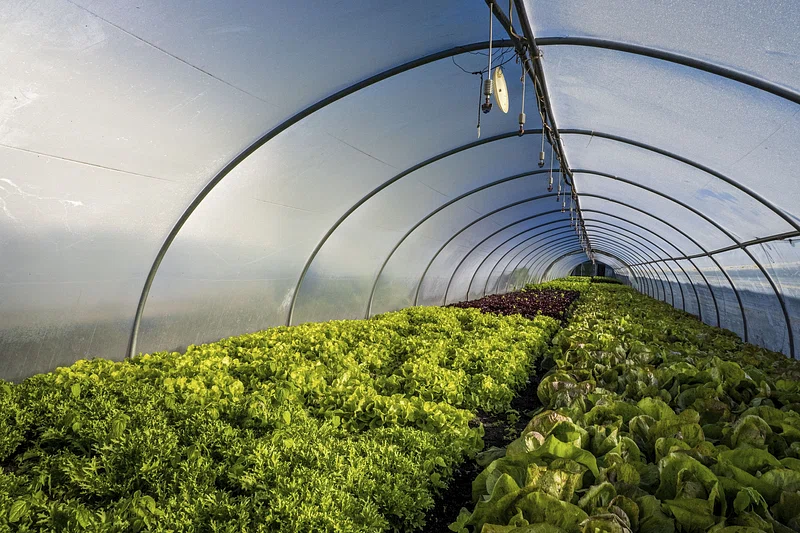
Among the latest innovations is the aeroponic system of seed potato production — a soil-free technique where plant roots are suspended in air and sprayed with nutrient mist. Perfected by ICAR-CPRI in 2011, aeroponics offers a controlled, contamination-resistant environment that dramatically increases the yield and health of minitubers.
To date, 14 licensed firms across Uttar Pradesh, West Bengal, Punjab, and Haryana have adopted this technology. Each has a licensed capacity to produce up to 1 million minitubers annually. Even operating at half capacity, these firms together produce around 6.5 million minitubers per year — a major leap forward in domestic seed supply.
Pathways to scale — public-private collaboration for national impact
ICAR-CPRI currently produces approximately 3,187 metric tonnes of nucleus and breeder seed of 25 popular potato varieties. Of this, 30% comes from high-tech systems, with the remaining 70% from conventional methods. However, land limitations at CPRI farms make it challenging to increase breeder seed production further.
To overcome this, the institute is actively working with State Agricultural Universities (SAUs), Krishi Vigyan Kendras (KVKs), and private entrepreneurs to scale seed production under Memoranda of Understanding. The goal is to decentralize high-tech seed production while maintaining strict quality standards — enabling sustainable growth without expanding land use.

Seeding self-reliance through innovation
India’s push toward Atmanirbhar Bharat in agriculture hinges not only on productivity but also on the quality and resilience of its inputs. By embedding frontier technologies like aeroponics and tissue culture into the potato seed ecosystem, ICAR-CPRI is paving the way for a healthier, more efficient supply chain.
These innovations do more than improve yield — they represent a model for how science-led, scalable interventions can tackle structural bottlenecks in Indian agriculture. With the right collaborations and continued investment, this high-tech seed revolution could help India meet the growing demand for certified seed and ensure long-term food security.
Sources:

Share Your Story Today, Shape Viksit Bharat Tomorrow
Got an idea, innovation, or experience that's making a difference? Share your story now and ignite India's transformation because your voice can drive the future forward!
Resources to Replicate This Idea

BUILD YOUR OWN
Do you want to know how this innovator scaled their idea, how much it cost them, and what resources/partnerships they deployed?
Click here.
How can I implement this innovation effectively?
How is this innovation being adopted around the world?
Where else could this innovation make an impact?
Who has seen real results from using this innovation?
What insights do experts share about this innovation?
What policies support or influence this innovation?
How could this innovation evolve in the future?
Is this innovation accessible and inclusive for everyone?
How can I contribute to or participate in this innovation?
What resources can help me explore this innovation further?
Handpicked stories tailored just for you
Explore stories that inspire, inform, and ignite new ideas across tech, innovation, and real-world impact

How AI is Cutting Post-Harvest Losses and Strengthen Agricultural Markets Across India
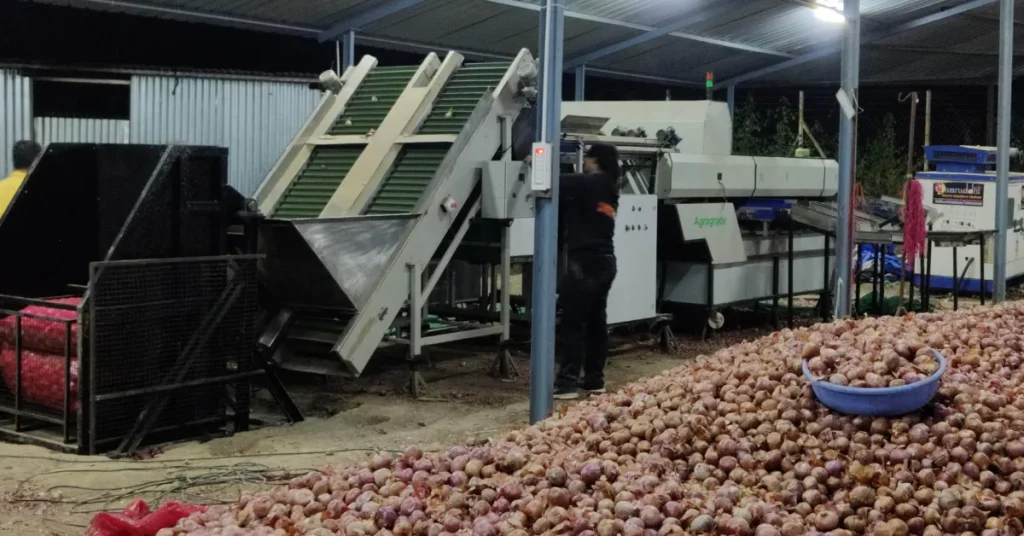
Agrograde uses artificial intelligence to address post-harvest quality assessment gaps in India’s agricultural markets. It deploys AI-based apps and sorting...
Read More