How Silicon-Graphite Anodes Are Increasing Energy Density by 15–16% in Batteries
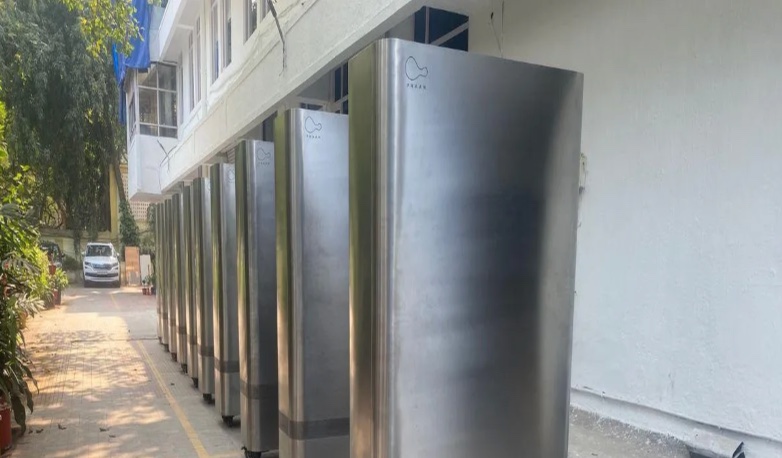
As the demand for renewable energy grows, so does the requirement for efficiency in energy storage. Cellark Powertech, a Bhubaneswar-based startup, has developed a silicon-based anode material that can lower battery production costs and raise storage capacity.
Updated on: 26 July 2026

Sector

Solution

Technology

State of Origin
Impact Metrics
1500–1600 mAh per gram
of energy capacity in silicon-graphite blended anodes.
100% faster charging speeds
in batteries with these new anodes.
17–33% cost reduction
for anode material compared to Chinese competitors.
In order to counter climate change, renewable energy must be incorporated across sectors, providing feasible alternatives to fossil fuels. However, the expansion of renewables faces a constant challenge: building up the requisite storage infrastructure.
At the heart of most energy storage systems is the lithium-ion battery. This has been developed rapidly since its commercialization, but there is still pressure to optimize it for storage and battery life.
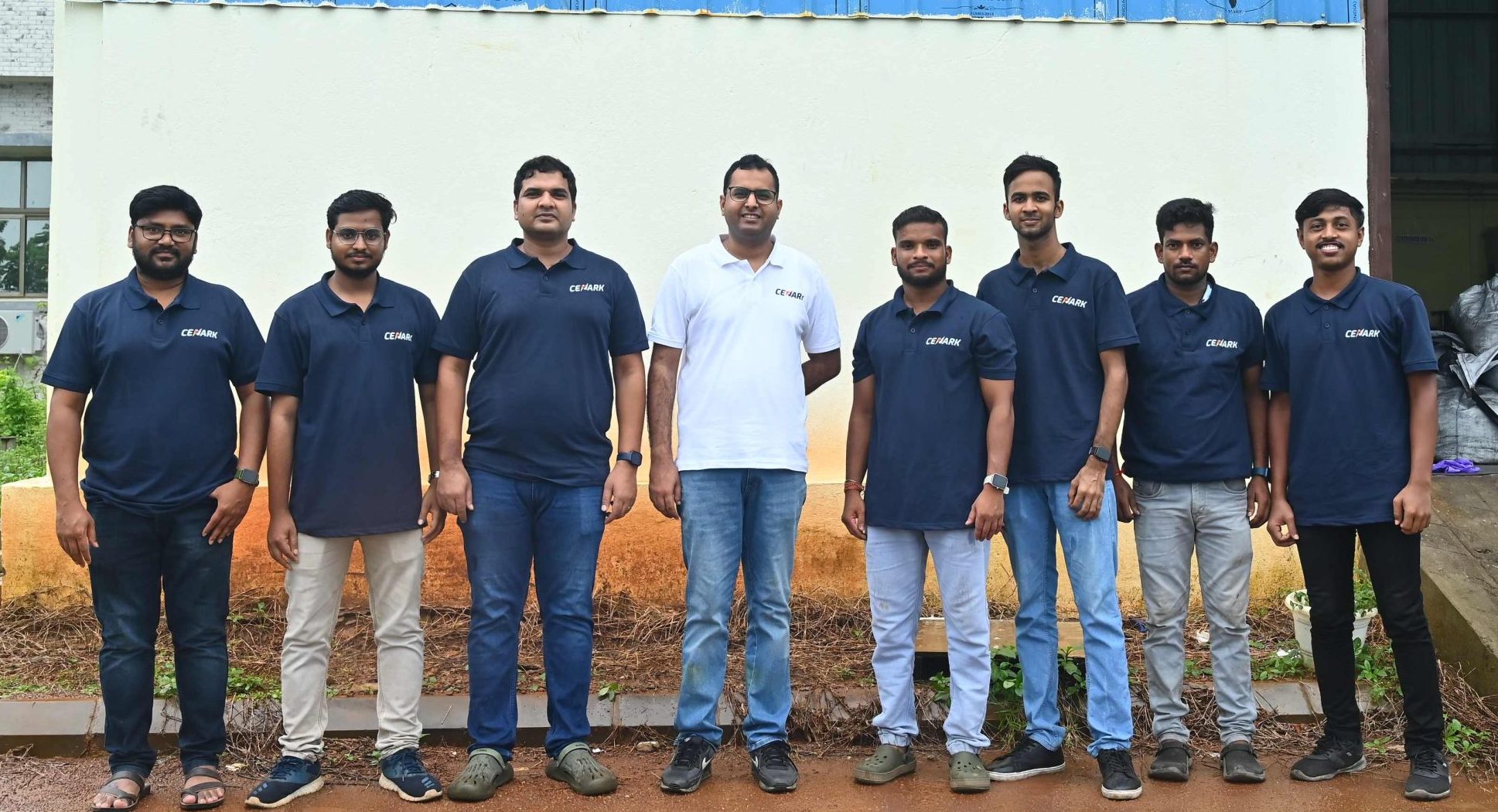
Cellark Powertech Pvt Ltd., of Bhubaneswar in Odisha, offers a way to do just this. Led by founders Ashwani Pandey and Dr. Soobhankar Pati, this startup has developed a silicon-based anode material for batteries. By incorporating this material in commercial energy cells, manufacturers across India could simultaneously save on production costs and contribute to the development of green technology in the country.
How Cellark optimizes batteries
In order to understand the significance of Cellark’s innovation, one must consider the development of battery components. A battery consists of three components: an anode, a cathode, and an elecrolyte. Historically, industrial research has focused on optimizing the material of the cathode—where early cathodes offered an energy capacity of 150 mAh per gram, modern cathodes can hold ~250 mAh per gram.
The next step has been to optimize the material of the anode. The most common material used in anodes is graphite, which has an energy capacity of 370 mAh per gram. In recent years, producers have started refining another material, silicon, which has a much higher energy capacity: 3,000 mAh per gram. Using silicon, therefore, means both lower raw material consumption as well as lower CO2 emissions. Cellark is the first Indian company to incorporate silicon in battery anodes, having developed this innovation in partnership with IIT Bhubaneshwar and the National Aerospace Laboratories (NAL).
The only disadvantage of using silicon is that it expands and contracts during the charging and discharging of a battery, negatively impacting its lifespan. To solve this, Cellark has designed a porous silicon compound that can absorb expansion during battery usage. This material—blended with graphite in Cellark’s battery anodes—can hold 1500–1600 mAh per gram. When incorporated in commercial batteries, it helps increase battery life, energy density, and charging speeds.
Results from pilot implementation
Cellark’s new silicon material is still in the early stages of development, being tested in 18650 cells produced by CSIR’s Central Electrochemical Research Institute. The cell manufacturers that are already being supplied include Ola Electric, Amara Raja, Exide, and Tata Agratas.
According to preliminary results, the material reduces battery life by 10% but improves charging speeds by 100% and energy density by 15–16%. Moreover, while Chinese competitors sell their silicon battery materials at ~USD 30 per kg, Cellark is able to sell at USD 20–25 per kg, increasing accessibility within India. This means that in the long run, as the company’s product moves from testing to full-scale deployment, it can significantly lower energy storage costs.
Supporting green energy storage for the future
At the international level, Chinese sellers dominate the sale of silicon-based batteries, together holding a market share of 96%. This has been possible because of the strong support provided to renewable energy innovators in the country—support that could be replicated in India.
Notably, the Indian government has already recognized this and is taking steps in this direction. For example, in 2026, it expanded the Production-Linked Incentive (PLI) scheme to include components in lithium-ion battery manufacturing. This, along with any future subsidies, could provide much-needed financial resources to any innovators willing to bring green storage technology from research to implementation.
The expertise is already available. With policy-level backing, initiatives such as that of Cellark can make green energy economically viable in India, transforming it into a leader in sustainability in the Global South.
Share Your Story Today, Shape Viksit Bharat Tomorrow
Got an idea, innovation, or experience that's making a difference? Share your story now and ignite India's transformation because your voice can drive the future forward!
Resources to Replicate This Idea
BUILD YOUR OWN INTERVENTION
Handpicked stories tailored just for you
Explore stories that inspire, inform, and ignite new ideas across tech, innovation, and real-world impact

Safe Access: India’s Community-Verified Digital Locator for HIV Prevention Services
Safe Access is a free, community-driven Indian platform that helps people locate verified PrEP and PEP providers nearby. By mapping...
Read More