Inside West Bengal's Keratin Extraction Facility: Making Bioplastics From 1000 Kilos of Chicken Feathers a Day
Traditional single-use plastics contribute significantly to environmental pollution in India. NovoEarth, a Kanpur-based startup, aims to replace them with a bioplastic made from chicken feathers.
Updated on: 31 July 2026

Sector

Solution

Technology

State of Origin
Impact Metrics
40% increase in agricultural yield
for farmers using biodegradable mulching films.
INR 5000–6000 saved
by using the bioplastic films.
30–40% increase in income
for farmers using this innovation.
Plastic pollution is a problem across the world, including in India. Not only does it reduce the visual appeal of any location but it also damages ecosystems. Whether it is in the air, water, or land, plastic can take thousands of years to decompose, posing health threats to many living organisms.
The most common sources of this pollution are single-use plastics. Today, these appear in a variety of forms—carry bags, water bottles, food packets, disposable straws—and tend to sell for very low prices. As a result, even though most Indians are aware of environmentalist concerns, businesses continue to use single-use plastics in everyday products.
Combating this trend will require alternatives to plastic that are both ecofriendly as well as affordable. NovoEarth, based in Kanpur, is a startup that offers a novel solution: a biodegradable bioplastic made of chicken feathers. Founded in 2018 by Sarthak Gupta and Mohd Shahid Jamal, this startup is poised to instil green consumption practices in the country’s largest sector—agriculture.
How does the innovation work?
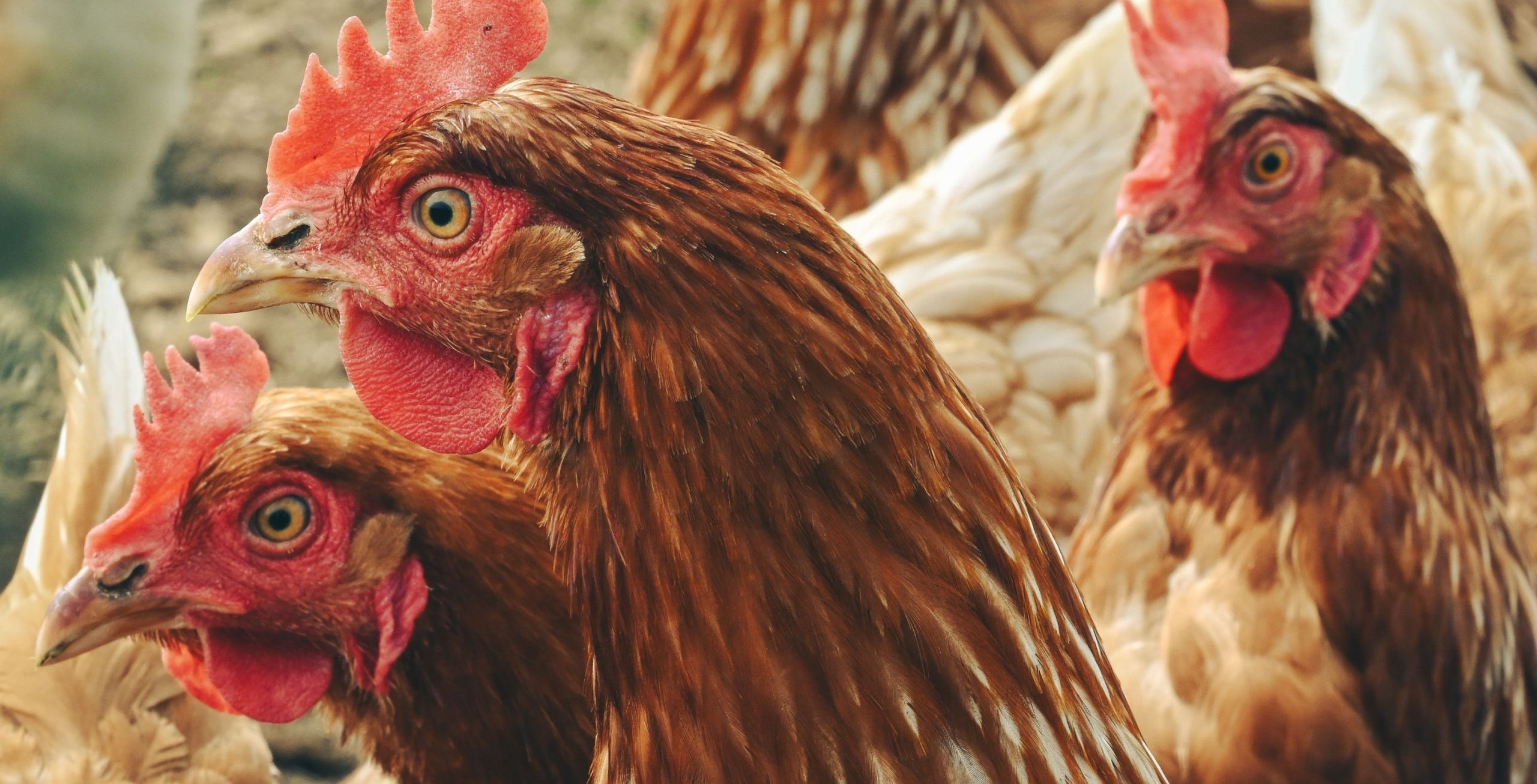
The core science behind NovoEarth’s innovation begins with the manipulation of keratin, a naturally occurring polymer. Keratin makes up over 90% of human hair in addition to scales, nails, horns, hooves, and other hardy components in animals. Relevant to the current case study is its presence in chicken feathers.
Chicken feathers have long been tested in laboratory settings, with researchers extracting their keratin through chemical processes. However, NovoEarth was the first Indian company to commercialize this extraction and transform the keratin into a sellable bioplastic.
The key advantage of manufacturing keratin-based bioplastics is that chicken feathers are available easily and free of cost from landfills. When NovoEarth was incubated in IIT Kanpur, the founders thus networked with figures in both the academia and poultry industry, aiming to build an entirely new supply chain.
From innovation to deployment
In 2024, the startup caught the attention of the West Bengal government, which had been revising its general policy on pollution control. On the one hand, this government wanted new ways to dispose of chicken feather; on the other, it planned to eventually ban single-use plastics. This made it a perfect partner for NovoEarth.
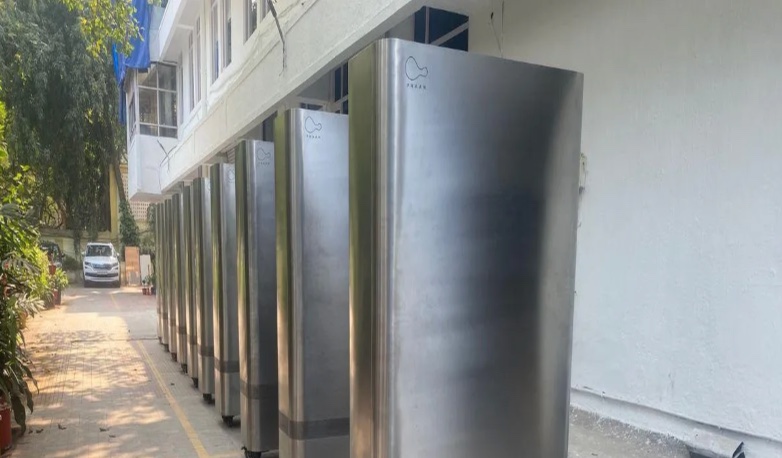
With the support of the state’s Pollution Control Board, NovoEarth and West Bengal’s leadership agreed upon a pilot project to test the keratin extraction process on a large scale—1,000 kg of chicken feathers per day. Recognizing the potential of this collaboration, the same year, Social Alpha also made its entry and provided NovoEarth with financial backing.
Impact created so far
NovoEarth has completed its pilot testing phase and is prepared to enter the market for plastics. It is already conducting trials with potential customers in Uttar Pradesh and Maharashtra, and will soon initiate similar dealings in Madhya Pradesh, Andhra Pradesh, and Telangana. Beyond India, it is negotiating to deploy its products with the US Department of Agriculture. The startup’s collaboration with the West Bengal government has shown promising results, having yielded the first commercial batch of keratin-based bioplastics in July 2026.
Next, NovoEarth plans to bring its solution to India’s agricultural sector with biodegradable mulching films. According to tests conducted with the Indian Council of Agricultural Research (ICAR), farmers using these films can increase their crop yields by 40%. Since the films will naturally dissolve into the soil, they do not need to be removed at all. This can save ~INR 5,000–6,000 on labor costs and increase farmer incomes by 30–40%. In addition, the dissolution of keratin releases nitrogen, which is likely to improve soil fertility in the long run.
Scaling the innovation
NovoEarth has a number of other ideas for its future expansion. For example, Sarthak Gupta proposes using the keratin-based bioplastics in waste disposal systems, serving hospitals, logistics, e-commerce, and the packaging industry.
For this innovation to be scaled, changes at the policy level can be highly beneficial. Traditional plastic-based supply chains have had decades to optimize for efficiency and cost savings, meaning that they can easily outcompete sustainable alternatives. By reducing taxes on the latter—or granting GST exemptions—governments can level the playing field for green innovators.
At the same time, establishing more public–private partnerships with startups such as NovoEarth would build trust among Indian citizens. The end results could be drastic improvements in both environmental appeal—which would boost tourism—as well as public health.
Share Your Story Today, Shape Viksit Bharat Tomorrow
Got an idea, innovation, or experience that's making a difference? Share your story now and ignite India's transformation because your voice can drive the future forward!
Resources to Replicate This Idea
BUILD YOUR OWN INTERVENTION
Handpicked stories tailored just for you
Explore stories that inspire, inform, and ignite new ideas across tech, innovation, and real-world impact

Safe Access: India’s Community-Verified Digital Locator for HIV Prevention Services
Safe Access is a free, community-driven Indian platform that helps people locate verified PrEP and PEP providers nearby. By mapping...
Read More