
IoT-Driven Water Management: A Sustainable Solution for Rural India
In Tamil Nadu’s Erode district, IAS officer Raja Gopal Sunkara piloted the use of IoT technology to fix chronic inefficiencies in rural water supply. The system has cut electricity costs and improved water availability—transforming how villages manage basic resources and showing how smart tech can support rural sustainability.
Updated on: 19 June 2025

Sector

Solution

Technology

State of Origin
Impact Metrics
40% reduction
in electricity costs.
20% increase
in water supply.
50% decrease
in electricity consumption.
44,180 litres
of water increased per day in Ponmudi village.
Erode district, characterized by its dry climate and erratic water supply, faced significant challenges in meeting the water needs of its rural population. With a demand of 74 million litres per day, the district’s supply was inconsistent, leading to water scarcity and high electricity bills due to inefficient management of Overhead Tanks (OHTs). IAS officer Raja Gopal Sunkara, leveraging his dual degrees from IIT Kharagpur and experience in urban water management, identified IoT as a solution to these challenges.
Smart sensors bring real-time control to villages
Upon his appointment as District Collector in May 2023, Sunkara initiated the installation of IoT devices in 50 habitations across 16 villages. These devices automate water management by providing real-time updates on water levels, automating pump operations, and preventing overflow. This system not only reduced electricity bills by approximately 40% but also increased water supply by over 20%, demonstrating a significant improvement in resource management.
Troubleshooting in the field builds a smarter system
The implementation of IoT technology was not without challenges. Initial technical glitches, such as voltage fluctuations damaging controllers, were addressed by introducing solar power supplies with battery backups. Continuous monitoring and collaboration with tech experts were essential to ensure the system’s compatibility with existing infrastructure. Training for local representatives and maintenance staff was also crucial for the system’s success.
The IoT initiative has had a profound impact on the residents of Erode. In Ponmudi village, for example, electricity consumption decreased by 50%, and water supply increased by 44,180 litres per day. This not only reduced the financial burden on local bodies but also alleviated the time burden on women, who traditionally spent long hours waiting for water. The initiative has improved water availability, reliability, and pressure, enhancing the quality of life for rural residents.
Supporting India’s vision for smart, self-reliant villages
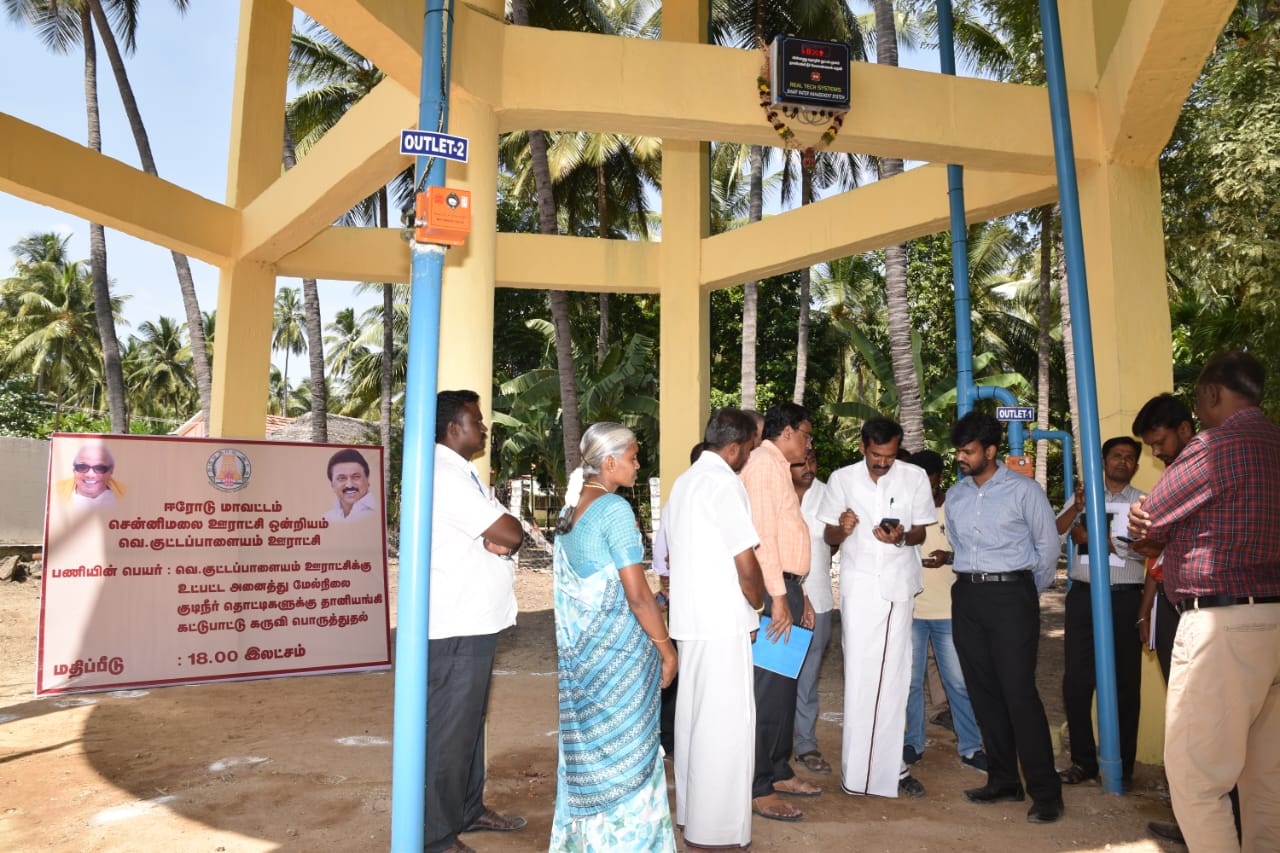
This initiative aligns with India’s broader goals of sustainable development and self-reliance, as outlined in the Atmanirbhar Bharat and Viksit Bharat missions. By utilizing local resources and funds, such as the village panchayat general fund and the 15th Central Finance Commission funds, the project exemplifies a scalable model for other regions facing similar challenges.
Looking ahead, the plan is to expand the IoT system to more villages, utilizing existing funds and resources. This initiative not only addresses immediate water management challenges but also sets a precedent for innovative, technology-driven solutions in rural India. By harnessing IoT, Erode district is paving the way for a more sustainable and efficient future, making it a national gamechanger in rural water management.
Share Your Story Today, Shape Viksit Bharat Tomorrow
Got an idea, innovation, or experience that's making a difference? Share your story now and ignite India's transformation because your voice can drive the future forward!
Resources to Replicate This Idea

BUILD YOUR OWN
Do you want to know how this innovator scaled their idea, how much it cost them, and what resources/partnerships they deployed?
Click here.
How can I implement this innovation effectively?
How is this innovation being adopted around the world?
Where else could this innovation make an impact?
Who has seen real results from using this innovation?
What insights do experts share about this innovation?
What policies support or influence this innovation?
How could this innovation evolve in the future?
Is this innovation accessible and inclusive for everyone?
How can I contribute to or participate in this innovation?
What resources can help me explore this innovation further?
Handpicked stories tailored just for you
Explore stories that inspire, inform, and ignite new ideas across tech, innovation, and real-world impact

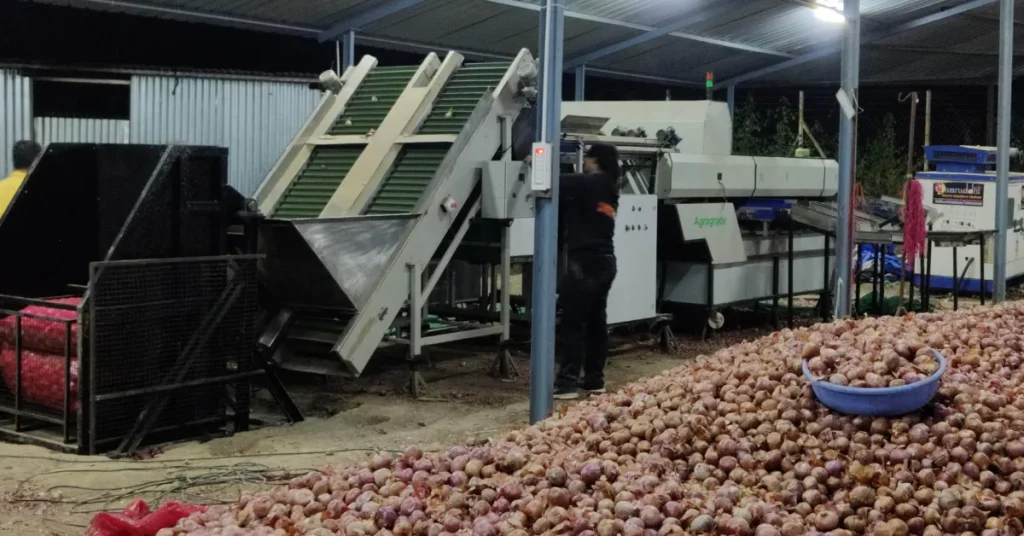
How AI is Cutting Post-Harvest Losses and Strengthen Agricultural Markets Across India
Agrograde uses artificial intelligence to address post-harvest quality assessment gaps in India’s agricultural markets. It deploys AI-based apps and sorting...
Read More