Low-Cost AI Water Tech Transforms Urban Conservation in High-Stress Cities
An AI-enabled water management system developed by Dr Rohit Nara is helping Bengaluru households monitor usage in real time, detect leaks, automate borewells, and adopt transparent consumption-based billing. Installed across 450+ flats, the system has reduced water use by 35 percent and monthly bills by over 55 percent, offering a scalable pathway for smarter, more sustainable urban water management in India.
Updated on: 12 December 2025

Sector

Solution

Technology

State of Origin
Impact Metrics
35% reduction
in overall water consumption.
Over 55% reduction
in monthly water bills.
Up to 10% water loss prevented
thanks to leak detection.
2-3 times increase
in daily output with automated borewell management.
An AI-enabled smart water management system developed by Bengaluru-based technologist Dr Rohit Nara is enabling households and apartment complexes to measure, optimise, and reduce water consumption with significant accuracy and cost savings. Through a combination of smart metres, leak detection algorithms, dynamic billing, and real-time monitoring, the solution helps urban communities reduce overall water use by 35 percent and lower monthly water bills by more than 55 percent. Conceived in response to Bengaluru’s recurring water shortages, the system aims to address not scarcity alone but the underlying issue of mismanagement.
Technology overview and motivation
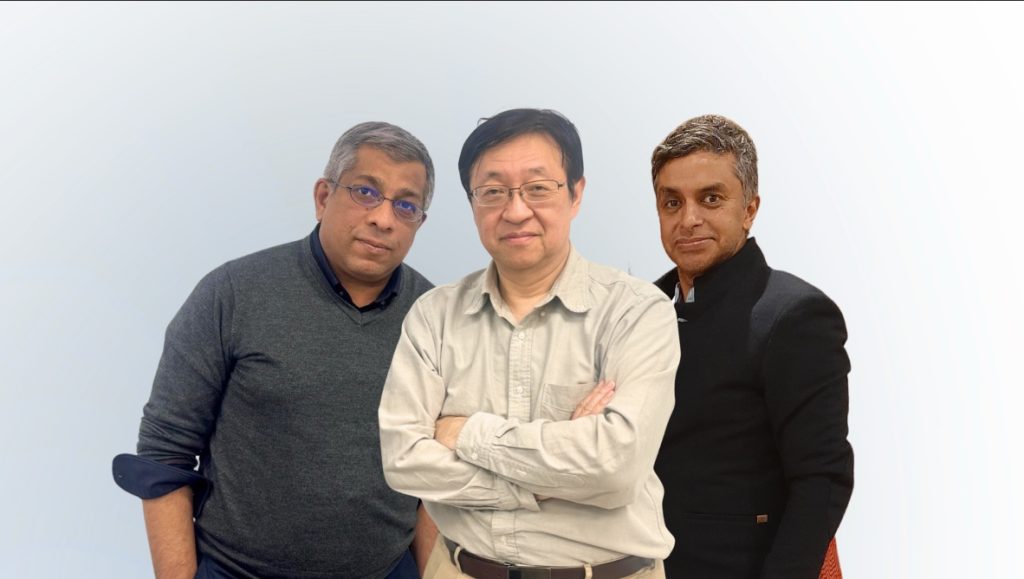
Dr Nara founded Nara Technologies in 2015 and launched the water-tech platform ‘Agua’ in 2019. Having grown up in Bengaluru and directly experienced the effects of poor water management—including dependence on costly tanker deliveries and frequent shortages—he identified unmanaged borewells, undetected leaks, overflow from pumps, and non-transparent billing as major contributors to the crisis. His core motivation was to build a low-cost, easily deployable, AI-enabled system that would help households monitor consumption granularly, detect wastage early, and shift usage patterns toward sustainable and affordable sources.

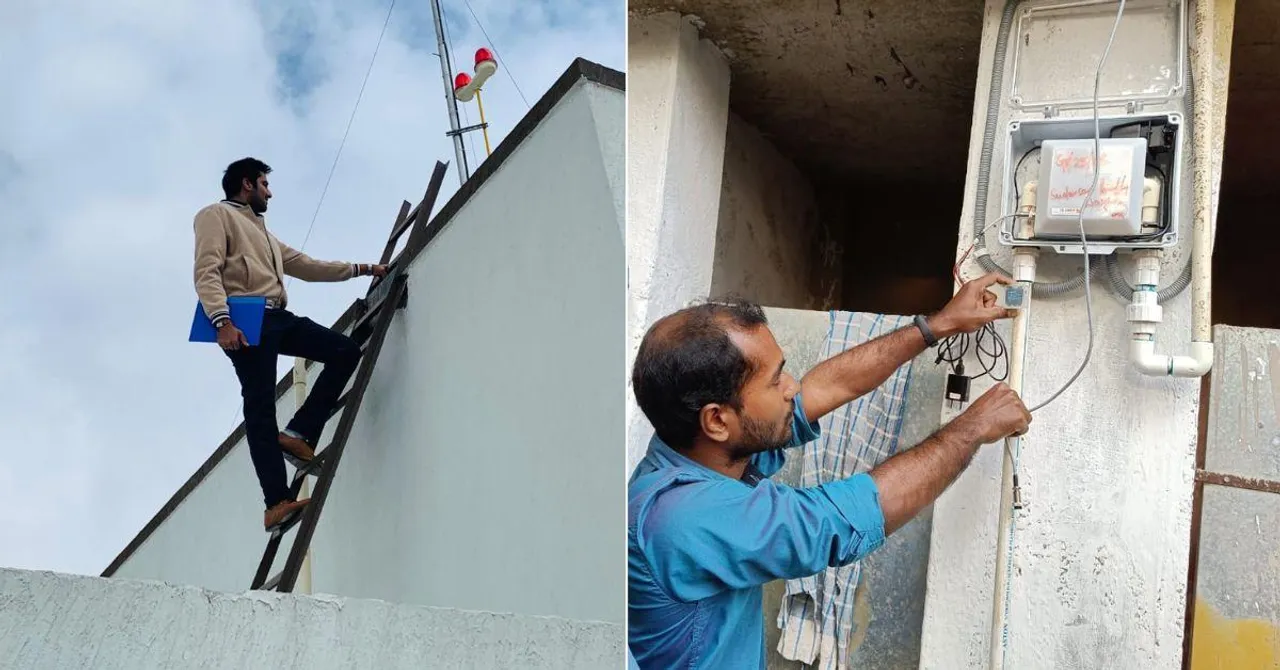
The Agua system consists of smart water metres installed at apartment inlets, equipped with flow sensors that capture real-time water usage. The data is transmitted wirelessly to the cloud, where AI models analyse patterns, detect anomalies such as leaks or overflow, and generate actionable insights. Users access this information through a mobile application that displays consumption trends, sends notifications, and enables behaviour change.
Implementation and technical functioning
The system’s strength lies in its ability to combine measurement, automation, and transparency. By tracking water drawn from various sources—borewells, municipal supply, or tankers—the technology offers precise accounting of origin and volume. This enables dynamic billing, in which charges vary depending on water source and daily availability. Apartment associations can thus incentivise the use of sustainable borewell water while discouraging reliance on costly tanker supplies.
The smart metres also play a critical role in leak detection. Dr Nara notes that in several buildings, up to 10 percent of water was being lost through hidden leaks in underground storage tanks or pipes. The AI layer identifies unusual flow patterns, sending alerts to residents and management to initiate repairs. Pump overflows—common in apartments without automated controllers—are also flagged through consumption anomalies.
In addition to measurement, Nara Technologies has developed automation systems for borewell management. In one residential complex, automating the borewell increased the output from 400–500 litres per day to 1,200–1,800 litres, significantly reducing demand for tanker water. These interventions demonstrate how reliable data, coupled with automation, can unlock existing water potential without additional extraction.
Adoption and user experience

Agua’s solutions are currently installed in more than 450 flats across Bengaluru. Users report greater transparency, reduced disputes, and enhanced confidence in consumption-based billing. Mobile app features—such as daily usage dashboards, alerts on sudden consumption spikes, and tank level monitoring—encourage mindful use and early reporting of inefficiencies. For many communities, the installation has resulted in rapid financial savings. One apartment association reduced consumption by 30 percent and cut tanker dependence by over 45 percent within three months, breaking even on installation investments in under 18 months.
The low-cost design—around ₹3,000 per household in the cited example—makes it accessible to mid-sized apartment communities. By consolidating multiple inlets and using local components, Nara Technologies has kept operational and maintenance costs minimal, facilitating wider adoption.
The adoption of Agua’s AI-enabled water management system has delivered measurable benefits across residential communities in Bengaluru. Apartment complexes using the technology have reduced their overall water consumption by nearly 35 percent, while households report monthly water bill reductions of more than 55 percent due to transparent, consumption-based billing and improved reliance on borewell sources. The system’s leak detection capabilities have helped prevent up to 10 percent water loss in some buildings, and automated borewell management has increased daily yield by two to three times, significantly lowering dependence on expensive tanker supplies. With installations now spread across more than 450 flats, the solution has not only driven financial savings but also encouraged behavioural change, making residents more conscious of how they use and conserve water.
Relevance to sustainability and India’s urban future
Scalable AI-enabled water management systems such as Agua can substantially strengthen India’s sustainability agenda. As urbanisation accelerates, cities face increasing pressure on groundwater, rising tanker dependence, and growing inequities in access. Smart monitoring devices ensure that existing water resources are used efficiently before new extraction is considered. By reducing losses, promoting demand-side management, and enabling transparent billing, such systems support urban water security, reduce energy use linked to pumping and tanker movement, and lower the financial burden on households. Integrating these technologies into municipal water networks, smart city programmes, and building codes can help India transition toward resilient, efficient, and climate-responsive urban water systems.
Share Your Story Today, Shape Viksit Bharat Tomorrow
Got an idea, innovation, or experience that's making a difference? Share your story now and ignite India's transformation because your voice can drive the future forward!
Handpicked stories tailored just for you
Explore stories that inspire, inform, and ignite new ideas across tech, innovation, and real-world impact

How AI is Cutting Post-Harvest Losses and Strengthen Agricultural Markets Across India
Agrograde uses artificial intelligence to address post-harvest quality assessment gaps in India’s agricultural markets. It deploys AI-based apps and sorting...
Read More