Making Learning Visible: AI-powered Platform Helps Children with Visual Disorders Thrive in Classrooms
By combining neurodevelopmental insight with AI-driven visual mapping, Vision Nanny is helping 7,000 children with CVI engage meaningfully in education. Already making an impact in pilot classrooms, this homegrown technology offers a scalable, empathetic model for transforming special education in India—and ensuring no child is left behind due to an invisible disability.
Updated on: 19 June 2025

Sector

Solution

Technology

State of Origin
Impact Metrics
7,000 children
with Cortical Visual Impairment (CVI) reported improved attention span.
3,000 subscribers
including special educators, onboarded from across 10 countries.
Scalable and accessible
for underserved regions across India.
For many children, learning begins with seeing—recognizing letters, tracking movement on a board, or interpreting a teacher’s expressions. But for children with Cortical Visual Impairment (CVI), this seemingly simple process becomes a daily challenge. Unlike ocular blindness, CVI stems from the brain’s inability to correctly process visual input, leading to delayed or distorted visual perception. This means a child might see, but still not understand what they are seeing.
In classrooms, this disconnect is often misunderstood. Children with CVI are frequently misdiagnosed with developmental delays, autism, or attention disorders. As a result, crucial years of learning and brain development are lost due to misdirected interventions. That’s the gap GrailMaker Innovations, a Hyderabad-based startup, is determined to close.
Their flagship innovation, Hyderabad-based Vision Nanny, is a SaaS platform designed to track and support the visual development of children with CVI. Vision Nanny aims to provide personalised visual therapy to children with CVI—especially those in underserved and remote regions.
Addressing an invisible disability through inclusive technology
Cerebral visual impairment is one of the leading causes of childhood blindness in India, yet it remains chronically underdiagnosed. Causes range from preterm birth to birth trauma and accidents in infancy. Traditional therapy, available only in urban tertiary centres, requires repeated in-person visits, often costing between ₹800–₹1,500 per session—amounting to over ₹2 lakh annually. For rural families, this makes long-term therapy financially and logistically unsustainable.
Vision Nanny aims to bridge this gap by offering an interactive, digital suite of vision stimulation activities that can be accessed via smartphones, tablets, or even Smart TVs. Designed for both special educators and parents, the platform includes colour-contrasting tools, shape recognition games, and motion-tracking exercises—all customisable to suit the child’s age and condition. Importantly, it provides an assessment dashboard for therapists to track progress and adapt interventions accordingly.
This work directly supports India’s national development priorities. Under the National Education Policy (NEP) 2020, inclusive education and early childhood care are central pillars. Similarly, the Viksit Bharat@2047 vision emphasises universal access to quality healthcare and education, particularly for children with special needs. Vision Nanny also aligns with the Accessible India Campaign (Sugamya Bharat Abhiyan) by offering assistive digital solutions that reduce barriers for persons with disabilities.
Transforming therapy access at scale
an assistive technology platform offering accessible, affordable therapy for children with cerebral visual impairment (CVI). By digitising early intervention methods and lowering costs by over 90%,
Between 2021 and 2023, Vision Nanny had recorded 1,800+ subscribers across 10 countries, including the US and UAE. By replacing clinic visits with home-based therapy, the platform reduces treatment costs from ₹2 lakh to ₹7,000 annually—making it more than 90% more affordable. So far, it has helped 7,000 children living with CVI.
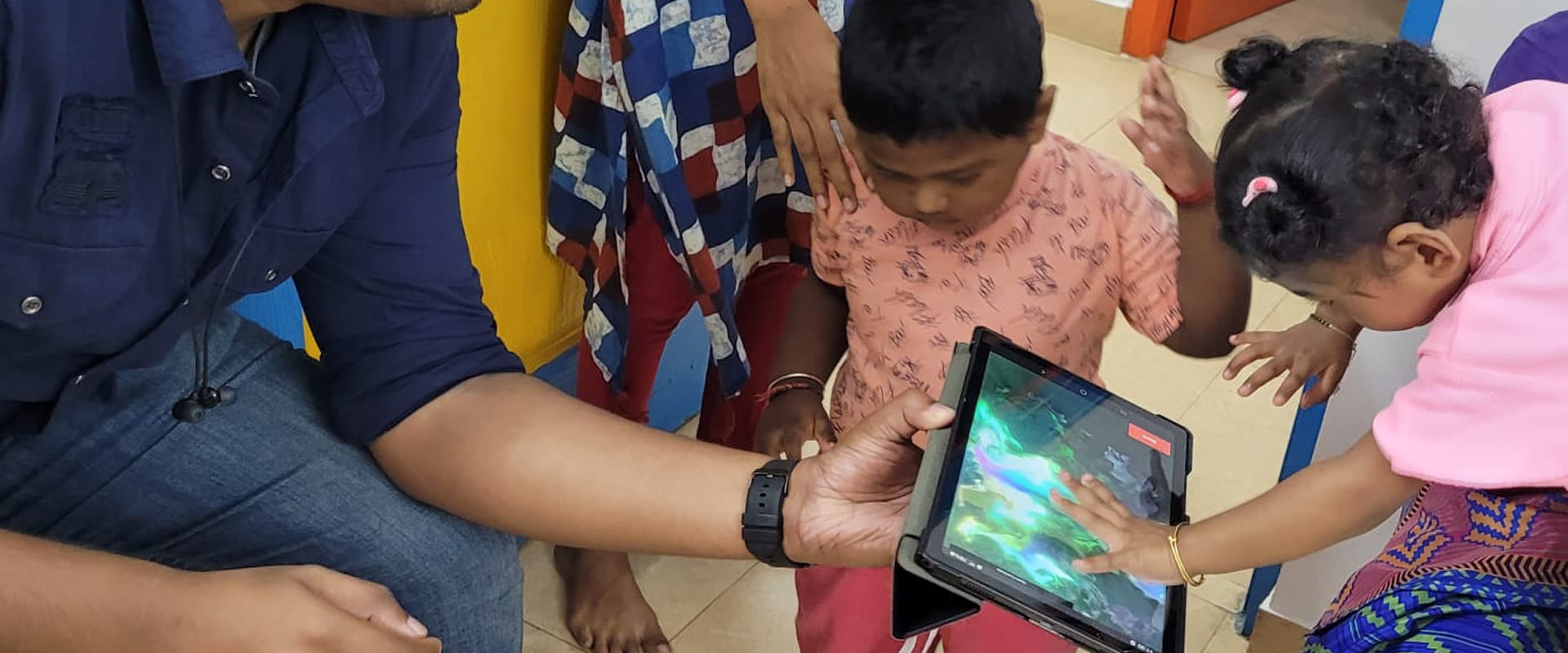
Its impact is not only financial but developmental. Children who previously struggled with basic object recognition are now able to identify household items, attend school, and develop independent routines. For instance, one four-year-old child, who lost visual function after an accident, regained basic hand-eye coordination and self-care ability through consistent therapy using Vision Nanny at home.
A replicable model with cross-sector potential
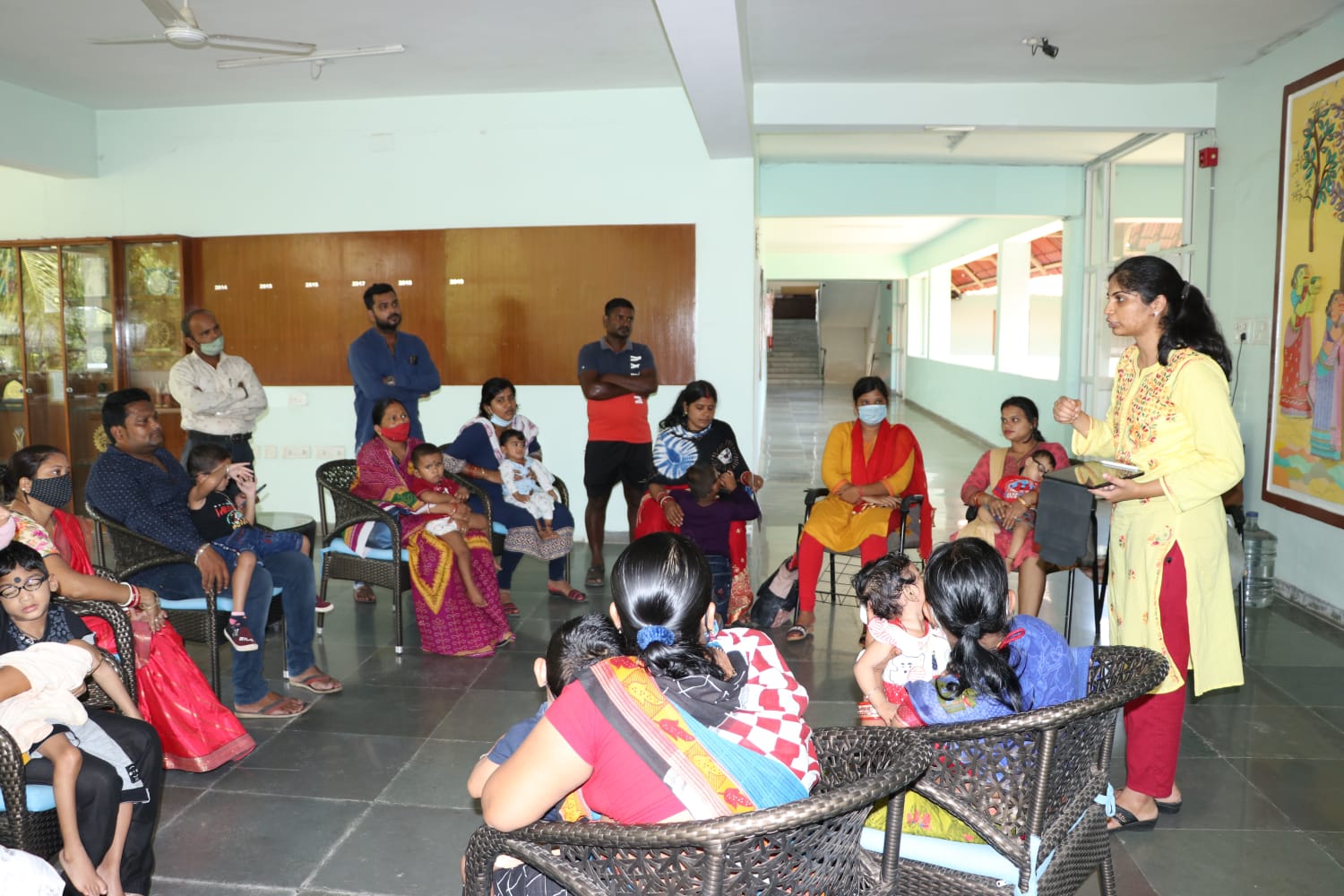
The platform’s simplicity and adaptability make it highly replicable. Since it requires only a mobile device and an internet connection, Vision Nanny can be deployed across Anganwadi centres, primary schools, and district hospitals. Special educators, ASHA workers, and pediatricians can be trained to administer it in both urban and rural settings.
While currently focused on CVI, the underlying model—digitising therapy to expand reach—has potential applications in other developmental disabilities such as autism, dyslexia, and speech delays. With appropriate content adaptation, it could serve as a foundation for a broader national early intervention strategy.
Reimagining special education with empathy and innovation
Vision Nanny stands out not for its technical complexity, but for its clarity of purpose: making early, sustained therapy accessible to every child with cerebral visual impairment. It shifts the centre of care from hospital to home, and from diagnosis to empowerment.
In doing so, Grailmaker Innovations exemplifies how frontier technologies can be both frugal and transformational—helping India move closer to its vision of an inclusive, equitable, and empowered society under Viksit Bharat@2047.
Share Your Story Today, Shape Viksit Bharat Tomorrow
Got an idea, innovation, or experience that's making a difference? Share your story now and ignite India's transformation because your voice can drive the future forward!
BUILD YOUR OWN

BUILD YOUR OWN
How can I implement this innovation effectively?
How is this innovation being adopted around the world?
Where else could this innovation make an impact?
Who has seen real results from using this innovation?
What insights do experts share about this innovation?
What policies support or influence this innovation?
How could this innovation evolve in the future?
Is this innovation accessible and inclusive for everyone?
How can I contribute to or participate in this innovation?
What resources can help me explore this innovation further?
If you would like to know more about this innovation, fill this form to contact the innovator.
Handpicked stories tailored just for you
Explore stories that inspire, inform, and ignite new ideas across tech, innovation, and real-world impact

AI-Enabled Gynaecological Care Expands Access to 400,000+ Women Across India
Pinky Promise is a chat-first, AI-assisted women’s healthcare platform delivering affordable, confidential gynaecological care at scale. Founded in 2022, it...
Read More