From Innovation to Impact: Key Lessons in Deploying AI-Driven Thermal Imaging for Breast Cancer Screening in India
The journey of integrating AI-powered thermal imaging, notably through Niramai’s Thermalytix, into India’s healthcare system offers a nuanced blueprint for technology adoption in resource-constrained environments. This implementation is not merely a matter of technological advancement but a complex interplay of affordability, scalability, cultural sensitivity, and institutional alignment. Drawing on real-world deployments, policy frameworks, and expert insights, the following analysis unpacks the critical factors underpinning successful implementation and the challenges that remain.
Leveraging Affordability and Accessibility for Public Health Equity
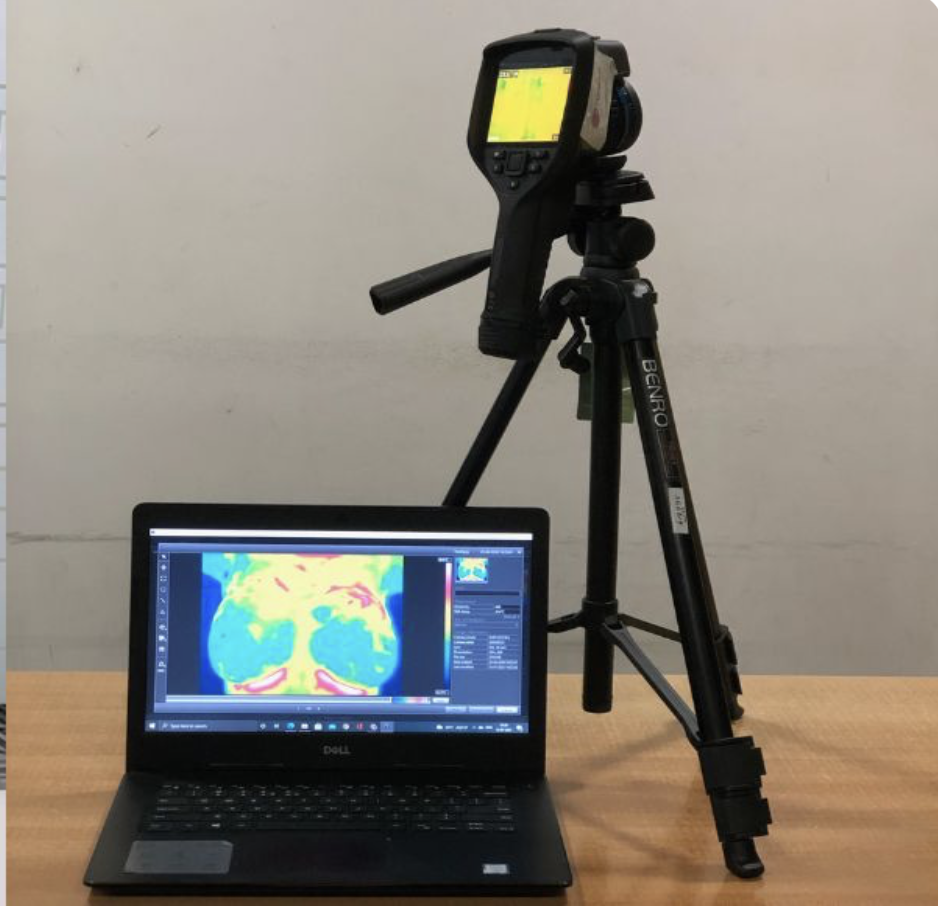
A central pillar of successful implementation is the ability to deliver affordable and accessible screening. Traditional mammography, while effective, remains out of reach for many Indian women due to high costs and limited availability, especially in rural and semi-urban areas. Niramai’s Thermalytix addresses this gap with a non-invasive, radiation-free solution that is both portable and cost-effective. Its design allows trained technicians, rather than specialized radiologists, to operate the device, significantly reducing operational costs and enabling wider deployment.
This approach dovetails with national health priorities, such as those articulated in the Ayushman Bharat scheme, which emphasizes preventive healthcare and universal coverage. For example, in states like Uttar Pradesh and Bihar, mobile screening camps equipped with Thermalytix have reached thousands of women who otherwise lack access to early detection services. By aligning with public health insurance and leveraging government subsidies, the technology is positioned to reduce out-of-pocket expenses and support India’s goal of equitable healthcare access.
Scalable Integration with Community Health Infrastructure
The scalability of AI-driven thermal imaging is demonstrated by Niramai’s partnerships with over 150 hospitals and diagnostic centers, and the screening of more than 100,000 women nationwide. The portability of the device enables deployment in mobile health camps, a model that has proven effective in states such as Karnataka and Maharashtra. These camps, often organized in collaboration with local NGOs and government health departments, extend the reach of screening services into remote and underserved communities.
Integration with existing public health frameworks is critical. For instance, community health workers (ASHAs) and Accredited Social Health Activists are trained to facilitate screenings and follow-up care, ensuring continuity and trust within the community.
Addressing Cultural Sensitivities and Privacy Concerns
Cultural barriers, including stigma and privacy concerns, have historically hindered breast cancer screening uptake in India. Thermalytix’s contactless, radiation-free methodology directly addresses these issues, offering a discreet and comfortable experience that resonates with women in conservative or rural settings. In community feedback from pilot programs in Rajasthan and West Bengal, women cited the non-invasive nature of the screening as a key factor in their willingness to participate.
This sensitivity is especially important in regions where social norms may discourage women from seeking traditional mammography. By respecting privacy and minimizing physical discomfort, the technology not only increases participation rates but also fosters a more inclusive approach to preventive healthcare.
Institutional Collaboration and Evidence from Pilot Programs
The success of AI-driven thermal imaging is underpinned by robust institutional partnerships. Pilot programs in Karnataka and Maharashtra, supported by state health departments and NGOs, have yielded promising results. These pilots have demonstrated improved early detection rates and high levels of community acceptance, providing valuable data to refine both the AI algorithms and operational protocols.
For example, a 2022 pilot in Bengaluru screened over 10,000 women and identified early-stage cancers that might have otherwise gone undetected. Such pilots not only validate the technology but also inform policy decisions regarding broader adoption.
Navigating Regulatory, Training, and Data Privacy Challenges
Despite its promise, the widespread adoption of AI-based thermal imaging faces several challenges. Regulatory approval processes are evolving to accommodate AI-based medical devices, but clarity and consistency are still needed. Data privacy is another critical concern, particularly with the enactment of the Digital Personal Data Protection (DPDP) Act, 2023, which mandates stringent safeguards for sensitive health data.
Ensuring diagnostic accuracy in decentralized settings requires comprehensive training for technicians and robust quality control mechanisms. Initiatives by the Indian Council of Medical Research (ICMR) and academic partners are focused on developing standardized training modules and evaluation frameworks.
Expert Perspectives: Indian Voices on Implementation
Dr. Geetha Manjunath, founder of Niramai, emphasizes, “The true impact of AI in healthcare lies in its ability to democratize access—making early detection available to every woman, regardless of geography or socio-economic status.” Similarly, Dr. Randeep Guleria, former Director of AIIMS Delhi, notes that while AI can augment diagnostic capacity, “rigorous clinical validation and seamless integration with existing workflows are essential to ensure reliability and acceptance.”
These insights underscore the importance of a balanced approach—one that fosters innovation while upholding clinical standards and patient rights.
—
By synthesizing affordability, scalability, cultural sensitivity, institutional collaboration, and regulatory diligence, India’s experience with AI-driven thermal imaging for breast cancer screening provides a replicable model for technology-enabled public health interventions in low-resource settings.