Pioneering DIY Neuroscience Kits: A Transformative Leap for India's Educational Landscape
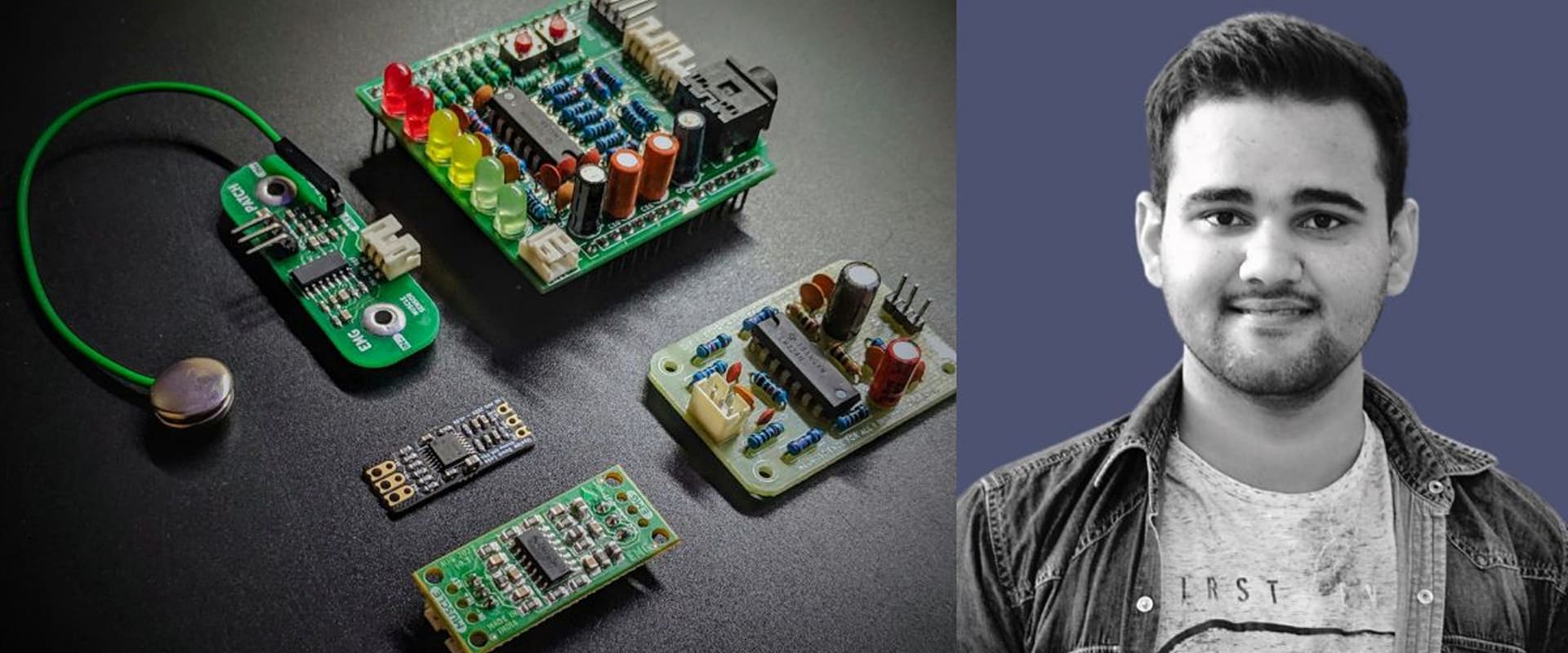
Deepak Khatri, a young engineer from Delhi, has developed India’s first DIY neuroscience kits through his startup, Upside Down Labs. Affordable, accessible, and now used in 22 countries—including at Harvard and IISc Bangalore—these kits are reshaping how neuroscience is taught and learned, especially among students and young innovators.
Updated on: 19 June 2025

Sector

Solution

Technology

State of Origin
Disclaimer:
Features ‘as is’ submissions and neither constitutes endorsement, certification, recommendation, or validation by NITI Aayog nor makes NITI Aayog liable in any manner.
Impact Metrics
Universities in 22 countries
including Harvard and University of Birmingham are using these kits.
Affordable and accessible
priced at ₹499 to improve reach and usage across education landscape.
Deepak Khatri’s fascination with electronics began early, often taking apart household gadgets to understand how they worked. While studying engineering at Netaji Subhas Institute of Technology, a TED Talk by neuroscientist Greg Gage sparked his interest in DIY neuroscience. Recognizing that existing kits were prohibitively expensive, Khatri began building his own low-cost alternatives, eventually launching Upside Down Labs in 2020.
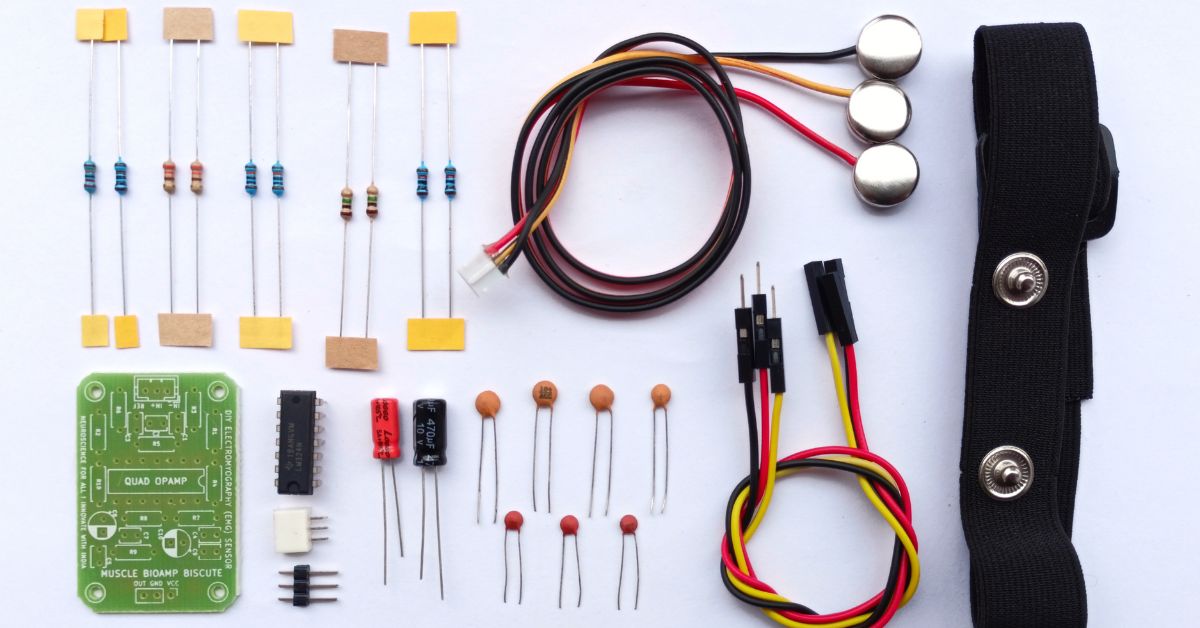
The startup’s mission is simple yet powerful: to democratize neuroscience education. Its flagship product, the Bioamp EXG Pill, enables users to record biopotential signals from the heart, muscles, eyes, and brain—without the need for complex equipment. Open-source and priced at just ₹499, the kits are designed for students from Class 6 and above. This hands-on approach fosters early interest in fields like biology, AI, and robotics, while making science approachable and interactive.
Global Reach from a Local Lab
Despite its modest beginnings, Upside Down Labs has achieved widespread recognition. Its neuroscience kits have been adopted by institutions such as IIT Mandi, IISc Bangalore, the University of Birmingham, and Harvard University. Now used in 22 countries, the kits are making waves in both academic and hobbyist communities, proving that Indian innovation can compete on a global scale.
Upside Down Labs’ work aligns closely with national initiatives like the National Education Policy (NEP) 2020, the Atal Innovation Mission, and Startup India. By creating low-cost, India-made scientific tools, the startup advances Atmanirbhar Bharat and promotes STEM learning across urban and rural settings. The use of open-source models also supports India’s push toward inclusive, tech-driven education under Digital India and Viksit Bharat.
A National Innovation with Global Impact
As Upside Down Labs works to reduce prices further and introduce new DIY electronics, its mission remains focused on sparking scientific curiosity. What began as one engineer’s passion project is now a global educational tool—one that could shape the future of science learning and research in India and beyond.
Share Your Story Today, Shape Viksit Bharat Tomorrow
Got an idea, innovation, or experience that's making a difference? Share your story now and ignite India's transformation because your voice can drive the future forward!
Disclaimer:
Features ‘as is’ submissions and neither constitutes endorsement, certification, recommendation, or validation by NITI Aayog nor makes NITI Aayog liable in any manner.
Resources to Replicate This Idea
BUILD YOUR OWN INTERVENTION
Additional Research
How can I implement this innovation effectively?
How is this innovation being adopted around the world?
Where else could this innovation make an impact?
Who has seen real results from using this innovation?
What insights do experts share about this innovation?
What policies support or influence this innovation?
How could this innovation evolve in the future?
Is this innovation accessible and inclusive for everyone?
How can I contribute to or participate in this innovation?
What resources can help me explore this innovation further?
Handpicked stories tailored just for you
Explore stories that inspire, inform, and ignite new ideas across tech, innovation, and real-world impact

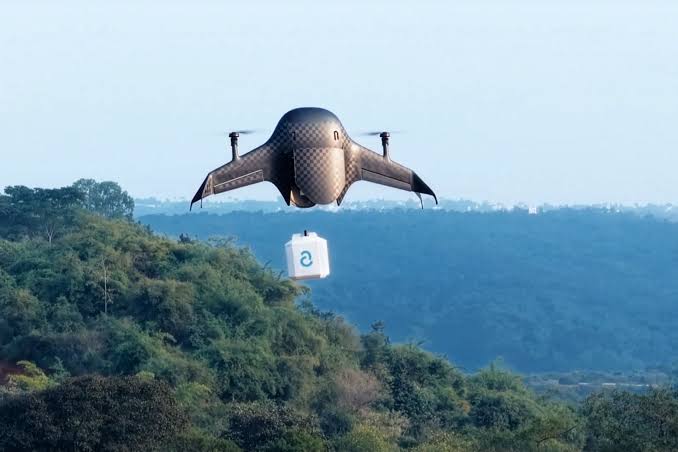
Pilotless Cargo Flights with Zero Failures: Reimagining Diagnostic Logistics in Indian Cities
An energy-efficient autonomous aircraft combining vertical take-off with fixed-wing cruise has completed over 1,000 flights carrying diagnostic samples between hospitals,...
Read More