Catalyzing Change: Practical Pathways to Technology Adoption in Indian Agriculture
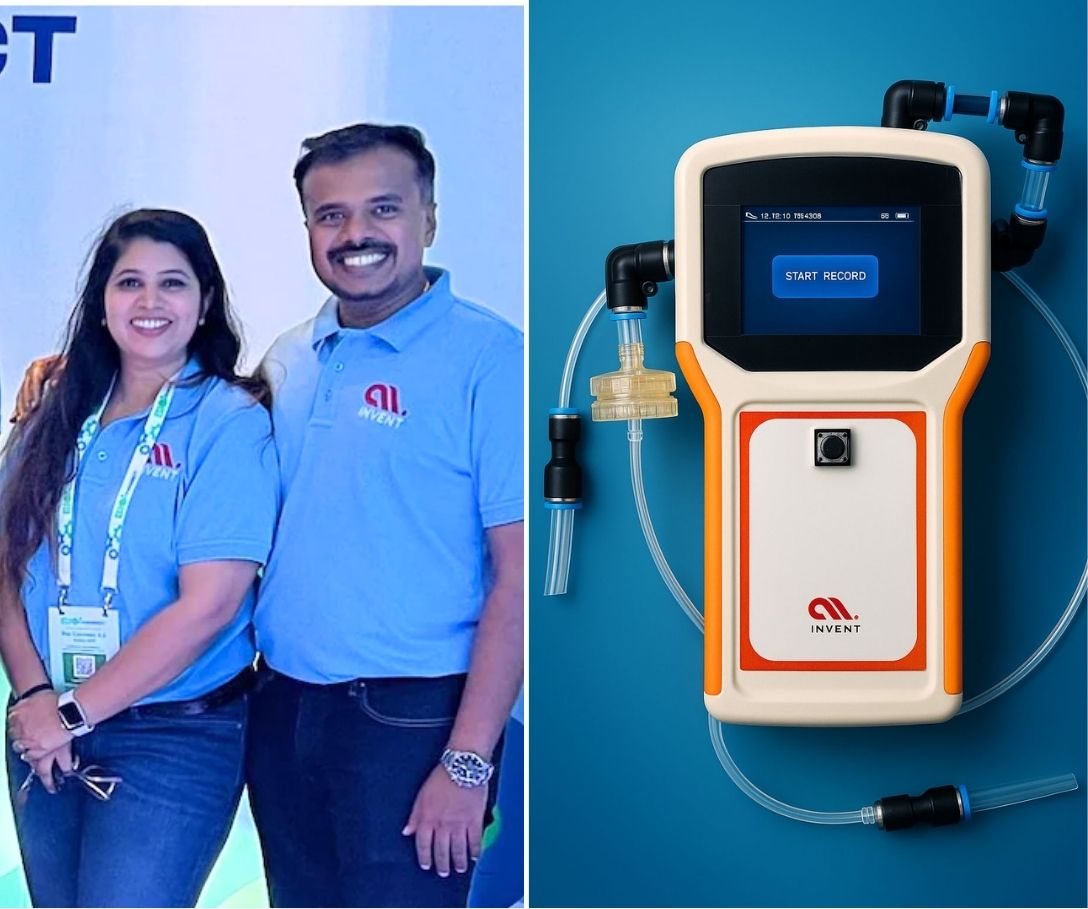
The successful deployment of advanced technologies such as Neoperk’s NeoSoil handheld soil diagnostic device is reshaping the landscape of Indian agriculture. By harnessing near-infrared spectroscopy and machine learning, NeoSoil delivers rapid, lab-quality soil analysis—measuring twelve critical parameters in under five minutes. This innovation addresses longstanding challenges in rural India, where traditional soil testing is often slow, expensive, and inaccessible to smallholder farmers. The journey from laboratory to field, however, is shaped by a complex interplay of affordability, accessibility, institutional trust, and policy alignment. Understanding these dynamics is crucial for scaling such innovations and ensuring their transformative impact on Indian agriculture.
Affordability and Accessibility: Bridging the Last-Mile Gap
One of the most significant barriers to technology adoption in Indian agriculture is cost. NeoSoil’s device, reportedly ten times more affordable than conventional laboratory tests, directly addresses this challenge for resource-constrained farmers. Its portable, user-friendly design enables local entrepreneurs to establish village-level testing stations, eliminating the need for farmers to travel long distances—a critical factor in states like Maharashtra and Karnataka, where rural connectivity remains a challenge.
This decentralized approach mirrors the government’s push for rural empowerment through entrepreneurship, as seen in schemes like the Deendayal Antyodaya Yojana-National Rural Livelihoods Mission (DAY-NRLM). In Maharashtra’s Vidarbha region, for example, community-run NeoSoil stations have tested over 10,000 samples, helping farmers achieve up to 20% higher profits by optimizing fertilizer use and improving yields. Such models not only democratize access to technology but also foster rural employment and local enterprise.
Institutional Validation and Ecosystem Support: Building Trust and Scale
Credibility is paramount for new agricultural technologies. NeoSoil’s validation by the ICAR-National Bureau of Soil Survey & Land Use Planning (ICAR-NBSS&LUP), Nagpur, provides scientific assurance to farmers and stakeholders. This institutional endorsement is critical in a sector where skepticism toward new tools can impede adoption.
Moreover, the involvement of premier institutions such as IIT Bombay, IIT Kanpur, and IIM Bangalore in supporting Neoperk’s scale-up exemplifies the power of cross-sectoral collaboration. These partnerships bring together technical expertise, business acumen, and grassroots insights, creating a robust ecosystem for innovation. As Dr. Ramesh Chand of NITI Aayog notes, “Integrating scientific validation with entrepreneurial models is key to ensuring that technological advances reach India’s smallholders and drive sustainable growth.”
Data-Driven Impact: Real-World Outcomes and Policy Alignment
The tangible benefits of NeoSoil’s deployment are evident in diverse agro-climatic zones. In Karnataka’s Mandya district, sugarcane farmer collectives have used NeoSoil diagnostics to reduce fertilizer costs by 15% and improve crop quality. In Gujarat’s Anand district, integration with carbon measurement initiatives has enabled farmers to participate in carbon credit programs, aligning with India’s climate-smart agriculture goals under the National Mission on Sustainable Agriculture (NMSA).
These outcomes underscore the importance of data-driven, sustainable farming practices. By providing instant, actionable insights, NeoSoil empowers farmers to make informed decisions—reducing input costs, enhancing yields, and supporting environmental stewardship. The model also dovetails with government initiatives like the Soil Health Card Scheme, which aims to mainstream scientific soil management across India.
Global and Local Lessons: Tailoring Models for Indian Realities
While global examples—such as Kenya’s mobile soil advisory services or Australia’s National Soil Strategy—highlight the value of technology-enabled, data-centric agriculture, India’s approach is uniquely grassroots-driven. The NeoSoil model leverages local entrepreneurship and academic partnerships, enabling rapid diffusion in diverse, resource-constrained settings.
However, experts suggest that India could further benefit from adopting elements of international best practices, such as robust policy incentives and integrated data infrastructure. The Netherlands, for instance, has built digital agriculture ecosystems that combine soil, weather, and market data, emphasizing interoperability and farmer data ownership. As Prof. Anurag Kumar of IIT Kanpur observes, “Scaling digital diagnostics in India will require not just technological innovation, but also supportive policy frameworks and farmer-centric data systems.”
Expert Perspectives: Indian Voices on the Path Forward
Indian thought leaders consistently emphasize the need for supportive ecosystems to realize the full potential of AI-powered soil diagnostics. The Indian Council of Agricultural Research (ICAR) has advocated for the inclusion of rapid soil testing technologies in national programs, noting their potential to “democratize access to scientific soil analysis and drive productivity gains for smallholders.”
Dr. Ramesh Chand (NITI Aayog) highlights the importance of integrating these innovations with extension services and government schemes, ensuring that benefits reach the most marginalized. Prof. Anurag Kumar (IIT Kanpur) underscores the necessity of robust data infrastructure, farmer training, and ethical AI governance to ensure equitable and responsible deployment.
—
These implementation insights reveal that the success of technologies like NeoSoil hinges on a confluence of affordability, accessibility, institutional trust, and policy alignment. By learning from both Indian and global experiences, and by fostering collaborative, data-driven ecosystems, India can accelerate the adoption of transformative agricultural technologies—empowering its farmers and advancing sustainable development.