Charting the Global Landscape: Bio 3D Printing in Comparative Perspective
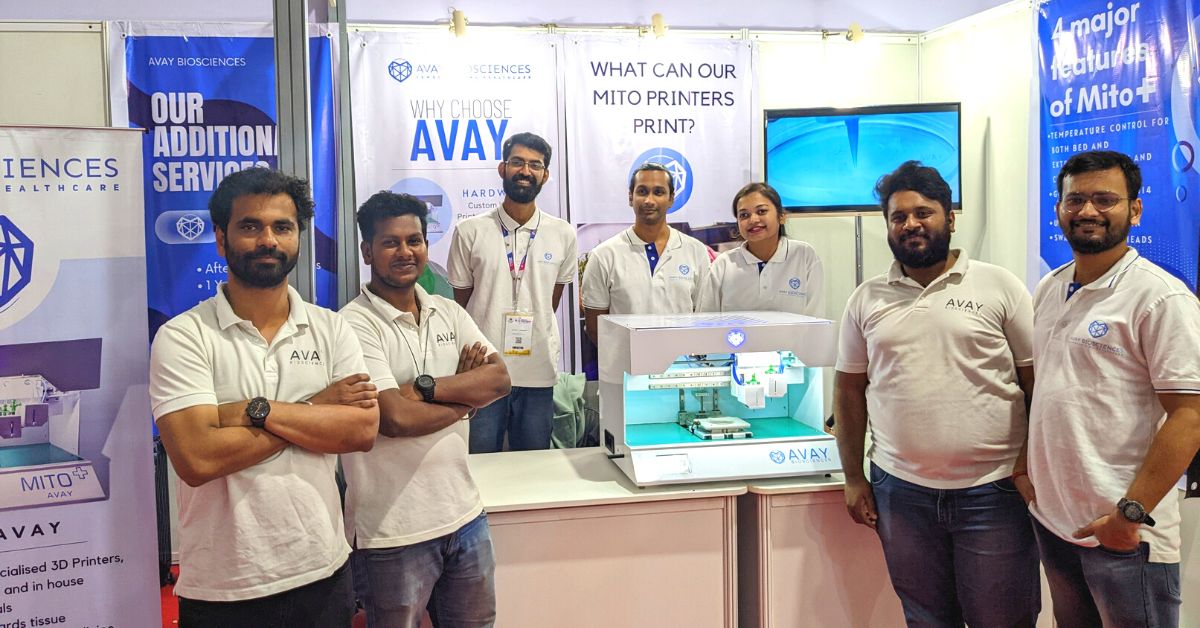
Bio 3D printing stands at the confluence of biotechnology, engineering, and healthcare, rapidly transforming the contours of regenerative medicine and tissue engineering worldwide. As India’s homegrown innovators like Avay Biosciences make significant strides, understanding global trajectories—spanning regulatory frameworks, public health integration, and commercialization models—offers critical lessons for shaping India’s policy and innovation ecosystem. This section dissects leading international approaches, highlights policy parallels, and draws actionable insights for India’s burgeoning bio 3D printing sector.
United States: Regulatory Rigor and Translational Acceleration
The United States remains a global epicenter for bio 3D printing, propelled by robust federal funding and a well-defined regulatory environment. Institutions such as the Wake Forest Institute for Regenerative Medicine have pioneered breakthroughs in organ and tissue printing, supported by agencies like the National Institutes of Health (NIH) and the Defense Advanced Research Projects Agency (DARPA). These agencies channel substantial grants into translational research, bridging the gap between laboratory innovation and clinical application.
A defining feature of the U.S. model is its regulatory clarity. The Food and Drug Administration (FDA) has issued detailed guidance on bioprinted medical products, delineating pathways for clinical trials and product approvals. For instance, the FDA’s framework for additive manufactured medical devices has enabled companies like Organovo to initiate clinical studies on bioprinted liver tissue for drug toxicity testing. This regulatory predictability accelerates the adoption of novel therapies while safeguarding patient safety—a balance India is actively seeking to emulate.
Europe: Integrating Ethics, Funding, and Public Health
Europe’s approach is characterized by a strong emphasis on ethical oversight, patient safety, and public sector involvement. The European Union’s Horizon Europe program earmarks significant funding for regenerative medicine and bioprinting, with a focus on responsible research and innovation. Countries like Germany and the UK have embedded bioprinting into their national biomedical strategies.
A notable example is the UK’s National Health Service (NHS), which is piloting bioprinted skin grafts and cartilage implants for personalized medicine. These initiatives underscore the role of public healthcare systems in technology adoption, offering a template for India’s government hospitals to integrate advanced biotechnologies. European regulatory bodies, such as the European Medicines Agency (EMA), also enforce rigorous ethical and safety standards, ensuring public trust in emerging therapies.
South Korea: Commercialization and Startup Ecosystem
South Korea exemplifies rapid commercialization, driven by synergistic government-industry-academia collaboration. The government’s proactive funding schemes and innovation hubs have nurtured startups like CELLINK, which specialize in bio-inks and tissue scaffolds. South Korean research institutions have successfully translated laboratory advances into market-ready products, with applications ranging from drug screening to reconstructive surgery.
This commercialization focus is reinforced by targeted government grants and streamlined regulatory processes, enabling startups to scale swiftly. India’s own innovation ecosystem, supported by initiatives such as Startup India and BIRAC, mirrors this approach, though with a stronger emphasis on affordability and indigenous manufacturing.
Comparative Policy Models: India’s Distinctive Approach
India’s bio 3D printing landscape is shaped by mission-driven innovation, cost-effectiveness, and self-reliance. Unlike the regulation-intensive, funding-heavy models of the U.S. and Europe, India leverages a flexible, startup-friendly environment. Programs like Startup India and the Biotechnology Industry Research Assistance Council (BIRAC) provide funding, mentorship, and incubation, empowering startups to iterate rapidly and address local healthcare needs.
However, regulatory ambiguity remains a challenge. While the U.S. and Europe offer clear approval pathways, India’s oversight is currently fragmented, relying on broader biomedical research and medical device regulations. Indian policymakers are increasingly aware of the need for dedicated frameworks to streamline clinical translation and ensure ethical compliance.
Lessons and Opportunities for India
Regulatory Clarity and Clinical Integration: Indian experts, such as Dr. Raghunath Mashelkar (former Director General, CSIR), advocate for the creation of clear regulatory guidelines tailored to bioprinting. “A transparent, science-driven regulatory framework will catalyze clinical adoption and global competitiveness,” he notes.
Public Health System Leverage: Drawing from the NHS model, integrating bioprinting into India’s public hospitals could democratize access to regenerative therapies. Pilot programs in Tamil Nadu’s government hospitals, exploring bioprinted skin grafts for burn victims, exemplify this potential.
International Collaboration: Indian institutions are increasingly engaging in global partnerships for knowledge exchange and co-development. BIRAC’s international collaboration programs and participation in EU-funded consortia are strengthening India’s capabilities and global visibility.
Ethical and Social Considerations: Indian policymakers are keenly aware of the need to balance innovation with ethical responsibility. The integration of ethical review boards and patient safety protocols, as seen in Europe, is gradually being adopted in Indian research institutions.
Conclusion:
India’s bio 3D printing sector is poised to benefit from a nuanced synthesis of global best practices and indigenous innovation. By prioritizing regulatory clarity, leveraging public healthcare infrastructure, and fostering international collaboration, India can accelerate the translation of bio 3D printing from research labs to real-world impact—positioning itself as a leader in accessible, affordable biotechnology for the Global South.