Smart Agri-Biotech Sachets Turning India’s Perishable Produce Into Profitable Produce
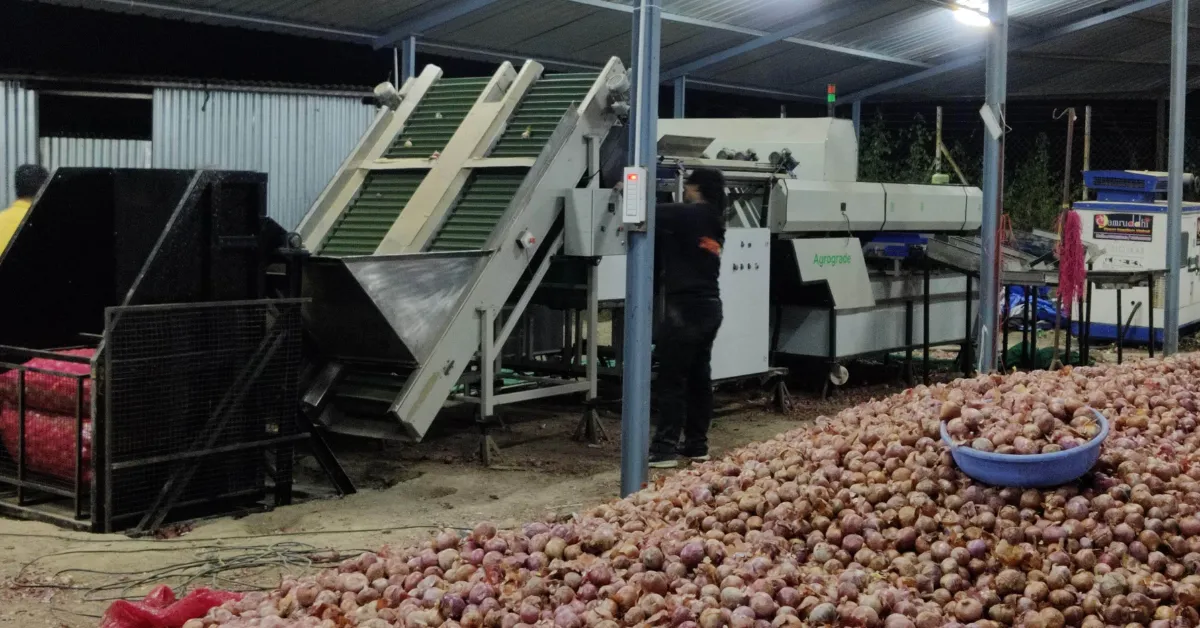
GreenPod Labs, founded by Deepak Rajmohan and Vijay Anand, uses plant-extract sachets with gas-permeable membranes to activate fruits’ natural defense systems, slowing ripening and blocking microbes. This patented agri-biotech extends shelf life by 40–60% without cold storage, saving costs and preventing chemical residues. With 150+ partners, it reduces spoilage, boosts farmer income, and strengthens India’s food supply chain sustainably.
Share



Sector

Solution

Technology

State of Origin
Impact Metrics
40-80% increase
in produce shelf life, preventing approximately 20% food waste.
Abates 1,000 tons
of greenhouse gas emissions.
BUILD YOUR OWN

BUILD YOUR OWN
How can I implement this innovation effectively?
How is this innovation being adopted around the world?
Where else could this innovation make an impact?
Who has seen real results from using this innovation?
What insights do experts share about this innovation?
What policies support or influence this innovation?
How could this innovation evolve in the future?
Is this innovation accessible and inclusive for everyone?
How can I contribute to or participate in this innovation?
What resources can help me explore this innovation further?
Bridging Innovation and Impact: Key Lessons from Agri-Biotech Deployment in India
The successful rollout of GreenPod Labs’ natural plant extract sachets across India’s agricultural landscape offers a compelling blueprint for implementing agri-biotech innovations in resource-constrained environments. By extending the shelf life of fruits by 40–60% without the need for cold storage, these sachets address critical gaps in India’s supply chain, particularly for smallholder farmers and rural traders. Their journey from lab to field reveals a nuanced interplay of affordability, sustainability, stakeholder engagement, and policy alignment—factors that collectively determine the real-world impact of agricultural technologies.
Affordability and Supply Chain Integration: Overcoming Infrastructure Gaps
A persistent challenge in Indian agriculture is the lack of widespread cold storage, with only about 10% of perishable produce benefiting from such infrastructure. GreenPod Labs’ sachets provide a low-cost, easy-to-use alternative that seamlessly integrates into existing logistics. For example, mango growers in Tamil Nadu and grape traders in Maharashtra have adopted these sachets to reduce spoilage during transport, bypassing the need for expensive refrigeration. This approach mirrors the objectives of the Pradhan Mantri Kisan Sampada Yojana (PMKSY), which aims to minimize post-harvest losses through both infrastructure and innovative solutions. By focusing on affordability and ease of use, GreenPod’s technology is accessible to small and marginal farmers, who constitute over 85% of India’s agricultural workforce.
Aligning with Food Safety and Consumer Preferences: The Non-Chemical Advantage
Indian consumers are increasingly demanding safe, residue-free, and organic produce—a trend reflected in the Food Safety and Standards Authority of India’s (FSSAI) tightening regulations on chemical preservatives. GreenPod’s sachets, which utilize a gas-permeable membrane to activate natural fruit defense mechanisms, offer a residue-free preservation method. This aligns with the objectives of the National Mission on Sustainable Agriculture (NMSA), which promotes sustainable and climate-resilient farming practices. Farmers in pilot projects have reported greater acceptance of these sachets compared to traditional chemical treatments, citing both health and marketability benefits. The technology’s alignment with organic and sustainable agriculture has also facilitated its inclusion in government-supported extension programs.
Multi-Stakeholder Collaboration: Building Trust and Scaling Adoption
The path to widespread adoption has been paved by strategic partnerships and pilot initiatives. GreenPod Labs’ engagement with over 150 stakeholders—including farmers, traders, e-commerce platforms like BigBasket, and NGOs such as Akshaya Patra Foundation—demonstrates the power of multi-stakeholder collaboration. Localized trials in Tamil Nadu and Maharashtra have validated efficacy and built user trust, while recognition through awards like the Namma Chennai CLIMAFIX Startup Award has attracted investment and policy attention. This collaborative model echoes the approach of the Agri-Innovation Fund under the Ministry of Agriculture, which incentivizes public-private partnerships to accelerate technology transfer.
Policy Support and Institutional Mechanisms: Enabling Innovation Diffusion
Policy frameworks play a decisive role in scaling agri-biotech solutions. The Indian government’s Agri-Innovation Fund and Startup India initiative provide crucial financial and regulatory support to startups like GreenPod Labs. Integration with flagship schemes such as PM-Kisan and the Digital India initiative has expanded outreach and digital literacy among farmers, facilitating technology adoption. The Ministry of Food Processing Industries (MoFPI) and FSSAI have also streamlined regulatory pathways for natural preservatives, reducing barriers to market entry.
Lessons from Global and Local Contexts: Tailoring Solutions for India
While countries like the Netherlands have successfully integrated controlled atmosphere packaging and natural preservatives into export supply chains, India’s fragmented markets and smallholder dominance require context-specific adaptations. GreenPod’s sachets, which do not rely on energy-intensive infrastructure, exemplify such tailored solutions. The Indian Council of Agricultural Research (ICAR) and the Indian Institute of Horticultural Research (IIHR) are actively collaborating with startups to validate and refine these technologies, ensuring they meet the unique needs of Indian agriculture.
Conclusion
The implementation of agri-biotech innovations in India is most effective when grounded in affordability, sustainability, collaborative engagement, and supportive policy frameworks. GreenPod Labs’ journey underscores the importance of these factors in translating scientific breakthroughs into tangible benefits for farmers, consumers, and the environment.
Bridging Borders: How Global Innovation Shapes India’s Fight Against Food Waste
India’s efforts to curb food waste through homegrown innovations such as GreenPod Labs’ natural sachets echo a broader international movement toward resilient, technology-driven food supply chains. Around the world, countries are leveraging advanced post-harvest technologies, robust policy frameworks, and public-private partnerships to tackle food loss at scale. By examining global strategies—from the Netherlands’ agri-tech leadership to Japan’s regulatory mandates—India can glean actionable lessons to tailor solutions for its unique agricultural landscape. This section explores how international best practices and policy models inform and inspire India’s evolving approach to food waste reduction.
Advanced Post-Harvest Technologies: Lessons from the Netherlands and the U.S.
The Netherlands stands at the forefront of agri-tech innovation, employing controlled atmosphere storage and natural bio-preservatives to extend the shelf life of produce. These technologies enable Dutch farmers to export efficiently and minimize domestic waste. The Dutch government’s commitment is evident through sustained investment in R&D, public-private partnerships, and targeted subsidies for cold chain infrastructure. For instance, the “Topsector Agri & Food” program fosters collaboration between research institutes and industry, accelerating the adoption of new preservation technologies.
In the United States, startups have pioneered ethylene-absorbing packaging and smart sensors that track fruit ripeness in real time. These innovations are integrated with digital platforms for supply chain transparency, supported by the U.S. Department of Agriculture (USDA) through grants and innovation challenges such as the “Food Loss and Waste Innovation Fair.” These models highlight the importance of government-backed innovation ecosystems and data-driven supply chain management—principles that India is beginning to emulate through its own initiatives.
India’s Contextual Approach: Innovation Amidst Structural Challenges
India’s food system is characterized by fragmented markets, smallholder dominance, and infrastructural gaps, particularly in cold chain logistics. In this context, solutions like GreenPod Labs’ plant-based sachets are designed for affordability and scalability, circumventing the need for expensive refrigeration. While India lacks a formal regulatory framework for AI and agri-tech, foundational programs such as the IndiaAI Mission and the Agri-Innovation Fund are catalyzing innovation diffusion. However, unlike the Netherlands or the U.S., India’s progress is tempered by limited digital infrastructure and the need for context-specific policies that address the realities of rural agriculture.
Indian policy references include the National Mission on Sustainable Agriculture (NMSA) and the Zero Defect Zero Effect (ZED) scheme, both of which promote sustainable practices and technology adoption. Yet, as noted by Dr. Ramesh Chand, Member of NITI Aayog, “India’s fragmented supply chains and smallholder-centric agriculture demand solutions that are both low-cost and easily scalable—innovations must be tailored to local realities to achieve meaningful impact.”
Regulatory and Policy Innovations: Global Models for Food Waste Reduction
Countries such as Japan have embedded food waste reduction into national sustainability goals, mandating waste audits and incentivizing circular economy practices. Japan’s Food Loss Reduction Promotion Act requires businesses to monitor and report food waste, fostering accountability and innovation. Similarly, the European Union’s Farm to Fork Strategy targets food loss through technology adoption, regulatory reforms, and financial incentives for sustainable supply chains.
India’s policy landscape is evolving in parallel. The Ministry of Food Processing Industries (MoFPI) runs the Pradhan Mantri Kisan Sampada Yojana (PMKSY), which supports cold chain infrastructure and value addition. The Food Safety and Standards Authority of India (FSSAI) is increasingly emphasizing residue-free, safe preservation methods, aligning with global trends. However, experts such as Dr. Vandana Singh of the Indian Council of Agricultural Research (ICAR) caution that “robust regulatory clarity and enforcement mechanisms are essential to ensure the safe and effective scaling of bio-preservative technologies.”
Embedding Food Waste Reduction in Broader Sustainability Agendas
Globally, food waste reduction is being integrated into broader environmental and economic policies. The United Nations’ Sustainable Development Goals (SDG 12.3) call for halving per capita food waste by 2030. The EU’s Farm to Fork Strategy and Japan’s circular economy initiatives exemplify how countries are embedding food loss prevention within climate action and resource efficiency frameworks.
India’s recent policy thrusts—such as the Digital India initiative and the National Policy on Agriculture 2020—reflect a growing recognition of the need to align food waste reduction with sustainability and economic development goals. The challenge lies in operationalizing these ambitions through enforceable standards, cross-sectoral partnerships, and inclusive innovation ecosystems.
Pathways Forward: Adapting Global Best Practices to Indian Realities
India’s journey toward food waste reduction can be accelerated by adapting global best practices to its socio-economic context. This includes fostering innovation ecosystems through public-private partnerships, incentivizing the adoption of sustainable technologies, and embedding food loss prevention in national policy agendas. Tailored interventions—such as affordable bio-preservative solutions, digital supply chain tools, and regulatory reforms—must be designed with India’s smallholder farmers and infrastructural constraints in mind.
International collaborations, such as the India-U.S. TRUST Initiative, offer opportunities for technology transfer and joint research. As Deepak Rajmohan, co-founder of GreenPod Labs, observes, “Leveraging global expertise while nurturing local innovation is key to building resilient, sustainable food systems in India.”
Unlocking Cross-Sectoral Potential: The Expanding Horizons of Bio-Preservative Technologies in India
The core technology behind GreenPod Labs’ natural sachets—utilizing plant-derived extracts and advanced membrane engineering to extend the shelf life of perishables—has far-reaching implications beyond fruit and vegetable preservation. As India grapples with significant post-harvest losses across multiple sectors, the adaptation of such bio-preservative innovations offers a transformative pathway to enhance food security, reduce economic losses, and support sustainable development. This section explores how these technologies are being researched, piloted, and integrated across diverse Indian industries, drawing on policy initiatives, real-world case studies, and expert insights.
Dairy Sector: Tackling Spoilage in the Cold Chain Gap
India’s dairy industry, the world’s largest, faces acute spoilage challenges, particularly in rural regions where cold chain infrastructure remains inadequate. The National Dairy Development Board (NDDB) estimates that up to 8% of milk produced is lost post-harvest due to microbial spoilage and logistical constraints. To address this, NDDB has piloted natural antimicrobial coatings and bio-preservative sachets for milk and cheese, aiming to extend shelf life without chemical additives. For instance, a 2022 NDDB pilot in Gujarat demonstrated a 30% reduction in spoilage rates when using plant-extract-based coatings during village-level milk collection.
These efforts align with the Ministry of Food Processing Industries’ (MoFPI) Pradhan Mantri Kisan Sampada Yojana (PMKSY), which funds cold chain and value addition projects. The convergence of bio-preservative technology and policy support is paving the way for scalable, residue-free preservation solutions in the dairy sector.
Fisheries and Aquaculture: Preserving Value from Shore to Market
Post-harvest losses in India’s fisheries sector are estimated at 20–25%, with spoilage during transport to inland markets being a major contributor. Recognizing this, MPEDA has initiated trials of natural preservative sachets and bioactive packaging for fish and seafood. In Kerala, a 2023 pilot involving membrane-based sachets during iced fish transport resulted in a two-day extension of freshness, reducing rejections at urban wholesale markets.
Such innovations are supported by the Blue Revolution scheme, which encourages sustainable fisheries and value chain improvements. The integration of bio-preservative technologies not only curbs economic losses but also supports India’s seafood export ambitions by meeting stringent international safety standards.
Herbal and Pharmaceutical Applications: Safeguarding India’s Traditional Medicine
India’s AYUSH (Ayurveda, Yoga & Naturopathy, Unani, Siddha, and Homoeopathy) sector relies heavily on the quality and longevity of medicinal plants and herbal formulations. Post-harvest degradation of active compounds poses a threat to efficacy and export potential. The Central Institute of Medicinal and Aromatic Plants (CIMAP) in Lucknow has been at the forefront of developing and testing natural extract-based preservatives for medicinal herbs. Recent research published by CIMAP demonstrated that bio-preservative sachets could extend the shelf life of dried tulsi and ashwagandha roots by up to 40%, preserving both potency and market value.
These advancements are in line with the Ministry of AYUSH’s vision to promote quality assurance and global competitiveness for Indian traditional medicine.
Academic-Industry Synergy: Accelerating Innovation through Collaboration
Indian academic institutions and startups are playing a pivotal role in translating laboratory breakthroughs into market-ready solutions. The Indian Institute of Technology (IIT) Delhi, for example, has developed biodegradable packaging films infused with plant-based antimicrobials, which have shown efficacy in reducing spoilage of fresh produce and dairy. Startups like FreshBox Technologies are integrating Internet of Things (IoT) sensors with smart packaging, enabling real-time monitoring of freshness and complementing bio-preservative approaches.
These collaborations are actively supported by government funding agencies such as the Biotechnology Industry Research Assistance Council (BIRAC) and the Technology Development Board (TDB), which provide grants and incubation support.
Expert Perspectives: Indian Thought Leadership on Bio-Preservation
Indian experts emphasize the strategic importance of cross-sectoral adoption of bio-preservative technologies. Dr. Neelam Patel, Senior Advisor at NITI Aayog, notes, “Reducing post-harvest losses through natural, scalable solutions is essential for India’s food security and export competitiveness. Policy support and farmer training are critical for widespread adoption.” Dr. S. Rajasekaran of the Indian Council of Agricultural Research (ICAR) highlights the role of rigorous field validation: “Bio-preservative sachets must be tailored for sector-specific needs, and robust extension services are needed to ensure efficacy at the grassroots.”
These perspectives underscore the need for a holistic approach—combining research, policy, and capacity building—to unlock the full potential of bio-preservative innovations.
—
By leveraging bio-preservative technologies across dairy, fisheries, herbal, and other sectors, India stands poised to make significant strides in reducing food waste, enhancing rural incomes, and supporting sustainable economic growth. The convergence of research, policy, and industry collaboration is setting the stage for a resilient and innovative agri-food ecosystem.
Transforming Indian Agriculture: Real Stories of Impact and Innovation
Across India’s diverse agricultural heartlands, GreenPod Labs’ bio-preservative technology is reshaping the way farmers, traders, and supply chains tackle post-harvest losses. By extending the shelf life of perishable produce without chemicals, this innovation is not only reducing food waste but also unlocking new economic opportunities and improving nutritional outcomes. The following impact stories, grounded in research and policy, highlight how technology-driven solutions are catalyzing change at every level of India’s food system.
Reducing Post-Harvest Losses: Evidence from the Field
Post-harvest losses remain a persistent challenge in India, with estimates from the Indian Council of Agricultural Research (ICAR) suggesting that up to 16% of fruits and vegetables are lost annually due to spoilage and inadequate storage (ICAR, 2022). In Tamil Nadu’s renowned mango belt, farmers such as Mr. Ramesh Kumar from Krishnagiri district have reported a dramatic 50% reduction in post-harvest losses after adopting GreenPod sachets. This improvement has enabled them to transport produce to distant markets, including metros like Chennai and Bengaluru, without fear of spoilage. The ability to access broader markets has translated into higher incomes and reduced instances of distress sales—a finding echoed in a 2023 field study by the National Institute of Agricultural Extension Management (MANAGE).
In Maharashtra’s grape-growing regions, traders like Ms. Anjali Deshmukh have leveraged GreenPod’s technology to maintain fruit freshness during long-haul transport to Mumbai and export hubs. The sachets’ chemical-free, plant-based formulation has increased buyer confidence, resulting in higher demand and improved profitability.
Strengthening Supply Chains: E-Commerce and NGO Integration
India’s rapidly expanding e-commerce sector faces significant challenges in delivering fresh produce to urban consumers. Major platforms such as BigBasket and Blinkit (formerly Grofers) have integrated GreenPod sachets into their cold chain logistics, leading to measurable reductions in spoilage-related returns and improved customer satisfaction.
Non-governmental organizations working on food security, such as the Akshaya Patra Foundation, have piloted GreenPod sachets in their meal distribution programs. By ensuring that fresher produce reaches schoolchildren and vulnerable communities, these initiatives have contributed to better nutritional outcomes—a priority under the government’s Poshan Abhiyaan (National Nutrition Mission).
Policy Alignment and Institutional Support
The success of GreenPod Labs’ technology is underpinned by supportive policy frameworks and institutional partnerships. The Ministry of Food Processing Industries (MoFPI), through the Pradhan Mantri Kisan Sampada Yojana (PMKSY), provides financial incentives for cold chain and value addition solutions that complement bio-preservative interventions. The Food Safety and Standards Authority of India (FSSAI) has also set guidelines favoring residue-free preservation methods, directly aligning with GreenPod’s natural approach.
Academic and research institutions, such as the Indian Institute of Horticultural Research (IIHR), are actively collaborating with startups to validate and refine bio-preservative formulations. These partnerships ensure that innovations are rigorously tested and adapted to local conditions, increasing their effectiveness and scalability.
Expert Perspectives: Indian Voices on Innovation
Indian experts emphasize the transformative potential of affordable, scalable post-harvest solutions. Dr. Ramesh Chand, Member of NITI Aayog, notes, “Reducing post-harvest losses through innovative technologies is essential for doubling farmer incomes and achieving national food security targets.” He advocates for the integration of such solutions into agricultural extension programs to maximize reach.
Dr. Vandana Singh, Senior Scientist at ICAR, highlights that “plant extract-based preservation aligns with India’s organic farming goals and growing consumer demand for chemical-free produce.” She underscores the importance of field trials and farmer training to ensure widespread adoption.
From the entrepreneurial perspective, Deepak Rajmohan, co-founder of GreenPod Labs, points to the critical role of public-private partnerships and streamlined regulatory approvals in scaling up innovations.
Creating a Virtuous Cycle: Economic, Social, and Environmental Gains
The cumulative effect of these interventions is a virtuous cycle: reduced food waste, increased farmer incomes, improved consumer health, and progress toward India’s sustainable agriculture goals. The government’s “National Policy on Agriculture 2020” and “Food Processing Policy 2021” set ambitious targets to cut food wastage by 25% by 2025, with bio-preservative technologies playing a pivotal role.
By bridging gaps between farm and market, empowering smallholders, and supporting India’s commitments under the Sustainable Development Goals (SDGs), GreenPod Labs’ technology exemplifies how research-backed innovation can drive systemic change.
Voices Shaping India’s Agri-Biotech Revolution
India’s journey toward sustainable agriculture and food security is being shaped by a dynamic interplay of scientific innovation, policy leadership, and entrepreneurial drive. Leading Indian experts and institutions are at the forefront of this transformation, offering nuanced perspectives on the adoption and scaling of bio-preservative technologies such as GreenPod Labs’ natural sachets. Their insights reveal not only the promise of these innovations but also the critical policy and ecosystem enablers required for widespread impact.
Reducing Post-Harvest Losses: A National Imperative
Dr. Ramesh Chand, Member of NITI Aayog and a prominent agricultural economist, emphasizes that addressing post-harvest losses is central to India’s agricultural policy agenda. “Affordable, scalable technologies for loss reduction are essential for doubling farmer incomes and achieving food security,” he notes, referencing the government’s ambitious targets under the National Policy on Agriculture 2020. Dr. Chand advocates for the integration of bio-preservative solutions into national agricultural extension programs, citing the need for rapid dissemination and farmer training. Real-world pilots, such as those conducted in Maharashtra’s tomato supply chain, have demonstrated that innovative preservation technologies can extend shelf life and reduce spoilage, directly benefiting smallholder farmers.
Aligning with Organic and Consumer Trends
Dr. Vandana Singh, Senior Scientist at the Indian Council of Agricultural Research (ICAR), underscores the alignment of plant extract-based preservation with India’s organic farming movement and shifting consumer preferences. “Natural, chemical-free preservation methods resonate with both organic certification standards and the growing demand for residue-free produce,” she explains. ICAR’s field trials, conducted in partnership with startups like GreenPod Labs, have shown promising results in extending the freshness of fruits such as mangoes and guavas without synthetic additives. Dr. Singh stresses the importance of rigorous, multi-location trials and structured farmer training to ensure efficacy and adoption at scale.
Startup Ecosystem and Public-Private Synergy
Deepak Rajmohan, co-founder of GreenPod Labs, highlights the critical role of India’s startup ecosystem and public-private partnerships in translating laboratory innovations into market-ready solutions. “Policy support, streamlined regulatory approvals, and financial incentives are vital for startups to scale impactful technologies,” he asserts. The Agri-Innovation Fund under the Atmanirbhar Bharat initiative and the Biotechnology Ignition Grant from BIRAC have enabled early-stage companies to pilot and commercialize bio-preservative products. However, Deepak points to the need for faster regulatory clearances from bodies like the Food Safety and Standards Authority of India (FSSAI). Successful collaborations, such as the partnership between GreenPod Labs and the Indian Institute of Horticultural Research (IIHR), have accelerated the validation and refinement of sachet formulations for diverse climatic conditions.
Institutional Research and Policy Integration
Institutions such as the Indian Institute of Horticultural Research (IIHR) and the Indian Institute of Technology (IIT) Kharagpur are actively advancing the science of bio-preservatives. IIHR’s multi-year studies on ethylene-inhibiting sachets have informed best practices for post-harvest management, while IIT Kharagpur’s agri-innovation incubator has supported startups in developing sensor-enabled packaging solutions. These research efforts are closely linked with policy initiatives like the Pradhan Mantri Kisan Sampada Yojana (PMKSY), which funds cold chain and value addition projects that complement bio-preservative technologies. The convergence of institutional research, startup innovation, and targeted government schemes is creating a robust ecosystem for technology adoption.
Building Capacity and Market Linkages
Experts consistently highlight the need for robust capacity building and market linkage strategies to maximize the impact of bio-preservative innovations. Dr. Chand points to successful models in states like Karnataka, where agricultural universities have partnered with farmer producer organizations (FPOs) to conduct hands-on training and facilitate access to new technologies. Dr. Singh notes that inclusive extension services—tailored for women and smallholder farmers—are essential for equitable adoption. Furthermore, digital platforms supported by the Digital India initiative are enabling real-time information sharing and supply chain transparency, as seen in pilot projects using IoT-based freshness monitoring. These efforts are supported by policy frameworks that prioritize innovation diffusion and market integration.
—
Collectively, these expert perspectives underscore the necessity of a holistic approach—combining scientific rigor, policy alignment, entrepreneurial energy, and inclusive capacity building—to unlock the full potential of agri-biotech innovations in India’s food supply chain.
Driving Policy for a Resilient and Innovative Food Supply Chain in India
India’s food system stands at a pivotal juncture, with policy frameworks increasingly focused on curbing post-harvest losses and fostering technological innovation. Government initiatives are not only targeting supply chain efficiency but also supporting the development and deployment of sustainable, science-driven solutions such as bio-preservatives. This policy landscape is shaped by a blend of regulatory oversight, financial incentives, and digital transformation, all aimed at ensuring food security, farmer prosperity, and environmental stewardship.
Strategic Policy Initiatives Targeting Post-Harvest Losses
The Indian government has prioritized the reduction of post-harvest losses—estimated at up to 16% for fruits and vegetables—through a suite of targeted policies and missions. The Ministry of Agriculture and Farmers Welfare’s National Mission on Sustainable Agriculture (NMSA) exemplifies this approach by promoting climate-resilient and post-harvest management technologies. Under the Atmanirbhar Bharat initiative, the Agri-Innovation Fund provides critical financial backing to startups like GreenPod Labs, enabling the development and scaling of novel preservation solutions. These efforts are complemented by the Ministry of Food Processing Industries (MoFPI) through the Pradhan Mantri Kisan Sampada Yojana (PMKSY), which invests in cold chain infrastructure and value addition, directly supporting the adoption of bio-preservative technologies.
A case in point is GreenPod Labs, whose natural sachets align with the government’s push for residue-free, safe food preservation methods.
Regulatory Frameworks and Food Safety Standards
Ensuring food safety while fostering innovation is a delicate policy balance. The Food Safety and Standards Authority of India (FSSAI) plays a pivotal role by regulating food preservation technologies and mandating residue-free, consumer-safe solutions. FSSAI’s guidelines have paved the way for natural, non-chemical preservation methods, directly supporting the market entry of products like GreenPod’s bioactive sachets.
Additionally, the “National Policy on Agriculture 2020” and the “Food Processing Policy 2021” articulate ambitious goals, such as reducing food wastage by 25% by 2025. These policies underscore the government’s commitment to sustainability and food security, while also setting clear benchmarks for public and private sector actors.
Digital and AI-Driven Transformation in Agri-Tech
Digital transformation is increasingly central to India’s agri-policy agenda. Initiatives such as Digital India and the IndiaAI Mission are catalyzing the integration of digital infrastructure and artificial intelligence into agriculture. These programs facilitate real-time monitoring, predictive analytics, and supply chain transparency, which are critical for optimizing the deployment and impact of bio-preservative solutions.
For example, the Digital India initiative has enabled the proliferation of IoT-based cold chain monitoring systems, reducing spoilage and improving logistics. The IndiaAI Mission, as outlined by NITI Aayog, is expected to further accelerate AI-driven agri-tech innovations, with pilot projects already underway in states like Maharashtra and Karnataka. These digital advancements not only enhance efficiency but also support traceability and compliance with food safety standards.
Expert Perspectives: Indian Thought Leadership on Policy and Innovation
Indian experts and institutions have been vocal advocates for integrating policy, technology, and grassroots engagement. Dr. Ramesh Chand, Member (Agriculture), NITI Aayog, emphasizes, “A holistic policy approach—combining financial incentives, regulatory clarity, and digital empowerment—is vital for scaling agri-biotech innovations.”
Notably, the Indian Council of Agricultural Research (ICAR) collaborates with startups and state governments to pilot new preservation technologies, ensuring that policy frameworks remain responsive to on-ground realities. These collaborations are instrumental in translating policy intent into measurable outcomes for farmers and consumers alike.
Policy Synergies and Future Directions
The convergence of policy, technology, and market incentives is creating fertile ground for the next generation of agri-biotech solutions. Public-private partnerships, such as those fostered under the India-U.S. TRUST Initiative, are accelerating technology transfer and financing. Furthermore, upcoming frameworks like the National AI Strategy are poised to prioritize AI-driven solutions for agriculture, reinforcing the government’s commitment to innovation-led growth.
Long-term, these policy efforts align with India’s international commitments, including the Sustainable Development Goals (SDGs), particularly SDG 12 (Responsible Consumption and Production) and SDG 13 (Climate Action). By reducing food waste and promoting sustainable practices, India’s evolving policy landscape is setting a benchmark for emerging economies worldwide.
Charting the Next Frontier: Transforming India’s Food Systems with Bio-Preservative Innovation
The future of India’s food supply chain is poised for a dramatic transformation, driven by advances in bio-preservative technologies such as GreenPod’s sachets. As these innovations converge with digital tools, synthetic biology, and progressive policy frameworks, they promise not only to reduce food waste but also to foster transparency, sustainability, and inclusivity across the agricultural landscape. This evolution aligns with national ambitions for “Smart Agriculture,” as articulated by the Ministry of Electronics and Information Technology under the Digital India initiative, and supports India’s commitments to the Sustainable Development Goals (SDGs). The following sections explore the research-backed pathways and policy levers shaping these future possibilities.
Digital Integration: Building a Transparent and Resilient Supply Chain
The integration of bio-preservative solutions with digital technologies is set to redefine how India manages its vast and complex food supply chain. The deployment of IoT sensors and blockchain platforms enables real-time monitoring of produce freshness, traceability, and automated alerts for spoilage risks. For example, pilot projects in Maharashtra have demonstrated that IoT-enabled cold storage, when paired with bio-preservative sachets, can extend shelf life and reduce post-harvest losses by up to 30%. The Ministry of Agriculture’s e-NAM (National Agriculture Market) platform is already experimenting with blockchain for transparent transactions, and similar frameworks could be adapted to track the efficacy and movement of bio-preservative technologies.
This digital convergence is central to the vision of “Smart Agriculture” under the Digital India program, which seeks to empower farmers with data-driven insights and efficient logistics. As Dr. Ramesh Chand, Member of NITI Aayog, notes, “Digital tools, when combined with innovative preservation methods, can bridge the gap between farm and fork, ensuring both quality and equity in food distribution.”
Expanding Horizons: Diversification Across Sectors
While initial applications of bio-preservative sachets have focused on fruits and vegetables, research suggests significant potential for expansion into other perishable sectors. Dairy, fisheries, and medicinal plants—each plagued by high spoilage rates—stand to benefit from tailored preservation solutions. For instance, the Indian Council of Agricultural Research (ICAR) is piloting natural preservative sachets in the fisheries sector in Andhra Pradesh, aiming to reduce spoilage during transport and storage.
Advances in synthetic biology and nanotechnology are enabling the development of next-generation sachets with controlled release profiles and enhanced antimicrobial efficacy. The Council of Scientific and Industrial Research (CSIR) has initiated collaborations with startups to explore nano-encapsulation techniques for slow-release bio-preservatives, potentially revolutionizing storage practices for high-value crops and medicinal herbs.
Policy Evolution: Enabling Innovation and Collaboration
India’s policy landscape is rapidly adapting to foster agri-tech innovation. The upcoming National AI Strategy, spearheaded by NITI Aayog, places strong emphasis on AI-driven solutions for agriculture, including predictive analytics for spoilage and optimized deployment of preservation technologies. Public-private partnerships are being encouraged through initiatives like the India-U.S. Technology Partnership (TRUST), which supports technology transfer and joint research in sustainable agriculture.
Government-backed funding mechanisms, such as the Biotechnology Industry Research Assistance Council (BIRAC) and the Atal Innovation Mission (AIM), are providing critical support for startups developing scalable preservation solutions. The Startup India initiative has already facilitated over 500 agri-tech startups, many of which are exploring bio-preservative applications.
Expert Perspectives: Indian Thought Leadership on Sustainable Agri-Tech
Indian experts and institutions are at the forefront of shaping the discourse on sustainable food systems. Dr. Shalini Rajneesh, Additional Chief Secretary, Government of Karnataka, emphasizes, “The intersection of biotechnology and digital innovation is key to achieving both food security and rural prosperity. Policy must prioritize accessibility and affordability for smallholder farmers.”
The Indian Institute of Technology (IIT) Kharagpur’s Centre for Rural Development and Innovative Sustainable Technologies is conducting longitudinal studies on the impact of bio-preservatives in reducing food waste and improving rural incomes. Their findings underscore the importance of integrating local knowledge and participatory approaches in technology deployment.
Aligning with Global and National Sustainability Goals
The long-term adoption of bio-preservative innovations directly supports India’s progress toward SDG 12 (Responsible Consumption and Production) and SDG 13 (Climate Action). By curbing food waste, these technologies help lower greenhouse gas emissions from decomposing organic matter and reduce the pressure on land and water resources. According to the Food and Agriculture Organization (FAO), India loses nearly 40% of its fruits and vegetables post-harvest—a challenge that bio-preservative solutions can help address.
The Ministry of Environment, Forest and Climate Change’s National Action Plan on Climate Change (NAPCC) recognizes the role of technological innovation in climate mitigation strategies.
—
As India navigates the next decade, the convergence of bio-preservative innovation, digital integration, and inclusive policy frameworks holds the promise of a more resilient, equitable, and sustainable food system—one that meets the needs of both producers and consumers while safeguarding the environment for future generations.
Bridging the Gap: Advancing Equitable Access to Agri-Biotech Innovations in India
Ensuring that transformative technologies like GreenPod Labs’ preservation sachets reach India’s rural, gender-diverse, and marginalized populations is not just a matter of distribution—it is a cornerstone for achieving equitable agricultural progress. Despite India’s status as a global agricultural powerhouse, deep-rooted disparities in access to technology, information, and resources persist. Addressing these challenges requires targeted strategies that account for the country’s social, economic, and cultural complexities, while leveraging policy frameworks and grassroots networks for maximum impact.
Tackling Rural Barriers: Awareness, Affordability, and Infrastructure
Rural India is home to over 65% of the nation’s population and forms the backbone of its agricultural sector. However, farmers in these regions frequently encounter obstacles such as limited awareness of new technologies, financial constraints, and inadequate infrastructure. According to a 2022 report by the Indian Council of Agricultural Research (ICAR), nearly 70% of smallholder farmers remain unaware of post-harvest innovations that could reduce losses and boost incomes.
To address these gaps, the government has rolled out initiatives like the Pradhan Mantri Krishi Sinchai Yojana and the Deendayal Antyodaya Yojana – National Rural Livelihoods Mission (DAY-NRLM), which empower self-help groups and cooperatives to access and disseminate agri-tech solutions. For instance, in Maharashtra’s Nashik district, DAY-NRLM-supported women’s collectives have piloted GreenPod sachets, demonstrating improved produce shelf life and increased market returns. Such models underscore the importance of integrating technology dissemination with existing rural development schemes.
Gender-Inclusive Approaches: Empowering Women in the Agri-Value Chain
Women comprise nearly 33% of India’s agricultural labor force and play a pivotal role in post-harvest handling, yet systemic barriers limit their access to training, credit, and decision-making. The National Policy for Farmers and the more recent Mahila Kisan Sashaktikaran Pariyojana (MKSP) specifically recognize the need for gender-sensitive interventions.
Tailored training programs, such as those implemented by the Self Employed Women’s Association (SEWA), have shown that when women receive hands-on demonstrations and vernacular instruction, adoption rates for new technologies rise significantly. Dr. Renu Modi, Director at the Centre for Study of Developing Societies, notes, “Empowering women with targeted extension services not only enhances technology uptake but also strengthens household food security.” Embedding gender considerations into agri-tech rollouts is thus critical for broad-based impact.
Reaching Marginalized and Tribal Communities: Cultural Sensitivity and Affordability
India’s marginalized groups—including smallholder, Dalit, and tribal farmers—often face compounded exclusion due to socio-economic and cultural factors. Effective outreach to these communities demands culturally sensitive communication, affordable pricing, and respect for local knowledge systems. The Tribal Cooperative Marketing Development Federation of India (TRIFED) has successfully introduced post-harvest solutions in Jharkhand and Chhattisgarh by collaborating with local leaders and integrating traditional practices.
Affordable pricing models, such as tiered subsidies or pay-as-you-go schemes, have been piloted in partnership with state governments and NGOs like PRADAN, making advanced preservation technologies accessible to those most at risk of post-harvest losses. These approaches are supported by policy frameworks such as the Scheduled Tribes and Other Traditional Forest Dwellers (Recognition of Forest Rights) Act, which emphasizes the inclusion of indigenous communities in development initiatives.
Leveraging Digital Infrastructure: BharatNet and Common Service Centres
Digital inclusion is rapidly transforming rural India’s access to information and services. The BharatNet project, which aims to connect over 250,000 gram panchayats with high-speed broadband, and the network of over 500,000 Common Service Centres (CSCs), are pivotal in bridging the rural-urban technology divide. These platforms facilitate digital literacy, e-governance, and remote training, enabling farmers to access real-time information on agri-tech innovations.
For example, in Uttar Pradesh, CSCs have partnered with agri-tech startups to conduct virtual training sessions on the use of GreenPod sachets, reaching thousands of farmers who would otherwise lack exposure to such advancements.
Inclusive Design and Usability: Bridging Literacy and Language Gaps
For agri-biotech innovations to be truly accessible, design must account for India’s linguistic diversity and varying literacy levels. Packaging with pictorial instructions, color coding, and audio-visual guides in local languages have proven effective in pilot projects across Andhra Pradesh and Odisha. The Indian Institute of Technology (IIT) Bombay’s Centre for Technology Alternatives for Rural Areas (CTARA) advocates for “human-centered design” that simplifies usage and reduces dependency on written instructions.
Expert perspectives from the National Institute of Agricultural Extension Management (MANAGE) emphasize: “Inclusive design is not an afterthought—it is fundamental to ensuring that innovations are adopted by the widest possible user base, especially among non-literate and elderly farmers.”
—
By integrating these research-backed strategies—ranging from rural outreach and gender inclusivity to digital empowerment and user-centric design—India can ensure that agri-biotech innovations like GreenPod Labs’ sachets deliver transformative benefits to all segments of society.
Unlocking Pathways: How Stakeholders Can Drive Agri-Biotech Innovation in India
India’s journey toward sustainable agriculture and food security hinges on the active participation of diverse stakeholders—farmers, academic institutions, startups, civil society, and investors. By engaging with innovations like GreenPod Labs’ post-harvest technology, these groups not only accelerate the adoption of cutting-edge solutions but also contribute to the broader goals of economic development and environmental resilience. The following sections explore targeted opportunities for involvement, grounded in current Indian policy frameworks and real-world initiatives.
Empowering Farmers through Knowledge Transfer and Pilot Programs
Farmers remain at the heart of agri-biotech adoption. Their participation is crucial for the field-testing and scaling of innovations such as GreenPod Labs’ preservation technology, which extends the shelf life of fresh produce. Agricultural universities, including the Indian Council of Agricultural Research (ICAR) and state-level Krishi Vigyan Kendras (KVKs), regularly organize pilot programs and hands-on training workshops. For instance, the Tamil Nadu Agricultural University’s post-harvest technology center has partnered with local farmers to trial new storage solutions, resulting in a 20% reduction in post-harvest losses.
The Government of India’s National Mission on Sustainable Agriculture (NMSA) further supports such initiatives by funding demonstration projects and farmer field schools. These programs not only introduce innovative technologies but also foster peer-to-peer learning, ensuring that best practices are disseminated across rural communities.
Academic-Industry Collaboration for Contextual Innovation
Academic institutions and research centers play a pivotal role in refining agri-biotech solutions to suit India’s diverse agro-climatic zones. Collaborative research and development (R&D) projects—often co-funded by the Department of Biotechnology (DBT) and the Biotechnology Industry Research Assistance Council (BIRAC)—enable the contextual adaptation of technologies like those developed by GreenPod Labs.
A notable example is the partnership between the Indian Institute of Technology (IIT) Kharagpur and local agri-tech startups, which has led to the development of region-specific preservation methods for perishable crops. According to Dr. S. Ramaswamy, a senior scientist at the Indian Agricultural Research Institute, “Such collaborations bridge the gap between laboratory research and field application, ensuring that innovations are both scientifically robust and practically viable.”
Startup Ecosystem: Funding and Mentorship Opportunities
India’s robust startup ecosystem offers a fertile ground for entrepreneurs and early-stage companies working in agri-biotech. Government initiatives such as the program and BIRAC’s Biotechnology Ignition Grant (BIG) provide critical funding, incubation, and mentorship. In 2023 alone, over 150 agri-tech startups received support through these schemes, facilitating the commercialization of technologies that address post-harvest losses and food waste.
The Atal Innovation Mission (AIM), spearheaded by NITI Aayog, further amplifies these opportunities by organizing innovation challenges, hackathons, and accelerator programs focused on sustainable agriculture. These platforms enable aspiring innovators to test their solutions, receive expert feedback, and connect with potential investors and partners.
Civil Society and NGO Engagement for Inclusive Impact
Civil society organizations and NGOs are instrumental in ensuring that the benefits of agri-biotech innovations reach marginalized and smallholder farmers. Through community outreach, awareness campaigns, and capacity-building workshops, organizations like PRADAN and the Self Employed Women’s Association (SEWA) have facilitated the adoption of new technologies among women farmers and tribal communities.
For example, SEWA’s partnership with local agri-tech firms in Gujarat has empowered over 5,000 women to implement improved storage and preservation techniques, leading to higher incomes and reduced food spoilage. Policy frameworks such as the Rashtriya Krishi Vikas Yojana (RKVY) encourage such grassroots engagement by providing grants for NGO-led agricultural innovation projects.
Expert Perspectives: The Role of Policy and Research Institutions
Indian experts consistently emphasize the need for a multi-stakeholder approach to agri-biotech innovation. Dr. Anjali Mehra of the National Institute of Agricultural Extension Management (MANAGE) notes, “Policy support, combined with grassroots participation, is essential for scaling technologies that can transform India’s food systems.” Institutions like MANAGE and the Indian Institute of Management Ahmedabad (IIMA) have launched research initiatives and policy dialogues to foster collaboration among farmers, startups, and policymakers.
Moreover, the Ministry of Agriculture’s Agri-Clinics and Agri-Business Centres (ACABC) Scheme encourages agricultural graduates to become change agents, providing advisory services and promoting the adoption of innovative technologies at the village level.
—
By leveraging these diverse participation opportunities, India can accelerate the deployment of agri-biotech solutions, driving progress toward food security, rural prosperity, and environmental sustainability.
GreenPod Labs – https://greenpodlabs.com
Minimizing Food Waste with GreenPod Labs (Biomimicry example) – https://www.learnbiomimicry.com/blog/biomimicry-examples-greenpod-labs
Origin Story Series W/ Deepak Rajmohan, GreenPod Labs – https://www.brighterfuture.studio/blog/origin-story-series-w-deepak-rajmohan-greenpod-labs
Providing Nature-Based Solutions to Food Loss in India – https://earth.org/interviews/solutions-food-loss/
If you would like to know more about this innovation, fill this form to contact the innovator.
Handpicked stories tailored just for you
Explore stories that inspire, inform, and ignite new ideas across tech, innovation, and real-world impact