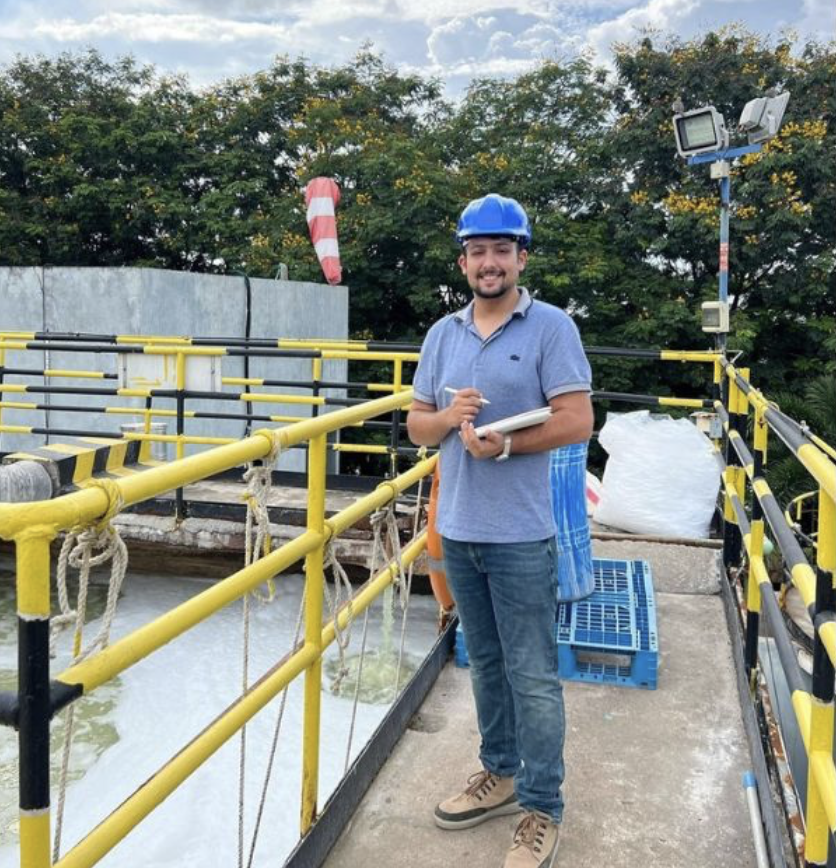
Smart Water, Smarter Cities: How Digital Paani Is Making Wastewater A Resource
Digital Paani, founded by Mansi Jain and Rajesh Jain in 2020, uses IoT-enabled software to automate and optimize wastewater treatment plants. With real-time insights, it reduces water losses, improves recycling, and enhances operational efficiency—helping industries and cities move toward water neutrality. Already adopted by Tata Power, Britannia, and Delhi Jal Board, the platform scales easily across residential and industrial settings, advancing India’s goals for water sustainability and climate resilience.
Share



Sector

Solution

Technology

State of Origin
Impact Metrics
40+ units
including Tata, Reliance, and Delhi Jal Board.
BUILD YOUR OWN

BUILD YOUR OWN
How can I implement this innovation effectively?
How is this innovation being adopted around the world?
Where else could this innovation make an impact?
Who has seen real results from using this innovation?
What insights do experts share about this innovation?
What policies support or influence this innovation?
How could this innovation evolve in the future?
Is this innovation accessible and inclusive for everyone?
How can I contribute to or participate in this innovation?
What resources can help me explore this innovation further?
Unlocking Practical Pathways: Key Insights for Implementing IoT-Enabled Wastewater Management in India
India’s journey toward digital transformation in wastewater management is marked by both promise and complexity. With over 90,000 wastewater treatment plants (WWTPs) of varying age and design, the challenge lies in integrating cutting-edge IoT solutions—like those pioneered by Digital Paani—into a landscape dominated by legacy infrastructure, skill gaps, and regulatory demands. Successful implementation hinges on adaptable technology, robust institutional support, and a business model that aligns with the realities of Indian water management. This section delves into the nuanced factors shaping the rollout and scaling of IoT-enabled wastewater systems, drawing on Indian policy, real-world deployments, and expert perspectives.
Retrofitting Legacy Infrastructure: Plug-and-Play Innovation
A defining feature of India’s wastewater sector is its infrastructural diversity and obsolescence. Many plants operate manually, with limited automation and a shortage of technical expertise—a reality reflected in the sector’s 75% operational failure rate. Digital Paani’s plug-and-play IoT platform offers a pragmatic solution by enabling automation and real-time monitoring without necessitating costly overhauls. For example, the company’s deployments in Tata Power’s Mumbai facilities and the Delhi Jal Board’s municipal plants demonstrate how modular IoT devices can be integrated into existing systems, minimizing downtime and capital expenditure. This approach is particularly relevant in India, where budget constraints and operational continuity are paramount.
Business Models That Incentivize Adoption
The success of digital water management hinges on business models that deliver tangible value to stakeholders. Digital Paani’s “guaranteed savings” model—where operational improvements and cost reductions are contractually assured—has been pivotal in building trust among industrial and municipal clients. Partnerships with industry leaders such as Reliance and Tata Power underscore the importance of aligning technology adoption with sustainability targets and regulatory compliance. For instance, in Delhi, the collaboration between Digital Paani and the Delhi Jal Board not only improved plant performance but also helped the utility meet environmental standards, reducing the risk of regulatory penalties. Such models lower the perceived risk for hesitant adopters, fostering a culture of innovation in a traditionally risk-averse sector.
Institutional Support and Public-Private Partnerships
Scaling IoT-enabled wastewater management requires more than just technology; it demands institutional buy-in and collaborative frameworks. Pilot projects backed by government agencies or structured as public-private partnerships (PPPs) have proven effective in validating new technologies and building stakeholder confidence. The Delhi Jal Board’s pilot with Digital Paani, supported by municipal leadership, serves as a template for other cities seeking to modernize their water utilities. Financial backing from Indian and international investors has also been instrumental in Digital Paani’s expansion to 14 states. These examples highlight the critical role of accessible capital and risk-sharing mechanisms in accelerating technology diffusion.
Capacity Building and Human-Centric Design
One of the most persistent barriers to digital transformation in Indian water management is the skills gap among plant operators and municipal staff. Capacity-building initiatives, such as training programs led by the Central Water Commission and state water boards, are essential to ensure that digital tools are not only adopted but effectively utilized. Digital Paani’s user-friendly interfaces and multilingual support have facilitated smoother transitions in diverse settings, from industrial clusters to residential societies. As Professor Anil Kumar Gupta of IIT Delhi notes, “Technology alone cannot solve water management issues; it must be complemented by skilled human resources and institutional reforms.”
Data Security, Interoperability, and Regulatory Alignment
With the proliferation of IoT devices comes heightened concern over data security and privacy. Indian regulators, including the Ministry of Jal Shakti and the Ministry of Electronics and IT, are increasingly emphasizing robust cybersecurity protocols and data governance standards. The Environment Protection Act and the Water (Prevention and Control of Pollution) Act provide the regulatory backdrop, but there remains a need for explicit digital water infrastructure standards—covering interoperability, data sharing, and privacy. Digital Paani’s adherence to secure data practices and open APIs positions it well in this evolving landscape, but broader sectoral alignment is necessary to ensure seamless integration across diverse plant designs and platforms.
Expert Perspectives: Indian Voices on Digital Water Futures
Indian experts consistently highlight the need for a holistic approach to digital water management. Dr. R.K. Pachauri, former Director-General of TERI, has argued that “IoT and AI integration is indispensable for achieving India’s water sustainability and climate resilience goals.” Meanwhile, the Central Water Commission’s recent policy briefs call for expanded pilot programs and PPPs to mainstream digital solutions. These insights underscore that technology, policy, and human capital must advance in tandem for India to realize the full potential of IoT-enabled wastewater management.
—
By focusing on adaptable technology, innovative business models, institutional collaboration, capacity development, and regulatory foresight, India is charting a pragmatic path toward sustainable, IoT-enabled wastewater management—one that promises to transform both urban and rural water futures.
Learning from the World: How Global Innovations Shape India’s IoT-Enabled Wastewater Management
Across continents, the integration of Internet of Things (IoT) technologies into wastewater management has redefined how nations tackle water scarcity, pollution, and sustainability. Countries such as Singapore, the Netherlands, and the United States have pioneered digital solutions that optimize water use, improve compliance, and foster innovation—offering valuable lessons for India’s rapidly evolving water sector. As India advances platforms like Digital Paani, understanding these global models is crucial for contextualizing local challenges and opportunities.
Smart Water Grids: Singapore’s Blueprint for Urban Resilience
Singapore’s Public Utilities Board (PUB) stands as a global exemplar in harnessing IoT for water security. Through its Smart Water Grid initiative, PUB deploys thousands of IoT sensors and AI-driven analytics to monitor water quality, detect leaks, and automate treatment processes in real time. This system enables rapid response to contamination, optimizes chemical dosing, and minimizes water loss—critical in a city-state with limited natural resources. PUB’s approach aligns with Singapore’s “Four National Taps” strategy, which prioritizes technological innovation for long-term water resilience.
European Regulatory Frameworks: Driving Digital Water Innovation
The European Union’s Water Framework Directive (WFD) has catalyzed widespread adoption of digital water technologies across member states. The Netherlands, for example, operates advanced wastewater treatment plants equipped with IoT sensors and machine learning algorithms that predict equipment failures and optimize energy consumption. These facilities, such as the Amersfoort Wastewater Treatment Plant, have achieved significant reductions in operational costs and environmental impact. The WFD mandates transparent data sharing and strict environmental compliance, fostering a culture of innovation while ensuring accountability.
U.S. Federal Support: Incentivizing Smart Water Infrastructure
In the United States, the Environmental Protection Agency (EPA) has played a pivotal role in accelerating IoT adoption through grants, technical assistance, and pilot programs. Cities like Los Angeles and New York have implemented smart water platforms that enable real-time leak detection, automate compliance reporting, and reduce non-revenue water losses. The EPA’s Water Infrastructure Finance and Innovation Act (WIFIA) provides financial incentives for utilities to modernize infrastructure. These experiences highlight the importance of public funding and regulatory incentives in scaling digital water solutions.
India’s Distinctive Landscape: Decentralization and Adaptation
While India’s approach—exemplified by Digital Paani—mirrors global trends in automation and real-time data, it must contend with unique challenges. Unlike the centralized water utilities of Singapore or the Netherlands, India’s water sector is highly decentralized, with diverse infrastructure and varying regulatory oversight across states. This fragmentation necessitates adaptable, scalable solutions that can function in both urban and rural contexts. Indian policy initiatives such as the Jal Jeevan Mission and Viksit Bharat emphasize capacity building and public-private partnerships.
Expert Perspectives: Indian Insights on Global Adaptation
Indian thought leaders and institutions are actively engaging with global best practices while tailoring them to local realities. Dr. Suresh Rohilla, Senior Director at the Centre for Science and Environment, notes, “India’s diversity demands flexible digital solutions—what works in Amsterdam or Singapore must be adapted for our decentralized governance and socio-economic context.” Research from IIT Delhi and the Central Water Commission underscores the need for interoperable platforms and robust data standards to facilitate nationwide scaling.
Policy Lessons and the Road Ahead
Global experiences underscore the value of regulatory incentives, transparent data governance, and public-private collaboration in driving IoT adoption. India’s policy landscape is evolving, with initiatives like Digital India and the IndiaAI mission laying the groundwork for digital infrastructure. However, experts from The Energy and Resources Institute (TERI) emphasize that explicit standards for data interoperability, cybersecurity, and performance benchmarking are essential for sustainable progress. As India refines its regulatory frameworks, drawing on lessons from Singapore’s real-time monitoring, Europe’s data transparency, and the U.S.’s incentive-driven models will be critical for building resilient, future-ready water systems.
By synthesizing global innovations with local needs, India is poised to lead in the next generation of smart water management—ensuring that technology not only conserves resources but also empowers communities and safeguards public health.
Digital Innovations Transforming India’s Water Management Landscape
The integration of Internet of Things (IoT) and digital technologies is revolutionizing water management far beyond the realm of wastewater treatment in India. From rural groundwater monitoring to urban water supply optimization, these innovations are reshaping how water resources are conserved, distributed, and utilized. The convergence of policy support, entrepreneurial energy, and research excellence is enabling India to address its complex water challenges with unprecedented precision and transparency.
Precision Groundwater Monitoring: Real-Time Data for Sustainable Extraction
India’s dependence on groundwater is profound, with over 60% of irrigation and 85% of drinking water needs met through aquifers. However, chronic over-extraction has led to alarming depletion, especially in states like Maharashtra and Rajasthan. To counter this, the Central Ground Water Board (CGWB) has piloted IoT-enabled sensor networks that continuously monitor groundwater levels and quality. These systems transmit real-time data to centralized dashboards, empowering state agencies to enforce extraction limits and issue timely advisories to farmers and industries.
For example, in Maharashtra’s Aurangabad district, a CGWB pilot project installed digital piezometers linked to a cloud platform, enabling district officials to identify critical zones and regulate borewell usage. This data-driven approach has been instrumental in reducing illegal extraction and informing the state’s groundwater management policies.
Smart Agriculture: IoT-Driven Precision Irrigation and Water Efficiency
Agriculture accounts for nearly 80% of India’s freshwater consumption, making efficient irrigation a national priority. The Digital Agriculture Mission, launched by the Ministry of Agriculture & Farmers Welfare, champions the adoption of IoT-based precision irrigation systems. These systems use soil moisture sensors, weather data, and automated valves to deliver water only when and where crops need it, minimizing waste and boosting yields.
Startups like CropIn and Stellapps exemplify this trend. CropIn’s “SmartFarm” platform integrates IoT sensors and satellite imagery to provide farmers with actionable insights on irrigation scheduling, pest management, and crop health. Stellapps, meanwhile, leverages IoT in dairy supply chains, optimizing water use in fodder cultivation and livestock management.
Urban Water Systems: Leak Detection, Smart Metering, and Network Optimization
Urban India faces acute water losses, with non-revenue water (NRW) levels exceeding 40% in many cities due to leaks, theft, and inefficient billing. The Smart Cities Mission has prioritized the deployment of IoT-enabled smart water meters and network sensors in cities like Pune, Surat, and Bengaluru. These devices detect leaks, monitor pressure fluctuations, and provide granular consumption data, enabling utilities to reduce losses and improve service delivery.
In Surat, the municipal corporation’s adoption of IoT-based water meters resulted in a 20% reduction in NRW within two years, alongside improved billing accuracy and customer satisfaction. Pune’s smart water grid pilot has demonstrated the potential for city-wide scale-up. These urban initiatives are supported by policy frameworks such as the Atal Mission for Rejuvenation and Urban Transformation (AMRUT), which encourages digital water infrastructure.
Academic and Research Leadership: Building India’s Digital Water Knowledge Base
India’s premier academic institutions are at the forefront of digital water research. IIT Delhi’s Centre for Rural Development and Technology has developed IoT-based water quality monitoring kits for rural and peri-urban areas, enabling early detection of contaminants like fluoride and arsenic. IISc Bangalore’s Department of Civil Engineering is pioneering predictive maintenance algorithms for water infrastructure, reducing downtime and repair costs.
A recent study by IIT Bombay found that IoT-enabled monitoring reduced operational costs in municipal water treatment plants by 18% over traditional methods. These research outputs are increasingly informing government tenders and technology standards, ensuring that digital solutions are robust, scalable, and contextually relevant.
Expert Perspectives: Indian Voices Shaping the Digital Water Revolution
Indian experts consistently highlight the importance of integrating technology with policy and community engagement. Dr. Mihir Shah, Chair of the Government of India’s Task Force on Water Policy, asserts, “Digital tools like IoT are indispensable for transparent and accountable water governance, but their success depends on local capacity building and institutional reform.” Professor Anil Kumar Gupta of IIT Delhi emphasizes the need for interoperable platforms and standardized data protocols to maximize the impact of digital interventions.
The Ministry of Jal Shakti’s National Water Mission documents explicitly call for public-private partnerships and pilot projects to mainstream IoT solutions, reflecting a growing consensus among policymakers and practitioners. These perspectives underscore that India’s digital water future will be shaped by a synergy of technological innovation, policy foresight, and grassroots participation.
Transforming Water Management: Real-World Impact of IoT Solutions in India
India’s water crisis demands innovative, scalable solutions that bridge the gap between policy and practice. Digital Paani’s IoT-enabled wastewater management platform has emerged as a catalyst for change, demonstrating measurable benefits across industrial, municipal, and residential contexts. The following impact stories, grounded in research and policy, reveal how technology is reshaping water stewardship and fostering sustainability at the grassroots level.
Industrial Efficiency and Regulatory Compliance: The Tarapur Textile Case
Industrial clusters in India often face acute challenges in wastewater management, with regulatory non-compliance leading to operational disruptions and financial penalties. In Tarapur, Maharashtra—a major textile hub—one manufacturing unit grappled with frequent breakdowns and struggled to meet discharge standards. The adoption of Digital Paani’s IoT platform marked a turning point: real-time monitoring and automated alerts enabled the plant to achieve a 30% reduction in water losses and consistent compliance with environmental norms. According to Mr. Ramesh Kulkarni, the plant manager, “The platform has brought unprecedented transparency and reduced manual oversight, allowing us to focus on core operations.”
Municipal Revitalization: Delhi Jal Board’s Digital Leap
Urban wastewater infrastructure in India is often hampered by inadequate maintenance and outdated systems. In Delhi, a strategic partnership between Digital Paani and the Delhi Jal Board (DJB) has revitalized several municipal wastewater treatment plants that were previously non-functional. The Okhla industrial area, once plagued by untreated effluent and environmental hazards, now reports improved water quality and reduced pollution levels. Residents have observed tangible public health benefits. The DJB’s experience demonstrates how IoT integration can empower municipal bodies to deliver sustainable services.
Community-Driven Conservation: Hyderabad’s Residential Success
Residential communities are increasingly recognizing the value of decentralized water management. In Hyderabad, a gated society implemented Digital Paani’s solution to recycle greywater for landscaping and toilet flushing. The result: a 40% reduction in freshwater consumption and significant cost savings for residents. Ms. Anjali Rao, the society’s secretary, highlights the platform’s intuitive interface, which enabled residents to track water usage and optimize consumption patterns. This case exemplifies the potential for community-led conservation.
Expert Perspectives: Insights from Indian Water Leaders
Indian thought leaders and institutions recognize that technology alone is not a panacea; its success depends on policy support and human capacity. Dr. R. K. Pachauri, former Director-General of The Energy and Resources Institute (TERI), has argued that “integrating IoT and AI in water management is essential for India’s climate resilience, but must be guided by robust policy frameworks to ensure equitable access.” Professor Anil Kumar Gupta of IIT Delhi echoes this view, emphasizing that “technological solutions must be complemented by skilled human resources and institutional reforms.” His research on smart water systems underscores the need for interoperable platforms and standardized data protocols.
Policy Integration and Future Pathways
India’s evolving policy landscape is increasingly conducive to digital water management. The Jal Jeevan Mission and the Digital India initiative provide critical infrastructure and policy support for IoT and AI adoption in water sectors. However, experts note that explicit standards for data interoperability, cybersecurity, and digital inclusion are still needed to maximize impact. The Smart Cities Mission offers a blueprint for integrating IoT water solutions into urban planning. Looking ahead, the convergence of IoT with AI and blockchain could further enhance transparency, predictive maintenance, and stakeholder trust in water management systems.
These research-backed narratives demonstrate that IoT-enabled wastewater management is not just a technological upgrade—it is a transformative force for industrial efficiency, municipal revitalization, and community empowerment, underpinned by progressive policy and expert guidance.
Digital Transformation in Indian Water Management: Insights from Leading Experts
As India grapples with mounting water scarcity, pollution, and climate variability, the nation’s foremost water management experts and institutions are increasingly turning to digital technologies as a cornerstone of sustainable solutions. The integration of Internet of Things (IoT), artificial intelligence (AI), and data-driven platforms is not only reshaping operational practices but also influencing policy frameworks and capacity-building efforts. Drawing on the perspectives of renowned Indian researchers and policymakers, this section explores the nuanced challenges and opportunities of digital water management, highlighting the need for a holistic, context-sensitive approach.
Integrating Technology for Climate Resilience: Dr. R. K. Pachauri’s Vision
Dr. R. K. Pachauri, the late former Director-General of The Energy and Resources Institute (TERI), was a pioneering advocate for leveraging digital innovation in water management. He consistently emphasized that “the integration of IoT and AI in water treatment is indispensable for achieving India’s climate resilience and sustainability goals.” Dr. Pachauri argued that policy frameworks must not only incentivize technology adoption but also guarantee equitable access, ensuring that digital advancements benefit both urban and rural communities. His vision has influenced national dialogues, including the framing of the National Water Mission and the push for digital solutions in the Ministry of Jal Shakti’s initiatives.
Capacity Building and Institutional Reform: Insights from Professor Anil Kumar Gupta, IIT Delhi
Professor Anil Kumar Gupta, a leading environmental engineering scholar at IIT Delhi, underscores that technology alone cannot resolve India’s complex water challenges. “Digital platforms are only as effective as the people and institutions operating them,” he notes, highlighting the critical need for capacity building and institutional reform. Professor Gupta’s research on smart water systems demonstrates that interoperable platforms and standardized data protocols are essential for scaling digital solutions across India’s diverse water utilities. He points to the success of pilot projects in Delhi and Pune, where municipal staff received targeted training on IoT-enabled monitoring, resulting in improved water quality compliance and faster leak detection. These examples reinforce the importance of investing in human capital alongside technological upgrades.
Policy Endorsement and Public-Private Partnerships: The Role of Central Water Commission and Ministry of Jal Shakti
India’s apex water institutions, including the Central Water Commission (CWC) and the Ministry of Jal Shakti, have formally recognized the transformative potential of IoT and digital platforms in national policy documents. The National Water Mission’s recent action plans advocate for pilot projects and public-private partnerships to accelerate the deployment of solutions like Digital Paani, a homegrown IoT platform for wastewater management. For instance, the Ministry’s support for the Digital Paani pilot in Hyderabad’s industrial clusters has demonstrated measurable reductions in water consumption and pollutant discharge, setting a precedent for replication in other states. These initiatives are further bolstered by the government’s Digital India and IndiaAI missions, which provide the digital infrastructure and regulatory support necessary for scaling innovation.
Data Interoperability and Standardization: A Prerequisite for Scalable Solutions
A recurring theme among Indian experts is the necessity of establishing robust standards for data interoperability and cybersecurity in digital water management. Professor Gupta’s team at IIT Delhi, in collaboration with the Bureau of Indian Standards (BIS), is developing guidelines to ensure seamless data exchange between diverse IoT devices and legacy water infrastructure. Without such standards, fragmented data silos and incompatible platforms risk undermining the effectiveness of digital interventions. The Smart Cities Mission’s adoption of common data models for urban water systems in cities like Pune and Surat illustrates the benefits of standardized approaches, enabling real-time analytics and coordinated emergency responses during water crises.
Ensuring Equity and Inclusion in Digital Water Management
Indian experts caution that the digital divide—particularly between urban and rural areas—could exacerbate existing inequalities in water access. Dr. Pachauri and Professor Gupta both advocate for inclusive policy frameworks that prioritize marginalized communities. Evidence from pilot projects in tribal districts of Jharkhand and Odisha, supported by the Ministry of Jal Shakti and NGOs, shows that community engagement and localized training are vital for successful technology adoption. Programs like BharatNet, which aims to expand rural broadband, are seen as essential enablers for IoT deployment in underserved regions.
—
Collectively, these expert perspectives underscore that India’s path to sustainable, digitally enabled water management requires a multi-pronged strategy: robust technology adoption, targeted capacity building, inclusive policy frameworks, and a relentless focus on data standards and equity. By drawing on the expertise of leading Indian institutions and researchers, the nation is poised to transform its water future through innovation, collaboration, and social inclusion.
Digital Transformation in Indian Water Policy: Enabling Smart and Sustainable Management
India stands at a pivotal moment in its journey toward sustainable water management, with digital technologies reshaping policy frameworks and operational realities. The government’s strategic push for digitalization—anchored in national missions and regulatory reforms—signals a commitment to leveraging innovation for water security, efficiency, and inclusivity. As IoT, AI, and data-driven approaches gain traction, India’s evolving policy landscape is setting the stage for a new era in water governance.
National Missions Driving Digital Water Innovation
The Ministry of Jal Shakti’s flagship Jal Jeevan Mission exemplifies India’s resolve to ensure safe and adequate water supply through technological advancement. By mandating real-time monitoring of water quality and service delivery, the mission has accelerated the adoption of IoT sensors and data analytics across rural and urban water systems. As of 2024, over 13 crore rural households have benefited from piped water connections, with digital dashboards providing transparent, up-to-date information on progress and quality metrics.
Complementing this, the Atmanirbhar Bharat (Self-Reliant India) initiative actively promotes indigenous technology development. Startups like Digital Paani have thrived in this environment, deploying plug-and-play IoT solutions for wastewater treatment and operational savings. The National Water Policy (2012, under revision) further underscores the need for modern technology and data-driven decision-making, advocating for integrated water resources management and the use of digital tools for monitoring, allocation, and conservation.
Regulatory Frameworks and Compliance Incentives
India’s regulatory landscape provides both the mandate and the impetus for digital transformation in water management. The Environment Protection Act and the Water (Prevention and Control of Pollution) Act require industries and urban local bodies to comply with stringent water quality standards. These regulations have indirectly spurred the adoption of advanced monitoring and treatment technologies, as non-compliance can result in penalties or operational shutdowns.
For example, the Central Pollution Control Board (CPCB) has made it mandatory for certain categories of industries to install online effluent monitoring systems, which transmit real-time data to regulatory authorities. This has led to a surge in demand for IoT-enabled solutions that ensure compliance and facilitate proactive maintenance. The integration of digital tools not only streamlines reporting but also enhances transparency and accountability in water governance.
Digital India and IndiaAI: Building the Infrastructure for Smart Water Management
The Digital India initiative and the IndiaAI mission have laid the foundational infrastructure for widespread adoption of digital technologies, including in the water sector. Through investments in broadband connectivity, cloud platforms, and AI research, these programs enable the deployment of IoT devices and data analytics at scale. BharatNet, for instance, is extending high-speed internet to rural areas, making it feasible to implement smart water management solutions beyond urban centers.
However, policy experts note that while general digital infrastructure is robust, sector-specific standards for data interoperability, cybersecurity, and capacity building in water management are still evolving. Dr. Mihir Shah, former Planning Commission member and chair of several water policy committees, observes, “India’s digital leap in water management is promising, but the next step must be the creation of unified data standards and robust training programs to ensure effective and secure implementation across diverse geographies.”
Expert Perspectives: Indian Thought Leadership on Digital Water Policy
Indian research institutions and policy experts are shaping the discourse on digital water governance. The Indian Institute of Technology (IIT) Madras, for instance, has pioneered AI-based models for predicting water demand and optimizing treatment processes in Chennai’s water utilities. The Centre for Science and Environment (CSE) has highlighted the need for decentralized, tech-enabled monitoring to address local water challenges and ensure community participation.
According to Dr. Suresh Rohilla, Senior Director at CSE, “Digital tools can democratize water management by making data accessible to both policymakers and citizens. However, policies must prioritize inclusivity, ensuring that marginalized communities are not left behind in the digital transition.”
Pathways for Inclusive and Scalable Digital Water Policies
To maximize the impact of digital water management, Indian policy must address issues of accessibility, capacity building, and scalability. The National Digital Inclusion Strategy emphasizes bridging the digital divide, particularly for rural and marginalized populations. Pilot projects in Jharkhand and Odisha have demonstrated that community engagement and localized training are critical for successful technology adoption.
Furthermore, the Smart Cities Mission is integrating IoT-enabled water solutions into urban planning, offering replicable models for other municipalities. Funding and innovation platforms like the Atal Innovation Mission and Startup India provide resources for scaling digital water technologies.
In summary, India’s policy environment is rapidly evolving to support the digital transformation of water management. By aligning national missions, regulatory frameworks, and digital infrastructure with inclusive and research-driven strategies, India is poised to lead in sustainable, tech-enabled water governance.
Charting the Next Wave: The Future of IoT-Enabled Water Management in India
India stands at a pivotal moment in its journey toward sustainable water management. The integration of Internet of Things (IoT) technologies into water systems is not only revolutionizing urban infrastructure but also opening new frontiers for rural inclusion, regulatory transparency, and cross-sectoral innovation. As digital solutions mature, the convergence of IoT with artificial intelligence, blockchain, and robust policy frameworks promises to redefine how the nation conserves, distributes, and values its water resources. The coming years will test India’s ability to scale these innovations equitably and sustainably, with lessons that could resonate globally.
AI-Driven Predictive Analytics: Transforming Wastewater Operations
The fusion of IoT with artificial intelligence (AI) and machine learning is set to dramatically enhance the efficiency of wastewater treatment plants across India. By leveraging real-time sensor data, AI-powered systems can predict equipment failures, optimize chemical dosing, and dynamically adjust operational parameters. This predictive capability reduces unplanned downtime, lowers maintenance costs, and minimizes environmental impact.
A notable example is the Bengaluru Water Supply and Sewerage Board’s pilot project, which uses IoT sensors and machine learning algorithms to monitor water quality and automate responses to contamination events. According to Dr. Shashi Shekhar, a water technology expert at the Indian Institute of Science, “AI-driven analytics are enabling utilities to move from reactive to proactive management, which is crucial for cities facing rapid urbanization and resource constraints.”
Blockchain for Transparency and Regulatory Compliance
Blockchain technology is emerging as a powerful tool to enhance transparency and traceability in water management. By creating tamper-proof records of water usage, treatment processes, and quality metrics, blockchain can help utilities and regulators ensure compliance with environmental standards and build stakeholder trust.
The Ministry of Jal Shakti has initiated exploratory projects on blockchain-based water auditing in select smart cities, aiming to curb water theft and unauthorized usage. Digital Paani, an Indian startup, is piloting blockchain integration to provide verifiable savings data to clients, supporting regulatory reporting and third-party audits.
Expanding IoT to Rural Water and Sanitation Systems
While urban centers have been early adopters of IoT-enabled water management, the technology’s greatest impact may be realized in India’s rural heartlands. Rural communities often face acute challenges related to water quality, availability, and infrastructure maintenance. IoT-based remote monitoring systems can provide early warnings of contamination, automate pump operations, and optimize water distribution even in resource-constrained settings.
The Jal Jeevan Mission, which aims to provide piped water to every rural household by 2024, is increasingly incorporating IoT solutions for real-time monitoring and grievance redressal. Pilot projects in Rajasthan and Maharashtra have demonstrated significant reductions in water loss and improved service reliability through IoT-enabled leak detection and automated reporting. As Dr. Ritu Khanduri of the Tata Institute of Social Sciences observes, “The democratization of digital water tools is essential for bridging the urban-rural divide and ensuring equitable access.”
Smart Cities and Integrated Resource Management
India’s Smart Cities Mission provides a robust platform for embedding IoT-enabled water management into broader urban planning initiatives. By integrating water, energy, and waste management systems, cities can achieve holistic resource optimization and resilience against climate change.
For instance, Pune’s Smart City project has deployed an integrated command and control center that aggregates data from water meters, sewage treatment plants, and weather stations to inform real-time decision-making. This approach not only enhances operational efficiency but also supports long-term sustainability goals.
Cross-Sectoral Innovation and Policy Synergy
The modular, plug-and-play nature of platforms like Digital Paani signals a broader trend toward cross-sectoral innovation. Lessons learned from water management are increasingly being adapted to energy, waste, and air quality monitoring, fostering an ecosystem of sustainable urban services.
Policy frameworks such as the National Digital Communications Policy (NDCP) and the National Water Policy 2012 provide enabling environments for these innovations, emphasizing data-driven governance and public-private partnerships. The Atal Innovation Mission and Startup India initiatives offer funding and mentorship to startups developing scalable solutions for resource management.
—
These forward-looking developments underscore the transformative potential of IoT-enabled water management in India. By harnessing advanced analytics, ensuring transparency, expanding rural access, and fostering cross-sectoral synergies, India is poised to set new benchmarks in sustainable water stewardship for the world.
Bridging the Digital Divide: Making IoT-Enabled Water Management Accessible for All
India’s water crisis is as much about access and equity as it is about technology. As IoT-enabled water management solutions like Digital Paani gain traction, ensuring that these innovations reach and benefit rural populations, women, and marginalized communities is a pressing policy and ethical imperative. Without deliberate strategies to address digital divides, there is a risk that advanced water management tools could exacerbate existing inequalities rather than alleviate them.
Infrastructure: The Foundation for Equitable Access
The deployment of IoT-based water management systems hinges on robust digital infrastructure, particularly in rural and remote regions. While urban centers are rapidly adopting smart water technologies, rural India often lags due to patchy internet connectivity and limited access to digital devices. The Government of India’s BharatNet initiative, which aims to connect over 250,000 gram panchayats with high-speed broadband, is a cornerstone policy for enabling IoT deployment in villages. For example, in the drought-prone district of Bundelkhand, pilot projects leveraging improved connectivity have enabled real-time groundwater monitoring, empowering local communities to make informed decisions about water usage. However, experts from the Indian Institute of Technology (IIT) Delhi caution that “infrastructure upgrades must be paired with ongoing technical support and maintenance to ensure long-term sustainability in rural settings.”
Gender-Inclusive Approaches: Empowering Women as Water Stewards
Women in India are traditionally the primary managers of household water, yet they are often excluded from technology training and decision-making processes. Research by the Self Employed Women’s Association (SEWA) highlights that targeted digital literacy and IoT training programs for women not only improve water management outcomes but also enhance women’s agency within their communities. In Odisha’s Koraput district, a pilot project led by the NGO Gram Vikas trained women in using mobile-based water quality sensors, resulting in more effective community monitoring and early detection of contamination.
Community Engagement and Capacity Building: Lessons from the Field
Successful adoption of IoT-enabled water solutions depends on more than just hardware and software—it requires meaningful community engagement and capacity building. Evidence from tribal areas in Jharkhand and Odisha demonstrates that localized training, delivered in regional languages and tailored to community needs, significantly boosts technology uptake. In Jharkhand’s Gumla district, community-led monitoring of water sources using IoT sensors has led to a measurable reduction in waterborne diseases, as villagers are now able to respond quickly to contamination alerts.
Policy Frameworks: Bridging the Digital and Social Divide
India’s policy landscape is increasingly attuned to the need for inclusive digital transformation. The National Digital Inclusion Strategy and the Digital India initiative both prioritize bridging the digital divide, with explicit provisions for marginalized groups. These frameworks encourage public-private partnerships and mandate that technology rollouts include training, local language support, and affordability measures. For instance, the Digital India program’s Common Service Centres (CSCs) serve as digital access points in rural areas, providing a platform for disseminating information on water management technologies and facilitating hands-on training. According to Dr. Sunil Abraham, co-founder of the Centre for Internet and Society, “Policy must not only provide for infrastructure and devices but also ensure that digital content and services are accessible, affordable, and relevant to the most vulnerable.”
Expert Perspectives: Indian Voices on Inclusive Water Technology
Indian experts consistently emphasize that technology alone cannot solve water inequity. Dr. Veena Srinivasan, a leading water researcher at the Ashoka Trust for Research in Ecology and the Environment (ATREE), observes, “The real challenge is not just in deploying sensors, but in ensuring that the data generated is actionable and accessible to those who need it most—often the poorest and least digitally literate.” Institutions like the Indian Council of Social Science Research (ICSSR) have called for interdisciplinary approaches that combine technical innovation with social science insights, ensuring that IoT-enabled solutions are grounded in local realities and responsive to community needs.
—
By centering accessibility in the design and deployment of IoT-enabled water management, India can harness technology’s transformative potential to create more just, resilient, and sustainable water futures for all its citizens.
Unlocking Engagement: Pathways for Indian Stakeholders in IoT-Driven Water Management
India’s water crisis demands innovative, inclusive, and technology-driven solutions. The integration of Internet of Things (IoT) technologies into water management is not just a technical challenge—it is a societal opportunity. From grassroots volunteers to academic researchers, and from startups to policymakers, a spectrum of participation avenues is emerging. These pathways empower citizens, institutions, and communities to shape the future of water sustainability, leveraging both traditional wisdom and cutting-edge digital tools.
Collaborative Research and Academic Partnerships
Academic institutions play a pivotal role in advancing IoT-enabled water management through interdisciplinary research and pilot projects. Indian universities such as the Indian Institute of Technology (IIT) Madras and the Indian Institute of Science (IISc) Bangalore have established dedicated water innovation labs, often in partnership with government agencies and international organizations. For example, IIT Madras’s “Smart Water Grid Project” pilots IoT-based sensors to monitor water quality and distribution in Chennai, providing actionable data to municipal authorities.
National initiatives like the Atal Innovation Mission (AIM) actively encourage academic-industry collaboration. AIM’s Atal Incubation Centres (AICs) support student-led startups developing IoT solutions for water conservation and management. These efforts are further bolstered by policy frameworks such as the National Water Mission, which explicitly calls for technological innovation and research partnerships to address water scarcity and quality challenges.
Grassroots Engagement and Citizen Science
Community involvement is essential for the successful deployment and maintenance of IoT systems in water management. NGOs such as WaterAid India and the Centre for Science and Environment (CSE) have pioneered citizen science initiatives, training local volunteers to use mobile apps and low-cost sensors for real-time water quality monitoring. In Rajasthan, WaterAid’s “Jal Choupal” program empowers rural communities to collect and analyze groundwater data, informing local water governance and conservation efforts.
The Government of India’s MyGov platform exemplifies digital civic engagement, inviting citizens to participate in water-related policy consultations, crowdsourced data collection, and innovation challenges. These participatory mechanisms not only democratize decision-making but also enhance transparency and accountability in water resource management.
Startup Ecosystem and Funding Opportunities
India’s burgeoning startup ecosystem offers fertile ground for the commercialization of IoT-based water solutions. The Startup India initiative and the Technology Development Board (TDB) provide financial and technical support to entrepreneurs working on water management technologies. For instance, Bengaluru-based startup WEGoT Utility Solutions has developed IoT-enabled water meters that help residential complexes reduce water consumption by up to 40%. Such innovations are often incubated through programs like the Atal Innovation Mission, which offers mentorship, seed funding, and access to pilot sites.
Government-backed funding schemes prioritize projects that demonstrate scalability and social impact. These mechanisms ensure that promising ideas move beyond the prototype stage to large-scale implementation, addressing both urban and rural water challenges.
Policy Dialogue and Inclusive Governance
Active participation in policy formulation is critical to ensuring that IoT-enabled water management solutions are equitable and contextually relevant. Platforms like MyGov and the National Jal Jeevan Mission regularly solicit public feedback on draft policies, guidelines, and technology standards. The Ministry of Jal Shakti’s “Catch the Rain” campaign integrates citizen input into the design and monitoring of rainwater harvesting projects.
Expert perspectives from Indian institutions underscore the importance of inclusive governance. Dr. Sunita Narain, Director General of CSE, notes, “Technological interventions must be rooted in local realities and informed by community voices to achieve sustainable water management.” This approach is reflected in policy documents such as the National Water Policy, which emphasizes participatory water governance and the integration of traditional knowledge with modern technology.
Expert Perspectives: Indian Voices on Participation
Indian experts consistently highlight the need for multi-stakeholder engagement in IoT-driven water management. Dr. T. Pradeep of IIT Madras, a leading figure in water purification research, emphasizes, “Collaboration between academia, industry, and communities accelerates the translation of research into impactful solutions.” The Centre for Policy Research (CPR) in New Delhi has published case studies demonstrating how community-led monitoring, supported by IoT tools, leads to more responsive and adaptive water governance.
Institutions such as the National Institute of Urban Affairs (NIUA) advocate for capacity-building programs that equip municipal officials and local leaders with the skills to interpret and act on IoT-generated data. This ensures that technological advancements translate into tangible improvements in water access, quality, and sustainability.
—
By leveraging these diverse participation opportunities—spanning research, grassroots action, entrepreneurship, policy dialogue, and expert collaboration—India is poised to harness the transformative potential of IoT-enabled water management. These pathways not only foster innovation but also ensure that solutions are inclusive, scalable, and responsive to the country’s complex water challenges.
Digital Paani – India Water Use Efficiency Startups – EAI – https://www.eai.in/solutions/indea/da/st/974
DigitalPaani: IoT software to drive operational excellence in water management – https://uplink.weforum.org/uplink/s/uplink-contribution/a01TE000009SQiLYAW/digitalpaani-iot-software-to-drive-operational-excellence-in-water-management
Water management startup DigitalPaani secures $1.2 million in funding from Elemental Excelerator, others – https://economictimes.com/tech/funding/water-management-startup-digitalpaani-secures-1-2-million-in-funding-from-elemental-excelerator-others/articleshow/105804084.cms
If you would like to know more about this innovation, fill this form to contact the innovator.
Handpicked stories tailored just for you
Explore stories that inspire, inform, and ignite new ideas across tech, innovation, and real-world impact