The Healthtech Startup That Recycled 26 Lakh Catheters and Balloons Across ~72 Hospitals
The variable costs of hospitalization can reach INR 50,000 per patient per stay. Noida-based Incredible Devices is reducing these costs by recycling catheters and balloons using a mechanical reprocessor.
Updated on: 26 July 2026

Sector

Solution
Waste Management

Technology

State of Origin
Impact Metrics
1830 metric tons of biomedical waste
recycled across partnered hospitals.
Recycling achieved at INR 20
per catheter/balloon set.
3 recycles possible
per catheter and balloon.
Hospitalization in India requires not only access to medical equipment and expertise but also non-reusable assistive devices such as syringes and catheters. While the costs of the former category may be subsidized, patients are often compelled to bear the costs of the latter devices, increasing the financial burden of healthcare in the long run.
What if these supplementary devices could be used multiple times? This would greatly reduce treatment expenses and thus increase the accessibility of healthcare for all patients.
Incredible Devices, from Noida in Uttar Pradesh, makes this hypothetical a reality. Founded in 2016 by Vikram Goel and Rajwinder Kaur, this startup has developed a computerized system that cleans and decontaminates catheters and balloons, making them fit for reuse. This directly lowers the costs of hospitalization for vulnerable heart patients. In addition, the startup has developed a new instrument washer that can make disinfection cheaper across medical departments.
How does the reprocessing system work?
The reprocessing system is contained within a single machine that semi- or unskilled workers can operate with minimum training.
Using the machine begins with placing catheters and balloons in a collection area. The machine automatically detects the properties of these devices, runs automated tests to assess their contamination and reusability, and returns this information to the user. These tests rely on machine learning models trained in-house by the company.
The reprocessor also shows the user the quantities of water and chemicals used in cleaning. This ensures that materials used in cleaning are used only where needed, minimizing wastage.
Expanding infection control options
After its success in finding a way to reuse catheters and balloons, Incredible Devices resolved to work on infection control at a larger scale. To do this, it shifted its attention to instrument washers.
Most of the equipment used in Indian hospitals to clean surgical instruments and tools from ICUs is imported from abroad, primarily China and the Netherlands. These washers—which can cost upwards of INR 20 lakh—often consume over 300L of water per cycle, cannot differentiate between different instrument materials, and do not adequately clean lumen-based instruments. They do have commercial alternatives—ultrasonic washers; however, these need to be manually operated and are thus slow to process large loads.
Combining the features of ultrasonic and traditional washers, Incredible Devices offers the Megasonic washer. Much like the catheter/balloon reprocessor, this machine can detect instrument materials and apply cleaning materials based on contamination levels. Moreover, it can run on battery power, making it suitable for settings with unreliable electricity supply.
What impact has been created?
According to the Incredible Devices team, ~20 lakh patients across 16 Indian states have benefited from the use of catheter/balloon reprocessing machines. These machines have been set up not only in Tier-1 cities but also smaller towns, such as Kurnool, in Andhra Pradesh, and places 20 km from the India–Pakistan border.
The company’s direct clients include ~72 public and private hospitals from all categories. Over 26 lakh catheters and balloons have been processed and repurposed so far, at a cost of merely INR 20 per item, saving about 1830 metric tons of biomedical waste. Each catheter/balloon set can be reused up to three times. This feature is highly beneficial for long-term patients, who would normally spend INR 2500–50,000 on these devices during hospitalization.
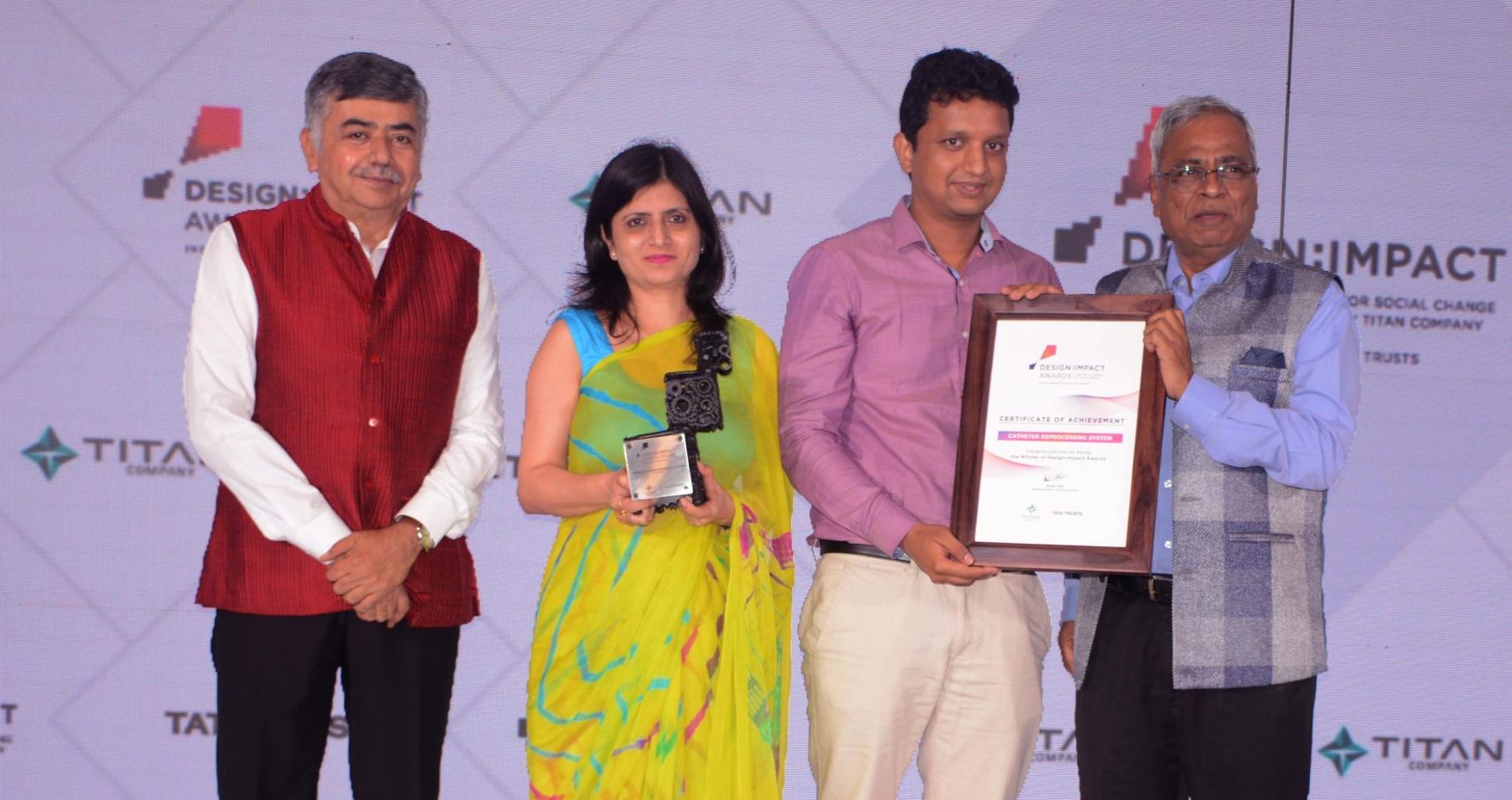
In recognition of its work to increase sustainability and affordability in medicine, Incredible Devices has won a number of awards over the years. Some of these are the Ayushman Bharat’s Best Startup Award (2026), Intel Ambassador Challenge (2014), and the National Health Authority’s (2020) award for the “Reducing Cost of Services at the Point of Care” category.
Expanding impact in the future
Incredible Devices has already made significant strides in lowering hospitalization costs. Its impact can be further scaled through partnerships with public insurance schemes, which can make it easier for smaller health centres to acquire the reprocessor and Megasonic washer.
Beyond financial support, this startup also stresses the need for a stronger framework to acquire certifications. Currently, relevant regulations for producing medical equipment come from the Central Drugs Standard Control Organisation (CDSCO), which also oversees standards for pharmaceutical drugs. The creation of a separate entity dedicated to equipment-related permissions would streamline approvals processes.
With policy-level changes such as these, Incredible Devices can contribute to a stronger ecosystem for indigenously produced health technology and—ultimately—lower the country’s reliance on global supply chains in the healthcare sector.
Share Your Story Today, Shape Viksit Bharat Tomorrow
Got an idea, innovation, or experience that's making a difference? Share your story now and ignite India's transformation because your voice can drive the future forward!
Resources to Replicate This Idea

BUILD YOUR OWN
Do you want to know how this innovator scaled their idea, how much it cost them, and what resources/partnerships they deployed?
Handpicked stories tailored just for you
Explore stories that inspire, inform, and ignite new ideas across tech, innovation, and real-world impact

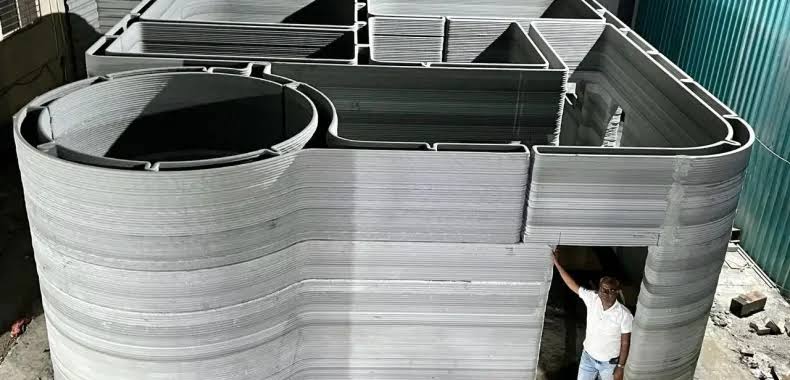
Maharashtra’s First 3D-Printed School Cuts Construction Time By 6X, Waste By 95%
Cretebots, an Indian startup, uses robotic 3D construction printing to build structures layer by layer on-site — completing buildings 6...
Read More