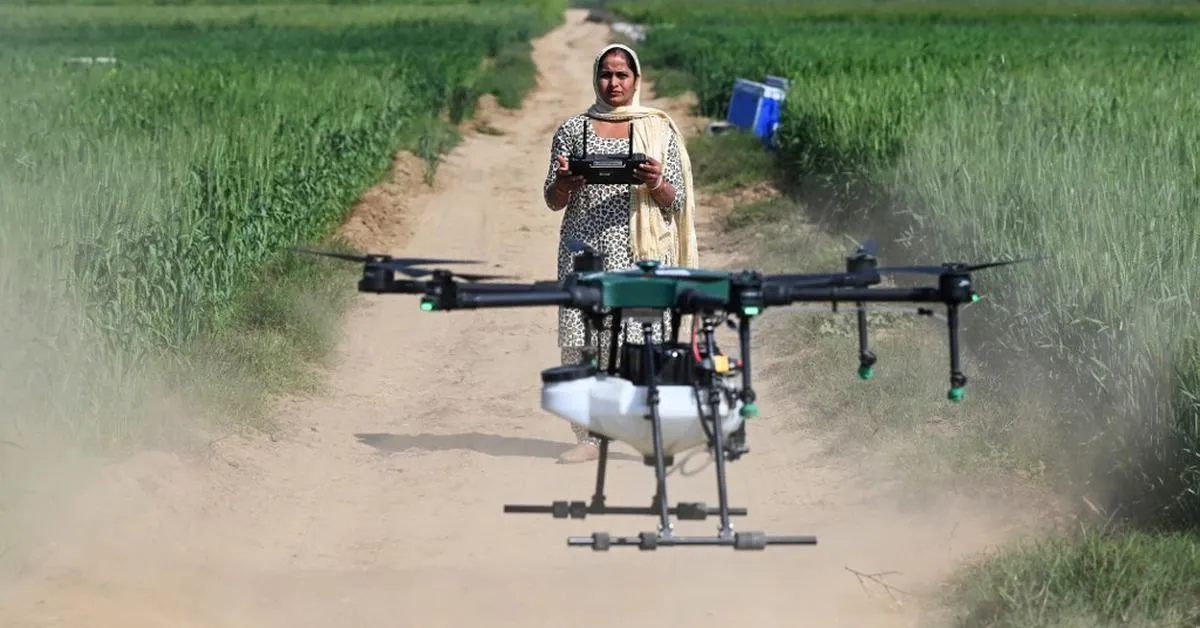
Bridging the Gap: Advancing Equitable Access to Tissue Culture and Aeroponics in Indian Agriculture
The integration of tissue culture and aeroponics into India’s agricultural landscape holds immense promise for productivity, sustainability, and rural livelihoods. However, the transformative potential of these technologies can only be realized if accessibility barriers—rooted in socio-economic, geographic, and gender disparities—are systematically addressed. Ensuring that smallholder farmers, women, and marginalized communities can participate in and benefit from these innovations is central to inclusive agricultural development. Drawing on policy frameworks, expert insights, and real-world initiatives, this section explores critical accessibility considerations shaping the future of high-tech seed systems in India.
Overcoming Socio-Economic Barriers: Targeted Outreach and Support
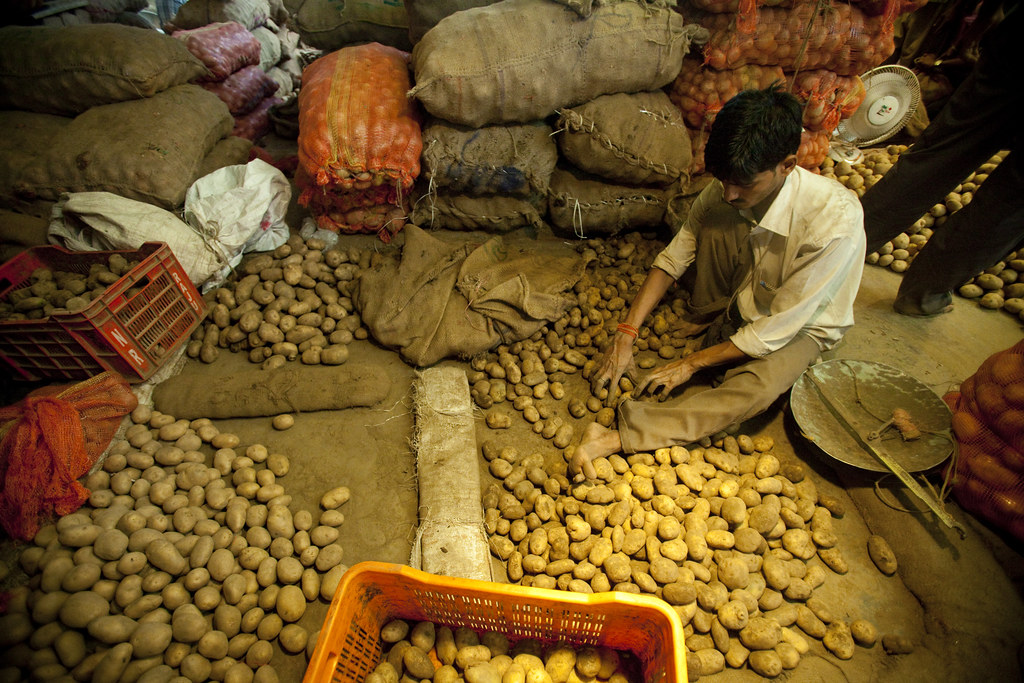
Smallholder and marginal farmers, who constitute the backbone of Indian agriculture, often face significant obstacles in adopting advanced technologies. High initial investment costs, limited awareness, and inadequate access to credit or extension services can exclude these groups from the benefits of tissue culture and aeroponics. The Indian Council of Agricultural Research – Central Potato Research Institute (ICAR-CPRI) has pioneered a decentralized seed production model, enabling local multiplication of quality planting material and reducing dependency on distant suppliers. This approach not only lowers transaction costs but also ensures timely access for remote and underserved communities.
Government-backed initiatives such as the Pradhan Mantri Krishi Sinchayee Yojana (PMKSY) and the National Bank for Agriculture and Rural Development (NABARD) have introduced subsidized credit schemes and training modules tailored for smallholders. For instance, the Krishi Vigyan Kendras (KVKs) regularly conduct hands-on workshops on tissue culture techniques, with a focus on practical skill-building for rural participants.
Gender-Inclusive Strategies: Empowering Women in Agri-Tech
Women constitute nearly 33% of India’s agricultural workforce, yet they often encounter additional hurdles, including restricted land rights, limited mobility, and lower access to institutional support. Recognizing these challenges, several state governments and NGOs have launched women-led tissue culture units and capacity-building programs. In Maharashtra, the Mahila Arthik Vikas Mahamandal (MAVIM) has facilitated the formation of women’s self-help groups (SHGs) that manage micro tissue culture labs, providing both employment and leadership opportunities.
“Empowering women through targeted training and access to technology not only enhances their economic agency but also leads to more resilient and productive farming communities,” notes Dr. Renu Swarup, former Secretary, Department of Biotechnology, Government of India. Policy frameworks now increasingly mandate gender-sensitive design in agri-tech interventions, as reflected in the Ministry of Rural Development’s guidelines for inclusive agricultural practices.
Digital Literacy and Information Access: Leveraging the Digital India Initiative
Access to timely information and digital tools is a critical enabler for technology adoption in rural areas. The Digital India initiative has accelerated the rollout of rural broadband, mobile-based advisory services, and e-market platforms. Through partnerships with agricultural universities and private agri-tech firms, digital literacy programs are equipping farmers—especially women and youth—with the skills to utilize online resources for learning, troubleshooting, and market linkages.
A notable example is the e-NAM (National Agriculture Market) platform, which has integrated modules on tissue culture seed procurement and best practices. Farmers in Uttar Pradesh and Karnataka have reported improved access to quality planting material and better price realization through these digital channels.
Decentralized Innovation: Localized Production and Community Engagement
Decentralizing the production and dissemination of tissue culture and aeroponics technologies is pivotal for reaching India’s diverse agro-ecological zones. ICAR-CPRI’s model of establishing satellite labs and mini aeroponic units in collaboration with State Agricultural Universities (SAUs) and Farmer Producer Organizations (FPOs) has demonstrated success in states like Punjab and Assam. These localized hubs not only ensure the availability of disease-free seed but also foster community ownership and skill development.
NGOs such as the M S Swaminathan Research Foundation have facilitated participatory technology trials, enabling farmers to adapt protocols to local conditions. Extension networks, including the National Rural Livelihoods Mission (NRLM), have mobilized community resource persons to act as technology ambassadors, further enhancing grassroots adoption.
Expert Perspectives: Indian Thought Leadership on Inclusive Agri-Tech
Indian experts emphasize that accessibility must be embedded in every stage of technology deployment. Dr. S.K. Chakrabarti, former Director, ICAR-CPRI, asserts, “The success of tissue culture and aeroponics in India hinges on our ability to democratize access—through policy support, public-private partnerships, and community-driven models.” Research from the Indian Institute of Management Ahmedabad highlights that inclusive innovation ecosystems, which integrate local knowledge and participatory governance, yield higher adoption rates and socio-economic returns.
Policy think tanks, including NITI Aayog, advocate for convergence between digital infrastructure, financial inclusion, and gender equity in agri-tech rollouts. Their recommendations underscore the need for continuous monitoring, feedback mechanisms, and adaptive policy design to ensure that no group is left behind.
—
By prioritizing accessibility through targeted outreach, gender-sensitive strategies, digital empowerment, and decentralized innovation, India can unlock the full potential of tissue culture and aeroponics. These efforts, grounded in robust policy frameworks and expert guidance, are essential for building a more inclusive, resilient, and prosperous agricultural future.