The High-Tech Fix for India’s Chronic Potato Seed Shortage
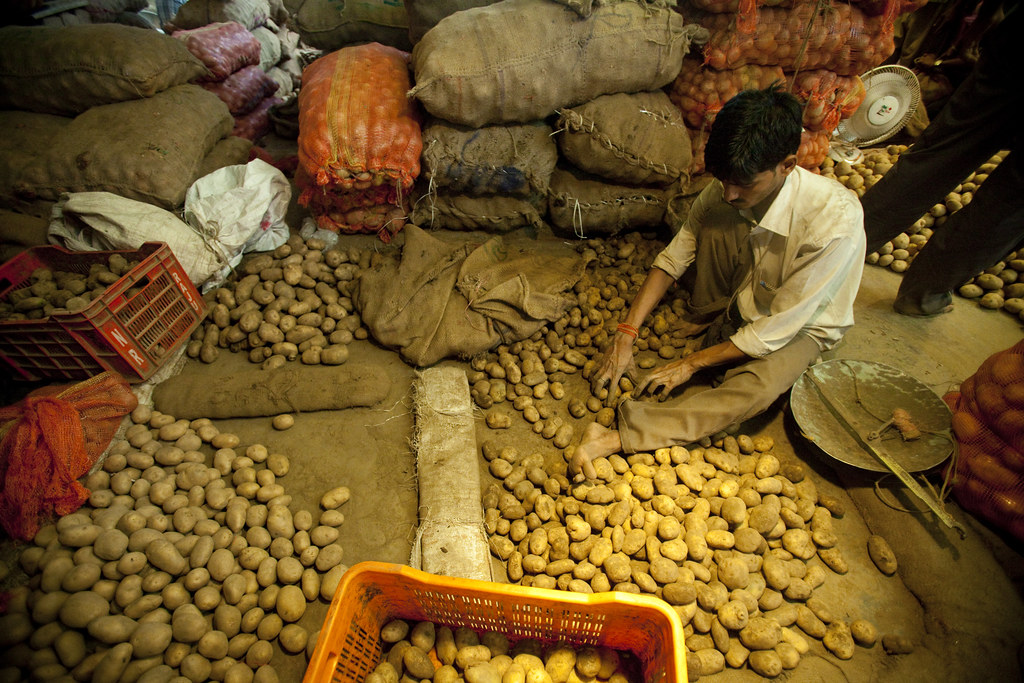
India’s potato farmers have long faced a shortage of certified, disease-free seed. ICAR-CPRI, Shimla, is breaking this bottleneck with frontier agri-tech like tissue culture, micropropagation, and aeroponic systems that produce virus-free minitubers at scale. Already adopted by 14 licensed firms, these soil-free, contamination-resistant systems are producing 6.5 million minitubers annually, cutting seed production time by two years and boosting yields.
Share



Sector

Solution

Technology

State of Origin
Impact Metrics
6.5 million minitubers
produced annually from 14 licensed firms.
Reduced time
of field exposure by at least two years.
Improved seed quality
and multiplication rate.
Resources to Replicate This Idea

BUILD YOUR OWN
Do you want to know how this innovator scaled their idea, how much it cost them, and what resources/partnerships they deployed?
How can I implement this innovation effectively?
How is this innovation being adopted around the world?
Where else could this innovation make an impact?
Who has seen real results from using this innovation?
What insights do experts share about this innovation?
What policies support or influence this innovation?
How could this innovation evolve in the future?
Is this innovation accessible and inclusive for everyone?
How can I contribute to or participate in this innovation?
What resources can help me explore this innovation further?
Catalysing Change: Practical Lessons from High-Tech Potato Seed Innovation in India
The successful integration of tissue culture and aeroponics into India’s potato seed production system marks a pivotal shift in the nation’s approach to agricultural modernization. By leveraging advanced biotechnology, Indian institutions and entrepreneurs have addressed longstanding challenges of seed quality, disease management, and supply bottlenecks. The journey from research labs to widespread field adoption offers valuable implementation insights for policymakers, practitioners, and stakeholders aiming to replicate or scale such innovations across diverse agro-ecological contexts.
Accelerating Seed Multiplication: From Lab to Field
Research led by the Central Potato Research Institute (ICAR-CPRI) has demonstrated that tissue culture and micropropagation can cut seed multiplication cycles by up to two years compared to conventional methods. Under controlled laboratory conditions, virus-free mother plants are produced, drastically reducing the risk of disease transmission—a persistent issue in traditional seed systems. The subsequent use of aeroponics, perfected by ICAR-CPRI since 2011, enables the production of minitubers in a soil-less, nutrient-rich mist environment. This not only increases the yield per plant but also ensures that the resulting seed potatoes are free from soil-borne pathogens.
A real-world illustration of this accelerated process is visible in Punjab and Uttar Pradesh, where licensed aeroponic facilities now produce millions of minitubers annually.
Decentralized Innovation: Public-Private Partnerships and Local Adaptation
India’s model stands out for its decentralized, partnership-driven approach. Rather than centralizing production, ICAR-CPRI has licensed its technologies to private entrepreneurs, State Agricultural Universities (SAUs), and Krishi Vigyan Kendras (KVKs). This networked model ensures that high-quality seed is produced close to major potato-growing regions, reducing transportation costs and post-harvest losses.
For example, in West Bengal’s Nadia district, government-supported tissue culture labs have empowered women’s self-help groups to run micropropagation units, creating both economic and social value. In Punjab, SAUs collaborate with private firms to offer training and extension services, ensuring that farmers can adopt and manage these technologies effectively.
Quality Assurance and Regulatory Frameworks
Maintaining stringent quality standards is central to the success of these innovations. ICAR-CPRI plays a pivotal role as a technology and knowledge hub, providing virus-free mother cultures and overseeing the licensing process. The Seed Act, 1966, and its amendments form the backbone of India’s seed certification and quality control regime, now being adapted to accommodate biotechnological advances.
Quality assurance is further reinforced by the establishment of cold chains, accredited testing laboratories, and traceability systems. India is gradually evolving its regulatory framework to support biosafety and market confidence.
Capacity Building and Inclusive Outreach
Effective implementation hinges on building the capacity of farmers, technicians, and entrepreneurs. KVKs and SAUs conduct regular training sessions on tissue culture and aeroponics, with a focus on practical skills and disease management. Special attention is given to marginalized groups—such as smallholders and women—through targeted outreach and subsidized access to starter materials.
Digital literacy programs under the Digital India initiative further support adoption by providing timely information and market linkages.
Expert Perspectives: Indian Voices on Implementation
Indian experts consistently highlight the transformative impact of these technologies. Dr. Ashok Kumar Singh, Director of ICAR-CPRI, notes that “the integration of tissue culture and aeroponics is a game-changer for India’s potato economy, enabling faster multiplication of virus-free seed and reducing dependency on imports.” Dr. R.K. Malik of the Indian Agricultural Research Institute (IARI) emphasizes that “these innovations not only improve seed health but also open avenues for precision agriculture and climate resilience.”
Policy analysts at the National Institute of Agricultural Extension Management (MANAGE) advocate for continued investment in research, extension, and infrastructure to ensure the sustainability and scalability of these models. Their consensus: multi-stakeholder partnerships, robust quality control, and inclusive capacity building are essential for widespread and equitable impact.
—
The Indian experience with tissue culture and aeroponics in potato seed production offers a replicable blueprint for integrating advanced biotechnology with decentralized, partnership-driven implementation. By aligning scientific innovation with local adaptation, regulatory rigor, and inclusive outreach, India is setting new benchmarks in agricultural transformation—offering lessons for other crops, regions, and countries seeking to modernize their seed systems.
Seeds of Innovation: India in the Global Landscape of Tissue Culture and Aeroponics
India’s rapid adoption of tissue culture and aeroponics for seed potato production is part of a worldwide movement toward precision agriculture and controlled environment farming. As countries strive to boost crop yields, quality, and resilience, these advanced propagation methods are reshaping seed systems from the Netherlands to China. India’s evolving approach—rooted in its unique agro-climatic diversity and decentralized extension networks—offers both lessons and opportunities when viewed alongside global best practices.
The Dutch Paradigm: Mechanization, Quality, and Export Leadership
The Netherlands stands as a global benchmark for seed potato innovation. Dutch producers have integrated tissue culture and aeroponics into a highly mechanized, quality-controlled system, producing minitubers with exceptional genetic purity and disease resistance. The Dutch approach is characterized by rigorous certification protocols, digital traceability, and close alignment with export standards. India’s Central Potato Research Institute (ICAR-CPRI) has begun adapting similar frameworks, but experts suggest that further integration of digital farm management and traceability tools could elevate India’s seed quality assurance to global standards.
Israel’s Innovation Ecosystem: Water Efficiency and Policy-Driven Diffusion
Israel’s agricultural sector is renowned for pioneering water-efficient aeroponic systems, particularly in arid environments. Israeli firms, often in collaboration with public research institutions, have developed climate-controlled aeroponic platforms that maximize nutrient delivery while minimizing resource use. Government policies in Israel actively promote public-private partnerships and incentivize export-oriented research, accelerating technology transfer. India’s own policy direction—such as licensing aeroponic technology to private firms and fostering public-private collaborations—mirrors this innovation-driven model. The alignment is evident in initiatives like the National Mission on Sustainable Agriculture (NMSA), which supports protected cultivation and technology adoption.
China’s State-Led Acceleration: Incentives and Scale
China offers a contrasting model, where state-led incentives have propelled the widespread adoption of tissue culture in potato seed systems. The Chinese government’s direct subsidies, research funding, and centralized certification have enabled rapid scaling and consistent quality. Notably, China’s Ministry of Agriculture has invested heavily in tissue culture labs and extension services, leading to significant reductions in seed degeneration and disease incidence. Indian policy experts argue that India could benefit from similar targeted incentives—particularly to move tissue culture and aeroponics from pilot projects to large-scale adoption, while still accommodating India’s decentralized agricultural structure.
Decentralization vs. Centralization: The Indian Model in Context
Unlike the centralized systems prevalent in Europe and China, India’s approach leverages its network of State Agricultural Universities (SAUs) and Krishi Vigyan Kendras (KVKs) for technology dissemination. This decentralized model is well-suited to India’s diverse agro-ecological zones and smallholder-dominated landscape. However, it presents coordination challenges in maintaining uniform quality standards. Dr. Ashok Kumar Singh, Director of ICAR-CPRI, notes, “Decentralization empowers local adaptation but demands robust oversight and harmonized certification to ensure seed quality across regions.” Recent policy initiatives, such as the Seed Act amendments and the introduction of digital certification platforms, aim to strengthen these coordination mechanisms.
Regulatory Evolution: Toward Integrated Biotechnology and Seed Laws
Globally, countries like Canada and the USA have harmonized biotechnology regulations with seed certification laws, ensuring biosafety and market confidence. India’s regulatory framework is evolving in this direction. The Department of Biotechnology (DBT) and the Ministry of Agriculture are working to establish clear guidelines for tissue culture and aeroponic seed production, with an emphasis on biosafety, traceability, and export readiness. The integration of these standards is expected to facilitate both domestic market growth and international trade in high-quality seed potatoes.
—
India’s trajectory in tissue culture and aeroponics reflects a dynamic interplay between global inspiration and local innovation. By learning from the mechanized precision of the Netherlands, the policy-driven diffusion in Israel, and the scale of China’s state-led model, India is forging a path that balances scientific rigor with grassroots adaptability. As regulatory frameworks mature and public-private partnerships deepen, India is poised not only to meet its domestic seed demands but also to emerge as a competitive player in the global seed market.
Expanding Horizons: The Versatility of Tissue Culture and Aeroponics in Indian Agriculture
The transformative power of tissue culture and aeroponics extends far beyond their impact on potato seed production. Across India, these advanced propagation techniques are reshaping horticulture, vegetable farming, floriculture, and research, driving productivity, sustainability, and economic opportunity. Supported by robust policy frameworks, public-private partnerships, and scientific innovation, their adoption signals a new era for Indian agriculture—one that is more resilient, inclusive, and globally competitive.
Revolutionizing Horticulture: Mass Propagation and Disease-Free Planting Material
Tissue culture has become a cornerstone of India’s horticultural advancement, particularly in the mass propagation of bananas, orchids, and ornamental plants. The National Horticulture Board (NHB) and Indian Council of Agricultural Research (ICAR) institutes have actively promoted the establishment of tissue culture laboratories, ensuring a steady supply of disease-free, high-quality planting material. A notable example is the Banana Tissue Culture project in Tamil Nadu, which has dramatically increased the availability of healthy plantlets, enabling farmers to boost yields and meet export standards. According to the NHB, such initiatives have contributed to India’s emergence as a leading banana exporter, while also improving farmer incomes and reducing crop losses due to disease.
Urban Agriculture and Smart Cities: Aeroponics for Sustainable Vegetable Production
Aeroponics is rapidly gaining ground in urban and peri-urban agriculture, particularly for the cultivation of leafy greens, herbs, and other high-value vegetables. Startups in Bengaluru and Hyderabad, such as UrbanKisaan and Clover, have pioneered aeroponic vertical farming systems that deliver fresh produce year-round with minimal land and water requirements. These models dovetail with India’s Smart Cities Mission and urban food security strategies, offering scalable solutions to the challenges of urbanization and resource scarcity. The Ministry of Housing and Urban Affairs has recognized such innovations as integral to sustainable city planning, supporting pilot projects and knowledge exchange platforms.
Research and Innovation: Advancing Crop Improvement and Climate Resilience
Academic and research institutions are at the forefront of developing and refining tissue culture and aeroponics protocols for a range of crops. The Indian Agricultural Research Institute (IARI) and the National Institute of Plant Biotechnology (NIPB) are conducting cutting-edge research on micropropagation techniques for tomatoes, strawberries, and medicinal plants. These efforts are geared towards breeding climate-resilient, high-yielding varieties that can withstand biotic and abiotic stresses. For instance, IARI’s work on tissue culture-based propagation of disease-resistant tomato lines has shown promise in reducing crop losses and enhancing nutritional security. The Department of Biotechnology (DBT) supports such initiatives through targeted funding and collaborative research programs.
Policy Integration: Mainstreaming Modern Propagation in National Schemes
The Indian government has systematically integrated tissue culture and protected cultivation technologies into flagship agricultural schemes. The Rashtriya Krishi Vikas Yojana (RKVY) and the National Mission on Sustainable Agriculture (NMSA) both include components that subsidize the establishment of tissue culture labs and protected cultivation units, making advanced propagation accessible to a wider pool of farmers. The National Mission on Agricultural Extension and Technology (NMAET) further facilitates technology transfer and capacity building at the grassroots level. These policy measures are complemented by regulatory updates to the Seed Act, 1966, ensuring that biotechnologically propagated seeds meet stringent quality standards.
Private Sector Leadership: Modernizing Floriculture and Seed Industries
Private enterprises are playing a pivotal role in scaling tissue culture and aeroponics applications, particularly in floriculture and seed production. Companies like Biotech International and Metahelix have developed proprietary tissue culture protocols for crops ranging from ornamental flowers to hybrid vegetables, enabling rapid multiplication and uniformity. This has modernized India’s seed industry, enhancing export competitiveness and quality assurance. In floriculture, tissue-cultured orchids and anthuriums from Indian firms are now sought after in international markets, a testament to the sector’s technological leap. Industry associations, such as the Federation of Seed Industry of India (FSII), advocate for continued investment in R&D and regulatory harmonization to sustain this momentum.
Expert Perspectives: Indian Voices on the Frontlines of Innovation
Indian experts consistently underscore the strategic significance of these technologies. Dr. Ashok Kumar Singh, Director of ICAR-CPRI, notes that “widespread adoption of tissue culture and aeroponics is pivotal for India’s seed sovereignty and export ambitions.” Dr. R.K. Malik of IARI emphasizes that “these methods not only improve seed health but also open pathways for precision agriculture and climate adaptation.” Policy analysts at the National Institute of Agricultural Extension Management (MANAGE) highlight the need for robust extension networks and public-private collaboration to maximize impact. Their collective insights reinforce the view that science-led innovation, supported by enabling policies, is essential for India’s agricultural transformation.
—
The breadth of applications for tissue culture and aeroponics in India demonstrates their potential to revolutionize multiple facets of agriculture—from horticulture and urban farming to research, policy, and industry. As these technologies continue to evolve, their integration into mainstream practice will be crucial for achieving sustainable growth, food security, and rural prosperity.
Seeds of Change: Transformative Stories from India’s Potato Revolution
The integration of tissue culture and aeroponics into India’s potato seed sector is reshaping the agricultural landscape, driving economic upliftment, social inclusion, and technological advancement. These innovations are not just improving yields—they are empowering communities, bridging gender gaps, and fostering resilient, self-reliant farming systems. The following impact stories, grounded in field evidence and policy frameworks, illuminate the multifaceted benefits and challenges of this biotechnological transition.
Catalyzing Rural Prosperity: Aeroponics in Uttar Pradesh
The Agra region of Uttar Pradesh exemplifies how localized adoption of aeroponic technology can transform rural economies. Through licensing agreements with the ICAR-Central Potato Research Institute (ICAR-CPRI), clusters of private seed producers have established aeroponic facilities that generate high-quality minitubers. Farmers such as Ramesh Kumar, who transitioned to these improved seeds, report yield increases of 20–30%. The availability of affordable, disease-free planting material has reduced reliance on imported seed and fostered crop diversification. Local extension services, supported by the Rashtriya Krishi Vikas Yojana (RKVY), have played a pivotal role in knowledge dissemination and adoption, demonstrating the synergy between policy support and technological innovation.
Empowering Women: Tissue Culture Initiatives in West Bengal
In Nadia district, West Bengal, government-backed tissue culture units are redefining gender roles in agriculture. Women-led self-help groups, trained under the National Mission on Agricultural Extension and Technology (NMAET), have established micro-enterprises producing virus-free potato planting material. These initiatives have not only increased household incomes but also promoted social inclusion by elevating women to leadership positions in local agri-businesses. This model aligns with the Ministry of Rural Development’s emphasis on gender-sensitive agricultural interventions.
Public-Private Synergy: Scaling Innovation in Punjab
Punjab’s Ludhiana region stands as a testament to the effectiveness of public-private partnerships in agricultural biotechnology. State Agricultural Universities (SAUs), in collaboration with private firms, have scaled up aeroponic seed production, ensuring a steady supply of high-quality seed potatoes. Farmers benefit from comprehensive training and extension programs, which have led to high adoption rates and improved seed management practices. The partnership model is supported by policy frameworks such as the Seed Act, 1966, and its amendments, which facilitate technology transfer and quality assurance. These collaborations have contributed to a 25% increase in regional potato productivity over five years, underscoring the scalability of science-driven innovation.
Building Resilience: Biotechnology for Food Security in Vulnerable Regions
Biotechnological interventions are proving vital in regions susceptible to seed degeneration and climate variability. In Andhra Pradesh, the Centre for Sustainable Agriculture (CSA) has documented how tissue culture-based seed systems have stabilized potato production among smallholder farmers. By providing access to virus-free planting material and technical support, these programs have enhanced farmer resilience and food security. These outcomes align with national priorities under the National Food Security Mission (NFSM).
Expert Perspectives: Indian Voices on the Frontlines of Innovation
Indian experts consistently emphasize the transformative potential of tissue culture and aeroponics in the potato sector. Dr. Ashok Kumar Singh, Director of ICAR-CPRI, describes the integration of these technologies as “a game-changer for India’s potato economy, enabling rapid multiplication of virus-free seed and reducing import dependency.” He advocates for stringent quality control and decentralized production to meet rising demand. Dr. R.K. Malik of the Indian Agricultural Research Institute (IARI) highlights the role of these innovations in advancing precision agriculture and climate resilience, urging increased investment in farmer training and R&D. Policy analysts at the National Institute of Agricultural Extension Management (MANAGE) call for supportive frameworks that incentivize private sector participation and facilitate technology transfer, recommending integration into broader agricultural development schemes.
—
These impact stories collectively illustrate how the convergence of biotechnology, policy support, and inclusive implementation is driving a quiet revolution in India’s potato seed sector. By fostering rural prosperity, empowering women, scaling innovation through partnerships, and building resilience in vulnerable regions, tissue culture and aeroponics are laying the groundwork for a more productive, equitable, and sustainable agricultural future.
Voices from the Field: Indian Experts Illuminate the Path for Seed Innovation
India’s agricultural transformation hinges on the adoption of cutting-edge technologies that can address persistent challenges in seed quality, productivity, and supply chain resilience. Leading Indian scientists, policy analysts, and institutional leaders are at the forefront of advocating for tissue culture and aeroponics as pivotal solutions. Their insights, grounded in rigorous research and practical experience, reveal both the promise and the complexities of integrating these innovations into India’s diverse farming landscape.
Accelerating Potato Seed Multiplication: The ICAR-CPRI Perspective
Dr. Ashok Kumar Singh, Director of the ICAR-Central Potato Research Institute (ICAR-CPRI), underscores the revolutionary impact of tissue culture and aeroponics on India’s potato sector. According to Dr. Singh, “the integration of these technologies is a game-changer for India’s potato economy, enabling rapid multiplication of virus-free seed and reducing dependence on costly imports.” Under his leadership, ICAR-CPRI has pioneered decentralized seed production models, licensing aeroponic and tissue culture protocols to State Agricultural Universities (SAUs) and Krishi Vigyan Kendras (KVKs) across India. This approach not only ensures stringent quality control but also empowers local producers to meet the surging demand for high-quality seed potatoes. The success of these initiatives is evident in states like Punjab and Karnataka, where aeroponics-based seed production has significantly boosted yields and farmer incomes.
Enhancing Seed Health and Climate Resilience: Insights from IARI
Dr. R.K. Malik, a senior plant biotechnologist at the Indian Agricultural Research Institute (IARI), highlights the broader agronomic benefits of these technologies. He notes, “tissue culture and aeroponics not only improve seed health by eliminating pathogens but also open new avenues for precision agriculture and climate adaptation.” Dr. Malik’s research demonstrates that tissue-cultured seed potatoes exhibit uniform growth and higher resistance to disease, which is vital as climate variability increases the risk of crop losses. IARI’s ongoing field trials in Haryana and Uttar Pradesh have shown that aeroponics-based minitubers can achieve up to 30% higher productivity compared to conventional methods. Dr. Malik advocates for sustained investment in farmer training and extension services to ensure widespread adoption, emphasizing that “technology is only as effective as its reach among smallholders.”
Policy Support and Private Sector Engagement: MANAGE Analysis
Policy analysts at the National Institute of Agricultural Extension Management (MANAGE) stress the importance of a robust policy ecosystem to scale these innovations. They point to the Rashtriya Krishi Vikas Yojana (RKVY) and the National Mission on Agricultural Extension and Technology (NMAET) as key government schemes that provide financial and technical support for tissue culture and protected cultivation. MANAGE experts recommend further incentivizing private sector participation through tax breaks and streamlined licensing, citing successful public-private partnerships in Maharashtra and Gujarat where private firms have established aeroponic seed units under government guidance. “Integrating these technologies into flagship programs like the National Food Security Mission (NFSM) will ensure sustainability and long-term impact,” they argue.
Decentralization and Quality Assurance: Lessons from Field Implementation
A recurring theme among experts is the necessity of decentralized production and rigorous quality assurance. Dr. Singh and his colleagues at ICAR-CPRI have developed a networked model in which local tissue culture labs and aeroponic facilities operate under standardized protocols, with regular monitoring and certification. This model has been adopted in Himachal Pradesh and West Bengal, where decentralized seed hubs have reduced transportation costs and improved access for remote farmers. The Seed Act, 1966, and its amendments provide the regulatory backbone for these efforts, with recent updates incorporating biotechnological methods for certification and traceability.
Towards Agricultural Self-Reliance: The Consensus on Science-Led Innovation
Across institutions, there is a clear consensus: science-led innovation is indispensable for achieving India’s goal of agricultural self-reliance (Atmanirbhar Krishi). Experts emphasize that tissue culture and aeroponics exemplify how research-driven solutions can address systemic bottlenecks in seed supply, boost productivity, and enhance farmer livelihoods. As Dr. Malik concludes, “the future of Indian agriculture lies in harnessing the full potential of biotechnology, supported by inclusive policies and strong extension networks.” This vision is echoed in government roadmaps and institutional strategies, positioning India as a potential global leader in high-tech seed production.
Modernizing India’s Seed Systems: Policy Innovations Driving Agricultural Transformation
India’s agricultural policy landscape is undergoing a significant transformation as the government prioritizes advanced seed production technologies to secure food systems and boost rural economies. Recognizing the critical role of high-quality seeds in ensuring productivity and resilience, policymakers are integrating cutting-edge methods like tissue culture and aeroponics into national strategies. This policy shift is not only modernizing traditional practices but also positioning India as a leader in sustainable and technology-driven agriculture.
Strategic Policy Frameworks: Anchoring Innovation in National Missions
The Government of India has embedded seed system modernization within flagship initiatives such as the National Food Security Mission (NFSM) and Atmanirbhar Bharat Abhiyan. These programs emphasize the enhancement of seed quality, availability, and farmer access, with a particular focus on vegetatively propagated crops like potatoes. The Ministry of Agriculture and Farmers Welfare, through schemes like the Rashtriya Krishi Vikas Yojana (RKVY) and the National Mission on Agricultural Extension and Technology (NMAET), actively supports the adoption of tissue culture and protected cultivation technologies.
A notable example is the integration of tissue culture-based seed production in the NFSM, which has led to a marked increase in disease-free potato seed availability in states such as Punjab and Karnataka. These efforts are further bolstered by the Pradhan Mantri Krishi Sinchayee Yojana (PMKSY), which provides infrastructure support for high-tech nurseries and micro-irrigation systems essential for aeroponics.
Regulatory Evolution: Adapting Legal Frameworks for Biotechnology
India’s regulatory landscape for seeds is anchored by the Seed Act, 1966, and its subsequent amendments, which establish standards for certification and quality control. Recent policy dialogues have focused on updating these frameworks to accommodate biotechnological advances, including tissue culture and aeroponics. The Department of Biotechnology (DBT) and the Ministry of Science and Technology are pivotal in funding research and pilot projects, ensuring that regulatory standards evolve in tandem with scientific progress.
The Indian Council of Agricultural Research–Central Potato Research Institute (ICAR-CPRI) exemplifies this approach through its technology licensing model, collaborating with State Agricultural Universities (SAUs) and Krishi Vigyan Kendras (KVKs) to decentralize innovation. This aligns with the government’s push for a science-driven, locally adaptable seed system.
Dr. S.K. Chakrabarti, former Director of ICAR-CPRI, notes, “The synergy between updated regulations and public-private partnerships is crucial for scaling up tissue culture and aeroponics, ensuring both quality and accessibility for Indian farmers.”
Inclusive Access: Bridging Gaps for Marginalized Farmers
Despite technological advancements, equitable access remains a core policy concern. Smallholders, women, and farmers in remote regions often face barriers such as high upfront costs, limited awareness, and inadequate extension services. To address these challenges, the government has promoted decentralized production models and targeted interventions.
KVKs and women’s self-help groups have been instrumental in establishing local tissue culture units, particularly in states like West Bengal and Maharashtra. These initiatives not only reduce dependency on distant suppliers but also empower marginalized communities through skill development and income generation. The Digital India program further supports these efforts by enhancing digital literacy and market connectivity among rural populations.
Future-Ready Policies: Integrating Digital and Climate-Smart Solutions
Looking ahead, Indian policy is increasingly oriented toward integrating digital technologies and climate-smart practices with advanced seed production. The National AI Strategy and Digital Agriculture Mission envision the use of IoT-enabled sensors, AI-driven nutrient management, and blockchain-based traceability to optimize aeroponics and tissue culture operations.
Pilot projects in Haryana and Gujarat have demonstrated the potential of coupling aeroponics with real-time data analytics to improve resource efficiency and crop yields. These innovations are supported by funding from the Department of Biotechnology and are aligned with the broader vision articulated by NITI Aayog’s .
The expansion of these technologies to other crops—such as bananas, sugarcane, and medicinal plants—underscores the scalability and adaptability of India’s policy approach.
Expert Perspectives: Indian Thought Leadership in Seed Policy
Indian research institutions and policy think tanks are at the forefront of shaping the country’s seed system modernization. The National Institute of Agricultural Extension Management (MANAGE) and NITI Aayog regularly publish forward-looking analyses and policy roadmaps, emphasizing the need for sustained investment in R&D, infrastructure, and capacity building.
Dr. Vibha Dhawan, Director General of The Energy and Resources Institute (TERI), observes, “India’s commitment to integrating biotechnology with digital solutions in agriculture is setting new benchmarks for developing economies. The challenge lies in ensuring that these innovations are accessible and beneficial to all segments of society.”
—
India’s policy content on seed system modernization reflects a dynamic interplay of innovation, regulation, and inclusivity. By leveraging advanced technologies, updating legal frameworks, and prioritizing equitable access, the government is laying the foundation for a resilient, productive, and globally competitive agricultural sector.
Charting the Next Frontier: Transforming Indian Agriculture through High-Tech Seed Systems
India stands at a pivotal moment in agricultural innovation, with the convergence of tissue culture and aeroponics poised to redefine the nation’s seed systems. As the country grapples with climate variability, resource constraints, and the need for higher productivity, these advanced propagation technologies offer a pathway to precision agriculture and climate resilience. The integration of digital tools, robust policy frameworks, and inclusive strategies could propel India to the forefront of global seed production, while ensuring that the benefits reach even the most marginalized farming communities.
Integrating Digital Technologies for Precision and Efficiency
The future of tissue culture and aeroponics in India is closely tied to the adoption of digital agriculture tools. By embedding IoT-enabled sensors and AI-driven nutrient management systems within aeroponic setups, farmers can monitor plant health, optimize resource use, and respond swiftly to environmental changes. For example, pilot projects in Maharashtra and Karnataka have demonstrated that real-time data analytics can reduce water and fertilizer consumption by up to 30%, while boosting yields.
These advancements directly support the Government of India’s Digital Agriculture Mission and the National Strategy for Artificial Intelligence, which emphasize data-driven decision-making at the farm level. Platforms like AgriStack are being developed to centralize agricultural data, enabling seamless integration of smart farming technologies. As Dr. Trilochan Mohapatra, former Director General of ICAR, notes, “Harnessing digital tools in seed production is not just an efficiency gain—it is a necessity for future-ready, climate-smart agriculture.”
Scaling Decentralized Production and Blockchain Traceability
Decentralized seed production, enabled by digital marketplaces and blockchain-based traceability, is set to revolutionize transparency and trust in India’s seed sector. Through platforms such as e-NAM (National Agriculture Market), farmers and seed producers can directly connect with buyers, reducing intermediaries and transaction costs. Blockchain pilots in Andhra Pradesh’s horticulture sector have already enhanced seed traceability, ensuring authenticity and quality for both producers and consumers.
The Indian Council of Agricultural Research–Central Potato Research Institute (ICAR-CPRI) has pioneered decentralized aeroponic minituber production, empowering regional hubs to supply high-quality seed locally. This approach not only shortens supply chains but also builds resilience against logistical disruptions, as seen during the COVID-19 pandemic.
Expanding to New Crops and Markets
While potatoes have been the primary focus, the adaptability of tissue culture and aeroponics opens doors for other vegetatively propagated crops such as bananas, sugarcane, and medicinal plants. India’s National Horticulture Mission is already supporting tissue culture banana nurseries in Tamil Nadu and Maharashtra, resulting in disease-free planting material and higher farmer incomes.
The export potential is significant: India could emerge as a global supplier of high-quality seed and planting material, leveraging its scientific expertise and vast domestic market. As Dr. Alka Arora, Principal Scientist at ICAR-CPRI, observes, “Diversifying tissue culture and aeroponics beyond potatoes will amplify India’s competitiveness in global agri-value chains.”
Strengthening R&D, Infrastructure, and Capacity Building
Realizing this vision requires sustained investment in research, infrastructure, and human capital. Public-private partnerships are vital for scaling up pilot projects and translating laboratory innovations into field-ready solutions. Capacity building is equally crucial. The National Institute of Agricultural Extension Management (MANAGE) and Krishi Vigyan Kendras (KVKs) are at the forefront of training farmers, extension workers, and entrepreneurs in the latest tissue culture and aeroponics techniques. Gender-inclusive programs, such as women-led tissue culture units in Uttar Pradesh, are ensuring that the benefits of innovation reach all segments of society.
Expert Perspectives: Navigating Policy and Practice
Indian experts emphasize the importance of policy coherence and grassroots engagement. According to a recent NITI Aayog policy brief, “The integration of advanced propagation technologies with digital tools must be matched by robust extension services and inclusive financing mechanisms.”
Dr. S.K. Chakrabarti, former Director of ICAR-CPRI, stresses, “India’s leadership in high-tech seed production will depend on our ability to harmonize innovation with accessibility—ensuring that smallholders, women, and marginalized communities are not left behind.”
—
The convergence of tissue culture, aeroponics, and digital innovation marks a transformative chapter for Indian agriculture. With strategic investments, inclusive policies, and collaborative research, India is well-positioned to lead the global shift toward sustainable, resilient, and high-tech seed systems.
Bridging the Gap: Advancing Equitable Access to Tissue Culture and Aeroponics in Indian Agriculture
The integration of tissue culture and aeroponics into India’s agricultural landscape holds immense promise for productivity, sustainability, and rural livelihoods. However, the transformative potential of these technologies can only be realized if accessibility barriers—rooted in socio-economic, geographic, and gender disparities—are systematically addressed. Ensuring that smallholder farmers, women, and marginalized communities can participate in and benefit from these innovations is central to inclusive agricultural development. Drawing on policy frameworks, expert insights, and real-world initiatives, this section explores critical accessibility considerations shaping the future of high-tech seed systems in India.
Overcoming Socio-Economic Barriers: Targeted Outreach and Support
Smallholder and marginal farmers, who constitute the backbone of Indian agriculture, often face significant obstacles in adopting advanced technologies. High initial investment costs, limited awareness, and inadequate access to credit or extension services can exclude these groups from the benefits of tissue culture and aeroponics. The Indian Council of Agricultural Research – Central Potato Research Institute (ICAR-CPRI) has pioneered a decentralized seed production model, enabling local multiplication of quality planting material and reducing dependency on distant suppliers. This approach not only lowers transaction costs but also ensures timely access for remote and underserved communities.
Government-backed initiatives such as the Pradhan Mantri Krishi Sinchayee Yojana (PMKSY) and the National Bank for Agriculture and Rural Development (NABARD) have introduced subsidized credit schemes and training modules tailored for smallholders. For instance, the Krishi Vigyan Kendras (KVKs) regularly conduct hands-on workshops on tissue culture techniques, with a focus on practical skill-building for rural participants.
Gender-Inclusive Strategies: Empowering Women in Agri-Tech
Women constitute nearly 33% of India’s agricultural workforce, yet they often encounter additional hurdles, including restricted land rights, limited mobility, and lower access to institutional support. Recognizing these challenges, several state governments and NGOs have launched women-led tissue culture units and capacity-building programs. In Maharashtra, the Mahila Arthik Vikas Mahamandal (MAVIM) has facilitated the formation of women’s self-help groups (SHGs) that manage micro tissue culture labs, providing both employment and leadership opportunities.
“Empowering women through targeted training and access to technology not only enhances their economic agency but also leads to more resilient and productive farming communities,” notes Dr. Renu Swarup, former Secretary, Department of Biotechnology, Government of India. Policy frameworks now increasingly mandate gender-sensitive design in agri-tech interventions, as reflected in the Ministry of Rural Development’s guidelines for inclusive agricultural practices.
Digital Literacy and Information Access: Leveraging the Digital India Initiative
Access to timely information and digital tools is a critical enabler for technology adoption in rural areas. The Digital India initiative has accelerated the rollout of rural broadband, mobile-based advisory services, and e-market platforms. Through partnerships with agricultural universities and private agri-tech firms, digital literacy programs are equipping farmers—especially women and youth—with the skills to utilize online resources for learning, troubleshooting, and market linkages.
A notable example is the e-NAM (National Agriculture Market) platform, which has integrated modules on tissue culture seed procurement and best practices. Farmers in Uttar Pradesh and Karnataka have reported improved access to quality planting material and better price realization through these digital channels.
Decentralized Innovation: Localized Production and Community Engagement
Decentralizing the production and dissemination of tissue culture and aeroponics technologies is pivotal for reaching India’s diverse agro-ecological zones. ICAR-CPRI’s model of establishing satellite labs and mini aeroponic units in collaboration with State Agricultural Universities (SAUs) and Farmer Producer Organizations (FPOs) has demonstrated success in states like Punjab and Assam. These localized hubs not only ensure the availability of disease-free seed but also foster community ownership and skill development.
NGOs such as the M S Swaminathan Research Foundation have facilitated participatory technology trials, enabling farmers to adapt protocols to local conditions. Extension networks, including the National Rural Livelihoods Mission (NRLM), have mobilized community resource persons to act as technology ambassadors, further enhancing grassroots adoption.
Expert Perspectives: Indian Thought Leadership on Inclusive Agri-Tech
Indian experts emphasize that accessibility must be embedded in every stage of technology deployment. Dr. S.K. Chakrabarti, former Director, ICAR-CPRI, asserts, “The success of tissue culture and aeroponics in India hinges on our ability to democratize access—through policy support, public-private partnerships, and community-driven models.” Research from the Indian Institute of Management Ahmedabad highlights that inclusive innovation ecosystems, which integrate local knowledge and participatory governance, yield higher adoption rates and socio-economic returns.
Policy think tanks, including NITI Aayog, advocate for convergence between digital infrastructure, financial inclusion, and gender equity in agri-tech rollouts. Their recommendations underscore the need for continuous monitoring, feedback mechanisms, and adaptive policy design to ensure that no group is left behind.
—
By prioritizing accessibility through targeted outreach, gender-sensitive strategies, digital empowerment, and decentralized innovation, India can unlock the full potential of tissue culture and aeroponics. These efforts, grounded in robust policy frameworks and expert guidance, are essential for building a more inclusive, resilient, and prosperous agricultural future.
Unlocking Participation: Pathways to Engage with India’s Tissue Culture and Aeroponics Revolution
India’s agricultural transformation is being shaped by the rapid adoption of tissue culture and aeroponics, especially in high-value crops such as potatoes. This revolution is not confined to laboratories or large agribusinesses; it offers diverse participation opportunities for farmers, entrepreneurs, researchers, and communities. By leveraging targeted government schemes, institutional partnerships, and grassroots initiatives, stakeholders across the agricultural value chain can drive innovation, enhance livelihoods, and contribute to national food security.
Empowering Farmers Through Capacity Building
The success of advanced seed production technologies hinges on the active involvement of farmers. Krishi Vigyan Kendras (KVKs) and State Agricultural Universities (SAUs) have emerged as pivotal institutions in disseminating knowledge and practical skills. For instance, the Indian Council of Agricultural Research (ICAR) has launched specialized training modules on aeroponic seed potato production, enabling farmers to adopt precision agriculture techniques. In Punjab, the Punjab Agricultural University’s extension programs have facilitated the establishment of farmer-led tissue culture nurseries, directly increasing yields and incomes. These initiatives are particularly impactful for smallholders and women’s self-help groups (SHGs), who are increasingly forming cooperatives and Farmer Producer Organizations (FPOs) to collectively manage high-tech nurseries and access premium markets.
Fostering Innovation Through Academic-Industry Collaboration
Academic institutions and research organizations play a critical role in refining and scaling tissue culture and aeroponics technologies. Collaborative projects between universities such as the Indian Agricultural Research Institute (IARI) and private sector firms have resulted in the development of disease-free, high-yielding potato varieties. For example, the Central Potato Research Institute (CPRI) in Shimla has partnered with agri-tech startups to pilot aeroponic systems, generating robust data on productivity and resource efficiency. These partnerships not only accelerate technology transfer but also create opportunities for students and young scientists to engage in hands-on research, internships, and entrepreneurship. The National Innovation Foundation (NIF) and Biotechnology Industry Research Assistance Council (BIRAC) further support such collaborations through grants and incubation programs.
Leveraging Policy Incentives and Funding Platforms
Government policy frameworks are instrumental in expanding participation in high-tech agriculture. The Pradhan Mantri Krishi Sinchayee Yojana (PMKSY) incentivizes efficient water use, directly aligning with the water-saving potential of aeroponics. Meanwhile, the Startup India initiative offers funding, mentorship, and market access to agri-tech ventures, including those focused on tissue culture and aeroponics. The Rashtriya Krishi Vikas Yojana (RKVY) and Agri-Clinics and Agri-Business Centres (ACABC) Scheme provide additional support for setting up commercial nurseries and seed production units.
Community Engagement and Knowledge Dissemination
Beyond formal training and funding, community-based organizations and NGOs are vital in bridging the last-mile gap. Initiatives like Digital Green and the Self Employed Women’s Association (SEWA) use participatory videos and peer-to-peer learning to demystify tissue culture and aeroponics for rural audiences. Agricultural extension networks, supported by the National Bank for Agriculture and Rural Development (NABARD), facilitate field demonstrations and farmer field schools, ensuring that best practices are widely adopted. These grassroots efforts are crucial for building trust, addressing local challenges, and fostering inclusive participation, particularly among marginalized groups.
Expert Perspectives: Indian Leadership in Agri-Tech Adoption
Indian experts underscore the significance of inclusive participation in sustaining the momentum of the tissue culture and aeroponics revolution. Institutions like the Indian Society for Potato Research (ISPR) regularly convene multi-stakeholder forums, bringing together policymakers, scientists, and farmer leaders to share insights and co-create roadmaps for scaling innovation. These expert-led dialogues ensure that participation opportunities remain dynamic, evidence-based, and responsive to emerging challenges.
In summary, India’s tissue culture and aeroponics landscape is characterized by a rich tapestry of participation avenues—spanning training, research, entrepreneurship, policy support, and community engagement. By tapping into these opportunities, diverse stakeholders can collectively drive agricultural modernization, rural prosperity, and national food security.
ICAR-CPRI Research Station – Shillong – https://www.potatopro.com/companies/icar-cpri-research-station-shillong
Hi-tech seed production system revolutionizing the potato seed sector in India – https://icar.org.in/en/node/3854
Advances in innovative seed potato production systems using tissue culture and aeroponics – https://www.frontiersin.org/journals/agronomy/articles/10.3389/fagro.2022.956667/full
Innovations in Potato Seed Production: Strategy Paper by NAAS on aeroponics and tissue culture scaling – https://naas.org.in/spapers/Strategy%20Paper%20No.%2014.pdf
Emerging seed production technologies of potato in India including tissue culture and aeroponics – https://www.abrinternationaljournal.org/articles/emerging-seed-production-technologies-of-potato-in-india-107418.html
Handpicked stories tailored just for you
Explore stories that inspire, inform, and ignite new ideas across tech, innovation, and real-world impact