Thinking Cameras: AI-Powered Traffic Systems Can Redefine City Governance
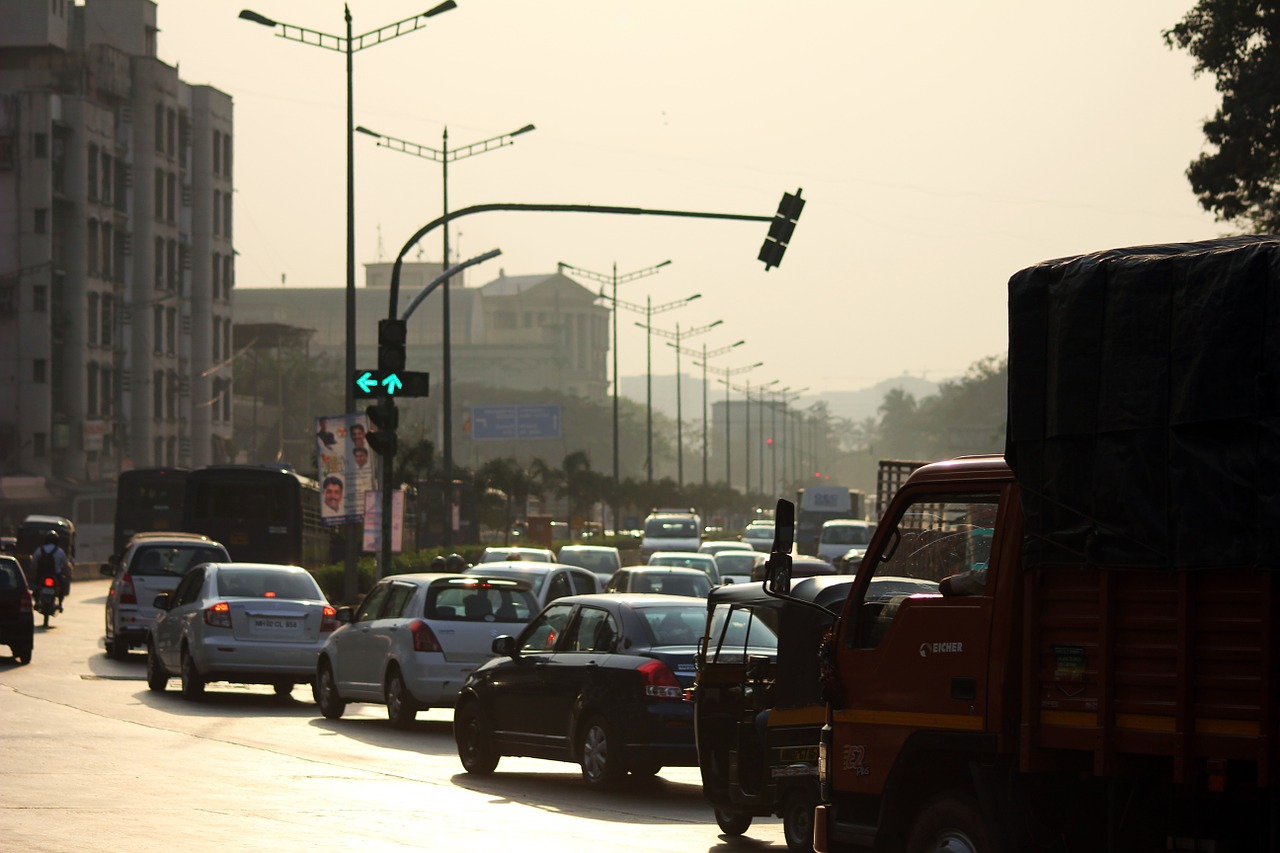
AI-powered traffic surveillance in cities like Chandigarh and Pimpri Chinchwad is transforming road safety. Using Automatic Number Plate Recognition and real-time analytics, these systems detect violations, issue e-challans instantly, and support emergency response. Integrated with city command centres, they improve enforcement consistency, build public trust, and provide data insights for safer, smarter urban mobility.
Share



Sector

Solution

Technology

State of Origin
Impact Metrics
3 lakh+
traffic violations flagged in a year in Chandigarh.
BUILD YOUR OWN

BUILD YOUR OWN
How can I implement this innovation effectively?
How is this innovation being adopted around the world?
Where else could this innovation make an impact?
Who has seen real results from using this innovation?
What insights do experts share about this innovation?
What policies support or influence this innovation?
How could this innovation evolve in the future?
Is this innovation accessible and inclusive for everyone?
How can I contribute to or participate in this innovation?
What resources can help me explore this innovation further?
From Vision to Reality: Practical Lessons in Deploying AI Traffic Surveillance in India
The integration of AI-powered traffic surveillance in Indian cities is rapidly shifting from pilot projects to mainstream urban governance. This transition is not merely a matter of technological procurement; it requires careful orchestration of infrastructure, policy, and public engagement. Indian cities such as Chandigarh and Pimpri Chinchwad have emerged as early leaders, demonstrating how AI can transform legacy CCTV systems into proactive enforcement and urban management tools. Their experiences offer actionable insights for scaling AI surveillance across India’s diverse urban landscape.
Leveraging Existing Infrastructure for Scalable Deployment
A key insight from Indian implementations is the strategic use of existing CCTV networks to minimize costs and accelerate rollout. Chandigarh’s deployment of Automatic Number Plate Recognition (ANPR) technology, layered atop its established surveillance grid, enabled authorities to detect over 300,000 traffic violations in a single year—without increasing staff. The city’s approach exemplifies how cloud-based analytics can convert passive video feeds into actionable intelligence, supporting real-time enforcement and centralized oversight even in resource-constrained environments.
Pimpri Chinchwad’s integration of AI surveillance with its city command center further illustrates the value of infrastructure reuse. By connecting AI-enabled cameras to the Integrated Command and Control Centre (ICCC), the city not only streamlined traffic enforcement but also enhanced emergency response coordination.
Navigating Regulatory and Ethical Complexities
As AI surveillance becomes more prevalent, compliance with India’s evolving regulatory landscape is paramount. The Ministry of Electronics and Information Technology (MeitY) has issued guidelines mandating responsible AI practices, including data privacy, algorithmic transparency, and consent-based data usage. The Digital Personal Data Protection Act further enforces strict standards for data security and citizen rights.
Cities must ensure that automated enforcement actions—such as e-challans—are transparent and provide avenues for public redressal. Experts caution that unchecked surveillance risks eroding public trust and civil liberties. “Robust data protection frameworks and regular audits are essential to balance innovation with privacy,” notes a policy brief. Regulatory sandboxes, as piloted under the Digital India initiative, offer a controlled environment to test AI systems while mitigating risks.
Interoperability and Multipurpose Use: The Smart Cities Advantage
Indian policy frameworks increasingly prioritize interoperability, enabling AI surveillance systems to serve multiple civic functions. The ICCCs established under the Smart Cities Mission facilitate seamless data sharing across departments—traffic, emergency services, and public safety. For example, Bengaluru’s AI-enabled camera network, initially deployed for traffic monitoring, was later adapted for women’s safety initiatives and crowd management during festivals.
This multipurpose approach not only maximizes return on investment but also enhances urban resilience. The Ministry of Housing and Urban Affairs (MoHUA) encourages cities to design surveillance systems that can be rapidly repurposed in response to emerging challenges, such as disaster management or public health crises.
Fostering Public Trust Through Consistent and Transparent Enforcement
Public acceptance is a critical determinant of AI surveillance success. Automated, unbiased enforcement—such as Chandigarh’s uniform issuance of e-challans—has been shown to reduce perceptions of corruption and selective targeting. Local media and citizen feedback highlight increased trust in traffic authorities and improved road discipline as direct outcomes of transparent AI enforcement.
To further build trust, cities like Hyderabad have launched public awareness campaigns explaining how AI surveillance operates and how citizens’ data is protected. Open data portals and grievance redressal mechanisms provide additional layers of transparency and accountability.
Expert Perspectives: Indian Institutions Lead the Way
Indian experts emphasize the need for context-specific solutions. Dr. R. S. Sharma, Director of the Centre for Artificial Intelligence and Robotics (CAIR), advocates for ongoing algorithmic audits and stakeholder consultations to ensure fairness and adaptability. The National Institute of Urban Affairs (NIUA) underscores the importance of designing AI systems for interoperability and resilience.
—
In sum, the Indian experience demonstrates that successful implementation of AI-powered traffic surveillance hinges on leveraging existing assets, aligning with robust regulatory frameworks, designing for interoperability, and fostering public trust. These insights provide a practical roadmap for cities seeking to harness AI for safer, smarter urban futures.
Learning from the World: How Global AI Traffic Surveillance Models Inform India’s Urban Future
As cities worldwide grapple with congestion, safety, and the complexities of urban mobility, AI-powered traffic surveillance has emerged as a transformative tool. Countries such as Singapore, the United States, and the United Kingdom have pioneered diverse approaches, blending technological innovation with distinct regulatory philosophies. For India, these global experiences offer a rich repository of lessons—both in harnessing AI’s potential and in navigating its ethical, legal, and infrastructural challenges. By examining these international models, India can chart a path that is both globally informed and locally responsive.
Singapore’s Integrated Smart Mobility: A Blueprint for Holistic Urban Management
Singapore stands out for its comprehensive integration of AI within a broader smart city ecosystem. The Land Transport Authority (LTA) employs AI-enabled cameras not just for traffic enforcement, but also for dynamic signal control, congestion forecasting, and real-time commuter information. This multi-layered system is embedded within the city’s Smart Nation initiative, which aims to create seamless, data-driven urban experiences. For example, Singapore’s AI-driven traffic signal optimization has reduced average commute times and improved emergency vehicle response rates. The city-state’s success lies in its unified governance structure and emphasis on interoperability—principles echoed in India’s Smart Cities Mission, which seeks to replicate such integration through its own network of Integrated Command and Control Centres (ICCCs).
U.S. and U.K.: Balancing Innovation with Privacy and Public Trust
In the United States, cities like Los Angeles and New York have adopted AI surveillance primarily for traffic law enforcement and safety. Los Angeles, for instance, uses AI to optimize traffic signals and detect violations, but public concerns over privacy and surveillance overreach have prompted robust policy debates and iterative regulatory responses. The U.S. model is characterized by a decentralized regulatory environment, where local governments often engage in public consultations and transparency initiatives to build trust.
The United Kingdom, meanwhile, integrates AI-powered Automatic Number Plate Recognition (ANPR) systems within a stringent legal framework shaped by the General Data Protection Regulation (GDPR). London’s congestion charging scheme, underpinned by AI surveillance, has not only reduced traffic but also set a benchmark for data protection and ethical oversight. These experiences underscore the importance of clear legal safeguards—an area where India’s recent Digital Personal Data Protection Act is beginning to provide similar protections.
India’s Adaptive Approach: Regulatory Innovation and Systemic Integration
India’s policy landscape is rapidly evolving to address the dual imperatives of innovation and ethical governance. The National Strategy for Artificial Intelligence (NITI Aayog) and the Digital India initiative emphasize transparency, fairness, and accountability, with regulatory sandboxes enabling real-world testing of AI systems under government supervision. Unlike many Western models that often deploy AI in functional silos, India’s Smart Cities Mission encourages systemic reuse of AI infrastructure. For example, ICCCs in cities like Pune and Surat integrate traffic management with public safety, disaster response, and civic services, maximizing public value and resource efficiency.
Expert Perspectives: Indian Voices on Global Lessons
Indian experts consistently advocate for a nuanced, context-driven adoption of global best practices. Dr. R. S. Sharma, Director of the Centre for Artificial Intelligence and Robotics (CAIR), notes that “India’s urban diversity and infrastructural disparities demand flexible, locally-adapted AI solutions, rather than wholesale import of Western models.” Prof. Anjali Gupta of IIT Delhi adds, “Learning from Singapore’s integrated approach and the U.K.’s data protection standards, India can craft a regulatory framework that is both innovative and citizen-centric.” The National Institute of Urban Affairs (NIUA) further recommends that India’s AI systems be designed for interoperability and multipurpose use, reflecting the country’s unique governance needs.
Comparative Insights: Toward a Globally-Informed, Locally-Responsive Model
A comparative analysis reveals that while global leaders have achieved remarkable successes, their models are shaped by specific legal, cultural, and infrastructural contexts. Singapore’s centralized governance enables rapid, holistic implementation; the U.S. and U.K. foreground privacy and public engagement; India, by necessity, is forging a hybrid path—prioritizing adaptability, multipurpose infrastructure, and inclusive governance. The integration of AI surveillance within India’s Smart Cities Mission, supported by regulatory sandboxes and ethical guidelines, reflects a pragmatic synthesis of global insights and local realities.
For policymakers and practitioners, the key takeaway is clear: India’s future in AI-powered traffic surveillance will be strongest when informed by international experience, but rooted in the country’s own policy priorities, urban challenges, and societal values. As India continues to refine its regulatory frameworks and technological deployments, ongoing engagement with global best practices will be essential to building safer, smarter, and more equitable cities.
AI Surveillance: Expanding Horizons in Urban Governance
AI-powered surveillance technologies in India have rapidly evolved from their initial role in traffic enforcement to become integral components of broader civic and governance frameworks. This expansion reflects the adaptability of AI infrastructure and its growing significance in addressing complex urban challenges. By leveraging interoperable platforms, Indian cities are deploying AI surveillance across domains such as public safety, crime prevention, disaster management, and urban planning—demonstrating the transformative potential of data-driven governance.
AI Surveillance for Women’s Safety: Urban Innovations
A landmark application of AI surveillance in India is its deployment for enhancing women’s safety in public spaces. Major metropolitan areas, including Bengaluru and Hyderabad, have installed AI-enabled cameras integrated with emergency response networks. These systems utilize advanced video analytics to detect distress signals, monitor suspicious behavior, and automatically alert law enforcement agencies for rapid intervention. For example, Hyderabad’s SHE Teams initiative employs AI-powered surveillance at metro stations and bus stops, resulting in quicker police responses and a measurable decline in reported harassment cases. These efforts align with the Smart Cities Mission’s emphasis on interoperability, as the same AI platforms initially designed for traffic monitoring are repurposed for public safety, maximizing infrastructure efficiency.
Real-Time Crime Prevention and Urban Security
AI surveillance is increasingly central to crime prevention strategies in Indian cities. Mumbai’s police department has piloted AI-based video analytics during large-scale public events, such as the Ganesh Chaturthi festival, to monitor crowds, detect abnormal activities, and identify persons of interest using facial recognition technology. These systems enable authorities to respond proactively to potential threats, reducing the risk of escalation. The integration of AI surveillance with city command and control centers, as seen in Pimpri Chinchwad, allows for coordinated emergency responses and real-time situational awareness.
Disaster Management: AI for Early Warning and Response
Collaborations between academic institutions and the private sector have driven the adoption of AI surveillance in disaster management. AI-powered cameras and sensors are deployed to monitor rivers, drainage systems, and forested areas, analyzing video feeds for early signs of floods, fires, or landslides. For instance, research teams at the Indian Institute of Science (IISc) in Bengaluru have developed AI models capable of detecting rising water levels and unusual smoke patterns, triggering automated alerts to disaster response agencies. The National Disaster Management Authority (NDMA) has cited these technologies as instrumental in reducing response times and minimizing casualties during recent monsoon floods in Maharashtra. These applications exemplify how AI surveillance extends beyond routine monitoring to support life-saving interventions.
Data-Driven Urban Planning and Infrastructure Redesign
The integration of AI-generated data into urban planning processes is reshaping how Indian cities address infrastructure and safety challenges. Chandigarh’s municipal authorities, for example, analyze traffic violation patterns captured by AI surveillance to identify accident-prone intersections and inform targeted redesigns, such as improved signage, pedestrian crossings, and traffic calming measures. Similarly, Pimpri Chinchwad’s smart city platform uses real-time analytics from AI cameras to coordinate emergency services and optimize traffic flow. These case studies illustrate the value of AI surveillance as a feedback mechanism, enabling evidence-based decision-making and more responsive governance.
Institutional Support and Policy Ecosystems
The proliferation of AI surveillance applications is underpinned by robust institutional and policy support. Initiatives like the National AI Portal and the IndiaAI mission serve as knowledge hubs, offering access to datasets, AI tools, and best practices for civic technology deployment. The Ministry of Electronics and Information Technology’s reports on AI pilots under the Smart Cities Mission provide authoritative documentation and evaluation frameworks, ensuring that deployments adhere to principles of transparency, accountability, and citizen-centricity. These policy instruments not only foster innovation but also address concerns related to privacy, data protection, and ethical AI use.
In summary, AI-powered surveillance in India is rapidly evolving into a versatile civic tool, supporting a spectrum of applications from women’s safety and crime prevention to disaster response and urban planning. By leveraging interoperable infrastructure, real-time analytics, and supportive policy frameworks, Indian cities are setting benchmarks for smart, resilient, and inclusive urban governance.
Stories of Change: How AI-Powered Traffic Surveillance is Reshaping Urban India
Artificial intelligence is rapidly transforming India’s urban landscapes, with AI-powered traffic surveillance emerging as a pivotal force for safer, more efficient, and equitable cities. The real impact of these technologies is best captured through the experiences of communities, city officials, and independent observers who witness firsthand the tangible improvements in road safety, emergency response, and public trust. This section delves into research-backed stories and expert analyses that illustrate the far-reaching effects of AI surveillance, grounded in Indian policy frameworks and lived realities.
Enhanced Road Discipline and Public Trust: Chandigarh’s Experience
Chandigarh stands as a leading example of how AI-enabled traffic cameras can revolutionize urban mobility. Since the deployment of automated systems capable of detecting violations such as red-light jumping and helmetless riding, the city has observed a significant decline in traffic infractions and accidents. According to local media, the impartiality of AI surveillance has reduced complaints of selective enforcement, fostering greater public confidence in traffic authorities. This aligns with findings from the Ministry of Road Transport and Highways, which emphasize that consistent, technology-driven enforcement is key to behavioral change and accident reduction. The Chandigarh Traffic Police have also reported that AI-generated data supports targeted awareness campaigns, further reinforcing safe driving habits.
Accelerated Emergency Response: Pimpri Chinchwad’s Integrated Approach
The industrial city of Pimpri Chinchwad has leveraged AI surveillance by integrating it with its Smart City Command and Control Centre. During a recent multi-vehicle collision, AI-powered cameras instantly flagged the incident, triggering automated alerts to emergency services. As a result, ambulances and police arrived within minutes, minimizing casualties and ensuring swift traffic clearance. City officials note that real-time analytics from AI systems have enabled the identification of accident-prone zones, informing infrastructure upgrades such as improved signage and road design.
Advancing Women’s Safety and Urban Inclusivity: Hyderabad’s Model
In Hyderabad, AI surveillance has been strategically linked with women’s safety initiatives, notably under the “She Teams” program supported by the Telangana Police. AI-enabled cameras at public transport hubs and busy intersections are programmed to detect suspicious behavior and potential harassment, allowing for rapid intervention by law enforcement. Interviews with women commuters reveal a marked increase in their sense of security, leading to higher female participation in urban mobility. However, CIS also cautions that these benefits must be balanced with robust privacy safeguards to prevent misuse.
Expert Perspectives: Balancing Innovation, Ethics, and Governance
Indian experts and institutions offer nuanced insights into the deployment of AI-powered traffic surveillance. Dr. R. S. Sharma, Director of the Centre for Artificial Intelligence and Robotics (CAIR), stresses the necessity of embedding fairness and transparency into AI systems to prevent algorithmic bias and ensure equitable enforcement. “Continuous algorithmic audits and stakeholder engagement are essential to maintain public trust,” he notes. Prof. Anjali Gupta of IIT Delhi highlights how AI-generated traffic data can inform evidence-based urban planning, reducing long-term risks through targeted infrastructure redesign. Policy analysts at the Observer Research Foundation (ORF) emphasize the importance of aligning AI deployments with India’s Digital Personal Data Protection Act, advocating for strong data protection frameworks that enable innovation without compromising citizen privacy. Collectively, these perspectives underscore the importance of ethical governance and citizen-centric safeguards as AI surveillance becomes more widespread.
Policy-Driven Impact and the Road Ahead
India’s policy landscape has played a crucial role in shaping the deployment and outcomes of AI-powered traffic surveillance. The Smart Cities Mission, Digital India initiative, and the Digital Personal Data Protection Act provide a robust framework for responsible innovation, emphasizing interoperability, transparency, and citizen rights. Recent draft regulations propose regulatory sandboxes for real-world testing, balancing rapid adoption with risk mitigation. Looking forward, experts anticipate that AI surveillance will expand beyond traffic enforcement to encompass broader urban management functions—such as environmental monitoring and public health—while evolving policy frameworks address emerging challenges like AI explainability and cross-border data flows.
—
These impact stories demonstrate that AI-powered traffic surveillance in India is not merely a technological upgrade but a catalyst for safer streets, empowered citizens, and more accountable governance. As cities continue to innovate, the integration of research, policy, and lived experience will be essential to realizing the full potential of AI for urban transformation.
Balancing Innovation and Ethics: Indian Experts on AI-Powered Traffic Surveillance
The deployment of AI-driven traffic surveillance in India is shaped by a dynamic interplay of technological promise, ethical imperatives, and policy frameworks. Indian experts and institutions are at the forefront of this discourse, offering nuanced perspectives on how AI can transform urban mobility while safeguarding public trust and individual rights. Their insights highlight the need for robust governance, transparency, and citizen-centric design, ensuring that the benefits of AI are equitably distributed across the nation’s diverse urban landscapes.
Embedding Fairness and Transparency: Technical and Ethical Imperatives
Dr. R. S. Sharma, Director of the Centre for Artificial Intelligence and Robotics (CAIR), underscores the critical importance of fairness and transparency in AI-powered surveillance systems. He warns that unchecked algorithmic decision-making can inadvertently perpetuate biases, leading to disproportionate targeting of certain communities or localities. To counter this, Dr. Sharma advocates for regular algorithmic audits and the inclusion of diverse stakeholders in system design and oversight. “Continuous scrutiny and open dialogue are essential to maintain public trust in AI surveillance,” he notes. This approach aligns with the Ministry of Electronics and Information Technology’s (MeitY) guidelines on responsible AI, which emphasize explainability, fairness, and accountability as foundational principles.
Data-Driven Urban Planning: Leveraging AI for Safer Infrastructure
Prof. Anjali Gupta of the Indian Institute of Technology Delhi highlights the transformative potential of AI analytics in urban planning and road safety. By systematically analyzing traffic violation patterns and accident hotspots, AI systems can generate actionable insights for city planners. For instance, the Delhi Traffic Police’s collaboration with IIT Delhi has led to the identification of high-risk intersections, prompting targeted infrastructure redesign and improved signage. “AI-generated data is not just about enforcement—it’s a tool for proactive risk mitigation and smarter city design,” Prof. Gupta explains. This evidence-based approach is increasingly reflected in municipal projects under the Smart Cities Mission, where AI-powered surveillance informs both enforcement and long-term urban development.
Interoperability and Multipurpose Value: Maximizing Public Benefit
The National Institute of Urban Affairs (NIUA) emphasizes that the true value of AI surveillance lies in its interoperability and adaptability across multiple domains. Rather than siloed deployments, NIUA recommends designing surveillance systems that can serve traffic management, public safety, and disaster response simultaneously. For example, in Pune’s Integrated Command and Control Centre, AI-enabled cameras monitor traffic flow, detect accidents, and support emergency response coordination—all through a unified platform. This multipurpose approach not only enhances cost-effectiveness but also strengthens urban resilience.
Safeguarding Privacy: Policy Alignment and Citizen Rights
Policy analysts at the Observer Research Foundation (ORF) caution that the rapid expansion of AI surveillance must not outpace the development of robust data protection frameworks. They stress the need for strict adherence to the Digital Personal Data Protection Act, which mandates consent-based data collection, secure storage, and clear accountability mechanisms. ORF’s recent policy brief warns that “without strong legal safeguards, public confidence in AI surveillance could erode, undermining both innovation and governance.” The Act’s provisions are already influencing municipal procurement standards and vendor contracts, ensuring that privacy is embedded by design in new surveillance projects.
Towards a Balanced, Citizen-Centric Approach
Collectively, Indian experts advocate for a balanced strategy that leverages AI’s analytical power while embedding ethical governance and robust citizen safeguards. This perspective is evident in the collaborative models emerging in cities like Bengaluru, where public consultations are integrated into the rollout of AI surveillance infrastructure. Institutions such as CAIR and NIUA provide ongoing policy guidance, while academic partnerships ensure that system design remains responsive to local contexts and evolving societal needs. As Dr. Sharma summarizes, “The future of AI in traffic surveillance depends not just on technological sophistication, but on our commitment to transparency, inclusivity, and public accountability.”
In sum, the expert consensus in India is clear: AI-powered traffic surveillance must be governed by principles of fairness, transparency, and public value, ensuring that technological progress translates into safer, more equitable cities for all.
Building the Policy Framework for AI-Driven Traffic Surveillance in India
India’s approach to AI-powered traffic surveillance is underpinned by a robust policy architecture that seeks to balance technological innovation with ethical governance and data protection. As urban centers grapple with congestion, safety, and enforcement challenges, the government has enacted a series of initiatives and regulatory measures to guide the responsible deployment of AI in traffic management. These policies not only enable the integration of cutting-edge technologies but also prioritize transparency, accountability, and citizen rights, setting a precedent for digital governance in the world’s largest democracy.
Integrated Command and Control: The Smart Cities Mission
The Smart Cities Mission, launched in 2015, forms the bedrock of India’s urban digital transformation. Central to this initiative is the establishment of Integrated Command and Control Centres (ICCCs), which function as nerve centers for citywide surveillance, traffic management, and emergency response. These ICCCs leverage AI-powered analytics to monitor traffic flows, detect violations, and optimize urban mobility in real time. For instance, Pune’s ICCC has successfully deployed AI-based video analytics to identify traffic bottlenecks and automate violation detection, leading to measurable improvements in traffic discipline. The Mission’s emphasis on interoperability ensures that surveillance infrastructure can serve multiple civic functions, from law enforcement to disaster management, maximizing public value.
Regulatory Guardrails: Data Protection and Responsible AI
Recognizing the sensitive nature of surveillance data, the Ministry of Electronics and Information Technology (MeitY) has instituted comprehensive guidelines to govern AI deployment. The Digital Personal Data Protection Act, 2023, mandates strict protocols for data collection, storage, and processing, including requirements for informed consent, data minimization, and encryption. These provisions are reinforced by MeitY’s “Responsible AI for All” framework, which outlines principles of fairness, transparency, and accountability in AI system design and operation. In Bengaluru, the city’s traffic police have adopted encrypted data transmission and anonymization techniques in their AI surveillance systems, setting a benchmark for privacy-centric implementation. These regulatory measures aim to mitigate risks such as unauthorized surveillance, data breaches, and algorithmic bias, fostering public trust in AI-powered governance.
Enabling Innovation: Regulatory Sandboxes and Open Data
To catalyze innovation while managing systemic risks, Indian policymakers have embraced the concept of regulatory sandboxes. Recent draft regulations propose supervised environments where startups and public agencies can pilot AI-based traffic solutions under real-world conditions, subject to government oversight. This approach has already yielded results in cities like Hyderabad, where AI-driven red-light violation detection systems were tested in collaboration with local authorities before full-scale deployment. The National AI Strategy, aligned with the Digital India initiative, further encourages the use of open-source technologies and accessible datasets to democratize AI development.
Addressing Bias and Ensuring Equity
A critical policy focus is the prevention of AI bias and the promotion of equitable outcomes. The government’s draft AI regulations explicitly address concerns related to algorithmic discrimination, requiring regular audits and impact assessments of deployed systems. For example, in Mumbai, authorities have partnered with academic institutions to review AI traffic enforcement data for potential disparities in violation detection across different neighborhoods. These efforts are complemented by public consultations and stakeholder engagement, ensuring that policy development remains transparent and participatory.
Expert Perspectives: Indian Thought Leadership
Indian experts and institutions play a pivotal role in shaping the policy discourse around AI surveillance. Professor Reetika Khera of IIT Delhi emphasizes, “Ethical AI deployment in public services must be grounded in local context, with strong safeguards for privacy and accountability.” The National Association of Software and Service Companies (NASSCOM) has also advocated for clear regulatory standards and capacity-building initiatives to support the responsible scaling of AI in urban governance.
In summary, India’s policy ecosystem for AI-powered traffic surveillance is characterized by a dynamic interplay of innovation, regulation, and public engagement. By anchoring technological progress in ethical and legal frameworks, the country is charting a path toward smarter, safer, and more inclusive urban environments.
Charting the Next Decade: AI-Driven Traffic Surveillance in India’s Urban Future
India stands at a pivotal juncture in the evolution of AI-powered traffic surveillance, with the coming years set to redefine the contours of urban mobility, public safety, and governance. As cities grapple with congestion, pollution, and rising road fatalities, the integration of advanced AI technologies promises not only smarter traffic management but also a holistic transformation of urban ecosystems. The convergence of policy innovation, technological advances, and citizen engagement will be critical in shaping a resilient, inclusive, and efficient urban future.
Integrating AI with Urban Sensing Networks
The future of traffic surveillance extends far beyond monitoring violations. Indian cities are increasingly exploring the integration of AI-driven traffic systems with broader urban sensing networks. For instance, the Delhi government’s Public Works Department has piloted smart cameras that monitor not just traffic flow but also air quality and noise levels, feeding real-time data into centralized urban dashboards. This multi-modal approach enables authorities to respond dynamically to environmental hazards and public health threats, as seen during severe pollution episodes in Delhi and Gurugram.
Advanced Predictive Analytics for Proactive Management
AI’s predictive capabilities are set to revolutionize traffic management by enabling authorities to anticipate and mitigate risks before they escalate. Research from the Indian Institute of Technology (IIT) Bombay demonstrates how machine learning models can forecast congestion hotspots and accident probabilities based on historical traffic, weather, and event data. In Hyderabad, the Traffic Police have partnered with tech firms to deploy AI tools that analyze CCTV feeds and predict peak congestion periods, allowing for dynamic signal adjustments and targeted law enforcement. These analytics-driven interventions are supported by policy frameworks such as the National Intelligent Transport Systems Policy, which advocates for the adoption of real-time data analytics to enhance urban mobility and safety.
Edge Computing: Enhancing Privacy and System Resilience
A significant shift is underway toward deploying edge computing in traffic surveillance, where AI processing occurs locally on devices such as cameras and sensors. This approach reduces data transmission latency and enhances privacy by limiting the flow of sensitive footage to central servers. Bengaluru’s pilot program for edge-based traffic monitoring has demonstrated improved response times during emergencies and greater system resilience during network outages.
Citizen-Centric Innovations and Participatory Governance
The next wave of AI-powered surveillance will prioritize citizen engagement and empowerment. Mumbai’s Brihanmumbai Municipal Corporation (BMC) has launched mobile apps that provide real-time traffic alerts, route optimization, and crowd-sourced reporting of road hazards, directly involving commuters in urban management. Participatory platforms, such as the Pune Smart City portal, invite residents to co-design AI-driven solutions and offer feedback on enforcement practices. These initiatives align with the Digital India and National Digital Inclusion policies, which stress the importance of inclusive, user-focused digital services. As Dr. Reetika Khera, a noted Indian economist, observes, “Citizen participation in digital governance not only builds trust but ensures that technology serves diverse urban realities.”
Evolving Policy and Ethical Frameworks
As AI-powered surveillance becomes more pervasive, Indian policymakers are grappling with complex questions around transparency, accountability, and ethics. The NITI Aayog’s National Strategy for Artificial Intelligence underscores the need for explainable AI, privacy safeguards, and mechanisms to prevent algorithmic bias, particularly in law enforcement contexts. Indian legal scholars, such as Professor Usha Ramanathan, caution that “AI systems must be subject to democratic oversight to prevent misuse and protect civil liberties.” Ongoing consultations between the Ministry of Road Transport and Highways and civil society organizations are shaping draft guidelines for ethical AI deployment in public spaces.
Expert Perspectives: Indian Voices on the Road Ahead
Indian experts emphasize the need for context-sensitive, locally adapted AI solutions. Dr. Anupam Joshi, Director at the Centre for Development of Advanced Computing (C-DAC), notes, “India’s diversity demands AI systems that are robust across languages, climates, and urban forms.” Their research calls for participatory policy-making, transparent algorithms, and community-led oversight to ensure that AI-powered surveillance enhances, rather than undermines, social equity.
In summary, the future of AI-driven traffic surveillance in India is poised for transformative growth, marked by technological sophistication, integrated urban intelligence, and evolving policy frameworks. By centering citizen participation, ethical safeguards, and context-aware innovation, India can harness AI to build safer, smarter, and more inclusive cities for the decades ahead.
Bridging the Digital Divide: Making AI Traffic Surveillance Accessible for All
As India rapidly adopts AI-powered traffic surveillance systems, ensuring these technologies are accessible and equitable is essential for their success and legitimacy. With the nation’s vast socioeconomic diversity, thoughtful design and deployment are needed to prevent the amplification of existing inequalities. Accessibility considerations must be embedded at every stage—from infrastructure planning to policy implementation—to ensure that the benefits of AI-driven surveillance reach all communities, including those historically marginalized or underserved.
Addressing Rural and Semi-Urban Infrastructure Gaps
India’s rural and semi-urban regions often lag behind urban centers in digital infrastructure, presenting unique challenges for AI deployment. According to the Telecom Regulatory Authority of India (TRAI), rural internet penetration remains significantly lower than in cities, limiting the reach of cloud-based or high-bandwidth AI solutions. To address this, policymakers and technologists are exploring low-bandwidth AI models and edge computing, which allow data to be processed locally rather than relying on constant internet connectivity. For example, the Ministry of Electronics and Information Technology (MeitY) has piloted decentralized surveillance systems in smaller towns, leveraging solar-powered cameras and offline AI modules to monitor traffic and road safety. Such innovations align with the Digital India initiative’s goal of universal digital access, ensuring that rural populations are not left behind as cities modernize.
Promoting Gender-Inclusive Urban Mobility
Women in India face distinct safety challenges in public spaces, with urban mobility often constrained by concerns about harassment and violence. Integrating AI surveillance with women’s safety initiatives has shown promise in addressing these issues. The Delhi government’s “Safe City” project, for instance, incorporates AI-enabled CCTV networks with emergency alert systems and real-time monitoring to respond swiftly to incidents affecting women commuters. Research by the Indian Institute of Technology (IIT) Delhi highlights that AI-based detection of suspicious behavior and automated distress alerts can significantly reduce response times and deter offenders. However, experts caution that system design must involve women’s voices to ensure that surveillance does not inadvertently restrict freedom of movement or privacy.
Safeguarding Marginalized and Vulnerable Groups
AI surveillance systems risk perpetuating or exacerbating existing social inequities if not carefully designed. Marginalized groups—including economically disadvantaged individuals, street vendors, and persons with disabilities—may be disproportionately impacted by automated enforcement or biased data collection. To counter this, policy frameworks such as the National Digital Inclusion Roadmap emphasize the need for transparent algorithms, regular audits, and grievance redressal mechanisms. Additionally, the Rights of Persons with Disabilities Act, 2016, mandates that public infrastructure—including surveillance systems—be accessible and non-discriminatory, setting a legal precedent for inclusive AI deployment.
Policy Frameworks and Institutional Support
India’s commitment to digital inclusion is reflected in several national policies and institutional initiatives. The National Digital Communications Policy (NDCP) and the National AI Strategy (“AI for All”) explicitly call for bridging digital divides and ensuring equitable access to emerging technologies. Funding programs like the Atal Innovation Mission and the IndiaAI initiative provide resources for startups developing accessible civic technologies. Furthermore, the NITI Aayog’s guidelines on “Responsible AI for All” stress the importance of participatory design, data privacy, and impact assessments to safeguard vulnerable populations. These frameworks not only guide technical implementation but also foster a culture of accountability and inclusivity in AI governance.
Expert Perspectives: The Indian Context
Indian experts emphasize that accessibility in AI-powered surveillance is not merely a technical challenge but a societal imperative. Sunil Abraham, co-founder of CIS, argues that “without deliberate safeguards, AI risks reinforcing the very inequalities it seeks to address.” He advocates for mandatory impact assessments and community consultations before large-scale rollouts. Similarly, Dr. Reetika Khera, an economist at IIT Delhi, highlights the need for transparency in data collection and algorithmic decision-making, especially when surveillance intersects with law enforcement. Their insights underscore the necessity of multi-stakeholder collaboration—bringing together technologists, policymakers, civil society, and affected communities—to ensure that AI surveillance serves the public good without compromising rights or deepening divides.
By foregrounding accessibility considerations in AI-powered traffic surveillance, India can advance not only technological innovation but also social justice, public trust, and inclusive urban development.
Unlocking Civic Engagement in AI-Driven Traffic Surveillance
India’s rapid urbanization and digital transformation have opened new pathways for citizens, institutions, and communities to actively shape the future of AI-powered traffic surveillance. Participation is no longer limited to passive observation; instead, it encompasses a spectrum of opportunities that foster collaborative governance, technological innovation, and social accountability. By leveraging digital platforms, educational initiatives, and policy frameworks, stakeholders across society are empowered to influence the design, deployment, and oversight of AI systems in urban mobility.
Digital Feedback Mechanisms: Bridging Citizens and Policymakers
Digital platforms have become instrumental in democratizing urban governance. Many Indian smart cities—including Pune, Bengaluru, and Surat—have launched integrated portals and mobile applications that allow residents to report traffic violations, suggest improvements, and provide feedback on AI-based enforcement. For example, the “Public Eye” app in Bengaluru enables citizens to upload evidence of traffic violations, directly contributing to enforcement and policy refinement. These participatory tools not only enhance transparency but also ensure that AI systems are responsive to local needs and concerns.
The Smart Cities Mission, under the Ministry of Housing and Urban Affairs, has institutionalized such feedback loops, mandating citizen engagement in urban planning and technology deployment. This approach aligns with the Digital India initiative’s emphasis on participatory governance, reinforcing the role of citizens as co-creators in smart city ecosystems.
Academic and Research Collaborations: Building Capacity and Shaping Policy
Universities and research institutions play a pivotal role in advancing AI-driven traffic solutions while nurturing the next generation of urban innovators. Premier institutes such as the Indian Institutes of Technology (IITs) and the Indian Statistical Institute (ISI) offer specialized programs in AI, data science, and urban informatics. These academic initiatives often involve collaborations with municipal authorities and industry partners to pilot AI surveillance projects, evaluate system efficacy, and address ethical considerations.
For instance, IIT Delhi’s Transportation Research and Injury Prevention Programme (TRIPP) has partnered with the Delhi Traffic Police to analyze traffic patterns and recommend AI-based interventions for accident reduction. Such partnerships not only generate actionable insights but also provide students and researchers with hands-on experience in real-world urban challenges, directly influencing policy and system design.
Innovation Ecosystems: Catalyzing Homegrown Solutions
India’s vibrant startup landscape and government-backed innovation programs have accelerated the development of AI solutions tailored to local traffic management needs. Initiatives like the Atal Innovation Mission (AIM) and the National AI Portal offer funding, mentorship, and incubation support to startups and developers working on civic technology. The IndiaAI initiative, launched by the Ministry of Electronics and Information Technology, has further institutionalized support for AI research and entrepreneurship.
Hackathons and innovation challenges, such as the Smart India Hackathon, regularly invite participants to devise AI-powered tools for traffic optimization, road safety, and public transport integration. A notable example is the “AI for Road Safety” challenge, which incentivized startups to develop machine learning models for accident prediction and real-time traffic monitoring. These platforms not only drive technological advancement but also foster a culture of problem-solving rooted in local realities.
Community Monitoring and Advocacy: Ensuring Accountability and Rights
Civil society organizations and grassroots groups have emerged as critical actors in monitoring AI system performance and advocating for transparency, fairness, and digital rights. NGOs like the Internet Freedom Foundation (IFF) and the Centre for Internet and Society (CIS) have engaged with municipal authorities to promote ethical AI deployment and safeguard citizen privacy in surveillance initiatives.
Community-led audits and public consultations, often facilitated by local resident welfare associations, help identify biases or unintended consequences in AI enforcement. For example, in Hyderabad, citizen groups collaborated with the Greater Hyderabad Municipal Corporation to review the impact of AI-based traffic cameras on marginalized communities, leading to policy adjustments that enhanced equity and accountability.
Expert Perspectives: Indian Thought Leadership on Participatory AI Governance
Indian experts consistently emphasize the necessity of inclusive participation in AI-powered urban systems. Dr. V. Kamakoti, Director of IIT Madras and a member of the National AI Task Force, notes, “For AI to truly serve the public interest in traffic management, it must be shaped by diverse voices—citizens, technologists, and policymakers alike. Participatory models are essential for building trust and ensuring that technology addresses real-world challenges.”
The NITI Aayog’s “National Strategy for Artificial Intelligence” underscores this ethos, advocating for stakeholder engagement and public consultation as foundational principles in AI governance. These expert perspectives reinforce the importance of collaborative frameworks that balance innovation with ethical safeguards.
—
By embracing a multi-stakeholder approach—grounded in digital participation, academic collaboration, innovation, community oversight, and expert guidance—India is charting a path toward more inclusive, accountable, and effective AI-powered traffic surveillance. This participatory paradigm not only strengthens urban safety and efficiency but also aligns with the nation’s broader commitment to democratic governance and technological self-reliance.
AI in Indian traffic management: Transforming urban mobility – https://indiaai.gov.in/article/ai-in-indian-traffic-management-transforming-urban-mobility-challenges
AI and traffic control in India: Revolutionizing road management – https://indiaai.gov.in/article/ai-and-traffic-control-in-india-revolutionizing-road-management
Intelligent Transportation Systems AI and IoT for traffic management – https://papers.ssrn.com/sol3/papers.cfm?abstract_id=5250812
Smart City Traffic Management and Surveillance System – https://www.worldscientific.com/doi/10.1142/9789814704830_0045
If you would like to know more about this innovation, fill this form to contact the innovator.
Handpicked stories tailored just for you
Explore stories that inspire, inform, and ignite new ideas across tech, innovation, and real-world impact