December Tech Lens

With Data Analytics, IoT, & AI, Gorakhpur Builds Predictive, Real-Time Monsoon Resilience

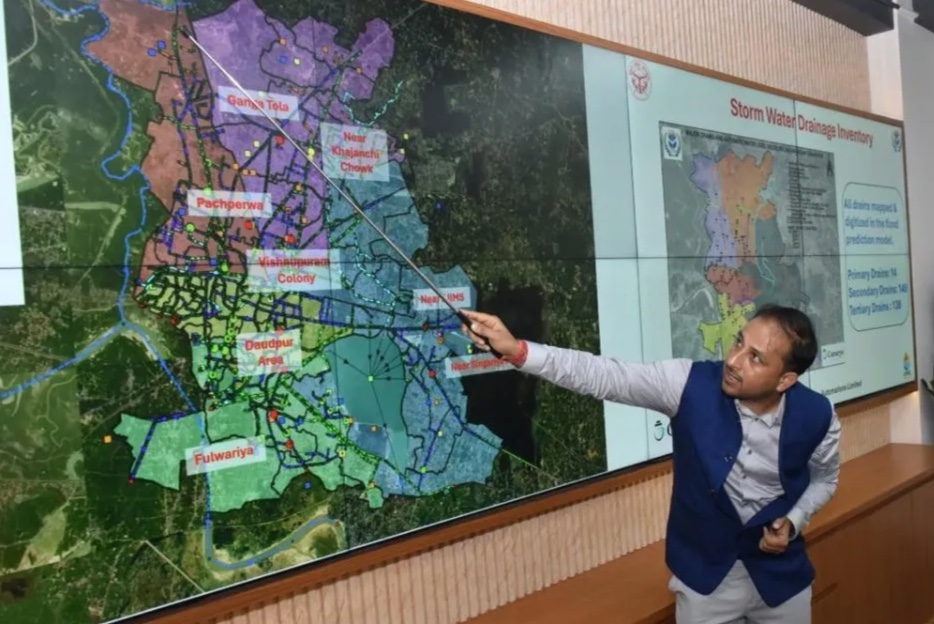
Gorakhpur’s Urban Flood Management System uses AI-based forecasting, IoT sensors, and automated pumps to shift the city from reactive flood relief to proactive preparedness. With reliable early warnings, faster field deployment, and stronger citizen participation, the system has cut response times dramatically and improved overall efficiency by 65%, creating a more resilient and safer urban environment.
Portable AI Device is Transforming Global Vision Care

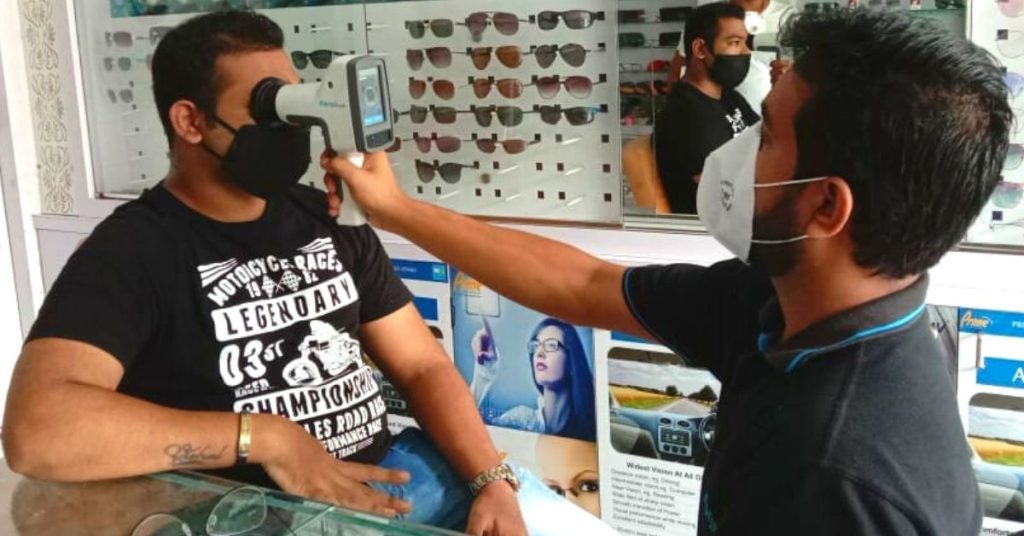
Forus Health’s 3Nethra is a low-cost, AI-powered eye screening device developed to detect conditions that can cause preventable blindness. Designed for use in remote and underserved areas, it has screened over 3 million patients across 35 countries, enabling early diagnosis of retinal disorders and bridging a critical gap in primary eye care infrastructure.

Smart Flowmeter Technology Revolutionizes

Smart Flowmeter Technology Revolutionizes Groundwater Management in India

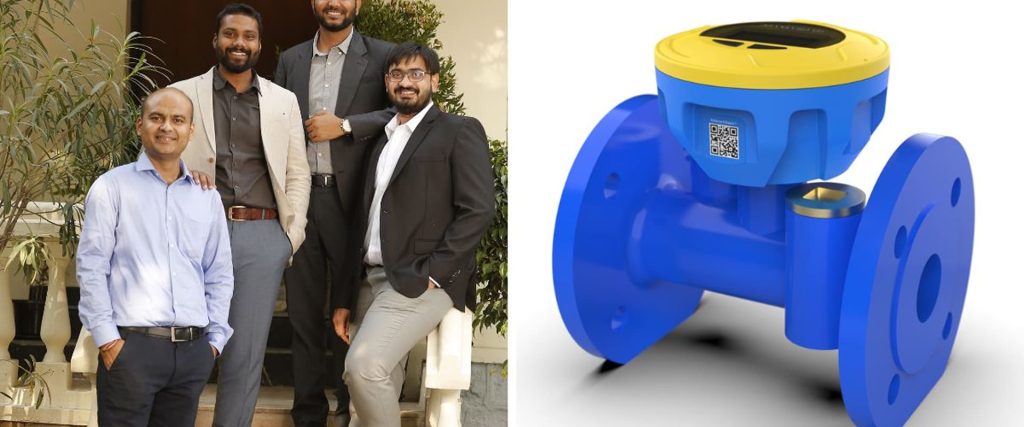
IIT Kanpur-based Kritsnam Technologies has developed the Dhaara Smart Flowmeter, a real-time water monitoring device helping India tackle its groundwater crisis. Backed by Rs 3.29 crore in government support, the innovation equips users with actionable data—transforming how industries, farmers, and policymakers manage one of India’s most precious resources.

IoT-Driven Water Management

IoT-Driven Water Management: A Sustainable Solution for Rural India

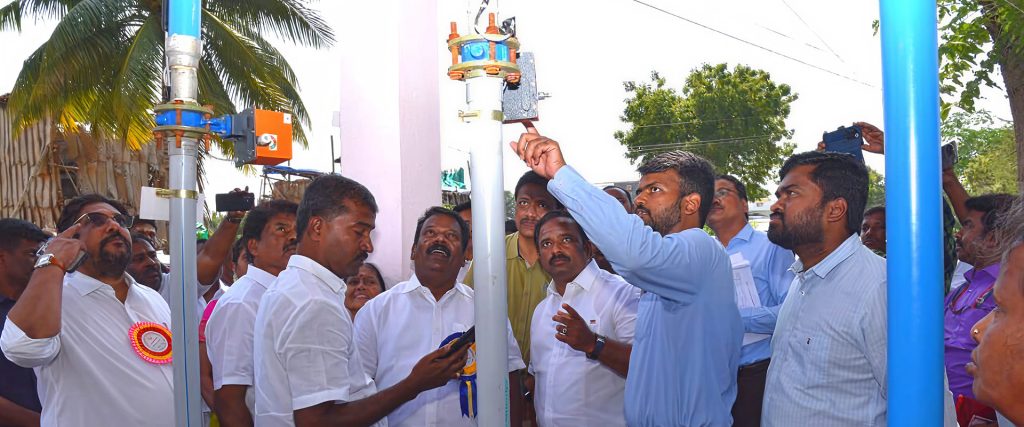
In Tamil Nadu’s Erode district, IAS officer Raja Gopal Sunkara piloted the use of IoT technology to fix chronic inefficiencies in rural water supply. The system has cut electricity costs and improved water availability—transforming how villages manage basic resources and showing how smart tech can support rural sustainability.

AI-driven cough analysis

Detecting Cough Patterns With AI: A Lifeline for Rural Lung Health

Salcit Technologies, a Hyderabad-based startup, has developed Swaasa, an AI-powered software that analyzes cough sounds to detect lung diseases with 90% accuracy. This innovation is particularly significant for rural India, where access to advanced healthcare facilities is limited. By enabling early detection of respiratory conditions, Swaasa could enhance self-reliance in healthcare technology.