Portable AI Device is Transforming Global Vision Care
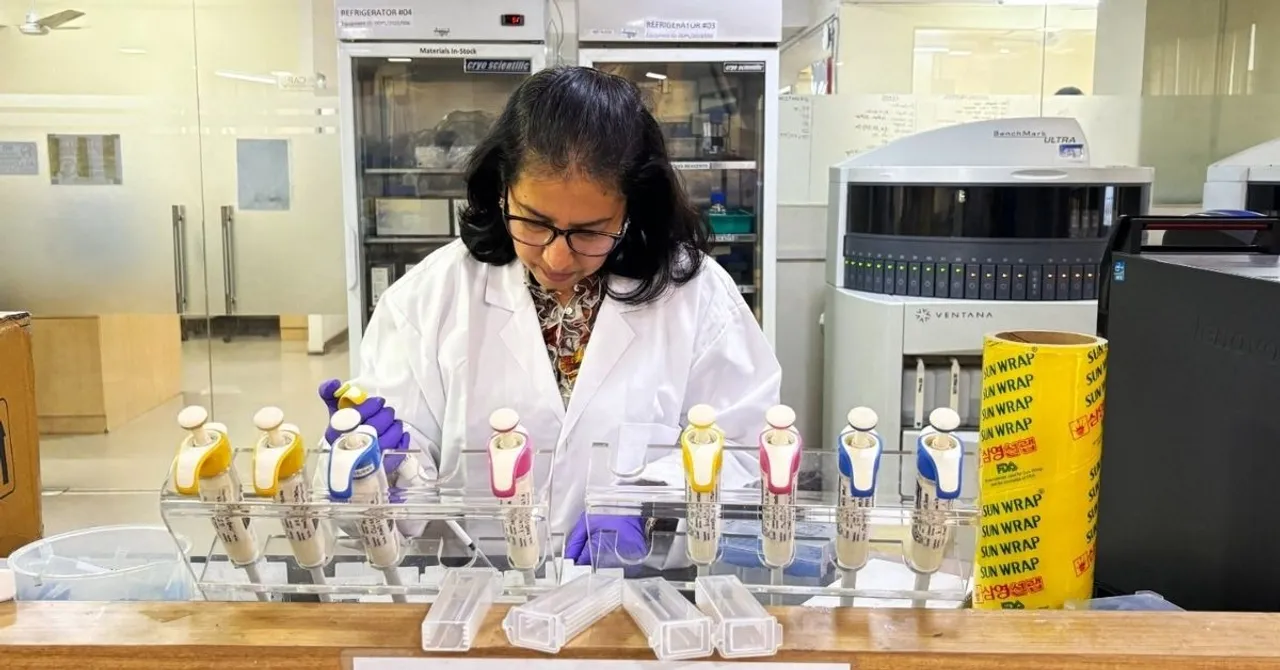
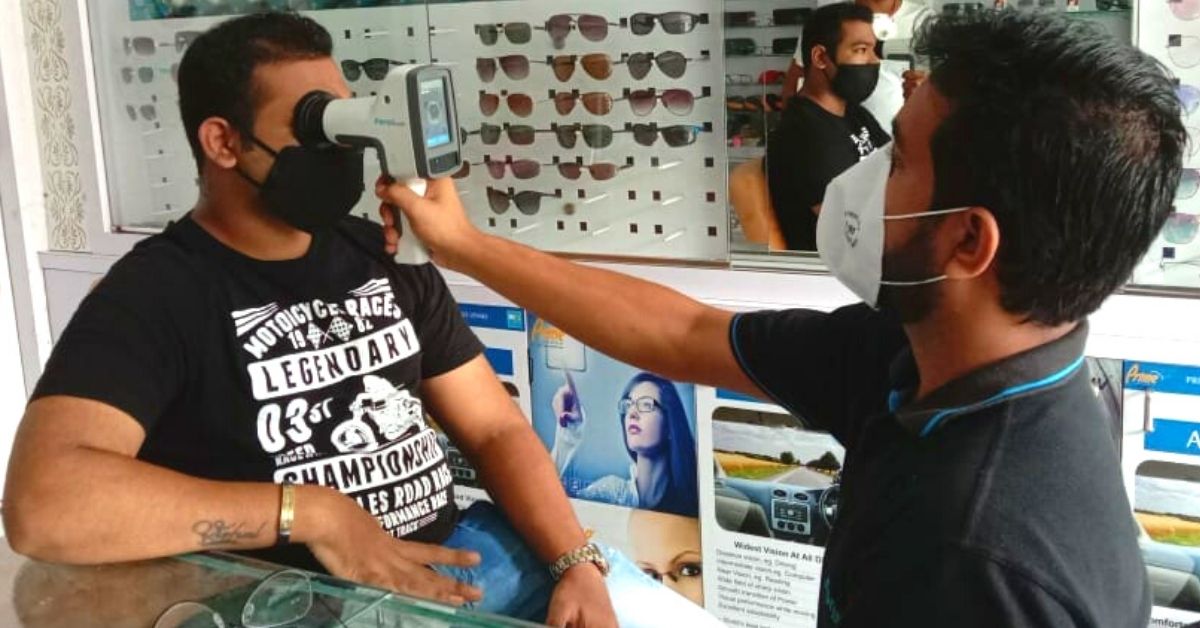
Forus Health’s 3Nethra is a portable, AI-enabled eye-screening device tackling avoidable blindness in underserved areas. It screens for multiple disorders like diabetic retinopathy, cataracts, and glaucoma, enabling early detection by minimally trained workers. Adopted in 75+ countries, it has screened 3M+ people, cut unnecessary referrals by 70%, and improved rural eye care access.
Share



Sector

Solution

Technology

State of Origin
Disclaimer:
- Features ‘as is’ submissions and neither constitutes endorsement, certification, recommendation, or validation by NITI Aayog nor makes NITI Aayog liable in any manner.
- Features ‘as is’ submissions and neither constitutes endorsement, certification, recommendation, or validation by NITI Aayog nor makes NITI Aayog liable in any manner.
- Features ‘as is’ submissions and neither constitutes endorsement, certification, recommendation, or validation by NITI Aayog nor makes NITI Aayog liable in any manner.
- Features ‘as is’ submissions and neither constitutes endorsement, certification, recommendation, or validation by NITI Aayog nor makes NITI Aayog liable in any manner.
Impact Metrics
3 million+ patients
screened globally, across 75+ countries.
50% increase
in early diabetic retinopathy detection.
70% reduction
in unnecessary referrals in Karnataka.
Neonatal eye screening
to prevent Retinopathy of Prematurity (ROP).
Resources to Replicate This Idea
BUILD YOUR OWN INTERVENTION
Additional Research
How can I implement this innovation effectively?
How is this innovation being adopted around the world?
Where else could this innovation make an impact?
Who has seen real results from using this innovation?
What insights do experts share about this innovation?
What policies support or influence this innovation?
How could this innovation evolve in the future?
Is this innovation accessible and inclusive for everyone?
How can I contribute to or participate in this innovation?
What resources can help me explore this innovation further?
Bridging Vision and Innovation: Lessons from Implementing AI Ophthalmic Diagnostics in India
The deployment of AI-powered ophthalmic devices such as Forus Health’s 3Nethra in India offers a compelling blueprint for harnessing technology to address public health challenges in resource-limited environments. The journey from innovation to impact is shaped by a nuanced interplay of design, policy, and ground realities. This section unpacks the critical insights gleaned from India’s experience, highlighting how context-driven engineering, multi-sectoral collaboration, and regulatory foresight have enabled scalable, equitable eye care solutions.
Contextual Design: Engineering for India’s Realities
Success in deploying AI-based diagnostic tools in India hinges on tailoring technology to local constraints. Forus Health’s 3Nethra, for instance, was engineered with affordability, portability, and minimal training requirements at its core. Its compact form factor and ability to function without continuous electricity or internet connectivity directly address the infrastructural gaps prevalent in rural India. According to a 2021 field study in Karnataka, the device enabled a 50% increase in early diabetic retinopathy detection and a 70% reduction in unnecessary referrals, underscoring the importance of user-centric design. By empowering community health workers and technicians to conduct primary screenings, the device decentralizes care, optimizes scarce specialist resources, and reduces per-patient costs—a model now emulated in other domains of Indian healthcare.
Integration with Health Systems: From Camps to Continuum of Care
The effectiveness of AI diagnostics is amplified when seamlessly integrated into existing healthcare workflows. In India, 3Nethra’s adoption spans state health departments, private hospitals, and NGOs. Notably, public hospitals in Karnataka and Tamil Nadu have incorporated the device into neonatal screening programs to combat Retinopathy of Prematurity (ROP), a leading cause of childhood blindness. These initiatives demonstrate the device’s versatility across age groups and clinical indications. Cloud-based image management and tele-ophthalmology platforms further enable remote expert review, bridging geographic divides and supporting a continuum of care. This integration is vital for scalability and sustainability, as evidenced by the device’s deployment in over 75 countries, including the US, where it has halved screening times.
Policy and Regulatory Pathways: Navigating India’s AI Ecosystem
While technological innovation is crucial, enabling policy frameworks are equally essential for widespread adoption. India’s AI infrastructure faces hurdles such as complex regulatory approvals, taxation challenges, and fragmented cybersecurity norms. The India-U.S. TRUST Initiative advocates for single-window clearances and streamlined financing mechanisms to accelerate AI hardware deployment. The flagship IndiaAI Mission, with a budget exceeding Rs 10,000 crore, aims to build indigenous AI capacity, promote responsible innovation, and expand digital literacy. However, the absence of a formal AI regulatory framework means that mission-driven flexibility coexists with gaps in standardization and accountability. Experts from the Centre for Responsible AI (CeRAI) emphasize the need for transparent algorithms, robust data privacy, and bias mitigation to ensure ethical deployment.
Multi-Sectoral Collaboration: Leveraging Public, Private, and Civil Society Synergies
The Indian experience demonstrates that multi-sectoral partnerships are pivotal to successful implementation. NGOs such as the Sankara Eye Foundation have integrated 3Nethra into rural outreach, screening thousands annually and reducing tertiary care burdens. State governments have institutionalized AI diagnostics in public health programs, while private hospitals leverage them for routine screenings. Academia-industry collaborations, exemplified by partnerships between Forus Health and leading institutions like BITS Pilani, drive continuous innovation and clinical validation. This ecosystem approach ensures that technology is not only accessible but also contextually relevant and sustainable.
Expert Perspectives: Indian Voices on Implementation
Indian thought leaders consistently stress the importance of context and capacity building. Dr. Shyam Vasudeva Rao, co-developer of 3Nethra, notes, “Technology must be designed for the context—affordable, portable, and easy to use—to truly impact public health.” The Indian Institute of Public Health (IIPH) highlights the necessity of task-shifting: “Human resource constraints necessitate innovative models that leverage technology without compromising quality.” The All India Ophthalmological Society (AIOS) underscores that AI should augment, not replace, clinical judgment, advocating for collaborative frameworks where AI flags cases for specialist review. These perspectives converge on the need for robust training, ethical safeguards, and multi-stakeholder engagement to maximize AI’s public health impact.
—
The Indian journey with AI-based ophthalmic diagnostics like 3Nethra illustrates that successful implementation is not merely a function of technological prowess, but of thoughtful adaptation to local realities, strategic policy support, and collaborative action. As India continues to refine its approach, these insights offer a roadmap for scaling similar innovations across other public health domains.
Learning from the World: How Global Models Shape India’s AI Ophthalmology Journey
The rapid adoption of AI-powered ophthalmic diagnostics worldwide offers a wealth of insights for India as it seeks to address its own eye care challenges. From the regulatory rigor of the United States to China’s state-driven scale-up and Africa’s community-centric innovations, diverse international approaches highlight both opportunities and cautionary lessons. As India’s 3Nethra device and similar technologies expand their reach, understanding these global perspectives is essential for crafting effective, context-sensitive policies that ensure quality, equity, and sustainability.
Regulatory Pathways: The U.S. Model of Oversight and Incentives
The United States has set a global benchmark for the clinical validation and regulatory approval of AI diagnostics. The FDA’s clearance of autonomous devices like IDx-DR for diabetic retinopathy screening has enabled primary care providers to conduct eye exams without specialist intervention, significantly reducing bottlenecks in access. Integration into clinical workflows is supported by reimbursement frameworks, such as the Centers for Medicare & Medicaid Services (CMS) coverage, which incentivizes adoption. Notably, Indian-developed devices like 3Nethra have also been deployed in U.S. settings, benefiting from this robust regulatory environment and demonstrating up to 50% reductions in screening times. The U.S. experience underscores the importance of stringent validation, clear regulatory pathways, and financial incentives for mainstreaming AI diagnostics.
State-Driven Scale and Data Challenges: China’s Top-Down Approach
China’s rapid AI healthcare expansion is characterized by strong government leadership, massive funding, and integration with national digital health infrastructure. In ophthalmology, large-scale AI screening programs—such as those for diabetic retinopathy and cataracts—are driven by public hospitals and supported by the National Health Commission. The top-down approach enables swift deployment, especially in urban and peri-urban areas, and is underpinned by centralized data collection. However, this model has raised concerns about data privacy, algorithmic transparency, and the potential for bias due to limited external oversight. For India, China’s experience highlights the power of coordinated public investment and digital infrastructure, while also serving as a cautionary tale on the need for robust data governance and public trust.
Community-Centric Innovation: Lessons from Africa’s Task-Shifting Models
Several African nations, notably Kenya and Nigeria, have pioneered the use of portable, AI-enabled eye screening devices in rural clinics. Partnerships between NGOs, local governments, and technology firms have empowered community health workers—often with minimal formal training—to conduct screenings for cataract, glaucoma, and diabetic retinopathy. Telemedicine networks connect these workers to urban specialists for remote validation, enabling scalable, cost-effective service delivery in low-resource settings. The African model’s emphasis on task-shifting, decentralization, and community engagement resonates strongly with India’s own public health realities. For example, India’s deployment of 3Nethra in rural eye camps mirrors these approaches, but the country’s vast scale and diversity demand even more robust policy support and infrastructure.
India’s Position: Bridging Flexibility and Formalization
India’s approach to AI ophthalmic diagnostics, exemplified by 3Nethra, aligns closely with the African community-based model, focusing on affordability, portability, and integration with tele-ophthalmology. However, unlike the U.S. or China, India currently lacks a comprehensive regulatory framework for AI in healthcare. Instead, it relies on mission-driven initiatives such as the IndiaAI Mission and the National Programme for Control of Blindness and Visual Impairment (NPCBVI). While this flexibility has spurred rapid innovation and deployment, it also results in fragmented oversight and variable quality standards. Indian policy experts stress the urgent need for formal guidelines on validation, data privacy, and algorithmic transparency to ensure safe and equitable scaling.
Expert Perspectives: Indian Voices on Global Adaptation
Indian thought leaders emphasize the importance of contextualizing global lessons for local realities. Dr. Shyam Vasudeva Rao, co-developer of 3Nethra, notes, “While global models offer valuable frameworks, India’s unique demographic and infrastructural challenges require solutions that are both scalable and sensitive to local needs.” The Indian Institute of Public Health (IIPH) advocates for government-supported training programs to empower community health workers, drawing from African successes. Meanwhile, policy analysts highlight the need for transparent, ethical AI governance, cautioning against unchecked adoption of foreign regulatory models. These perspectives converge on the necessity of multi-stakeholder engagement—combining international best practices with indigenous innovation and robust policy frameworks.
—
By critically examining international models and adapting their strengths to the Indian context, policymakers and innovators can chart a path that balances innovation, equity, and ethical safeguards—ensuring that AI-powered ophthalmic diagnostics fulfill their transformative promise for all.
AI’s Expanding Footprint in Indian Healthcare: Beyond Ophthalmology
The groundbreaking success of AI-powered ophthalmic diagnostics such as 3Nethra has set a precedent for the integration of artificial intelligence across diverse healthcare domains in India. By demonstrating that affordable, portable, and user-friendly AI tools can bridge critical gaps in early detection and screening, particularly in resource-constrained settings, innovators and policymakers are now actively exploring analogous applications in other areas of public health. This momentum is reshaping India’s approach to disease surveillance, diagnostics, and care delivery, with ripple effects visible in tuberculosis control, cancer screening, and beyond.
AI-Driven Tuberculosis Screening: Transforming Public Health Surveillance
Tuberculosis (TB) remains one of India’s most pressing health challenges, with over 2.5 million cases reported annually. Recognizing the limitations of manual radiograph interpretation and the shortage of trained radiologists, the National TB Elimination Program (NTEP) has piloted AI-enabled chest X-ray analysis tools to support frontline health workers. These AI systems rapidly analyze digital X-rays, flagging presumptive TB cases for further evaluation and referral.
A notable example is the implementation of Qure.ai’s qXR platform in Mumbai’s municipal hospitals, where AI-assisted screening has improved case detection rates and reduced diagnostic delays. According to a 2022 NTEP report, pilot sites using AI tools achieved a 30% increase in early TB case identification compared to traditional workflows. This mirrors the task-shifting and decentralization model pioneered in ophthalmology, empowering community health workers to perform preliminary assessments and optimize referral pathways.
AI in Cancer Screening: Innovations for Early Detection
AI’s role in cancer screening is rapidly expanding, with Indian institutions and startups leveraging image-based algorithms to tackle diseases with high morbidity and mortality. The Tata Memorial Centre in Mumbai has developed AI-powered tools for oral cancer screening, particularly targeting rural Maharashtra, where oral cancer incidence is among the highest globally due to tobacco use. Community health workers, equipped with smartphone cameras and AI software, can now capture oral cavity images and receive instant risk assessments, enabling early intervention.
Similarly, Niramai, a Bengaluru-based startup, has pioneered a thermal imaging-based AI solution for breast cancer screening. Unlike conventional mammography, Niramai’s approach is non-invasive, radiation-free, and suitable for mass screening in low-resource settings. Their technology has been deployed in over 70 centers across India, including partnerships with state governments for public health camps.
These innovations align with the ethos of affordable and accessible diagnostics, as championed by Forus Health’s 3Nethra.
Academia-Industry Collaboration: Accelerating AI Research in Diagnostics
The synergy between academic institutions and industry partners is a driving force behind India’s AI healthcare revolution. The Indian Institute of Technology (IIT) Delhi, in collaboration with AIIMS New Delhi, has developed machine learning models for predicting cardiovascular risk using electronic health records and imaging data. These models are being piloted in tertiary care hospitals to assist clinicians in early risk stratification and personalized management.
Another example is the partnership between Forus Health and BITS Pilani, which has yielded AI algorithms for diabetic retinopathy detection now integrated into 3Nethra devices. Such collaborations are supported by government funding under the IndiaAI Mission, which prioritizes translational research and indigenous innovation.
Policy Support and National Missions: Enabling Scalable AI Adoption
Government initiatives play a pivotal role in scaling AI applications across healthcare. The IndiaAI Mission, with a budget exceeding Rs 10,000 crore, is building the digital and physical infrastructure necessary for AI innovation, including compute capacity, data platforms, and skilling programs. One of its pillars focuses on expanding AI education in Tier 2 and 3 cities, fostering a broader talent pipeline for healthcare AI development.
At the state level, health departments have begun integrating AI devices into public health programs. For example, the National Programme for Control of Blindness and Visual Impairment (NPCBVI) now funds the deployment of AI-based screening devices like 3Nethra in government hospitals and rural camps. These efforts are complemented by draft guidelines from the Ministry of Electronics and Information Technology (MeitY) on AI governance, which address transparency, bias, and data security.
Expert Perspectives: Indian Voices on AI’s Broader Impact
Indian experts emphasize the replicability and scalability of AI diagnostic models beyond ophthalmology. Dr. Shyam Vasudeva Rao, co-developer of 3Nethra, notes, “The principles of affordability, portability, and ease of use are universal. We are now seeing similar AI tools empower community health workers in TB and cancer screening, bringing quality diagnostics closer to the last mile.”
The Indian Institute of Public Health (IIPH) highlights that “task-shifting enabled by AI is critical for India’s vast rural landscape, but must be accompanied by robust training and certification to maintain quality.” Meanwhile, policy analysts at the Centre for Responsible AI (CeRAI) stress the importance of ethical deployment, calling for “transparent algorithms, data privacy safeguards, and continuous monitoring to ensure equitable access.”
These perspectives underscore that India’s AI healthcare journey is as much about technological innovation as it is about inclusive policy, capacity building, and ethical stewardship.
—
Collectively, these related applications illustrate how AI-powered diagnostics, first proven in ophthalmology, are catalyzing a broader transformation in Indian healthcare—anchored in affordability, accessibility, and responsible innovation.
Transforming Vision: Real-World Impact of AI-Powered Eye Care in India
The introduction of AI-enabled ophthalmic devices like 3Nethra is revolutionizing eye care delivery across India, particularly in regions where access to specialists remains scarce. By enabling early detection and intervention, these technologies are not only preventing avoidable blindness but also catalyzing socio-economic empowerment and health system efficiency. The following impact stories, grounded in research and policy context, illustrate the tangible benefits and transformative potential of AI-driven diagnostics in Indian healthcare.
Bridging the Rural-Urban Divide: Early Detection and Timely Intervention
In India’s rural and tribal districts, where ophthalmologists are few and far between, AI-powered devices have become critical tools for frontline health workers. A notable example comes from Karnataka’s tribal belt, where community health workers trained to use 3Nethra conducted mass screenings during local eye camps. One such intervention led to the early diagnosis of diabetic retinopathy in a 55-year-old farmer—previously unaware of his condition—who was then referred for timely treatment, averting irreversible vision loss. This case is emblematic of the broader impact: according to the National Programme for Control of Blindness and Visual Impairment (NPCBVI), early detection rates in pilot districts have increased by over 30% following the integration of AI-based screening devices.
Safeguarding Newborn Vision: AI in Neonatal Care
Retinopathy of Prematurity (ROP) is a leading cause of childhood blindness in India, particularly among premature infants in government hospitals. In Tamil Nadu, the deployment of 3Nethra in neonatal intensive care units has enabled systematic ROP screening, allowing for the identification and treatment of at-risk infants before vision impairment sets in. Parents have reported immense relief and gratitude, as early intervention has preserved sight for their children—outcomes documented in state health department reports and corroborated by research from the Indian Institute of Public Health. These successes have prompted the Tamil Nadu government to expand AI-based ROP screening to additional districts.
Empowerment Through Technology: Skill Development and Socio-Economic Upliftment
Beyond clinical outcomes, AI-driven diagnostics are fostering new opportunities for community empowerment. In Odisha, a pilot project trained tribal women as ophthalmic technicians to operate 3Nethra devices in local health centers. This initiative not only improved access to eye care but also generated sustainable livelihoods, as participants gained technical skills and stable income. Evaluations by the Sankara Eye Foundation highlight increased screening coverage and enhanced community trust in health services. This model demonstrates how technology adoption, when paired with targeted capacity building, can drive both health and socio-economic gains in marginalized communities.
Scaling Impact: NGO-Led Outreach and Health System Efficiency
Non-profit organizations have played a pivotal role in scaling AI-based eye care. The Sankara Eye Foundation, for instance, has integrated 3Nethra into its outreach programs, screening tens of thousands annually across multiple states. By combining mass screenings with awareness campaigns, these initiatives have reduced the burden on tertiary hospitals and improved community knowledge about preventable blindness. NGO evaluations and independent media reports consistently cite increased patient satisfaction, reduced referral rates, and a measurable decline in avoidable blindness. These outcomes provide compelling evidence for policymakers to support the broader adoption of AI diagnostics within public health frameworks.
Expert Perspectives: Indian Leadership in AI-Driven Ophthalmology
Indian experts and institutions are at the forefront of AI integration in eye care, emphasizing the importance of context-specific innovation and robust governance. Dr. Shyam Vasudeva Rao, co-developer of 3Nethra, notes that “affordable, portable, and user-friendly technology is essential for meaningful public health impact.” He advocates for embedding AI tools in primary care to decentralize diagnostics and reduce the national blindness burden. The Indian Institute of Public Health underscores the value of task-shifting, recommending government-supported training and certification for community health workers to ensure quality and scalability. Meanwhile, policy analysts at the Centre for Responsible AI (CeRAI) highlight the need for ethical deployment—calling for transparency, data privacy, and bias mitigation as AI adoption accelerates. The All India Ophthalmological Society (AIOS) further stresses that AI should augment, not replace, clinical judgment, advocating for collaborative frameworks that maintain specialist oversight. Collectively, these perspectives reinforce the need for multi-stakeholder engagement, policy alignment, and continuous capacity building to maximize the benefits of AI in Indian eye care.
—
These impact stories reflect the multifaceted value of AI-powered ophthalmic diagnostics in India—demonstrating not only improved health outcomes but also enhanced equity, empowerment, and system efficiency. As India continues to invest in digital health innovation, these real-world examples offer a blueprint for scaling transformative solutions nationwide.
Voices Shaping India’s AI Ophthalmology Revolution
The integration of artificial intelligence into ophthalmic diagnostics is rapidly transforming eye care in India. At the forefront of this movement are Indian experts and institutions who not only champion technological innovation but also stress the importance of context-specific design, ethical safeguards, and capacity building. Their perspectives reveal a nuanced understanding of the opportunities and challenges inherent in deploying AI for public health, particularly in a country as diverse and populous as India.
Designing for India: Contextual Innovation in AI Diagnostics
Dr. Shyam Vasudeva Rao, co-developer of the indigenous AI-powered device 3Nethra, underscores the necessity of designing technology that aligns with India’s unique healthcare landscape. “For AI to make a real impact on public health, solutions must be affordable, portable, and easy to use,” he explains. This philosophy has driven the development of 3Nethra, which is now deployed in over 30 Indian states and has screened millions, particularly in rural and underserved areas. The device’s success demonstrates how context-sensitive innovation—prioritizing cost-effectiveness and usability—can bridge the gap between advanced diagnostics and grassroots healthcare delivery.
Building Capacity: Task-Shifting and Community Empowerment
The Indian Institute of Public Health (IIPH) highlights a critical bottleneck: the shortage of trained ophthalmologists and healthcare professionals, especially in rural India. To address this, IIPH advocates for “task-shifting”—training community health workers and optometrists to operate AI diagnostic devices. “Human resource constraints necessitate innovative models that leverage technology without compromising quality,” notes an IIPH policy brief. Real-world implementation is evident in states like Karnataka, where accredited social health activists (ASHAs) and auxiliary nurse midwives (ANMs) have been trained to use AI-based fundus cameras for preliminary screenings. IIPH recommends that the government institutionalize certification programs and ongoing training to ensure standardization and quality assurance.
Ethical Imperatives: Transparency, Privacy, and Bias Mitigation
As AI adoption accelerates, Indian policy analysts and ethicists are raising important questions about governance. The Centre for Responsible AI (CeRAI) at the Indian Institute of Technology Madras emphasizes the need for transparent algorithms, robust data privacy protections, and active mitigation of algorithmic bias. “India’s AI governance must evolve alongside technological advances to ensure equitable access and public trust,” says a CeRAI white paper. The Digital Personal Data Protection (DPDP) Act, 2023, provides a foundational legal framework, but experts argue that sector-specific guidelines for healthcare AI are urgently needed. CeRAI’s research also highlights the risk of perpetuating health disparities if AI models are trained predominantly on urban or private hospital data, underscoring the importance of diverse, representative datasets.
Clinical Oversight: Augmenting, Not Replacing, Medical Expertise
While AI tools can dramatically increase screening rates and early detection, ophthalmologists from the All India Ophthalmological Society (AIOS) caution against over-reliance on automation. “AI should augment, not replace, clinical judgment,” states Dr. Santosh G. Honavar, AIOS’s scientific committee chair. Collaborative frameworks are emerging in which AI systems flag high-risk cases for specialist review, ensuring that critical decisions remain under clinical supervision. For example, in Andhra Pradesh’s statewide screening initiative, AI-generated reports are reviewed by ophthalmologists before patients are referred for treatment. This hybrid approach preserves patient safety and builds clinician confidence in AI systems.
Multi-Stakeholder Collaboration: Policy, Practice, and Public Engagement
A recurring theme among Indian experts is the necessity of multi-stakeholder engagement. Effective deployment of AI in ophthalmology requires not only technological innovation but also supportive policy frameworks, capacity building, and ethical oversight. Experts advocate for continuous dialogue between policymakers, technologists, clinicians, and patient groups to address evolving challenges and ensure that AI solutions are inclusive and responsive to local needs.
In summary, the perspectives of India’s leading voices in AI ophthalmology converge on a holistic vision: harnessing technology to democratize eye care, while upholding ethical standards, building local capacity, and fostering collaborative governance. Their insights are shaping a uniquely Indian model for AI-driven public health innovation—one that balances ambition with accountability and inclusivity.
Catalyzing AI Innovation in Indian Ophthalmology: Policy Landscape and Strategic Directions
India stands at the forefront of leveraging artificial intelligence (AI) to revolutionize healthcare, particularly in ophthalmic diagnostics. The government’s ambitious policy initiatives, such as the IndiaAI Mission and targeted health schemes, are shaping a dynamic ecosystem that encourages innovation while grappling with regulatory, infrastructural, and ethical challenges. This section delves into the evolving policy content underpinning AI-driven eye care, highlighting research-backed strategies, real-world implementations, and expert perspectives that are defining the future of ophthalmic diagnostics in India.
Strategic Missions: Building the AI Backbone for Healthcare
The IndiaAI Mission, sanctioned with a budget exceeding ₹10,000 crore, is the cornerstone of India’s AI policy framework. Its seven pillars—ranging from compute capacity and indigenous foundation models to data platforms and startup financing—signal a holistic approach to AI infrastructure and innovation. The mission’s explicit focus on responsible AI aligns with the Digital Personal Data Protection (DPDP) Act, 2023, ensuring that data privacy and security are foundational to AI development.
A notable example of this policy in action is the deployment of AI-powered devices like 3Nethra in public health programs. Supported by the National Programme for Control of Blindness and Visual Impairment (NPCBVI), these devices are integrated into state health initiatives, enabling large-scale eye screening camps and infrastructure upgrades.
Regulatory Evolution: Balancing Innovation with Accountability
While India is yet to establish a comprehensive AI regulatory framework, the government’s preference for mission-driven development over prescriptive regulation has fostered rapid innovation. The Ministry of Electronics and Information Technology (MeitY) has released draft guidelines addressing AI governance, including bias mitigation, transparency, and cybersecurity. However, regulatory ambiguities persist, particularly regarding approval processes for AI medical devices and data localization requirements that complicate cross-border data flows essential for AI training.
The India-U.S. Technology and Research in Unbiased and Secure Technologies (TRUST) Initiative has recommended streamlining regulatory pathways, introducing single-window clearances for AI infrastructure, and facilitating access to financing. These measures aim to accelerate AI adoption in healthcare while maintaining oversight. Dr. Rajendra Pratap Gupta, a leading Indian health policy expert, notes, “India’s regulatory approach must evolve to balance innovation with patient safety, ensuring that AI tools are both effective and ethically deployed.”
State-Level Implementation: Bridging Policy and Practice
State health departments have emerged as critical actors in operationalizing national AI policies. For instance, Karnataka’s public health system has adopted the 3Nethra device for diabetic retinopathy screening, integrating it into primary health centers and leveraging tele-ophthalmology for remote consultations. This model, supported by NPCBVI funding, demonstrates how state-level adaptation can drive real-world impact.
Similarly, Odisha’s tribal health outreach combines AI diagnostics with culturally sensitive community engagement, addressing unique barriers faced by marginalized populations. These initiatives exemplify the importance of tailoring policy implementation to local contexts, a theme echoed in research from the Public Health Foundation of India, which emphasizes the need for decentralized, context-aware AI deployment.
Expert Perspectives: Indian Thought Leadership on AI Policy
Indian experts and institutions are shaping the discourse on AI policy in healthcare. The Indian Council of Medical Research (ICMR) has called for rigorous clinical validation of AI tools before widespread adoption, highlighting the need for evidence-based policymaking. Dr. Soumya Swaminathan, former Chief Scientist at the World Health Organization and an influential Indian voice, has advocated for “robust regulatory frameworks that prioritize patient safety, data integrity, and equitable access.”
Academic-industry collaborations, such as those between Forus Health (developer of 3Nethra) and BITS Pilani, underscore the value of cross-sector partnerships in refining AI algorithms and ensuring usability in diverse Indian settings. These alliances are crucial for translating policy ambitions into scalable, impactful solutions.
Policy Gaps and the Road Ahead
Despite significant progress, India’s AI policy landscape in ophthalmology faces notable gaps. The absence of a unified regulatory framework creates uncertainty for innovators and healthcare providers. Complex approval processes and stringent data localization norms can impede the rapid scaling of AI solutions, particularly those requiring large, diverse datasets.
To address these challenges, policy experts recommend the establishment of a centralized regulatory authority for AI in healthcare, harmonized standards for clinical validation, and incentives for indigenous AI development.
In summary, India’s policy environment for AI-driven ophthalmic diagnostics is marked by visionary missions, pragmatic state-level action, and a growing chorus of expert voices advocating for balanced, inclusive, and accountable governance. As the regulatory framework matures, India is poised to set global benchmarks in harnessing AI for equitable eye health.
Charting the Next Frontier: The Evolving Landscape of AI-Driven Ophthalmic Diagnostics in India
The future of AI-powered ophthalmic diagnostics in India is marked by rapid technological evolution, deeper integration with national health systems, and a growing emphasis on accessibility and ethical deployment. As platforms like 3Nethra mature, their convergence with digital health infrastructure, advanced machine learning, and inclusive policy frameworks promises to reshape eye care delivery for millions. This section explores emerging trends, policy directions, and expert insights that will define the next decade of AI in ophthalmology.
Integrating AI Diagnostics with India’s Digital Health Ecosystem
A key future trajectory lies in embedding AI-based ophthalmic tools within India’s expanding digital health infrastructure. The Ayushman Bharat Digital Mission (ABDM) and the National Digital Health Mission (NDHM) are already laying the groundwork for interoperable electronic health records (EHRs) and unified health IDs. By linking AI diagnostic outputs directly to these platforms, clinicians can track patient eye health longitudinally, enable early interventions, and facilitate data-driven public health planning.
For example, pilot projects in states like Karnataka have demonstrated the feasibility of integrating 3Nethra screening data with state health databases, enabling targeted follow-ups for diabetic retinopathy and cataract cases.
Expanding Clinical Scope Through Advanced Machine Learning
The next generation of AI algorithms is set to move beyond basic screening, leveraging deep learning and federated learning to enhance diagnostic accuracy and personalize risk prediction. Indian startups and research institutions, such as the Indian Institute of Science (IISc) and Forus Health, are actively developing models capable of detecting a wider spectrum of ocular diseases—including age-related macular degeneration, glaucoma, and optic neuropathies.
A notable example is Sankara Nethralaya’s AI-powered tele-ophthalmology platform, which combines automated image analysis with remote specialist consultations, extending expert care to underserved regions.
Rural Reach: Mobile Health Units and Community Integration
Scaling AI diagnostics across India’s vast rural landscape remains a central challenge and opportunity. Embedding portable AI devices like 3Nethra in primary health centers and deploying them via mobile health vans has shown promise in states such as Tamil Nadu and Odisha. These initiatives have enabled mass screenings in remote villages where ophthalmologists are scarce.
Dr. R. Rajalakshmi of Sankara Nethralaya observes, “AI-enabled screening, when combined with community health workers and mobile units, bridges the last-mile gap in rural eye care, especially for diabetic retinopathy.” This approach aligns with the government’s broader push for Universal Health Coverage and the Digital India program, which seeks to expand digital infrastructure and literacy in rural areas.
Ethical AI and Regulatory Roadmaps
As AI diagnostics become more pervasive, robust ethical frameworks and regulatory clarity will be essential to ensure patient safety, data privacy, and equitable access. The Indian Council of Medical Research (ICMR) has begun drafting guidelines for AI in healthcare, emphasizing transparency, explainability, and bias mitigation.
Wearables, Smartphones, and the Democratization of Eye Care
Looking further ahead, the convergence of AI diagnostics with wearable devices and smartphone-based imaging holds transformative potential. Startups like Remidio and Medios Technologies are pioneering smartphone fundus cameras paired with AI algorithms, enabling frontline health workers to conduct screenings without specialized equipment. Such innovations could make routine eye exams as accessible as blood pressure checks, particularly in resource-limited settings.
—
These future possibilities underscore a dynamic interplay between technology, policy, and grassroots innovation. By fostering integration, expanding clinical scope, prioritizing rural access, and embedding ethical safeguards, India is poised to set global benchmarks in AI-driven ophthalmic care—ensuring that the benefits of these advances reach every corner of the country.
Bridging the Divide: Advancing Equitable Access to AI-Driven Ophthalmic Care in India
Equitable access to AI-powered ophthalmic diagnostics in India is both a technological and social imperative. While innovations such as the 3Nethra device promise to revolutionize eye care, their impact hinges on overcoming entrenched barriers faced by rural populations, women, and marginalized communities. Ensuring that these advancements do not widen existing health disparities requires a multi-pronged approach—one that integrates inclusive design, robust policy frameworks, and culturally sensitive implementation. Recent initiatives and research highlight both the promise and the ongoing challenges of democratizing AI-driven healthcare across India’s diverse landscape.
Digital Infrastructure and the Rural-Urban Divide
India’s vast rural population—nearly 65% of the country—faces significant disparities in healthcare access, compounded by digital infrastructure gaps. The Digital India program, launched in 2015, has made strides in expanding broadband connectivity and digital literacy, laying the groundwork for telemedicine and cloud-based AI diagnostics. However, intermittent electricity and unreliable internet in remote areas remain persistent obstacles. Devices like the 3Nethra, designed for portability and offline operation, have been deployed in mobile eye camps across states such as Karnataka and Tamil Nadu, enabling screenings in villages where ophthalmologists are scarce. Solar-powered units, piloted in tribal regions of Odisha, further illustrate how context-specific technological adaptations can bridge infrastructural gaps.
Linguistic and Cultural Inclusion in AI Health Tools
India’s linguistic diversity—over 22 official languages and hundreds of dialects—poses unique challenges for digital health adoption. Multilingual AI interfaces are critical for usability and trust. For instance, Forus Health’s 3Nethra device offers regional language support, allowing community health workers to conduct screenings and explain results in patients’ native tongues. Culturally tailored outreach, as seen in Odisha’s tribal health projects, combines AI diagnostics with local health beliefs and practices, increasing acceptance among marginalized groups.
Gender-Sensitive Approaches to Healthcare Access
Women in rural India often encounter additional barriers to healthcare, including social norms, mobility restrictions, and limited autonomy. Gender-sensitive strategies are essential to ensure AI-driven diagnostics reach this underserved demographic. Training female Accredited Social Health Activists (ASHAs) and community health workers to operate AI-based devices has proven effective in states like Uttar Pradesh and Rajasthan, where women are more likely to participate in screenings led by female providers. Dr. Soumya Swaminathan, former Director General of the Indian Council of Medical Research (ICMR), notes, “Empowering women health workers with technology not only improves access for women patients but also builds community trust in new innovations.” Such approaches align with the National Health Policy 2017’s emphasis on gender equity in healthcare delivery.
Policy Frameworks and Institutional Support
Policy interventions are crucial for institutionalizing accessibility in AI health solutions. The Accessible India Campaign (Sugamya Bharat Abhiyan) and the National Digital Health Mission (NDHM) both advocate for inclusive design and digital equity. The NDHM’s Health Data Management Policy mandates that digital health platforms be accessible to persons with disabilities and available in multiple languages. Additionally, the IndiaAI Mission’s focus on responsible AI development includes guidelines for bias mitigation and equitable deployment. Continuous monitoring and impact assessment are vital to ensure that AI interventions do not inadvertently reinforce existing disparities.
Expert Perspectives: Insights from Indian Leaders
Indian experts emphasize that accessibility is not merely a technical challenge but a societal one. Dr. R. D. Ravindran, Chairman of Aravind Eye Care System, observes, “Technology must be embedded within community outreach and supported by policy if it is to reach the last mile.” The Indian Institute of Technology (IIT) Madras’ Healthcare Technology Innovation Centre has highlighted the importance of co-designing AI tools with input from local users, ensuring relevance and usability. Furthermore, the National Centre for Promotion of Employment for Disabled People (NCPEDP) advocates for universal design principles in all digital health products, citing the need for screen-reader compatibility and simplified user interfaces.
—
India’s journey toward accessible AI-driven ophthalmic care demonstrates the interplay of innovation, policy, and social context. By prioritizing digital infrastructure, linguistic and cultural inclusion, gender-sensitive strategies, and robust policy frameworks, India can harness the full potential of AI to reduce avoidable blindness and advance health equity for all.
Unlocking Pathways: How Indians Can Shape the Future of AI-Driven Eye Care
India stands at the forefront of integrating artificial intelligence (AI) into ophthalmic diagnostics, offering a spectrum of participation opportunities for citizens, professionals, and institutions. By engaging in research, innovation, education, and community outreach, stakeholders can directly influence the development, deployment, and ethical governance of AI-powered eye health solutions. Strategic involvement not only accelerates technological progress but also ensures that innovations are tailored to India’s diverse needs and contexts.
Community-Led Initiatives: Bridging Gaps in Rural Eye Health
Grassroots participation remains pivotal in expanding the reach of AI-based ophthalmic diagnostics, particularly in underserved regions. Volunteering in rural eye screening camps—often organized by NGOs such as Sankara Eye Foundation and government programs like the National Programme for Control of Blindness (NPCB)—enables citizens to facilitate early detection and raise awareness about preventable blindness. These camps increasingly leverage AI-enabled fundus cameras and diagnostic tools, allowing volunteers to support both data collection and patient engagement.
For instance, the Aravind Eye Care System’s collaboration with Google Research has demonstrated the efficacy of AI in diabetic retinopathy screening across rural Tamil Nadu, with local health workers trained to operate AI tools and relay results to ophthalmologists. Such models underscore the importance of community participation in scaling AI adoption and ensuring equitable access.
Academic-Industry Collaboration: Driving Research and Clinical Validation
Indian academic institutions are uniquely positioned to advance AI ophthalmology through interdisciplinary partnerships with industry. Collaborations like the one between Forus Health—a Bengaluru-based medtech company—and BITS Pilani alumni have yielded robust AI algorithms for retinal disease detection, validated through multi-centric clinical trials. These partnerships facilitate algorithm refinement, usability studies, and the creation of annotated datasets that reflect India’s epidemiological diversity.
The Indian Council of Medical Research (ICMR) has also launched calls for proposals encouraging joint research on AI in healthcare, emphasizing the need for clinical validation and ethical oversight.
Entrepreneurial Ecosystem: Catalyzing Innovation through Policy Support
India’s policy landscape actively nurtures startups and entrepreneurs in the AI health sector. The IndiaAI Mission, under the Ministry of Electronics and Information Technology (MeitY), offers targeted support through its Startup Financing pillar, providing seed funding, mentorship, and access to regulatory sandboxes. Initiatives like the Atal Innovation Mission and the Biotechnology Ignition Grant (BIG) further incentivize innovation in AI-driven diagnostics.
Participation in national innovation challenges—such as the Smart India Hackathon and the NITI Aayog-Intel AI for Youth program—empowers young innovators to develop context-specific solutions for ophthalmic care.
Expanding AI Literacy: Building Capacity Beyond Urban Centers
A critical enabler of inclusive AI development is the expansion of AI literacy and technical training in Tier 2 and 3 cities. Educational programs, such as the National Digital Health Mission’s (NDHM) digital health literacy modules and the AICTE’s AI curriculum, equip students and healthcare workers with foundational skills to contribute to AI research, deployment, and monitoring.
Platforms like the NDHM portal facilitate stakeholder engagement, enabling users to access datasets, participate in pilot projects, and provide feedback on emerging technologies. By democratizing access to knowledge and tools, these initiatives cultivate a broader talent pool and ensure that AI solutions are co-created with input from diverse communities.
Expert Perspectives: Ensuring Ethical, User-Centric AI Deployment
Indian experts emphasize the necessity of participatory design and ethical oversight in AI ophthalmology. Dr. T.V. Ramakrishnan, Head of AI Research at Sankara Nethralaya, notes, “Continuous community engagement and transparent feedback loops are vital for building trust in AI diagnostics, especially among first-time users in rural areas.” The All India Ophthalmological Society (AIOS) has issued guidelines advocating for patient consent, data privacy, and algorithmic transparency, reinforcing the importance of ethical standards.
Public engagement platforms invite stakeholders to participate in policy consultations, pilot evaluations, and user studies, ensuring that AI tools align with societal values and real-world needs.
—
By leveraging these diverse participation opportunities, Indian citizens, institutions, and communities can actively shape the trajectory of AI-powered ophthalmic diagnostics. Such engagement not only accelerates technological innovation but also embeds inclusivity, accountability, and local relevance at the heart of India’s digital health transformation.
Forus Health | Future of ophthalmic care – https://forushealth.com
Forus Health democratizes eye care with an ‘Intelligent Edge’ – https://news.microsoft.com/en-in/features/forus-health-3nethra-ai-azure-iot-intelligent-edge-eyecare/
3nethra classic HD – https://forushealth.com/3nethra-classic-hd/
3nethra pico – https://forushealth.com/3nethra-pico/
Evaluation of a novel artificial intelligence (AI) algorithm to screen diabetic retinopathy in an Indian population – https://iovs.arvojournals.org/article.aspx?articleid=2796068
Handpicked stories tailored just for you
Explore stories that inspire, inform, and ignite new ideas across tech, innovation, and real-world impact