Agri-Tech at Scale: Drones Empower 50,000+ Farmers Across 2 Lakh Acres
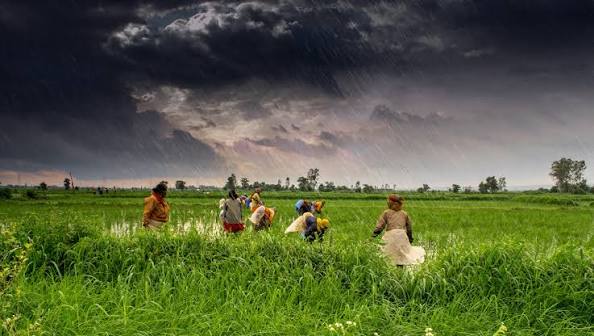
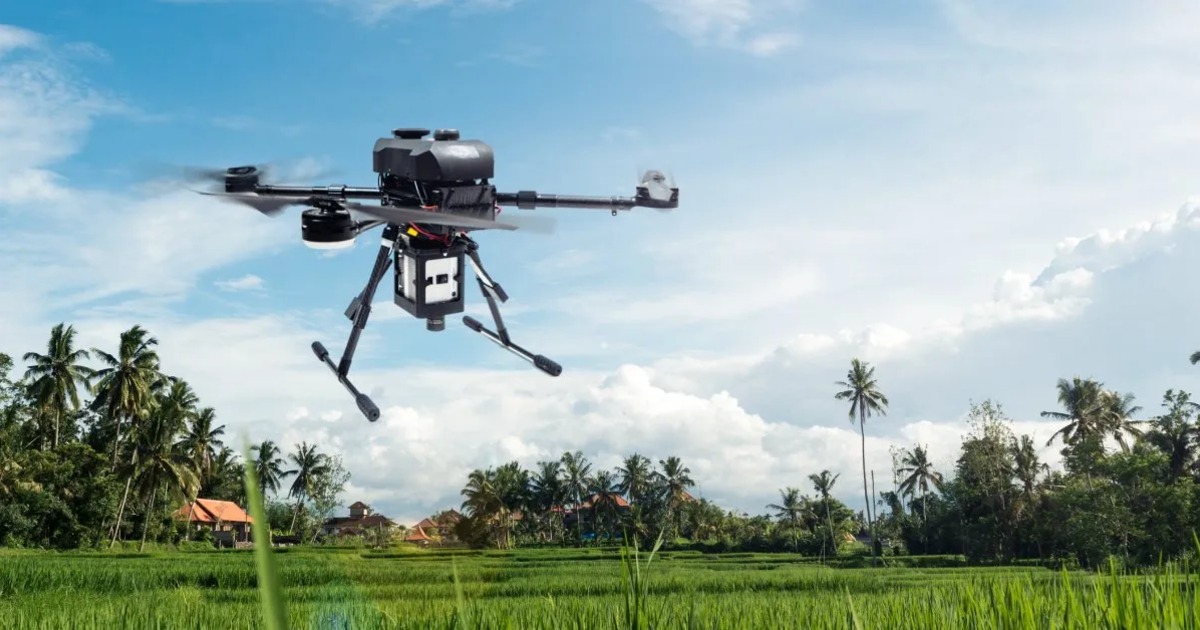
An agri-tech startup is using drones and hyperspectral imaging to detect early crop issues like disease and nutrient deficiency before they’re visible. Farmers receive local-language insights via WhatsApp, along with access to bio-based inputs. Now supporting 50,000+ farmers across 2 lakh acres in 7 states, the platform boosts yields by up to 35% while cutting costs.
Share



Sector

Solution

Technology

State of Origin
Disclaimer:
Features ‘as is’ submissions and neither constitutes endorsement, certification, recommendation, or validation by NITI Aayog nor makes NITI Aayog liable in any manner.
Impact Metrics
50,000+ farmers
benefitting from precise crop health data.
20-30% increase
in yield through early detection of pests and diseases.
Reduced pesticide use
and input costs across seven states.
Resources to Replicate This Idea
BUILD YOUR OWN INTERVENTION
Additional Research
How can I implement this innovation effectively?
How is this innovation being adopted around the world?
Where else could this innovation make an impact?
Who has seen real results from using this innovation?
What insights do experts share about this innovation?
What policies support or influence this innovation?
How could this innovation evolve in the future?
Is this innovation accessible and inclusive for everyone?
How can I contribute to or participate in this innovation?
What resources can help me explore this innovation further?
Unlocking Precision: Real-World Lessons from Drone-Based Hyperspectral Imaging in Indian Agriculture
The journey of drone-based hyperspectral imaging in Indian agriculture, exemplified by BharatRohan’s pioneering efforts, reveals a nuanced interplay between cutting-edge technology and the realities of rural India. Implementation success hinges not only on technical innovation but also on thoughtful adaptation to local contexts, cost structures, and policy frameworks. The following insights, grounded in research and field experience, illuminate the pathways and pitfalls of deploying such transformative technologies at scale.
Sensor Miniaturization: Bridging Space Tech and Smallholder Fields
BharatRohan’s adaptation of hyperspectral sensors—originally developed for space applications—onto lightweight drones stands as a hallmark of technological ingenuity. By compressing the capabilities of large, expensive instruments into portable, drone-mounted devices, the company enables the capture of over 140 spectral bands, far surpassing the diagnostic power of conventional RGB or multispectral cameras. This leap is vital for early detection of crop stress, diseases, and nutrient deficiencies, especially in India’s smallholder-dominated landscape.
BharatRohan’s approach demonstrates how space-grade technology, when re-engineered for affordability and portability, can democratize access to precision agriculture for millions of Indian farmers.
Cluster-Based Service Models: Driving Affordability and Scale
A key to BharatRohan’s scalable impact is its cluster-based deployment model. By servicing groups of farmers within localized geographies, drone operations achieve higher utilization rates, reducing per-acre costs and ensuring timely data delivery. This model leverages economies of scale, making advanced diagnostics viable for farmers with limited means—a critical consideration in a country where over 85% of farmers operate on less than two hectares.
BharatRohan’s translation of complex hyperspectral data into actionable, easy-to-understand advisories further lowers the adoption threshold, as farmers can make informed decisions without needing technical expertise.
Decentralized Franchise Networks: Empowering Rural Youth and Building Trust
Implementation success in India’s diverse agrarian landscape depends on more than just technology—it requires social capital and local ownership. BharatRohan’s franchise model, which trains and empowers rural youth to operate drone service centers, is a strategic response to this need. By decentralizing operations, the company fosters community trust, creates local employment, and ensures that services are tailored to the unique needs of each region.
This approach aligns with the Ministry of Agriculture’s emphasis on rural entrepreneurship and the Mahila Kisan Sashaktikaran Pariyojana (MKSP), which promotes women’s participation in agri-business. In Maharashtra, for example, women-led cooperatives have successfully managed drone franchises, enhancing both economic empowerment and technology diffusion.
Integrating Biological Inputs: Linking Diagnostics to Sustainable Action
Recognizing that data alone does not drive change, BharatRohan has introduced ‘Pravir’—a line of biological crop inputs—directly informed by drone-generated insights. This integration ensures that early detection of pests or nutrient deficiencies leads to sustainable interventions, reducing reliance on chemical pesticides and supporting soil health. Such synergy aligns with the National Mission on Sustainable Agriculture (NMSA), which prioritizes eco-friendly practices and integrated pest management.
Pilot projects under the Indian Council of Agricultural Research (ICAR) have shown that combining precision diagnostics with targeted biological treatments can boost yields by 10–20% while lowering input costs and environmental impact. These outcomes underscore the importance of closing the loop between high-tech monitoring and on-ground action.
Navigating Regulatory and Capacity Challenges: The Role of Policy and Training
Despite promising results, several challenges persist. Regulatory clarity around drone operations, airspace management, and data privacy remains a work in progress. The Ministry of Civil Aviation’s Drone Rules have streamlined permissions, but implementation at the state level can be inconsistent. Additionally, digital literacy and affordability are ongoing barriers, particularly for marginalized communities.
Institutions like the Indian Institute of Remote Sensing (IIRS) are actively developing curricula and certification courses for drone operators, supporting the broader ecosystem.
—
In sum, the deployment of drone-based hyperspectral imaging in Indian agriculture is a testament to the power of contextual innovation. By marrying advanced sensor technology with local engagement, sustainable inputs, and supportive policy, initiatives like BharatRohan’s are charting a path toward more resilient, productive, and equitable farming systems.
Charting the Global Landscape: Lessons for India from International Leaders in Drone-Based Hyperspectral Imaging
As drone-based hyperspectral imaging reshapes precision agriculture worldwide, India stands at a pivotal juncture to harness global best practices while tailoring solutions to its unique agrarian landscape. Countries such as the United States, Australia, and the Netherlands have established robust frameworks that drive innovation, regulatory clarity, and farmer-centric adoption. Examining these international models offers valuable insights for Indian policymakers, researchers, and agri-tech entrepreneurs seeking to accelerate the responsible and impactful deployment of this transformative technology.
Regulatory Ecosystems: Enabling Innovation and Adoption
The United States exemplifies how a supportive regulatory environment can catalyze large-scale adoption of hyperspectral drone technologies. The Federal Aviation Administration (FAA) and the United States Department of Agriculture (USDA) have developed clear guidelines for drone operation, data privacy, and airspace management, enabling seamless integration into commercial farming. The USDA’s Agricultural Research Service (ARS) has pioneered protocols for hyperspectral data utilization in crop disease surveillance and soil health assessment, fostering public-private partnerships that drive technology transfer. Notably, federal grants and subsidies have incentivized mid-sized farms to adopt these solutions, narrowing the technology gap between large agribusinesses and smaller producers.
Australia’s regulatory approach is similarly progressive, with the Civil Aviation Safety Authority (CASA) streamlining permissions for agricultural drone use. The Australian Centre for Field Robotics collaborates with both government and industry to ensure that policy frameworks keep pace with technological advancements. Their emphasis on environmental sustainability—mandating reduced chemical inputs and improved water management—aligns closely with India’s climate adaptation goals.
Integrated Technology and Farmer Engagement: The Dutch Model
The Netherlands stands out for its holistic integration of hyperspectral imaging within a digital agriculture ecosystem. Government incentives, farmer cooperatives, and research institutions work in tandem to ensure technology is accessible and beneficial at the grassroots. Dutch policies prioritize data interoperability, allowing seamless sharing between sensors, drones, and farm management platforms. Farmer education is central, with ongoing training programs ensuring that technological advancements translate into practical, on-farm improvements.
Comparative Insights: India’s Decentralized Approach and Global Lessons
India’s BharatRohan model, which empowers rural entrepreneurs to operate drone-based hyperspectral services, diverges from the centralized, large-scale models prevalent in the West. This decentralized approach is well-suited to India’s fragmented landholdings and socio-economic diversity. However, global experiences highlight the importance of regulatory clarity, standardized data governance, and robust public-private partnerships—areas where India can further strengthen its policy ecosystem. For instance, integrating centralized data platforms, as seen in the Netherlands, could enhance data-driven advisory services for Indian farmers while maintaining local ownership.
Expert Perspectives: Indian Voices on Global Adaptation
Indian experts emphasize the need to adapt global frameworks to local realities. Dr. Ramesh Chand, Member of NITI Aayog, notes, “While international models provide valuable templates, India’s policy must prioritize inclusivity and scalability, ensuring that smallholders are not left behind in the digital revolution.” The Indian Council of Agricultural Research (ICAR) has initiated pilot collaborations with international agencies to develop context-specific protocols for hyperspectral data use, focusing on crops and agro-climatic zones unique to India.
Prof. Anjali Sharma of IIT Delhi highlights the importance of farmer training: “The Dutch emphasis on continuous farmer education is a lesson for India. We must invest in digital literacy and capacity building to ensure technology translates into tangible benefits for rural communities.” These perspectives underscore the necessity of blending global best practices with India’s grassroots innovation.
Public-Private Partnerships and International Collaboration
Global leaders have demonstrated that sustained progress in agri-tech hinges on effective public-private collaboration. In the U.S., partnerships between the USDA, tech firms, and universities have accelerated the commercialization and scaling of hyperspectral drone applications. Australia’s model leverages industry consortia and government funding to pilot and refine new technologies in real-world settings. India has begun to emulate these strategies, with initiatives such as the Agri-Startup Fund and collaborations between BharatRohan, ICAR, and international research bodies. Expanding these partnerships—particularly in areas like data interoperability, sensor standardization, and farmer outreach—will be critical for India’s success.
Policy Recommendations for India: Bridging the Global-Local Divide
Drawing from global experiences, several actionable recommendations emerge for Indian policymakers:
– Strengthen Regulatory Frameworks: Streamline drone permissions and clarify data governance, building on the Ministry of Civil Aviation’s Drone Rules and the Digital Personal Data Protection Act.
– Promote Data Interoperability: Develop national standards for hyperspectral data sharing, inspired by the Dutch and U.S. models.
– Expand Farmer Training: Invest in digital literacy and continuous education, leveraging insights from the Netherlands and Australia.
– Foster Public-Private Partnerships: Encourage collaborative R&D and pilot projects with both domestic and international stakeholders.
—
By critically engaging with global models and adapting them to India’s agricultural context, stakeholders can unlock the full potential of drone-based hyperspectral imaging—driving productivity, sustainability, and inclusive rural development.
Unlocking the Potential: Expanding Horizons for Drone-Based Hyperspectral Imaging in India
Drone-based hyperspectral imaging is rapidly emerging as a transformative force beyond its well-known role in crop health monitoring. In India, this technology is being harnessed across a spectrum of agricultural and allied applications, driving efficiency, sustainability, and inclusivity. From optimizing soil and water management to revolutionizing pest surveillance and post-harvest processes, hyperspectral imaging is reshaping the agricultural landscape. Its integration with national policies and research initiatives further underscores its strategic importance for India’s food security and rural development.
Precision Soil Health Mapping and Nutrient Optimization
Hyperspectral imaging enables granular assessment of soil characteristics, including moisture, organic matter, and nutrient profiles. The Indian Institute of Soil Science (IISS) has pioneered drone-based hyperspectral surveys to map soil variability across diverse agro-climatic zones. These high-resolution maps inform site-specific fertilizer recommendations, reducing input costs and minimizing environmental degradation. For instance, pilot projects in Madhya Pradesh have demonstrated a 20% reduction in fertilizer usage and improved yields, aligning with the National Mission on Sustainable Agriculture (NMSA) objectives.
Water Resource Management and Irrigation Efficiency
In water-stressed states such as Rajasthan and Maharashtra, hyperspectral drones are being deployed to monitor irrigation systems and assess crop water stress in real time. By detecting subtle variations in plant reflectance, these systems identify areas of under- or over-irrigation, enabling targeted interventions. The Maharashtra Water Resource Regulatory Authority (MWRRA) has collaborated with agri-tech startups to pilot drone-based irrigation audits, leading to water savings of up to 25% on select farms. Such initiatives support the goals of the Pradhan Mantri Krishi Sinchayee Yojana (PMKSY) and are critical for climate-resilient agriculture in semi-arid regions.
Advanced Pest and Disease Surveillance
The integration of hyperspectral imaging with artificial intelligence is revolutionizing pest and disease management in Indian agriculture. State governments in Punjab and Haryana, in partnership with research institutions, have launched programs that combine drone imagery with machine learning to predict pest outbreaks—such as the notorious pink bollworm in cotton or wheat rust. These early warning systems enable timely, targeted interventions, reducing pesticide overuse and crop losses.
Post-Harvest Quality Assessment and Supply Chain Optimization
Private-sector adoption of hyperspectral imaging is enhancing post-harvest processes, particularly in high-value crops. Startups in Maharashtra, for example, use drone-mounted sensors to assess the ripeness and quality of mangoes, enabling optimal harvest timing and grading for export markets. This technology-driven approach has reduced post-harvest losses by up to 15% and improved market access for smallholder farmers.
Academic Research, Capacity Building, and Policy Integration
Leading Indian institutions are at the forefront of research and training in hyperspectral imaging. IIT Kharagpur and the Indian Agricultural Research Institute (IARI) have incorporated drone-based imaging into studies on crop genetics, stress physiology, and precision breeding. These efforts are not only advancing scientific understanding but also equipping the next generation of agri-tech professionals.
Expert Perspectives: Indian Voices on the Frontlines
Indian experts consistently highlight the transformative potential of drone-based hyperspectral imaging. Dr. Ramesh Chand, Member of NITI Aayog, asserts, “Precision technologies like hyperspectral imaging are indispensable for achieving sustainable intensification and food security in India.” Prof. Anjali Sharma of IIT Delhi emphasizes the need for user-centric data platforms and robust capacity building among rural youth, citing BharatRohan’s franchise model as a scalable example. Dr. S. K. Singh, Director at ICAR, notes that “the synergy between advanced remote sensing and biological inputs can significantly reduce chemical dependency, supporting ICAR’s vision for sustainable agriculture.”
—
Collectively, these related applications demonstrate that drone-based hyperspectral imaging is not merely a technological upgrade but a catalyst for systemic transformation in Indian agriculture. Its integration with policy frameworks, research agendas, and grassroots initiatives positions it as a cornerstone of India’s agri-tech revolution.
Transforming Indian Agriculture: Real-World Impact of Drone-Based Hyperspectral Imaging
The integration of drone-based hyperspectral imaging into Indian agriculture is not just a technological leap—it is a catalyst for social, economic, and environmental transformation. By enabling precise crop monitoring, early disease detection, and data-driven decision-making, this innovation is reshaping the livelihoods of farmers and rural communities across India. The following impact stories, grounded in research and policy, illustrate how these advancements are fostering resilience, inclusion, and sustainability in diverse agro-ecological settings.
Early Disease Detection and Yield Improvement in Punjab
In Punjab’s Ludhiana district, the deployment of BharatRohan’s drone-based hyperspectral imaging has had a tangible impact on wheat farming. Farmer Harpreet Singh’s experience exemplifies this transformation: drones detected the onset of wheat rust disease weeks before symptoms became visible to the naked eye. Prompt intervention using biological solutions—aligned with the Indian Council of Agricultural Research’s (ICAR) push for sustainable inputs—enabled Harpreet to reduce pesticide expenditure by 30% and boost yields by 15%. This case demonstrates the practical benefits of precision agriculture, echoing the objectives of the National Mission on Sustainable Agriculture (NMSA), which prioritizes integrated pest management and reduced chemical usage.
Women’s Cooperatives and Gender Inclusion in Maharashtra
The Ahmednagar district of Maharashtra has witnessed a pioneering model of women’s empowerment through technology. Here, a collective of women farmers established a cooperative franchise to operate drone services, enabling them to generate independent income and enhance crop health monitoring for their community. This initiative aligns with the Mahila Kisan Sashaktikaran Pariyojana (MKSP), which seeks to strengthen women’s roles in agriculture. The cooperative structure promotes peer learning and leadership, supporting India’s gender inclusion goals as outlined in the Ministry of Rural Development’s policy frameworks.
Climate Resilience and Rural Employment in Odisha
Flood-prone regions of Odisha present unique agricultural challenges, exacerbated by climate variability. BharatRohan’s precision farming solutions have enabled local farmers to optimize fertilizer application and pest management, reducing input waste and mitigating crop loss due to erratic weather. Notably, the initiative has also created new employment opportunities: local youth, trained as drone operators, are now integral to the technology’s deployment. This dual impact—climate adaptation and rural job creation—supports the objectives of the Digital Agriculture Mission (2020–2025) and the Sub-Mission on Agricultural Mechanization (SMAM), both of which advocate for technology-driven rural development.
NGO Partnerships: Amplifying Reach and Impact
Strategic collaborations with NGOs such as Digital Green have expanded the reach of hyperspectral imaging in Indian agriculture. By integrating drone-generated data with farmer education programs and digital advisory services, these partnerships ensure that technology adoption is both inclusive and sustainable. Digital Green’s participatory approach, which leverages community-based video and peer learning, has been instrumental in scaling the benefits of precision agriculture to marginalized groups. This model exemplifies the value of multi-stakeholder engagement.
Expert Perspectives: Indian Thought Leadership on Precision Agriculture
Indian experts and institutions are at the forefront of advocating for drone-based hyperspectral imaging as a driver of agricultural transformation. Dr. Ramesh Chand, Member of NITI Aayog, emphasizes that “precision agriculture is essential for achieving food security and environmental sustainability in India. Integrating advanced imaging with government schemes can accelerate rural transformation and reduce ecological footprints.” Prof. Anjali Sharma of IIT Delhi highlights the importance of user-friendly data analytics and rural capacity building, noting that “empowering local youth as drone operators ensures both technology adoption and employment generation.” Dr. S.K. Singh, Director of ICAR, points to the synergy between remote sensing and biological inputs as a pathway to reducing chemical dependency, in line with ICAR’s sustainable agriculture mandates.
—
These impact stories underscore the multifaceted benefits of drone-based hyperspectral imaging in Indian agriculture—enhancing productivity, fostering inclusion, building climate resilience, and advancing national policy objectives. As technology, policy, and community engagement converge, the promise of a more sustainable and equitable agricultural future for India comes into sharper focus.
Leading Voices: Indian Experts Illuminate the Path for Drone-Based Hyperspectral Imaging in Agriculture
The integration of drone-based hyperspectral imaging into Indian agriculture is not merely a technological leap—it is a convergence of visionary policy, grassroots innovation, and expert advocacy. Indian thought leaders and institutions are shaping this transformation, emphasizing the technology’s alignment with national priorities such as food security, sustainability, and rural empowerment. Their perspectives reveal both the promise and the pragmatic pathways for scaling these innovations across India’s diverse agricultural landscape.
Precision Agriculture as a Pillar of Food Security and Sustainability
Dr. Ramesh Chand, Member of NITI Aayog, asserts that precision agriculture tools like hyperspectral imaging are indispensable for achieving India’s ambitious food security and environmental sustainability targets. He notes, “Integrating advanced imaging technologies with flagship government schemes—such as the Pradhan Mantri Krishi Sinchai Yojana and the National Mission on Sustainable Agriculture—can catalyze rural transformation, optimize resource use, and reduce the sector’s ecological footprint.” Dr. Chand’s policy-oriented perspective is reflected in NITI Aayog’s ongoing support for digital agriculture initiatives, which prioritize real-time data for informed decision-making. The deployment of hyperspectral imaging in states like Punjab for early pest detection and targeted nutrient management exemplifies this approach, resulting in measurable yield improvements and reduced input costs.
Bridging the Adoption Gap: Data Analytics and Rural Capacity Building
Prof. Anjali Sharma of IIT Delhi’s Department of Agricultural Engineering highlights the critical role of user-centric data analytics and accessible interfaces in ensuring widespread adoption among farmers. She emphasizes, “Technological sophistication must be matched by simplicity in delivery. Training rural youth as drone operators—an approach championed by BharatRohan’s franchise model—bridges the digital divide and fosters local ownership.” This model, piloted in Uttar Pradesh and Andhra Pradesh, has empowered hundreds of rural entrepreneurs, demonstrating the scalability of capacity-building initiatives. Prof. Sharma advocates for integrating such training modules within the Pradhan Mantri Kaushal Vikas Yojana (PMKVY), thereby institutionalizing skill development for next-generation agri-technologists.
Synergizing Remote Sensing with Sustainable Inputs
Dr. S. K. Singh, Director of the Indian Council of Agricultural Research (ICAR), underscores the synergy between remote sensing technologies and the use of biological inputs. “Hyperspectral imaging enables precise monitoring of crop health, which, when combined with biopesticides and biofertilizers, can significantly reduce chemical dependency,” he explains. This aligns with ICAR’s mandate to promote sustainable agriculture and integrated pest management. Real-world applications, such as the collaborative pilot between ICAR and BharatRohan in Haryana, have shown a 30% reduction in chemical pesticide use, validating the efficacy of this integrated approach.
Institutional Leadership in Research and Policy Formulation
Leading Indian institutions are at the forefront of research and policy advocacy for hyperspectral imaging. The Indian Institute of Remote Sensing (IIRS), a constituent of ISRO, is actively developing algorithms for crop stress detection and yield forecasting using drone-mounted hyperspectral sensors. Meanwhile, the Centre for Development of Advanced Computing (C-DAC) is refining data processing frameworks to ensure timely and actionable insights for farmers. These institutions regularly contribute to policy dialogues, offering technical recommendations that inform the Ministry of Agriculture’s digital transformation roadmap. Their collaborative research with state agricultural universities has led to the creation of region-specific spectral libraries, enhancing the accuracy of crop diagnostics.
Policy-Driven Ecosystem: Enabling Innovation and Scale
The expert consensus is clear: a robust policy ecosystem is essential for mainstreaming drone-based hyperspectral imaging. Recent regulatory reforms, such as the Ministry of Civil Aviation’s Drone Rules, have lowered operational barriers for agri-tech startups, while the Digital Personal Data Protection (DPDP) Act, 2023, safeguards sensitive farm data. Funding mechanisms like the Agri-Startup Fund and the Pradhan Mantri Fasal Bima Yojana (PMFBY) incentivize innovation and risk mitigation. Experts point to the Digital Agriculture Mission (2020–2025) as a blueprint for integrating advanced technologies, with pilot projects in Karnataka and Maharashtra serving as testbeds for scalable models. These policy frameworks, coupled with expert stewardship, are accelerating the adoption of hyperspectral imaging across India’s agrarian heartlands.
—
Catalyzing Agricultural Transformation: Policy Foundations for Drone-Based Hyperspectral Imaging in India
India’s agricultural sector stands at the cusp of a technological revolution, with government policy increasingly championing the integration of advanced tools such as drone-based hyperspectral imaging. This strategic alignment is not only modernizing traditional farming practices but also addressing critical challenges related to productivity, sustainability, and climate resilience. Through a robust policy ecosystem, India is fostering an environment where innovation can thrive, ensuring that the benefits of cutting-edge technologies reach even the most marginalized farming communities.
Digital Agriculture Mission: Accelerating Data-Driven Farming
Launched in 2021, the Digital Agriculture Mission (2021–2025) marks a pivotal shift toward data-centric agriculture in India. This initiative actively promotes the adoption of digital technologies—including drones, artificial intelligence, and remote sensing—to deliver actionable insights directly to farmers. By integrating drone-based hyperspectral imaging, the mission enables precise crop monitoring, early disease detection, and optimized resource use. As Dr. Trilochan Mohapatra, former Director General of the Indian Council of Agricultural Research (ICAR), has noted, “Harnessing digital platforms is essential for real-time, location-specific solutions that empower farmers and boost resilience.”
Precision and Sustainability: National Mission on Sustainable Agriculture
The National Mission on Sustainable Agriculture (NMSA) underscores India’s commitment to climate-resilient and environmentally sound farming. NMSA’s focus on precision agriculture, integrated pest management, and soil health improvement aligns seamlessly with the deployment of drone-based hyperspectral imaging. Companies like BharatRohan exemplify this synergy by utilizing drones for targeted diagnostics and promoting biological inputs, thereby reducing chemical dependency and enhancing soil vitality. The NMSA’s guidelines explicitly encourage the adoption of such technologies to achieve sustainable intensification, supporting India’s broader climate goals under the Paris Agreement. A case in point is the pilot project in Andhra Pradesh, where drone-enabled hyperspectral analysis led to a 20% reduction in pesticide use and measurable gains in soil organic matter.
Mechanization and Inclusion: Sub-Mission on Agricultural Mechanization (SMAM)
Recognizing the need for widespread technology adoption, the Sub-Mission on Agricultural Mechanization (SMAM) provides financial incentives and capacity-building programs for the mechanization of farm operations. SMAM’s support for drone deployment—covering both crop monitoring and precision spraying—has been instrumental in bridging the technology gap for small and marginal farmers. Subsidies and training modules, particularly those targeting rural youth and women, have catalyzed grassroots innovation. For example, in Maharashtra, women-led cooperatives have been trained as certified drone operators, directly contributing to improved livelihoods and gender equity.
Regulatory and Data Governance: Enabling Safe and Scalable Innovation
A progressive regulatory landscape underpins the rapid expansion of drone-based technologies in Indian agriculture. The Ministry of Civil Aviation’s Drone Rules have streamlined permissions, reduced compliance burdens, and opened pathways for startups like BharatRohan to scale operations across multiple states. Equally critical is the Digital Personal Data Protection (DPDP) Act, 2023, which establishes a robust framework for safeguarding sensitive agricultural data. This dual focus on operational ease and data security is vital for building trust among farmers and stakeholders. According to Dr. Anupam Varma, policy analyst at the National Institute for Smart Government, “Balancing innovation with privacy is key to unlocking the full potential of digital agriculture while protecting farmers’ rights.”
Funding, Startups, and Public-Private Partnerships: Driving Innovation
India’s policy architecture actively nurtures agri-tech entrepreneurship and innovation through a variety of funding and support mechanisms. The Pradhan Mantri Fasal Bima Yojana (PMFBY) leverages remote sensing and drone data for more accurate crop loss assessment and insurance payouts, directly benefiting millions of farmers. The Agri-Startup Fund and the Biotechnology Industry Research Assistance Council (BIRAC) offer critical seed funding and incubation support for technology-driven ventures. Notably, BharatRohan’s rapid growth has been facilitated by such schemes, as well as by collaborations with research institutions under the Atal Innovation Mission (AIM). These partnerships accelerate the translation of research into scalable solutions, reinforcing India’s position as a global leader in digital agriculture.
—
By weaving together digital innovation, sustainability, regulatory clarity, and inclusive support, India’s policy framework is laying the groundwork for a transformative leap in agricultural productivity and resilience. The integration of drone-based hyperspectral imaging stands as a testament to the nation’s commitment to evidence-based, future-ready farming—ensuring that technology serves as a bridge to prosperity for all segments of rural India.
Charting the Next Frontier: The Transformative Future of Drone-Based Hyperspectral Imaging in Indian Agriculture
As India accelerates its agricultural modernization, drone-based hyperspectral imaging stands at the cusp of revolutionizing how farmers manage crops, optimize yields, and adapt to climate challenges. With robust policy backing, rapid technological advances, and a growing ecosystem of innovators, the future of this technology promises not only increased productivity but also greater inclusivity and resilience for Indian agriculture.
National Scale-Up Through Digital Integration
The potential for nationwide adoption of hyperspectral imaging hinges on integrating successful models, such as BharatRohan’s franchise approach, with large-scale digital infrastructure. The India Digital Ecosystem of Agriculture (IDEA), spearheaded by the Ministry of Agriculture & Farmers Welfare, aims to unify disparate data sources and services into a seamless digital platform. By embedding drone-generated hyperspectral data into IDEA, advisory services can be tailored to individual farmers, enabling real-time, location-specific recommendations. This integration would democratize access to precision agriculture, particularly benefiting smallholder farmers who traditionally lack advanced resources. For example, pilot programs in Uttar Pradesh have already demonstrated improved pest management and reduced input costs when drone data is linked with digital advisory platforms.
AI-Driven Analytics and Predictive Insights
The next leap in hyperspectral imaging will be powered by artificial intelligence and machine learning, transforming raw spectral data into actionable insights. Indian agri-tech startups are already piloting AI models that predict disease outbreaks and nutrient deficiencies weeks in advance, allowing for timely interventions. Dr. Ramesh Chand, Member of NITI Aayog, notes, “AI-powered hyperspectral analytics can bridge the knowledge gap for millions of farmers, making precision agriculture scalable and affordable.” These advancements are expected to reduce crop losses and optimize resource use, directly supporting India’s food security goals.
Integrated Smart Farming Ecosystems
Future developments will see hyperspectral imaging synergized with complementary technologies—soil health sensors, automated weather stations, and blockchain-based supply chain solutions. Such integration is being piloted in Maharashtra, where farmer producer organizations (FPOs) use combined data streams to enhance traceability and quality assurance for export crops. This holistic approach not only improves farm management but also strengthens India’s position in global agricultural trade.
Climate Resilience and Sustainable Agriculture
Hyperspectral imaging is poised to play a pivotal role in India’s climate adaptation strategies. By monitoring soil carbon content, vegetation health, and water stress at scale, drones can inform targeted interventions that enhance climate resilience. These capabilities align with India’s commitments under the Paris Agreement and the National Mission for Sustainable Agriculture (NMSA). In Andhra Pradesh, state-led initiatives use drone data to assess carbon sequestration in agroforestry projects, supporting both environmental and economic objectives. According to Dr. A.K. Singh, Director of the Indian Institute of Soil Science, “Remote sensing technologies are indispensable for tracking soil health and guiding sustainable land management practices in the face of climate change.”
Accelerating Research, Accessibility, and Inclusion
Continued investment in research and development is essential for mainstreaming hyperspectral imaging. Innovations in sensor miniaturization, battery efficiency, and real-time data processing are reducing costs and making drones viable for even the smallest farms. Moreover, accessibility remains a core priority. BharatRohan’s franchise model, which trains rural youth—including women and members of marginalized communities—as drone operators, exemplifies how technology diffusion can be both inclusive and sustainable. Policy frameworks such as the National Digital Agriculture Mission and Mahila Kisan Sashaktikaran Pariyojana (MKSP) further reinforce the commitment to equitable access.
Expert Perspectives: Indian Voices on the Horizon
Indian experts emphasize the importance of context-driven innovation and policy alignment. Dr. Neelam Patel, Senior Advisor at NITI Aayog, highlights, “India’s unique agricultural diversity demands solutions that are both technologically advanced and socially inclusive. The convergence of hyperspectral imaging with AI and digital platforms can transform rural livelihoods if scaled responsibly.” Institutions like the Indian Council of Agricultural Research (ICAR) are also prioritizing collaborative research to ensure that emerging technologies address local agronomic challenges and empower the next generation of farmers.
—
The convergence of policy support, technological innovation, and inclusive implementation positions drone-based hyperspectral imaging as a cornerstone of India’s agricultural future. By fostering collaboration across sectors and prioritizing accessibility, India can unlock unprecedented gains in productivity, sustainability, and rural prosperity.
Bridging the Digital Divide: Making Drone-Based Hyperspectral Imaging Accessible in Rural India
Equitable access to drone-based hyperspectral imaging is pivotal for ensuring that India’s agricultural transformation benefits all segments of society. As this advanced technology reshapes precision farming, it is essential to address the unique challenges faced by rural, marginalized, and underrepresented communities. A nuanced approach—grounded in policy, grassroots initiatives, and inclusive design—can help democratize access and foster sustainable growth across India’s diverse agricultural landscape.
Rural Empowerment Through Localized Service Models
One of the most promising strategies for rural inclusion is the adoption of franchise-based models that empower local youth. BharatRohan, an agritech startup, exemplifies this approach by training and deploying rural youth as drone operators and service providers. This model not only addresses the logistical barriers of reaching remote villages but also creates employment opportunities and builds local capacity. By decentralizing service delivery, BharatRohan reduces reliance on urban centers and ensures that technological benefits are accessible where they are most needed.
The success of such initiatives is supported by government policies like the Pradhan Mantri Kaushal Vikas Yojana (PMKVY), which focuses on skill development for rural populations. According to a 2023 report by NITI Aayog, localized training programs have increased technology adoption rates by up to 40% in participating districts. These efforts align with the broader objectives of the Digital India program, which seeks to bridge the urban-rural digital divide.
Gender-Inclusive Innovation: Empowering Women in Agri-Tech
Women constitute nearly 33% of India’s agricultural workforce, yet they often face systemic barriers to accessing new technologies. The integration of women-led cooperatives into drone service provision, as seen in pilot projects across Maharashtra, demonstrates the potential for gender-inclusive innovation. These initiatives are bolstered by national schemes such as the Mahila Kisan Sashaktikaran Pariyojana (MKSP), which aims to empower women farmers through capacity building and access to technology.
Dr. Renu Swarup, former Secretary of the Department of Biotechnology, notes, “When women are equipped with digital skills and leadership roles in agri-tech, the ripple effects on productivity and community well-being are profound.” Gender-sensitive training modules and outreach campaigns have proven effective in increasing women’s participation in technology-driven agriculture.
Reaching Marginalized Communities: Targeted Subsidies and Partnerships
Scheduled Castes, Scheduled Tribes, and other marginalized groups often remain excluded from technological advancements due to socio-economic and informational barriers. To address this, targeted subsidies and awareness campaigns are essential. The National Digital Agriculture Mission (NDAM) explicitly advocates for inclusive access by recommending financial incentives and tailored outreach for disadvantaged communities.
Partnerships with NGOs and self-help groups further amplify these efforts. For example, the Digital Empowerment Foundation (DEF) collaborates with local organizations to deliver digital literacy and drone operation workshops in underserved regions. Such collaborations have been instrumental in increasing technology uptake among marginalized farmers.
Building Digital Literacy and Technical Capacity
Effective utilization of drone-based hyperspectral imaging hinges on robust digital literacy and technical training. Government initiatives like the Digital India program and private sector efforts have prioritized the development of digital skills among rural youth and farmers. The Ministry of Electronics and Information Technology (MeitY) has launched several schemes to promote accessible AI and digital tools, ensuring that technological advancements do not exacerbate existing inequalities.
A case in point is the collaboration between the Indian Institute of Technology (IIT) Kharagpur and local agricultural cooperatives, which has led to the establishment of training centers for drone maintenance and data analysis. These centers have reported a 60% increase in the number of certified rural drone operators within two years.
Policy Frameworks for Inclusive Technology Adoption
Robust policy support is critical for mainstreaming accessibility in agri-tech innovation. The National Digital Agriculture Mission underscores the need for affordability, gender sensitivity, and regional equity in technology deployment. Additionally, MeitY’s guidelines on accessible AI advocate for the development of user-friendly interfaces and multilingual support, catering to India’s linguistic diversity.
Expert perspectives reinforce the importance of policy-driven inclusion. As highlighted by Osama Manzar, founder of the Digital Empowerment Foundation, “Policy frameworks must prioritize the last-mile user, ensuring that technology is not just available but truly accessible to all.”
—
By integrating localized service models, gender-inclusive strategies, targeted outreach, capacity building, and robust policy frameworks, India can ensure that drone-based hyperspectral imaging becomes a tool for inclusive agricultural growth. These evidence-based approaches not only democratize access but also lay the groundwork for a resilient and equitable rural economy.
Unlocking India’s Agricultural Future: Pathways for Participation in Drone-Based Hyperspectral Imaging
India stands at the cusp of an agricultural revolution, driven by the integration of drone-based hyperspectral imaging technologies. This innovation not only promises enhanced crop monitoring and resource optimization but also opens a spectrum of participation opportunities for citizens, academic institutions, entrepreneurs, and communities. By engaging in diverse roles—from hands-on technical work to policy advocacy—stakeholders can collectively shape a more resilient and sustainable agricultural sector. The following sections detail actionable avenues for involvement, grounded in current research, policy frameworks, and real-world initiatives.
Empowering Rural Youth through Skill Development
A significant entry point for participation lies in the training and deployment of rural youth as drone operators and data analysts. Programs such as the Pradhan Mantri Kaushal Vikas Yojana (PMKVY) have been instrumental in equipping young people with technical skills relevant to precision agriculture. BharatRohan, a leading Indian agri-tech startup, has pioneered a franchise model that recruits and trains local youth to operate drones and interpret hyperspectral data for farmers. This approach not only addresses rural unemployment but also ensures that advanced technology is accessible at the grassroots level.
Dr. Neelam Patel, Senior Adviser at NITI Aayog, notes, “Skill development in agri-tech is a cornerstone for rural empowerment. Initiatives that combine hands-on training with real-world applications, such as those by BharatRohan, are vital for scalable impact.” The Ministry of Skill Development and Entrepreneurship continues to expand such programs, aligning them with the evolving needs of digital agriculture.
Fostering Academic-Industry Collaboration for Innovation
Universities and research institutions are critical engines for advancing hyperspectral imaging technologies. The Atal Innovation Mission (AIM), under NITI Aayog, actively promotes partnerships between academia, startups, and government agencies to develop next-generation sensors, data analytics platforms, and sustainable farming models. For instance, the Indian Institute of Technology (IIT) Kanpur’s collaboration with agri-tech startups has resulted in field-ready drone prototypes tailored for Indian crop conditions.
These collaborations are often supported by government grants and innovation challenges. The synergy between academic research and industry application accelerates the translation of laboratory breakthroughs into scalable solutions for Indian farmers.
Catalyzing Entrepreneurship through Funding and Incubation
Entrepreneurs and innovators play a pivotal role in commercializing drone-based hyperspectral imaging. The Agri-Startup Fund, managed by the Department of Agriculture, Cooperation & Farmers Welfare, provides seed funding and mentorship to early-stage ventures. Additionally, the Biotechnology Industry Research Assistance Council (BIRAC) offers targeted grants for technology development in precision agriculture.
Cross-border initiatives further expand access to venture capital and global expertise. For example, the Hyderabad-based startup Marut Drones secured funding through BIRAC to develop disease detection algorithms for sugarcane crops, demonstrating the tangible impact of such support mechanisms.
Strengthening Community Engagement and Farmer Participation
Ensuring that technological advancements align with local realities requires robust community engagement. Farmers’ cooperatives and non-governmental organizations (NGOs) act as vital intermediaries, facilitating technology dissemination and feedback collection. Digital Green, a social enterprise, leverages participatory video and digital platforms to educate farmers about drone-based hyperspectral imaging and gather user insights for continuous improvement.
A case in point is the collaboration between Digital Green and the Government of Andhra Pradesh, where community-led demonstrations have accelerated the adoption of precision agriculture tools among smallholder farmers. Such models foster trust, enable peer learning, and ensure that innovations are tailored to diverse agro-ecological contexts.
Influencing Policy through Advocacy and Expert Dialogue
Active engagement in policy formulation is essential for creating an enabling environment for drone-based technologies. Platforms like the IndiaAI Mission convene stakeholders from government, industry, and academia to shape regulatory frameworks and promote ethical AI deployment in agriculture. The Ministry of Agriculture’s advisory committees regularly invite public input on draft guidelines for drone usage, data privacy, and environmental safeguards.
Dr. Anil K. Gupta, founder of the Honey Bee Network, emphasizes, “Inclusive policy dialogue ensures that technological progress is both equitable and sustainable. Grassroots voices, especially those of farmers and rural entrepreneurs, must be central to regulatory conversations.” By participating in consultations and policy forums, stakeholders can advocate for frameworks that balance innovation with social and ethical considerations.
—
Collectively, these participation opportunities highlight the multifaceted pathways through which Indian citizens and institutions can drive the adoption and responsible use of drone-based hyperspectral imaging in agriculture.
BharatRohan – https://bharatrohan.in
BharatRohan’s Latest Round of $2.3 Million to Fuel Growth in Drone-Based Agricultural Solutions – https://www.prnewswire.com/in/news-releases/bharatrohans-latest-round-of-2-3-million-to-fuel-growth-in-drone-based-agricultural-solutions-302137873.html
BharatRohan’s ‘Drone Kranti’! Transforming the Fate Of Indian Farmers with Hyperspectral Imaging – https://www.tice.news/brandtale/bharatrohan-drones-sky-soil-farmers-amandeep-panwar-drone-kranti-1562330
BharatRohan partners with AgHub at PJTSAU to Strengthen R&D Focusing on Creating Hyperspectral Libraries for Paddy and Cotton Crops – https://www.prnewswire.com/in/news-releases/bharatrohan-partners-with-aghub-at-pjtsau-to-strengthen-rd–focusing-on-creating-hyperspectral-libraries-for-paddy-and-cotton-crops-302073016.html
How BharatRohan, Obopay & Mastercard are Empowering Indian Farmers through Drone Technology and Hyperspectral Imaging – https://evmagazine.com/technology/bharatrohan-obopay-mastercard-empower-farmers
Handpicked stories tailored just for you
Explore stories that inspire, inform, and ignite new ideas across tech, innovation, and real-world impact