Bridging the Divide: Making 3D Printing Construction Accessible for All
As India rapidly advances in adopting 3D printing for construction, ensuring that these technological gains are equitably distributed remains a critical challenge. The promise of faster, more sustainable, and cost-effective building methods can only be realized if rural populations, marginalized groups, and persons with disabilities are not left behind. Accessibility, in this context, encompasses not just physical access to technology, but also digital literacy, gender inclusivity, and the ability to participate meaningfully in the evolving construction ecosystem. Addressing these multifaceted barriers requires coordinated policy action, community engagement, and the thoughtful integration of inclusive design principles.
Digital Literacy and Infrastructure: The Foundation of Equitable Access
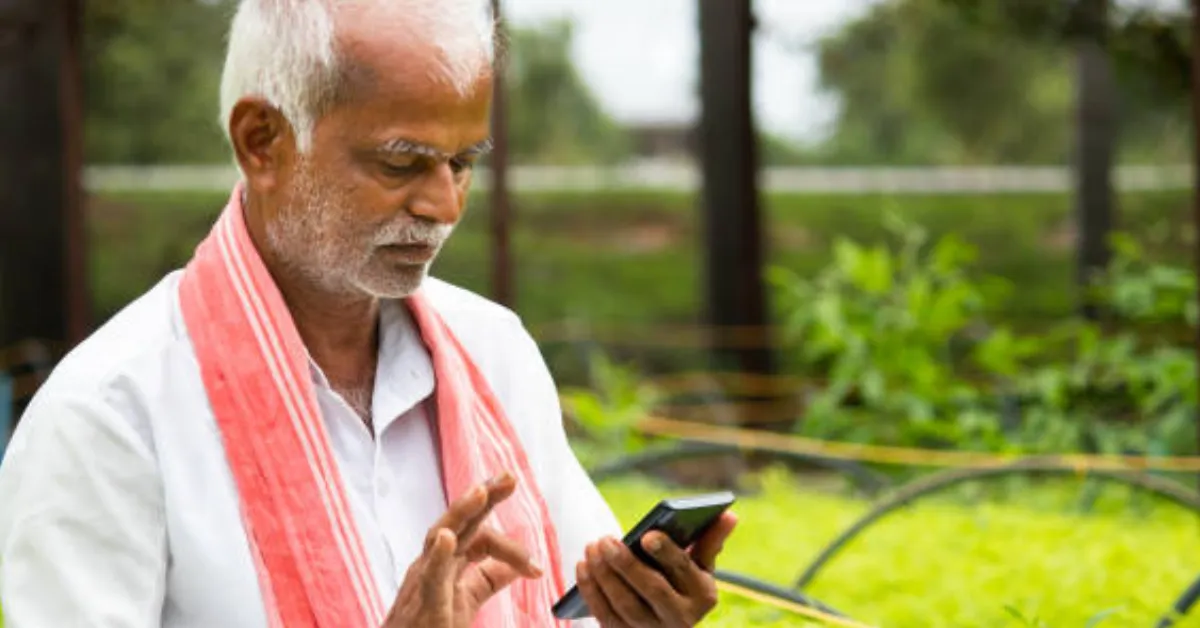
A significant barrier to the widespread adoption of 3D printing construction in India is the digital divide, particularly in rural and underserved regions. According to the National Sample Survey, only 24% of Indian households have internet access, with even lower rates in rural areas. The Digital India initiative, launched in 2015, aims to bridge this gap by expanding broadband connectivity and promoting digital literacy through programs like PMGDISHA (Pradhan Mantri Gramin Digital Saksharta Abhiyan). These efforts are vital for enabling local communities to operate, maintain, and benefit from AI-driven construction technologies, which often require remote monitoring and data-driven decision-making.
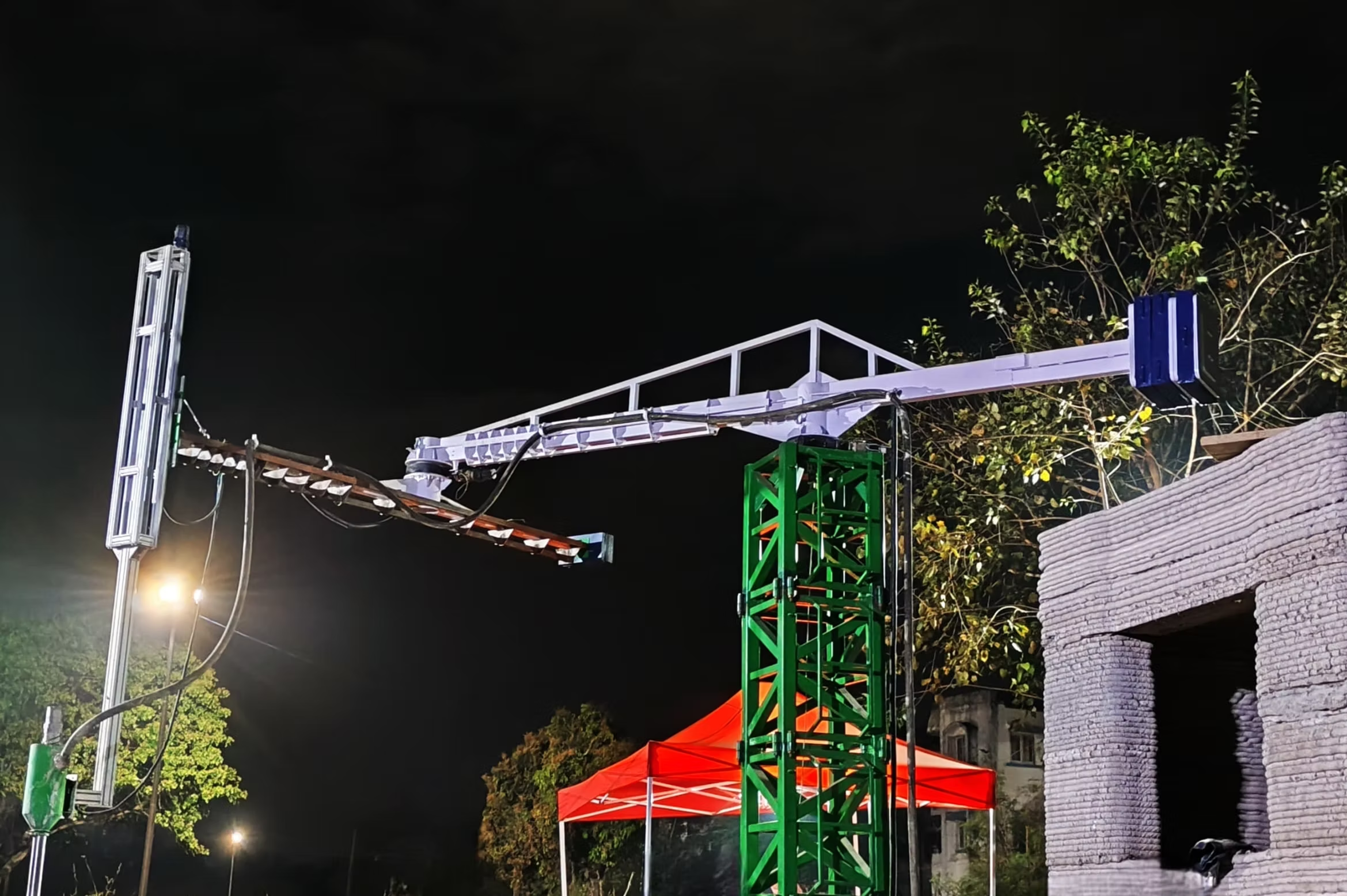
A real-world example is the deployment of the Kelvin 6K Pro 3D printer in semi-urban Maharashtra, where mobile, onsite construction reduced reliance on centralized factories and allowed local workers to participate directly in the building process. This approach demonstrates how adaptable technology, combined with digital infrastructure, can foster local empowerment and skill development.
Gender and Social Inclusion: Closing the Participation Gap
Women and marginalized communities have historically faced systemic barriers in accessing STEM fields and construction jobs. The gender gap in digital access is stark: the GSMA Mobile Gender Gap Report found that Indian women are 20% less likely than men to own a smartphone and 33% less likely to use mobile internet. To address this, targeted training programs and policy interventions are essential.
The Ministry of Skill Development and Entrepreneurship’s “Skill India” initiative, in partnership with NGOs like Pratham and SEWA, has piloted women-focused training modules in digital fabrication and construction robotics. In Tamil Nadu, a collaboration between local panchayats and the NGO Habitat for Humanity enabled women from self-help groups to participate in 3D-printed housing projects, fostering both economic independence and community leadership.
Inclusive Design and Disability Access: Policy Models and Best Practices
Ensuring that 3D printing construction technologies are accessible to persons with disabilities requires embedding universal design principles from the outset. The Accessible India Campaign (Sugamya Bharat Abhiyan), launched in 2015, provides a policy framework for making public infrastructure and digital services accessible to all citizens. Its guidelines have informed the development of tactile interfaces, audio-visual instructions, and barrier-free site layouts in pilot smart city projects.
For instance, in Pune’s Smart City initiative, 3D-printed public toilets were designed with input from disability rights organizations, resulting in features such as ramp access, Braille signage, and sensor-based doors. These adaptations not only comply with the Rights of Persons with Disabilities Act but also set a precedent for inclusive technology deployment nationwide.
Circular Economy and Local Supply Chains: Environmental and Social Synergies
The use of industrial byproducts, such as fly ash and slag, in geopolymer concrete for 3D printing aligns with India’s circular economy goals. This approach creates local supply chains, reduces environmental hazards, and generates employment opportunities in regions adjacent to industrial zones. The Ministry of Environment, Forest and Climate Change’s 2016 guidelines on fly ash utilization have spurred public-private partnerships in states like Chhattisgarh and Odisha, where local entrepreneurs supply recycled materials for 3D-printed affordable housing projects.
A notable example is the collaboration between the Indian Institute of Technology Madras and the Tamil Nadu Urban Habitat Development Board, which piloted the use of recycled construction waste in 3D-printed homes for low-income families. This not only reduced construction costs but also promoted community ownership of sustainable building practices.
Expert Perspectives: Indian Voices on Inclusive Technology Adoption
Indian experts emphasize the need for context-sensitive, participatory approaches to technology deployment. Dr. Sunil Abraham, founder of the Centre for Internet and Society, notes, “Digital inclusion is not just about connectivity, but about meaningful access—ensuring that marginalized groups have the skills, agency, and voice to shape how technology is used in their communities.”
The National Institute of Urban Affairs (NIUA) has called for integrating accessibility audits into all smart infrastructure projects, while the Indian Council of Social Science Research (ICSSR) recommends participatory design workshops to incorporate local knowledge and needs. These perspectives underscore the importance of moving beyond top-down models and fostering genuine community engagement in the rollout of 3D printing construction technologies.
—
By embedding accessibility considerations across digital infrastructure, gender and social inclusion, universal design, and circular economy principles, India can ensure that the benefits of 3D printing construction are shared equitably, driving both innovation and social justice.