The Urban Cooling Infrastructure Designed to Cut 6.2 Million Tons of Emissions
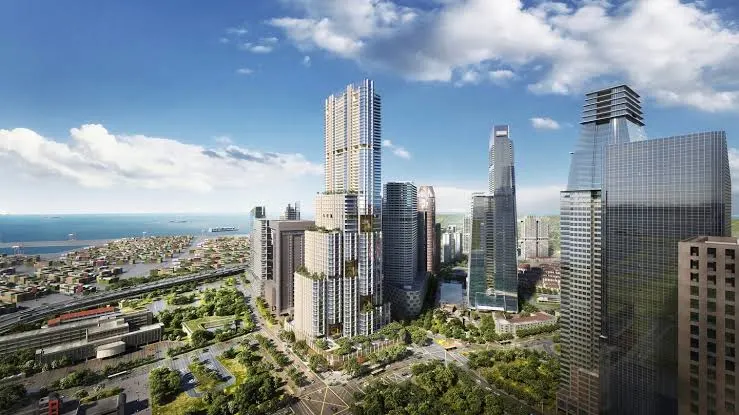
As heatwaves intensify across India, Telangana’s Bharat Future City is piloting a city-scale District Cooling system that replaces individual air conditioners with a centralised chilled-water network. Designed to reduce energy demand, emissions, water consumption, and urban heat, the project offers a new technological blueprint for climate-resilient urban infrastructure.
Share



Sector
Urban Development

Solution
Green Infrastructure

Technology
Other

State of Origin
Telangana
Impact Metrics
50% higher
energy efficiency compared to traditional air-conditioning systems.
6,800 gigawatt-hours (GWh)
of electricity savings projected over the system’s lifecycle.
6.2 million
tons of carbon emissions projected to be reduced.
40% lower water consumption
than conventional cooling systems.
Resources to Replicate This Idea
BUILD YOUR OWN INTERVENTION
Handpicked stories tailored just for you
Explore stories that inspire, inform, and ignite new ideas across tech, innovation, and real-world impact