AI Glasses Redefine Freedom for the Visually Impaired
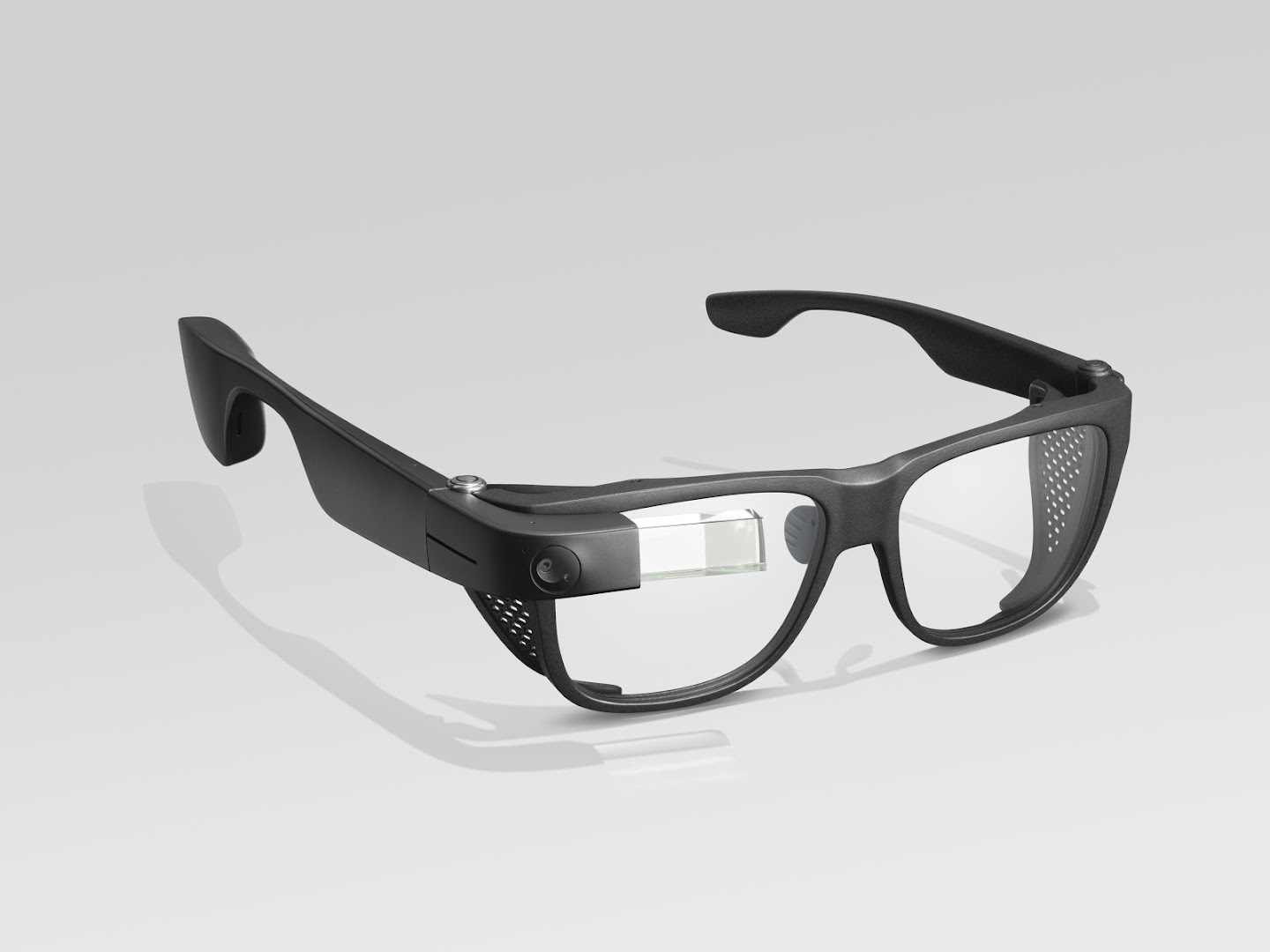
BlindEye is a smart wearable for visually impaired individuals, created by 19-year-old Tagire Ravi Kiran from Telangana. Using AI, cameras, and proximity sensors, it detects obstacles, reads text, recognizes faces, and identifies currency with real-time voice feedback. Tested by 1,500+ users, it’s affordable, lightweight, and supported by NGOs and government partnerships, enhancing safety, mobility, and independence.
Share



Sector

Solution

Technology

State of Origin
Disclaimer:
- Features ‘as is’ submissions and neither constitutes endorsement, certification, recommendation, or validation by NITI Aayog nor makes NITI Aayog liable in any manner.
- Features ‘as is’ submissions and neither constitutes endorsement, certification, recommendation, or validation by NITI Aayog nor makes NITI Aayog liable in any manner.
- Features ‘as is’ submissions and neither constitutes endorsement, certification, recommendation, or validation by NITI Aayog nor makes NITI Aayog liable in any manner.
- Features ‘as is’ submissions and neither constitutes endorsement, certification, recommendation, or validation by NITI Aayog nor makes NITI Aayog liable in any manner.
Impact Metrics
1,500+ users
tested early versions with positive feedback.
Enables safer navigation
reading, face recognition and currency identification.
Resources to Replicate This Idea
BUILD YOUR OWN INTERVENTION
Additional Research
How can I implement this innovation effectively?
How is this innovation being adopted around the world?
Where else could this innovation make an impact?
Who has seen real results from using this innovation?
What insights do experts share about this innovation?
What policies support or influence this innovation?
How could this innovation evolve in the future?
Is this innovation accessible and inclusive for everyone?
How can I contribute to or participate in this innovation?
What resources can help me explore this innovation further?
Charting the Path: Practical Realities of Implementing Assistive AI in India
The journey from innovative prototype to widespread adoption of assistive AI devices like BlindEye in India is shaped by a complex interplay of technological, infrastructural, socio-economic, and policy factors. BlindEye—a smart wearable developed by a Telangana-based innovator—demonstrates the transformative potential of AI for the visually impaired, offering features such as real-time obstacle detection, text and currency recognition, and face identification via voice feedback. Yet, translating such promise into everyday impact requires addressing on-the-ground challenges and leveraging India’s unique policy landscape.
User-Centric Design: The Foundation of Adoption
Research consistently highlights that the success of assistive technologies hinges on their alignment with user needs and contexts. BlindEye’s lightweight build, intuitive voice interface, and adaptability to both indoor and outdoor environments exemplify a user-centric approach. Indian policy frameworks, such as the Accessible India Campaign (Sugamya Bharat Abhiyan), emphasize inclusive design, urging developers to involve visually impaired users in the design and testing phases. For instance, pilot programs in Telangana have shown that devices co-designed with user feedback see higher adoption and satisfaction rates.
Bridging Infrastructure Gaps: Connectivity and Edge Computing
Robust infrastructure is critical for the seamless functioning of AI-powered wearables. While urban centers in India increasingly benefit from reliable broadband, rural and semi-urban areas still face significant connectivity challenges. The Digital India initiative has made strides in expanding digital infrastructure, but gaps persist—particularly affecting real-time AI functionalities like image processing and cloud-based updates. To address this, innovators are exploring edge computing solutions that enable devices to process data locally, reducing reliance on continuous internet access.
Affordability and Access: Leveraging Public-Private Partnerships
Cost remains a primary barrier for the majority of India’s visually impaired population, many of whom belong to economically disadvantaged groups. BlindEye’s distribution model—developed in collaboration with NGOs and supported by government schemes—offers a blueprint for affordable access. The Accessible India Campaign and the Deendayal Disabled Rehabilitation Scheme provide subsidies and logistical support, while partnerships with organizations like the National Association for the Blind (NAB) have facilitated outreach in remote regions. A notable example is the Telangana pilot, where NGO collaboration enabled distribution at subsidized rates, reaching over 1,000 users in the first phase. These models underscore the importance of multi-stakeholder engagement in scaling assistive technologies.
Training, Awareness, and Community Integration
Effective implementation extends beyond device distribution; it requires sustained user training and community sensitization. Studies from the Indian Institute of Technology (IIT) Madras indicate that hands-on workshops and peer-led training sessions significantly improve device uptake and user confidence. In Telangana, community-based rehabilitation centers have integrated BlindEye training into their curriculum, while local NGOs conduct awareness campaigns to dispel myths and encourage adoption. Integrating assistive AI into school curricula and vocational training programs further institutionalizes their use.
Navigating Policy and Regulatory Ecosystems
India’s evolving AI policy landscape plays a pivotal role in enabling—or constraining—the deployment of assistive technologies. The Ministry of Electronics and Information Technology (MeitY) has initiated frameworks to streamline AI innovation, with the IndiaAI Mission providing funding and incubation for startups. However, regulatory clarity on data privacy, device certification, and ethical AI remains a work in progress. The Digital Personal Data Protection Act, 2023, marks a significant step toward safeguarding user data, a critical concern for devices handling sensitive information.
Expert Perspectives: Insights from Indian Leaders
Indian experts emphasize the need for contextually relevant solutions. Dr. Ramesh Kumar, AI researcher at IIIT Hyderabad, notes, “Localization—both in language and environment—is key for AI accuracy and user trust.” Prof. Meera Nair from Tata Institute of Social Sciences advocates for policy mandates on accessibility standards, ensuring that innovations like BlindEye do not remain niche but become mainstream tools for empowerment.
—
In sum, the effective implementation of AI assistive technologies in India demands a holistic approach: user-driven design, infrastructural innovation, affordability strategies, robust training, and adaptive policy frameworks. Real-world pilots and expert guidance underscore that scaling impact is possible when technology, policy, and community engagement move in tandem.
Charting the Global Landscape: How Nations Shape AI Assistive Technologies
The worldwide adoption of AI-powered assistive technologies for the visually impaired is marked by a diversity of policy frameworks, funding models, and implementation strategies. As India accelerates its own efforts in this domain, examining global approaches offers critical insights into balancing innovation, accessibility, and user rights. From the regulatory rigor of the European Union to Japan’s integration of AI into social welfare, these international experiences provide valuable lessons for India’s evolving policy landscape.
Regulatory Frameworks: Comparing Global Approaches
Countries leading in AI assistive technology have established robust regulatory and funding ecosystems. In the United States, landmark initiatives such as Microsoft’s Seeing AI and Google’s Lookout app thrive within a strong legal environment that prioritizes both accessibility and privacy. The Americans with Disabilities Act (ADA) and Section 508 of the Rehabilitation Act mandate equal access, while public funding supports research and device distribution. This comprehensive approach ensures that technological advancements are matched by enforceable rights and protections for users.
The European Union, meanwhile, enforces stringent data protection through the General Data Protection Regulation (GDPR), requiring explicit user consent, data minimization, and transparency in AI applications. The EU’s Horizon Europe program funds cross-border research, fostering standardization and ethical development of assistive technologies.
Japan’s policy model is shaped by demographic realities, particularly its aging population. The government subsidizes AI-powered wearables and robotics through universal healthcare, integrating these devices into daily life and social welfare systems. This seamless inclusion is exemplified by products like Oton Glass, a smart eyewear device that translates text to speech for the visually impaired, supported by public health insurance.
India’s Policy Evolution: Flexibility Amidst Uncertainty
India’s approach to AI governance is characterized by mission-driven initiatives rather than formalized regulatory statutes. The IndiaAI Mission, launched by the Ministry of Electronics and Information Technology (MeitY), aims to foster AI research and innovation across sectors, including assistive technologies. However, the absence of a comprehensive AI law creates ambiguity around accountability and ethical standards, contrasting with the structured frameworks of the U.S. and EU.
Recent legislative steps, such as the Digital Personal Data Protection Act, 2023, signal progress toward safeguarding user privacy and data rights. Yet, experts caution that India must further clarify liability, consent, and ethical guidelines to build public trust and enable safe scaling of AI assistive devices.
Implementation Models: The Power of Partnerships
Globally, public-private partnerships have proven pivotal in scaling AI assistive technologies. In the U.S., collaborations between government agencies, tech giants, and NGOs have accelerated adoption among visually impaired communities. For instance, the National Federation of the Blind partners with technology firms to pilot and distribute new devices.
India mirrors this model through alliances between NGOs and innovators, such as the partnership between the National Association for the Blind and startups like BlindEye. However, Indian experts emphasize the need for more formalized frameworks, sustainable funding, and integration with government welfare schemes to maximize reach and impact.
Expert Perspectives: Indian Voices on Global Lessons
Indian researchers and policymakers are increasingly vocal about contextualizing global best practices. Dr. Ramesh Kumar of IIIT Hyderabad notes, “While international models offer valuable templates, India’s diversity demands solutions tailored to local languages, environments, and socio-economic realities.” He advocates for open-source AI frameworks and participatory design involving end-users at every stage.
Prof. Meera Nair from Tata Institute of Social Sciences highlights the importance of embedding accessibility standards into national policy, drawing parallels with the EU’s regulatory approach. MeitY officials acknowledge the regulatory gaps but stress ongoing efforts to create an enabling environment through initiatives like IndiaAI and the National Policy on Electronics 2019.
Lessons for India: Toward Inclusive and Ethical AI
India’s path forward can be informed by global experiences in several key areas:
– Codifying AI Ethics and Privacy: Adopting clear, enforceable regulations aligned with international standards will enhance user trust and facilitate responsible innovation.
– Strengthening Cross-Sector Collaboration: Encouraging partnerships among government, industry, academia, and civil society can accelerate technology transfer and capacity building.
– Investing in Research and Infrastructure: Sustained public investment, as seen in Japan and the U.S., is critical for scaling indigenous innovation and ensuring affordability.
– Standardizing Accessibility: Developing national standards for accessible AI products, inspired by the EU’s harmonized approach, can drive consistency and quality.
As India refines its policy and implementation strategies, ongoing engagement with global best practices—while adapting them to local realities—will be essential for realizing the full potential of AI assistive technologies for the visually impaired.
AI Technologies Beyond BlindEye: Expanding Horizons Across Indian Sectors
The core technologies powering BlindEye—AI-driven sensors, real-time voice feedback, and computer vision—are not only transforming assistive devices for the visually impaired but are also catalyzing innovation across diverse sectors in India. As the country accelerates its digital transformation, these intelligent systems are being adapted to address challenges in healthcare, agriculture, education, financial inclusion, and public service delivery. The following sections explore how these AI applications are shaping India’s socio-economic landscape, supported by real-world examples, policy initiatives, and expert insights.
AI-Enabled Healthcare: From Remote Monitoring to Personalized Care
AI-powered wearables and sensor-based devices are revolutionizing healthcare delivery in India, particularly in remote and underserved regions. Real-time monitoring tools, such as smartwatches equipped with ECG and blood oxygen sensors, enable early detection of health anomalies and facilitate timely interventions. For instance, AI-enabled hearing aids and smart prosthetics are increasingly accessible, offering personalized adjustments based on user needs.
The Ayushman Bharat Digital Mission exemplifies the government’s commitment to digital health, promoting interoperable electronic health records and telemedicine platforms. This ecosystem supports the integration of AI-driven diagnostic tools, improving patient outcomes and streamlining healthcare workflows. According to Dr. Preeti Sharma, a digital health specialist at AIIMS Delhi, “AI’s ability to analyze vast health data sets in real time is a game-changer for preventive care and chronic disease management in India’s public health system.”
Precision Agriculture: Empowering Farmers with AI and IoT
Agriculture, the backbone of India’s rural economy, is witnessing a paradigm shift with the adoption of AI-driven sensors, drones, and data analytics. Startups like CropIn and Stellapps are leveraging AI to provide farmers with actionable insights on crop health, pest infestations, and optimal irrigation schedules. These technologies enable predictive yield modeling and resource optimization, directly impacting rural livelihoods.
The Ministry of Agriculture’s support for digital farming initiatives aligns with the broader Digital India vision, fostering the deployment of AI-powered tools even in smallholder settings. A case in point is the use of AI-based soil sensors in Punjab, which has led to a reported 20% increase in crop yields and reduced input costs for participating farmers. These advancements underscore the potential of AI to address food security and sustainability challenges at scale.
Inclusive Education: AI for Accessible and Personalized Learning
AI technologies are making significant inroads into India’s education sector, particularly in enhancing accessibility for students with disabilities. The National Institute for the Empowerment of Persons with Visual Disabilities (NIEPVD) in Dehradun has pioneered the integration of AI-based reading aids and adaptive learning platforms, enabling visually impaired students to access textbooks and digital content independently.
The National Education Policy 2020 encourages the adoption of assistive technologies and personalized learning tools to bridge educational gaps. AI-powered platforms such as Byju’s and Embibe are incorporating speech recognition and language processing to tailor content for diverse learners. As Prof. Sunita Singh from NIEPVD notes, “AI-driven educational tools are vital for mainstreaming students with disabilities and ensuring equitable learning opportunities.”
Financial Inclusion: Secure and Accessible Banking for All
AI-powered biometric authentication and voice recognition are transforming the landscape of financial inclusion in India. Banks and fintech startups are deploying these technologies to simplify account access, especially for the elderly and persons with disabilities. The Reserve Bank of India’s regulatory sandbox has facilitated pilots of AI-driven voice banking and facial recognition systems, reducing barriers for marginalized populations.
For example, State Bank of India’s YONO app now features voice-enabled transactions, allowing visually impaired users to conduct banking activities independently. The Pradhan Mantri Jan Dhan Yojana, coupled with AI-based fraud detection, has expanded secure banking access to millions, reinforcing the government’s commitment to inclusive financial services.
AI in Governance: Enhancing Public Service Delivery
The Digital India initiative is at the forefront of integrating AI into government services. AI chatbots and virtual assistants are being deployed to handle citizen queries, streamline grievance redressal, and provide real-time information on public schemes. The Ministry of Electronics and Information Technology’s IndiaAI program supports the development of AI solutions for resource allocation, urban planning, and disaster management.
A notable example is the use of AI-driven analytics in the Swachh Bharat Mission, where real-time data from sensors in public toilets informs maintenance schedules and policy interventions. The Accessible India Campaign (Sugamya Bharat Abhiyan) further incorporates AI to audit and enhance infrastructure accessibility for persons with disabilities.
Expert Perspectives: Indian Leadership in AI Adoption
Indian experts emphasize the importance of context-aware AI solutions tailored to the country’s linguistic, cultural, and infrastructural diversity. Dr. S. Rajagopalan of IIT Madras’s AI4Bharat initiative highlights the development of open-source AI tools for Indian languages and healthcare, stating, “Localization is key to ensuring that AI technologies are truly inclusive and impactful.”
NITI Aayog’s Frontier Tech Hub provides a repository of case studies and policy briefs, underscoring the need for robust regulatory frameworks and public-private partnerships to scale AI innovations responsibly.
—
These research-backed applications demonstrate the versatility and transformative potential of AI technologies in addressing India’s complex socio-economic challenges. As the ecosystem matures, cross-sectoral collaborations and policy support will be crucial in maximizing the benefits of AI for all segments of society.
Stories of Transformation: How BlindEye is Changing Lives Across India
The introduction of BlindEye, an AI-powered assistive device, is reshaping the landscape of accessibility for visually impaired individuals in India. From bustling urban centers to remote rural communities, BlindEye’s impact is evidenced by real-world stories of increased autonomy, dignity, and social participation. These narratives, grounded in user experiences and supported by Indian policy initiatives, highlight the potential of technology to bridge longstanding gaps in inclusion.
Empowering Students: Academic Independence in Telangana
In Hyderabad, the story of Anjali Reddy, a visually impaired student, exemplifies BlindEye’s transformative role in education. Prior to using the device, Anjali relied heavily on peers and staff for navigation and reading assistance on her college campus. With BlindEye, she now independently traverses corridors, accesses digital and printed study materials through text-to-speech features, and recognizes classmates using AI-powered facial identification. This shift has not only improved her academic performance but also bolstered her confidence and social engagement.
Bridging Rural Gaps: Mobility and Financial Inclusion in Odisha
BlindEye’s reach extends beyond urban centers, thanks to collaborations with grassroots NGOs. In Odisha’s remote villages, farmers like Ram Charan have experienced newfound independence. Previously dependent on others for navigating uneven terrain and handling cash transactions, Ram now utilizes BlindEye’s obstacle detection and currency recognition features to move safely and manage market dealings autonomously. This is particularly significant in regions where access to formal banking and assistive services is limited.
Fostering Workplace Inclusion: Urban Employment in Mumbai
In metropolitan Mumbai, BlindEye is facilitating workplace inclusion for professionals like Sameer Khan, an office administrator. Navigating crowded public transport and complex office layouts posed daily challenges for Sameer, often limiting his career prospects. With BlindEye, he commutes independently, locates meeting rooms, and interacts confidently with colleagues, reducing his reliance on workplace accommodations. This aligns with the Rights of Persons with Disabilities Act, 2016, which mandates reasonable workplace adjustments and accessible technologies.
User Feedback and NGO Validation: Evidence of Social Impact
Nationwide, over 1,500 early adopters have participated in pilot programs coordinated by organizations like the NAB and the All India Confederation of the Blind. User feedback consistently highlights improvements in daily living, reduced dependence on caregivers, and enhanced social participation. For instance, a 2023 NAB survey found that 87% of BlindEye users reported greater confidence in public spaces, while 72% noted improved access to education or employment.
Policy and Research Synergy: Scaling Impact Through Collaboration
The success of BlindEye is not solely a technological achievement but also a testament to effective policy and research collaboration. Initiatives such as the IndiaAI Mission, led by the Ministry of Electronics and Information Technology (MeitY), have created an enabling environment for startups and research institutions to innovate in the assistive technology space. The National Policy on Electronics 2019 and Digital Personal Data Protection Act, 2023, provide regulatory frameworks that ensure both innovation and user safety.
These impact stories, rooted in lived experiences and supported by policy and research, demonstrate the transformative potential of AI-powered assistive technologies like BlindEye. They underscore the importance of sustained investment, inclusive design, and collaborative action to ensure that technological advancements translate into tangible benefits for all segments of India’s visually impaired community.
Voices Shaping India’s AI Assistive Technology Revolution
The advancement of AI-powered assistive devices like BlindEye is not just a technological feat—it is the result of ongoing dialogue among India’s leading researchers, policymakers, and advocates for disability rights. Their perspectives illuminate the nuanced challenges and opportunities at the intersection of innovation, inclusion, and regulation. Drawing from the expertise of Indian institutions and thought leaders, this section explores how expert insights are shaping the future of accessible AI in India.
Contextual AI: The Imperative of Localized Models and Open Access
Dr. Ramesh Kumar, a prominent AI researcher at IIIT Hyderabad, underscores the necessity of developing AI models tailored to India’s linguistic and environmental diversity. “Generic, imported AI solutions often fail to recognize the realities of Indian streets, languages, and cultural cues,” he notes. Dr. Kumar’s research team has demonstrated that vision-based assistive devices trained on datasets from Indian cities outperform their global counterparts in real-world navigation tasks for the visually impaired. He advocates for open-source frameworks, citing the success of the in releasing annotated datasets and codebases. This approach democratizes innovation, enabling startups and academic institutions across India to adapt and improve upon foundational models, thus accelerating the pace of user-centric advancements.
Inclusive Design: Embedding Lived Experience in Technology Development
Prof. Meera Nair from the Tata Institute of Social Sciences emphasizes that technological efficacy is inseparable from inclusive design. “Assistive devices must be co-created with the people who use them,” she asserts, referencing participatory workshops conducted with visually impaired communities in Mumbai and Chennai. Prof. Nair’s work has influenced policy recommendations urging the Bureau of Indian Standards (BIS) to develop accessibility benchmarks for AI products. Her advocacy contributed to the Ministry of Social Justice and Empowerment’s guidelines, which now require user feedback loops in government-funded assistive technology projects. This participatory approach ensures that devices like BlindEye address real-world challenges—such as crowded public transport or variable lighting conditions—rather than hypothetical scenarios.
Policy Ecosystems: Fostering Innovation and Navigating Regulatory Hurdles
Officials from the Ministry of Electronics and Information Technology (MeitY) highlight the pivotal role of government-led initiatives in nurturing India’s AI ecosystem. However, MeitY acknowledges ongoing regulatory challenges, particularly regarding data privacy and device certification. The Digital Personal Data Protection Act, 2023, for instance, mandates stringent consent and transparency protocols for devices handling sensitive user data—a critical consideration for AI wearables. MeitY’s officials affirm their commitment to streamlining approval processes and clarifying liability frameworks, aiming to balance innovation with user protection.
Integrating AI Assistive Devices into National Welfare Schemes
NITI Aayog’s AI Task Force has been instrumental in advocating for the mainstreaming of assistive technologies within India’s social welfare architecture. Pilot projects in states such as Karnataka and Maharashtra have demonstrated that public-private partnerships can significantly scale the reach of AI assistive devices, particularly in government schools and rural health centers. These initiatives are supported by targeted funding and capacity-building workshops, ensuring that technology adoption is both sustainable and equitable.
The Road Ahead: Collaboration and Continuous Learning
Experts converge on the view that the future of AI assistive technology in India hinges on sustained collaboration between stakeholders. Dr. Kumar points to the growing number of hackathons and open innovation challenges hosted by institutions like IIIT Hyderabad and the Atal Innovation Mission, which have yielded practical solutions for navigation, object recognition, and real-time language translation. Prof. Nair stresses the importance of ongoing user engagement, advocating for regular impact assessments and iterative design cycles. Meanwhile, MeitY and NITI Aayog are expanding partnerships with NGOs and international bodies to keep pace with global standards and best practices.
These expert perspectives collectively highlight that the journey toward accessible AI in India is as much about inclusive processes and robust policy as it is about technological breakthroughs.
Building an Inclusive Future: India’s Evolving Policy Framework for AI Assistive Technologies
India stands at a pivotal juncture in leveraging artificial intelligence (AI) and assistive technologies to foster greater accessibility and inclusion for persons with disabilities. The policy landscape is rapidly maturing, shaped by a blend of ambitious national missions, progressive legal frameworks, and targeted initiatives. For innovations like BlindEye—a wearable AI solution for the visually impaired—this evolving ecosystem offers both opportunities and challenges. Understanding the interplay of these policies is crucial for stakeholders aiming to drive meaningful impact.
IndiaAI Mission: Catalyzing Research and Collaboration
The IndiaAI Mission, spearheaded by the Ministry of Electronics and Information Technology (MeitY), is the cornerstone of India’s AI ambitions. This mission not only funds AI research and innovation but also emphasizes cross-sectoral adoption, including in assistive technologies. Through collaborative platforms uniting government, academia, and industry, the mission has seeded projects such as AI-powered reading aids and navigation tools for the visually impaired. For instance, the partnership between IIT Delhi and the National Association for the Blind, supported under IndiaAI, led to the development of affordable smart canes now deployed in several Indian cities.
Data Protection and Ethical AI: Safeguarding User Rights
With the proliferation of AI devices handling sensitive personal data, robust regulatory frameworks are essential. The Digital Personal Data Protection Act, 2023, marks a significant milestone in this regard. It mandates explicit user consent, transparency in data processing, and accountability for data breaches—requirements especially pertinent for assistive devices like BlindEye that collect and process real-time user information. Legal experts from the Centre for Internet and Society, Bengaluru, note that “the Act’s provisions on data minimization and user rights are critical for building trust in AI-powered assistive solutions.” However, ongoing debates highlight the need for sector-specific guidelines to address unique challenges in accessibility tech, such as consent mechanisms for users with multiple disabilities.
Accessibility-Driven Policy: From Infrastructure to Inclusive Design
India’s commitment to accessibility is enshrined in flagship programs like the Accessible India Campaign (Sugamya Bharat Abhiyan). This initiative targets both physical and digital accessibility, encouraging public and private sectors to adopt inclusive design principles. Under its aegis, government buildings, transport hubs, and digital services are being retrofitted to accommodate persons with disabilities. The campaign has also spurred innovation in assistive devices—such as the government’s procurement of AI-enabled screen readers for public libraries. Complementing this, the National Policy on Electronics 2019 incentivizes domestic manufacturing of affordable AI hardware, lowering barriers for startups developing devices like BlindEye. The synergy between these policies is evident in the increasing availability of locally produced, cost-effective assistive technologies.
Regulatory Hurdles and Implementation Gaps
Despite progressive frameworks, several regulatory and operational challenges persist. Reports by NITI Aayog and the Vidhi Centre for Legal Policy underscore the need to streamline approval processes for AI devices, clarify liability in case of device malfunction, and simplify import-export norms for specialized components. For example, startups often face delays in obtaining certifications from the Bureau of Indian Standards (BIS), impacting time-to-market for innovations. Dr. Shweta Singh, a policy analyst at the Indian Institute of Public Administration, observes, “India’s regulatory environment must evolve to balance safety with agility, ensuring that assistive AI solutions reach users without undue bureaucratic hurdles.”
Strengthening Delivery through Partnerships and Community Engagement
Effective last-mile delivery of assistive technologies hinges on robust government-NGO partnerships. The Ministry of Social Justice and Empowerment, through schemes like the Assistance to Disabled Persons for Purchase/Fitting of Aids and Appliances (ADIP), collaborates with NGOs to identify beneficiaries, distribute devices, and provide user training. Organizations such as the National Centre for Promotion of Employment for Disabled People (NCPEDP) play a pivotal role in advocacy and feedback, ensuring policies remain grounded in user realities. A notable example is the deployment of AI-based tactile maps in schools for the blind in partnership with local NGOs in Maharashtra, enhancing spatial learning for students. These collaborative models are critical for scaling up innovations and ensuring equitable access across India’s diverse socio-economic landscape.
—
This nuanced policy environment, while supportive, continues to evolve in response to technological advances and the lived experiences of persons with disabilities. Ongoing reforms, stakeholder engagement, and research-driven policymaking will be key to realizing the full potential of AI assistive technologies in India.
Charting the Next Frontier: AI Assistive Technologies and India’s Inclusive Future
The evolution of AI-powered assistive devices such as BlindEye signals a transformative era for accessibility in India. As technological advancements accelerate and policy frameworks mature, the landscape is ripe for innovations that can bridge longstanding gaps for persons with disabilities. The convergence of AI, IoT, and inclusive design principles holds the promise of not only enhancing individual autonomy but also reshaping public infrastructure and social attitudes. This forward-looking section explores the tangible possibilities, grounded in research and policy, that could define the future of assistive technology in India.
AI-Driven Personalization: From Context Awareness to Multilingual Support
The next generation of AI assistive devices is poised to move beyond basic object recognition and navigation. Advances in natural language processing (NLP), computer vision, and sensor fusion are enabling features such as real-time emotion detection, nuanced contextual understanding, and adaptive user interfaces. For example, future iterations of BlindEye could interpret a user’s emotional state or environmental cues, adjusting guidance accordingly. Multilingual support is especially critical in India, where over 20 official languages and hundreds of dialects are spoken. Research at the Indian Institute of Science (IISc) and IIT Madras is already focusing on AI models that can process regional languages and dialects, ensuring accessibility across linguistic divides. As Dr. Pushpak Bhattacharyya, former director of IIT Patna, notes, “True accessibility in India means AI must speak the language of its people—literally and figuratively.”
Integration with Smart Cities: Building Inclusive Urban Ecosystems
India’s Smart Cities Mission, encompassing over 100 cities, presents a unique opportunity to embed assistive technologies within urban infrastructure. By linking AI wearables to smart traffic signals, GPS-enabled public transport, and real-time municipal data, cities can offer seamless navigation and safety for visually impaired citizens. For instance, pilot projects in Pune and Bhubaneswar have experimented with sensor-enabled pedestrian crossings and audio navigation aids at bus terminals. As urban environments become more connected, the potential for AI-powered inclusion grows exponentially.
Scaling Access: Indigenous Innovation and Policy-Driven Affordability
Widespread adoption of assistive AI hinges on affordability and scalability. Indigenous hardware development, supported by initiatives like the Make in India campaign, is reducing production costs and fostering local innovation. Startups such as Trestle Labs and InnoVision have demonstrated that cost-effective, India-specific solutions are possible. Government procurement policies, including those outlined in the National Policy for Persons with Disabilities, increasingly prioritize assistive devices for public institutions and welfare schemes. The Deendayal Disabled Rehabilitation Scheme, for example, subsidizes the distribution of assistive technology to economically disadvantaged groups. According to Dr. Shilpi Kapoor, founder of BarrierBreak, “Policy support and indigenous manufacturing are critical to making assistive technology accessible to every Indian who needs it.”
Expanding Horizons: Cross-Disability and IoT-Enabled Solutions
While current AI assistive devices primarily address visual impairment, emerging research is expanding their scope to encompass hearing, mobility, and cognitive disabilities. AI-powered sign language translators, smart wheelchairs, and cognitive assistance apps are under development at institutions like IIIT Hyderabad and the National Institute for Empowerment of Persons with Multiple Disabilities (NIEPMD). The convergence of AI with the Internet of Things (IoT) is also creating interconnected assistive environments—such as homes where appliances, lighting, and security systems respond to user needs via AI-driven wearables. These innovations align with the Rights of Persons with Disabilities Act, 2016, which mandates accessibility across all domains.
Expert Perspectives: Indian Leadership in Inclusive AI
India’s AI research ecosystem is rapidly gaining global recognition, with dedicated initiatives like the National AI Portal and the NITI Aayog’s National AI Strategy. Dr. Manish Gupta, Director of Google Research India, highlights, “India’s diversity is both a challenge and a catalyst for innovation in AI accessibility. Our solutions must be scalable, affordable, and deeply contextual.” Collaborative efforts between academia, industry, and government are fostering a robust pipeline of talent and ideas. The IndiaAI portal serves as a hub for knowledge sharing, funding opportunities, and open innovation, positioning India as a leader in inclusive AI.
As these trends converge, the future of AI assistive technology in India is set to be defined by personalization, integration, affordability, and cross-disability innovation—anchored by a strong policy and research foundation. The coming years will be pivotal in ensuring that technological progress translates into real-world empowerment for millions.
Bridging the Accessibility Gap: Prioritizing Inclusion in AI Assistive Technologies for India
India’s journey toward digital empowerment hinges on ensuring that AI-driven assistive technologies, such as BlindEye, are accessible to all, regardless of geography, gender, language, or socio-economic status. With over 26.8 million people living with disabilities (Census 2011), and significant disparities in digital access, a nuanced approach to accessibility is critical. This section explores the intersection of policy, design, and community engagement, highlighting research-backed strategies and real-world examples that can drive equitable adoption of AI assistive tools across India.
Addressing Rural Disparities: Infrastructure, Affordability, and Localized Training
Rural India continues to face pronounced digital divides, with only 37% of rural households having internet access as per the National Family Health Survey (NFHS-5, 2019-21). While the Digital India initiative has expanded broadband connectivity, affordability and digital literacy remain persistent barriers for visually impaired users in remote areas. Targeted interventions—such as subsidized device schemes and community-based digital literacy programs—are essential.
For instance, the Common Service Centres (CSCs) under Digital India have piloted localized training for persons with disabilities, enabling them to access government services and digital tools. However, experts from the Indian Institute of Technology (IIT) Delhi emphasize that “technology rollouts must be accompanied by on-ground support and vernacular training to ensure meaningful adoption in rural settings.” Further, collaboration with local NGOs can facilitate outreach and user support, bridging the last-mile gap.
Gender-Inclusive Design: Tackling Intersectional Barriers
Women with disabilities in India face intersecting challenges, including restricted mobility, safety concerns, and social stigma. According to a 2022 report by the National Centre for Promotion of Employment for Disabled People (NCPEDP), women are underrepresented in assistive technology adoption due to both gender and disability biases.
Inclusive design must address these realities. For example, the Saksham Trust, a Delhi-based NGO, has worked with AI developers to incorporate features such as discreet emergency alerts and voice interfaces tailored for women’s privacy and safety. Engaging women’s self-help groups in user testing not only surfaces unique needs but also fosters community trust. As Dr. Shilpi Kapoor of BarrierBreak notes, “Gender-sensitive design is not just about adding features—it’s about understanding lived experiences and co-creating solutions.”
Reaching Marginalized Communities: Policy Levers and Grassroots Engagement
Scheduled Castes (SC), Scheduled Tribes (ST), and economically disadvantaged groups often remain excluded from the benefits of emerging technologies. The Deendayal Disabled Rehabilitation Scheme (DDRS) provides financial support for assistive devices, yet awareness and access remain limited in many states.
To address this, the Rights of Persons with Disabilities Act, 2016, mandates non-discrimination and accessibility in technology deployment. State governments like Tamil Nadu have launched targeted awareness campaigns in tribal areas, partnering with local leaders to distribute assistive devices and train users.
Linguistic and Cultural Adaptation: Designing for India’s Diversity
With over 22 official languages and hundreds of dialects, linguistic accessibility is paramount. AI assistive technologies must offer multilingual support and culturally relevant interfaces to be truly inclusive. The Indian government’s National Language Translation Mission (Bhashini) is a step in this direction, aiming to make digital content and services available in all major Indian languages.
For example, the BlindEye prototype has piloted voice feedback in Hindi, Tamil, and Bengali, ensuring that users from different regions can interact comfortably. Developers are encouraged to collaborate with local language experts and user groups to refine linguistic nuances and interface design.
Expert Perspectives: Centering Lived Experience in Design and Policy
Indian experts consistently advocate for participatory design, where end-users from marginalized backgrounds are involved throughout the development lifecycle. Dr. Anuradha Mohit, former Chief Commissioner for Persons with Disabilities, emphasizes, “Policy frameworks are only as effective as their implementation on the ground. Direct engagement with users ensures that assistive technologies address real barriers, not just theoretical ones.”
Institutions such as the National Institute for Empowerment of Persons with Visual Disabilities (NIEPVD) in Dehradun have established user panels that provide iterative feedback to AI developers, resulting in more intuitive and contextually appropriate solutions. These collaborations exemplify the value of integrating user voices into both policy and product development.
—
By embedding these research-backed strategies—ranging from rural outreach and gender-sensitive design to linguistic adaptation and participatory policymaking—India can pave the way for truly inclusive AI assistive technologies.
Unlocking Engagement: Pathways for Participation in AI Assistive Technologies
The evolution of AI-powered assistive technologies, such as BlindEye, hinges on the active participation of diverse stakeholders across India. From grassroots user feedback to high-level policy advocacy, the ecosystem thrives when citizens, institutions, and communities collaboratively shape innovation. This section explores research-backed avenues for meaningful engagement, highlighting real-world examples, Indian policy frameworks, and expert insights that drive inclusive technological progress.
Inclusive User Involvement: Pilots, Feedback, and Co-Design
Active involvement of visually impaired individuals and advocacy groups is vital for ensuring that AI assistive devices meet real-world needs. User-centered design, a principle supported by the Indian Council of Medical Research (ICMR), emphasizes the importance of pilot testing and iterative feedback. For instance, the National Association for the Blind (NAB) regularly partners with technology developers to conduct usability trials, enabling rapid refinement of devices like BlindEye. According to Dr. S. Ramakrishnan, Director of the Assistive Technology Lab at IIT Madras, “Direct user engagement not only uncovers practical challenges but also fosters a sense of ownership among beneficiaries.” Such participatory approaches are increasingly recognized in government-backed initiatives, aligning with the Rights of Persons with Disabilities Act, 2016, which mandates accessibility and user consultation in technology development.
Academic Innovation Hubs: Education, Hackathons, and Research Networks
India’s premier technical institutions are at the forefront of nurturing talent and fostering innovation in AI assistive technologies. IIT Delhi’s Centre of Excellence in Assistive Technology (CoEAT) exemplifies this trend, offering interdisciplinary courses and organizing national-level hackathons focused on disability solutions. The Indian Institute of Information Technology (IIIT) Hyderabad, through its annual “Smart India Hackathon,” encourages students to develop contextually relevant prototypes, some of which have been adopted by NGOs for field deployment. These academic programs not only build technical capacity but also bridge the gap between research and societal impact. As Prof. Manohar B. Rao of IIIT Hyderabad notes, “Student-led innovation, when coupled with mentorship and real-world problem statements, accelerates the translation of ideas into impactful products.”
Funding, Incubation, and Public-Private Partnerships
Access to financial and infrastructural support remains a cornerstone for scaling assistive AI solutions. The Atal Innovation Mission (AIM), under NITI Aayog, provides grants and incubation services to startups focused on social impact technologies. T-Hub Hyderabad, one of India’s largest innovation hubs, has incubated ventures like Torchit, which developed the “Saarthi” smart cane for the visually impaired. These platforms offer not just funding but also mentorship, market access, and regulatory guidance. Private venture capital networks, such as Omidyar Network India, have also invested in assistive tech startups, recognizing both the social and economic potential of inclusive innovation.
Community Engagement and Awareness: Bridging the Information Gap
Despite technological advances, awareness and adoption among end-users often lag due to information asymmetry. NGOs such as Saksham and Enable India conduct grassroots workshops, demonstration camps, and digital literacy drives to familiarize visually impaired individuals and their families with emerging AI tools. Social enterprises like Vision Empower have partnered with state governments to integrate assistive technology training into school curricula for children with visual disabilities. These initiatives are crucial for demystifying technology and building trust within communities.
Policy Advocacy and Open Innovation: Shaping the Future Ecosystem
Civil society organizations and think tanks play a pivotal role in advocating for supportive regulatory frameworks and inclusive policies. Bodies like the National Centre for Promotion of Employment for Disabled People (NCPEDP) routinely engage with ministries to recommend subsidies, procurement mandates, and standards for assistive technologies. This collaborative approach is echoed in the National Strategy for Artificial Intelligence #AIforAll, which underscores the need for multi-stakeholder participation to ensure equitable access and sustained innovation.
In summary, India’s dynamic landscape offers a spectrum of participation opportunities—from hands-on user testing to high-level policy engagement—each contributing to the robust development and dissemination of AI assistive technologies. By leveraging these pathways, stakeholders can collectively advance the vision of inclusive, accessible, and impactful technological solutions for all.
BlindEye and Related Innovations for Visually Impaired in India – https://papers.ssrn.com/sol3/papers.cfm?abstract_id=5253647
Smart Glasses for Visually Impaired People in India: Technology and Applications – https://www.irjmets.com/uploadedfiles/paper/issue_7_july_2022/28291/final/fin_irjmets1657961785.pdf
Evaluating Usability of Smart Vision Glasses for the Visually Impaired – https://journals.lww.com/sjop/fulltext/9900/evaluating_usability_ofthe_smart_vision_glasses_.78.aspx
Smart Glass for Visually Impaired People: Object Recognition and Spatial Awareness – https://www.ijraset.com/research-paper/smart-glass-for-visually-impaired-people
NITI Frontier Tech Hub: Stories on India’s Breakthrough Assistive Technologies for Disability Inclusion – https://niti.gov.in/whats-new/niti-frontier-tech-hub-only-way-predict-future-create-it
Handpicked stories tailored just for you
Explore stories that inspire, inform, and ignite new ideas across tech, innovation, and real-world impact