Essential IoT Device Tackling India’s Urgent Freshwater Crisis
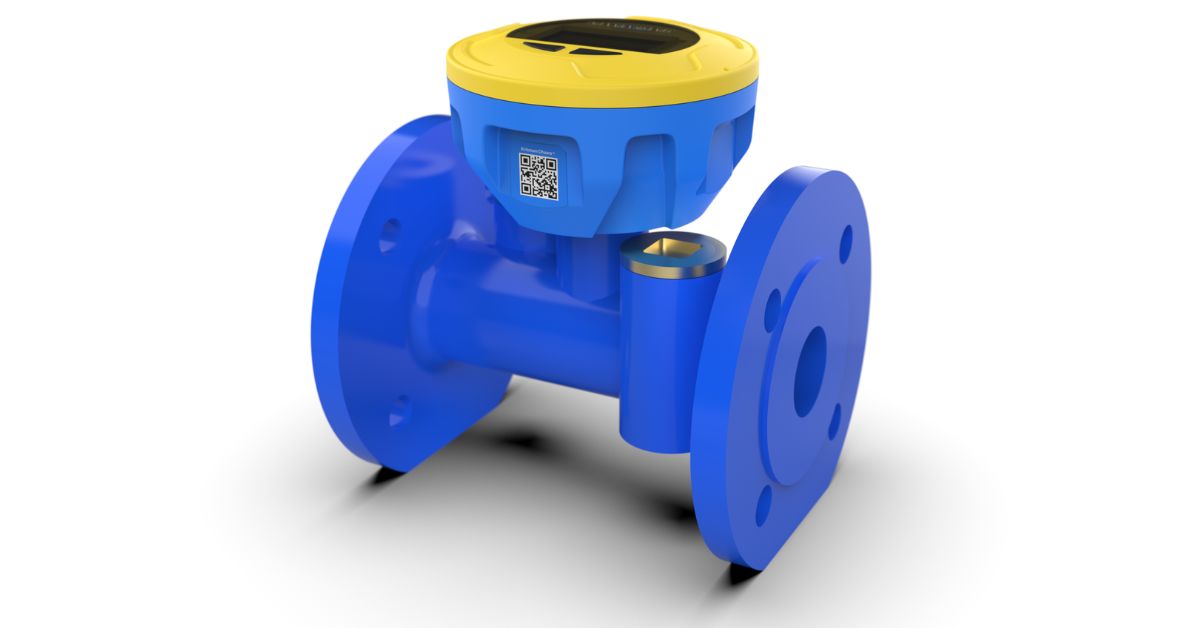
Dhaara’s IoT-enabled ultrasonic flowmeter offers real-time, remote water monitoring with under 2% error. It transmits data via 4G to laptops, WhatsApp, SMS, and email, reducing manual errors and fines. With no moving parts, battery backup, and leak detection, it’s transforming water use in factories, farms, and homes—helping solve India’s urgent water crisis.
Share



Sector

Solution

Technology

State of Origin
Disclaimer:
- Features ‘as is’ submissions and neither constitutes endorsement, certification, recommendation, or validation by NITI Aayog nor makes NITI Aayog liable in any manner.
- Features ‘as is’ submissions and neither constitutes endorsement, certification, recommendation, or validation by NITI Aayog nor makes NITI Aayog liable in any manner.
- Features ‘as is’ submissions and neither constitutes endorsement, certification, recommendation, or validation by NITI Aayog nor makes NITI Aayog liable in any manner.
- Features ‘as is’ submissions and neither constitutes endorsement, certification, recommendation, or validation by NITI Aayog nor makes NITI Aayog liable in any manner.
Impact Metrics
Real-time monitoring
delivers instant insights on water usage across sectors.
High accuracy
provides precise data to support smarter water decisions.
Waste reduction
helps industries and farmers cut down on water wastage.
Better groundwater management
equips policymakers to protect and replenish groundwater resources.
Resources to Replicate This Idea
BUILD YOUR OWN INTERVENTION
Additional Research
How can I implement this innovation effectively?
How is this innovation being adopted around the world?
Where else could this innovation make an impact?
Who has seen real results from using this innovation?
What insights do experts share about this innovation?
What policies support or influence this innovation?
How could this innovation evolve in the future?
Is this innovation accessible and inclusive for everyone?
How can I contribute to or participate in this innovation?
What resources can help me explore this innovation further?
Driving Change: Practical Lessons from Implementing Smart Flowmeter Technology in India
The rollout of Kritsnam Technologies’ Dhaara Smart Flowmeter marks a pivotal moment in India’s approach to groundwater management. By bridging the longstanding data gap identified by NITI Aayog and other water governance bodies, this innovation offers real-time, accurate water usage data—an essential tool in the fight against water scarcity. Its robust, tamper-proof design, regulatory certifications, and adaptability to diverse environments have enabled its adoption across industrial, agricultural, and rural contexts. Yet, the true impact of such technology depends on thoughtful integration with existing systems, stakeholder trust, and alignment with national water policies. The following insights, grounded in research and field experience, illuminate the pathways and challenges of scaling smart flowmeter solutions across India.
Seamless Integration with Existing Infrastructure and Workflows
A critical factor in the success of the Dhaara Smart Flowmeter has been its compatibility with India’s varied water infrastructure. The device’s plug-and-play installation, IP68-rated durability, and three-year battery life minimize operational disruptions and maintenance costs—key considerations for both large industrial users and rural communities. For example, Tata Steel and Jindal Stainless have integrated Dhaara meters into their water management systems, enabling real-time monitoring and compliance with regulatory mandates. The device’s ISO 4064:2014 certification further assures stakeholders of its accuracy and reliability, fostering trust and facilitating broader adoption.
Government support has played a catalytic role. The Technology Development Board’s financial backing and the alignment with the Atal Bhujal Yojana (ABHY) have accelerated institutional acceptance. ABHY pilots in Rajasthan and Gujarat have demonstrated how integrating smart flowmeters with community-led water user associations empowers local decision-making and enforces sustainable extraction limits.
Data-Driven Decision Making: From Pilots to Policy
The transition from pilot projects to large-scale implementation hinges on the ability to translate granular water usage data into actionable insights. In Rajasthan’s Alwar district, for instance, village water user groups equipped with Dhaara Smart Flowmeters have successfully stabilized groundwater levels by enforcing withdrawal limits based on real-time data. These outcomes underscore the importance of coupling technological deployment with capacity building and policy support.
At the policy level, the Central Ground Water Authority (CGWA) has mandated water metering for large groundwater users, creating a regulatory environment conducive to smart flowmeter adoption. The National Water Policy (2012, under revision) and the Jal Jeevan Mission further emphasize the need for data-driven water management, opening avenues for integrating smart metering into broader water governance frameworks.
Affordability and Accessibility: Scaling for Diverse Indian Contexts
Affordability remains a cornerstone of widespread technology adoption. Kritsnam’s pricing strategy—ranging from Rs 25,000 to Rs 75,000 per unit—positions the Dhaara Smart Flowmeter as accessible not only to industries but also to agricultural cooperatives and rural communities. The device’s energy-efficient IoT design and long battery life address the infrastructural limitations prevalent in many Indian regions.
Accessibility is further enhanced by the device’s compatibility with GPRS/4G telemetry, ensuring functionality even in low-connectivity areas. This is particularly relevant for rural India, where initiatives like BharatNet and Digital India are expanding digital infrastructure. Inclusive design features, such as multilingual interfaces and user-friendly dashboards, support adoption among women and marginalized groups, who are often primary water managers in households and agriculture.
Expert Perspectives: Indian Voices on Technology and Water Governance
Indian experts and institutions have been vocal about the transformative potential of smart flowmeter technology. Dr. Ramaswamy Iyer, former Secretary of the Ministry of Water Resources, has emphasized, “Accurate, real-time data is the cornerstone of effective groundwater governance in India, where over-extraction threatens long-term water security.” He advocates for integrating such technologies within community-based management frameworks.
Prof. Ashok Gulati, a leading agricultural economist, highlights that “technologies like Dhaara Smart Flowmeter can bridge the information gap that has long hindered water conservation efforts in agriculture.” Meanwhile, the Central Ground Water Board (CGWB) and National Institute of Hydrology (NIH) are actively researching IoT and AI applications for groundwater monitoring, stressing the need for standardized data protocols and interoperability.
Policy Alignment and Future Pathways
The Indian government’s proactive stance—evident in the Atal Bhujal Yojana, Technology Development Board funding, and CGWA regulations—has established a strong policy foundation for scaling smart flowmeter adoption. However, future success will depend on harmonizing data standards, incentivizing adoption through subsidies or mandates, and integrating flowmeter data into unified national water information systems.
Looking ahead, the convergence of smart flowmeter technology with AI analytics, satellite data, and blockchain could enable predictive groundwater modeling and transparent water trading platforms. Public-private partnerships and international collaborations will be vital in accelerating innovation and capacity building.
—
These implementation insights highlight that the success of smart flowmeter technology in India is rooted in technical robustness, regulatory alignment, affordability, and inclusive design—each reinforced by strong policy backing and community engagement.
Learning from the World: How Global Water Management Models Inform India’s Smart Flowmeter Revolution
As India advances its water management capabilities through innovations like the Dhaara Smart Flowmeter, it stands at the intersection of global best practices and unique domestic challenges. Around the world, countries facing acute water scarcity have pioneered diverse policy frameworks, technological deployments, and community engagement models to optimize water use. By examining these international strategies—ranging from Singapore’s centralized data-driven oversight to Australia’s participatory governance—India can draw critical lessons to refine its own approach. The integration of IoT, AI, and smart metering into national water strategies is not just a technological leap, but a policy imperative, shaping the future of sustainable water resource management.
Centralized Data Integration: Singapore’s PUB Model
Singapore’s Public Utilities Board (PUB) is globally recognized for its holistic, government-led water management system. The city-state mandates the installation of smart water meters in all new developments, feeding real-time consumption data into a centralized national water grid. This unified platform enables rapid detection of leaks, predictive maintenance, and dynamic demand management. Singapore’s compact geography and robust institutional capacity facilitate this top-down model, allowing for swift policy implementation and data-driven decision-making. The PUB’s approach demonstrates the power of integrating IoT data into a single, actionable platform—an aspiration echoed in India’s National Water Informatics Centre (NWIC), though on a far larger and more complex scale.
Regulatory Innovation and Economic Incentives: Israel’s Water Authority
Israel’s water management success is rooted in a blend of advanced sensor technology, strict regulatory oversight, and economic instruments. The Israeli Water Authority enforces real-time monitoring of water use, supported by a tiered pricing structure that incentivizes conservation. Public-private partnerships drive innovation, while legal mandates ensure compliance. This model highlights the importance of coupling technology with enforceable regulations and economic levers. In India, similar regulatory frameworks are emerging: the Central Ground Water Authority (CGWA) now requires metering for large groundwater users, and the Atal Bhujal Yojana (ABHY) is piloting community-based monitoring. However, the challenge remains to scale these efforts and integrate pricing reforms that reflect the true value of water.
Decentralized Governance and Community Engagement: Australia’s Water Trading Schemes
Australia’s water management is characterized by decentralized governance and active community participation, particularly in drought-prone regions. Smart meters and flow sensors are deployed extensively in agricultural areas to enable water trading and support resilience. Government grants and capacity-building initiatives empower local water user associations to manage resources and participate in decision-making. This participatory approach resonates with India’s Atal Bhujal Yojana, which mobilizes village-level water user groups for groundwater monitoring using tools like the Dhaara Smart Flowmeter. The key difference lies in scale and diversity: India’s federal structure and vast hydro-geographical variation demand adaptable, context-specific solutions.
Indian Policy Alignment: Bridging Global Insights with Local Realities
India’s evolving water management landscape reflects a synthesis of global lessons and indigenous innovation. The government’s support for homegrown technologies—exemplified by the Technology Development Board’s funding of Kritsnam Technologies—parallels international trends favoring local innovation ecosystems. Policies like the Jal Jeevan Mission and the National Water Policy (2012, under revision) emphasize data-driven management, echoing the centralized models of Singapore and Israel. Yet, India’s approach is uniquely shaped by its federal structure, groundwater dependence, and socio-economic diversity. The Atal Bhujal Yojana’s community-led model, for instance, adapts Australia’s participatory ethos to the scale of India’s groundwater crisis, aiming for sustainable impact through local empowerment and technology adoption.
Expert Perspectives: Indian Voices on Global Adaptation
Indian water experts underscore the need to contextualize global models for local success. Dr. Ramaswamy Iyer, former Secretary, Ministry of Water Resources, notes, “India must move beyond technological importation to develop solutions that are socially embedded and institutionally robust.” Prof. Ashok Gulati, agricultural economist, highlights that “integrating real-time data from smart flowmeters with community governance frameworks can bridge the gap between policy and practice.” Institutions like the Central Ground Water Board (CGWB) and the National Institute of Hydrology (NIH) are actively researching interoperability standards to ensure that diverse data streams—from flowmeters to satellite sensors—can inform unified, actionable strategies.
—
By critically engaging with global models and tailoring them to India’s unique context, the nation can accelerate the adoption of smart flowmeter technologies and build a resilient, data-driven water management system. The path forward lies in integrating centralized data platforms, enforcing robust regulatory frameworks, empowering local communities, and fostering a culture of innovation—turning global inspiration into sustainable Indian solutions.
Unlocking the Potential: Smart Flowmeters Across India’s Water Sector
The advent of smart flowmeter technology, exemplified by innovations like Kritsnam’s Dhaara Smart Flowmeter, is reshaping water management far beyond groundwater monitoring. With real-time data transmission, energy-efficient operation, and seamless integration with digital platforms, these devices are driving efficiency, transparency, and sustainability across urban utilities, agriculture, industry, and policy frameworks in India. As the nation grapples with water scarcity and distribution challenges, the deployment of IoT-enabled flowmeters is emerging as a cornerstone of data-driven decision-making and resource stewardship.
Urban Water Utilities: Tackling Non-Revenue Water and Enhancing Service Delivery
Urban India faces acute water stress, with municipal utilities struggling to reduce non-revenue water (NRW)—the difference between water supplied and billed—due to leaks, theft, and inaccurate metering. Cities like Bengaluru and Pune have piloted smart metering initiatives, integrating flowmeters with Geographic Information Systems (GIS) and automated billing platforms. For instance, the Bengaluru Water Supply and Sewerage Board (BWSSB) reported a 12% reduction in NRW during its pilot phase, attributing success to real-time leak detection and improved billing accuracy. These projects align with the Smart Cities Mission. The Jal Jeevan Mission, aiming for universal rural water supply, is also exploring smart metering to ensure supply reliability and transparency.
Precision Agriculture: Data-Driven Irrigation for Water and Yield Optimization
Agriculture consumes over 80% of India’s freshwater, making efficient irrigation critical for sustainability. The Indian Council of Agricultural Research (ICAR) has championed precision irrigation projects that leverage sensor networks, including smart flowmeters, to optimize water application. In Andhra Pradesh’s Krishna delta, farmers equipped with flowmeters and soil moisture sensors have reported up to 20% reductions in water use without compromising yields. These outcomes are supported by government extension services and digital dashboards that translate sensor data into actionable irrigation schedules. The integration of flowmeters with weather forecasting and remote sensing is being piloted under the Pradhan Mantri Krishi Sinchayee Yojana (PMKSY), with ICAR’s research demonstrating significant improvements in water productivity.
Industrial Water Stewardship: Compliance, Sustainability, and Reporting
India’s industrial sector faces mounting pressure to comply with environmental regulations and demonstrate water stewardship. Companies such as Tata Steel and Ramco Industries, early adopters of Dhaara Smart Flowmeters, have leveraged real-time water usage data to identify inefficiencies, reduce consumption, and meet compliance requirements under frameworks like the Global Reporting Initiative (GRI). In Maharashtra’s Pune industrial belt, smart flowmeter deployment has led to annual water savings of up to 15%, as reported by Tata Steel’s sustainability team. The Central Ground Water Authority (CGWA) mandates water metering for large groundwater users, creating a regulatory environment that incentivizes adoption. These efforts are further supported by the National Water Policy (2012, under revision), which emphasizes technology-driven water management.
Academic and Research Innovations: Toward Holistic Water Management Platforms
Leading Indian institutions such as IIT Kanpur and IIT Madras are at the forefront of developing integrated water monitoring systems. Their research projects combine flowmeters with IoT-enabled sensors for chemical and biological water quality assessment, aiming to create scalable platforms for both quantity and quality management. For example, IIT Kanpur’s Smart Water Grid project, funded by the Department of Science and Technology, is piloting real-time monitoring across urban and rural settings. The National Institute of Hydrology (NIH) and Central Ground Water Board (CGWB) are also exploring AI-driven analytics and standardized data protocols to ensure interoperability across agencies. These academic initiatives are critical for building national capacity and informing evidence-based policy.
Policy Integration and Community Impact: From Data to Sustainable Action
Smart flowmeter technology is increasingly embedded in India’s water governance frameworks. The Atal Bhujal Yojana (ABHY), a flagship program of the Ministry of Jal Shakti, promotes community-led groundwater management through participatory monitoring and technology adoption. In Rajasthan’s Alwar district, pilot projects equipping village water user groups with flowmeters have enabled real-time tracking of groundwater extraction, empowering communities to enforce withdrawal limits and stabilize water tables over two years. Policy support is further bolstered by the Technology Development Board’s funding for indigenous innovations like Kritsnam’s, aligning with the Atmanirbhar Bharat vision.
Expert Perspectives: Indian Voices on the Future of Smart Water Management
Indian experts underscore the transformative potential of smart flowmeters. Dr. Ramaswamy Iyer, former Secretary, Ministry of Water Resources, has noted, “Accurate, real-time data is the cornerstone of effective groundwater governance in India, where over-extraction threatens long-term water security.” Prof. Ashok Gulati, a leading agricultural economist, highlights that “technologies like Dhaara Smart Flowmeter can bridge the information gap that has long hindered water conservation efforts in agriculture.” Institutions such as the CGWB and NIH advocate for standardized, interoperable data systems to maximize the impact of these technologies.
—
The proliferation of smart flowmeter technology across India’s water sector exemplifies the convergence of innovation, policy, and community engagement. From urban utilities and agricultural fields to industrial plants and research labs, these devices are enabling a shift toward transparent, accountable, and sustainable water management—laying the groundwork for a water-secure future.
Transforming Water Management: Stories of Impact and Innovation
The introduction of Dhaara Smart Flowmeters is catalyzing a paradigm shift in India’s water management landscape. From drought-prone villages to industrial corridors, these IoT-enabled devices are delivering actionable data that empowers communities, industries, and policymakers to make informed decisions. The following research-backed impact stories illustrate how smart flowmeter technology, when integrated with policy frameworks and community engagement, is driving measurable progress towards sustainable water use across India.
Empowering Communities: Real-Time Data for Groundwater Stewardship
In Rajasthan’s Alwar district, the Atal Bhujal Yojana (ABHY) piloted the deployment of Dhaara Smart Flowmeters within village water user groups. By providing real-time monitoring of groundwater extraction, these devices enabled villagers to collectively enforce withdrawal limits and track compliance. Over a two-year period, groundwater levels stabilized—a significant achievement in a region historically plagued by over-extraction and declining water tables. The success of this pilot has informed the scaling of similar interventions in other water-stressed districts. This approach aligns with the ABHY’s emphasis on participatory groundwater management and demonstrates the power of accessible data in fostering local stewardship.
Industrial Efficiency: Data-Driven Water Savings in Maharashtra
The Pune industrial belt, home to major manufacturers such as Tata Steel and Jindal Stainless, has witnessed substantial improvements in water efficiency following the adoption of Dhaara Smart Flowmeters. By leveraging real-time analytics, these companies identified hidden leakages and optimized water-intensive processes, achieving annual water savings of up to 15%. These reductions not only translated into significant cost savings but also enhanced compliance with the Central Ground Water Authority’s (CGWA) regulatory mandates on water metering. The case of Tata Steel exemplifies how smart metering supports both environmental responsibility and regulatory adherence. This industrial transformation is further supported by the Technology Development Board’s funding for indigenous water tech startups, reinforcing the Atmanirbhar Bharat vision.
Agricultural Transformation: Optimizing Irrigation in Andhra Pradesh
In the Krishna delta of Andhra Pradesh, farmers have harnessed flowmeter data to revolutionize irrigation practices. Supported by government extension services, smallholder farmers now use real-time water usage data to fine-tune irrigation schedules, reducing water consumption without compromising crop yields. Interviews reveal a growing willingness among farmers to adopt data-driven approaches, citing increased awareness of water conservation and improved productivity. This shift is in line with the National Water Policy’s call for modern technologies in agriculture and demonstrates the scalability of smart flowmeter solutions in India’s agrarian heartlands.
Policy Integration: Data-Driven Groundwater Governance
Accurate water usage data generated by smart flowmeters is proving instrumental in shaping state-level groundwater regulation and planning. In Gujarat and Haryana, policymakers have utilized flowmeter data to design targeted interventions, allocate resources more efficiently, and enforce compliance among large groundwater users. These efforts are aligned with the Ministry of Jal Shakti’s push for evidence-based policymaking, as outlined in the ongoing revision of the National Water Policy.
Expert Perspectives: Indian Thought Leadership on Smart Water Management
Indian experts and institutions are at the forefront of advocating for technology-driven water governance. Dr. Ramaswamy Iyer, former Secretary of the Ministry of Water Resources, has emphasized that “real-time, accurate data is the foundation of effective groundwater management in India’s complex hydrogeological landscape.” He advocates for integrating smart flowmeters with community-based management to ensure both accountability and sustainability. Prof. Ashok Gulati, a leading agricultural economist, notes that “bridging the information gap through technologies like Dhaara Smart Flowmeter can significantly enhance water use efficiency and farmer incomes.” Institutions are calling for robust data standards to maximize the utility of flowmeter-generated insights across agencies. Kritsnam Technologies’ leadership highlights the importance of indigenous innovation tailored to India’s unique challenges, echoing the government’s Atal Bhujal Yojana and Atmanirbhar Bharat initiatives.
—
These impact stories underscore the transformative potential of smart flowmeter technology in India. By bridging the gap between grassroots action, industrial accountability, and policy innovation, these solutions are laying the groundwork for a water-secure future.
Voices Shaping India’s Water Future: Insights from Leading Experts
India’s water crisis demands not only technological innovation but also the wisdom and contextual understanding of its foremost experts and institutions. From the corridors of government to the fields of rural India, thought leaders are shaping a new paradigm for groundwater management—one where data-driven solutions like smart flowmeters are central. Their perspectives reveal the nuanced challenges and opportunities in deploying these technologies at scale, ensuring that policy, practice, and community engagement move in concert.
Real-Time Data: The Bedrock of Groundwater Governance
Dr. Ramaswamy Iyer, former Secretary of the Ministry of Water Resources, has long argued that “accurate, real-time data is the cornerstone of effective groundwater governance in India, where over-extraction threatens long-term water security.” His advocacy for integrating smart flowmeter technology with community-based management frameworks is echoed in the Atal Bhujal Yojana (ABHY), India’s flagship groundwater program. ABHY mandates participatory data collection and transparent water budgeting, leveraging digital tools to empower local decision-making.
The Central Ground Water Board (CGWB) and National Institute of Hydrology (NIH) are actively piloting IoT-enabled flowmeters in states like Gujarat and Maharashtra, generating granular datasets that inform both policy and practice. Their research underscores the necessity of standardized protocols and interoperable systems to ensure that data from diverse sources can be aggregated and analyzed effectively.
Data-Driven Irrigation: Boosting Efficiency and Farmer Incomes
Agricultural economist Prof. Ashok Gulati highlights a persistent challenge: “Technologies like Dhaara Smart Flowmeter can bridge the information gap that has long hindered water conservation efforts in agriculture.” In regions such as Punjab and Haryana, where groundwater depletion is acute, pilot projects using smart flowmeters have demonstrated up to 20% improvements in irrigation efficiency and measurable increases in farmer incomes. These outcomes align with the objectives of the Jal Jeevan Mission, which seeks to ensure reliable water supply through better monitoring and management.
Research from the Indian Council of Agricultural Research (ICAR) further supports the integration of flowmeter data with crop advisory services, enabling precision irrigation and reducing input costs. The convergence of these technologies is not only enhancing productivity but also fostering a culture of water stewardship among India’s 140 million farmers.
Indigenous Innovation: Aligning with National Missions
Kritsnam Technologies, led by founders such as K Sri Harsha, exemplifies the new wave of Indian startups developing context-specific solutions. Their Dhaara Smart Flowmeter, designed and manufactured in India, is supported by the Technology Development Board—a testament to the government’s Atmanirbhar Bharat (self-reliant India) vision. “Our approach combines technical rigor with user-centric design, ensuring that solutions are both effective and scalable,” notes Harsha.
This indigenous innovation is closely aligned with national missions like Atal Bhujal Yojana and the regulatory mandates of the Central Ground Water Authority (CGWA), which now require large groundwater users to install water meters. The government’s funding and policy support have created a conducive environment for startups to address critical gaps in water management, as seen in the rapid adoption of smart metering solutions in industrial and agricultural sectors.
Institutional Collaboration and Policy Synergy
India’s leading water institutions are forging partnerships to maximize the impact of smart flowmeter technology. The CGWB’s collaboration with state groundwater departments and the NIH’s ongoing research into AI-driven analytics are setting benchmarks for data integration and predictive modeling. These efforts are complemented by the National Water Policy’s emphasis on modern technology adoption and the creation of a regulatory framework that incentivizes compliance through both penalties and rewards.
For example, the CGWA’s guidelines on groundwater extraction have catalyzed the deployment of flowmeters across commercial and municipal users, with compliance rates rising in states like Karnataka and Tamil Nadu. The synergy between policy, research, and implementation is critical for scaling these solutions nationwide.
Community Engagement: From Data to Grassroots Stewardship
Experts consistently stress that technology alone cannot solve India’s water crisis. Dr. Iyer and others advocate for embedding smart flowmeter deployment within participatory water governance models. Community dashboards and mobile applications, developed in partnership with NGOs and local governments, are democratizing access to water data—enabling villagers in Bundelkhand or Marathwada to monitor usage, detect anomalies, and participate in local water budgeting.
Initiatives under the Digital India and BharatNet programs are expanding rural connectivity, making it feasible to deploy IoT-enabled devices even in remote areas. Training modules developed by the National Institute of Rural Development (NIRD) are equipping women and marginalized groups with the skills to interpret water data and advocate for sustainable practices.
—
These expert perspectives illuminate the path forward: a future where smart flowmeter technology, grounded in robust policy and empowered by community participation, transforms India’s approach to water management.
Harnessing Policy for India’s Water Security: The Role of Smart Flowmeter Technology
India’s escalating groundwater crisis has prompted a paradigm shift in national water policy, with smart flowmeter technology emerging as a linchpin in the country’s strategy for sustainable water management. Government initiatives now prioritize data-driven, community-led approaches, leveraging indigenous innovation to address both chronic depletion and equitable access. This section explores the policy landscape shaping the adoption of smart flowmeters, highlighting flagship programs, regulatory frameworks, and future directions, while emphasizing inclusivity and stakeholder participation.
Flagship Programs Driving Technological Integration
The Atal Bhujal Yojana (ABHY), launched in 2019 by the Ministry of Jal Shakti, stands as India’s foremost community-based groundwater management initiative. ABHY targets over 8,000 water-stressed villages across seven states, promoting participatory groundwater management through capacity building and the adoption of advanced technologies such as smart flowmeters. These devices enable real-time monitoring of groundwater extraction, empowering local communities to make informed decisions and enforce sustainable practices.
Complementing ABHY, the Jal Jeevan Mission aims to provide piped drinking water to every rural household by 2024. Smart metering technologies are increasingly recognized as essential for ensuring supply reliability and operational transparency within this mission.
Policy Incentives for Indigenous Innovation
The Indian government’s commitment to self-reliance is exemplified by the Technology Development Board’s support for startups like Kritsnam Technologies, developers of the Dhaara Smart Flowmeter. This aligns with the Atmanirbhar Bharat (Self-Reliant India) vision, which prioritizes indigenous solutions for critical sectors. By providing targeted funding and incubation, the government incentivizes the development and deployment of smart water management tools tailored to Indian conditions.
Such policy support has catalyzed a new wave of homegrown innovations. For instance, Kritsnam’s flowmeters are now deployed in pilot projects across Uttar Pradesh and Karnataka, enabling precise measurement of groundwater extraction and facilitating compliance with regulatory norms.
Regulatory Frameworks and Compliance Mandates
India’s regulatory environment is evolving to mandate responsible groundwater use. The Central Ground Water Authority (CGWA) has issued guidelines requiring large groundwater users—including industries, commercial establishments, and major agricultural operations—to install water metering systems. These mandates create a robust compliance ecosystem, driving the adoption of smart flowmeters for accurate reporting and monitoring.
The National Water Policy (2012, currently under revision) further underscores the need for data-driven water management, advocating for the integration of modern technologies in both urban and rural contexts. As Dr. Mihir Shah, former Planning Commission member and water policy expert, notes, “Without reliable, real-time data, effective groundwater governance remains elusive. Smart metering is a foundational step toward transparency and accountability in water use.”
Inclusive Access and Gender-Sensitive Implementation
Ensuring that technological advancements benefit all segments of society is a core policy objective. Rural and marginalized communities, often at the frontline of water scarcity, require tailored solutions. Devices like the Dhaara Smart Flowmeter, equipped with GPRS/4G telemetry and extended battery life, are specifically designed for low-infrastructure environments. India’s Digital India and BharatNet initiatives provide the digital backbone necessary for IoT-enabled water management in remote areas.
Gender inclusion is also a policy priority. Women, who bear primary responsibility for water collection and management in many Indian households, are being empowered through targeted training and participatory monitoring programs.
Future Policy Directions: Toward Integrated Water Governance
Looking ahead, Indian policy is poised to embrace the convergence of smart flowmeter technology with AI analytics, satellite remote sensing, and blockchain for transparent water trading.
Policy frameworks are likely to evolve, mandating smart metering for all significant water users, supported by incentives for early adopters and penalties for non-compliance. Public-private partnerships and international collaborations will be instrumental in scaling innovations and building capacity at the grassroots level.
As Dr. Tushaar Shah of the International Water Management Institute observes, “India’s water future hinges on integrating technology with participatory governance. Policy must not only mandate adoption but also facilitate local ownership and capacity building.”
—
Smart flowmeter technology, underpinned by progressive policy and inclusive design, is transforming India’s approach to water management. By aligning regulatory mandates, indigenous innovation, and community empowerment, India is charting a path toward resilient and equitable water security.
Charting the Next Wave: Transformative Horizons for Smart Flowmeter Technology in India
As India grapples with mounting water stress and the urgent need for sustainable management, the future of smart flowmeter technology promises a paradigm shift. By converging advanced digital tools—such as artificial intelligence, satellite remote sensing, and blockchain—with robust policy frameworks, India stands poised to revolutionize water governance. This evolution is not merely technological; it is fundamentally about empowering communities, enhancing transparency, and fostering resilience in the face of climate uncertainty.
Integrating Advanced Technologies for Predictive Water Governance
The next frontier in water management lies in the seamless integration of smart flowmeters with AI-driven analytics and satellite data. This convergence enables real-time, predictive modeling of groundwater resources, allowing authorities to anticipate shortages and intervene proactively. For example, pilot projects in Gujarat have combined sensor data with remote sensing to map aquifer health and inform cropping patterns, reducing over-extraction. Blockchain-based water trading platforms, as piloted in Telangana’s irrigation sector, offer transparent and tamper-proof records, reducing disputes and enabling efficient allocation.
Expanding Reach: Policy Mandates and Scalable Implementation
Scaling smart flowmeter deployment across India’s 600+ groundwater-stressed districts could transform water management from reactive crisis response to proactive stewardship. Policy momentum is building: the Ministry of Jal Shakti’s Atal Bhujal Yojana (Atal Jal) has begun mandating digital monitoring for large water users, coupling compliance with both incentives and penalties. This approach is mirrored in Maharashtra’s groundwater regulation, where digital metering is a prerequisite for new extraction licenses.
Public-private partnerships are accelerating this scale-up. For instance, the Jal Jeevan Mission has partnered with startups to pilot low-cost, IoT-enabled flowmeters in rural Uttar Pradesh, demonstrating the feasibility of mass adoption. International collaborations, such as the Indo-German Water Partnership, are furthering technology transfer and capacity building.
Holistic Monitoring: Integrating Water Quality and Energy Innovations
Future-ready water governance demands more than just quantity monitoring. Integrating water quality sensors with smart flowmeters provides a comprehensive view of resource health—vital for both public health and agriculture. In Punjab, the Punjab Water Supply and Sewerage Board has piloted systems that monitor both flow and contaminants, enabling rapid response to pollution events.
Energy harvesting technologies, such as solar-powered telemetry modules, are extending device lifespans and reducing operational costs. The Indian Institute of Technology (IIT) Madras is developing flowmeters with built-in micro-energy generators, ensuring reliable operation even in off-grid settings. These innovations are crucial for sustainable, low-maintenance deployment in remote areas.
Accessibility and Inclusion: Bridging the Digital Divide
Ensuring that smart flowmeter technology benefits all segments of society requires intentional design and policy action. Devices like the Dhaara Smart Flowmeter, equipped with GPRS/4G telemetry and long battery life, are tailored for rural and low-infrastructure contexts. India’s Digital India and BharatNet initiatives are laying the groundwork for rural IoT connectivity, a prerequisite for widespread adoption.
Gender-sensitive approaches are gaining traction, recognizing women as primary water managers. Multilingual, low-literacy-friendly dashboards are being piloted in Rajasthan, ensuring that marginalized and tribal communities can participate fully in water governance.
Expert Perspectives: Indian Voices on the Road Ahead
Indian experts emphasize the importance of contextual innovation and participatory governance. Dr. Himanshu Kulkarni, Executive Director of the Advanced Centre for Water Resources Development and Management (ACWADAM), notes: “Smart metering must be embedded within local water institutions, not imposed as a top-down solution. Community ownership and data transparency are key to sustainable impact.”
The Indian Institute of Science (IISc) Bangalore’s Water Research Group highlights the need for robust data privacy frameworks as digital monitoring expands. Their recent policy brief calls for clear guidelines on data sharing and citizen consent, aligning with India’s broader digital rights discourse.
Pathways for Engagement and Capacity Building
Opportunities for participation abound. Farmers and water user associations are being trained to interpret flowmeter data and integrate it into daily management decisions, as seen in pilot projects under the Atal Bhujal Yojana. Academic institutions are collaborating with government agencies to develop localized analytics and open-source dashboards.
Startups are leveraging government incubation schemes, such as the Atal Innovation Mission, to develop complementary technologies—ranging from mobile apps to automated leak detection.
For structured engagement and funding opportunities, the Ministry of Jal Shakti’s citizen engagement portal serves as a gateway for stakeholders across the spectrum.
—
India’s journey toward smart, inclusive, and resilient water management is gathering momentum. By harnessing advanced technologies, fostering policy innovation, and prioritizing accessibility, the nation can set a global benchmark for sustainable water governance in the 21st century.
Bridging the Gap: Making Smart Flowmeter Technology Accessible for All
The promise of smart flowmeter technology in revolutionizing water management hinges on its accessibility to India’s rural, gender-diverse, and marginalized communities. While these advanced devices can optimize water use and empower local stakeholders, their true impact depends on overcoming barriers such as digital divides, infrastructural gaps, and social exclusion. By integrating inclusive design, policy support, and community engagement, India can ensure that the benefits of digital water governance reach those who need them most.
Rural Connectivity: Overcoming Infrastructure Barriers
Rural India, home to nearly 65% of the population, often grapples with unreliable internet connectivity and limited access to digital infrastructure. Smart flowmeters like the Dhaara Smart Flowmeter, equipped with GPRS/4G telemetry and extended battery life, are engineered to function in low-infrastructure environments. These devices can transmit real-time water usage data even in remote villages, enabling timely interventions and informed decision-making.
Government initiatives such as BharatNet and Digital India have laid the groundwork for expanding rural digital connectivity. BharatNet, for instance, aims to connect over 250,000 gram panchayats with high-speed broadband, creating a backbone for IoT-enabled water management solutions.
Gender-Inclusive Water Governance: Empowering Women as Water Stewards
Women in India are the primary managers of household and agricultural water, yet they remain underrepresented in formal water governance structures. Gender-sensitive approaches to smart flowmeter deployment are crucial for equitable access and impact. Training programs tailored for women—covering device operation, data interpretation, and digital literacy—can amplify their agency in water decision-making.
In Maharashtra’s Jalgaon district, for example, women-led self-help groups have adopted sensor-based irrigation scheduling, resulting in improved crop yields and water savings. Dr. Seema Kulkarni of the Society for Promoting Participative Ecosystem Management (SOPPECOM) notes, “When women gain access to water data, they not only optimize usage but also advocate for community-wide conservation practices.”
Inclusive Design: Addressing Language and Literacy Gaps
For marginalized and low-literacy communities, technology must be intuitive and accessible. Smart flowmeter interfaces designed with multilingual support and icon-based dashboards can bridge literacy barriers. The Central Water Commission’s pilot projects in Odisha and Chhattisgarh have demonstrated that dashboards featuring local languages and visual cues significantly improve user engagement and comprehension among tribal communities.
Additionally, partnerships with NGOs and local water user associations facilitate participatory monitoring. By making data accessible through community centers or mobile apps with voice-based alerts, marginalized groups can actively participate in water governance.
Policy Levers: Enabling Equitable Technology Adoption
National policies play a pivotal role in scaling accessible water technologies. The Atal Bhujal Yojana (Atal Jal), a World Bank-supported program, emphasizes community-led groundwater management and encourages the use of digital monitoring tools. Through structured capacity-building and funding for local pilot projects, Atal Jal has enabled over 8,000 gram panchayats to adopt data-driven water management practices.
Furthermore, the Ministry of Jal Shakti’s citizen engagement portal provides a platform for communities, startups, and researchers to collaborate on water innovation. These policy frameworks not only incentivize inclusive technology deployment but also ensure that marginalized voices are represented in decision-making processes.
Expert Perspectives: Insights from Indian Water Leaders
Indian experts underscore the necessity of contextualized, community-centric approaches to technology adoption. Dr. Mihir Shah, former Planning Commission member and water policy expert, emphasizes, “Technology must not be parachuted into communities; it should be co-designed with users, respecting local knowledge and socio-cultural realities.” Institutions like the Indian Institute of Technology (IIT) Roorkee and the Ashoka Trust for Research in Ecology and the Environment (ATREE) have piloted participatory technology design, resulting in higher adoption rates and sustained impact.
—
By prioritizing rural connectivity, gender inclusivity, accessible design, supportive policy, and expert-driven community engagement, India can unlock the full potential of smart flowmeter technology for all citizens—ensuring that no community is left behind in the pursuit of sustainable water management.
Unlocking Inclusive Engagement in Smart Flowmeter Initiatives
India’s transition toward data-driven water management hinges on the active participation of citizens, institutions, and communities. Smart flowmeter technology, which enables precise monitoring and management of water resources, offers a spectrum of engagement opportunities—ranging from grassroots involvement to high-level research and policy collaboration. Harnessing these opportunities not only accelerates technological adoption but also ensures that solutions are contextually relevant, equitable, and sustainable.
Community-Led Pilots and Farmer Participation
Grassroots engagement is vital for the successful deployment of smart flowmeters, particularly in agriculture, which accounts for nearly 80% of India’s freshwater use. Farmers and Water User Associations (WUAs) are increasingly being included in pilot projects that demonstrate the tangible benefits of real-time water monitoring. For example, under the Atal Bhujal Yojana (Atal Jal), a World Bank-supported government program, communities in Gujarat and Maharashtra have participated in groundwater monitoring using smart sensors and flowmeters. These pilots not only provide training on device usage but also foster collective decision-making for equitable water distribution.
The Central Ground Water Board (CGWB) has reported that such participatory approaches have led to measurable reductions in water extraction and improved crop yields. “Community ownership of water data is transforming local water governance,” notes Dr. Vandana Tyagi, a senior hydrogeologist at CGWB.
Academic-Industry Collaboration for Localized Solutions
Academic institutions and research centers play a pivotal role in contextualizing smart flowmeter technology to India’s diverse hydro-geological settings. Institutes such as the Indian Institute of Technology (IIT) Roorkee and the Indian Institute of Science (IISc) Bangalore have partnered with state agencies to develop analytics platforms that integrate flowmeter data with broader water information systems. These collaborations have resulted in region-specific algorithms for leak detection, demand forecasting, and anomaly identification.
For instance, the Smart Water Infrastructure project in Bengaluru, led by IISc in partnership with the Bangalore Water Supply and Sewerage Board (BWSSB), has piloted the integration of flowmeter data with GIS mapping to optimize urban water supply networks. Such initiatives are often supported by government research grants, fostering an ecosystem where academic rigor meets practical application.
Entrepreneurial Innovation and Government Support
India’s vibrant startup ecosystem is increasingly focused on water-tech innovation, with smart flowmeters at the forefront. Entrepreneurs are developing affordable, IoT-enabled flowmeters and complementary analytics platforms tailored to the needs of rural and urban users. Government-backed incubators provide funding, mentorship, and pilot opportunities for such ventures.
A notable example is Fluid Robotics, a Mumbai-based startup that has developed AI-powered flow monitoring solutions for urban water utilities. Supported by the Maharashtra State Innovation Society, Fluid Robotics has deployed its technology in multiple cities, enabling authorities to detect leaks and reduce non-revenue water losses. “Government support has been instrumental in scaling our solutions and reaching underserved communities,” says Manish Sinha, co-founder of Fluid Robotics.
Citizen Science and Volunteering Initiatives
Beyond institutional actors, individual citizens and civil society organizations are crucial in driving awareness and data collection efforts. NGOs such as Arghyam and the Centre for Science and Environment (CSE) regularly organize volunteering programs where citizens assist in monitoring local water bodies, collecting flow data, and conducting awareness campaigns on water conservation.
Digital platforms serve as knowledge hubs, connecting volunteers, experts, and policymakers. These platforms facilitate the sharing of best practices, dissemination of research findings, and mobilization of community action. For example, the Jal Shakti Abhiyan, a government-led campaign, leverages citizen volunteers for water body rejuvenation and flowmeter installation drives in water-stressed districts.
Expert Perspectives: Building Capacity for Sustainable Impact
Indian experts emphasize that meaningful participation requires sustained capacity-building and policy alignment. Dr. Mihir Shah, former member of the Planning Commission and chair of the Government of India’s Water Policy Review Committee, argues that “technology adoption must go hand-in-hand with community training and institutional support to realize long-term benefits.” The National Water Policy explicitly calls for decentralized water governance and stakeholder engagement, reinforcing the need for inclusive participation.
Institutions like the National Institute of Hydrology (NIH) routinely conduct workshops and certification programs for government officials, engineers, and community leaders on smart flowmeter installation, maintenance, and data interpretation. These efforts are critical for bridging the gap between technological innovation and on-the-ground impact.
—
By leveraging these diverse participation opportunities, India can accelerate the adoption of smart flowmeter technology, ensuring that water management solutions are not only technologically advanced but also socially inclusive and contextually grounded.
Dhaara Ultrasonic Industrial Flow Meter – https://shop.kritsnam.com/products/dhaara-smart-flow-meter
Ultrasonic Water Flow Meter – Kritsnam Dhaara Smart – https://www.indiamart.com/proddetail/ultrasonic-water-flow-meter-2853020459855.html
Dhaara Smart – https://www.engineeringforchange.org/solutions/product/dhaara-smart/
Handpicked stories tailored just for you
Explore stories that inspire, inform, and ignite new ideas across tech, innovation, and real-world impact