
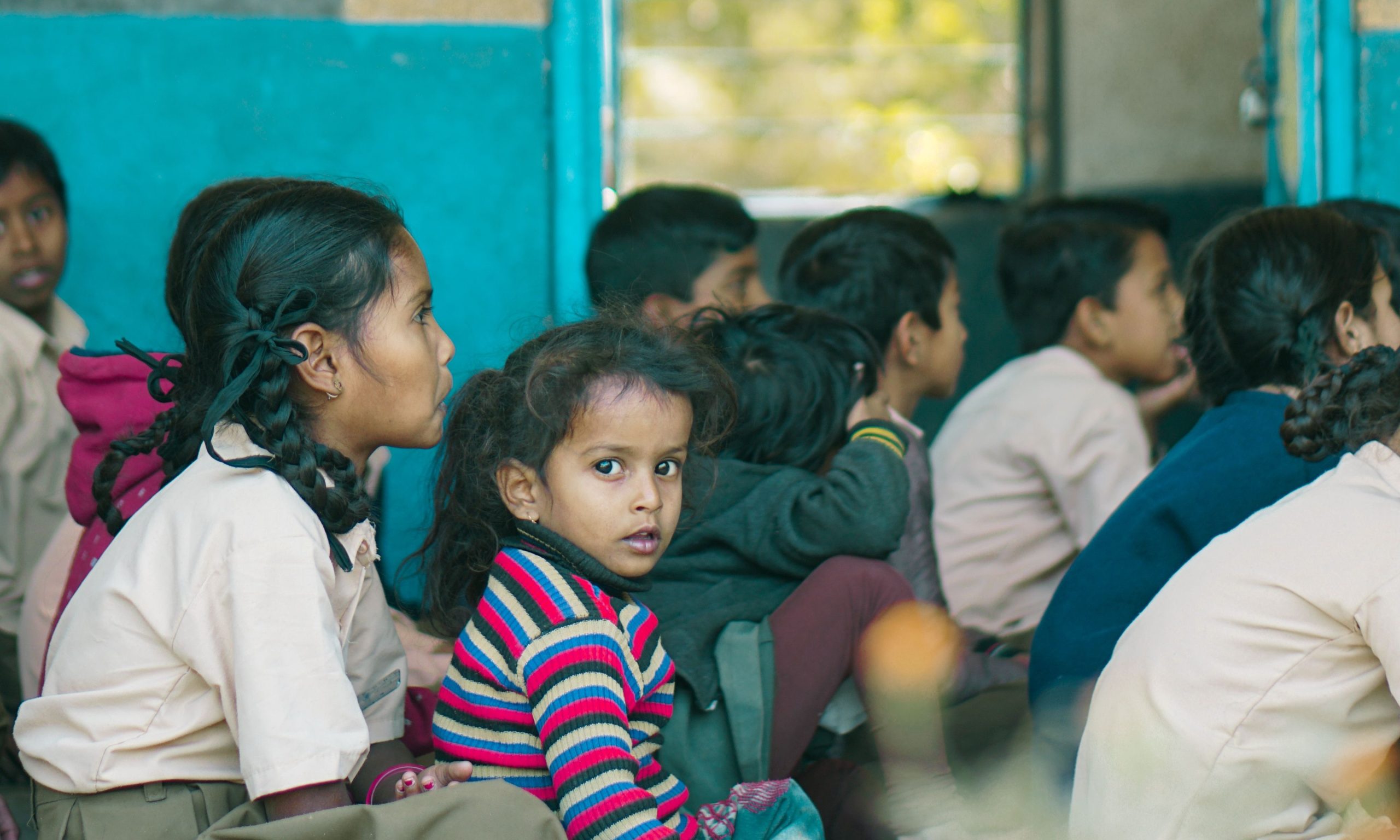
AI-Powered Digital Platform Reduces Delays in School Health Interventions By 50%
Pune’s SwasthyaTrack offers a digital health data system for students in rural and tribal regions. Using AI and IoT technology for preventive healthcare, it helps create longitudinal health profiles for India’s youth.
Updated on: 12 June 2026

Sector

Solution
Rural Health

Technology
IoT

State of Origin
Disclaimer:
Features ‘as is’ submissions and neither constitutes endorsement, certification, recommendation, or validation by NITI Aayog nor makes NITI Aayog liable in any manner.
Impact Metrics
30–40% time savings
reported by teachers.
50% reductions in delays
while planning health interventions.
15–20% reduction in absenteeism
due to health-related issues.
10–15% cost savings
in managing school health programs.
Health data can be fragmented when manually recorded and stored. This means that collating it for health monitoring and interventions can be a long process. Moreover, individuals from certain backgrounds may hesitate to share sensitive medical information—such as on menstrual health—when asked in person. Thus, a centralized, digitized health data system offers considerable benefits in terms of efficiency and accuracy.
SwasthyaTrack, founded by Maitri Movaliya and Priyal Nehete of MIT ADT University, Pune, brings such a system to the Indian education sector. In coordination with school and healthcare staff, it provides real-time, automated health tracking for students in rural regions. Its preventive approach to student wellbeing combines AI-driven analytics, cloud integration, and optional IoT compatibility.
Tracking and predicting health outcomes
Unlike in traditional reactive models of healthcare, SwasthyaTrack offers to not only measure health data during scheduled appointments but also identify health conditions well in advance.
Through the cooperation of students, school staff, and parents/guardians, it collects information on variables such as height, weight, age, and food intake, storing this in a secure database. While it does not necessitate the use of additional devices, the platform does support devices such as smart weighing machines, biometric devices, and health sensors. Using these would significantly reduce the number of data entry errors, improving the reliability of information. Schools may add or remove devices at any time, meaning there is flexibility in terms of the starting infrastructure for platform adoption.
Drawing on the assembled database, it uses AI to perform analytics and derive key indicators including BMI and growth percentiles. Importantly, it also calculates health risk scores based on long-term trends for each student. Any cases that appear high-risk are immediately flagged for reference. This feature enables more targeted interventions for students whose health conditions may otherwise go unnoticed.
Users of the platform are presented with a variety of dashboards with health-related insights. Each of these is customized to ensure that it can be accessed only by users with the appropriate roles. The entire system is designed for security, centralized storage, real-time access, and scalability across regions. Moreover, its interface is multilingual and can be operated offline, making it more effective in remote areas with low connectivity.
Results from pilot deployment
So far, SwasthyaTrack has been deployed in rural Maharashtra, near Jalgaon, for 5,000–10,000 students in government and aided schools. Among the health concerns it has identified here are anemia, malnutrition, and menstrual problems. Some of these concerns—including declining BMI scores—have been detected 2–3 months earlier than usual.
Having used the fully digitized health database, teachers have reported time savings of 30–40%, and the number of data recording errors has dropped by over 70%. School administrators save 10–15% of the costs of managing various health programs. These interventions now face 50% fewer delays. All of these changes mean that staff can spend more time on responding to, rather than collecting or recording, data.
Additionally, ensuring students appear for followups has become easier, with the rate of referral followups increasing by 50–60%. Meanwhile, student absenteeism due to health issues has fallen by 15–20%.
Directions for the future
The primary challenge faced during the pilot phase was in gathering data. Since the included schools were in locations with heavy workloads for school staff (e.g., tribal regions), manually collating information for every student was difficult. This was especially evident as IoT integration had been planned for optional modules due to budget constraints. Further investment in the digital infrastructure—both health monitoring devices and cloud storage—can facilitate smoother data collection and access.
Collaboration with the Ministries of Health and Education could provide valuable policy-level support and funding to the platform. For more timely referrals and medical guidance, SwasthyaTrack would benefit from partnering with local stakeholders such as NGOs and hospitals.
Preventive healthcare for all
This healthcare platform has already demonstrated its effectiveness in resource-constrained pilot regions. According to the founders’ estimates, if adopted at the district level, SwasthyaTrack could support the health monitoring of more than 50,000 students per annum. By applying preventive health approaches at the school level, it could boost both general wellbeing as well as participation in the classroom, leading to greater academic success.
Share Your Story Today, Shape Viksit Bharat Tomorrow
Got an idea, innovation, or experience that's making a difference? Share your story now and ignite India's transformation because your voice can drive the future forward!
Disclaimer:
Features ‘as is’ submissions and neither constitutes endorsement, certification, recommendation, or validation by NITI Aayog nor makes NITI Aayog liable in any manner.
Resources to Replicate This Idea
BUILD YOUR OWN INTERVENTION
Handpicked stories tailored just for you
Explore stories that inspire, inform, and ignite new ideas across tech, innovation, and real-world impact


Pilotless Cargo Flights with Zero Failures: Reimagining Diagnostic Logistics in Indian Cities
An energy-efficient autonomous aircraft combining vertical take-off with fixed-wing cruise has completed over 1,000 flights carrying diagnostic samples between hospitals,...
Read More