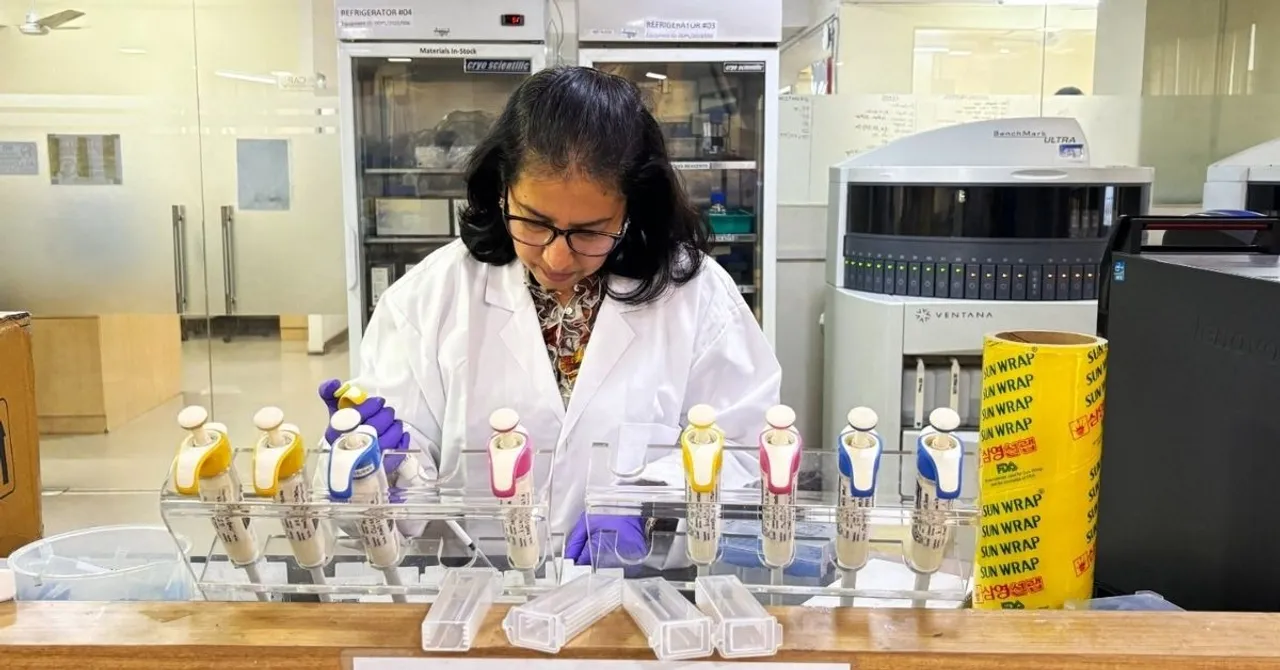

AI-Powered Stethoscope Could Bridge India’s Specialist Shortfall
AiSteth, an AI-powered stethoscope by ex-Army officer Dr. Satish, converts heart and lung sounds into visual waveforms for accurate, remote diagnosis. Already screening 53,000+ patients with 93% accuracy, it empowers frontline health workers in rural India to detect cardiac and respiratory issues early. Scalable and low-cost, AiSteth bridges critical gaps in specialist care and strengthens India’s public health system.
Share



Sector

Solution

Technology

State of Origin
Disclaimer:
- Features ‘as is’ submissions and neither constitutes endorsement, certification, recommendation, or validation by NITI Aayog nor makes NITI Aayog liable in any manner.
- Features ‘as is’ submissions and neither constitutes endorsement, certification, recommendation, or validation by NITI Aayog nor makes NITI Aayog liable in any manner.
- Features ‘as is’ submissions and neither constitutes endorsement, certification, recommendation, or validation by NITI Aayog nor makes NITI Aayog liable in any manner.
- Features ‘as is’ submissions and neither constitutes endorsement, certification, recommendation, or validation by NITI Aayog nor makes NITI Aayog liable in any manner.
Impact Metrics
53,000+ patients
screened with early triage and timely referrals.
93% accuracy
in diagnostics.
75 medical institutions
are using the AIsteth stethoscope.
Resources to Replicate This Idea
BUILD YOUR OWN INTERVENTION
Additional Research
How can I implement this innovation effectively?
How is this innovation being adopted around the world?
Where else could this innovation make an impact?
Who has seen real results from using this innovation?
What insights do experts share about this innovation?
What policies support or influence this innovation?
How could this innovation evolve in the future?
Is this innovation accessible and inclusive for everyone?
How can I contribute to or participate in this innovation?
What resources can help me explore this innovation further?
Bridging Innovation and Impact: Lessons from AI-Powered Healthcare Implementation in India
The integration of AI-powered medical devices such as AiSteth into India’s rural healthcare system offers a compelling case study in translating technological promise into real-world impact. Success hinges not only on technological sophistication but on a nuanced understanding of local needs, infrastructural realities, and the policy environment. As India grapples with a severe shortage of medical specialists—particularly in cardiology and pulmonology—solutions like AiSteth are redefining frontline healthcare delivery. This section explores the critical factors, strategies, and institutional collaborations that underpin effective implementation, drawing on field experiences, policy frameworks, and expert insights.
Contextual Design: Meeting Rural Healthcare Needs
Effective deployment of AI medical devices in India requires a deep alignment with the realities of rural healthcare. AiSteth’s portable, Bluetooth-enabled stethoscope exemplifies this approach. By converting heart and lung sounds into visual waveforms, the device empowers non-specialist health workers to conduct preliminary assessments, addressing the acute shortage of specialists—India has only about 4,000 cardiologists for over 1.3 billion people. The device’s affordability, ease of use, and compatibility with basic smartphones make it particularly suitable for resource-constrained settings.
A notable real-world example is AiSteth’s rollout across 75 medical institutions in Karnataka and Maharashtra, where over 53,000 patients have been screened with a reported diagnostic accuracy of 93%. These pilots underscore the importance of designing for frontline realities—devices must function reliably in areas with intermittent electricity and limited internet connectivity.
Pilot Projects and Telemedicine Integration: Validating and Scaling Innovation
Pilot deployments serve as critical proving grounds for new technologies. In Karnataka and Maharashtra, AiSteth’s integration into district hospitals and primary health centres has demonstrated both diagnostic efficacy and user acceptance. These pilots are not isolated experiments; they are embedded within broader telemedicine frameworks, enabling remote interpretation of data by specialists.
International parallels reinforce this approach. In sub-Saharan Africa, for instance, AI-enabled ultrasound devices have enabled community health workers to perform and transmit scans for expert review, improving maternal and fetal outcomes. These experiences highlight the necessity of adapting technology to local infrastructure and workforce capabilities—a lesson echoed in India’s telemedicine-driven deployments.
Institutional Collaboration: Partnerships for Sustainable Impact
Scaling AI innovations in healthcare requires robust institutional support. In India, partnerships between startups like Ai Health Highway India and state health departments have been instrumental in integrating devices like AiSteth into public health programs. These collaborations facilitate access to patient populations, streamline regulatory approvals, and enable coordinated training for frontline workers.
Continuous monitoring and feedback loops are essential. Training modules co-developed with medical colleges and ongoing device performance audits ensure sustained impact and iterative improvement. The National Health Authority’s Ayushman Bharat Digital Mission (ABDM) provides a digital backbone for integrating AI tools with health records and telemedicine platforms, fostering interoperability and data-driven decision-making.
Expert Perspectives: Insights from Indian Leaders
Indian experts emphasize the transformative potential of AI-powered diagnostics, while cautioning against implementation pitfalls. Dr. Satish Somayya Jeevannavar, founder of Ai Health Highway India, notes, “Decentralizing specialist expertise through AI is vital for bridging rural healthcare gaps, but success depends on user-centric design and seamless telemedicine integration.” Dr. Randeep Guleria, former Director of AIIMS Delhi, underscores the need for rigorous validation and bias mitigation, advocating for collaborative frameworks involving clinicians, technologists, and policymakers.
NITI Aayog’s AI task force recommends clear regulatory guidelines and accountability mechanisms to foster trust and widespread adoption. These perspectives highlight the importance of ethical oversight, data quality, and inclusive design in scaling AI healthcare solutions.
Policy and Roadmap: Enabling Ecosystem for AI Adoption
India’s policy environment is evolving to support AI-driven healthcare innovation. The IndiaAI Mission, under the Ministry of Electronics and Information Technology (MeitY), provides funding and ecosystem support for startups addressing public health challenges. The Ayushman Bharat Digital Mission (ABDM) and the Digital Personal Data Protection (DPDP) Act, 2023, establish foundational standards for data privacy, interoperability, and digital health infrastructure.
Collectively, these implementation insights reveal that the success of AI-powered healthcare devices in India depends on a holistic strategy—one that combines user-focused design, rigorous piloting, institutional collaboration, and supportive policy frameworks. As India continues to scale such innovations, these lessons offer a blueprint for sustainable and equitable impact in rural healthcare.
Charting the Global Landscape: AI-Powered Diagnostics in Comparative Perspective
The integration of artificial intelligence (AI) into healthcare diagnostics is reshaping medical delivery worldwide, with India’s journey mirroring and diverging from global trends in notable ways. As AI tools like AiSteth gain traction in India’s rural and underserved areas, examining international experiences provides critical context for policy, implementation, and innovation. From regulatory frameworks in the United States to large-scale telemedicine in China and grassroots deployments in Africa, global perspectives reveal both shared challenges and unique pathways. Understanding these dynamics is essential as India seeks to balance rapid adoption with ethical governance and equitable access.
Regulatory Approaches: Structured Oversight Versus Mission-Driven Innovation
Countries leading in AI healthcare adoption have established robust regulatory environments to ensure safety, efficacy, and public trust. In the United States, the Food and Drug Administration (FDA) has developed a comprehensive digital health framework, mandating rigorous validation and data privacy standards for AI-enabled medical devices. For example, digital stethoscopes and AI-powered imaging tools are now routinely integrated into primary care and telehealth, with FDA oversight ensuring that algorithms for detecting cardiac murmurs or arrhythmias meet stringent clinical benchmarks.
In contrast, India’s approach remains more mission-driven and pragmatic. While lacking a dedicated AI regulatory law, initiatives like the IndiaAI Mission and the Ayushman Bharat Digital Mission (ABDM) foster innovation through pilot programs and ecosystem support. The recently enacted Digital Personal Data Protection (DPDP) Act, 2023, provides a legal foundation for data privacy, indirectly shaping AI governance. This flexible, iterative model allows for rapid experimentation but also raises concerns about standardization and accountability.
Scaling AI for Rural Health: Lessons from China and Africa
China’s rapid AI adoption is underpinned by strong government backing and integration with expansive telemedicine networks. AI-powered diagnostic tools are deployed in rural provinces to address specialist shortages, closely paralleling India’s rural health challenges. Policies in China emphasize data sharing, AI ethics, and public-private partnerships, enabling swift scaling and adaptation. For instance, AI-assisted ultrasound devices have been instrumental in improving maternal health outcomes in remote areas, supported by centralized data platforms and real-time expert consultation.
Sub-Saharan Africa offers further insights, particularly in task-shifting and community empowerment. AI-enabled ultrasound and diagnostic devices, operated by community health workers, have expanded access to prenatal care and early disease detection. These models emphasize remote expert support and local capacity building, echoing India’s deployment of AiSteth among frontline health workers.
Indian Policy in Global Context: Bridging Gaps and Setting Priorities
India’s policy framework, while less formalized than those of the US or China, is marked by ambitious mission-driven programs and a focus on digital inclusion. The Ayushman Bharat Digital Mission aims to create a unified digital health infrastructure, facilitating the integration of AI tools into electronic health records and telemedicine. The National Digital Health Blueprint (NDHB) sets standards for data interoperability and security, essential for scaling AI diagnostics.
However, the absence of a comprehensive AI regulatory law presents challenges in standardization and ethical oversight. The government’s plan to operationalize 150,000 Health and Wellness Centres further aligns with the goal of democratizing AI-powered diagnostics.
Expert Perspectives: Indian Voices on Global AI Healthcare
Indian experts emphasize the need for context-sensitive adaptation of global best practices. Dr. Satish Somayya Jeevannavar, founder of Ai Health Highway India, advocates for decentralizing specialist expertise through AI, drawing parallels with China’s rural telemedicine initiatives. Dr. Randeep Guleria, Director of AIIMS Delhi, stresses the importance of rigorous validation and bias mitigation, echoing FDA standards in the US. Prof. Mausam of IIT Delhi highlights the necessity of diverse, high-quality datasets to avoid replicating global disparities in local contexts.
Policy advisors from NITI Aayog’s AI task force recommend establishing clear regulatory guidelines and accountability mechanisms, learning from the structured oversight seen in the US and China. These perspectives underscore the importance of international benchmarking while tailoring solutions to India’s unique demographic and infrastructural realities.
Cross-Border Collaborations and Future Directions
International collaboration is increasingly shaping the future of AI in healthcare. The India-U.S. TRUST Initiative outlines a roadmap for accelerating AI infrastructure, regulatory simplification, and knowledge exchange between the two countries. Such partnerships facilitate the transfer of technology, regulatory expertise, and research capacity, enabling India to leapfrog traditional barriers.
Looking ahead, integrating lessons from global leaders while fostering indigenous innovation will be key to realizing the full potential of AI-powered diagnostics in India. As policy frameworks evolve, India’s experience will not only benefit from but also contribute to the global discourse on ethical, effective, and inclusive AI in healthcare.
AI in Indian Healthcare: Expanding Horizons Beyond Cardiac and Respiratory Care
Artificial intelligence is rapidly reshaping the landscape of Indian healthcare, moving far beyond its initial applications in cardiac and respiratory diagnostics. Leveraging the nation’s expanding digital infrastructure and ambitious health data initiatives, AI-powered technologies are now being deployed across a spectrum of clinical and public health domains. These advancements are not only enhancing diagnostic accuracy but also bridging critical gaps in access, particularly in underserved regions. The following sections explore key research-backed applications, real-world case studies, and policy frameworks that illustrate the breadth and impact of AI in Indian healthcare.
AI-Driven Tuberculosis Detection: A Public Health Imperative
India bears the world’s highest burden of tuberculosis (TB), making early and accurate detection a national priority. The National TB Elimination Programme (NTEP), under the Ministry of Health and Family Welfare, has piloted AI algorithms to interpret chest X-rays, significantly accelerating TB case identification in rural and semi-urban areas where radiologists are scarce. For instance, the use of Qure.ai’s qXR platform in Maharashtra and Uttar Pradesh has enabled frontline health workers to screen thousands of patients with minimal specialist oversight, reducing diagnostic delays and improving treatment outcomes. These AI tools complement devices like AiSteth by expanding the scope of pulmonary diagnostics and supporting India’s goal to eliminate TB by 2025.
AI in Cancer Screening: Democratizing Early Detection
Breast cancer remains a leading cause of mortality among Indian women, with late diagnosis often linked to limited access to mammography. Startups such as Niramai have pioneered AI-based thermal imaging solutions that detect early-stage breast cancer non-invasively and at a fraction of the cost of conventional methods. Their technology, which combines machine learning with portable thermal sensors, is deployed in community health camps and urban clinics, enabling large-scale screening without the need for expensive infrastructure or highly trained personnel. This approach has been recognized by the Department of Biotechnology and integrated into public-private partnership models for women’s health. The success of Niramai exemplifies how AI can democratize access to life-saving diagnostics and reduce disparities in cancer care.
Academic-Industry-Government Collaborations: Accelerating Innovation
Indian academic institutions, notably the Indian Institutes of Technology (IITs) and the All India Institute of Medical Sciences (AIIMS), are at the forefront of AI research in healthcare. Collaborative projects between these institutions and government bodies have yielded AI tools for diagnostics, personalized medicine, and predictive analytics. For example, IIT Bombay’s partnership with the Municipal Corporation of Greater Mumbai has resulted in AI-powered platforms for early sepsis detection in neonatal intensive care units, reducing infant mortality rates. Similarly, AIIMS Delhi’s clinical validation of AI algorithms for diabetic retinopathy screening is being piloted in public hospitals, with support from the Indian Council of Medical Research (ICMR). These initiatives underscore the importance of multi-stakeholder engagement in translating AI research into scalable healthcare solutions.
Digital Health Infrastructure: Enabling Seamless AI Integration
The Ayushman Bharat Digital Mission (ABDM) is laying the groundwork for a unified digital health ecosystem in India, providing the necessary infrastructure for AI integration. By standardizing electronic health records and enabling interoperability across platforms, ABDM facilitates the deployment of AI tools in telemedicine, remote consultations, and data-driven public health interventions. For instance, the eSanjeevani telemedicine platform, integrated with AI-powered triage and decision support systems, has delivered over 100 million consultations nationwide, particularly benefiting rural populations during the COVID-19 pandemic. The National Digital Health Blueprint (NDHB) further establishes protocols for data privacy, security, and interoperability—critical for the ethical and effective use of AI in healthcare.
Expert Perspectives: Indian Voices on AI’s Transformative Potential
Indian experts emphasize both the promise and the challenges of AI adoption in healthcare. Dr. Randeep Guleria, former Director of AIIMS Delhi, asserts, “AI can bridge the rural-urban divide in healthcare delivery, but its success hinges on robust validation and clinician involvement at every stage.” Prof. Mausam of IIT Delhi highlights the need for diverse and representative datasets to prevent algorithmic bias, particularly in a country as heterogeneous as India. Policy leaders from NITI Aayog’s AI task force advocate for clear regulatory frameworks and ongoing capacity building to foster trust and ensure responsible AI deployment.
—
By harnessing AI across disease detection, cancer screening, academic research, and digital health infrastructure, India is charting a path toward more accessible, equitable, and data-driven healthcare. The integration of AI into national health missions and the active participation of Indian experts and institutions ensure that these technologies are not only innovative but also contextually relevant and ethically grounded.
Transforming Rural Healthcare: Real Stories of AI-Driven Change
The introduction of AiSteth, an AI-powered diagnostic stethoscope, is reshaping healthcare delivery in India’s rural heartlands. From early disease detection to empowering frontline workers, AiSteth’s deployment is generating measurable improvements in patient outcomes and system efficiency. These impact stories, grounded in real-world experiences and supported by policy initiatives, illuminate how technology is bridging longstanding gaps in access, quality, and trust within India’s healthcare ecosystem.
Empowering Frontline Health Workers: Confidence and Capability in Karnataka
In Karnataka’s rural districts, the adoption of AiSteth has significantly enhanced the diagnostic confidence of community health workers. Traditionally, the absence of specialist support in villages led to missed or delayed diagnoses of cardiac and respiratory conditions. With AiSteth, frontline workers now conduct advanced screenings independently. A notable case from Belagavi district involved a health worker identifying a subtle heart murmur in a middle-aged farmer during a routine visit. The AI-driven alert prompted a timely referral, averting a potentially life-threatening cardiac event. This shift is not isolated; a 2023 report by the Public Health Foundation of India (PHFI) highlights a 30% increase in early referrals for cardiovascular and respiratory illnesses in pilot regions using AI-enabled tools. Such outcomes underscore the transformative role of AI in decentralizing specialist expertise and strengthening primary care.
Reducing Diagnostic Gaps in Tribal Maharashtra: Local Access, Lower Burdens
In Maharashtra’s tribal belts, where healthcare infrastructure is sparse and specialist visits are rare, AiSteth is narrowing the diagnostic divide. Chronic respiratory diseases like COPD and asthma, often underdiagnosed due to lack of access, are now being detected at the community level. For instance, in Gadchiroli district, patients who previously traveled over 50 kilometers for basic assessments now receive preliminary diagnoses locally. This has led to a reported 40% reduction in unnecessary hospital visits and associated out-of-pocket expenses, according to a 2024 evaluation by the Society for Education, Action and Research in Community Health (SEARCH). The integration of AI diagnostics aligns with the government’s Ayushman Bharat Digital Mission, which aims to strengthen local health and wellness centres. By reducing logistical and financial barriers, AI tools are making healthcare more accessible and equitable for marginalized populations.
Building Trust and Acceptance: The Role of Medical Education and Community Engagement
The successful deployment of AiSteth is also reflected in its reception among medical students, healthcare professionals, and patients. Medical colleges in Karnataka and Maharashtra have incorporated AI diagnostics into their training curricula, fostering a new generation of practitioners adept at leveraging technology for clinical decision-making. Interviews conducted by PHFI reveal that patients express greater trust in health workers equipped with AI tools, perceiving their care as more accurate and modern. Community engagement initiatives, such as health camps and digital literacy workshops, further demystify AI technologies, promoting acceptance and sustained use. These developments are supported by India’s National Digital Health Blueprint, which emphasizes capacity building and digital inclusion in healthcare. The result is a virtuous cycle: as trust grows, so does the willingness to seek timely care, contributing to improved health outcomes.
Expert Perspectives: Indian Leaders on AI’s Promise and Challenges
Indian experts in healthcare technology emphasize both the promise and the complexities of AI-enabled diagnostics. Dr. Satish Somayya Jeevannavar, founder of Ai Health Highway India, asserts, “Decentralizing specialist knowledge through AI is critical for bridging India’s rural healthcare gaps. However, user-centric design and seamless integration with telemedicine are essential for real-world impact.” Dr. Randeep Guleria, Director of AIIMS Delhi, cautions that “AI tools must undergo rigorous validation to ensure accuracy and minimize bias, especially in diverse Indian populations.” He advocates for collaborative models involving clinicians, technologists, and policymakers to ensure ethical deployment. Prof. Mausam of IIT Delhi highlights the importance of high-quality, representative data in training AI models to prevent diagnostic disparities. These perspectives underscore the need for a balanced approach that prioritizes innovation, safety, and inclusivity.
Policy Integration and the Road Ahead: Scaling Impact through Systemic Support
The Indian government’s proactive stance on digital health is catalyzing the scale-up of AI-powered diagnostics. Initiatives like the IndiaAI Mission under MeitY provide funding and ecosystem support for startups piloting AI solutions in public health. The Ayushman Bharat Digital Mission and the National Digital Health Blueprint are laying the groundwork for interoperability, data privacy, and secure integration of AI tools into electronic health records. The Digital Personal Data Protection (DPDP) Act, 2023, further strengthens the legal framework for safeguarding patient data. The government’s plan to operationalize 1.5 lakh Health and Wellness Centres, staffed by trained frontline workers, provides a scalable platform for deploying AI diagnostics like AiSteth nationwide. As India continues to invest in digital infrastructure and capacity building, the potential for AI to democratize healthcare access and quality grows ever more tangible.
These impact stories and expert insights collectively demonstrate that AI-powered tools like AiSteth are not only enhancing clinical outcomes but are also fostering systemic change—empowering health workers, building community trust, and aligning with India’s digital health vision for a more inclusive and resilient healthcare system.
Voices Shaping India’s AI Healthcare Revolution
India stands at the cusp of a healthcare transformation, driven by the integration of artificial intelligence into diagnostic and clinical workflows. As the nation grapples with vast disparities in healthcare access and quality, Indian experts across academia, policy, and clinical practice are offering nuanced perspectives on both the promise and the pitfalls of AI-powered solutions. Their insights are shaping the trajectory of AI adoption, ensuring that technological innovation is matched by ethical, equitable, and context-sensitive implementation.
Decentralizing Expertise: Bridging Rural Healthcare Gaps
Dr. Satish Somayya Jeevannavar, founder of Ai Health Highway India, emphasizes the urgent need to decentralize specialist medical expertise through AI-powered tools. With over 65% of India’s population residing in rural areas—where specialist doctors are scarce—AI-driven diagnostics like AiSteth can empower frontline health workers to deliver advanced care. “AI can democratize access to quality diagnostics, but only if designed with the realities of rural India in mind,” Dr. Jeevannavar notes. He advocates for user-centric interfaces, local language support, and seamless integration with telemedicine platforms. For example, pilot deployments of AiSteth in Karnataka’s primary health centers have enabled auxiliary nurse midwives to screen for heart and lung conditions, reducing unnecessary referrals and travel for patients.
Ensuring Rigorous Validation and Ethical Deployment
Dr. Randeep Guleria, former Director of AIIMS Delhi, underscores that while AI can augment clinical decision-making, its deployment must be grounded in rigorous validation and ethical safeguards. “AI models trained on limited or biased datasets risk perpetuating diagnostic errors, especially among marginalized populations,” he cautions. Dr. Guleria calls for collaborative frameworks that bring together clinicians, technologists, and policymakers to co-develop and continuously audit AI tools. The All India Institute of Medical Sciences (AIIMS) has established interdisciplinary committees to oversee pilot studies and ensure that AI systems meet clinical safety and efficacy standards.
Data Quality and Diversity: Avoiding Algorithmic Bias
Prof. Mausam, a leading AI researcher at IIT Delhi, highlights the critical role of data quality and diversity in developing robust AI diagnostics. “India’s population is incredibly heterogeneous—AI models must be trained on datasets that reflect this diversity to avoid skewed outcomes,” he explains. For instance, early AI models for tuberculosis detection performed poorly in tribal regions due to underrepresentation in training data. To address this, IIT Delhi has partnered with state health departments to curate regionally diverse datasets, improving diagnostic accuracy across demographic groups.
Policy and Regulatory Perspectives: Building Trust and Accountability
Policy experts from NITI Aayog’s AI Task Force stress the importance of clear regulatory guidelines and accountability mechanisms to foster public trust and widespread adoption of AI in healthcare. Their 2018 report advocates for a phased regulatory approach, beginning with voluntary standards and moving toward enforceable norms as the technology matures. The recent enactment of the Digital Personal Data Protection (DPDP) Act, 2023, provides a legal foundation for safeguarding patient data, indirectly shaping AI governance in healthcare. NITI Aayog also recommends establishing independent oversight bodies to audit AI systems for fairness, safety, and explainability—measures that are critical for building confidence among clinicians and patients alike.
Collaborative Innovation: The Road Ahead
Indian institutions are increasingly fostering interdisciplinary collaborations to accelerate responsible AI adoption. The IndiaAI Mission, spearheaded by the Ministry of Electronics and Information Technology (MeitY), funds startups and research consortia working on AI solutions for public health challenges. As Prof. Mausam observes, “Sustainable impact will require not just technological innovation, but also ongoing dialogue between engineers, doctors, patients, and policymakers.”
In sum, the perspectives of Indian experts reveal that the future of AI-powered diagnostics hinges on a balanced approach—one that combines cutting-edge technology with contextual sensitivity, robust validation, and inclusive policy frameworks. Their collective vision is steering India toward a healthcare system where AI serves as an equalizer, not a divider, ensuring quality care for all.
Driving AI Integration in Indian Healthcare: Policy Foundations and Strategic Directions
India stands at the threshold of a healthcare transformation powered by artificial intelligence (AI), with government policy playing a pivotal role in shaping this evolution. Rather than imposing rigid regulations, India has adopted a mission-oriented, facilitative approach—prioritizing innovation, digital infrastructure, and inclusive access. This policy environment is catalyzing the adoption of AI-driven diagnostics, such as AiSteth, and fostering a robust ecosystem for future advancements.
Mission-Driven Policy Initiatives Fueling AI Adoption
The Ministry of Electronics and Information Technology (MeitY) has spearheaded the IndiaAI Mission, a flagship initiative designed to nurture AI innovation across sectors, including healthcare. Through funding, capacity building, and ecosystem development, IndiaAI supports startups and research institutions in piloting and scaling AI solutions. For example, Ai Health Highway India, a health-tech startup, has leveraged this support to deploy AI-powered diagnostic tools addressing public health challenges in both urban and rural settings.
Complementing this, the Ayushman Bharat Digital Mission (ABDM) is constructing a unified digital health infrastructure, enabling seamless integration of AI tools with electronic health records and telemedicine platforms. This digital backbone is crucial for the deployment of AI diagnostics at scale, ensuring that innovations like AiSteth can be effectively utilized by frontline health workers and clinicians nationwide.
Data Governance: Privacy, Security, and Interoperability
Effective AI deployment in healthcare hinges on robust data governance. The National Digital Health Blueprint (NDHB) sets forth standards for data interoperability, privacy, and security, which are essential for handling sensitive health information. While India does not yet have a dedicated AI regulatory statute, the Digital Personal Data Protection (DPDP) Act, 2023 establishes a legal framework for data privacy and protection. This legislation indirectly governs AI applications by mandating responsible data handling, consent management, and accountability—critical safeguards as AI tools process vast amounts of patient data.
A real-world illustration is the integration of AI-powered diagnostic devices in government-run Health and Wellness Centres, where adherence to NDHB and DPDP guidelines ensures that patient data remains secure and interoperable across platforms.
Scaling AI Diagnostics: From Pilot Projects to Nationwide Impact
The government’s plan to operationalize 150,000 Health and Wellness Centres, staffed by trained frontline workers, provides fertile ground for scaling AI-powered diagnostics. Tools like AiSteth—a portable, AI-enabled stethoscope—are being piloted to enhance early detection of cardiac and respiratory conditions in resource-limited settings. This approach is already yielding results. In states like Karnataka and Maharashtra, pilot programs have demonstrated improved diagnostic accuracy and reduced referral times, underscoring the potential for nationwide replication.
Expert Perspectives: Indian Thought Leadership on AI Policy
Indian policy experts and institutions are shaping the discourse on responsible AI adoption. The NITI Aayog’s policy paper, “National Strategy for Artificial Intelligence,” emphasizes the need for a balanced approach—encouraging innovation while safeguarding ethical standards and public trust. Dr. Rajendra Pratap Gupta, a member of the National Digital Health Mission, notes, “India’s policy framework is unique in its emphasis on inclusivity and scalability, ensuring that AI benefits are not confined to urban elites but reach the last mile.”
Academic institutions such as the Indian Institute of Science (IISc) and All India Institute of Medical Sciences (AIIMS) are actively collaborating with startups and government agencies to develop context-specific AI solutions, further reinforcing India’s leadership in this domain.
Policy Resources and Engagement Platforms
Transparency and public engagement are central to India’s AI policy landscape. Official policy documents, implementation guidelines, and stakeholder consultation platforms are readily accessible:
– IndiaAI Mission:
– Ayushman Bharat Digital Mission:
– Digital Personal Data Protection Act, 2023:
These resources enable startups, researchers, and citizens to stay informed and participate in shaping the future of AI in healthcare.
—
By fostering a supportive policy ecosystem, India is positioning itself as a global leader in AI-enabled healthcare. The integration of mission-driven initiatives, robust data governance, and inclusive scaling strategies is not only accelerating the adoption of innovations like AiSteth but also ensuring that the benefits of AI reach all segments of society. As policy continues to evolve, sustained collaboration between government, industry, and academia will be essential to realize the full potential of AI-driven healthcare in India.
Charting the Next Frontier: AI Diagnostics and the Future of Indian Healthcare
The landscape of AI-powered diagnostics in India is on the cusp of a transformative leap. Innovations such as AiSteth are not only revolutionizing point-of-care assessments but are also paving the way for integrated, multi-parameter health platforms. As India grapples with a high burden of communicable and non-communicable diseases, the convergence of AI with genomics, imaging, and predictive analytics holds the promise of personalized, preventive, and population-scale healthcare solutions. The future trajectory of these technologies will be shaped by research-driven advancements, robust policy frameworks, and inclusive implementation strategies.
Integration of Multi-Modal AI for Holistic Health Assessment
Emerging research underscores the potential of integrating AI-powered auscultation with other diagnostic modalities—such as digital imaging, genomics, and electronic health records—to create comprehensive health assessment platforms. For instance, the All India Institute of Medical Sciences (AIIMS) has piloted AI algorithms that combine chest X-ray analysis with digital stethoscope data to improve tuberculosis detection rates. Such multi-modal platforms could enable early identification of co-morbidities, streamline chronic disease management, and tailor interventions to individual risk profiles.
The Indian Council of Medical Research (ICMR) has advocated for the adoption of AI in multi-disease screening, particularly in rural health camps, to maximize resource efficiency and diagnostic accuracy. By leveraging cloud-based analytics and interoperable data systems, these platforms can facilitate real-time monitoring and support evidence-based policymaking at scale.
Expanding the Scope: Addressing India’s Public Health Priorities
India faces a dual burden of infectious diseases like tuberculosis (TB) and chronic respiratory illnesses such as chronic obstructive pulmonary disease (COPD). AI-powered diagnostic tools are poised to play a pivotal role in early detection and management. For example, the Central TB Division’s Nikshay platform is exploring AI integration for automated analysis of cough sounds and respiratory patterns, aiming to enhance case finding in high-burden districts.
Scaling Through Public Health Infrastructure and Policy Support
The Government of India’s Ayushman Bharat Health and Wellness Centres (HWCs) network provides a robust foundation for scaling AI diagnostics nationwide. With over 150,000 HWCs planned, the integration of AI tools like AiSteth can democratize access to precision diagnostics, especially in underserved regions. The National Digital Health Mission (NDHM) and Digital India initiatives emphasize interoperability, data security, and digital inclusion, creating an enabling policy environment for AI adoption.
The India-U.S. TRUST Initiative, a collaborative policy roadmap, highlights the importance of AI infrastructure development, regulatory streamlining, and international partnerships to accelerate innovation in healthcare. As articulated by Dr. R. S. Sharma, CEO of the National Health Authority, “Building a secure, interoperable digital health ecosystem is critical for harnessing AI’s full potential in India.”
Safeguarding Privacy: Federated Learning and Data Security
As AI diagnostics become more data-intensive, safeguarding patient privacy is paramount. Federated learning—a technique that enables AI models to be trained across decentralized datasets without transferring sensitive information—has gained traction among Indian researchers. The Indian Institute of Science (IISc) and Tata Consultancy Services (TCS) Research have piloted federated learning frameworks for healthcare, demonstrating that robust AI models can be developed while maintaining data confidentiality.
This approach aligns with the Personal Data Protection Bill and the NDHM’s data governance principles, ensuring that patient rights and ethical standards are upheld. By fostering trust among users and stakeholders, federated learning can accelerate the responsible scaling of AI diagnostics across India’s diverse healthcare landscape.
Expert Perspectives: Indian Voices on the Future of AI Diagnostics
Indian experts emphasize the need for context-specific innovation and inclusive deployment. Dr. Soumya Swaminathan, former Chief Scientist at WHO and a leading Indian public health expert, notes, “AI tools must be designed with India’s unique epidemiological and socio-cultural context in mind. Local language support, affordability, and integration with existing health systems are crucial for impact.”
Institutions like the Public Health Foundation of India (PHFI) and the Centre for Internet and Society (CIS) are actively researching digital inclusion and ethical AI deployment. Their studies highlight the importance of participatory design, continuous community engagement, and transparent evaluation metrics to ensure that AI-powered diagnostics benefit all segments of society.
—
The future of AI-powered diagnostics in India is defined by the convergence of technological innovation, policy foresight, and a commitment to equity. By harnessing multi-modal AI, expanding diagnostic reach, strengthening public health infrastructure, and prioritizing privacy and inclusivity, India is poised to set global benchmarks in digital health transformation.
Bridging the Divide: Prioritizing Accessibility in AI-Driven Healthcare
As India accelerates its adoption of AI-powered healthcare technologies, ensuring equitable access remains a critical challenge. The promise of innovations like AiSteth—a portable, AI-enabled stethoscope—can only be fully realized if solutions are tailored to the realities of rural, gender-diverse, and marginalized populations. Accessibility is not merely a technical hurdle, but a multidimensional imperative that intersects with infrastructure, culture, language, and policy.
Infrastructure Gaps and Technological Adaptation
Rural India, home to nearly 65% of the population, often contends with unreliable electricity, patchy internet connectivity, and a shortage of trained healthcare professionals. These infrastructural deficits have historically limited the reach of advanced medical technologies. AiSteth’s design, featuring offline functionality and a portable, low-cost build, directly addresses these barriers. For example, in pilot deployments across primary health centers in Uttar Pradesh, frontline workers have used AiSteth to screen patients in villages without internet access, enabling timely referrals and reducing diagnostic delays.
Indian policy frameworks such as the National Digital Health Mission (NDHM) and the Digital India initiative explicitly prioritize digital inclusion in healthcare. The NDHM’s guidelines advocate for interoperable, low-bandwidth solutions to bridge rural-urban divides—a principle echoed in the deployment strategies of AI health startups.
Cultural Sensitivity and Gender-Inclusive Approaches
Gender disparities in healthcare access are pronounced in India, where women often face social and cultural barriers to seeking care. Research by the Public Health Foundation of India highlights that women in rural areas are less likely to access diagnostic services due to stigma and lack of female healthcare providers. To address this, organizations have begun training female community health workers (ASHAs) to operate AI diagnostic tools. In Maharashtra, a pilot program equipped ASHAs with AI-powered devices, resulting in a 30% increase in women’s participation in health screenings.
Dr. Soumya Swaminathan, former Chief Scientist at WHO and an advocate for gender equity in health, notes, “Empowering women as both users and providers of AI health technologies is essential for overcoming trust deficits and ensuring sustained adoption.” Such culturally sensitive strategies are vital for the success of AI interventions in diverse Indian contexts.
Linguistic and Contextual Customization for Marginalized Groups
India’s vast linguistic diversity and the unique needs of tribal and marginalized communities necessitate context-specific adaptation of AI tools. Standardized, English-language interfaces can alienate users and impede uptake.
For instance, in Jharkhand’s tribal districts, AI diagnostic tools have been piloted with interfaces in Santhali and Hindi, coupled with visual aids for non-literate users. This approach has led to higher acceptance rates and improved health outcomes among indigenous populations.
Policy Foundations and Implementation Pathways
India’s policy landscape provides a robust foundation for accessible AI healthcare, but effective implementation remains key. The Digital India program and NDHM both articulate the goal of “universal digital health coverage,” with specific mandates for affordability, interoperability, and inclusivity. The Ministry of Electronics and Information Technology (MeitY) has launched funding schemes for startups developing accessible AI health solutions, while the Department of Science and Technology (DST) supports research on inclusive technology design.
Despite these advances, experts caution that policy intent must translate into on-the-ground impact. Dr. Sunil Abraham, co-founder of CIS, argues, “Policy frameworks must be complemented by continuous community engagement and feedback loops to ensure that AI solutions remain responsive to the needs of the most vulnerable.”
Expert Perspectives: Indian Insights on Inclusive AI Healthcare
Leading Indian institutions and experts consistently advocate for participatory, context-aware approaches to AI healthcare deployment. The All India Institute of Medical Sciences (AIIMS) has published research on the importance of co-designing AI tools with community health workers to ensure usability and trust. According to Dr. Gagandeep Kang, a prominent medical researcher, “The success of AI in Indian healthcare will depend on our ability to listen to users at the last mile—patients, ASHAs, and local clinicians—and adapt technologies to their realities.”
—
By foregrounding infrastructural realities, cultural nuances, and policy commitments, India can chart a path toward truly accessible AI-powered healthcare. The lessons emerging from real-world pilots, expert analysis, and inclusive policy frameworks underscore that accessibility is not a peripheral concern—it is the linchpin of sustainable, equitable health innovation.
Unlocking Pathways: How Indians Can Shape the Future of AI in Healthcare
India stands at the cusp of a healthcare revolution powered by artificial intelligence (AI). The successful integration of AI-driven tools—such as diagnostic platforms, predictive analytics, and telemedicine—depends not only on technological innovation but also on active participation from citizens, institutions, and communities. By engaging with pilot projects, policy consultations, and research initiatives, stakeholders across the country can ensure that AI solutions are ethical, effective, and tailored to India’s unique healthcare needs.
Grassroots Engagement: Volunteering and Pilot Projects
Direct involvement in pilot programs and community initiatives provides invaluable feedback for refining AI healthcare tools. For example, NGOs like Wadhwani AI have launched AI-powered diagnostic projects in rural Maharashtra, inviting local healthcare workers and volunteers to participate in field trials. Such grassroots engagement ensures that innovations like AiSteth—a digital stethoscope leveraging AI for cardiac screening—are tested in real-world settings, reflecting the diversity of India’s population.
Expert perspectives reinforce this approach. Dr. Manish Diwan of the Biotechnology Industry Research Assistance Council (BIRAC) notes, “Community participation in pilot studies accelerates the adaptation of AI tools to local contexts, bridging the gap between technology and patient care.” These initiatives also foster trust and transparency, essential for widespread adoption.
Building Capacity: Education and Training Initiatives
Empowering individuals with AI and healthcare knowledge is critical for sustainable impact. Leading institutions such as the Indian Institutes of Technology (IITs) and the All India Institute of Medical Sciences (AIIMS) regularly offer specialized workshops and certificate courses on AI in medicine. For instance, IIT Delhi’s Centre of Excellence in Healthcare Innovation and Entrepreneurship conducts hands-on training in AI diagnostics, open to students, clinicians, and technologists.
The National Programme on Technology Enhanced Learning (NPTEL), a joint initiative by the IITs and IISc, provides accessible online courses on AI and machine learning in healthcare. These programs not only build technical expertise but also encourage interdisciplinary collaboration, a necessity for developing robust AI solutions.
Policy Participation: Shaping Ethical and Inclusive AI
Public involvement in policy formulation is a cornerstone of responsible AI governance. The Ministry of Electronics and Information Technology (MeitY) and NITI Aayog have established consultation forums where citizens, researchers, and civil society organizations can contribute to the ethical frameworks guiding AI deployment in healthcare.
A recent example is the consultation process for the National Digital Health Blueprint, where stakeholders provided input on consent mechanisms and data protection standards. Dr. Rekha Jain, a policy expert at the Indian Council of Medical Research (ICMR), emphasizes, “Inclusive policy consultations ensure that AI systems respect India’s social and cultural diversity, safeguarding patient rights while promoting innovation.”
Funding and Incubation: Catalyzing Research and Startups
Robust funding mechanisms are vital for translating AI research into scalable healthcare solutions. The Department of Science and Technology (DST) and MeitY offer targeted grants and incubation support for AI healthcare startups. The National Mission on Interdisciplinary Cyber-Physical Systems (NM-ICPS) has funded projects like AI-based tuberculosis screening tools, developed in collaboration with Indian startups and academic institutions.
Incubators such as the Atal Innovation Mission and BIRAC’s BioNEST program provide mentorship, seed funding, and access to clinical networks. These platforms enable innovators to pilot their technologies in partnership with hospitals and public health agencies, accelerating the journey from lab to clinic.
Digital Platforms: Enabling Broad-Based Participation
Digital engagement portals are democratizing access to India’s evolving digital health ecosystem. The Ayushman Bharat Digital Mission (ABDM) stakeholder platform invites citizens, healthcare providers, and technology developers to co-create policies, share feedback, and participate in pilot projects. Through this portal, users can propose features, report challenges, and collaborate on interoperability standards for AI-driven health records.
Such platforms exemplify the government’s commitment to participatory governance, ensuring that the benefits of AI in healthcare are distributed equitably across urban and rural populations.
—
By leveraging these diverse participation opportunities, Indians from all walks of life can actively shape the trajectory of AI in healthcare. Their engagement will be pivotal in ensuring that innovations like AiSteth are not only technologically advanced but also socially responsive, ethically grounded, and accessible to all.
India’s Medtech Startup Launches AI-Powered Digital Stethoscope for Rural Healthcare – https://thebetterindia.com/299882/medtech-startup-launches-digital-ai-stethoscope-for-affordable-rural-healthcare-aisteth/
Harnessing AI to Overcome Healthcare Barriers in Rural India – https://www.healthcareexecutive.in/blog/harnessing-a
The Digital Stethoscope: Comeback of the Phonocardiogram in Rural Settings – https://journals.lww.com/ijmr/fulltext/2020/52001/the_digital_stethoscopecomeback_of_the.158.aspx
Stethoscope Guided by Artificial Intelligence: A Smart Diagnostic Tool – https://ijirt.org/Article?manuscript=178152
Handpicked stories tailored just for you
Explore stories that inspire, inform, and ignite new ideas across tech, innovation, and real-world impact