Algae Tech That 'Eats' Wastewater & Turns it into a Reusable Resource
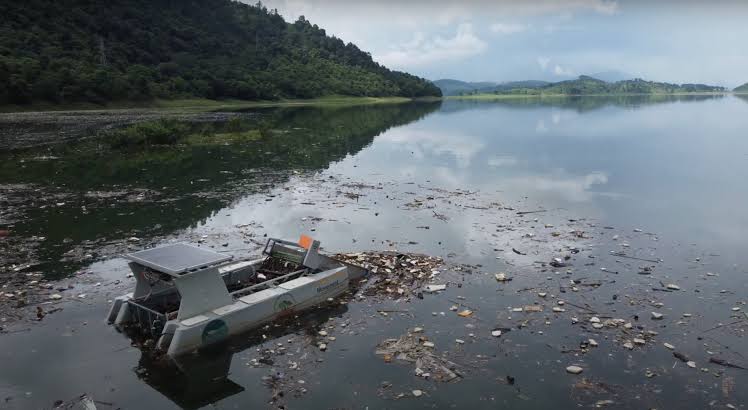
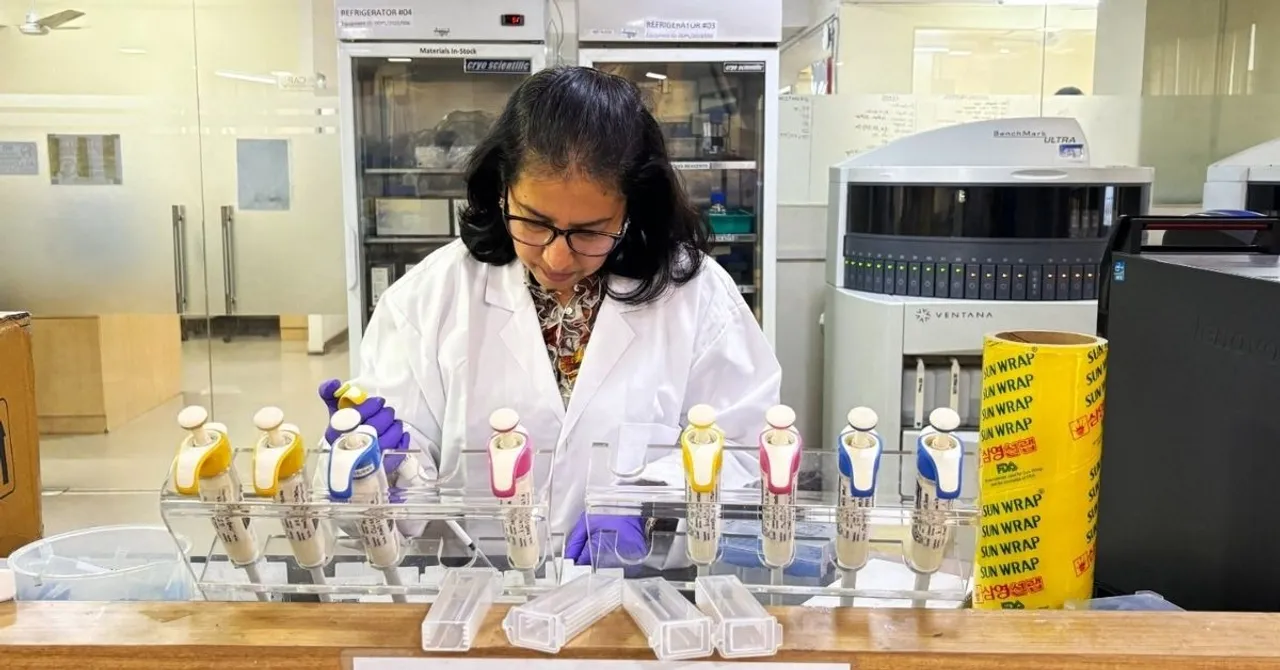
Dr. Akansha’s startup Agromorph uses photobioreactors with indigenous microalgae to rapidly absorb pollutants like carbon, nitrogen, and phosphorus from wastewater. In just 8–10 hours, highly contaminated water is treated without chemicals, at only ₹10/KLD. The harvested algae is converted into biofuel, fertilisers, and animal feed, creating a zero-waste, low-cost solution for industries in Maharashtra and Tamil Nadu.
Share



Sector

Solution

Technology

State of Origin
Disclaimer:
Features ‘as is’ submissions and neither constitutes endorsement, certification, recommendation, or validation by NITI Aayog nor makes NITI Aayog liable in any manner.
Impact Metrics
Removes pollutants
like carbon, nitrogen and phosphorus from wastewater.
Effluent-free water
in 8-10 hours.
Zero waste and zero chemicals
with algae feed converted into animal feed, biofertilizers, and more.
Resources to Replicate This Idea
BUILD YOUR OWN INTERVENTION
Additional Research
How can I implement this innovation effectively?
How is this innovation being adopted around the world?
Where else could this innovation make an impact?
Who has seen real results from using this innovation?
What insights do experts share about this innovation?
What policies support or influence this innovation?
How could this innovation evolve in the future?
Is this innovation accessible and inclusive for everyone?
How can I contribute to or participate in this innovation?
What resources can help me explore this innovation further?
From Lab to Field: Practical Pathways for Algae-Based Wastewater Treatment in India
The journey from innovative research to real-world impact is rarely straightforward, especially in the domain of industrial wastewater management. India’s pioneering adoption of algae-based treatment technologies, exemplified by Dr. Akansha’s Agromorph, demonstrates how scientific ingenuity can be translated into scalable, cost-effective solutions for some of the country’s most pressing environmental challenges. This section delves into the nuanced realities of implementing such technologies, drawing on research, policy frameworks, and lived experiences from across India’s industrial heartlands.
Customization and Modular Scalability: Meeting India’s Industrial Diversity
One of the defining strengths of Agromorph’s algae-based photobioreactor systems lies in their modular and customizable design. Unlike one-size-fits-all solutions, these reactors are engineered to accommodate the unique effluent profiles of diverse industries—from textiles in Maharashtra to tanneries in Tamil Nadu. Customization is achieved within a six-month timeframe, allowing for rapid adaptation to varying chemical oxygen demand (COD) levels, flow rates, and contaminant loads. This approach is especially relevant in India, where industrial clusters such as those managed by the Gujarat Industrial Development Corporation (GIDC) present a mosaic of wastewater challenges. The modularity not only facilitates phased scaling but also enables sector-specific optimization, ensuring that even small and medium enterprises (SMEs) can access advanced treatment without prohibitive upfront investments.
Capacity Building and Rapid Skill Transfer: Empowering Local Workforces
A critical barrier to technology adoption in India’s industrial sector is the availability of skilled operators. Agromorph addresses this through an intensive 15-day training program, equipping local workers with the skills needed to manage and maintain photobioreactor systems. This rapid capacity-building model is supported by research from the Indian Institute of Technology (IIT) system, which highlights the importance of hands-on, context-specific training for sustainable technology uptake. In practice, this has enabled swift deployment in industrial clusters, reducing operational downtime and fostering a sense of ownership among local communities. The approach aligns with the Atal Innovation Mission’s emphasis on grassroots skill development and technology diffusion.
Zero Chemical Footprint and Regulatory Alignment: Policy-Driven Adoption
India’s regulatory environment is increasingly favoring green technologies, as evidenced by the National Action Plan on Climate Change (NAPCC) and Zero Liquid Discharge (ZLD) mandates. Agromorph’s zero-chemical process, which achieves pollutant removal using indigenous green microalgae, aligns seamlessly with these policy priorities. The technology’s ability to deliver effluent-free discharge at a cost of roughly Rs 10 per kiloliter is particularly significant for compliance in cost-sensitive sectors. This regulatory synergy not only accelerates adoption but also positions India as a leader in sustainable industrial water management.
Circular Economy and Byproduct Valorization: Beyond Wastewater Treatment
A standout feature of algae-based systems is their potential to generate valuable byproducts, transforming wastewater treatment from a cost center into a revenue-generating activity. The harvested algae biomass can be processed into animal feed, biofertilizers, bioplastics, and even biofuels. For instance, pilot projects in Punjab and Haryana have demonstrated the use of algae-derived biofertilizers to improve soil health and crop yields, supporting India’s circular economy ambitions. Agromorph’s ongoing initiatives to commercialize biopolymers from algae align with the Plastic Waste Management Rules and broader sustainability goals. This multi-pronged value proposition enhances the financial viability of the technology and incentivizes broader industry participation.
Expert Perspectives: Indian Voices on Implementation
Indian experts underscore the transformative potential of algae-based wastewater treatment. Dr. Ramesh Kumar, Professor at IIT Bombay, observes, “Harnessing indigenous microalgae for industrial wastewater treatment is a game-changer for India’s water-stressed regions. It offers a low-cost, scalable alternative to conventional methods, with the added benefit of biomass valorization.” Dr. Meera Singh of the CPCB further notes that such technologies are instrumental in helping industries meet stringent ZLD norms while reducing operational costs. These perspectives are echoed by Agromorph’s founder, Dr. Akansha, who emphasizes the importance of local innovation and rapid operator training for successful deployment, especially in resource-constrained settings.
Real-World Impact: Case Studies from Maharashtra and Tamil Nadu
The practical impact of these implementation strategies is evident in regions like Maharashtra’s Pune industrial belt and Tamil Nadu’s Coimbatore tannery cluster. In Pune, the installation of Agromorph’s photobioreactors has led to measurable improvements in river water quality, benefiting both local farmers and downstream communities. In Coimbatore, tanneries have reported dramatic reductions in COD levels, enabling partial water reuse and reducing dependence on groundwater.
By integrating scientific rigor, policy alignment, and community engagement, India’s algae-based wastewater treatment initiatives offer a replicable blueprint for sustainable industrial transformation—one that is grounded in local realities yet informed by global best practices.
Algae-Based Wastewater Treatment: A Global Shift Towards Sustainable Solutions
Around the world, algae-based wastewater treatment is emerging as a transformative approach to address escalating water pollution and resource scarcity. By leveraging the natural capabilities of microalgae to remove nutrients and generate valuable biomass, countries are reimagining how industrial and municipal effluents are managed. This section explores how leading nations—including China, the United States, Israel, and India—are advancing algae-based technologies, drawing on policy frameworks, real-world implementations, and expert insights to illuminate pathways for sustainable water management.
China’s Large-Scale Algae Integration: Policy-Driven Progress
China has positioned itself at the forefront of algae-based wastewater treatment through ambitious investments and stringent environmental regulations. Over the past decade, the nation has operationalized expansive open-pond algae systems integrated with municipal wastewater treatment plants. These facilities have achieved significant reductions in nitrogen and phosphorus discharges, mitigating eutrophication in major water bodies such as the Yangtze River.
The Chinese government’s proactive stance—enforced through strict discharge standards and generous subsidies for green technology adoption—has accelerated the deployment of these systems. For instance, the city of Yixing has piloted algae ponds capable of treating over 10,000 cubic meters of wastewater daily, with mechanized harvesting processes supporting both nutrient removal and biomass collection for downstream applications. However, this model’s scalability is primarily suited to municipal effluents with relatively stable compositions, presenting challenges for adaptation to highly variable industrial waste streams.
U.S. Innovation: Closed Photobioreactors and Bioenergy Synergies
The United States has adopted a technology-driven approach, focusing on closed photobioreactor systems that optimize algae growth and biomass yield under controlled conditions. Supported by the Department of Energy’s Bioenergy Technologies Office, several projects integrate wastewater treatment with biofuel production, aiming to reduce both water pollution and fossil fuel dependence.
A notable example is the Algae Testbed Public-Private Partnership (ATP^3), which demonstrated the feasibility of coupling municipal wastewater treatment with algae-based biodiesel production in Arizona. The U.S. regulatory environment, characterized by innovation grants and regulatory sandboxes, has fostered rapid commercialization and public-private collaboration. These initiatives not only advance environmental goals but also contribute to the burgeoning bioeconomy.
Israel’s Decentralized Solutions: Water Reuse in Agriculture
Israel’s acute water scarcity has driven the development of compact, decentralized algae-based treatment systems tailored for agricultural reuse. Israeli startups such as Algaewheel and Aquanos have engineered photobioreactors that treat municipal and industrial wastewater at the point of generation, enabling safe irrigation and reducing reliance on freshwater resources.
The Israeli government’s water reuse mandates and incentives for decentralized treatment have catalyzed widespread adoption. In the Negev Desert, for instance, algae-based systems have enabled the recycling of treated wastewater for crop irrigation, supporting both food security and environmental sustainability.
India’s Distinctive Approach: Low-Cost, High-Impact Innovation
India’s trajectory in algae-based wastewater treatment diverges from global trends by prioritizing affordability, adaptability, and local relevance. Companies like Agromorph have developed photobioreactors specifically designed for industrial effluents with high chemical oxygen demand (COD)—up to 17,000 ppm—far exceeding the pollutant loads typically addressed by municipal-focused systems abroad.
Indian innovations emphasize the use of indigenous microalgae strains, rapid operator training, and minimal chemical inputs, making the technology accessible for resource-constrained industries. Pilot deployments in Maharashtra’s textile sector and Tamil Nadu’s tanneries have demonstrated dramatic reductions in COD and enabled partial water reuse, aligning with national Zero Liquid Discharge (ZLD) mandates.
Policy frameworks such as the National Action Plan on Climate Change (NAPCC), ZLD regulations, and the Atal Innovation Mission (AIM) provide a supportive ecosystem for scaling algae-based solutions. However, experts argue that India could further accelerate adoption by introducing regulatory sandboxes, innovation grants, and targeted subsidies—policy instruments proven effective in China, the U.S., and Israel.
Expert Perspectives: Indian Leadership and Research Frontiers
Indian research institutions and regulatory bodies are actively shaping the algae-based wastewater treatment landscape. Dr. Ramesh Kumar of IIT Bombay underscores the significance of leveraging native algae for industrial effluents, noting, “Harnessing indigenous microalgae is a game-changer for India’s water-stressed regions, offering scalable and cost-effective alternatives to conventional methods.”
Dr. Meera Singh, Senior Scientist at the Central Pollution Control Board (CPCB), highlights the alignment with India’s ZLD goals: “Algae photobioreactors can help industries meet stringent effluent standards while reducing chemical usage and operational costs.” The National Environmental Engineering Research Institute (NEERI) is currently optimizing reactor designs and algae strain selection for diverse Indian climatic and industrial conditions.
—
By examining these global and Indian experiences, it becomes clear that algae-based wastewater treatment is not a one-size-fits-all solution. Instead, its success depends on context-specific innovation, robust policy support, and ongoing research—factors that are increasingly positioning India as a leader in sustainable water management.
Unlocking Multifunctional Potential: Algae-Based Technologies Beyond Wastewater Treatment
Algae-based innovations are rapidly gaining traction across India, extending far beyond their foundational role in industrial wastewater management. The unique capabilities of microalgae—including nutrient sequestration, carbon capture, and high-value biomass production—are positioning these organisms at the heart of sustainable solutions for agriculture, energy, materials, and public health. Supported by progressive Indian policies and a robust research ecosystem, algae-based technologies are emerging as pivotal tools in the nation’s journey toward environmental resilience and circular economy integration.
Algae in Agricultural Wastewater Management: Closing Nutrient Loops
India’s agricultural sector, a major contributor to water pollution through nutrient-rich runoff, is increasingly turning to algae-based systems for remediation. Photobioreactors and open pond systems harness microalgae to absorb excess nitrogen and phosphorus from dairy and crop effluents, mitigating eutrophication in rivers and lakes. Notably, pilot projects in Punjab and Haryana have demonstrated the dual benefits of these systems: improved water quality and the generation of nutrient-rich algal biomass. This biomass is processed into biofertilizers, which are now being adopted by local farmer cooperatives, reducing dependence on synthetic fertilizers and supporting soil health.
Air Pollution Mitigation and Carbon Capture: Algae as Living Biofilters
With India’s rapid industrialization comes the challenge of air pollution and greenhouse gas emissions. Algae biofilters are being piloted to capture carbon dioxide and volatile organic compounds (VOCs) directly from industrial flue gases. Research at the Indian Institute of Technology Delhi and collaborations with the National Environmental Engineering Research Institute (NEERI) have shown that microalgae can sequester up to 80% of CO₂ from small-scale emission sources, converting it into valuable biomass. This approach dovetails with India’s commitments under the Paris Agreement and the National Action Plan on Climate Change (NAPCC), offering industries a pathway to reduce their carbon footprint while generating feedstock for bioenergy or bioplastics.
Bioenergy and Bioproducts: Powering the Bioeconomy
Transforming wastewater-derived algal biomass into renewable energy is a burgeoning field in India. Institutions such as the National Institute of Oceanography (NIO) and startups like AlgaEnergy and Agromorph are pioneering processes to convert algae into biodiesel, biogas, and bioethanol. For example, Agromorph’s pilot facility in Maharashtra integrates wastewater treatment with biofuel production, supporting local energy needs and reducing reliance on fossil fuels. These initiatives are bolstered by the Ministry of New and Renewable Energy’s (MNRE) biofuel policies and the Make in India campaign, which incentivize domestic innovation and commercialization.
Sustainable Materials: Algae-Derived Bioplastics and Biopolymers
The environmental toll of petrochemical plastics has spurred Indian innovators to explore algae-based alternatives. Companies such as Agromorph and research groups at the Indian Institute of Science (IISc) are developing bioplastics and biopolymers from algal biomass, offering biodegradable options that align with India’s Plastic Waste Management Rules and Swachh Bharat Mission. Early-stage commercial trials in Gujarat and Karnataka have produced packaging materials and agricultural films with significantly reduced environmental impact.
Health and Nutritional Applications: Pharmaceuticals and Nutraceuticals from Algae
Algae’s rich biochemical profile is unlocking new frontiers in health and nutrition. The Indian Council of Medical Research (ICMR) and Central Food Technological Research Institute (CFTRI) are investigating the extraction of antioxidants, omega-3 fatty acids, and anti-inflammatory compounds from indigenous algal strains. These bioactives are being formulated into dietary supplements and functional foods, addressing malnutrition and chronic disease burdens. Indian startups, supported by the Atal Innovation Mission (AIM), are commercializing spirulina-based products for rural and urban markets alike.
Expert Perspectives: Indian Voices on Algae Innovation
Indian researchers and policymakers emphasize the transformative promise of algae-based applications. Dr. Ramesh Kumar, Professor at IIT Bombay, asserts, “Microalgae offer India a unique opportunity to address water, energy, and material challenges through indigenous, scalable solutions.” Dr. Meera Singh of the CPCB highlights the role of algae in achieving Zero Liquid Discharge (ZLD) compliance: “Algae photobioreactors not only help industries meet effluent norms but also create value-added products, making sustainability economically viable.” Agromorph’s founder, Dr. Akansha, underscores the importance of context-specific technology: “Customization for Indian wastewater profiles and robust operator training are key to widespread adoption.”
—
These multifaceted applications demonstrate how algae-based technologies are catalyzing sustainable development across India’s water, energy, agriculture, and health sectors. Supported by forward-looking policies and a vibrant innovation ecosystem, algae are poised to play a central role in India’s environmental and economic transformation.
Turning the Tide: Real-World Impacts of Algae-Based Wastewater Treatment in India
India’s rapid industrialization has long strained its water resources, with pollution from factories threatening both environmental and public health. Amid these challenges, algae-based wastewater treatment technologies are delivering measurable improvements in water quality, livelihoods, and community well-being. This section presents research-backed stories from across India, demonstrating how innovative solutions are reshaping the nation’s approach to sustainable water management.
Revitalizing Industrial Regions: Maharashtra’s Photobioreactor Success
In Maharashtra’s industrial corridor near Pune, decades of unchecked effluent discharge from textile and chemical factories led to severe river pollution, frequent fish kills, and rising health complaints among downstream villages. The introduction of Agromorph’s algae-based photobioreactors in select factories marked a turning point. Local farmer collectives now report access to cleaner irrigation water, resulting in higher crop yields and a notable decline in waterborne illnesses. This transformation aligns with Maharashtra’s compliance efforts under the Zero Liquid Discharge (ZLD) regulations, demonstrating the practical benefits of policy-driven technology adoption.
Empowering Industrial Clusters and Workers: The Coimbatore Tannery Model
Tamil Nadu’s Coimbatore region, home to a dense cluster of tanneries, faced acute water stress and pollution due to high-strength industrial effluents. A collaborative initiative between local industry associations and Agromorph introduced algae-based treatment systems, which reduced COD levels from over 15,000 ppm to near zero. This breakthrough enabled partial water reuse within the tanneries, easing pressure on depleted groundwater reserves—a critical achievement in a state frequently affected by drought. Importantly, the project incorporated workforce training: over 50 local workers, many from marginalized backgrounds, received hands-on instruction in photobioreactor operation and maintenance. As a result, not only did the technology deliver environmental gains, but it also enhanced local employability and technical skills, supporting Tamil Nadu’s vision for inclusive industrial growth.
Circular Economy in Action: Algae-Derived Biofertilizers and Feed
Beyond industrial effluent treatment, the valorization of algae biomass is fostering new opportunities for small-scale farmers and animal husbandry units. In pilot projects across Karnataka and Gujarat, farmers applied algae-derived biofertilizers to their fields, reporting improved soil structure, increased nutrient retention, and up to 20% higher crop productivity compared to conventional inputs. Simultaneously, dairy cooperatives in Andhra Pradesh integrated algae-based feed supplements into livestock diets, observing better animal health and reduced feed costs. These outcomes are supported by studies from the Indian Council of Agricultural Research (ICAR), which highlight the dual benefits of waste remediation and resource recovery. Such circular economy models are increasingly referenced in Indian policy frameworks, including the National Action Plan on Climate Change (NAPCC) and the Ministry of Jal Shakti’s water reuse guidelines.
Expert Perspectives: Indian Leadership in Algae Innovation
Indian researchers and regulators are at the forefront of advancing algae-based wastewater solutions. Dr. Ramesh Kumar, Professor of Environmental Engineering at IIT Bombay, underscores the technology’s scalability: “Harnessing indigenous microalgae for industrial wastewater treatment is a game-changer for India’s water-stressed regions. It offers a low-cost, scalable alternative to conventional methods, with the added benefit of biomass valorization.” Dr. Meera Singh, Senior Scientist at the Central Pollution Control Board (CPCB), notes the alignment with India’s ZLD mandates: “Algae photobioreactors can help industries meet stringent effluent standards while reducing chemical usage and operational costs.” Agromorph’s founder, Dr. Akansha, emphasizes the importance of local adaptation: “Developing reactors tailored to Indian wastewater profiles and training operators rapidly ensures technology adoption even in resource-constrained settings.”
Policy Integration and Community Engagement: Pathways to Scale
The success of algae-based wastewater treatment is closely linked to India’s evolving policy landscape. National initiatives such as the Zero Liquid Discharge (ZLD) regulations, the Atal Innovation Mission (AIM), and the Make in India campaign provide both regulatory impetus and financial support for green technologies. The Ministry of Environment, Forest and Climate Change (MoEFCC) and the Central Pollution Control Board (CPCB) have issued guidelines encouraging eco-friendly treatment methods, while the Jal Jeevan Mission prioritizes water reuse and conservation. Community engagement is further strengthened through training programs that target women and marginalized groups, in line with the Ministry of Women and Child Development’s skill development initiatives and the Digital India campaign for digital inclusion.
—
These impact stories illustrate how algae-based wastewater treatment is not only restoring ecosystems and improving public health but also driving rural development, workforce empowerment, and policy innovation. As India continues to grapple with water scarcity and pollution, these real-world examples offer a blueprint for scalable, inclusive, and sustainable solutions.
Harnessing Indian Expertise: Algae-Based Wastewater Treatment at the Forefront of Sustainable Innovation
India’s escalating water challenges demand solutions that are not only technologically advanced but also contextually relevant and sustainable. Algae-based wastewater treatment has emerged as a promising avenue, drawing the attention of leading Indian scientists, policymakers, and innovators. This section delves into the nuanced perspectives of Indian experts and institutions, highlighting the interplay between research, policy, and on-the-ground innovation that is shaping the future of wastewater management in the country.
Indigenous Microalgae: A Game-Changer for Water-Stressed Regions
Dr. Ramesh Kumar, Professor of Environmental Engineering at the Indian Institute of Technology (IIT) Bombay, underscores the transformative potential of leveraging native microalgae species for industrial wastewater treatment. “Harnessing indigenous microalgae is a game-changer for India’s water-stressed regions,” he asserts. Unlike conventional chemical-intensive methods, algae-based systems can be tailored to local effluent profiles, offering a low-cost and scalable alternative. The process not only removes pollutants but also generates valuable biomass, which can be repurposed for bioenergy or agricultural applications—an approach that aligns with India’s circular economy ambitions.
Policy Alignment: Meeting Zero Liquid Discharge and Beyond
India’s regulatory landscape is increasingly supportive of sustainable wastewater technologies. Dr. Meera Singh, Senior Scientist at the Central Pollution Control Board (CPCB), highlights the synergy between algae-based treatment and national policies: “Algae photobioreactors can help industries meet stringent Zero Liquid Discharge (ZLD) requirements while reducing chemical usage and operational costs.” The ZLD mandate, enforced under the Water (Prevention and Control of Pollution) Act, compels industries to treat and reuse all wastewater. Algae-based systems, by efficiently removing nutrients and heavy metals, facilitate compliance with these standards.
Local Innovation and Capacity Building: Bridging Resource Gaps
Dr. Akansha, founder of Agromorph—a startup pioneering algae-based reactors—emphasizes the necessity of local customization and rapid skill development. “Developing reactors tailored to Indian wastewater profiles and training operators rapidly ensures technology adoption even in resource-constrained settings,” she explains. Agromorph’s pilot projects in Maharashtra and Gujarat demonstrate how modular, easy-to-operate algae reactors can be deployed in small and medium enterprises (SMEs), which often lack access to advanced treatment infrastructure. By collaborating with local technical institutes for operator training, Agromorph addresses both technological and human resource barriers, ensuring that innovation reaches the grassroots.
Institutional Leadership: NEERI and the Push for Contextual Solutions
The National Environmental Engineering Research Institute (NEERI), a constituent laboratory of the Council of Scientific and Industrial Research (CSIR), plays a pivotal role in advancing algae-based wastewater treatment. NEERI’s ongoing projects focus on optimizing reactor designs for India’s diverse climatic zones and industrial effluent types. For instance, NEERI’s collaboration with municipal bodies in Nagpur has resulted in pilot-scale algae treatment units that address both municipal and industrial wastewater challenges. These initiatives are complemented by NEERI’s policy advocacy, which informs national guidelines and standards for eco-friendly wastewater management.
Real-World Impact: From Research to Implementation
The translation of research into practice is evident in several Indian case studies. In Tamil Nadu, textile clusters facing strict ZLD enforcement have adopted algae-based pre-treatment systems, significantly reducing chemical consumption and sludge generation. Similarly, in Punjab, sugar mills have piloted algae reactors to treat high-organic-load effluents, with promising results in water quality improvement and biomass valorization. These examples illustrate the adaptability and scalability of algae-based solutions across sectors and geographies.
Collaborative Pathways: Linking Academia, Industry, and Policy
The success of algae-based wastewater treatment in India hinges on robust collaboration between academia, industry, and government. Initiatives such as the Atal Innovation Mission (AIM) and Startup India provide critical funding and incubation support for startups like Agromorph. Simultaneously, academic institutions—including IITs and NEERI—offer technical expertise and validation. The CPCB and MoEFCC ensure regulatory alignment and facilitate knowledge exchange through workshops and policy briefs. This multi-stakeholder ecosystem accelerates the transition from laboratory research to field deployment, maximizing societal and environmental benefits.
—
By integrating indigenous research, forward-thinking policy, and grassroots innovation, Indian experts are positioning algae-based wastewater treatment as a cornerstone of sustainable water management. Their collective efforts not only address immediate environmental challenges but also lay the groundwork for a resilient, resource-efficient future.
Harnessing Policy for Sustainable Water Management: Algae-Based Wastewater Treatment in India
India’s ambitious environmental and industrial policy landscape is increasingly fostering the adoption of innovative, sustainable technologies for wastewater treatment. Among these, algae-based solutions are gaining traction, supported by a robust regulatory framework and a growing ecosystem of incentives for green innovation. This section explores the policy context, regulatory mechanisms, and institutional support shaping the deployment of algae-based wastewater treatment across the country.
Regulatory Drivers: Enabling Innovation through Stringent Standards
India’s regulatory environment has been pivotal in accelerating the adoption of advanced wastewater treatment technologies. The Zero Liquid Discharge (ZLD) regulations, enforced by the Central Pollution Control Board (CPCB), mandate that industries treat and reuse all wastewater, leaving no discharge into the environment. This policy has driven demand for novel, cost-effective solutions such as algae-based systems, which offer chemical-free treatment and resource recovery.
The Environmental Protection Act and the Water (Prevention and Control of Pollution) Act provide the legal backbone for effluent standards, empowering authorities to enforce compliance and penalize violators. These acts have catalyzed the search for scalable, eco-friendly technologies. For instance, textile clusters in Tamil Nadu have adopted hybrid algae-based systems to meet ZLD norms, reducing both chemical usage and operational costs.
Policy Initiatives: Catalyzing Indigenous Innovation and Commercialization
Government missions and schemes are actively nurturing the ecosystem for green technology development. The Atal Innovation Mission (AIM) and Startup India provide funding, mentorship, and incubation for startups working on sustainable water solutions, including algae-based reactors. The Make in India initiative further incentivizes domestic manufacturing and commercialization, ensuring that indigenous technologies reach the market.
A notable example is the support extended to Agromorph, an Indian startup, under the AIM framework for developing modular algae reactors tailored to local industrial needs. The Jal Jeevan Mission, spearheaded by the Ministry of Jal Shakti, also emphasizes water reuse and conservation, creating opportunities for decentralized algae-based treatment in rural and peri-urban areas.
Institutional Oversight and Guidelines: Promoting Eco-Friendly Practices
The Ministry of Environment, Forest and Climate Change (MoEFCC), in collaboration with the CPCB, has issued comprehensive guidelines advocating for the adoption of eco-friendly wastewater treatment methods. These guidelines encourage industries to explore biological treatment options, including algal systems, to minimize environmental impact.
The Jal Shakti Abhiyan campaign, launched in 2019, exemplifies the government’s commitment to water sustainability by promoting rainwater harvesting, water reuse, and pollution abatement. In several pilot projects across Maharashtra and Gujarat, algae-based treatment units have been deployed in industrial parks, demonstrating significant reductions in biochemical oxygen demand (BOD) and nutrient loads.
Expert Perspectives: Indian Thought Leadership on Algae-Based Solutions
Indian experts and research institutions are at the forefront of advocating for algae-based wastewater treatment. Dr. S. Sundaramoorthy, Senior Scientist at the National Environmental Engineering Research Institute (NEERI), notes, “Algae-based systems offer a dual advantage—efficient pollutant removal and the potential for biomass valorization, aligning with India’s circular economy goals.”
The Indian Institute of Technology (IIT) Madras has conducted field trials demonstrating that microalgae can reduce nutrient loads in textile effluents by over 70%, while producing biomass suitable for biofertilizer and bioplastic production. These findings reinforce the viability of integrating algae-based technologies within existing regulatory and industrial frameworks.
Policy Alignment and Future Pathways
The convergence of regulatory mandates, innovation incentives, and institutional guidance positions algae-based wastewater treatment as a strategic solution for India’s water challenges.
Looking ahead, the government’s focus on circular economy principles and sustainable industrialization is likely to further accelerate the adoption of algae-based systems. The upcoming National Mission on Sustainable Agriculture and the Bioeconomy Policy Framework are expected to provide additional impetus for integrating biotechnological solutions in water management.
—
India’s policy landscape is thus not only enabling but actively shaping the trajectory of algae-based wastewater treatment, offering a model for sustainable, inclusive, and innovation-driven environmental governance.
Charting the Next Wave: Algae-Based Wastewater Treatment in India’s Sustainable Future
As India grapples with mounting water scarcity and pollution, algae-based wastewater treatment is emerging as a transformative solution at the intersection of environmental technology and the circular economy. The coming years promise a surge of innovation, policy support, and community engagement, positioning algae as a linchpin in India’s quest for sustainable water management. This section explores the research-driven possibilities ahead, the role of inclusive policy, and the opportunities for widespread participation.
Harnessing Smart Technologies: AI, IoT, and Advanced Reactors
The integration of artificial intelligence (AI) and Internet of Things (IoT) technologies is set to revolutionize algae-based wastewater treatment. Smart photobioreactors, equipped with real-time sensors and AI-driven analytics, can dynamically adjust light, nutrient supply, and temperature to optimize algae growth and pollutant removal. For instance, Indian startups such as Boson Whitewater are piloting AI-enabled reactors that automatically monitor and adjust operational parameters, significantly reducing manual intervention and resource wastage.
Research from the Indian Institute of Technology (IIT) Madras demonstrates that IoT-enabled monitoring systems can increase treatment efficiency by up to 30%, while reducing operational costs. These advancements align with the Government of India’s Digital India initiative, which aims to digitize critical infrastructure and promote smart solutions in water management.
Hybrid and Decentralized Systems: Expanding Reach and Resilience
Hybrid treatment systems—combining algae-based processes with technologies like membrane filtration or constructed wetlands—are gaining traction for their ability to handle complex industrial effluents. A notable example is the pilot project in Gujarat’s textile clusters, where hybrid algae-membrane systems have achieved over 90% reduction in chemical oxygen demand (COD), outperforming conventional methods.
Decentralized, modular reactors are also being deployed in peri-urban and rural settings, democratizing access to clean water technologies. These decentralized models support the Jal Jeevan Mission’s objectives of universal and equitable access to safe water.
Valorizing Algal Biomass: From Waste to Wealth
Beyond water purification, advances in bioprocessing are unlocking new value streams from harvested algal biomass. Indian research institutions, such as the Central Salt & Marine Chemicals Research Institute (CSMCRI), have pioneered the conversion of algal residues into bioplastics, animal feed, and even pharmaceuticals. This valorization aligns with the National Bioeconomy Policy, which envisions the creation of green jobs and circular value chains.
Policy and Regulatory Catalysts: Scaling for Impact
Policy support is pivotal for mainstreaming algae-based wastewater treatment. The National Mission for Clean Ganga (NMCG) has begun integrating algae-based pilot projects in select urban catchments, aiming to replicate successes at scale. The Technology Development Board (TDB) and Startup India are providing targeted funding and incubation support to green tech startups, accelerating commercialization.
Dr. Renu Swarup, former Secretary of the Department of Biotechnology, notes, “India’s bioeconomy vision hinges on integrating innovative, scalable solutions like algae-based treatment into national water and sanitation strategies.” The Ministry of Jal Shakti’s draft guidelines now include incentives for industries adopting advanced biological treatment systems, signaling a shift towards regulatory alignment.
Inclusive Innovation: Bridging Social and Regional Gaps
Ensuring that algae-based technologies benefit all segments of society requires deliberate inclusion strategies. Modular, low-maintenance reactor designs are being piloted in rural industrial clusters, with training programs targeting women and marginalized communities. Digital inclusion is also a priority. Mobile-based monitoring and training platforms are making these technologies accessible to users with varying literacy levels and abilities.
Participation Pathways: Engaging Citizens and Institutions
The future of algae-based wastewater treatment in India is not solely a technological or policy endeavor—it is a collective movement. Universities such as IIT Bombay and Anna University are integrating algae technology modules into environmental engineering curricula, building a skilled workforce. Public-private partnerships are catalyzing pilot deployments in industrial clusters, while citizen science initiatives—enabled by mobile apps and open data—are empowering communities to monitor water quality and advocate for evidence-based policies.
—
These converging trends—technological innovation, policy alignment, inclusive design, and participatory engagement—underscore the transformative potential of algae-based wastewater treatment in India. As the nation advances toward its environmental and economic goals, algae stand poised to play a pivotal role in shaping a cleaner, more equitable, and resilient water future.
Bridging the Divide: Advancing Accessibility in Algae-Based Wastewater Treatment
Ensuring that algae-based wastewater treatment technologies benefit all segments of Indian society demands a deliberate focus on accessibility. This involves not only technological adaptation but also social, economic, and policy-driven strategies to include rural populations, women, marginalized communities, and persons with disabilities. As India pursues ambitious environmental and public health goals, embedding inclusivity into the deployment of such technologies is both a moral imperative and a practical necessity.
Rural Industrial Integration: Addressing Resource Gaps in SMEs
Rural small and medium enterprises (SMEs) often face significant barriers to adopting advanced wastewater treatment solutions, primarily due to limited financial and technical resources. Research by the Council on Energy, Environment and Water (CEEW) highlights that over 60% of rural SMEs lack access to affordable, scalable treatment technologies. To address this, modular algae-based reactors—designed for low maintenance and ease of operation—have been piloted in states like Maharashtra and Tamil Nadu. These systems, coupled with localized training programs, enable rural entrepreneurs to manage wastewater sustainably without relying on external technical expertise.
Gender-Inclusive Capacity Building: Empowering Women in Environmental Technology
Women’s participation in environmental technology sectors remains disproportionately low, particularly in operational and technical roles. The Ministry of Women and Child Development’s Mahila E-Haat and skill development initiatives have begun to address this gap by supporting women-led enterprises and training programs. For example, in Gujarat’s Sabarkantha district, a pilot project led by the Self Employed Women’s Association (SEWA) trained women to operate and maintain algae-based treatment units in textile clusters. Dr. Renu Swarup, former Secretary of the Department of Biotechnology, emphasizes, “Empowering women with technical skills in green technologies not only advances gender equity but also accelerates community adoption and sustainability.” Such targeted interventions align with the National Policy for Skill Development and Entrepreneurship, ensuring that women are active agents in India’s environmental transformation.
Social Equity and Marginalized Communities: Reducing Health Disparities
Marginalized groups, including Scheduled Castes and Scheduled Tribes (SC/ST), are often disproportionately affected by waterborne diseases due to inadequate sanitation infrastructure. Cleaner water from algae-based treatment systems directly reduces these health risks, supporting the objectives of the Scheduled Castes and Scheduled Tribes (Prevention of Atrocities) Act and the National Rural Drinking Water Programme. This evidence underscores the role of inclusive environmental technologies in advancing social justice and public health.
Digital Accessibility: Leveraging Mobile Platforms for Training and Monitoring
Digital inclusion is critical for scaling algae-based wastewater solutions, particularly in areas with low literacy or limited connectivity. The Digital India initiative has catalyzed the development of mobile-based platforms for real-time monitoring and remote training. The “Jal Shakti Abhiyan” app, for instance, allows community members to track water quality and receive alerts on system performance. In Andhra Pradesh, a partnership between local NGOs and the Indian Institute of Technology (IIT) Hyderabad piloted a WhatsApp-based helpline for troubleshooting algae reactor issues, significantly reducing downtime and maintenance costs. These digital tools not only democratize access to technical knowledge but also foster community ownership and accountability.
Universal Design and Disability Inclusion: Ensuring No One Is Left Behind
Accessibility for persons with disabilities is often overlooked in environmental technology deployment. The National Institute for Empowerment of Persons with Multiple Disabilities (NIEPMD) advocates for universal design principles—such as tactile interfaces, audio instructions, and ergonomic controls—in the development of treatment systems. In Kerala, a collaboration between NIEPMD and local panchayats resulted in the installation of algae-based units with accessible control panels, enabling persons with physical or visual impairments to participate in operation and maintenance. As Dr. Meera Krishnan of NIEPMD notes, “Inclusive design is not an afterthought; it is fundamental to ensuring that environmental solutions are truly universal.”
—
By embedding accessibility considerations into every stage of algae-based wastewater treatment—design, deployment, training, and monitoring—India can ensure that the benefits of clean water and sustainable development reach all citizens. Policy frameworks, targeted capacity building, and inclusive technology design are essential to bridging existing divides and fostering equitable environmental progress.
Unlocking Pathways: How Indians Can Drive Algae-Based Wastewater Solutions
India stands at a pivotal juncture in addressing its water crisis, and algae-based wastewater treatment offers a promising, sustainable solution. The success of such innovative approaches depends not only on technological advancement but also on broad-based participation from citizens, academic institutions, industry, and policymakers. By engaging diverse stakeholders, India can accelerate the adoption of algae technologies, foster local innovation, and ensure equitable benefits across communities.
Empowering Communities Through Awareness and Action
Grassroots participation is essential for the widespread acceptance and implementation of algae-based wastewater treatment. Non-governmental organizations (NGOs) such as the Centre for Science and Environment (CSE) have launched campaigns to educate rural and urban populations about water pollution and eco-friendly treatment methods. For instance, CSE’s “Green Schools Programme” integrates water management awareness into school curricula, encouraging students and their families to adopt sustainable practices.
Local bodies, including panchayats and municipal corporations, play a crucial role in mobilizing community action. Initiatives like the Swachh Bharat Mission have demonstrated the power of collective effort in improving sanitation and water quality. By organizing workshops, field demonstrations, and citizen volunteer drives, communities can become active participants in monitoring water bodies and advocating for algae-based interventions.
Integrating Algae Technologies into Academic Curricula
Building a skilled workforce is vital for scaling algae-based wastewater solutions. Indian universities and technical institutes are increasingly embedding environmental biotechnology modules into their programs. The Indian Institute of Technology (IIT) Madras, for example, offers specialized courses on algal bioengineering and wastewater treatment, equipping students with practical skills and research experience.
The All India Council for Technical Education (AICTE) has encouraged the inclusion of sustainable technology topics in engineering syllabi, aligning with the National Education Policy 2020’s emphasis on interdisciplinary learning. These educational reforms not only prepare future engineers and scientists but also foster a culture of innovation and problem-solving tailored to India’s unique environmental challenges.
Fostering Innovation Through National Platforms
India’s robust innovation ecosystem provides fertile ground for the development and deployment of algae-based technologies. The Atal Innovation Mission (AIM), under NITI Aayog, operates Atal Tinkering Labs in over 10,000 schools, nurturing young innovators to address real-world problems. The National Innovation Foundation (NIF) supports grassroots inventors, including those working on sustainable water treatment solutions.
A notable example is the “Algae Bloom” project, developed by students at a Delhi-based Atal Tinkering Lab, which designed a low-cost photobioreactor for wastewater treatment. Such initiatives are amplified through national competitions and hackathons, where winning ideas receive mentorship, funding, and opportunities for pilot implementation.
Accelerating Adoption Through Funding and Public-Private Partnerships
Financial support and collaborative frameworks are critical for translating promising algae technologies from lab to field. The Technology Development Board (TDB), under the Department of Science and Technology, provides grants and soft loans to startups and enterprises working on green technologies. Startup India and the Biotechnology Industry Research Assistance Council (BIRAC) offer incubation, mentorship, and market access for early-stage ventures.
Public-private partnerships (PPPs) have proven effective in scaling wastewater treatment projects. For example, the Clean Ganga Mission has facilitated collaborations between industrial clusters, municipal authorities, and research institutions to pilot algae-based treatment systems along the Ganges. These partnerships leverage the expertise of Indian research centers such as the CSIR-National Environmental Engineering Research Institute (NEERI), which has piloted algal remediation projects in Maharashtra and Uttar Pradesh.
Harnessing Citizen Science and Digital Tools
Citizen engagement is further enhanced through digital platforms that democratize data collection and environmental monitoring. Mobile applications like “Jal Jeevan Mission Water Quality” allow users to report water quality issues and access real-time data. Open data initiatives, such as the India Water Portal, empower citizens to contribute to and utilize datasets for local advocacy and policy dialogue.
Expert perspectives highlight the transformative potential of citizen science. Dr. Suneel Pandey, Director of Environment and Waste Management at TERI, notes, “When communities are equipped with the right tools and knowledge, they become powerful agents of change in water management.” These participatory approaches not only improve transparency but also foster accountability and trust between stakeholders.
—
By leveraging these multifaceted participation opportunities, India can harness the full potential of algae-based wastewater treatment. Structured engagement through policy initiatives, educational reforms, innovation platforms, and citizen science will be instrumental in achieving scalable, inclusive, and sustainable water management solutions.
Algae in Advanced Wastewater Treatment – https://algaebiomass.org/blog/11590/algae-in-advanced-wastewater-treatment/
Researchers Use Algae To Treat Wastewater – https://www.waterworld.com/drinking-water-treatment/potable-water-quality/press-release/14210539/researchers-use-algae-to-treat-wastewater
Decarbonization of Wastewater Treatment with Microalgae Processes – https://www.osti.gov/biblio/1985811
Researchers propose algae-based solution for wastewater treatment – https://india.mongabay.com/2024/12/researchers-propose-algae-based-solution-for-wastewater-treatment/
Application of microalgae in wastewater treatment with special reference to emerging contaminants: a step towards sustainability – https://www.frontiersin.org/journals/analytical-science/articles/10.3389/frans.2024.1513153/full
Recent Progress in Microalgae-Based Technologies for Industrial Wastewater Treatment – https://www.mdpi.com/2311-5637/9/3/311
Handpicked stories tailored just for you
Explore stories that inspire, inform, and ignite new ideas across tech, innovation, and real-world impact