
Bluetooth-Enabled Stethoscope Brings Remote Doctors to 67000+ Rural Patients
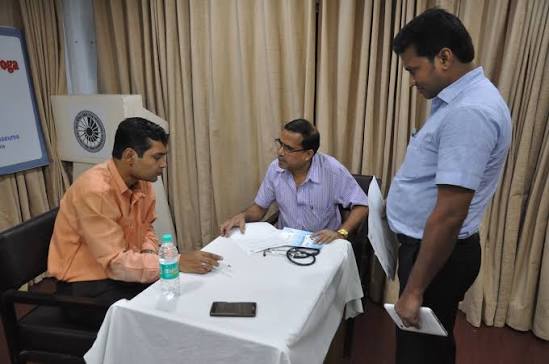
Ayu Devices, born at IIT Bombay’s MEDIC conclave, created a Bluetooth-enabled digital stethoscope that amplifies and records heart and lung sounds. It enables rural health workers to share audio files with doctors for remote diagnosis, bridging India’s urban-rural healthcare gap. Since 2018, 10,000+ devices have screened 67,000+ patients, aligning with Ayushman Bharat and telemedicine goals.
Share



Sector

Solution

Technology

State of Origin
Impact Metrics
10,000+ units sold
improving healthcare access in rural India.
67,822+ patients
screened with remote diagnostics.
Resources to Replicate This Idea
BUILD YOUR OWN INTERVENTION
Additional Research
How can I implement this innovation effectively?
How is this innovation being adopted around the world?
Where else could this innovation make an impact?
Who has seen real results from using this innovation?
What insights do experts share about this innovation?
What policies support or influence this innovation?
How could this innovation evolve in the future?
Is this innovation accessible and inclusive for everyone?
How can I contribute to or participate in this innovation?
What resources can help me explore this innovation further?
Bridging the Rural Healthcare Divide: Lessons from Digital Stethoscope Implementation in India
The integration of digital stethoscopes into rural healthcare systems in India, notably through innovations like Ayu Devices, has illuminated both the promise and the complexities of deploying health technology at scale. These experiences offer critical insights into how low-cost, connected medical devices can transform diagnostics, empower frontline workers, and address persistent gaps in access—provided that implementation is grounded in local realities, robust policy support, and continuous capacity building.
Leveraging Indigenous Innovation for Rural Impact
India’s digital health journey is distinguished by the development of contextually relevant solutions, such as the Ayu Devices digital stethoscope. Designed and refined with support from IIT Bombay and the Biomedical Engineering and Technology Centre (BETiC), this device exemplifies how indigenous innovation can address unique challenges in resource-constrained settings. Its affordability and Bluetooth connectivity make it accessible to community health workers, such as ASHA workers, who often operate in areas where traditional diagnostic equipment is scarce or prohibitively expensive.
A notable case is the deployment of Ayu Devices in Maharashtra and Karnataka, where over 67,000 patients have been screened since 2018. The device’s ability to amplify and record heart and lung sounds has not only improved diagnostic accuracy but also enabled timely referrals—crucial in rural areas where specialist access is limited. This model of locally engineered, scalable technology is increasingly recognized as a blueprint for other developing nations seeking to bridge healthcare divides.
Integrating Digital Tools with National Health Platforms
The success of digital stethoscopes in rural India is closely tied to their integration with national digital health initiatives. Platforms like eSanjeevani, India’s flagship telemedicine service under the National Telemedicine Service, have facilitated millions of remote consultations, allowing patient data captured by digital stethoscopes to be transmitted in real time to remote specialists. This approach directly addresses the acute shortage of doctors in rural regions by leveraging technology to extend specialist expertise beyond urban centers.
Policy frameworks such as the Ayushman Bharat Digital Mission (ABDM) provide the digital infrastructure necessary for seamless device integration and health data management. ABDM’s unified health interface ensures that diagnostic data from devices like Ayu’s stethoscope can be linked to patient health records, supporting continuity of care and data-driven decision-making.
Capacity Building and Training: The Human Element
While technology provides the tools, effective implementation hinges on the skills and confidence of frontline health workers. Training programs tailored for community health workers—many of whom may have limited formal medical education—are essential for maximizing the impact of digital stethoscopes. In Maharashtra’s Satara district, for example, ASHA worker Priya Deshmukh used Ayu’s device to detect a heart murmur in a child, enabling a life-saving referral. Such stories underscore the importance of ongoing mentorship and support.
Indian institutions, including IIT Bombay and BETiC, have played a pivotal role in developing training modules and providing technical assistance. According to Dr. Nambiraj Konar, co-founder of Ayu Devices, “Interdisciplinary collaboration and continuous capacity building are vital for ensuring that digital health tools translate into better outcomes on the ground.”
Policy and Public-Private Partnerships: Enabling Scale
Scaling digital health solutions requires more than technological readiness; it demands enabling policy environments and strong public-private partnerships. India’s Digital Personal Data Protection Act (DPDP Act) and the National Digital Health Mission have established standards for data privacy, consent, and interoperability—fostering trust among users and providers. These frameworks also encourage collaboration between government, academia, and industry, as seen in the partnership between Ayu Devices, IIT Bombay, and state health departments.
Pilot programs under Ayushman Bharat and the National Health Authority have demonstrated that digital health tools can be scaled effectively when supported by government incentives and private sector innovation.
Global Comparisons and Lessons for India
India’s approach to digital stethoscope implementation aligns with global trends but stands out for its focus on indigenous development and integration with national health schemes. In Kenya, the M-TIBA platform and in Brazil, the Telehealth Network of Minas Gerais, have similarly leveraged digital stethoscopes to extend care to underserved populations. However, India’s scale, diversity, and policy-driven ecosystem position it as a potential global leader in affordable health tech innovation.
—
Charting the Global Landscape: Digital Health Innovations Across Borders
The rapid evolution of digital health technologies is reshaping healthcare delivery worldwide, with digital stethoscopes emerging as a pivotal tool in bridging healthcare gaps, particularly in underserved regions. From Africa to South America and South Asia, countries are leveraging these innovations to address persistent challenges in access, quality, and affordability of care. India’s approach, rooted in indigenous innovation and robust policy frameworks, offers instructive lessons for other developing nations seeking scalable, inclusive solutions. This section explores global trends, comparative policy models, and the unique trajectory of India’s digital health ecosystem.
Integrating Digital Stethoscopes in Global Health Systems
Countries across the globe are embedding digital stethoscopes into their healthcare infrastructure to extend diagnostic capabilities to remote and rural communities. In Kenya, the “M-TIBA” platform exemplifies this integration by combining digital stethoscopes with mobile health solutions, enabling community health workers to transmit patient data to urban specialists for real-time consultations. This model has significantly improved diagnostic accuracy and reduced travel burdens for rural populations.
Similarly, Brazil’s “Telehealth Network of Minas Gerais” connects rural clinics with tertiary care centers, utilizing digital stethoscopes to facilitate remote cardiac and respiratory assessments. These international experiences underscore the transformative potential of digital stethoscopes when embedded within broader telemedicine frameworks.
India’s Distinctive Policy Approach: Indigenous Innovation and Integration
India’s digital health journey is anchored by flagship initiatives such as the Ayushman Bharat Digital Mission (ABDM) and the National Telemedicine Service (eSanjeevani). Unlike many countries that rely heavily on imported technologies, India emphasizes indigenous development—exemplified by startups like Ayu Devices, which design digital stethoscopes tailored to local needs and resource constraints.
The ABDM provides a unified digital health infrastructure, facilitating seamless integration of diagnostic devices with national health records. The National Telemedicine Service, eSanjeevani, has enabled over 100 million remote consultations, demonstrating the scalability of digital health solutions in a country with vast rural populations and diverse health system capacities. This model, which prioritizes local innovation and integration with public health schemes, is increasingly cited as a blueprint for other low- and middle-income countries.
Comparative Policy Models: Lessons from Brazil, Kenya, and India
While Brazil and Kenya have made significant strides in telemedicine, India’s approach stands out for its scale and policy coherence. Brazil’s Telehealth Network, supported by federal and state governments, focuses on specialist access in rural areas but faces challenges in interoperability and data privacy. Kenya’s M-TIBA leverages mobile money and digital health tools to improve access but is constrained by infrastructure gaps.
In contrast, India’s policy ecosystem—bolstered by the Digital Personal Data Protection Act (DPDP Act)—establishes clear standards for data security, consent, and interoperability. The integration of digital stethoscopes with national health records ensures continuity of care and robust monitoring.
Expert Perspectives: Indian Voices on Global Health Innovation
Indian experts and institutions are at the forefront of shaping digital health discourse. Dr. Nambiraj Konar, co-founder of Ayu Devices, notes, “The synergy between engineering and clinical expertise is crucial for developing contextually relevant solutions that address India’s unique healthcare challenges.” Institutions like IIT Bombay and the Biomedical Engineering and Technology Innovation Centre (BETiC) have incubated dozens of health tech startups, ensuring that innovations are rigorously tested and aligned with frontline realities.
Experts also highlight the need for continuous training of health workers, ensuring that digital stethoscopes and other tools are effectively utilized in community settings.
Toward an Inclusive and Scalable Future
India’s digital health trajectory is marked by a commitment to inclusivity and scalability. The affordability and user-friendliness of devices like the Ayu Devices digital stethoscope make them accessible to community health workers, even in low-resource settings. National initiatives such as the Common Service Centres (CSCs) and the National Digital Health Mission are instrumental in bridging the digital divide, ensuring that marginalized and rural populations are not left behind.
Looking ahead, the convergence of artificial intelligence, telemedicine, and connected medical devices has the potential to revolutionize diagnostics and public health monitoring. As India continues to invest in digital infrastructure and foster cross-sectoral partnerships, it is poised to set global benchmarks for affordable, scalable, and inclusive health tech solutions. The Indian model, rooted in indigenous innovation and robust policy frameworks, offers a compelling template for other nations navigating the complexities of digital health transformation.
Innovating Beyond the Digital Stethoscope: Expanding the Frontiers of Indian Health Tech
India’s digital health revolution extends far beyond the introduction of digital stethoscopes, encompassing a dynamic ecosystem of innovations designed to address the country’s unique healthcare challenges. From AI-powered diagnostics to nationwide telemedicine platforms, these applications are transforming the delivery, accessibility, and quality of healthcare—particularly in rural and underserved regions. As government agencies, startups, and academic institutions collaborate, India is rapidly emerging as a global leader in scalable, context-sensitive digital health solutions.
Telemedicine Platforms: Bridging the Urban-Rural Divide
Telemedicine has become a cornerstone of India’s digital health strategy, dramatically improving access to specialist care for remote populations. The government’s “eSanjeevani” platform, launched by the Ministry of Health and Family Welfare, has facilitated over 100 million teleconsultations as of 2024, connecting patients in rural areas with doctors in urban centers. This initiative proved critical during the COVID-19 pandemic, when physical access to healthcare was severely restricted.
Beyond government efforts, private sector startups such as Practo and mfine have expanded teleconsultation services, integrating electronic health records and AI-driven triage tools. These platforms not only reduce travel time and costs for patients but also help decongest tertiary care hospitals. The success of eSanjeevani has prompted states like Tamil Nadu and Gujarat to integrate telemedicine into their primary healthcare systems, setting a precedent for nationwide adoption.
AI-Driven Diagnostics: Early Detection and Precision Medicine
Artificial intelligence is revolutionizing disease detection and management in India, with startups and research institutions developing tools tailored to local epidemiological needs. Niramai, a Bengaluru-based startup, employs thermal imaging and machine learning to enable non-invasive, affordable breast cancer screening—a crucial advancement in a country where late diagnosis remains a leading cause of mortality. Similarly, SigTuple leverages AI to automate the analysis of blood samples, enhancing the detection of anemia and other hematological disorders in resource-limited settings.
Academic partnerships are also driving innovation. IIT Madras and AIIMS Delhi have piloted AI-based diagnostic models for tuberculosis, a disease that disproportionately affects India’s rural poor. These models analyze chest X-rays and cough sounds, enabling frontline health workers to identify high-risk cases with greater accuracy.
Digital Health Infrastructure: Policy and Implementation
Robust digital infrastructure and forward-thinking policy frameworks underpin India’s health tech transformation. The Ayushman Bharat Digital Mission (ABDM) aims to create a unified digital health ecosystem, integrating electronic health records, digital prescriptions, and interoperable devices—including digital stethoscopes—across public and private providers. This mission is complemented by the Digital Personal Data Protection Act (DPDP Act), which establishes stringent standards for patient data privacy, consent, and security.
The National Health Authority’s “Co-WIN” platform, initially developed for COVID-19 vaccination management, demonstrated the scalability of digital health solutions, registering over a billion vaccine doses and enabling real-time monitoring. These policy initiatives not only facilitate innovation but also ensure that digital health tools are accessible, secure, and aligned with the needs of India’s diverse population.
Expert Perspectives: The Role of Collaboration and Capacity Building
Indian experts consistently stress the importance of interdisciplinary collaboration in advancing digital health. Dr. Nambiraj Konar, co-founder of Ayu Devices, notes, “The intersection of engineering and clinical insight is vital for developing solutions that are both technologically robust and contextually relevant.” Institutions like IIT Bombay and the Biomedical Engineering and Technology Innovation Centre (BETiC) have nurtured a new generation of health tech startups, providing mentorship, funding, and clinical validation.
Experts also highlight the importance of continuous training for frontline health workers, ensuring that innovations translate into improved patient outcomes. As Dr. Anita Mahadevan, a public health specialist at NIMHANS, observes, “Empowering health workers with digital tools and ongoing support is key to bridging the last-mile gap in rural healthcare.”
Inclusive Access and Community Engagement
Ensuring that digital health innovations reach marginalized and rural communities remains a central policy and design challenge. Devices like the Ayu Devices digital stethoscope are intentionally designed for affordability and ease of use, enabling ASHA workers and primary care providers to deliver high-quality diagnostics without extensive training. National initiatives such as the Common Service Centres (CSCs) and the National Digital Health Mission (NDHM) are working to bridge the digital divide by providing infrastructure, training, and localized content in regional languages.
Community participation is actively encouraged through government portals, feedback mechanisms, and grassroots health programs. Startups and researchers can access grants and incubation support from agencies like BIRAC and the Department of Biotechnology, while NGOs and educational institutions are integrating digital health into their outreach and curricula. These efforts collectively foster a culture of innovation and inclusivity, ensuring that digital health solutions are both scalable and equitable.
—
India’s expanding digital health ecosystem demonstrates the transformative potential of technology when guided by robust policy, expert collaboration, and a commitment to inclusivity. As these related applications continue to evolve, they offer a blueprint for other nations seeking to harness digital innovation for public health impact.
Transforming Rural Healthcare: Real Stories of Digital Stethoscope Impact in India
The adoption of digital stethoscopes in rural India is reshaping healthcare delivery, offering frontline workers powerful diagnostic capabilities and bridging longstanding gaps in access. From early detection of life-threatening conditions to streamlined specialist referrals, these innovations are not just technological upgrades—they are lifelines for underserved communities. The following impact stories illustrate how digital health tools are catalyzing change across India’s diverse landscape.
Early Detection Saves Lives: Maharashtra’s Rural Success
In Maharashtra’s Satara district, the introduction of the Ayu Devices digital stethoscope has led to remarkable outcomes. Asha worker Priya Deshmukh, equipped with this device, identified a heart murmur in a young child during a routine village visit. Leveraging the stethoscope’s ability to amplify and record heart sounds, she facilitated a rapid referral to a pediatric cardiologist in Pune. The child received timely intervention, averting potentially fatal complications—a scenario that would have been unlikely without digital support.
This case exemplifies how digital stethoscopes empower community health workers to perform advanced screening, overcoming the limitations of traditional auscultation and limited specialist availability in rural settings.
Bridging the Urban-Rural Divide: Community Health Camps in Karnataka
Karnataka’s community health camps have become a proving ground for digital stethoscope deployment. In collaboration with local NGOs and the state health department, these camps utilize Ayu Devices to screen for respiratory illnesses such as asthma and chronic obstructive pulmonary disease (COPD). The real-time data transmission feature allows remote specialists to review findings, reducing the need for patients to travel long distances for expert consultations.
Policy Catalysts: Integrating Digital Tools with National Health Missions
India’s policy ecosystem has played a pivotal role in scaling digital health innovations. The Ayushman Bharat Digital Mission (ABDM) provides a unified digital infrastructure, enabling seamless integration of devices like digital stethoscopes with electronic health records. This interoperability ensures that diagnostic data collected in rural clinics is accessible to specialists nationwide, supporting continuity of care and data-driven decision-making.
The Digital Personal Data Protection Act (DPDP Act) further safeguards patient privacy, mandating consent-based data sharing and robust encryption protocols. These frameworks not only encourage innovation but also build public trust in digital health solutions—an essential factor for widespread adoption.
Expert Perspectives: Indian Innovators and Institutions Leading the Way
Indian experts underscore the transformative potential of digital health when contextualized for local needs. Dr. Nambiraj Konar, co-founder of Ayu Devices, emphasizes, “Collaboration between engineers and clinicians is vital for creating solutions that are both technologically advanced and practically viable in rural India.” Institutions such as IIT Bombay and the Biomedical Engineering and Technology Innovation Centre (BETiC) have been instrumental in nurturing startups, providing incubation, and ensuring that products are field-tested before deployment.
Expanding Access and Inclusion: Designing for India’s Diversity
Ensuring that digital health innovations reach the most marginalized populations requires deliberate design choices. The affordability and user-friendly interface of Ayu Devices’ stethoscope make it accessible to community health workers with limited technical backgrounds. India’s Common Service Centres (CSCs) and the National Digital Health Mission (NDHM) are actively working to bridge the digital divide by providing infrastructure, training, and support in local languages.
Pathways for Engagement: Building a Collaborative Ecosystem
The success of digital health in India depends on broad-based participation. Startups and researchers can access grants and incubation through platforms like Startup India and BIRAC, while health workers and NGOs benefit from targeted training programs. Community members are encouraged to provide feedback via government portals, shaping the evolution of digital health tools to better meet local needs.
—
These impact stories demonstrate that digital stethoscopes, supported by robust policy frameworks and expert collaboration, are not only improving diagnostic accuracy but also making quality healthcare accessible to India’s most underserved communities. As India continues to invest in digital infrastructure and inclusive design, it stands poised to set global benchmarks in affordable, scalable health technology.
Voices Shaping India’s Digital Health Revolution
India’s digital health landscape is being redefined by the insights and leadership of its homegrown experts and institutions. Their perspectives underscore the need for context-specific innovation, ethical stewardship, and inclusive implementation. By championing interdisciplinary collaboration and prioritizing frontline realities, these thought leaders are steering the nation toward a future where technology amplifies healthcare access and quality for all.
Interdisciplinary Collaboration: The Engine of Contextual Innovation
Dr. Nambiraj Konar, co-founder of Ayu Devices, emphasizes that the most impactful digital health solutions emerge from close collaboration between engineers and clinicians. “Bridging the gap between technical ingenuity and clinical realities is essential,” he notes, highlighting how Ayu Devices’ digital stethoscope was developed through iterative feedback from doctors working in resource-limited settings. This approach is echoed by the Biomedical Engineering and Technology Innovation Centre (BETiC) at IIT Bombay, which has incubated over 40 health tech startups by fostering partnerships between medical professionals and technologists. BETiC’s model ensures that innovations are not only technologically robust but also tailored to India’s unique healthcare challenges—such as rural outreach and affordability.
Ethical Imperatives: Data Privacy and Patient Trust
As digital health tools proliferate, ethical considerations have moved to the forefront of expert discourse. Dr. R.S. Sharma, CEO of the National Health Authority, has publicly stated that “trust in digital health systems will only be sustained if citizens are confident that their data is secure and used ethically.” The Digital Personal Data Protection Act (DPDP Act) of 2023 operationalizes these principles by mandating consent-based data sharing and robust encryption protocols, setting a new standard for patient privacy in India.
Empowering Frontline Health Workers Through Continuous Training
Experts consistently highlight that technology’s promise can only be realized if frontline health workers are equipped to use it effectively. Dr. Priya Balasubramaniam of the Public Health Foundation of India points out that “digital health tools must be accompanied by ongoing training and support, especially for community health workers in rural areas.” Initiatives like the National Digital Health Mission (NDHM) have rolled out digital literacy programs and hands-on workshops to ensure that ASHAs, ANMs, and other primary care providers can confidently integrate devices like digital stethoscopes into their daily practice. This approach not only boosts adoption rates but also ensures that innovations translate into tangible health outcomes.
Real-World Impact: From Prototype to Rural Clinics
The journey from laboratory innovation to real-world application is fraught with challenges, but Indian institutions are demonstrating how it can be done. Ayu Devices’ digital stethoscope, for example, was piloted in Maharashtra’s primary health centers before its national rollout. Feedback from rural doctors led to design modifications—such as longer battery life and simplified user interfaces—making the device more practical for field conditions. Similarly, BETiC-supported startups have deployed affordable diagnostic tools in tribal regions, directly addressing gaps in access and quality. These case studies illustrate the importance of iterative development, local testing, and user-centric design in scaling digital health solutions across India’s diverse healthcare landscape.
Policy Synergy: Aligning Innovation with National Priorities
Indian experts stress that sustainable digital health innovation requires alignment with national policy frameworks. The Ayushman Bharat Digital Mission (ABDM) provides a unified digital infrastructure, enabling seamless integration of devices and patient records. Dr. Aloknath De, former CTO of Samsung India and a member of several government advisory panels, argues that “policy support for interoperability and data standards is critical for scaling health tech innovations.” The synergy between regulatory clarity (as seen in the DPDP Act), public investment in digital infrastructure, and targeted support for startups through bodies like BIRAC and IIT Bombay’s incubators is creating an enabling environment for transformative change.
—
India’s digital health transformation is being shaped by a vibrant ecosystem of experts, institutions, and policymakers who are committed to ethical, inclusive, and contextually relevant innovation. Their perspectives and actions are not only addressing immediate healthcare needs but also laying the groundwork for a resilient and equitable health system for the future.
Charting India’s Digital Health Revolution: Policy Content
India stands at the forefront of a digital health transformation, driven by progressive policy frameworks and pioneering public initiatives. The convergence of technology, healthcare, and governance is reshaping how millions access and experience medical services. Central to this evolution are policies such as the Ayushman Bharat Digital Mission (ABDM), the National Telemedicine Service (eSanjeevani), and the Digital Personal Data Protection Act (DPDP Act), each playing a pivotal role in fostering innovation, safeguarding data privacy, and expanding equitable healthcare access. This section unpacks the research-backed contours of India’s digital health policy landscape, highlighting its impact, challenges, and future trajectory.
Integrating Digital Infrastructure: The Ayushman Bharat Digital Mission
The Ayushman Bharat Digital Mission (ABDM) is a landmark initiative that seeks to create an integrated digital health ecosystem across India. By providing every citizen with a unique Health ID, ABDM enables seamless interoperability between healthcare providers, patients, and digital devices. For instance, digital stethoscopes—such as those developed by Ayu Devices—can now interface directly with national health records, allowing real-time data sharing and remote diagnostics, even in rural clinics.
The ABDM’s architecture is designed to be inclusive and scalable, supporting a range of digital health tools from telemedicine platforms to AI-powered diagnostic devices. This digital backbone is not only enhancing clinical efficiency but also enabling targeted public health interventions, particularly during crises such as the COVID-19 pandemic.
Safeguarding Patient Data: The Digital Personal Data Protection Act
With the proliferation of digital health records and connected devices, data privacy and security have become paramount. The Digital Personal Data Protection Act (DPDP Act), enacted in 2023, establishes a robust legal framework for the collection, storage, and processing of personal health information. Key provisions include mandatory consent for data usage, stringent encryption standards, and clear protocols for data breach notifications.
The Act’s emphasis on consent and transparency is particularly relevant for marginalized communities, who may be vulnerable to misuse of sensitive health data. By aligning with global best practices, the DPDP Act positions India as a leader in ethical digital health governance.
Expanding Reach: Telemedicine and Inclusive Access
India’s National Telemedicine Service, eSanjeevani, exemplifies the potential of digital health to bridge geographic and socioeconomic divides. Since its launch, eSanjeevani has facilitated over 100 million teleconsultations, connecting patients in remote areas with qualified doctors nationwide. This model has been particularly effective in states like Tamil Nadu and Uttar Pradesh, where rural populations face chronic shortages of healthcare professionals.
Complementing telemedicine, initiatives like the Common Service Centres (CSCs) and the National Digital Health Mission (NDHM) focus on digital inclusion. By providing health services in local languages and ensuring compatibility with low-bandwidth networks, these programs address the unique needs of India’s diverse population. The Ayu Devices digital stethoscope, for example, is designed for ease of use by community health workers with minimal technical training, demonstrating how policy-driven innovation can enhance frontline care.
Expert Perspectives: Indian Leadership in Digital Health Policy
Indian institutions and experts are shaping the global discourse on digital health. The All India Institute of Medical Sciences (AIIMS) has been at the forefront of piloting AI-enabled diagnostic tools, while the Indian Council of Medical Research (ICMR) regularly publishes guidelines on digital health ethics and standards. The collaborative approach—engaging government, academia, startups, and civil society—has been instrumental in scaling digital health solutions. Programs like BIRAC’s Biotechnology Ignition Grant and IIT Bombay’s healthcare incubators provide critical support for innovators, ensuring that policy translates into real-world impact.
Looking Ahead: Policy Pathways for Global Leadership
India’s digital health policy landscape is evolving rapidly, with an eye toward future challenges and opportunities. The integration of AI, IoT, and big data analytics into national health schemes promises to further democratize access and improve outcomes.
To sustain this momentum, continued investment in digital infrastructure, workforce training, and regulatory oversight will be essential. As India aspires to achieve universal health coverage, its policy innovations offer a blueprint for other developing nations navigating the digital health frontier.
Charting the Next Frontier: Digital Health’s Transformative Trajectory in India
India stands at a pivotal juncture in digital health, where the fusion of advanced medical devices, artificial intelligence (AI), and telemedicine is poised to redefine healthcare delivery. The coming years promise not only technological breakthroughs but also systemic shifts in how healthcare is accessed, delivered, and governed. As India aspires to universal health coverage, the integration of digital health tools with national health schemes will be crucial, potentially positioning the country as a global exemplar in affordable, scalable health technology. The following sections explore key research-driven possibilities shaping this future.
AI-Driven Diagnostics: From Pilot to National Scale
Artificial intelligence is rapidly enhancing the diagnostic capabilities of digital health devices. For instance, digital stethoscopes like those developed by Ayu Devices are being paired with AI algorithms to automate the detection of cardiac anomalies, enabling frontline health workers to identify complex conditions without specialist intervention. A 2023 pilot in Maharashtra demonstrated that AI-assisted auscultation improved early detection rates of rheumatic heart disease in schoolchildren by over 30% compared to traditional methods.
Scaling such innovations nationwide will require robust digital infrastructure and targeted training. According to Dr. Priya Balasubramaniam, Senior Research Scientist at the Public Health Foundation of India, “AI-powered diagnostics can democratize access to quality healthcare, but their success depends on seamless integration with existing health systems and continuous upskilling of health workers.”
Policy Integration: Aligning Digital Health with Universal Coverage
The future of digital health in India is inextricably linked to its policy landscape. Government initiatives such as Ayushman Bharat Digital Mission (ABDM) are embedding digital health tools into the fabric of public health delivery. The ABDM’s Health ID system, for example, allows citizens to securely store and share their medical records, streamlining care across providers and geographies.
Policy experts at NITI Aayog emphasize that integrating digital health solutions with flagship schemes like Ayushman Bharat is essential for achieving universal health coverage.
Bridging the Digital Divide: Inclusive Design and Implementation
Ensuring that digital health innovations reach India’s most marginalized populations remains a central challenge. Rural and remote communities often face barriers such as low digital literacy, limited connectivity, and language diversity. To address this, initiatives like the Common Service Centres (CSCs) are deploying digital health kiosks staffed by trained local personnel, bringing telemedicine and diagnostic services to underserved areas.
The National Digital Health Mission mandates that digital health platforms be accessible in regional languages and optimized for low-bandwidth environments. Real-world examples include the deployment of Ayu Devices’ stethoscopes in primary health centers across Uttar Pradesh, where community health workers—many with minimal formal training—have successfully used the devices to screen thousands of patients.
Dr. Sunita Narain, Director General of the Centre for Science and Environment, notes, “Digital health must be designed for India’s diversity. Solutions that work in urban hospitals must be adapted for rural clinics, with a focus on affordability, usability, and local relevance.”
Fostering Innovation Ecosystems: Academia, Startups, and Public Sector Collaboration
India’s digital health future depends on a vibrant ecosystem that bridges academia, startups, and government. Institutions such as IIT Bombay and the Biotechnology Industry Research Assistance Council (BIRAC) are nurturing early-stage innovations through grants, incubators, and mentorship programs. For example, BIRAC’s BioNEST program has supported over 200 health-tech startups, many of which focus on AI-enabled diagnostics and remote monitoring tools.
Educational integration is also gaining momentum. Leading universities are introducing digital health modules into medical and engineering curricula, preparing the next generation of practitioners and innovators.
Expert Perspectives: Indian Thought Leaders on the Road Ahead
Indian experts consistently emphasize the need for context-specific solutions and robust governance frameworks. Dr. Gagandeep Kang, Professor at the Translational Health Science and Technology Institute, argues, “India’s unique disease burden and demographic diversity require digital health tools that are adaptable and evidence-based. Continuous evaluation and feedback loops are essential to ensure safety and efficacy.”
The All India Institute of Medical Sciences (AIIMS) has piloted AI-based triage systems in emergency departments, reporting improved patient flow and reduced wait times. Such real-world deployments underscore the importance of rigorous research and local adaptation.
As India continues its digital health journey, the convergence of technology, policy, and inclusive design will be key to unlocking transformative possibilities—not just for the country, but as a model for the Global South.
Bridging the Digital Health Divide: Prioritizing Accessibility in India’s Health Tech Revolution
As India accelerates its digital health transformation, ensuring equitable access for all citizens is both a moral imperative and a practical necessity. The promise of digital health—improved outcomes, efficiency, and reach—can only be realized if innovations are designed with the diverse needs of India’s population in mind. From rural communities and gender minorities to persons with disabilities and those with limited digital literacy, accessibility considerations must be embedded at every stage of digital health development and deployment.
Designing for Diverse User Needs: Lessons from Ayu Devices
One of the most compelling examples of accessible digital health innovation is the Ayu Devices digital stethoscope. Developed by IIT Bombay alumni, this device is not only affordable but also user-friendly, specifically tailored for frontline health workers in rural and resource-constrained settings. By minimizing the need for advanced technical skills, Ayu Devices empowers Accredited Social Health Activists (ASHAs) and Auxiliary Nurse Midwives (ANMs) to conduct cardiac screenings in remote villages—bridging the gap between advanced diagnostics and underserved populations. This approach aligns with the broader goals of the National Digital Health Mission (NDHM), which emphasizes inclusivity and local relevance in digital health tool design.
Language, Literacy, and Connectivity: Overcoming Structural Barriers
A significant barrier to digital health adoption in India is the linguistic and digital literacy divide. According to a 2022 report by the Internet and Mobile Association of India (IAMAI), only about 43% of rural Indians have internet access, and digital literacy remains unevenly distributed. To address this, the government’s Common Service Centres (CSCs) initiative provides digital health services in over 20 regional languages, ensuring that language is not a barrier to care. Additionally, platforms like eSanjeevani—India’s national telemedicine service—are optimized for low-bandwidth environments, enabling video consultations even in areas with limited connectivity. These adaptations are critical for reaching marginalized groups and ensuring that digital health does not exacerbate existing inequities.
Policy Frameworks and Grassroots Implementation
India’s policy landscape reflects a strong commitment to digital health accessibility. The National Digital Health Mission (NDHM) mandates that all digital health tools be interoperable, secure, and inclusive, with explicit provisions for local language support and data privacy. The Ayushman Bharat Digital Mission (ABDM) further emphasizes the creation of a unified health ID system, simplifying access to health records for citizens across socioeconomic backgrounds. At the grassroots level, NGOs such as SEWA and the Digital Empowerment Foundation partner with government agencies to train community health workers and facilitate the adoption of digital tools in rural and tribal areas. These collaborations ensure that policy intent translates into real-world impact, particularly for women, the elderly, and persons with disabilities.
Expert Perspectives: Indian Voices on Inclusive Digital Health
Indian experts consistently highlight the importance of contextual design and community engagement in digital health. Dr. Pramod Varma, Chief Architect of India Stack, notes, “Digital health solutions must be designed for the lowest common denominator—only then can we achieve true scale and inclusion.” The Public Health Foundation of India (PHFI) advocates for participatory design processes, involving end-users in the development and testing of new tools. Such expert insights underscore the need for ongoing dialogue between technologists, policymakers, and communities.
Real-World Impact: Case Studies from Rural India
The transformative potential of accessible digital health is evident in numerous field initiatives. In Jharkhand, the use of Ayu Devices stethoscopes by ASHAs has led to earlier detection of cardiac anomalies among children, reducing referral times and improving outcomes. In Kerala, the eSanjeevani telemedicine platform has facilitated over 10 million consultations, with a significant proportion serving women and elderly patients in remote areas. These successes are not isolated; they reflect the cumulative impact of policy, innovation, and community participation working in concert.
—
By embedding accessibility considerations into every layer of digital health innovation—from device design to policy implementation—India is charting a path toward a more equitable and effective health system. The journey is ongoing, but the foundations for inclusive digital health are being laid with intention, evidence, and collaboration.
Unlocking Pathways: How Indians Can Shape the Future of Digital Health
India’s digital health landscape is rapidly evolving, presenting a spectrum of opportunities for citizens, professionals, and institutions to actively participate in shaping its trajectory. From grassroots involvement to policy advocacy, meaningful engagement is not only possible but essential for ensuring that digital health innovations are inclusive, effective, and responsive to the country’s diverse needs. This section explores actionable avenues for participation, backed by research, real-world examples, and expert insights from the Indian context.
Catalyzing Innovation: Grants, Incubators, and Startup Ecosystems
India’s robust startup ecosystem offers fertile ground for digital health entrepreneurs and researchers. Government-backed initiatives such as the Biotechnology Industry Research Assistance Council (BIRAC) and the Atal Innovation Mission (AIM) provide critical funding and mentorship. For instance, BIRAC’s Biotechnology Ignition Grant (BIG) has supported over 700 startups, many in digital health, enabling innovations like remote diagnostics and telemedicine platforms.
Institutions like IIT Bombay’s Society for Innovation and Entrepreneurship (SINE) have incubated ventures such as Dozee, a contactless health monitoring startup now deployed in over 6,000 hospitals nationwide. These programs not only offer financial support but also facilitate access to expert networks and regulatory guidance.
Empowering Health Workers and NGOs: Training and Capacity Building
Frontline health workers and non-governmental organizations (NGOs) are pivotal in bridging the digital divide, especially in rural and underserved regions. The Ministry of Health and Family Welfare, in partnership with the National Health Authority (NHA), regularly conducts training programs on digital health tools such as the Ayushman Bharat Digital Mission (ABDM) Health ID and telemedicine platforms.
A notable example is the eSanjeevani telemedicine service, which has trained over 100,000 health professionals, enabling remote consultations across 1,000+ districts. NGOs like SEWA Rural have collaborated with state governments to deploy mobile health units and digital record-keeping, improving maternal and child health outcomes.
Citizen Engagement: Feedback Mechanisms and Community Forums
Active citizen participation is integral to refining digital health services and ensuring accountability. Government portals such as MyGov and the ABDM Sandbox invite public feedback on policy drafts, pilot projects, and digital health standards. For example, during the rollout of the CoWIN vaccination platform, citizen feedback led to interface improvements and multilingual support, enhancing accessibility for millions.
Community-based organizations and patient advocacy groups, such as the Indian Patients Society for Primary Immunodeficiency (IPSPI), leverage digital forums to share experiences and influence policy. These participatory mechanisms not only democratize innovation but also foster trust and transparency in digital health systems.
Academic Integration: Curriculum Development and Research Collaborations
Educational institutions play a transformative role in preparing the next generation of digital health leaders. The All India Institute of Medical Sciences (AIIMS) and Indian Institutes of Technology (IITs) have introduced interdisciplinary courses in digital health, data analytics, and medical informatics. For instance, AIIMS Delhi’s Centre for Community Medicine offers a postgraduate diploma in digital health, blending technical and clinical perspectives.
Collaborative research projects, such as the ICMR-IIT Madras partnership on AI-driven tuberculosis screening, exemplify how academia can drive impactful innovation.
Volunteering and Grassroots Implementation: Bridging Urban-Rural Gaps
Volunteering with organizations deploying digital health solutions in rural India offers hands-on opportunities to address health inequities. Initiatives like Digital Empowerment Foundation’s “Smartpur” project train local youth as digital health facilitators, who assist communities in accessing teleconsultations and health information.
The Tata Trusts’ “Internet Saathi” program, originally focused on digital literacy for women, has expanded to include health awareness, demonstrating the potential of grassroots mobilization.
—
By leveraging these diverse participation channels—innovation ecosystems, capacity building, citizen feedback, academic integration, and grassroots volunteering—Indians from all walks of life can contribute to a more inclusive, resilient, and responsive digital health future.
Digital stethoscope for enhanced auscultation | IITBombay – https://rnd.iitb.ac.in/node/1333
Bluetooth enabled digital stethoscope for COVID-19 – https://www.indiascienceandtechnology.gov.in/research/bluetooth-enabled-digital-stethoscope-covid-19?field_area_id=2457
New-age Medical Technology for a Post-Covid world with Ayu Devices – https://pharmautility.com/new-age-medical-technology-for-a-post-covid-world-with-ayu-devices/
AyuSynk – https://ayusynk.ai
India Digital Stethoscope Market Size, Share, and Trends Analysis – https://www.databridgemarketresearch.com/reports/india-digital-stethoscope-market
Handpicked stories tailored just for you
Explore stories that inspire, inform, and ignite new ideas across tech, innovation, and real-world impact