
Building an Intelligence Layer for Humanoid Robots: How Video Footage Can Boost Future AI
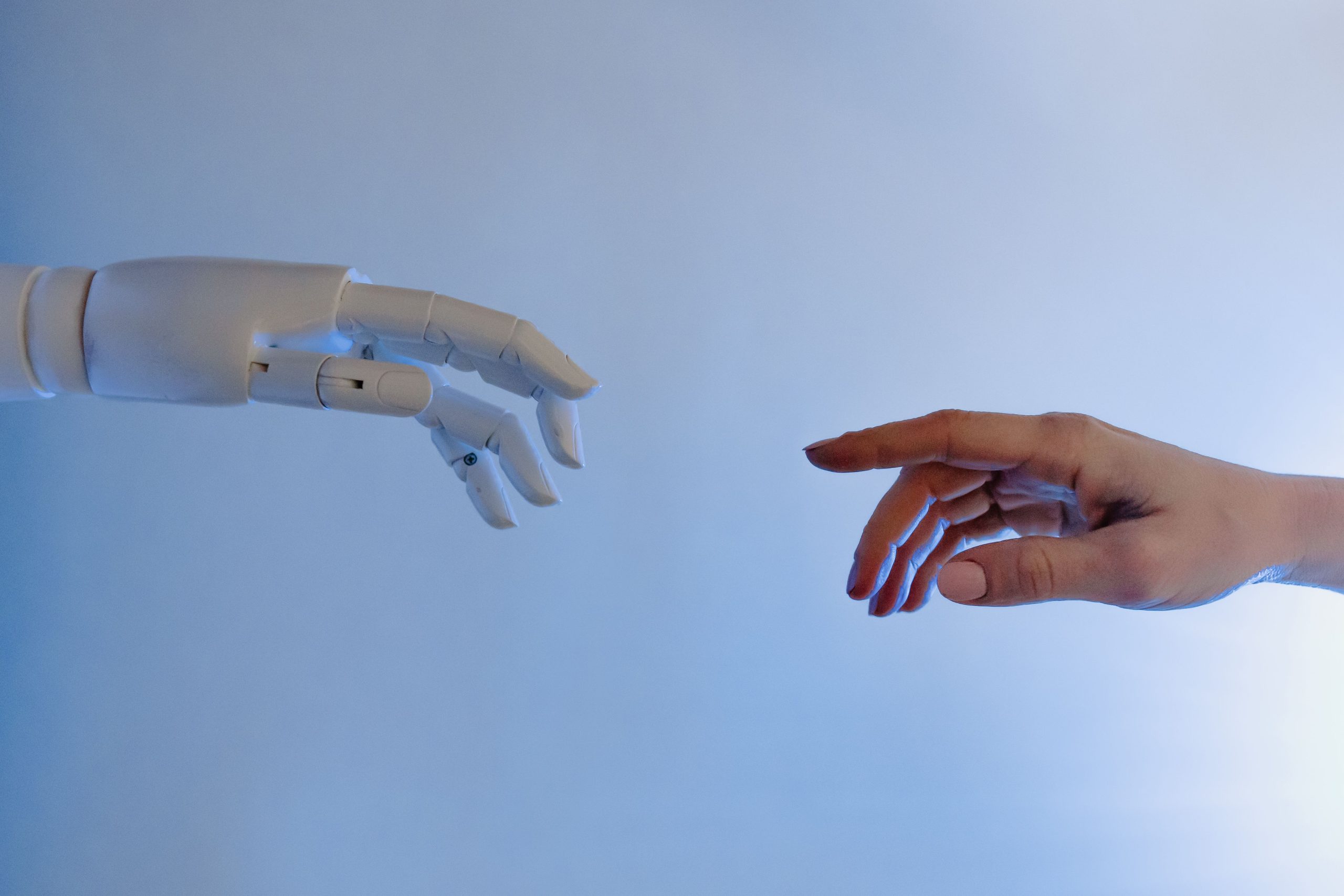
The market for robot hardware manufacturing is dominated by the US and China. However, the software for future robots is yet undeveloped. Rajasthan’s Embodied AI Data Labs is recording human hand movements to build a dataset for future robot training.
Updated on: 31 August 2026

Sector

Solution
Supply Chain

Technology
AI

State of Origin
Disclaimer:
Impact Metrics
170 cameras per week
deployed as of August 2026.
Move towards data sovereignty
for India with regards to AI training.
The development of robotics requires heavy investment in technical capital, which is difficult for developing countries with limited resources. Moreover, hardware manufacturing in robotics is already dominated by large multinational corporations based in the US and China. This means that this market is skewed against countries such as India.
However, what India can do is build the underlying artificial intelligence that will power the humanoid robots of the future. Without this component, even robots with advanced design will be limited in their functionality across sectors.
Embodied AI Data Labs of Jodhpur, Rajasthan has already identified and started addressing this gap. Launched in 2025 by Vansh Gehlot, this startup is using video cameras to record various human activities that use hand movement, then annotating the data for future reference. In the coming decades, these annotated datasets can combine India-specific technical expertise with robotic systems, allowing the emergence of true embodied AI.
What are the components of this innovation?
The primary physical equipment used by Embodied AI Data Labs comprises video cameras. When the startup signs a data agreement with a partner, it dispatches teams with these cameras to the partner’s factories and records workers performing different tasks with their hands. These tasks tend to include gripping, holding, and bending motions.
Next, the startup parses the collected footage at its research facility. It performs data quality checking and labeling, looking for the most energy-convenient and time-conserving ways of performing each task with hands. The objective is to build up this database, form an intelligence system, and commercialize this when humanoid robots become more common in the country.
Where has data been collected so far?
Since the startup was bootstrapped, the first year was spent on research and concept development. In January 2026, it announced its onboarding and deployment phase, sending the first teams to gather the aforementioned video data.
As of August, the startup has been deploying as many as 170 cameras a week for data collection. The bulk of its work has been in Rajasthan and Punjab, in regions such as Jodhpur, Ludhiana, Jalandhar, and Amritsar. It is currently in the process of establishing a long-term research facility at Thapar University in Patiala.
While most of the startup’s camera feeds have focused on hand movements, Embodied AI Data Labs is also developing cameras that can capture leg movements.
What kinds of data have been collected?
According to the startup website, the hand movement dataset has captured information on activities as diverse as cooking, folding garments, and assembling mechanical parts in factories. These are all activities that business owners might opt to automate when humanoid robots become viable.
During data collection, some of the collected video data is shared with the business owners in question, along with observations and feedback to help improve worker efficiency. This ensures some reciprocity in the research process.
Path going forward
Early collaboration between the startup and different factories indicates that business owners are willing to facilitate the video recording and data annotation. However, workers remain sceptical about these activities, perceiving AI and robotics as competitors that will reduce the available employment in the future.
In order to build trust among the general public, Embodied AI Data Labs must demonstrate that the data will be safeguarded and used in a way that benefits Indian stakeholders. Policymakers can support trust building by replicating data sovereignty legislation such as the European GDPR, ensuring that the technical understanding of Indian workers remains within Indian hands. Doing this will help position the country as an equal participant in embodied AI development.
Share Your Story Today, Shape Viksit Bharat Tomorrow
Got an idea, innovation, or experience that's making a difference? Share your story now and ignite India's transformation because your voice can drive the future forward!
Disclaimer:
Resources to Replicate This Idea
BUILD YOUR OWN INTERVENTION
Handpicked stories tailored just for you
Explore stories that inspire, inform, and ignite new ideas across tech, innovation, and real-world impact

How AI Diagnostics Are Reaching India’s Frontline Health Workers
AffEx equips rural health workers with an AI-powered point-of-care screening kit — testing hemoglobin, blood pressure, ECG, and cardiac and...
Read More