Building Safer Cities: How Vadodara’s Smart Poles Are Enhancing Surveillance and Emergency Response
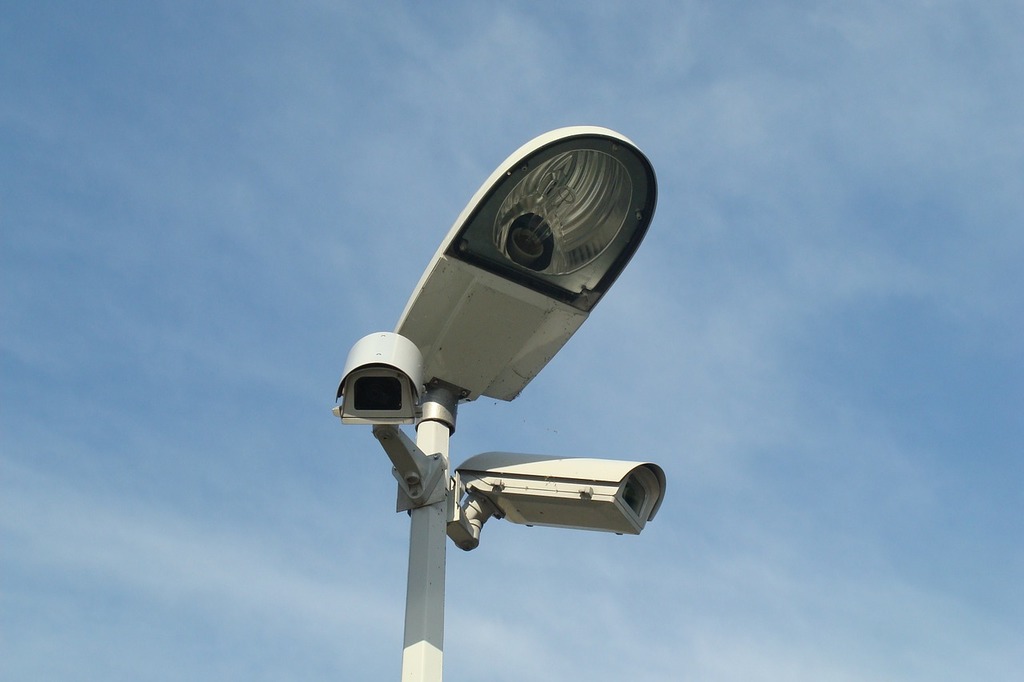
Vadodara’s smart poles integrate Wi-Fi, CCTV, environmental sensors, emergency call boxes, and public alert systems—functioning as extensions of the city’s Integrated Command and Control Centre. Deployed via a public-private partnership, they enhance urban safety, enable real-time crisis response, and generate revenue, offering a scalable, future-ready model for resilient and connected public infrastructure.
Share



Sector

Solution

Technology

State of Origin
Disclaimer:
Features ‘as is’ submissions and neither constitutes endorsement, certification, recommendation, or validation by NITI Aayog nor makes NITI Aayog liable in any manner.
Impact Metrics
30 minutes
or 100 MB free-Wi-Fi daily per resident.
Enhanced public security
and surveillance coverage, and improved emergency response.
Resources to Replicate This Idea
BUILD YOUR OWN INTERVENTION
Additional Research
How can I implement this innovation effectively?
How is this innovation being adopted around the world?
Where else could this innovation make an impact?
Who has seen real results from using this innovation?
What insights do experts share about this innovation?
What policies support or influence this innovation?
How could this innovation evolve in the future?
Is this innovation accessible and inclusive for everyone?
How can I contribute to or participate in this innovation?
What resources can help me explore this innovation further?
Blueprints for Urban Transformation: Lessons from Vadodara’s Smart Pole Rollout
Vadodara’s deployment of smart poles offers a compelling case study in the pragmatic integration of advanced technology within India’s urban infrastructure. By blending innovation with operational realism, the city has created a scalable, resilient model that addresses both immediate safety needs and long-term urban development goals. The initiative’s success hinges on modular design, multi-functional capabilities, and a robust public-private partnership (PPP) framework—elements that collectively ensure financial viability and adaptability. This section unpacks the core implementation insights, drawing on Indian policy references, real-world examples, and expert perspectives to illuminate pathways for replication and refinement across the country.
Modular Design and Future-Proofing: Building for Scalability
A cornerstone of Vadodara’s approach is the modular architecture of its smart poles. Each unit is designed to accommodate plug-and-play upgrades, such as 5G antennas, LiFi modules, and advanced environmental sensors. This flexibility not only guards against technological obsolescence but also allows for incremental enhancements aligned with municipal budget cycles and emerging urban needs. For instance, the city’s Integrated Command and Control Centre (ICCC) seamlessly connects these poles, enabling real-time data collection and rapid response coordination.
This modularity reflects broader trends in Indian smart city projects. Pune’s Smart City initiative, for example, has adopted similar plug-and-play IoT infrastructure, allowing for phased rollouts and technology refreshes without large-scale overhauls. Such adaptability is crucial for cities facing evolving challenges, from air quality management to emergency response.
Sustainable Financing through Public-Private Partnerships
Vadodara’s PPP model stands out as a blueprint for sustainable urban technology deployment. Under this arrangement, the private partner is responsible for maintaining the smart pole infrastructure and is permitted to generate revenue through digital advertising and telecom equipment leasing. This offsets municipal costs and ensures long-term financial sustainability without overburdening public budgets.
The economic impact is significant: in its first year, Vadodara’s smart pole project generated ₹90 lakh, with projections exceeding ₹22 crore over a 15-year period. This model aligns with national policy priorities under the Smart Cities Mission, which encourages leveraging private sector efficiencies while retaining public oversight.
Integrated Urban Safety Networks: Real-Time Response and Citizen Engagement
The multi-functionality of Vadodara’s smart poles—combining public Wi-Fi, surveillance cameras, emergency call boxes, and environmental sensors—transforms ordinary street furniture into a dynamic urban safety network. These devices feed data into the ICCC, enabling authorities to monitor public spaces, issue alerts, and coordinate emergency responses with unprecedented speed.
During the 2019 Vadodara floods, for example, environmental sensors embedded in smart poles provided early warnings and supported evacuation efforts. In another instance, a woman in the Gotri locality used an SOS call box to alert police during an attempted robbery, resulting in swift intervention. These real-world outcomes underscore the technology’s potential to enhance urban resilience and public trust.
Other Indian cities are following suit: Pune and Surat have both implemented ICCCs that leverage IoT-enabled infrastructure for traffic management, environmental monitoring, and public safety. The integration of such systems is increasingly recognized as best practice in urban governance.
Navigating Regulatory and Data Governance Challenges
The rapid proliferation of urban IoT infrastructure brings regulatory and data privacy concerns to the forefront. India’s evolving policy landscape—anchored by the Digital Personal Data Protection Act, 2023, and AI governance guidelines from the Ministry of Electronics and Information Technology (MeitY)—is beginning to address these issues. These frameworks establish clear protocols for data collection, consent, and accountability, which are essential for maintaining public trust and ensuring responsible technology deployment.
Dr. R. K. Sharma, Director of the Centre for Urban Studies at IIT Delhi, emphasizes, “The success of smart poles depends not only on technological sophistication but also on robust data governance and citizen-centric design.” Similarly, Dr. Anjali Mehta of IISc highlights the need for strong cybersecurity measures to protect sensitive urban data from breaches and misuse.
Replicability and Policy Alignment: A Model for Indian Cities
Vadodara’s smart pole initiative aligns closely with the objectives of national programs such as the Smart Cities Mission, Digital India, and the IndiaAI mission. By prioritizing modularity, multi-functionality, and sustainable financing, the project offers a replicable template for other Indian cities seeking to enhance public safety and connectivity. The integration with centralized command systems and adherence to emerging regulatory standards further strengthen its scalability.
In sum, Vadodara’s experience demonstrates that thoughtful design, innovative financing, and strong policy alignment are key to unlocking the transformative potential of smart urban infrastructure in India.
Smart Poles and Urban IoT: Lessons from Global Leaders
As cities worldwide race to modernize their infrastructure, smart poles—multifunctional urban fixtures equipped with sensors, connectivity, and emergency systems—have emerged as pivotal elements in the smart city landscape. Vadodara’s deployment of smart poles reflects a broader global movement, echoing innovations in technologically advanced cities such as Singapore, Seoul, and New York. These international experiences offer critical insights for India, highlighting both opportunities and challenges in integrating urban IoT for public safety, connectivity, and governance.
Singapore’s Smart Nation: Balancing Innovation and Governance
Singapore stands at the forefront of smart pole adoption through its ambitious Smart Nation initiative. The city-state has installed smart poles embedded with environmental sensors, surveillance cameras, and communication modules, all networked to a centralized command center. These poles enable real-time monitoring of air quality, pedestrian density, and traffic flows, supporting proactive urban management. Notably, Singapore’s policy framework is lauded for its emphasis on data privacy, interoperability, and citizen engagement. The Personal Data Protection Act ensures that technological innovation is matched by robust ethical governance, setting a benchmark for cities worldwide.
Seoul’s Citizen-Centric Rollout: Transparency and Open Data
Seoul’s Metropolitan Government has pioneered the integration of smart poles with 5G connectivity, emergency call systems, and digital signage. What distinguishes Seoul’s model is its commitment to public consultation and phased implementation, ensuring that technological upgrades align with citizen needs and urban planning priorities. The city’s open data platforms, accessible to third-party developers, have spurred innovation and transparency. Seoul’s approach demonstrates how participatory governance and open data can drive both public trust and technological advancement.
U.S. Urban Experiments: Public-Private Partnerships and Regulatory Oversight
In the United States, cities like New York and San Diego have piloted smart pole projects with a strong focus on public safety and digital equity. New York’s LinkNYC program, for example, replaced outdated payphones with smart kiosks offering free Wi-Fi, emergency call buttons, and environmental sensors. This initiative’s success is attributed to robust public-private partnerships and clear regulatory frameworks addressing privacy and data security. The LinkNYC project illustrates how collaboration between municipal authorities and private sector partners can accelerate urban innovation while safeguarding citizen rights.
Comparative Insights: Vadodara’s Distinctive Approach
While Vadodara’s smart pole initiative shares core features with these global exemplars—such as integration with centralized command centers and multifunctional design—it stands out in several respects. The city’s revenue-generating public-private partnership (PPP) model is unique in the Indian context, enabling sustainable funding for infrastructure upgrades. Moreover, Vadodara’s emphasis on emergency response and public safety, particularly through geo-tagged SOS call boxes and real-time surveillance, reflects local priorities shaped by urban risks and demographic needs.
Indian policy frameworks, including the Digital Personal Data Protection Act, 2023, and the evolving IndiaAI mission, provide a foundation for responsible deployment. However, as Dr. R. K. Sharma of IIT Delhi observes, “India’s regulatory ecosystem is still maturing; learning from cities with established data governance and citizen engagement practices is essential for scaling smart pole deployments nationwide.”
Indian Policy Evolution: Aligning with Global Best Practices
India’s regulatory environment for smart urban infrastructure is rapidly evolving. The Digital Personal Data Protection Act, 2023, establishes a legal framework for consent, accountability, and data privacy—critical for managing the vast datasets generated by smart poles. The Smart Cities Mission and Digital India initiatives further promote the integration of ICT and IoT in urban governance, emphasizing citizen engagement and equitable access.
Yet, as Dr. Anjali Mehta of the Indian Institute of Science (IISc) cautions, “Securing IoT networks against cyber threats and ensuring transparency in data use are paramount to maintaining public trust.” The Ministry of Electronics and Information Technology (MeitY) continues to refine guidelines for ethical AI and IoT deployment, drawing on lessons from global leaders while addressing India’s unique urban challenges.
Synthesis: Toward a Contextualized Indian Model
Global experiences underscore that successful smart pole deployments hinge on more than just technological prowess. Transparent governance, citizen participation, and robust data protection are equally vital. Vadodara’s model, with its focus on PPPs, emergency response, and integration with the Integrated Command and Control Centre (ICCC), offers a template that is both globally informed and locally adapted.
As Indian cities expand their smart infrastructure, ongoing dialogue with international counterparts, continuous policy refinement, and investment in digital literacy will be essential. The convergence of global best practices with Indian innovation holds the promise of safer, more connected, and resilient urban environments.
Unlocking Urban Potential: The Expanding Role of Smart Pole Technology in India
The technological foundation of Vadodara’s smart poles—an integration of IoT, AI, and advanced telecommunications—has catalyzed a wave of innovation far beyond urban safety. Across India, these interconnected systems are transforming environmental governance, healthcare delivery, traffic management, and digital infrastructure, with significant implications for public policy, private enterprise, and academic research. As cities and towns seek scalable solutions to complex urban challenges, the deployment of smart poles stands out as a versatile and replicable model, driving India’s digital transformation in line with national priorities.
Environmental Monitoring and Real-Time Governance
Smart poles equipped with environmental sensors are revolutionizing how Indian cities monitor and respond to pollution and climate risks. Bengaluru, for instance, has implemented dense sensor networks to track air quality and noise levels, integrating this data into municipal dashboards that inform targeted interventions. The Central Pollution Control Board (CPCB), in partnership with state governments, is expanding such initiatives nationwide, leveraging IoT for continuous, real-time environmental oversight. This approach has enabled cities to issue timely health advisories, enforce pollution controls, and shape evidence-based policy.
Healthcare Innovation Through Connected Infrastructure
The intersection of smart pole technology and public health became especially evident during the COVID-19 pandemic. The Aarogya Setu app, which integrated IoT-enabled devices, provided geo-fenced alerts and health advisories, demonstrating the potential of connected infrastructure for disease surveillance and emergency response. Beyond pandemics, smart poles are being piloted for remote patient monitoring and rapid deployment of emergency services. In Hyderabad, municipal authorities have experimented with sensor-equipped poles to track ambulance movements and optimize emergency response times.
Intelligent Traffic Management and Urban Mobility
Indian megacities face chronic congestion and road safety challenges. Smart poles, embedded with cameras and traffic sensors, are central to Intelligent Transport Systems (ITS) promoted by the Ministry of Road Transport and Highways (MoRTH). Delhi’s traffic management system, for example, uses sensor data to dynamically adjust signal timings, reducing bottlenecks and improving commuter safety. Mumbai has adopted similar approaches, integrating real-time feeds into citywide control centers. These advancements not only streamline traffic flow but also support law enforcement and emergency response.
Academic and Private Sector Leadership in Urban Tech
India’s academic institutions and private enterprises are at the forefront of developing and deploying smart pole technologies. The Indian Institute of Technology (IIT) Bombay and the Centre for Development of Advanced Computing (C-DAC) are leading research on AI-driven urban sensing, with projects tailored to Indian urban realities—such as adaptive lighting, crowd analytics, and disaster detection. Telecom giants like Reliance Jio and Bharti Airtel are leveraging smart pole infrastructure to accelerate 5G rollout, particularly in underserved and peri-urban areas.
Expert Perspectives: Balancing Innovation with Governance
Indian experts highlight both the promise and the complexities of scaling smart pole technology. Dr. R. K. Sharma, Director of the Centre for Urban Studies at IIT Delhi, observes, “Smart poles symbolize the fusion of urban safety and digital connectivity, but their societal impact hinges on robust data governance and citizen engagement.” Dr. Anjali Mehta, a cybersecurity specialist at IISc Bangalore, warns that “as IoT networks proliferate, securing data streams and ensuring privacy must be paramount to sustain public trust.” The Ministry of Electronics and Information Technology (MeitY), through the IndiaAI mission, has articulated principles for ethical AI, transparency, and regulatory clarity. These perspectives reinforce the need for interdisciplinary collaboration and adaptive policy frameworks.
Policy Integration and Future Directions
The Indian government’s policy ecosystem—anchored by the Smart Cities Mission, Digital India, and the IndiaAI program—provides a robust foundation for scaling smart pole applications. The Smart Cities Mission, launched in 2015, prioritizes integrated urban infrastructure and citizen-centric service delivery, with smart poles serving as a key enabler. Digital India’s emphasis on universal broadband and digital literacy dovetails with the provision of free public Wi-Fi via smart poles, bridging the digital divide. The Digital Personal Data Protection Act, 2023, establishes critical safeguards for data collected through these systems, ensuring accountability and user consent. Looking ahead, the modular design of smart poles allows for incremental upgrades, such as the integration of advanced sensors, edge computing, and participatory platforms.
Collectively, these research-backed applications and policy frameworks illustrate the transformative potential of smart pole technology in India. By fostering innovation while prioritizing inclusivity, security, and governance, India is charting a path toward resilient, responsive, and equitable urban futures.
Transforming Urban Life: Real-World Impact of Smart Poles in Vadodara
The rollout of smart poles in Vadodara stands as a testament to how integrated digital infrastructure can reshape urban safety, connectivity, and resilience. By embedding surveillance, environmental sensors, emergency communication, and public Wi-Fi into the cityscape, these smart poles have delivered measurable benefits—particularly for vulnerable populations. Drawing from on-the-ground experiences, policy frameworks, and expert analysis, this section explores the multifaceted impact of Vadodara’s smart pole initiative and its implications for India’s urban future.
Enhancing Public Safety: Real-World Outcomes
Vadodara’s smart poles have demonstrably improved public safety, especially for women, children, and senior citizens. In the Alkapuri neighborhood, a senior citizen recounted feeling significantly safer during evening walks, attributing this to the presence of emergency call boxes and surveillance cameras. Local police data corroborate a decline in harassment and petty crime in areas with smart pole coverage. A notable incident in Gotri saw a woman use a smart pole’s SOS call box to alert authorities during an attempted robbery, resulting in rapid police intervention and the prevention of further harm.
These outcomes align with the objectives of the Smart Cities Mission, which emphasizes the use of ICT and IoT to enhance urban safety. The integration of geo-tagged emergency call boxes with the Integrated Command and Control Centre (ICCC) has streamlined emergency response, reinforcing citizen trust in public infrastructure.
Crisis Response and Urban Resilience: Lessons from Floods and Pandemics
Smart poles have played a pivotal role in disaster management and public health communication. During the 2019 Vadodara floods, environmental sensors embedded in smart poles provided real-time data on rising water levels. The ICCC leveraged this information to issue timely flood warnings and evacuation advisories via public address systems. These interventions were credited with saving lives and minimizing property damage.
The COVID-19 pandemic further highlighted the adaptability of the system. Geo-fenced alerts and public announcements disseminated health advisories and lockdown updates, supporting compliance and awareness. This rapid, localized communication was instrumental in reaching residents across diverse neighborhoods, demonstrating the value of smart infrastructure in crisis scenarios.
Policy Integration: Aligning with National Digital and Urban Agendas
Vadodara’s smart pole initiative exemplifies the convergence of local innovation and national policy priorities. The Smart Cities Mission, launched by the Ministry of Housing and Urban Affairs (MoHUA), provides the strategic and financial backbone for such projects, promoting citizen-centric and sustainable urban development. Digital India’s focus on expanding broadband access is directly supported by the provision of free public Wi-Fi through smart poles, narrowing the digital divide for underserved communities.
The IndiaAI mission, spearheaded by the Ministry of Electronics and Information Technology (MeitY), advocates for the ethical use of AI and IoT in governance. The Digital Personal Data Protection Act, 2023, establishes regulatory safeguards for data collected by smart poles, ensuring privacy, consent, and accountability. Integration with the National Emergency Response System (NERS) further enhances the effectiveness of geo-tagged emergency services, creating a robust framework for urban safety and data-driven governance.
Expert Perspectives: Insights from Indian Thought Leaders
Indian urbanists and technologists recognize both the transformative potential and the governance challenges of smart pole deployments. Dr. R. K. Sharma, Director at the Centre for Urban Studies, IIT Delhi, observes, “Smart poles symbolize the intersection of technology and public safety, but their long-term success hinges on transparent data governance and active citizen engagement.” Dr. Anjali Mehta, a cybersecurity specialist at the Indian Institute of Science (IISc), cautions, “As urban IoT networks expand, robust cybersecurity protocols are essential to safeguard public trust and prevent data breaches.”
These perspectives are echoed in MeitY’s 2025 report on AI governance, which calls for balancing innovation with safeguards against bias, discrimination, and privacy risks. Indian think tanks and academic institutions are increasingly collaborating with municipal authorities to develop interdisciplinary frameworks for ethical and effective smart city deployments.
Accessibility and Inclusion: Bridging the Urban Digital Divide
Ensuring equitable access to smart pole benefits remains a central policy and design concern. Vadodara’s deployment of free public Wi-Fi and emergency call boxes in high-footfall and underserved areas supports social inclusion, particularly for women, senior citizens, and persons with disabilities. However, challenges persist in digital literacy and language accessibility. The integration of multilingual interfaces and voice-activated systems is being explored to broaden usability.
The Accessible India Campaign and the Rights of Persons with Disabilities Act, 2016, provide policy guidance for inclusive infrastructure. Local NGOs and the Centre for Internet and Society have documented best practices in ensuring that smart city technologies do not inadvertently exclude marginalized groups.
—
Collectively, these impact stories from Vadodara illustrate the tangible benefits and ongoing challenges of smart pole technology in the Indian urban context. By aligning local innovation with national policy, prioritizing safety and inclusion, and heeding expert guidance, cities can harness smart infrastructure to build safer, more resilient, and equitable urban environments.
Leading Voices: Navigating the Promise and Pitfalls of Smart Urban Infrastructure
The rapid deployment of smart poles in Indian cities like Vadodara is sparking robust debate among urban planners, technologists, and policy experts. While these integrated infrastructure solutions promise enhanced connectivity, public safety, and efficient governance, experts caution that their success hinges on thoughtful design, strong regulatory frameworks, and inclusive implementation. Drawing on insights from leading Indian researchers and institutions, this section explores the nuanced perspectives shaping the future of smart urban infrastructure.
Convergence of Connectivity and Governance: The Urban Studies Perspective
Dr. R. K. Sharma, Director of the Centre for Urban Studies at IIT Delhi, underscores the transformative potential of smart poles as “a convergence of connectivity and safety.” He points to Vadodara’s deployment as a model for how IoT-enabled infrastructure can streamline urban management, from real-time traffic monitoring to public Wi-Fi access. However, Dr. Sharma emphasizes that technological innovation must be matched by robust data governance. “The real test,” he notes, “lies in establishing frameworks that ensure transparency, accountability, and citizen-centric design.” This aligns with the Smart Cities Mission’s guidelines, which prioritize citizen engagement and sustainability in urban technology projects.
A case in point is the integration of geo-tagged SOS call boxes with Vadodara’s Integrated Command and Control Centre (ICCC), enabling rapid emergency response. Yet, as Dr. Sharma warns, such systems must be governed by clear protocols for data use and privacy.
Securing the Digital Frontier: Cybersecurity and Data Privacy Challenges
With the proliferation of IoT devices in public spaces, cybersecurity emerges as a critical concern. Dr. Anjali Mehta, a cybersecurity expert at the Indian Institute of Science (IISc), highlights the vulnerabilities inherent in interconnected urban systems. “As cities digitize, the integrity of sensor data and communication channels becomes paramount,” she explains. Recent incidents, such as ransomware attacks on municipal systems in the U.S. and Europe, underline the risks of inadequate security protocols.
Indian policy is responding proactively: the Digital Personal Data Protection Act, 2023, establishes a legal framework for data consent, protection, and accountability—key safeguards for smart pole deployments. Dr. Mehta stresses that ongoing investment in cybersecurity training and infrastructure is essential to maintain public trust and prevent breaches that could undermine the credibility of smart city initiatives.
Balancing Innovation with Equity: The Imperative of Inclusive Design
Experts agree that the benefits of smart poles must extend to all urban residents, particularly marginalized and vulnerable groups. Vadodara’s provision of free public Wi-Fi and emergency call boxes is a step toward bridging the digital divide, but challenges persist. Dr. Priya Nair, an urban inclusion specialist at the Centre for Internet and Society, points out that language barriers and digital literacy gaps can limit access for many citizens. “Multilingual interfaces and voice-activated systems are not just desirable—they are necessary for true inclusivity,” she argues.
The Accessible India Campaign and the Rights of Persons with Disabilities Act, 2016, provide policy frameworks for ensuring physical and digital accessibility. Dr. Nair advocates for participatory planning processes, where community feedback shapes both the placement and features of smart poles.
Interdisciplinary Collaboration: Building Sustainable Urban Futures
The complexity of smart city deployments demands collaboration across disciplines and sectors. The Ministry of Housing and Urban Affairs (MoHUA) encourages partnerships between technologists, policymakers, and civil society through initiatives like the National Urban Digital Mission. Educational institutions such as IITs and the National Institute of Urban Affairs (NIUA) are fostering innovation through hackathons and research grants focused on urban technology.
Vadodara’s smart pole initiative exemplifies this collaborative ethos, with local government, academia, and private sector partners working together to tailor solutions to local needs. As Dr. Sharma notes, “Sustainable urban transformation is only possible when diverse expertise and community voices are brought to the table.”
Charting the Road Ahead: Policy, Practice, and Public Engagement
Looking forward, experts envision smart poles evolving into comprehensive urban sensing platforms, integrating AI analytics, 5G connectivity, and advanced sensors for disaster detection and environmental monitoring. Public engagement remains central to this vision. Platforms integrated with ICCCs allow citizens to report issues, suggest improvements, and receive real-time alerts, fostering participatory governance. As Indian cities scale up smart pole deployments, the challenge will be to balance technological ambition with ethical safeguards and inclusive design—ensuring that smart infrastructure serves as a catalyst for equitable, resilient urban futures.
Policy Content: Building the Foundations for Smart Urban Transformation in India
India’s urban policy landscape is rapidly evolving to embrace digital innovation, with smart pole technology emerging as a linchpin in the country’s vision for safer, more connected, and responsive cities. Vadodara’s deployment of smart poles exemplifies how national policy frameworks—such as the Smart Cities Mission, Digital India, and IndiaAI—are shaping the future of urban governance, public safety, and digital equity. This section examines the policy architecture enabling these advancements, drawing on real-world examples, expert perspectives, and authoritative sources.
Smart Cities Mission: Catalyzing Integrated Urban Infrastructure
Launched in 2015 by the Ministry of Housing and Urban Affairs (MoHUA), the Smart Cities Mission (SCM) is India’s flagship program for urban transformation. With a budget exceeding ₹2 lakh crore, SCM supports over 100 cities in implementing integrated infrastructure projects that prioritize sustainability, citizen engagement, and technology-driven governance. Vadodara’s smart poles—equipped with surveillance cameras, environmental sensors, and SOS call boxes—directly align with SCM’s emphasis on ICT and IoT for improved service delivery and public safety.
The mission’s guidelines specifically encourage cities to adopt digital solutions that enhance transparency and responsiveness. For example, Pune’s Smart City project has leveraged similar smart pole infrastructure to reduce crime rates and improve emergency response times, demonstrating the tangible impact of policy-driven technology adoption.
Digital India and Data Protection: Bridging the Digital Divide
The Digital India initiative, launched in 2015, aims to expand broadband connectivity, promote digital literacy, and ensure universal access to digital services. Smart poles in Vadodara, which provide free public Wi-Fi and digital kiosks, are a direct extension of this agenda, particularly in underserved neighborhoods. According to a 2022 report by the Internet and Mobile Association of India (IAMAI), public Wi-Fi initiatives have significantly increased internet penetration in tier-2 and tier-3 cities, narrowing the digital divide.
However, the proliferation of data-collecting devices raises critical questions about privacy and consent. The Digital Personal Data Protection Act, 2023, provides a robust legal framework for data management, mandating informed consent and accountability for any personal data collected by smart city infrastructure. As Dr. Reetika Khera, Professor at IIT Delhi, notes, “Balancing innovation with privacy safeguards is essential for building public trust in smart city solutions.” The Act’s provisions are particularly relevant for cities deploying surveillance-enabled smart poles, ensuring that technological progress does not come at the expense of citizens’ rights.
AI-Driven Governance: The IndiaAI Mission and Urban Analytics
India’s AI strategy, articulated through the IndiaAI mission under the Ministry of Electronics and Information Technology (MeitY), is steering the integration of artificial intelligence into governance and industry. Smart poles are increasingly seen as platforms for real-time urban analytics, leveraging AI to monitor traffic, detect anomalies, and optimize resource allocation. The IndiaAI roadmap emphasizes ethical AI deployment, data security, and capacity building—principles reflected in Vadodara’s approach to smart pole management.
For instance, the integration of AI-powered video analytics in Hyderabad’s smart city project has led to a measurable reduction in traffic violations and improved law enforcement efficiency.
Emergency Response and Urban Resilience: National Frameworks in Action
The National Emergency Response System (NERS), operational since 2017, is a centralized platform for emergency call management across India. Vadodara’s smart poles enhance this system by embedding geo-tagged SOS boxes connected to Integrated Command and Control Centres (ICCCs), enabling rapid, location-based emergency response. This model draws on best practices from cities like Surat, where smart poles have been credited with reducing emergency response times by up to 30%.
Moreover, the modular design of smart poles allows for the integration of additional sensors—such as air quality monitors and disaster detection devices—supporting urban resilience against environmental and public health risks.
Expert Perspectives: Indian Institutions Leading the Way
Indian think tanks and academic institutions are at the forefront of research and policy advocacy for inclusive smart city development. The Centre for Internet and Society (CIS) has documented the importance of accessible digital infrastructure, emphasizing that “smart pole deployments must address the needs of marginalized and differently-abled populations to realize the full potential of urban innovation.” The National Institute of Urban Affairs (NIUA) and Indian Institutes of Technology (IITs) are actively involved in pilot projects, policy formulation, and capacity-building programs to ensure that technology adoption is both context-sensitive and scalable.
In summary, India’s policy ecosystem—anchored by the Smart Cities Mission, Digital India, IndiaAI, and robust data protection laws—provides a comprehensive framework for the deployment and evolution of smart pole technology. Vadodara’s experience offers a replicable model, demonstrating how policy alignment, technological innovation, and inclusive design can collectively drive urban transformation across the country.
Charting the Next Frontier: Smart Poles as Engines of Urban Transformation
As Indian cities race toward digital modernization, Vadodara’s smart pole initiative stands at the cusp of a technological leap. The future of these urban fixtures lies not just in illumination or connectivity, but in their evolution into intelligent, adaptive platforms that redefine city management, resilience, and citizen engagement. By harnessing cutting-edge technologies and embedding inclusivity at their core, smart poles could become the backbone of India’s next-generation urban infrastructure.
AI-Powered Urban Sensing and Disaster Response
The integration of advanced AI analytics with smart pole networks promises a paradigm shift in urban sensing. By embedding sensors for air quality, vibration, temperature, and even LiFi (Light Fidelity) technology, cities can enable real-time detection of disasters such as earthquakes, fires, or hazardous pollution spikes. For instance, the deployment of seismic sensors on poles in earthquake-prone regions like Gujarat could provide immediate alerts, allowing authorities to initiate rapid evacuation protocols.
Towards a Nationwide Interoperable Smart Infrastructure
Scaling the Vadodara model across India could lay the foundation for a nationwide, interoperable smart pole network. This vision aligns with the IndiaAI Mission’s roadmap, which advocates for infrastructure investment and regulatory clarity to support AI-driven urban solutions. Modular pole designs allow cities to customize deployments based on local needs, from traffic management in Bengaluru to public safety in Lucknow.
Decentralized Data Processing and Privacy by Design
Emerging technologies like edge computing and federated learning are set to transform how data from smart poles is processed and protected. Rather than transmitting all sensor data to central servers, edge computing allows real-time analysis at the pole itself, reducing latency and bandwidth usage. Federated learning, meanwhile, enables AI models to improve using decentralized data, safeguarding sensitive information.
This approach addresses growing concerns over data privacy and surveillance. As Dr. Debabrata Das, Director of IIIT Bangalore, notes, “Decentralized intelligence embedded in urban infrastructure is essential for balancing innovation with citizens’ rights.” These advances are in line with the Digital Personal Data Protection Act, 2023, which mandates responsible data handling in public systems.
Inclusive and Accessible Urban Technology
Ensuring that smart pole technologies are accessible to all segments of society remains a central policy challenge. Vadodara’s provision of free public Wi-Fi through smart poles has already narrowed digital divides in underserved neighborhoods. However, true inclusivity requires further steps: multilingual interfaces, voice-activated emergency call boxes, and physical accessibility features for persons with disabilities.
Expert Perspectives: Indian Thought Leadership in Smart Urbanism
Indian research institutions and policy experts are actively shaping the discourse on smart urban infrastructure. Grassroots innovation is also being championed through hackathons and educational programs at IITs and state universities, where students develop AI-powered applications for smart poles, from real-time pothole detection to adaptive street lighting. Funding from the Atal Innovation Mission (AIM) supports startups working on scalable urban tech solutions, ensuring that India’s smart pole ecosystem remains vibrant and locally relevant.
—
By embracing these future possibilities, Indian cities can transform smart poles into dynamic platforms that not only light streets but also illuminate the path toward safer, more inclusive, and resilient urban futures.
Bridging the Digital Divide: Prioritizing Accessibility in Smart Pole Deployment
Smart pole technologies, when thoughtfully implemented, have the potential to transform urban landscapes by making essential services more accessible to all citizens. However, true progress hinges on ensuring these innovations reach India’s rural, gender-diverse, and marginalized populations. As cities like Vadodara roll out free public Wi-Fi and emergency infrastructure, the challenge is to design systems that are not only technologically advanced but also socially inclusive. This section explores the critical accessibility considerations shaping the future of smart urban infrastructure in India.
Inclusive Connectivity: Addressing the Urban-Rural Digital Gap
India’s digital divide remains a persistent barrier to equitable development. While urban centers rapidly adopt smart technologies, rural and peri-urban communities often lag behind. Vadodara’s initiative to provide free public Wi-Fi through smart poles in underserved neighborhoods exemplifies targeted efforts to bridge this gap. By situating smart poles in public spaces frequented by marginalized groups—such as markets, bus stops, and community centers—cities can foster greater social inclusion and digital participation.
Safety and Accessibility for Vulnerable Populations
Smart pole features like emergency call boxes and surveillance cameras are vital for enhancing urban safety, particularly for women, children, and senior citizens. In cities such as Pune, geo-tagged emergency call boxes have been strategically installed in areas identified as high-risk for gender-based violence, enabling rapid police response and deterring crime. Moreover, the physical placement of these devices is crucial: ensuring that call boxes are accessible to persons with disabilities aligns with the Rights of Persons with Disabilities Act, 2016, which mandates barrier-free access to public amenities.
Overcoming Digital Literacy and Language Barriers
Despite increased connectivity, digital literacy remains a significant hurdle. To address this, smart pole deployments in cities like Bhopal have piloted multilingual touchscreens and voice-activated systems supporting Hindi, Marathi, and regional dialects. These adaptations are not merely technical upgrades—they are essential for ensuring that all citizens, regardless of education or language proficiency, can access emergency services and digital resources. Dr. Sunil Abraham, co-founder of the Centre for Internet and Society, emphasizes, “Inclusive design is not an add-on; it is fundamental to the success of digital public infrastructure in India.”
Policy Frameworks and Institutional Support
National initiatives such as the Accessible India Campaign (Sugamya Bharat Abhiyan) and the Smart Cities Mission provide robust policy frameworks for inclusive urban development. The Accessible India Campaign sets clear guidelines for making public infrastructure accessible to persons with disabilities, while the Smart Cities Mission encourages cities to integrate universal design principles in all urban projects. These policies not only provide direction but also unlock resources for local governments and innovators to prioritize accessibility in smart pole deployments.
Expert Perspectives: Indian Voices on Inclusive Urban Technology
Indian experts and institutions are at the forefront of advocating for accessible smart infrastructure. The National Institute of Urban Affairs (NIUA) has published guidelines emphasizing participatory planning and the co-design of urban technologies with local communities. According to Dr. Shilpa Phadke, a sociologist at Tata Institute of Social Sciences, “Smart city projects must move beyond technological determinism and engage directly with the lived realities of marginalized groups.” This approach is reflected in participatory workshops conducted in Bengaluru and Chennai, where residents—including women’s collectives and disability rights organizations—have influenced the placement and features of smart poles. Such collaborations ensure that technology deployment is responsive to real-world needs, not just theoretical ideals.
—
Smart pole technologies, when developed with a focus on accessibility, can serve as powerful tools for social equity and urban resilience. By leveraging inclusive design, policy support, and community engagement, Indian cities have the opportunity to set global benchmarks for accessible digital infrastructure—ensuring that innovation leaves no one behind.
Unlocking Civic Engagement: Pathways to Shape India’s Smart Pole Revolution
India’s rapid urban transformation is being redefined by smart pole technology—multifunctional infrastructure that integrates lighting, surveillance, connectivity, and environmental sensors. Yet, the true potential of these innovations is realized only when citizens, academic institutions, startups, and local communities actively participate in their development and governance. Across the country, structured opportunities are emerging for stakeholders to co-create smarter, safer, and more inclusive cities.
Community-Driven Decision-Making: Local Committees and Resident Associations
Active citizen participation is foundational to the success of smart pole deployments. Many Indian cities have established Smart City Advisory Forums and Resident Welfare Associations (RWAs) that serve as platforms for community voices in urban planning. For example, in Pune, the Smart City Development Corporation regularly consults local committees to prioritize smart pole locations and features, ensuring alignment with neighborhood needs such as public safety and environmental monitoring.
The Ministry of Housing and Urban Affairs (MoHUA) encourages cities to institutionalize these participatory mechanisms, as outlined in the Smart Cities Mission guidelines. This approach not only democratizes decision-making but also fosters a sense of ownership among residents, leading to better maintenance and utilization of smart infrastructure.
Catalyzing Innovation: Educational Initiatives and Hackathons
India’s premier academic institutions are at the forefront of nurturing the next generation of urban technology innovators. The Indian Institute of Technology (IIT) campuses, in collaboration with the National Institute of Urban Affairs (NIUA), regularly host hackathons and urban labs focused on smart city solutions, including smart pole applications. For instance, the NIUA’s Urban Innovation Challenge has spurred student teams to prototype real-time air quality monitoring modules that can be integrated into smart poles.
These initiatives not only provide hands-on experience but also bridge the gap between theoretical research and practical deployment. Dr. Shreya Ghosh, a faculty member at IIT Delhi, notes, “Our hackathons empower students to address real-world urban challenges, and several prototypes have been adopted by municipal corporations for pilot testing.” Such programs are instrumental in channeling youthful creativity into scalable urban solutions.
Government-Backed Funding and Startup Ecosystems
Financial support is a critical enabler for scaling smart pole innovations. The Atal Innovation Mission (AIM), under NITI Aayog, offers grants and incubation support to startups and social enterprises developing urban technology solutions. Through the Atal Incubation Centres (AICs), entrepreneurs receive mentorship, seed funding, and access to pilot opportunities with city governments.
A notable example is the Bengaluru-based startup SmarterPoles, which received AIM funding to develop modular smart poles equipped with EV charging stations and environmental sensors. These poles have been piloted in select wards, demonstrating how targeted funding can accelerate both technological advancement and local impact.
Digital Platforms for Participatory Governance
The integration of public feedback mechanisms into city management systems has transformed the way citizens interact with urban infrastructure. Integrated Command and Control Centres (ICCCs), operational in over 70 Indian cities, feature digital platforms where residents can report faults, suggest improvements, and receive real-time alerts related to smart pole services.
For example, Surat’s ICCC dashboard allows citizens to flag malfunctioning streetlights or request new smart pole installations in underserved areas. This two-way communication not only enhances service delivery but also builds transparency and trust between municipal authorities and the public.
Expert Perspectives: Building Inclusive and Sustainable Urban Futures
Indian urban policy experts emphasize the importance of inclusive participation in smart city initiatives. Dr. O.P. Agarwal, CEO of the World Resources Institute India, observes, “Smart pole technology offers immense potential, but its success hinges on continuous dialogue with citizens and local institutions. Participatory models ensure that technological advancements address the real needs of diverse urban communities.”
Research from the Indian Council for Research on International Economic Relations (ICRIER) further highlights that cities with robust citizen engagement frameworks report higher satisfaction and sustainability outcomes in smart infrastructure projects. These findings reinforce the need for ongoing collaboration between policymakers, technologists, and the public to ensure that smart pole deployments are equitable and responsive to evolving urban challenges.
—
By leveraging community forums, academic innovation, targeted funding, digital feedback tools, and expert guidance, India is setting a global benchmark for participatory urban transformation. These multifaceted opportunities empower all stakeholders to shape the future of smart pole technology—ensuring that progress is not only technologically advanced but also inclusive, sustainable, and deeply rooted in local realities.
Vadodara Municipal Corporation begins trial of smart poles for free Wi-Fi – https://timesofindia.indiatimes.com/city/vadodara/vadodara-municipal-corporation-begins-trial-of-smart-poles-for-free-wi-fi/articleshow/58663548.cms
Smart Pole Potential: Benefits, opportunities and deployment status – https://tele.net.in/smart-pole-potential-benefits-opportunities-and-deployment-status/
Smart pole deployments open new opportunities for towercos – https://tele.net.in/untapped-potential-smart-pole-deployments-open-new-opportunities-for-towercos/
Presentation for Public Wi-Fi and Intelligent Poles Project (PPP mode) – https://publicadministration.un.org/unpsa/Portals/0/UNPSA_Submitted_Docs/2018/432B0EDC-24BF-437B-8EB0-F47971DED1AB/UNPSA_Results%20of%20Clients_Citizen%20Service%20Wi-Fi%20project%20VMC.pdf?ver=1440-03-21-070943-193
Handpicked stories tailored just for you
Explore stories that inspire, inform, and ignite new ideas across tech, innovation, and real-world impact