GPS Renewables’ BioUrja: Converting Crop Residue into Biogas and Organic Fertilizer for Sustainable Farming
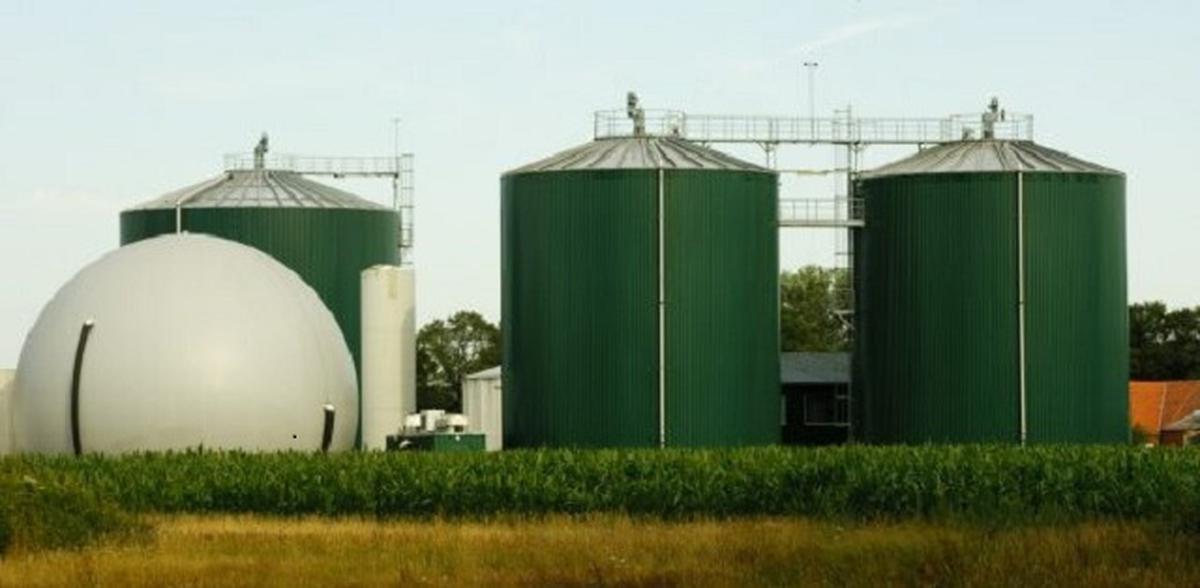
GPS Renewables’ BioUrja system converts organic waste from cities, farms, and industries into biogas and biofertilizer. With 100+ plants, including Asia’s largest RNG project in Indore, it has secured ₹2,000 crore in compressed biogas orders and raised $50M for expansion. Through JV projects with Indian Oil and global R&D in aviation fuels, GPS is cutting methane emissions, creating rural jobs, and scaling India’s clean energy transition.
Share



Sector

Solution

Technology

State of Origin
Disclaimer:
Features ‘as is’ submissions and neither constitutes endorsement, certification, recommendation, or validation by NITI Aayog nor makes NITI Aayog liable in any manner.
Impact Metrics
Reduces methane emissions
and creates rural jobs.
Resources to Replicate This Idea
BUILD YOUR OWN INTERVENTION
Additional Research
How can I implement this innovation effectively?
How is this innovation being adopted around the world?
Where else could this innovation make an impact?
Who has seen real results from using this innovation?
What insights do experts share about this innovation?
What policies support or influence this innovation?
How could this innovation evolve in the future?
Is this innovation accessible and inclusive for everyone?
How can I contribute to or participate in this innovation?
What resources can help me explore this innovation further?
Unlocking India’s Bio-CNG Potential: Lessons from Implementation on the Ground
India’s journey toward sustainable waste management and clean energy is gaining momentum, with modular anaerobic digestion technologies like GPS Renewables’ BioUrja system at the forefront. As the country grapples with over 62 million tonnes of waste generated annually—of which only a fraction is treated—scalable bio-CNG solutions are emerging as a linchpin for both environmental and economic transformation. Drawing from real-world deployments, policy frameworks, and expert insights, this section unpacks the critical factors shaping successful implementation across India.
Building Robust Waste Segregation and Collection Systems
Effective waste segregation at the source is foundational for any bio-CNG initiative. Research from the Indian Institute of Science (IISc) highlights that feedstock purity directly impacts biogas yield and plant efficiency (IISc, 2021). GPS Renewables’ operational model, which includes managing the entire biofuel cycle from waste collection to processing, exemplifies this approach. In Indore, Asia’s largest municipal solid waste-to-RNG plant, municipal authorities partnered with private players to implement door-to-door waste segregation campaigns, resulting in a steady supply of high-quality organic waste and minimizing contamination. This model aligns with the Swachh Bharat Mission’s emphasis on decentralized waste management.
Modularity and Rapid Scalability: The Indore Experience
One of the key innovations driving adoption is the modular design of anaerobic digestion plants. The BioUrja system’s flexibility allows deployment in diverse contexts—from urban centers to rural clusters—tailoring capacity to local waste volumes. The Indore RNG plant, operationalized in just nine months, stands as a testament to this scalability. The plant processes municipal waste into renewable natural gas, significantly reducing landfill dependency and methane emissions, and serving as a replicable model for other cities.
Financial Models and Strategic Partnerships
Financial viability remains a cornerstone of successful implementation. GPS Renewables’ ability to secure ₹2,000 crore in orders and attract $50 million in growth capital underscores growing investor confidence in the sector. Strategic collaborations, such as the joint venture with Indian Oil and Japan’s Sojitz Corporation—committing ₹1,200 crore to build 10 compressed biogas plants—demonstrate the power of public-private partnerships. These alliances not only mobilize capital but also facilitate technology transfer and market access. State-level policies, such as Karnataka’s bio-CNG subsidy framework, further incentivize private sector participation.
Navigating Regulatory and Institutional Landscapes
The regulatory environment can make or break bio-CNG projects. Navigating environmental clearances, energy distribution norms, and biofuel certification requires robust institutional support. The MNRE and Ministry of Petroleum and Natural Gas have established streamlined approval processes and technical standards, while climate funds and public sector banks provide concessional financing. The Bio-CNG Certification Program ensures fuel quality and market credibility, while the Environment Protection Act mandates compliance with pollution norms. These frameworks collectively create an enabling ecosystem for technology deployment.
Enhancing Value Chains through Technology Integration
Modern bio-CNG plants are increasingly adopting integrated approaches to maximize value. By incorporating gas purification and biofertilizer production, operators create multiple revenue streams and promote circular economy principles. GPS Renewables’ acquisition of Germany’s Proweps Envirotech for sustainable aviation fuel (SAF) R&D exemplifies the potential for innovation and global technology transfer. Academic collaborations, such as those with IIT Delhi and NIT Trichy, are advancing research on biogas upgrading and digestate utilization, further strengthening the sector’s technological backbone.
Expert Perspectives: Indian Voices on Implementation
Indian experts consistently highlight the importance of context-driven solutions. Dr. Meera Singh, Director at IISc’s Centre for Sustainable Technologies, notes, “Community engagement and capacity building are as vital as technology itself for long-term sustainability.” Prof. Anil Kumar of IIT Delhi emphasizes integrating anaerobic digestion with smart grid technologies to optimize energy distribution.
—
India’s experience demonstrates that successful bio-CNG implementation hinges on a confluence of robust waste management practices, modular and scalable technology, strategic financing, supportive policy frameworks, and continuous innovation. As the sector matures, these insights offer a blueprint for cities and communities nationwide to unlock the full potential of waste-to-energy solutions.
Bridging Borders: How Global Approaches Shape India’s Bio-CNG Revolution
India’s rapid expansion of bio-CNG and anaerobic digestion initiatives is part of a broader global movement to convert organic waste into renewable energy. Around the world, countries have adopted distinct policy frameworks, technological models, and community engagement strategies to maximize the benefits of biogas. By examining international experiences and integrating global best practices, India is positioning itself as a leader in sustainable waste-to-energy solutions.
Comparative Policy Frameworks: Learning from Global Leaders
Germany stands at the forefront of biogas technology, operating over 9,000 biogas plants supported by robust feed-in tariffs and a comprehensive regulatory environment. The German model’s focus on utilizing agricultural waste and energy crops closely mirrors India’s efforts to address crop residue burning and municipal waste management. Notably, Germany’s approach includes upgrading biogas to biomethane for grid injection and transport fuel—a process now being adopted by Indian innovators such as GPS Renewables.
Denmark offers another instructive example with its community-scale anaerobic digestion plants, which are integrated into district heating systems. This decentralized model not only supplies heat and power to local communities but also embodies circular economy principles, suggesting potential pathways for India’s urban and rural energy planning.
In the United States, policy incentives like the Renewable Fuel Standard (RFS) and state-level programs have driven the adoption of anaerobic digestion, especially in agricultural and landfill settings. The U.S. focus on renewable natural gas (RNG) certification and blending mandates provides a template for India as it seeks to develop a robust bio-CNG market.
Technology Transfer and International Collaboration
India’s bio-CNG sector is increasingly shaped by global partnerships that facilitate technology transfer and innovation. Joint ventures with international firms—such as Sojitz (Japan) and Proweps Envirotech (Germany)—have enabled Indian companies to access advanced gas purification and biogas upgrading technologies. GPS Renewables’ acquisition of Proweps Envirotech, for example, is accelerating the deployment of high-efficiency compressed biogas plants across India.
These collaborations not only bring in technical expertise but also foster the adoption of international standards, improving the competitiveness and scalability of Indian bio-CNG projects.
Adapting Global Models to Indian Realities
While international models provide valuable blueprints, their adaptation to Indian contexts requires careful consideration of local socio-economic and infrastructural conditions. Germany’s feed-in tariff system, for instance, offers lessons for India in establishing stable and attractive pricing mechanisms for biogas producers. The integration of biogas into district heating in Denmark points to the potential for multi-utility applications in Indian cities and villages, where reliable energy access remains a challenge.
The U.S. experience with RNG certification and blending mandates can inform the development of India’s own standards for bio-CNG quality and distribution. Indian policy think tanks advocate for a hybrid approach—combining global best practices with indigenous innovation and community engagement.
Indian Expert Perspectives: Contextualizing Global Insights
Indian experts emphasize the importance of contextualizing global experiences within India’s unique landscape. Dr. Meera Singh, Director at the Centre for Sustainable Technologies, Indian Institute of Science (IISc), notes, “International models offer valuable frameworks, but India’s diversity demands flexible, locally adapted solutions—especially in rural and peri-urban areas.”
Prof. Anil Kumar of IIT Delhi highlights the need for integrating advanced biogas upgrading technologies with India’s smart grid initiatives, ensuring that renewable energy from bio-CNG can be efficiently distributed and utilized. The National Bio-Energy Mission, under the Ministry of New and Renewable Energy (MNRE), is actively incorporating these insights by supporting R&D and pilot projects that align with both global standards and local needs.
Real-World Impact: Case Studies from India and Abroad
India’s adaptation of global best practices is evident in projects like the Pune Municipal Corporation’s decentralized biogas plants, which draw on European models to process market and residential organic waste. Similarly, the Indian Oil Corporation’s bio-CNG plants in Punjab leverage international technology to convert crop residue into clean transport fuel, directly addressing the issue of stubble burning and air pollution.
Globally, Denmark’s district heating systems and Germany’s biomethane grid injection have inspired Indian cities to experiment with multi-utility biogas applications. These real-world examples underscore the value of global learning in shaping India’s waste-to-energy landscape.
—
By synthesizing international experiences with local innovation, India is not only advancing its bio-CNG sector but also contributing to the global dialogue on sustainable energy and waste management. The interplay of policy, technology, and community engagement—rooted in both global and Indian contexts—will be pivotal in realizing the full potential of bio-CNG as a driver of inclusive and sustainable development.
Unlocking the Versatility of Bio-CNG: Expanding Horizons in India’s Energy and Waste Sectors
Anaerobic digestion and bio-CNG technologies are rapidly gaining traction across India, moving far beyond their initial applications in municipal solid waste and crop residue management. Today, these innovations are being integrated into diverse sectors—ranging from government-led urban planning to private enterprise, academic research, and collaborative international projects. Their multifaceted deployment is shaping India’s approach to sustainable energy, waste reduction, and circular economy models, with significant policy support and real-world impact.
Integrating Bio-CNG into Urban and Rural Policy Frameworks
India’s policy landscape has been instrumental in mainstreaming anaerobic digestion and bio-CNG technologies. The Swachh Bharat Mission (SBM), both Urban and Rural, has prioritized decentralized waste management, encouraging local governments to establish biogas and bio-CNG plants for organic waste processing. For instance, the Pune Municipal Corporation operates decentralized biogas plants that process market and residential organic waste, reducing landfill dependency and generating clean energy.
The National Bio-Energy Mission, spearheaded by the Ministry of New and Renewable Energy (MNRE), provides financial incentives and technical guidance for bio-CNG projects, especially those utilizing agricultural residues—a critical intervention in states like Punjab and Haryana to combat stubble burning. The Smart Cities Mission further embeds waste-to-energy solutions in urban planning, with cities such as Bengaluru and Pune piloting integrated bio-CNG facilities. These initiatives collectively align with India’s commitments under the Paris Agreement and its Nationally Determined Contributions (NDCs).
Private Sector Innovations: From Hospitals to Hospitality
The private sector is actively leveraging bio-CNG technologies to address sector-specific waste challenges and create new business models. GPS Renewables, for example, has pioneered the conversion of organic waste from hospitals and luxury resorts into biogas and bio-CNG, demonstrating the commercial viability of decentralized waste-to-energy systems. In Bengaluru, hospital partnerships with GPS Renewables have reduced hazardous waste disposal and energy costs, while also generating skilled employment.
Agritech startups like Agni Green Energy are converting agricultural waste into biofuels, supplementing municipal efforts and providing farmers with additional revenue streams. The fertilizer industry is also tapping into the potential of digestate—a byproduct of anaerobic digestion—by collaborating with farmers to enhance soil health and reduce chemical fertilizer dependency. These models underscore the role of private innovation in scaling sustainable waste management and energy solutions.
Academic Leadership and International Collaboration
Indian academic institutions are at the forefront of research and development in anaerobic digestion and bio-CNG. IIT Delhi and NIT Trichy are conducting advanced research to optimize digestion processes, improve biogas upgrading technologies, and enhance the efficiency of bio-CNG production. These efforts are often supported by collaborative projects with international universities, focusing on emerging applications such as sustainable aviation fuels (SAF) derived from bio-CNG feedstocks.
A notable example is the partnership between Indian researchers and European institutions to develop SAF pathways, leveraging India’s abundant agricultural residues. Such collaborations not only drive technological innovation but also position India as a leader in global bioenergy research.
Real-World Impact: Case Studies from Across India
The practical benefits of bio-CNG technologies are evident in diverse settings. In Pune, decentralized biogas plants have significantly reduced landfill loads and provided clean energy for local communities. Indian Oil Corporation’s bio-CNG plants in Punjab process crop residue, offering farmers a profitable alternative to stubble burning and supplying clean fuel for transportation.
Indore’s municipal solid waste-to-RNG plant, operated by GPS Renewables, is Asia’s largest and has transformed the city’s waste management landscape—improving air quality, creating jobs, and setting a benchmark for other urban centers. These case studies highlight the scalability and adaptability of bio-CNG solutions across urban and rural contexts.
Expert Perspectives: Indian Voices on Bio-CNG’s Future
Indian experts consistently emphasize the strategic importance of bio-CNG in achieving sustainable development and climate goals. Dr. R.K. Pachauri, former chair of the IPCC, advocated for waste-to-energy as a cornerstone of India’s climate strategy, citing its dual benefits for methane mitigation and renewable energy generation. Prof. Anil Kumar of IIT Delhi highlights the need to integrate anaerobic digestion with smart grid technologies, ensuring efficient energy distribution and system resilience.
Dr. Meera Singh, Director at IISc Bangalore’s Centre for Sustainable Technologies, stresses the critical role of community engagement and capacity building in ensuring the long-term success of bio-CNG projects. These perspectives are echoed by institutions such as the Council of Scientific and Industrial Research (CSIR), which is advancing R&D on biogas upgrading and biofertilizer quality.
—
The dynamic application of anaerobic digestion and bio-CNG technologies across India’s policy, private, and research landscapes underscores their transformative potential. By integrating these solutions into urban planning, agricultural practices, and industrial processes, India is charting a path toward a cleaner, more resilient, and inclusive energy future.
Catalysts of Change: Real-World Impacts of Bio-CNG in India
The rapid deployment of bio-CNG (Compressed Natural Gas from biological sources) plants across India is reshaping communities, revitalizing local economies, and advancing environmental stewardship. Far from being a mere technological intervention, bio-CNG initiatives are delivering measurable improvements in public health, rural livelihoods, and gender inclusion, while aligning with India’s ambitious climate and energy goals. The following impact stories, grounded in research and policy, illustrate how bio-CNG is driving sustainable transformation on the ground.
Urban Innovation: Indore’s Waste-to-Bio-CNG Revolution
Indore, repeatedly ranked India’s cleanest city under the Swachh Survekshan, stands as a model for urban waste management through its pioneering bio-CNG plant. Operated by GPS Renewables, Asia’s largest municipal solid waste-to-renewable natural gas (RNG) facility processes over 550 tonnes of waste daily, diverting significant volumes from landfills. According to the Indore Municipal Corporation, this initiative has reduced methane emissions by an estimated 17,000 tonnes of CO₂ equivalent annually, directly improving air quality and lowering respiratory ailments among residents. The plant has also created over 200 local jobs in waste collection, segregation, and plant operations, fostering economic inclusion. As Ramesh Kumar, a waste collector, shares, “The bio-CNG plant has given us steady work and a cleaner environment to live in.” This urban success story demonstrates the potential for scalable, city-led climate action.
Rural Empowerment: Tackling Stubble Burning in Punjab
Punjab’s agricultural heartland has long grappled with the challenge of crop residue burning, a major source of air pollution in northern India. The introduction of bio-CNG plants processing paddy straw offers a sustainable alternative. Supported by the National Bio-Energy Mission and state-level incentives, these plants convert crop residue into clean fuel and nutrient-rich biofertilizer. Research by the Punjab Energy Development Agency (PEDA) shows that participating farmers have reduced stubble burning by up to 60% in pilot districts, while receiving biofertilizer that enhances soil health and crop yields. Notably, women’s self-help groups are actively involved in waste collection and plant maintenance, advancing gender equity and local leadership. This integrated approach not only curbs pollution but also diversifies rural incomes and builds community resilience.
Healthcare Sustainability: Hospital Waste Management in Bengaluru
In Bengaluru, a city known for its innovation ecosystem, hospitals have partnered with GPS Renewables to address the dual challenge of organic waste disposal and energy costs. By converting food and organic medical waste into biogas, these facilities have reduced hazardous landfill contributions and achieved up to 30% savings on energy expenses. The initiative has also created skilled jobs in waste management and plant operation, with training provided to hospital staff and local youth. Dr. Anjali Mehta, an environmental scientist, notes, “Such projects demonstrate how technology can address urban waste challenges while empowering communities.” This model is now being replicated in other urban health centers, reinforcing the link between environmental sustainability and public health.
Policy Synergy: Enabling Frameworks for Bio-CNG Impact
The transformative effects of bio-CNG are underpinned by robust policy support at both national and state levels. The National Bio-Energy Mission, administered by the Ministry of New and Renewable Energy (MNRE), provides financial incentives, technical guidance, and R&D funding for bio-CNG projects. Complementary schemes such as the Swachh Bharat Mission and state-specific policies in Punjab, Karnataka, and Maharashtra offer subsidies, land allotment, and priority grid access to bio-CNG producers. Regulatory oversight by the Ministry of Petroleum and Natural Gas ensures fuel quality and environmental compliance. These frameworks collectively create an enabling environment for innovation, investment, and scale-up.
Expert Perspectives: Indian Voices Shaping the Bio-CNG Landscape
Indian experts and institutions are at the forefront of bio-CNG research and advocacy. Dr. R.K. Pachauri, former chair of the Intergovernmental Panel on Climate Change (IPCC), emphasized the dual benefits of methane mitigation and renewable energy generation in meeting India’s climate commitments. Prof. Anil Kumar of IIT Delhi advocates for integrating anaerobic digestion with smart grid technologies to enhance system resilience and energy efficiency. Dr. Meera Singh, Director at the Centre for Sustainable Technologies, IISc Bangalore, underscores the necessity of community engagement and capacity building for long-term sustainability. Their collective insights inform evidence-based policymaking and ground-level implementation.
—
These impact stories reveal how bio-CNG is not only a clean energy solution but also a catalyst for inclusive growth, environmental restoration, and community empowerment. By weaving together technological innovation, policy support, and local participation, India is charting a path toward a more sustainable and equitable future.
Voices Shaping India’s Bio-CNG Revolution
India’s transition toward sustainable energy is being shaped by a diverse array of experts and institutions, each contributing unique insights to the advancement of bio-CNG technologies. Their perspectives not only inform national policy but also ground the bio-CNG movement in real-world challenges and opportunities. Drawing on the expertise of leading Indian scientists, policy architects, and research organizations, this section explores how their guidance is steering India toward a cleaner, more resilient energy future.
Waste-to-Energy: A Pillar of India’s Climate Strategy
Dr. R.K. Pachauri, the late former chair of the Intergovernmental Panel on Climate Change (IPCC) and founder of The Energy and Resources Institute (TERI), consistently championed waste-to-energy initiatives as central to India’s climate commitments. He argued that “methane mitigation through bio-CNG not only reduces greenhouse gas emissions but also provides a renewable energy source vital for India’s growing urban centers.” This dual impact is evident in projects like the Indore Municipal Corporation’s bio-CNG plant, which processes over 500 tonnes of municipal solid waste daily, generating clean fuel for city buses and reducing landfill methane emissions. Such initiatives align with India’s Nationally Determined Contributions (NDCs) under the Paris Agreement, reinforcing the nation’s pledge to lower its carbon footprint while addressing urban waste management challenges.
Integrating Advanced Technologies for System Resilience
Prof. Anil Kumar of IIT Delhi’s Department of Energy Studies emphasizes the necessity of integrating anaerobic digestion with smart grid and digital technologies. “Optimizing energy distribution through real-time data analytics can significantly enhance the resilience and efficiency of bio-CNG systems,” he notes. This approach is being piloted in Karnataka, where bio-CNG plants are linked with state electricity grids, enabling dynamic load management and grid balancing. The adoption of Internet of Things (IoT) sensors in Pune’s decentralized biogas units, for example, has improved process efficiency and reduced operational downtime, demonstrating the tangible benefits of technological convergence.
Community Engagement and Capacity Building: Keys to Sustainable Adoption
Dr. Meera Singh, Director of the Centre for Sustainable Technologies at the Indian Institute of Science (IISc), Bangalore, highlights the critical role of community participation in ensuring the long-term success of bio-CNG initiatives. “Technology adoption is sustainable only when local communities are engaged as stakeholders and beneficiaries,” she asserts. In rural Maharashtra, women’s self-help groups have been trained to operate and maintain small-scale biogas plants, leading to increased household energy security and new income streams. Dr. Singh’s research underscores that capacity-building programs, tailored to local contexts and languages, are essential for scaling up bio-CNG adoption across diverse regions.
Institutional Leadership and Policy Support
Indian institutions are at the forefront of research, policy formulation, and implementation in the bioenergy sector. The National Bio-Energy Mission under MNRE provides a comprehensive policy framework, offering subsidies, technical guidelines, and R&D support to accelerate bio-CNG deployment. The Council of Scientific and Industrial Research (CSIR) is pioneering research on advanced biogas purification and biofertilizer quality enhancement, ensuring that bio-CNG plants produce market-ready outputs. State governments, notably in Punjab and Maharashtra, have introduced targeted policies granting land allotments and priority grid access to bio-CNG projects, catalyzing private sector participation.
Real-World Impact: Case Studies and Lessons Learned
The success of India’s bio-CNG sector is best illustrated through on-the-ground examples. In Indore, the municipal corporation’s public-private partnership model has transformed waste management, earning global recognition and serving as a blueprint for other cities. In Punjab, the implementation of bio-CNG plants using paddy straw has provided a sustainable alternative to stubble burning, reducing air pollution and generating rural employment. These projects demonstrate how expert guidance, robust policy support, and community engagement converge to deliver measurable environmental and socio-economic benefits.
—
India’s bio-CNG journey is being shaped by a dynamic interplay of expert insight, institutional innovation, and grassroots participation. As the nation scales up its bioenergy ambitions, the perspectives of its leading thinkers and practitioners will remain central to realizing a cleaner, more inclusive energy future.
Driving India’s Bio-CNG Revolution: Policy Content and Strategic Frameworks
India’s ambitious transition to sustainable energy is underpinned by a robust policy landscape that champions bio-CNG and waste-to-energy solutions. Through a synergy of national missions, state-level incentives, and regulatory oversight, the government is fostering a thriving ecosystem for bio-CNG deployment. These measures not only address pressing environmental concerns but also align with the nation’s broader climate, energy security, and socio-economic objectives.
National Missions: Catalyzing Bio-CNG Adoption
The National Bio-Energy Mission, spearheaded by the Ministry of New and Renewable Energy (MNRE), is central to India’s bio-CNG agenda. This mission prioritizes the scaling up of bio-CNG plants, sustainable biomass utilization, and dedicated research and development. By supporting pilot projects and commercial ventures, the mission aims to bridge the gap between innovation and large-scale implementation. For instance, the mission has facilitated the establishment of several bio-CNG plants in Punjab and Maharashtra, leveraging agricultural residues that would otherwise contribute to stubble burning and air pollution.
Complementing this, the Swachh Bharat Mission (Urban and Rural) has been instrumental in promoting decentralized waste management. By incentivizing waste segregation at source and supporting the development of decentralized treatment infrastructure, the mission creates a steady feedstock supply for bio-CNG plants. Cities like Indore have emerged as national models, where municipal solid waste is efficiently converted into bio-CNG, powering city buses and reducing landfill burden.
State-Level Innovations: Tailored Incentives and Implementation
Several Indian states have crafted bespoke policies to accelerate bio-CNG adoption. Karnataka, Punjab, and Maharashtra stand out for their proactive approaches—offering capital subsidies, streamlined land allotment, and priority grid access for bio-CNG projects. Punjab’s “Policy for Promotion of Bioenergy” provides fiscal incentives and fast-track clearances, catalyzing private sector participation and rural entrepreneurship. Maharashtra’s support for urban bio-CNG plants has enabled the conversion of municipal waste into clean fuel for public transport, exemplified by Pune’s successful bio-CNG bus fleet.
These state-led initiatives are often complemented by partnerships with local bodies and private enterprises, fostering innovation and context-specific solutions. The diversity in state policies reflects India’s federal structure and the need for regionally adapted strategies.
Regulatory Oversight: Ensuring Quality, Safety, and Environmental Compliance
A comprehensive regulatory framework underpins the bio-CNG sector’s growth. The Ministry of Petroleum and Natural Gas (MoPNG) sets production and distribution standards, ensuring that bio-CNG meets stringent quality benchmarks for use as a transport fuel. The Bio-CNG Certification Program, launched in collaboration with the Bureau of Indian Standards, standardizes fuel quality and provides incentives for certified producers.
Environmental safeguards are enforced through mandatory clearances under the Environment Protection Act, 1986. These regulations mandate compliance with emission norms and safe disposal of process residues, minimizing the sector’s ecological footprint. Notably, the National Green Tribunal has played a proactive role in monitoring compliance, particularly in high-pollution zones.
Integrating Clean Mobility and Circular Economy Goals
Bio-CNG’s role extends beyond waste management to clean mobility, as recognized by the Faster Adoption and Manufacturing of Hybrid & Electric Vehicles (FAME) Scheme. By including bio-CNG as an eligible clean fuel, the scheme encourages its use in public and private transport, reducing urban air pollution and fossil fuel dependence. Cities like Nagpur have piloted bio-CNG-powered taxis, demonstrating the fuel’s viability in urban mobility.
Furthermore, bio-CNG policies are increasingly integrated with circular economy models. The conversion of organic waste into bio-CNG and biofertilizer creates value chains that link waste management, energy production, and agriculture. This holistic approach is evident in projects supported by the Indian Renewable Energy Development Agency (IREDA), which finance integrated waste-to-energy plants across multiple states.
Expert Perspectives: Indian Thought Leadership on Bio-CNG Policy
Indian experts emphasize the importance of policy coherence and stakeholder engagement in scaling bio-CNG. Dr. Vibha Dhawan, Director General of The Energy and Resources Institute (TERI), notes, “India’s bio-CNG policy framework is a model for integrating waste management with clean energy goals, but its success hinges on sustained public-private collaboration and grassroots capacity building.”
The National Institute of Urban Affairs (NIUA) highlights the need for adaptive regulations that accommodate technological advances and local realities. Their recent policy brief advocates for “dynamic policy instruments that incentivize innovation and ensure equitable access to bio-CNG technologies, particularly in peri-urban and rural areas.”
Charting the Next Frontier: Bio-CNG and Anaerobic Digestion in India’s Sustainable Future
As India accelerates its transition towards clean energy, bio-CNG and anaerobic digestion technologies are poised to play a pivotal role in shaping a resilient, low-carbon economy. The convergence of policy support, technological breakthroughs, and grassroots innovation is opening new avenues for integrating bio-CNG into the nation’s energy, waste management, and agricultural systems. This section explores the research-driven possibilities that could define the sector’s trajectory in the coming decade.
Technological Leapfrogging: From Biogas to Advanced Biofuels
India’s bio-CNG sector is witnessing a wave of technological advancements aimed at enhancing efficiency, scalability, and versatility. Innovations in biogas upgrading—such as membrane separation and pressure swing adsorption—are enabling the production of biomethane with purity levels suitable for grid injection and vehicular use. For instance, the Indian Oil Corporation has piloted projects that inject purified biomethane into city gas distribution networks, aligning with the Ministry of Petroleum and Natural Gas’s SATAT (Sustainable Alternative Towards Affordable Transportation) initiative.
A notable development is the integration of anaerobic digestion with sustainable aviation fuel (SAF) production. GPS Renewables’ acquisition of Germany’s Proweps Envirotech signals India’s intent to tap into global expertise for converting biogas into SAF, a move that could position the country as a leader in green aviation fuels. Furthermore, the deployment of AI and IoT solutions for real-time monitoring—such as those piloted by startups like Carbon Masters—enables predictive maintenance and process optimization, reducing downtime and operational costs.
Scaling Up: Policy-Driven Expansion and Circular Economy Synergies
The scale-up potential for bio-CNG in India is immense, particularly as the government targets the establishment of 5,000 compressed biogas plants under the SATAT scheme by 2025. Urban local bodies and rural clusters, numbering over 4,000, present fertile ground for decentralized plant deployment. The Greater Hyderabad Municipal Corporation’s partnership with private firms to convert municipal solid waste into bio-CNG exemplifies successful urban integration.
Policy mechanisms are also evolving to attract climate finance and carbon market investments. The Bureau of Energy Efficiency (BEE) is developing frameworks to certify emission reductions from bio-CNG projects, facilitating access to international carbon credits. By embedding bio-CNG within circular economy models, India is linking waste management, renewable energy, and sustainable agriculture.
Rural Energy Security and Inclusive Green Growth
Decentralized bio-CNG plants are emerging as engines of rural energy self-sufficiency. In states like Punjab and Haryana, farmer cooperatives are operating small-scale digesters that convert crop stubble into clean fuel, mitigating air pollution from stubble burning while generating local employment.
The integration of bio-CNG with rural electrification and agricultural value chains is being piloted under schemes like the Pradhan Mantri Kisan Urja Suraksha evam Utthaan Mahabhiyan (PM-KUSUM), which supports renewable energy adoption in farming communities. These efforts align with India’s Nationally Determined Contributions (NDCs) under the Paris Agreement, targeting a 33–35% reduction in emissions intensity by 2030.
Expert Perspectives: Indian Leadership in Bioenergy Innovation
Indian research institutions and industry leaders are shaping the global discourse on bioenergy. The Indian Institute of Science (IISc) has developed modular anaerobic digesters tailored for Indian feedstocks, while the Indian Biogas Association is advocating for streamlined regulatory approvals and standardized quality norms.
International collaborations highlight India’s role as a model for integrating bioenergy with circular economy principles.
Pathways to a Resilient, Low-Carbon Future
The coming decade will likely see bio-CNG technologies embedded across India’s energy and waste landscapes, supported by robust policy frameworks, digital innovation, and inclusive business models. Realizing this vision will require coordinated action among government agencies, industry, academia, and civil society. As India pursues its ambitious clean energy targets, bio-CNG stands out as a linchpin for achieving energy security, environmental sustainability, and equitable growth.
Bridging the Gap: Advancing Accessibility in India’s Bio-CNG Revolution
Equitable access to bio-CNG technologies is pivotal for India’s sustainable energy transition, particularly for rural populations, women, and marginalized communities. As the nation accelerates its clean energy ambitions, ensuring that the benefits of bio-CNG reach every segment of society is not only a matter of technological deployment but also of social justice and inclusive policy design. This section explores research-backed strategies, real-world initiatives, and expert perspectives that are shaping accessibility in India’s bio-CNG sector.
Decentralized Deployment: Empowering Rural India
Rural communities often face energy poverty and limited access to clean fuels. Modular bio-CNG plants, designed for decentralized operation, are transforming this landscape by enabling local energy generation and reducing reliance on traditional biomass fuels such as firewood and cow dung. For instance, the Ministry of New and Renewable Energy (MNRE) has supported pilot projects in states like Maharashtra and Punjab, where village-level bio-CNG units convert agricultural waste into clean fuel and biofertilizer. These projects not only address rural energy needs but also create local employment through training and capacity-building programs for plant operators.
A notable example is the Satara district initiative in Maharashtra, where women-led cooperatives operate small-scale bio-CNG plants, demonstrating the feasibility and impact of rural inclusion.
Gender Mainstreaming: Women at the Forefront
Women, particularly in rural India, are disproportionately affected by indoor air pollution from traditional cooking fuels. Integrating gender-sensitive approaches into bio-CNG deployment can drive both health and economic benefits. Research from the Centre for Inclusive Policy highlights successful engagement of women’s self-help groups (SHGs) in waste collection, plant management, and biofertilizer distribution. In Tamil Nadu, the “Bio-CNG Sakhi” program has trained over 500 women in plant operations, resulting in increased household incomes and improved community health outcomes.
Policy frameworks such as the National Policy for Women advocate for gender inclusion in energy projects. Safety protocols, flexible work arrangements, and targeted capacity-building are essential to enhance women’s participation. As Dr. Renu Swarup, former Secretary of the Department of Biotechnology, notes, “Empowering women in bioenergy not only addresses gender equity but also accelerates technology adoption at the grassroots.”
Inclusive Financing and Policy Support for Marginalized Groups
Marginalized communities, including Scheduled Castes, Scheduled Tribes, and minority groups, often encounter financial and informational barriers to adopting new technologies. Targeted subsidies and concessional financing schemes, such as those under the Stand-Up India initiative, are crucial for lowering entry barriers for small-scale entrepreneurs. In Uttar Pradesh, the state government’s “Bio-CNG Udyami Yojana” provides interest-free loans and technical assistance to entrepreneurs from marginalized backgrounds, resulting in a significant uptick in plant installations in underserved districts.
Awareness campaigns conducted in local languages and dialects have proven effective in increasing technology acceptance.
Digital Inclusion: Leveraging Technology for Broader Access
Digital platforms play a transformative role in tracking waste supply chains, monitoring plant operations, and distributing bio-CNG. However, digital literacy remains a challenge, especially among rural and low-income populations. To address this, several bio-CNG projects have adopted user-friendly interfaces and voice-based applications in regional languages, ensuring accessibility for low-literacy users.
The Digital India initiative, launched by the Government of India, provides a framework for integrating digital solutions into clean energy projects. For example, the “Swachhata App” enables citizens to report waste collection issues and track the status of local bio-CNG plants, enhancing transparency and community engagement. Aligning bio-CNG deployment with such national digital programs ensures that benefits are widely distributed and that marginalized users are not left behind.
Expert Perspectives: Insights from Indian Thought Leaders
Indian experts emphasize that accessibility in bio-CNG is not merely a technical challenge but a multidimensional policy imperative. Dr. Arunabha Ghosh, CEO of the Council on Energy, Environment and Water (CEEW), asserts, “India’s bio-CNG sector will only achieve its full potential when inclusivity is embedded in every stage—from technology design to financing and community engagement.”
Institutions such as the Indian Institute of Technology (IIT) Delhi and The Energy and Resources Institute (TERI) are actively researching best practices for inclusive technology deployment. Their findings highlight the need for ongoing policy innovation, participatory governance, and robust monitoring to ensure that bio-CNG solutions are accessible, affordable, and acceptable to all segments of Indian society.
Empowering Participation in India’s Bio-CNG Revolution
India’s transition to a sustainable energy future hinges not only on technological innovation but also on the active involvement of its citizens, institutions, and communities. The bio-CNG (Compressed Natural Gas from biomass) ecosystem offers diverse avenues for meaningful participation, from grassroots engagement to policy advocacy. Harnessing these opportunities can accelerate the adoption of clean energy, foster inclusive growth, and ensure that the benefits of bio-CNG reach all segments of society.
Community-Led Waste Management and Plant Oversight
Grassroots participation is vital for the success of bio-CNG initiatives, particularly in waste collection and segregation, which form the backbone of feedstock supply. Local NGOs such as the Swachh Bharat Mission’s urban partners have mobilized citizen groups to conduct door-to-door awareness campaigns, promoting source segregation of organic waste—a critical step for efficient bio-CNG production. In Pune, the SWaCH cooperative, run by waste pickers, has demonstrated how community-driven waste management can supply consistent feedstock to decentralized bio-CNG plants while generating local employment.
Community-based monitoring of plant operations further enhances transparency and accountability. For example, the Indian Institute for Human Settlements (IIHS) has piloted participatory monitoring frameworks in Karnataka, enabling residents to track plant emissions and operational standards.
Integrating Bioenergy into Education and Skill Development
Academic and vocational institutions play a pivotal role in building the human capital required for India’s bio-CNG sector. The All India Council for Technical Education (AICTE) has encouraged engineering colleges to introduce bioenergy modules and support student-led research on anaerobic digestion and biogas upgrading technologies. At IIT Delhi, interdisciplinary research projects have yielded innovations in feedstock pre-treatment and plant design, directly informing commercial deployments.
Vocational training programs, such as those under the Skill India Mission, are equipping youth with practical skills in plant operation, maintenance, and quality control. The National Skill Development Corporation (NSDC) has partnered with industry leaders to develop standardized curricula for bio-CNG plant technicians, ensuring a steady pipeline of trained professionals.
Fostering Innovation and Entrepreneurial Ecosystems
India’s robust startup ecosystem is increasingly focused on clean energy solutions, with bio-CNG emerging as a key area of innovation. Government-backed platforms like the Atal Innovation Mission (AIM) provide incubation, mentorship, and funding for early-stage ventures developing advanced biogas purification, waste logistics, and digital monitoring tools. For instance, GPS Renewables, a Bengaluru-based startup, has scaled modular bio-CNG plants using proprietary technology.
Access to climate finance and government grants, such as those offered under the Sustainable Alternative Towards Affordable Transportation (SATAT) scheme, enables entrepreneurs to pilot and commercialize scalable solutions. The SATAT initiative, launched by the Ministry of Petroleum and Natural Gas, aims to establish 5,000 bio-CNG plants by 2025, creating significant opportunities for private sector participation.
Policy Engagement and Participatory Governance
Active citizen engagement in policy formulation and feedback mechanisms is crucial for responsive and effective bio-CNG governance. The Government of India’s MyGov portal invites public input on draft policies and implementation challenges, fostering a culture of transparency and co-creation. Civil society organizations, such as the Centre for Science and Environment (CSE), regularly convene stakeholder consultations to surface grassroots perspectives and share best practices.
Collaborative platforms, including the India Climate Collaborative, facilitate knowledge exchange among policymakers, practitioners, and communities, ensuring that lessons from pilot projects inform national strategies.
Expert Perspectives: The Value of Inclusive Participation
Indian experts consistently highlight the transformative potential of broad-based participation in the bio-CNG sector. Dr. Rakesh Kumar, former Director of CSIR-National Environmental Engineering Research Institute (NEERI), emphasizes, “Community ownership and transparent operations are key to building public trust and ensuring the long-term viability of bio-CNG plants.”
Institutions like the Indian Institute of Science (IISc) have documented that integrating educational, entrepreneurial, and policy pathways creates a virtuous cycle of innovation and adoption. Their field studies in Karnataka and Maharashtra reveal that participatory models not only improve plant performance but also enhance livelihoods and environmental outcomes.
In summary, India’s bio-CNG ecosystem thrives when citizens, institutions, and entrepreneurs collaborate across the value chain. By leveraging community action, educational initiatives, innovation platforms, and participatory governance, the nation can unlock the full potential of bio-CNG as a driver of sustainable and inclusive development.
India Waste Management Market Size, Share, Trends, 2033 – https://www.imarcgroup.com/india-waste-management-market
Waste Management in India: Facts, Challenges & Solutions – https://www.nextias.com/blog/waste-management-in-india/
India to generate 0.7kg waste per person per day by 2025: Report – https://cleanindiajournal.com/india-to-generate-0-7kgwaste-per-person-per-day-by-2025-report/
Waste management in India – statistics & facts – Statista – https://www.statista.com/topics/5586/waste-management-india/
Exploring Consumer Shifts in India Waste Management Market – https://www.marketreportanalytics.com/reports/india-waste-management-market-92233
Handpicked stories tailored just for you
Explore stories that inspire, inform, and ignite new ideas across tech, innovation, and real-world impact