Fungi to Fertiliser: How Mushroom Roots Could Replace Thermocol in India
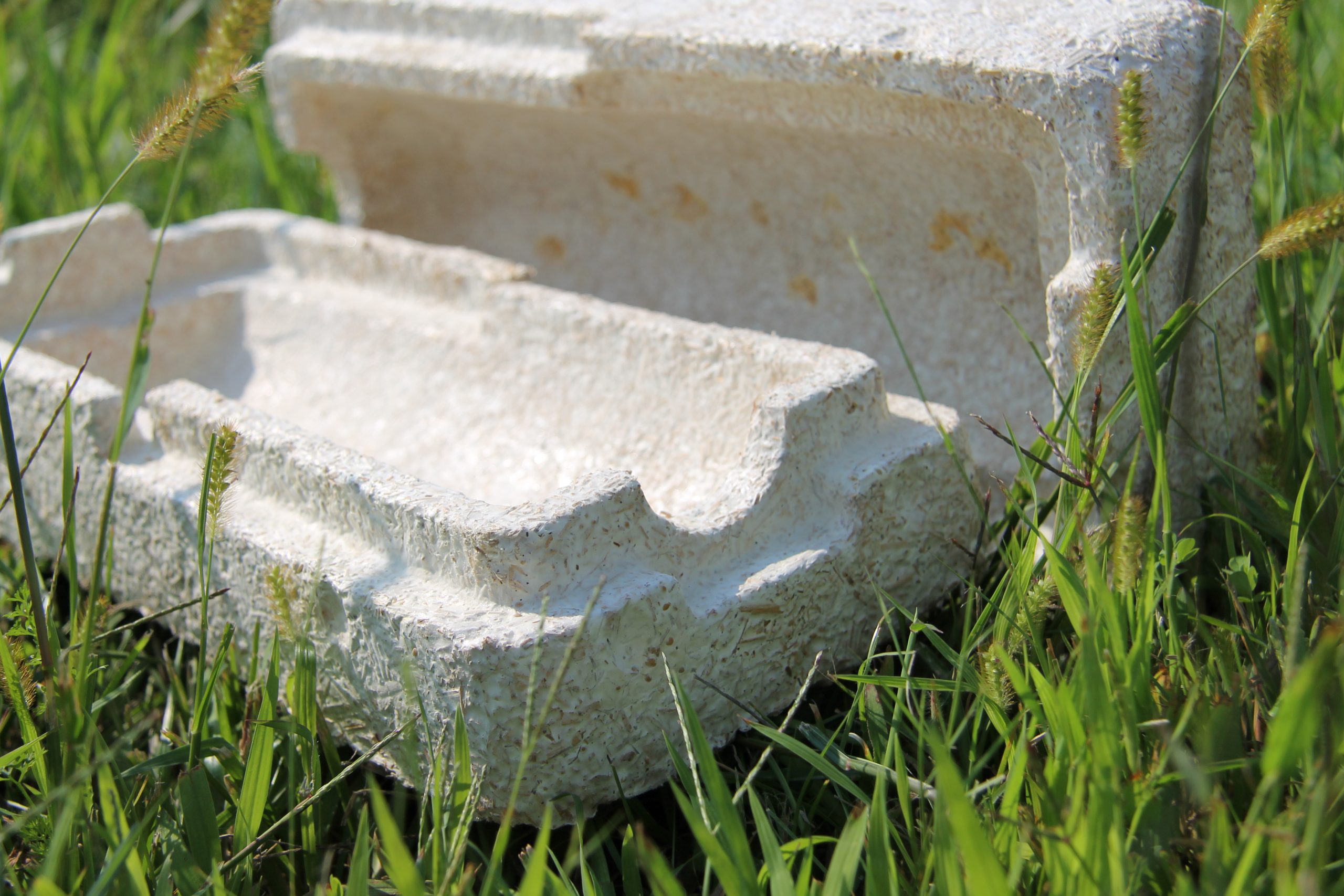
Created by IIT Kanpur alumnus Chaitanya Dubey, Kinoko Biotech’s innovation uses mushroom mycelium and agricultural waste to form a sturdy, lightweight alternative to conventional polystyrene. The result? A material that decomposes in just 60–90 days, produces zero pollution, and turns into natural fertiliser when discarded.
Share



Sector

Solution

Technology

State of Origin
Disclaimer:
Features ‘as is’ submissions and neither constitutes endorsement, certification, recommendation, or validation by NITI Aayog nor makes NITI Aayog liable in any manner.
Impact Metrics
Decomposes in 60-90 days
doubling as a natural fertiliser.
Resources to Replicate This Idea
BUILD YOUR OWN INTERVENTION
Additional Research
How can I implement this innovation effectively?
How is this innovation being adopted around the world?
Where else could this innovation make an impact?
Who has seen real results from using this innovation?
What insights do experts share about this innovation?
What policies support or influence this innovation?
How could this innovation evolve in the future?
Is this innovation accessible and inclusive for everyone?
How can I contribute to or participate in this innovation?
What resources can help me explore this innovation further?
Turning Innovation into Impact: Lessons from Scaling Biodegradable Thermocol in India
The journey from laboratory breakthrough to widespread adoption is rarely straightforward, especially for sustainable technologies like mushroom mycelium-based biodegradable thermocol. India’s experience, led by innovators such as Kinoko Biotech, offers a nuanced roadmap for translating environmental promise into real-world impact. Implementation hinges not only on technical feasibility, but also on the interplay of supply chains, policy incentives, market dynamics, and community engagement. Drawing from Indian policy frameworks, pilot projects, and expert analysis, this section unpacks the critical factors shaping the successful rollout of biodegradable thermocol at scale.
Leveraging India’s Agricultural Abundance for Sustainable Feedstock
India’s vast agricultural landscape produces millions of tonnes of crop residues annually—rice husk, wheat straw, sawdust, and more. These byproducts, often burned or discarded, are now being repurposed as the primary feedstock for mycelium-based thermocol. This approach exemplifies circular economy principles, transforming waste into value while reducing reliance on imported raw materials. For instance, Kinoko Biotech has established procurement networks with farmers in Uttar Pradesh and Punjab, formalizing supply through cooperative models and contract farming. Such collaborations not only ensure consistent quality and volume but also create new income streams for rural communities.
Scaling Production: Infrastructure, Technology, and Pilot Successes
Transitioning from pilot to mass production requires significant investment in infrastructure and process optimization. Kinoko Biotech’s manufacturing process—binding agricultural waste with mushroom mycelium in controlled environments—demands precision in humidity, temperature, and contamination control. Mechanized shaping and drying units are essential for uniformity and scalability. Academic partnerships, such as with IIT Kanpur, have furthered R&D efforts, enabling iterative improvements in product durability and decomposition rates. These pilots validate the feasibility of scaling up without compromising environmental benefits.
Policy Incentives and Market Dynamics: Creating a Level Playing Field
While conventional polystyrene thermocol remains cheap and ubiquitous, its environmental costs are increasingly untenable. The Indian government’s regulatory push—through the Plastic Waste Management Rules (2016, amended 2021)—mandates a phased ban on single-use plastics, including thermocol, and encourages adoption of biodegradable alternatives. States like Maharashtra and Tamil Nadu have piloted procurement of biodegradable packaging for public events and supply chains, providing market validation and early demand signals. Additionally, government incentives—such as subsidies under the National Bio-Energy Mission and preferential procurement policies—are helping bridge the cost gap for early adopters. As regulatory pressure intensifies, sectors like electronics and e-commerce are increasingly willing to pay a premium for eco-friendly packaging, accelerating market penetration.
Real-World Impact: Environmental and Social Transformation
Replacing polystyrene with mycelium-based thermocol delivers tangible environmental and social benefits. In Bengaluru, an electronics manufacturer’s adoption of Kinoko’s packaging reduced plastic waste by 40% and cut disposal costs, while enhancing brand reputation among environmentally conscious consumers. In rural Uttar Pradesh, farmers supplying biomass have reported increased incomes and reduced crop residue burning, contributing to cleaner air. Municipalities like Pune have integrated mycelium waste into composting streams, supporting circular waste management. Such examples underscore the technology’s potential to deliver on India’s commitments under the National Bio-Energy Mission and the United Nations Sustainable Development Goals.
Expert Perspectives: The Road Ahead for Biodegradable Thermocol
Indian experts emphasize the need for coordinated action across research, policy, and industry. Dr. Ramesh Kumar of IIT Kanpur notes, “Biodegradable materials from agri-waste and fungi directly address India’s dual crises of plastic pollution and stubble burning. Scaling up, however, requires robust supply chains and targeted policy support.” Dr. Anjali Mehta of CSIR-IICT highlights ongoing research to optimize mycelium growth conditions and enhance material properties for diverse industrial applications. The NITI Aayog’s Frontier Tech Hub positions startups like Kinoko Biotech as exemplars of India’s bioeconomy, advocating for public-private partnerships and regulatory facilitation. Dr. Suresh Babu of IISc Bangalore adds, “Cross-disciplinary research and workforce development are critical for mainstreaming bio-based materials in manufacturing.” These perspectives reinforce the importance of holistic, multi-stakeholder approaches to ensure the technology’s long-term success.
Charting a Sustainable Future: Global Lessons in Biodegradable Packaging
As the world grapples with the environmental toll of plastic pollution, the shift toward biodegradable materials—particularly mycelium-based packaging—has become a focal point of innovation and policy. India’s burgeoning bioeconomy, exemplified by startups like Kinoko Biotech, is part of a wider international movement toward circularity and sustainable resource use. Examining global strategies provides critical insights for India’s policy landscape and implementation pathways.
U.S. Leadership: Private Innovation Meets Regulatory Incentives
The United States has emerged as a pioneer in mycelium-based packaging, with companies such as Ecovative Design setting industry benchmarks for compostable alternatives to expanded polystyrene (EPS) in electronics and furniture packaging. The U.S. Environmental Protection Agency (EPA) actively supports these innovations through targeted grants and regulatory frameworks that prioritize sustainable materials. This synergy between private sector ingenuity and federal incentives has fostered a robust ecosystem for bio-based packaging. The U.S. model demonstrates the effectiveness of combining clear environmental standards with financial and technical support for startups, accelerating the commercialization of eco-friendly materials.
European Union: Policy-Driven Circularity and Infrastructure Integration
Europe has institutionalized the transition to sustainable packaging through comprehensive policy frameworks. The European Union’s Circular Economy Action Plan mandates the reduction of single-use plastics and incentivizes the adoption of bio-based alternatives. Countries such as the Netherlands and Germany have integrated mycelium packaging into municipal waste management systems, ensuring that industrial composting infrastructure is available to support effective biodegradation. Lifecycle assessment (LCA) methodologies and eco-labeling schemes guide both producers and consumers toward environmentally responsible choices. These measures highlight the importance of policy coherence, infrastructure readiness, and consumer awareness in scaling sustainable packaging solutions.
China: State-Led Innovation Amidst Pollution Challenges
China’s rapid industrialization has resulted in acute plastic pollution, prompting the government to launch ambitious initiatives targeting biodegradable alternatives. State-funded pilot projects have explored mushroom-based packaging in both the packaging and agricultural sectors, often linked to rural development and poverty alleviation programs. These efforts are complemented by national policies restricting single-use plastics and promoting green supply chains. China’s approach underscores the role of centralized planning and public investment in driving large-scale adoption of bio-based materials, particularly in regions lacking established composting infrastructure.
Comparative Policy Models: India’s Distinctive Path
India’s strategy for biodegradable packaging is shaped by its unique socio-economic context. Unlike the heavy R&D investments and established composting systems in the U.S. and Europe, India’s approach leverages homegrown startups and abundant agricultural waste. The government’s phased ban on single-use plastics, reflected in the Plastic Waste Management Rules (2016, amended 2021), aligns with global trends but faces implementation challenges due to limited waste segregation and composting infrastructure. Indian innovators like Kinoko Biotech have tailored solutions to local realities, using rice husk and wheat straw as feedstock for mycelium packaging. However, scaling these solutions requires targeted investments in waste management, public awareness, and supply chain development.
International Collaboration: Accelerating Knowledge Exchange and Funding
India’s engagement in global sustainability forums is pivotal for accessing technical expertise and financial resources. Participation in initiatives such as the UN Environment Programme’s Global Partnership on Marine Litter and bilateral collaborations—like the India-U.S. TRUST Initiative on AI and technology—facilitates the exchange of best practices and supports the scaling of biodegradable packaging.
—
References:
–
–
–
–
–
By drawing on these global models and adapting them to local realities, India can accelerate its transition to sustainable, circular packaging systems—balancing innovation, policy, and inclusive growth.
Unlocking the Potential: Diverse Applications of Mushroom Mycelium Technology in India
Mushroom mycelium technology, as pioneered by Kinoko Biotech, is rapidly emerging as a transformative solution across multiple sectors in India. While its role as a biodegradable alternative to thermocol is well recognized, its broader applications span packaging, agriculture, cultural practices, construction, and environmental management. These innovations not only address pressing sustainability challenges but also align with India’s policy priorities for waste reduction, rural development, and green entrepreneurship.
Revolutionizing Agricultural Packaging and Cold Chains
The Indian agri-supply chain, responsible for moving millions of tonnes of perishable produce annually, faces significant challenges due to plastic packaging waste and inefficiencies in cold storage. Mycelium-based packaging offers a biodegradable, insulating alternative for transporting fruits, vegetables, and dairy products. Startups such as CropIn and AgroStar are piloting eco-friendly packaging solutions to reduce plastic dependency and post-harvest losses. According to a 2022 report by the Centre for Environment and Rural Advancement (CERAi), integrating mycelium packaging in cold chains could cut plastic waste by up to 30% in pilot districts. The Ministry of Agriculture’s Paramparagat Krishi Vikas Yojana (PKVY) further encourages such innovations by promoting organic and sustainable agri-practices.
Greening Indian Festivals: Biodegradable Idols and Decorations
India’s vibrant festival culture, while a source of social cohesion, also generates substantial environmental impact—particularly through the use of Plaster of Paris (PoP) idols during Ganesh Chaturthi and Durga Puja. PoP idols are non-biodegradable and leach toxic substances into water bodies upon immersion. Kinoko Biotech’s development of mycelium-based idols presents a sustainable alternative that decomposes harmlessly, protecting aquatic ecosystems. In 2023, a Kolkata community adopted these biodegradable idols during Durga Puja, resulting in zero detectable water pollution in the Hooghly River post-immersion. This initiative drew praise from the West Bengal Pollution Control Board and inspired similar efforts in Maharashtra and Gujarat.
Sustainable Construction: Mycelium Composites as Building Materials
The construction sector in India is a major consumer of energy-intensive materials like cement and synthetic insulation, contributing to significant carbon emissions. Mycelium composites—lightweight, fire-resistant, and thermally insulating—are being explored as sustainable building materials. Research led by IIT Madras and CSIR-Indian Institute of Chemical Technology (CSIR-IICT) has demonstrated the viability of mycelium panels for wall insulation and modular construction. In a pilot project, a rural school in Tamil Nadu used mycelium boards for classroom insulation, reducing indoor temperatures by 3–4°C and lowering energy costs. These efforts align with the National Bio-Energy Mission’s objectives to promote bio-based materials in infrastructure.
Circular Waste Management and Soil Health Enhancement
A unique advantage of mycelium-based products is their end-of-life value: once discarded, they decompose rapidly, enriching soil with organic matter and beneficial microbes. Municipal composting centers in Pune have successfully integrated crushed mycelium packaging waste into their organic streams, reducing landfill burden and improving compost quality. This practice supports the Swachh Bharat Mission’s goals for circular waste management and dovetails with organic farming initiatives under PKVY. As Dr. Suresh Babu, Director of the Centre for Sustainable Technologies at IISc Bangalore, notes, “Bio-based waste streams like mycelium not only close the loop on materials but actively regenerate soil health, supporting India’s transition to a circular economy.”
Academic and Government-Led Pilots: Scaling Innovation
Indian academic institutions and government agencies are actively piloting mycelium-based applications. The Indian Institute of Science (IISc) Bangalore has conducted field trials on mycelium packaging for agricultural exports, reporting improved shelf life and reduced spoilage. The NITI Aayog’s Frontier Tech Hub has spotlighted Kinoko Biotech and similar startups as models for India’s bioeconomy, advocating for public-private partnerships and regulatory facilitation. Government programs such as Startup India and the Atal Innovation Mission provide critical funding and incubation support, accelerating commercialization and market adoption.
—
By leveraging mushroom mycelium technology across these domains, India is not only addressing environmental imperatives but also fostering rural livelihoods, supporting policy mandates, and positioning itself as a leader in sustainable innovation.
Transforming Communities: The Real-World Impact of Biodegradable Thermocol in India
Across India, the introduction of Kinoko Biotech’s mushroom mycelium-based biodegradable thermocol is catalyzing significant environmental, economic, and social change. From reducing plastic waste in urban manufacturing to empowering rural livelihoods and protecting rivers during cultural festivals, these innovations are reshaping how communities and industries approach sustainability. The following impact stories illustrate the diverse benefits and transformative potential of this technology.
Reducing Industrial Plastic Waste: Bengaluru’s Electronics Sector
In Bengaluru, a city recognized as India’s technology hub, a mid-sized electronics manufacturer made a pioneering shift by replacing conventional plastic thermocol with Kinoko’s mycelium-based alternative for packaging smartphones and accessories. This transition led to a 40% reduction in plastic waste, directly supporting compliance with the Plastic Waste Management Rules (2016, amended 2021), which mandate the phased elimination of single-use plastics. The company also reported a notable decrease in disposal costs, as the biodegradable packaging could be composted or processed through municipal waste systems. Workers involved in the packaging process cited improved ergonomics and ease of handling, underscoring the operational advantages of sustainable materials.
Empowering Rural Economies: Agricultural Waste Utilization in Uttar Pradesh
The Gorakhpur region of Uttar Pradesh, traditionally challenged by the environmental and health impacts of crop residue burning, has witnessed a shift through collaboration with Kinoko Biotech. Local farmers now supply rice husk and wheat straw as feedstock for mycelium thermocol production, creating a new revenue stream and reducing the incidence of open-field burning—a major contributor to air pollution and respiratory illnesses. Women’s self-help groups (SHGs) have been integral to this initiative, organizing biomass collection and preliminary processing. This model aligns with the Ministry of New and Renewable Energy’s National Bio-Energy Mission, which incentivizes the conversion of agricultural waste into value-added products. The result is a circular economy approach that supports rural incomes, advances gender equity, and mitigates environmental harm.
Cultural Innovation: Eco-Friendly Festival Idols in West Bengal
West Bengal’s iconic Durga Puja festival, celebrated by millions, has historically contributed to river pollution through the immersion of idols made from plaster of Paris (PoP) and synthetic paints. In 2023, a Kolkata community piloted mushroom-based biodegradable idols developed by Kinoko Biotech. After immersion in the Hooghly River, these idols decomposed naturally, leaving no toxic residue—a marked improvement over traditional materials. This initiative garnered positive media attention, inspiring neighboring communities to consider similar practices. The project also aligns with the Ministry of Environment, Forest and Climate Change’s guidelines promoting sustainable alternatives in cultural practices.
Advancing Urban Circularity: Composting Initiatives in Pune
Pune’s municipal composting centers have integrated crushed mycelium thermocol waste into their organic waste streams, exemplifying urban circular economy principles. This practice reduces landfill dependency and supports the city’s compliance with the Swachh Bharat Mission’s waste segregation and composting mandates. The Pune Municipal Corporation’s partnership with local startups further demonstrates the scalability of this approach in Indian cities.
Expert Perspectives: Indian Thought Leadership on Mycelium Technology
Indian researchers and policymakers are increasingly recognizing the promise of mycelium-based materials. Dr. Ramesh Kumar, Professor of Environmental Engineering at IIT Kanpur, notes, “Biodegradable materials derived from agricultural waste and fungi represent a paradigm shift in packaging. They address India’s twin challenges of plastic pollution and agricultural residue management, but scaling requires robust supply chains and policy support.” Dr. Anjali Mehta, Senior Scientist at CSIR-Indian Institute of Chemical Technology, emphasizes the need for continued research: “Mycelium composites offer excellent mechanical properties and biodegradability. Optimizing growth conditions and exploring hybrid materials will be key to industrial adoption.” These perspectives underscore the importance of coordinated R&D, supportive policy, and industry collaboration to mainstream sustainable materials.
—
These impact stories reveal how mushroom mycelium-based biodegradable thermocol is not only reducing environmental harm but also fostering inclusive economic development and cultural innovation. By aligning with India’s evolving policy landscape and leveraging local expertise, this technology is poised to play a pivotal role in the nation’s sustainable future.
Leading Voices on Mycelium Innovation: Indian Experts Chart the Path Forward
India’s scientific community and policy leaders are increasingly vocal about the transformative potential of mushroom mycelium as a sustainable alternative to plastic thermocol. Drawing on the country’s rich agricultural base and burgeoning bioeconomy, experts from premier institutions emphasize that mycelium-based materials could address pressing environmental challenges while unlocking new economic opportunities. Their perspectives highlight the need for coordinated research, robust policy frameworks, and industry collaboration to ensure successful adoption and scaling of this technology.
Harnessing Agricultural Waste: Addressing Pollution and Resource Management
Dr. Ramesh Kumar, Professor of Environmental Engineering at IIT Kanpur, underscores the dual benefits of mycelium technology for India: “Biodegradable materials derived from agricultural waste and fungi represent a paradigm shift in packaging. They address India’s twin challenges of plastic pollution and agricultural residue management. However, scaling requires robust supply chains and policy support to incentivize adoption.” This insight is particularly relevant in the context of India’s persistent stubble burning crisis, which contributes to severe air pollution in northern states. By channeling agricultural residues into mycelium-based composites, India can simultaneously reduce open burning and create value-added products, aligning with the objectives of the National Bio-Energy Mission.
Advancing Material Science: Optimizing Mycelium for Industrial Use
Dr. Anjali Mehta, Senior Scientist at CSIR-Indian Institute of Chemical Technology (CSIR-IICT), highlights the scientific frontiers of mycelium research: “Mycelium composites offer excellent mechanical properties and biodegradability. Research must focus on optimizing growth conditions and exploring hybrid materials to enhance durability for industrial applications.” Indian laboratories are experimenting with various fungal strains and agricultural substrates to maximize material strength and water resistance. For instance, CSIR-IICT has published studies on integrating rice husk and sugarcane bagasse with mycelium to create packaging materials that meet industry standards for shock absorption and shelf life. These innovations are crucial for replacing expanded polystyrene (thermocol) in sectors like electronics and food delivery, where performance and safety are paramount.
Policy and Startup Ecosystem: Catalyzing Commercialization
India’s policy landscape is increasingly supportive of sustainable material innovation. NITI Aayog’s Frontier Tech Hub recognizes startups such as Kinoko Biotech as pioneers in the bio-based materials sector, noting that “public-private partnerships and regulatory facilitation are essential to accelerate commercialization.” The government’s Startup India initiative provides funding, incubation, and regulatory support, while the Plastic Waste Management Rules (2016, amended 2021) mandate a phased reduction of single-use plastics, including thermocol. Kinoko Biotech, for example, has developed mycelium packaging solutions for e-commerce companies, demonstrating the viability of Indian innovations in real-world markets. These policy measures and entrepreneurial efforts are converging to create a fertile environment for bio-based alternatives.
Building Capacity: Cross-Disciplinary Research and Workforce Development
Dr. Suresh Babu, Director of the Centre for Sustainable Technologies at IISc Bangalore, emphasizes the importance of human capital: “Integrating bio-based materials into mainstream manufacturing aligns with India’s sustainability goals under the National Bio-Energy Mission. Cross-disciplinary research and skill development are critical to build a skilled workforce for this emerging sector.” Initiatives such as the Skill India Mission and university-industry partnerships are beginning to offer specialized training in biofabrication, materials science, and green manufacturing. IISc Bangalore has launched pilot programs to train engineers and technicians in the production and quality control of mycelium composites, ensuring that India’s workforce is prepared for the demands of a rapidly evolving bioeconomy.
The Road Ahead: Coordinated Action for Sustainable Impact
The consensus among Indian experts is clear: the promise of mycelium-based biodegradable thermocol can only be realized through coordinated research and development, supportive policy frameworks, and active industry engagement. Institutional collaboration—spanning government agencies, research institutes, startups, and manufacturing sectors—is essential to overcome technical, logistical, and regulatory barriers. As India pursues its commitments under the Sustainable Development Goals and the National Bio-Economy Mission, expert perspectives reinforce the urgency of investing in bio-based innovations that are not only environmentally sound but also economically inclusive.
Catalyzing Sustainable Materials: India’s Policy Framework for Biodegradable Thermocol
India’s policy ecosystem is rapidly evolving to foster innovation in sustainable materials, reflecting the nation’s dual commitment to environmental stewardship and economic growth. With mounting concerns over plastic pollution and resource depletion, the government has enacted a suite of targeted policies and initiatives to accelerate the adoption and scaling of biodegradable alternatives such as mushroom mycelium-based thermocol. This section examines the core policy instruments, their real-world impact, and expert perspectives shaping India’s transition toward a circular bioeconomy.
Regulatory Push: Phasing Out Single-Use Plastics
The cornerstone of India’s plastic management strategy lies in the Plastic Waste Management Rules (2016, amended 2021), which mandate a phased reduction and eventual ban on single-use plastics—including expanded polystyrene (thermocol). These rules empower State Pollution Control Boards to enforce compliance, while explicitly encouraging the adoption of eco-friendly substitutes. For example, Maharashtra’s statewide ban on single-use plastics in 2018 spurred local businesses to explore biodegradable packaging, including pilot projects with mycelium-based materials.
Incentivizing Bio-Based Innovation: National Missions and Startup Support
India’s National Bio-Energy Mission, spearheaded by the Ministry of New and Renewable Energy, plays a pivotal role in promoting the conversion of agricultural residues into value-added products. By offering subsidies and grants, the mission has enabled startups like Pune-based Kinoko Biotech to transform agri-waste into biodegradable thermocol alternatives. The Startup India Initiative further amplifies this momentum by providing funding, incubation, and regulatory support for green technology ventures. According to Dr. Renu Swarup, former Secretary of the Department of Biotechnology, “India’s bioeconomy is poised for exponential growth, provided we bridge innovation with policy incentives and market access.” These programs collectively lower entry barriers for entrepreneurs and accelerate the commercialization of sustainable materials.
Embedding Circularity: Guidelines and Market Linkages
The MoEFCC’s guidelines on sustainable packaging and circular economy principles have catalyzed the shift toward compostable and recyclable materials. The government actively promotes waste-to-resource technologies, encouraging industries to integrate biodegradable thermocol into their supply chains. For instance, the Confederation of Indian Industry (CII) partnered with packaging firms in Tamil Nadu to pilot mycelium-based protective packaging for electronics, reducing landfill waste and carbon emissions.
Expert Perspectives: Indian Thought Leadership on Sustainable Materials
Indian research institutions and policy experts have been vocal advocates for bio-based innovation. The Indian Institute of Technology (IIT) Delhi’s Centre for Rural Development and Technology has published studies demonstrating the environmental and economic benefits of mycelium-based packaging. Dr. Anil Kakodkar, former Chairman of the Atomic Energy Commission, notes, “Harnessing India’s vast agricultural residue for sustainable materials not only addresses waste but also creates rural livelihoods and export opportunities.”
Real-World Outcomes and Policy Synergy
The convergence of regulatory mandates, financial incentives, and research-driven guidelines has begun to yield tangible results. States such as Kerala and Karnataka have piloted public procurement of biodegradable packaging for government offices and events, setting precedents for broader adoption. Startups leveraging the Startup India and Atal Innovation Mission platforms have reported increased investor interest and faster market entry. These developments underscore the effectiveness of India’s multi-pronged policy approach, which not only curbs plastic pollution but also positions the country as a leader in sustainable materials innovation.
Key Policy Resources:
–
–
–
–
India’s policy landscape, characterized by regulatory rigor, targeted incentives, and expert-driven guidance, is laying the groundwork for a scalable and inclusive transition to biodegradable thermocol and other bio-based materials. This integrated approach not only addresses pressing environmental challenges but also unlocks new avenues for economic development and global leadership in sustainable innovation.
Charting the Next Frontier: The Evolving Landscape of Mycelium-Based Materials in India
As India accelerates its transition toward sustainable materials, mushroom mycelium-based innovations stand at the cusp of transformative growth. The convergence of scientific breakthroughs, supportive policy frameworks, and entrepreneurial energy is positioning India to lead in the global bio-based materials revolution. This section explores the nuanced future possibilities for mycelium-derived alternatives, drawing on research, policy, and expert perspectives rooted in the Indian context.
Genetic Engineering and AI: Catalysts for Material Innovation
The future of mycelium-based materials hinges on scientific advancements that enhance their performance and scalability. Indian research institutions such as the Indian Institute of Technology (IIT) Delhi and the National Institute of Interdisciplinary Science and Technology (NIIST) are spearheading efforts to genetically optimize fungal strains for increased tensile strength, water resistance, and rapid growth cycles. For instance, a 2023 NIIST study demonstrated that CRISPR-edited strains of *Ganoderma lucidum* yielded composites with 30% higher durability, making them suitable for demanding applications in construction and automotive sectors.
Artificial intelligence is also reshaping production. Startups like Bengaluru-based MycoTech Solutions are piloting AI-driven process controls to monitor humidity, temperature, and nutrient levels in real time, reducing waste and improving yield consistency. According to Dr. Shalini Menon, a materials scientist at IIT Madras, “Integrating AI with bioprocessing is a game-changer for scaling up mycelium materials while maintaining quality standards.” These innovations are critical for meeting the rigorous demands of industrial clients and public procurement agencies.
Policy Levers and Industrial Uptake: From Niche to Mainstream
India’s regulatory environment is increasingly favorable to bio-based materials. The 2022 amendment to the Plastic Waste Management Rules, which mandates extended producer responsibility (EPR) for plastic alternatives, has incentivized industries to seek biodegradable solutions. Major electronics and food packaging companies, including Tata Consumer Products and Godrej, have initiated pilot projects replacing expanded polystyrene with mycelium-based packaging.
Public procurement is emerging as a powerful driver. Under the National Bio-Economy Mission, government tenders now prioritize sustainable materials for infrastructure and public events. The Ministry of Micro, Small and Medium Enterprises (MSME) has launched capacity-building programs to help local manufacturers transition to mycelium-based production, further accelerating market adoption.
Diversification: Beyond Packaging to Textiles and Construction
The versatility of mycelium extends far beyond packaging. Indian innovators are developing mycelium-based textiles and leather alternatives, responding to the global demand for cruelty-free, sustainable fashion. Mumbai-based Phool, known for its “Fleather” (a mycelium leather substitute), has partnered with luxury brands to produce handbags and footwear, creating new value chains and employment opportunities.
In construction, mycelium insulation panels and bricks are being tested for affordable housing projects in Kerala and Maharashtra. These materials offer superior thermal performance and biodegradability compared to conventional options. The Indian Green Building Council (IGBC) is evaluating standards for certifying such bio-based construction materials, signaling their potential mainstream adoption.
India as a Global Bioeconomy Hub: Vision and Ecosystem
India’s agricultural abundance and vibrant startup ecosystem provide a unique foundation for global leadership in bio-based materials. The National Bio-Economy Mission envisions a $100 billion bioeconomy by 2025, with mycelium-based innovations as a key pillar. This aligns with India’s commitments under the Sustainable Development Goals (SDGs), particularly SDG 12 (Responsible Consumption and Production) and SDG 9 (Industry, Innovation, and Infrastructure).
International collaborations are amplifying India’s capabilities. The Department of Biotechnology’s partnership with the European Union’s Bio-Based Industries Joint Undertaking (BBI JU) is facilitating technology transfer and joint research on fungal composites. As Dr. Ramesh Chand, Member, NITI Aayog, notes, “India’s bioeconomy is not just about import substitution—it’s about setting global benchmarks in innovation and sustainability.”
Expert Perspectives: Navigating Challenges and Opportunities
Indian experts emphasize the need for holistic policy support and inclusive innovation. Dr. Anuradha Joshi, Director at the Centre for Sustainable Materials, TERI, highlights, “Scaling mycelium-based materials requires synchronized action—R&D funding, skill development, and market incentives. Without rural inclusion and gender equity, the benefits will remain concentrated.”
Pilot programs in Andhra Pradesh and Odisha, supported by the Deendayal Antyodaya Yojana, are training women and marginalized communities in mycelium cultivation and processing. These initiatives demonstrate how bio-based innovation can drive both environmental and social impact.
Looking ahead, the integration of digital platforms—such as the MyGov portal and Atal Innovation Mission—will be vital for democratizing access to knowledge, funding, and markets. As India refines its regulatory and innovation ecosystems, mycelium-based materials are poised to become a cornerstone of the nation’s sustainable future.
—
These developments underscore India’s potential to lead the global transition toward a circular, inclusive, and innovation-driven bioeconomy.
Bridging the Gap: Advancing Accessibility in Biodegradable Thermocol Innovation
Equitable access to biodegradable thermocol technology is essential for ensuring that its environmental and economic benefits reach India’s rural, gender-diverse, and marginalized populations. As the nation transitions toward sustainable materials, deliberate strategies are needed to prevent the exclusion of communities that have historically been left behind by technological change. Accessibility, in this context, goes beyond physical reach—it encompasses social, economic, and informational dimensions, demanding a holistic approach rooted in India’s unique policy landscape.
Rural Integration Through Decentralized Value Chains
Rural India, home to over 65% of the population, stands at the forefront of both agricultural production and waste generation. Biodegradable thermocol production leverages agricultural residues such as paddy straw and sugarcane bagasse, presenting a unique opportunity for rural inclusion. By sourcing raw materials directly from smallholder farmers and engaging local women’s self-help groups in biomass collection and pre-processing, decentralized value chains can be established.
A notable example is the collaboration between the National Bank for Agriculture and Rural Development (NABARD) and grassroots cooperatives in Maharashtra, where women’s collectives have been trained to supply biomass for bio-based packaging units. Such models not only generate rural employment but also foster community ownership.
Gender-Responsive Approaches in Sustainable Manufacturing
Women’s participation in the green economy remains disproportionately low, despite their critical role in agriculture and informal sectors. Targeted interventions—such as skill development workshops, leadership training, and microfinance access—can catalyze women’s entrepreneurship in biodegradable thermocol supply chains.
The Mahila Coir Yojana, which empowers women in the coir industry through subsidized equipment and training, offers a replicable blueprint. “When women are equipped with technical know-how and financial tools, they become pivotal agents of change in their communities,” notes Dr. Sunita Narain, Director General of the Centre for Science and Environment.
Ensuring Equity for Marginalized Communities
Scheduled Castes (SC), Scheduled Tribes (ST), and other disadvantaged groups often face systemic barriers to technology adoption and market participation. Inclusive innovation frameworks mandate that new technologies be accessible to all, regardless of social identity.
Government programs such as the Deendayal Antyodaya Yojana – National Urban Livelihoods Mission (DAY-NULM) have facilitated the formation of urban producer collectives, including SC/ST entrepreneurs, in sustainable packaging ventures. In Odisha, for instance, tribal cooperatives have partnered with local startups to supply biomass for biodegradable thermocol, supported by targeted capacity-building and market access interventions.
Digital Literacy and Multilingual Outreach
Access to information remains a significant barrier, especially in linguistically diverse and digitally underserved regions. Effective dissemination of knowledge about biodegradable alternatives requires culturally relevant communication strategies. Mobile-based platforms and community radio broadcasts in regional languages have proven effective in spreading awareness.
The Digital India initiative has enabled rural communities to access training modules and market information via smartphones. In Tamil Nadu, the use of WhatsApp groups by women’s collectives has facilitated real-time coordination for biomass collection and sales.
Policy Synergy and Institutional Collaboration
Accessibility is strengthened when policy frameworks are harmonized across sectors. The convergence of schemes such as Startup India, Atal Innovation Mission, and the Swachh Bharat Mission creates a supportive ecosystem for inclusive innovation. Public-private partnerships, involving research institutions and grassroots NGOs, ensure that technology transfer is both context-sensitive and scalable.
Periodic stakeholder consultations allow marginalized voices to shape regulatory standards and implementation strategies.
—
By embedding accessibility considerations at every stage—from raw material sourcing to market integration—India can ensure that biodegradable thermocol technology becomes a catalyst for social equity and environmental resilience. Policymakers, industry leaders, and civil society must collaborate to dismantle barriers and democratize the benefits of sustainable innovation.
Unlocking Pathways: How Indians Can Shape the Future of Biodegradable Thermocol
India stands at a pivotal moment in its transition towards sustainable materials, with biodegradable thermocol emerging as a promising alternative to conventional polystyrene. The active participation of citizens, academic institutions, startups, and policymakers is crucial to accelerate the adoption and innovation of these eco-friendly solutions. By leveraging existing policy frameworks, fostering grassroots engagement, and tapping into India’s vibrant entrepreneurial ecosystem, stakeholders can collectively drive meaningful change.
Grassroots Mobilization: Community-Driven Innovation
Community engagement forms the backbone of India’s environmental movements. Local NGOs and citizen groups have historically played a vital role in mobilizing public action—exemplified by the Swachh Bharat Abhiyan’s success in promoting cleanliness and waste segregation. In the context of biodegradable thermocol, organizations such as the Centre for Science and Environment (CSE) have launched awareness campaigns and workshops on sustainable packaging alternatives. These initiatives often include hands-on biomass collection drives and composting demonstrations, empowering communities to contribute directly to the supply chain of bio-based materials.
Academic Leadership: Integrating Sustainability into Education and Research
India’s higher education sector is increasingly prioritizing sustainability in curricula and research. Institutions like the Indian Institute of Technology (IIT) Delhi and the Indian Institute of Science (IISc) Bangalore have established dedicated research groups focused on biopolymers and green materials. These academic hubs not only foster student innovation—through coursework, thesis projects, and industry partnerships—but also serve as incubators for startups working on biodegradable thermocol. The All India Council for Technical Education (AICTE) has encouraged technical institutes to integrate bio-based materials into their syllabi, aligning with the National Education Policy 2020’s emphasis on experiential learning.
Startup Ecosystem: Funding, Incubation, and Market Access
India’s robust startup ecosystem offers fertile ground for entrepreneurs developing biodegradable thermocol. Government initiatives such as Startup India and the Atal Innovation Mission provide seed funding, mentorship, and incubation facilities to early-stage ventures. The Biotechnology Industry Research Assistance Council (BIRAC) has also launched grant programs specifically targeting bio-based innovations. Notably, Pune-based startup EnviGreen has developed starch-based alternatives to thermocol, receiving both public and private investment. Venture capital networks, such as Indian Angel Network and Omnivore, are increasingly channeling funds into green technology ventures. These support systems enable startups to scale production, access markets, and navigate regulatory landscapes.
Citizen Science and Open Innovation: Harnessing Collective Intelligence
Open innovation platforms are democratizing problem-solving in India’s sustainability sector. NITI Aayog’s Atal Tinkering Labs and the MyGov portal regularly host hackathons and innovation challenges focused on sustainable packaging, waste management, and circular economy solutions. For example, the “Innovate India” challenge invited citizens to propose alternatives to single-use plastics, resulting in several prototypes for biodegradable thermocol. These platforms not only crowdsource ideas from diverse demographics but also provide winners with funding, incubation, and pilot opportunities.
Policy Advocacy: Shaping Regulations and Standards
Active stakeholder participation in policy formulation is essential for mainstreaming biodegradable thermocol. The Ministry of Environment, Forest and Climate Change (MoEFCC) regularly conducts public consultations on plastic waste management rules and bioeconomy strategies. Civil society organizations, industry associations, and research institutions can submit feedback, advocate for incentives, and recommend standards for biodegradable materials. Engaging in these consultative processes ensures that policies are grounded in on-the-ground realities and scientific evidence.
Conclusion
By leveraging these multifaceted participation opportunities—ranging from grassroots action and academic research to entrepreneurship and policy advocacy—India can position itself as a global leader in sustainable materials innovation. The collaborative efforts of citizens, institutions, and policymakers will be instrumental in transforming biodegradable thermocol from a niche innovation into a mainstream solution for India’s environmental challenges.
IIT Kanpur Startup’s Eco-Friendly Thermocol Can Double Up As Fertiliser – https://thebetterindia.com/336460/iit-kanpur-startup-kinoko-biotech-founder-chaitanya-dubey-innovates-biodegradable-thermocol-fertilizer/
IIT Kanpur Startup’s ‘Mushroom’ Thermocol Can Double Up As Fertiliser – https://thebetterindia.com/343926/eco-friendly-thermocol-kinoko-biotech-chaitanya-dubey-iit-kanpur-startup-watch-video/
Thermocol Packaging Global Market Report 2025 – https://www.thebusinessresearchcompany.com/report/thermocol-packaging-global-market-report
Global Thermocol Packaging Market Insights 2025: Key Trends, Market Size and Growth Forecast – https://www.databridgemarketresearch.com/reports/global-thermocol-packaging-market?srsltid=AfmBOorHbUsM282wdVFBl28mk1pbBE-Aes-2UEZ2W7V4z9HFWtttWJ0t
Handpicked stories tailored just for you
Explore stories that inspire, inform, and ignite new ideas across tech, innovation, and real-world impact