Meet the Startup Taking On India's 226 GW Diesel Generator Problem With Hydrogen
Hycosys is developing India’s first hydrogen-fuelled micro gas turbine, built to replace diesel generators as decentralised backup power. Targeting data centres first, the startup aims to eventually scale the same core technology toward aircraft-grade gas turbine engines.
Updated on: 31 July 2026

Sector

Solution

Technology

State of Origin
Disclaimer:
Features ‘as is’ submissions and neither constitutes endorsement, certification, recommendation, or validation by NITI Aayog nor makes NITI Aayog liable in any manner.
Impact Metrics
226 GW
is the combined capacity of India's diesel generators.
50%
of local particulate matter and sulphur dioxide in the air is from diesel gensets.
50 tons of CO2 annually
is emitted by a single 100 kW diesel genset.
$4,150
in carbon cost every year can be saved by replacing one such genset.
Hycosys is building India’s first hydrogen-fuelled micro gas turbine, aimed at replacing diesel generators as the country’s primary source of decentralised backup power. The idea stems from a simple observation its founders made early in their journey: gas turbine engines are indispensable to modern power infrastructure, yet the technology remains concentrated in the hands of a few global manufacturers.
How a Gas Turbine Works
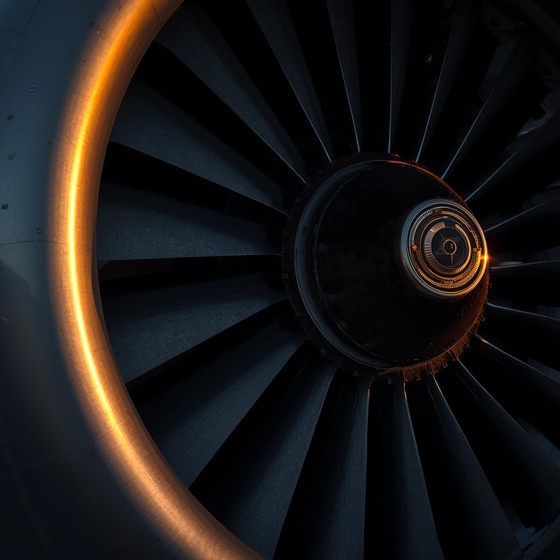
A gas turbine works on the simple principle of compressing air, mixing it with fuel for combustion, and expanding the resulting hot gases through the turbine to create spinning power or jet thrust. Alongside providing propulsion for aircraft, power generation constitutes another major function of gas turbines — they generated about 22% of the world’s electricity in 2020, powering entire cities and villages.
The gas turbine market is characterised by widespread, prominent use, continuously increasing demand, and domination by a handful of major players. The industry is projected to experience steady growth over the next decade at a CAGR of 4.20%. Between 2016 and 2025, GE Energy held the largest market share at 45.48%, followed by Siemens with a significant share of 29.84%, and Mitsubishi Hitachi Power Systems (MHPS) accounting for 12.05% of the market. These dynamics led Dr Tapish Agarwal and Ugandhar Reddy to found Hycosys in 2024, with the initial goal of building aircraft-grade gas turbine engines in India.
A More Realistic Ambition
Dr Tapish holds a PhD in gas turbine combustion, and Ugandhar has worked on combustion dynamics, hydrogen combustion, and afterburner technologies for aircraft engines — the founders soon recognised that building large gas turbines in India was out of reach, given the absence of the required resources and technology domestically.
This redirected the company toward a smaller-scale alternative: the micro gas turbine. Micro gas-turbine-based power generators, rather than diesel generators, could serve the same power-generation role, with output generally ranging from 30 kW to over 200 kW. However, gas turbines have proven difficult to sell, largely because they cost significantly more than diesel gensets running on standard IC engines. Moreover, cleaner and renewable sources of energy like solar panels are also cheaper than gas turbine engines.
Rather than competing on a diesel vs. diesel generator, Hycosys then pivoted to an element that is gaining increasing popularity — hydrogen. This came about because micro gas turbines can effectively burn hydrogen, especially considering the risk associated with the easy combustibility of hydrogen.
At this point, Hycosys stood at a better position than before — the pivot brought the technology within reach of the resources it could realistically access, gave it a competitive edge given hydrogen’s growing appeal among environmentally conscious buyers, and aligned with the Indian government’s National Green Hydrogen Mission.
This shift toward hydrogen wasn’t just a technological necessity, it also carried a significant environmental upside, one worth quantifying.
The Environmental Case
According to a CSTEP Report of 2025, India’s diesel generators together have a combined capacity of 226 GW. About 50% of the particulate matter and sulphur dioxide in the air comes from the burning of fuel from diesel generators. A single 100 kW diesel genset running at an average of two hours a day emits about 50 tons of CO2 a year. Priced against the current EU carbon market rate of roughly €72 (about $83) per ton, that’s nearly $4,150 in avoided carbon cost every year. With millions of these gensets in use across India, the cumulative opportunity is significant.
Translating this opportunity into a working product, however, is still a work in progress.
Where Hycosys Stands Today
Hycosys is early on in its journey of building micro gas turbines, currently between TRL 3 and TRL 4. On the Technology Readiness Level scale, which measures how mature a new technology is, TRL 3 means you have an experimental proof of concept, and TRL 4 means the technology has been validated in a laboratory environment.
While the company is not yet selling, it has a clear picture of its target customer: one seeking a clean power solution built for the long term. Today, this demand is being driven primarily by data centres. They require critical, in-house power which can be produced continuously for weeks on end without relying on the grid. Micro gas turbines are also much cheaper than fuel cells, which are considered an ideal solution for data centers seeking to rapidly expand power generation. Thus, Hycosys will primarily be looking to sell to data centers.
Getting there requires resources and infrastructure that aren’t always readily available in India today.
The Cost of Building In India
Hycosys began with an estimated requirement of three to four million dollars to build a 100 kW engine, and has outsourced manufacturing from the outset. On the testing front, the company sought access to facilities at the National Aerospace Laboratory (NAL) without success — even after incubating at Social Alpha, an incubator closely tied to NAL, specifically to ease that access. Access to the Gas Turbine Research Establishment (GTRE) for component testing met with similar difficulty.
What the Ecosystem Still Needs
What is needed, according to Hycosys, is a formal mechanism allowing private companies to access government-run testing facilities in a controlled environment that protects sensitive data — without which, companies are forced to independently develop resources that should already be available, slowing execution considerably. IIT Madras’s hydrogen hub, which is building hydrogen production, storage, transportation, and utilisation infrastructure, represents meaningful progress on this front, though Hycosys is eager to see that work move faster. Separately, the Ministry of New and Renewable Energy (MNRE) has been a source of support: Hycosys has proposed a shared hydrogen combustion testing facility, usable by other hydrogen startups as well, that would substantially accelerate the company’s development if approved.
The Foreseeable Future
For the foreseeable future, Hycosys will remain a technology company — moving from one level of technology to another with the ultimate goal of reaching the same level as other giants in the industry, namely GE, Rolls Royce, and Safran.
Hycosys’s ambitions are modest in scale but not in scope — a single micro gas turbine engine, sized to fit outside a data centre rather than under an aircraft wing. But the founders see this as the first rung on a much longer ladder: proving, at small scale, that India can build the technology it currently imports entirely — before attempting to build it at the scale that powers flight.
Share Your Story Today, Shape Viksit Bharat Tomorrow
Got an idea, innovation, or experience that's making a difference? Share your story now and ignite India's transformation because your voice can drive the future forward!
Disclaimer:
Features ‘as is’ submissions and neither constitutes endorsement, certification, recommendation, or validation by NITI Aayog nor makes NITI Aayog liable in any manner.
Resources to Replicate This Idea
BUILD YOUR OWN INTERVENTION
Handpicked stories tailored just for you
Explore stories that inspire, inform, and ignite new ideas across tech, innovation, and real-world impact

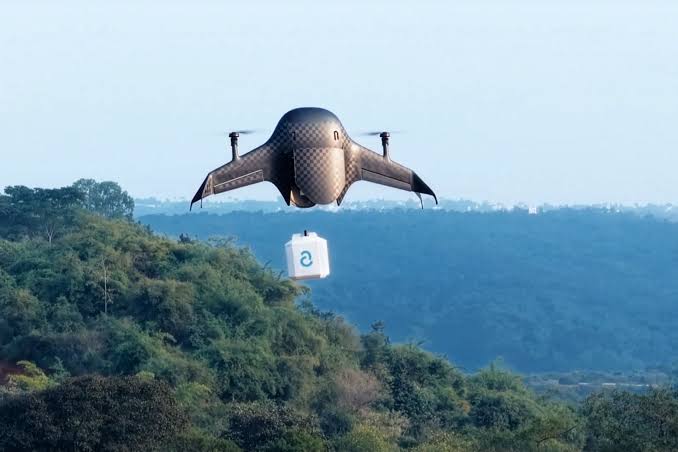
Pilotless Cargo Flights with Zero Failures: Reimagining Diagnostic Logistics in Indian Cities
An energy-efficient autonomous aircraft combining vertical take-off with fixed-wing cruise has completed over 1,000 flights carrying diagnostic samples between hospitals,...
Read More