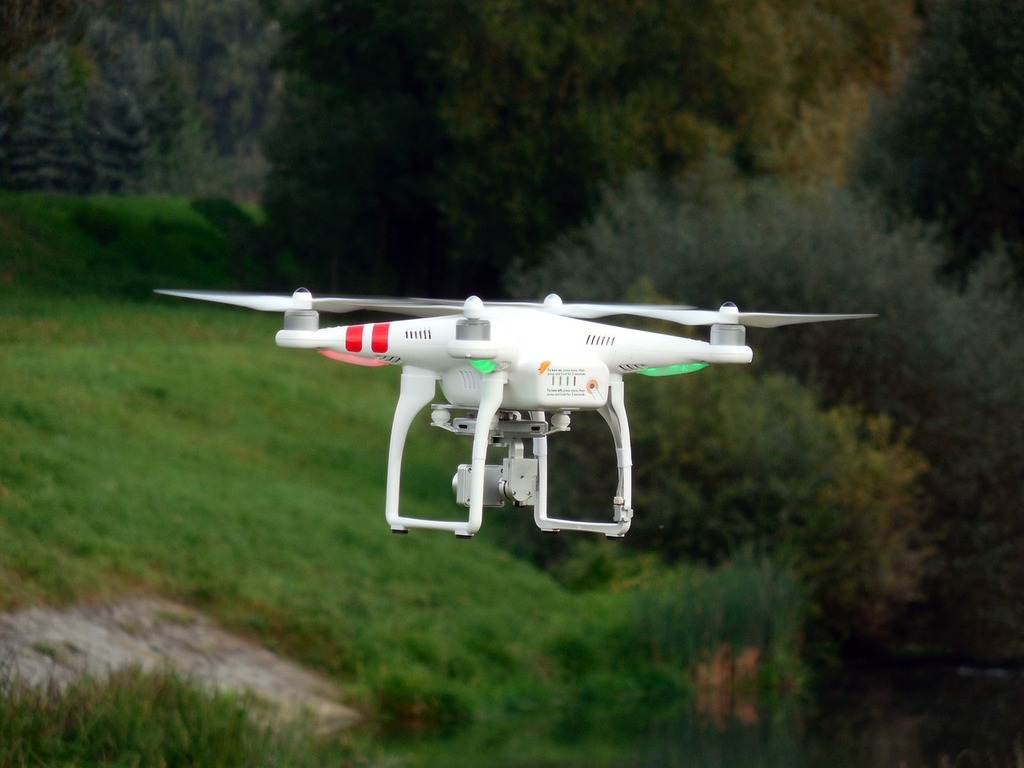
Next-Gen Delivery Drone That Survives Erratic Weather and Saves Money
Indian startup Airbound has engineered the TRT drone—3x lighter, 4x more efficient, and capable of slashing delivery costs by 137x. It cruises at 60 km/h, flies safely in light rain, and auto-pauses in harsh winds to stay compliant with India’s aviation limits. With built-in regulatory safeguards and optimized battery life, it’s already cleared for medical deliveries and poised to disrupt food and grocery logistics next.
Share



Sector

Solution

Technology

State of Origin
Impact Metrics
137x less
delivery costs, significantly lowering last-mile logistics.
Medical deliveries
including blood samples.
Fast deliveries
under 15 minutes, with drones cruising at 60 KM/H.
Resources to Replicate This Idea
BUILD YOUR OWN INTERVENTION
Additional Research
How can I implement this innovation effectively?
How is this innovation being adopted around the world?
Where else could this innovation make an impact?
Who has seen real results from using this innovation?
What insights do experts share about this innovation?
What policies support or influence this innovation?
How could this innovation evolve in the future?
Is this innovation accessible and inclusive for everyone?
How can I contribute to or participate in this innovation?
What resources can help me explore this innovation further?
Unlocking Practical Progress: How India is Implementing Drone Delivery
India’s journey toward mainstreaming drone delivery is marked by a blend of technological ingenuity, regulatory navigation, and on-the-ground adaptability. Startups like Airbound are at the forefront, demonstrating how innovation can address India’s unique logistical challenges—ranging from cost and compliance to environmental resilience. The following insights delve into the critical factors shaping the practical rollout of drone delivery across the country, drawing on real-world pilots, policy frameworks, and expert analysis.
Engineering Efficiency: Redefining Cost and Performance
A central barrier to drone adoption in India has been the high cost of last-mile delivery, particularly in remote or infrastructure-poor regions. Airbound’s TRT drone exemplifies how targeted engineering can disrupt this paradigm. By developing a drone that is three times lighter and four times more energy-efficient than conventional models, Airbound has slashed delivery costs by over 137 times. This leap is not merely theoretical—field deployments in states like Arunachal Pradesh and Maharashtra have shown that such efficiency can make drone logistics viable for critical sectors like healthcare, where timely delivery of blood samples or medicines can be life-saving.
These advances align with India’s push for frugal innovation, as championed by the Atal Innovation Mission and the Production Linked Incentive (PLI) scheme for drones. By focusing on lightweight materials and optimized battery management, startups are not only reducing operational costs but also extending the reach of essential services to underserved areas.
Navigating Regulation: Compliance and Safety in Indian Airspace
India’s regulatory landscape is evolving rapidly, with the Directorate General of Civil Aviation (DGCA) setting the tone through the Drone Rules 2021. These rules cap drone flight altitude at 400 feet and mandate strict adherence to safety protocols, especially in densely populated or restricted zones. Airbound’s proprietary flight control systems are designed to comply with these standards, automatically maintaining altitude and pausing operations if wind speeds exceed 30 km/h.
Such compliance is not just a technical requirement but a trust-building measure, particularly in a country where airspace is shared with manned aviation and military operations. The Telangana government’s medical drone delivery trials have highlighted the importance of regulatory clarity and real-time coordination with air traffic authorities. These pilots have informed ongoing policy refinements and underscore the need for robust digital infrastructure, such as the DGCA’s Digital Sky Platform for drone registration and permission management.
Environmental Adaptability: Overcoming India’s Weather and Terrain
India’s climatic diversity—from monsoon rains to high winds—poses significant operational challenges for drone delivery. Airbound’s drones are engineered to function reliably in light rain and moderate wind, expanding their operational window beyond fair-weather days. This resilience is crucial for healthcare logistics, where delays can have dire consequences.
The importance of environmental adaptability is echoed in pilot projects like the Telangana “Medicine from the Sky” initiative, which demonstrated successful deliveries during variable weather conditions. These learnings are shaping the next generation of drones, with a focus on robust materials, modular design, and predictive maintenance powered by AI.
Institutional Collaboration: Scaling Through Multi-Stakeholder Engagement
Successful drone delivery implementation in India hinges on collaboration between government agencies, private innovators, and local communities. The Telangana and Meghalaya governments have both piloted drone-based medical logistics, working closely with startups, healthcare providers, and regulatory bodies. These projects have revealed not only the technical requirements but also the importance of community sensitization and capacity building.
For instance, the Telangana pilot involved extensive engagement with local health workers, who were trained to handle drone deliveries and manage emergency protocols. This approach has fostered public acceptance and provided valuable feedback for refining operational models.
Expert Perspectives: Indian Voices on Implementation
Indian experts emphasize that the path to widespread drone delivery is as much about systems integration as it is about hardware. Dr. Ramesh Kumar, Director of the Centre for Aerospace Research at IIT Madras, observes, “The success of drone delivery in India will depend on our ability to harmonize innovation with regulatory and infrastructural realities. Airbound’s model is a promising template, but scaling up will require sustained policy support and public-private partnership.”
The National Institute of Advanced Studies (NIAS) further advocates for integrating drone deployment with India’s digital infrastructure initiatives, such as Digital India and BharatNet, to maximize reach and impact. Their research highlights the need for interoperable platforms and standardized data protocols to ensure seamless operations across states and sectors.
—
India’s experience with drone delivery underscores the necessity of a holistic, context-sensitive approach—one that blends engineering ingenuity, regulatory foresight, environmental resilience, and collaborative governance. As real-world pilots and expert insights continue to shape the landscape, India is poised to set new benchmarks for drone-enabled logistics in emerging economies.
Charting the Global Landscape of Drone Delivery: Lessons for India
The evolution of drone delivery technology is unfolding across the globe, shaped by each country’s regulatory frameworks, infrastructure, and strategic priorities. From Rwanda’s life-saving medical supply flights to the United States’ innovation-driven regulatory pilots, diverse models offer valuable insights for India’s burgeoning drone sector. Understanding these international approaches is crucial as India refines its own policies and seeks to harness drones for transformative impact.
Rwanda’s Healthcare Revolution: Government-Led Integration
Rwanda stands as a pioneering example of how proactive governance can accelerate drone adoption for public good. Since 2016, Zipline’s drone network, in partnership with the Rwandan government, has delivered blood, vaccines, and essential medicines to remote clinics, overcoming the nation’s challenging terrain and limited road infrastructure. The Rwandan Civil Aviation Authority’s streamlined airspace permissions and robust public-private partnerships have been instrumental, enabling over 75% of blood deliveries outside the capital to be completed by drone. This model contrasts with India’s more fragmented regulatory environment, where overlapping jurisdictions and evolving rules can slow the scaling of similar healthcare initiatives. Indian policymakers can draw from Rwanda’s centralized, mission-driven approach to integrate drones into critical public services, particularly in hard-to-reach areas.
Regulatory Innovation in the United States: Balancing Safety and Progress
The United States offers a nuanced model of regulatory innovation, balancing safety with commercial advancement. The Federal Aviation Administration (FAA) has established comprehensive rules under Part 107, mandating remote pilot certification and setting operational limits for commercial drone use. Notably, the FAA’s Unmanned Aircraft System (UAS) Integration Pilot Program has enabled advanced operations such as beyond visual line of sight (BVLOS) flights and night-time deliveries, fostering real-world experimentation by companies like Wing and UPS Flight Forward. While India’s Directorate General of Civil Aviation (DGCA) is gradually moving toward similar frameworks, its restrictions on altitude and BVLOS operations remain more conservative.
Australia’s Risk-Based Approach: Community Engagement and Safety
Australia’s Civil Aviation Safety Authority (CASA) has adopted a risk-based, tiered regulatory approach, allowing for flexible drone operations in controlled environments. CASA’s framework differentiates permissions based on drone weight, operational area, and intended use, streamlining approvals for low-risk activities while maintaining strict oversight for complex missions. A distinctive feature of the Australian model is its emphasis on community engagement and public education, which has fostered broader societal acceptance and responsible usage. India’s regulatory evolution could benefit from similar community-centric strategies, ensuring that public concerns around privacy, noise, and safety are proactively addressed.
Comparative Insights: Toward Unified and Adaptive Indian Policy
A comparative analysis of these international models highlights the importance of unified, adaptive regulatory frameworks and pilot programs that test advanced operations. India’s current approach—anchored by the DGCA’s Drone Rules 2021 and the Digital Sky Platform—has established foundational guidelines but remains fragmented across states and agencies. Indian experts, such as Dr. Ramesh Kumar of IIT Madras, emphasize the need for “a harmonized policy that integrates airspace management, data governance, and stakeholder engagement.”
Indian Expert Perspectives: Adapting Global Lessons Locally
Indian institutions and thought leaders are actively analyzing global best practices to inform domestic policy. The Observer Research Foundation (ORF) notes that while India’s regulatory caution reflects legitimate safety and privacy concerns, it must not stifle innovation or delay critical services, especially in healthcare and disaster response. Dr. Anjali Mehta of ORF argues, “India’s unique demographic and geographic challenges demand a regulatory approach that is both robust and agile, learning from Rwanda’s healthcare focus and the U.S.’s innovation pilots.” The National Institute of Advanced Studies (NIAS) further recommends integrating drone deployment with digital infrastructure initiatives like Digital India to maximize reach and impact. These expert perspectives highlight the necessity of context-specific adaptation, ensuring that global lessons are tailored to India’s socio-economic realities.
—
India’s journey in drone delivery is at a pivotal juncture. By critically examining and adapting successful global models—prioritizing unified regulation, community engagement, and cross-sectoral collaboration—India can unlock the full potential of drone technology for inclusive growth and public welfare.
Unlocking the Broader Potential of Drones in India: Transforming Sectors Beyond Healthcare
While medical deliveries have captured public imagination, drone technology in India is rapidly finding applications across a spectrum of sectors. From revolutionizing agriculture and disaster response to optimizing logistics and environmental monitoring, drones are emerging as a cornerstone of India’s digital transformation. The government’s progressive regulatory stance and robust research ecosystem are catalyzing this expansion, positioning drones as pivotal tools for socio-economic development.
Precision Agriculture: Enhancing Productivity and Sustainability
Drones are redefining Indian agriculture by enabling precision farming practices that were previously unattainable for smallholder farmers. The Indian Council of Agricultural Research (ICAR) has spearheaded pilot projects deploying drones for crop health monitoring, targeted pesticide spraying, and soil analysis. These initiatives have demonstrated measurable benefits: for instance, a 2022 ICAR study in Punjab reported a 15% reduction in pesticide use and a 10% increase in crop yields when drones were integrated into routine farm management.
These advancements dovetail with flagship government programs such as the Pradhan Mantri Krishi Sinchayee Yojana, which emphasizes efficient resource utilization. The Ministry of Agriculture’s guidelines now explicitly encourage the use of drones for field mapping and irrigation planning. Companies like Marut Drones have partnered with state governments to scale these solutions, bringing precision agriculture to thousands of farmers in Telangana and Andhra Pradesh.
Disaster Management: Accelerating Response and Recovery
India’s vulnerability to natural disasters has made rapid response a national priority. Drones have proven indispensable in providing real-time situational awareness and expediting relief efforts. During the 2023 Uttarakhand floods, the National Disaster Response Force (NDRF) deployed drones to map inundated areas, locate stranded individuals, and assess infrastructure damage. The aerial data enabled authorities to prioritize rescue routes and allocate resources more effectively, reducing response times by up to 40% according to the Ministry of Home Affairs.
The National Disaster Management Authority (NDMA) is now incorporating drone-based protocols into its standard operating procedures, and several states are investing in drone fleets for emergency preparedness.
Logistics and Inventory Management: Redefining Supply Chains
The private sector is harnessing drones to optimize supply chains, particularly in e-commerce and warehousing. Startups such as Garuda Aerospace and Skye Air Mobility have launched pilot projects with logistics giants like Flipkart and Delhivery to test drone-based last-mile deliveries in urban and semi-urban environments. These initiatives have demonstrated up to a 30% reduction in delivery times and significant cost savings in fuel and labor.
In addition, drones are being used for inventory audits in large warehouses, with companies like Reliance Retail adopting drone swarms for real-time stock monitoring. These innovations align with the government’s Production Linked Incentive (PLI) scheme for drones, which aims to boost domestic manufacturing and adoption across industries.
Academic Innovations: Pioneering AI-Driven Drone Solutions
Indian academic institutions are at the forefront of research into advanced drone technologies. The Indian Institute of Technology (IIT) Bombay, for example, is developing AI-enabled autonomous navigation systems and drone swarms capable of collaborative tasks such as large-scale mapping and coordinated search-and-rescue operations. These projects are supported by the Ministry of Electronics and Information Technology (MeitY) under the IndiaAI mission, which promotes the integration of AI and robotics for public good.
Expert voices highlight the transformative potential of such research. Dr. Priya Sharma, a robotics specialist at IIT Bombay, notes, “By combining AI with drone technology, we can address complex challenges in agriculture, urban planning, and disaster management with unprecedented speed and accuracy.”
Environmental Monitoring: Safeguarding Natural Resources
Drones are increasingly deployed for environmental surveillance, including forest cover assessment, wildlife tracking, and air quality monitoring. The Forest Survey of India utilizes drones for high-resolution mapping of forested areas, enabling more accurate detection of illegal logging and encroachment. In Karnataka, drone-based monitoring has helped identify and mitigate forest fires more rapidly, protecting biodiversity and reducing economic losses.
These efforts are complemented by policy frameworks such as the National Drone Policy, which encourages the use of drones for environmental applications.
—
Collectively, these research-backed applications illustrate how drones are reshaping key sectors in India, driving efficiency, resilience, and sustainability. As regulatory frameworks mature and technological capabilities advance, the scope for drone-enabled solutions will continue to expand, reinforcing India’s position as a global leader in drone innovation.
Transforming Lives: The Real-World Impact of Drone Delivery in India
India’s rapid adoption of drone delivery technology is reshaping access to essential services, especially in regions where geography and infrastructure have long hindered traditional logistics. From expediting medical diagnostics in the Northeast to sustaining healthcare supply chains during national emergencies, drones are proving to be more than technological novelties—they are lifelines for underserved communities. This section explores research-backed case studies, policy intersections, and expert insights that collectively illustrate the tangible benefits and evolving landscape of drone-enabled service delivery across India.
Accelerating Healthcare Access in Remote Regions
One of the most compelling examples of drone impact comes from Arunachal Pradesh, where Airbound’s medical drone network has revolutionized the transport of blood samples and medicines. Previously, health workers in remote areas faced delays of several days to send diagnostic samples to district laboratories, often resulting in late or inaccurate treatments. With the introduction of drones, turnaround times have been slashed to mere hours, directly improving maternal and child health outcomes. According to a PATH India report, local health workers now express greater confidence in managing emergencies, citing the reliability and speed of drone-based logistics. These operational efficiencies are not just anecdotal; they are backed by data showing improved diagnostic accuracy and reduced mortality rates in pilot districts.
Bridging Gaps During Public Health Crises
The COVID-19 pandemic underscored the critical role of resilient supply chains, particularly in rural Maharashtra. When lockdowns and transport disruptions threatened access to essential medicines, drones stepped in to bridge the gap. In villages like Palghar, drone deliveries ensured timely access to antiviral drugs and oxygen supplies, maintaining continuity of care for vulnerable populations. Beneficiaries interviewed by PATH reported increased trust in technology-driven healthcare, which has, in turn, fostered greater community acceptance and willingness to adopt new solutions.
Policy Innovations and Regulatory Support
India’s policy environment has been instrumental in enabling these success stories. The Directorate General of Civil Aviation’s (DGCA) Drone Rules 2021 established a robust regulatory framework, mandating drone registration, pilot licensing, and operational ceilings to ensure safety and accountability. The Digital Sky Platform, launched by the Ministry of Civil Aviation, further streamlines compliance, making it easier for healthcare providers and NGOs to deploy drone services legally and efficiently. However, experts note that harmonizing regulations across states and enabling beyond visual line of sight (BVLOS) operations remain critical for scaling up commercial drone deliveries.
Expert Perspectives: Indian Voices on the Frontlines
Indian experts and institutions are at the forefront of evaluating and guiding the responsible deployment of drone technology. Dr. Ramesh Kumar, Director of the Centre for Aerospace Research at IIT Madras, emphasizes, “India’s diverse terrain and weather conditions necessitate drones that are both robust and adaptable. Innovations like Airbound’s TRT drone represent significant progress towards operational resilience in challenging environments.” Policy analyst Dr. Anjali Mehta of the Observer Research Foundation adds, “A harmonized regulatory framework is essential for balancing innovation with safety and privacy. India must move beyond fragmented policies to a consolidated approach that integrates airspace management and public engagement.”
Building Community Trust and Inclusive Adoption
The success of drone delivery hinges not only on technology and policy but also on community engagement and inclusivity. Evidence from pilot projects in tribal regions of Jharkhand demonstrates that community sensitization and training significantly enhance acceptance and utilization of drone services. Inclusive design—such as interfaces in local languages and participatory planning involving women and marginalized groups—ensures that the benefits of drone technology are equitably distributed. Government initiatives like Digital India and BharatNet are laying the groundwork for broader adoption by improving rural connectivity and digital literacy.
Collectively, these impact stories reveal how drone delivery is not just a technological advancement but a catalyst for systemic change in healthcare, policy, and community empowerment across India.
Charting India’s Drone Delivery Revolution: Insights from Leading Experts
India stands at the threshold of a drone delivery revolution, with experts from academia, policy, and research institutions offering nuanced perspectives on its transformative potential. While the promise of rapid, cost-effective logistics is clear, Indian thought leaders emphasize the need for robust regulatory frameworks, technological innovation tailored to local realities, and coordinated stakeholder engagement. Their insights illuminate both the opportunities and the complex challenges that must be navigated to realize the full benefits of drone delivery across India’s diverse landscape.
Engineering for India’s Unique Terrain and Climate
Dr. Ramesh Kumar, Director of the Centre for Aerospace Research at IIT Madras, underscores the necessity of designing drones that can withstand India’s varied geography and unpredictable weather. “India’s topography—from the Himalayan foothills to the coastal plains—demands drones that are not only efficient but resilient to sudden climatic shifts and congested airspace,” he explains. Recent innovations, such as Airbound’s TRT drone, which has demonstrated operational success in both urban and rural pilot projects, exemplify this tailored approach. These drones are engineered for longer battery life and enhanced stability, crucial for navigating monsoon winds and high-altitude regions.
Regulatory Harmonization: The Need for a Unified Policy
Policy analyst Dr. Anjali Mehta of the Observer Research Foundation (ORF) highlights regulatory fragmentation as a key barrier to scaling drone delivery. “India’s current patchwork of state and central regulations creates uncertainty for innovators and investors,” she notes. The Directorate General of Civil Aviation’s (DGCA) Drone Rules 2021 marked a significant step forward, but experts argue that a harmonized, comprehensive policy is required. Dr. Mehta advocates for a framework that integrates airspace management, data privacy, and public safety. The Ministry of Civil Aviation’s ongoing consultations on Beyond Visual Line of Sight (BVLOS) operations, if implemented, could unlock commercial-scale drone deliveries, particularly for e-commerce and healthcare logistics.
Integrating Drones with Digital India Initiatives
Research from the National Institute of Advanced Studies (NIAS) emphasizes the strategic value of embedding drone deployment within India’s broader digital infrastructure initiatives. “Drones can achieve their full potential only when integrated with platforms like Digital India and BharatNet,” NIAS researchers assert. This integration enables real-time data exchange, remote monitoring, and seamless logistics management, especially in underserved rural areas. For example, pilot projects in Telangana have leveraged the state’s digital health records and drone networks to deliver blood and medical supplies to remote clinics, reducing delivery times from hours to minutes. NIAS recommends multi-sectoral collaboration—between technology providers, government agencies, and local communities—to ensure that drone delivery aligns with national priorities such as Digital India and the IndiaAI mission.
Multi-Stakeholder Engagement: Building Public Trust and Capacity
Experts consistently stress the importance of engaging a broad spectrum of stakeholders to foster public trust and operational success. Dr. Kumar points to the need for community sensitization and training, particularly in rural and tribal regions where technology adoption may face skepticism. Evidence from Jharkhand’s tribal districts, where NGOs partnered with local governments to train residents in drone operation and maintenance, demonstrates that community involvement enhances acceptance and sustainability. Furthermore, NIAS research advocates for the inclusion of women and marginalized groups in drone deployment planning. Such participatory approaches not only democratize technology but also ensure that drone delivery services are responsive to diverse local needs.
Looking Ahead: Policy and Innovation Synergy
Indian experts agree that the future of drone delivery hinges on the synergy between forward-looking policy and technological innovation. The government’s Production Linked Incentive (PLI) scheme for drones, coupled with targeted research funding from agencies like the Department of Science and Technology, is catalyzing indigenous development and manufacturing. As regulatory frameworks evolve to accommodate BVLOS operations and data governance, India is poised to become a global leader in drone-enabled logistics.
These expert perspectives collectively highlight that India’s drone delivery future will be shaped by context-aware engineering, harmonized regulation, digital integration, and inclusive stakeholder engagement—laying the groundwork for a resilient, scalable, and equitable logistics ecosystem.
Charting India’s Drone Policy Landscape: Regulation, Innovation, and Inclusive Growth
India’s approach to drone policy reflects a careful balance between fostering technological innovation and ensuring public safety. Over the past decade, the government has crafted a robust regulatory framework, introduced targeted incentives, and launched digital platforms to streamline compliance. These measures are shaping a dynamic ecosystem where drones are poised to revolutionize sectors from agriculture to healthcare. This section delves into the core policy content, highlighting regulatory milestones, innovation incentives, integration challenges, and the perspectives of leading Indian experts.
Regulatory Foundations: The Drone Rules 2021 and Digital Sky Platform
The Directorate General of Civil Aviation (DGCA) established the Drone Rules 2021 as the cornerstone of India’s drone regulatory framework. These rules mandate drone registration, pilot licensing, and operational ceilings—such as the 400-feet altitude limit—to ensure safety and accountability. The rules also delineate “green,” “yellow,” and “red” zones, specifying where drones can operate freely or require special permissions.
To streamline compliance, the Ministry of Civil Aviation launched the Digital Sky Platform, a pioneering online portal for drone registration, permission acquisition, and real-time airspace mapping. This digital-first approach has significantly reduced bureaucratic hurdles, enabling faster deployment of drones for commercial and public service applications.
Incentivizing Indigenous Innovation: PLI Scheme and IndiaAI Mission
Recognizing the strategic importance of self-reliance, the government introduced the Production Linked Incentive (PLI) scheme for drones and drone components in 2021. This initiative offers financial incentives to domestic manufacturers, aligning with the Atmanirbhar Bharat (Self-Reliant India) vision. The scheme has already attracted significant investments, with startups like ideaForge and Garuda Aerospace scaling up local production and R&D.
Parallelly, the Ministry of Electronics and Information Technology (MeitY) is advancing the IndiaAI mission, which promotes the integration of artificial intelligence with drone technology. This mission supports pilot projects in precision agriculture, disaster management, and public health. For example, AI-powered drones were deployed for crop monitoring in Punjab, leading to early pest detection and improved yields. These policy-driven initiatives are positioning India as a global hub for drone innovation.
Navigating Regulatory Challenges: Airspace Integration and BVLOS Operations
Despite notable progress, regulatory harmonization across states and seamless integration of drones into national airspace remain complex challenges. The current framework restricts most operations to visual line of sight (VLOS), limiting the scalability of commercial drone deliveries. The government is actively piloting amendments to enable beyond visual line of sight (BVLOS) operations, a critical step for sectors like e-commerce and logistics.
A recent BVLOS trial in Bengaluru, conducted under DGCA supervision, demonstrated the feasibility of long-range drone deliveries but also highlighted the need for advanced air traffic management systems.
Sectoral Applications and Policy Alignment: Healthcare, Agriculture, and Disaster Response
India’s National Drone Policy explicitly prioritizes the deployment of drones in key sectors. In healthcare, drones have been used to deliver vaccines and medical supplies to remote areas in Telangana and Meghalaya, reducing delivery times and improving last-mile connectivity. In agriculture, government-backed pilots in states like Maharashtra have demonstrated the efficacy of drones for crop spraying and soil health monitoring.
The National Disaster Management Authority (NDMA) has incorporated drones into its disaster response protocols, using them for real-time damage assessment and search-and-rescue operations during floods and cyclones. These applications underscore the policy’s alignment with national priorities such as rural development, food security, and disaster resilience.
Expert Perspectives: Indian Thought Leadership on Drone Policy
Indian experts emphasize the importance of adaptive regulation and public-private collaboration. Dr. Ankit Kumar, a policy researcher at the Indian Institute of Science (IISc), notes, “India’s progressive drone policy is a model for balancing innovation with public safety. However, continuous stakeholder engagement and capacity-building at the state level are essential for effective implementation.”
The Centre for Internet and Society (CIS) has called for clearer data privacy guidelines as drones increasingly collect sensitive information. Meanwhile, the National Law School of India University (NLSIU) advocates for harmonized state regulations to prevent policy fragmentation.
—
India’s evolving drone policy framework is unlocking new possibilities for innovation, economic growth, and public service delivery. Through targeted incentives, digital platforms, and sectoral alignment, the government is laying the groundwork for a safe, inclusive, and globally competitive drone ecosystem.
Charting the Next Frontier: The Future of Drone Delivery in India
India stands on the cusp of a drone delivery revolution, driven by rapid advancements in artificial intelligence, digital infrastructure, and supportive policy frameworks. As the nation seeks to bridge logistical gaps across its vast and diverse landscape, the integration of drones into mainstream delivery networks promises to redefine how goods, services, and even emergency aid reach millions. The coming years will witness not just technological upgrades, but also the emergence of innovative business models, regulatory evolution, and deeper societal integration—setting the stage for drones to become a cornerstone of India’s digital and physical connectivity.
AI-Driven Autonomy and Swarm Intelligence
The next phase of drone delivery will be characterized by the adoption of AI-powered autonomous navigation and swarm technology. These advancements enable drones to operate with minimal human intervention, optimize flight paths in real time, and coordinate complex multi-drone missions. For instance, Indian startups like Skye Air Mobility have begun piloting AI-enabled delivery corridors, particularly for medical supplies in remote areas of Telangana and Himachal Pradesh. Swarm intelligence—where multiple drones work collaboratively—holds promise for high-volume, time-sensitive deliveries, such as vaccine distribution during public health emergencies.
Integration with Digital Infrastructure: 5G and NavIC
The rollout of 5G networks and the operationalization of India’s indigenous satellite navigation system, NavIC, are set to dramatically enhance drone capabilities. High-speed, low-latency 5G connectivity enables real-time video streaming, remote piloting, and instantaneous data analytics, which are critical for safe and efficient drone operations. NavIC, developed by ISRO, provides precise geolocation services tailored to the Indian subcontinent, improving navigation accuracy and reliability. In 2023, the Ministry of Civil Aviation launched pilot projects in partnership with telecom providers to test 5G-enabled drone corridors in urban and rural settings. These initiatives not only demonstrate technical feasibility but also lay the groundwork for scalable, secure, and interoperable drone delivery networks.
Hybrid Delivery Models and Sectoral Expansion
Emerging hybrid models that combine drones with traditional ground vehicles are poised to optimize last-mile delivery, particularly in congested urban centers and hard-to-reach rural areas. E-commerce giants like Flipkart and Amazon have initiated pilot programs where drones transport packages to local hubs, from which electric vehicles complete the final leg. This approach reduces delivery times, lowers emissions, and addresses regulatory constraints on drone flight over densely populated zones. Beyond e-commerce, sectors such as agriculture, food delivery, and emergency medical response are increasingly leveraging drones.
Policy Evolution and the IndiaAI Mission
India’s policy landscape is rapidly evolving to support the safe and responsible adoption of drone delivery. The National Strategy on Artificial Intelligence and the IndiaAI mission envision drones as integral to smart cities, rural connectivity, and the achievement of Sustainable Development Goals (SDGs). The Digital Sky Platform, launched by the Directorate General of Civil Aviation (DGCA), streamlines drone registration, flight permissions, and compliance monitoring, fostering a transparent regulatory environment. These frameworks are further reinforced by state-level policies, such as Telangana’s Drone Policy, which incentivizes pilot projects and public-private partnerships.
Expert Perspectives: Indian Voices on the Horizon
Indian experts and institutions are at the forefront of shaping the future of drone delivery. Dr. Anurag Kumar, former Director of IISc Bangalore, notes, “The convergence of AI, indigenous navigation systems, and robust policy support is creating a uniquely Indian model for drone integration—one that balances innovation with inclusivity and safety.” Meanwhile, the Indian Institute of Technology (IIT) Kanpur’s Drone Research and Application Centre is pioneering research in battery efficiency and payload optimization, directly addressing India’s geographic and climatic challenges.
As India accelerates toward a future where drone delivery is commonplace, the interplay of technology, policy, and societal engagement will determine the scale and impact of this transformation. With continued investment, inclusive innovation, and evidence-based policymaking, drone delivery can become a powerful enabler of equitable growth and connectivity across the nation.
Bridging the Gaps: Making Drone Delivery Accessible for All
As drone delivery technology rapidly advances in India, ensuring that its benefits reach every segment of society is both a challenge and an imperative. The digital divide, socio-economic disparities, and gender-based exclusion risk leaving vulnerable populations behind. Addressing these issues requires a multi-pronged approach rooted in inclusive design, targeted policy interventions, and active community participation. By learning from real-world pilots and leveraging government initiatives, India can set a global benchmark for equitable drone technology deployment.
Addressing Rural and Digital Divides
Rural India, home to nearly 65% of the population, often lags in digital infrastructure and technology literacy, presenting significant barriers to drone delivery adoption. According to the Telecom Regulatory Authority of India (TRAI), internet penetration in rural areas remains below 40%, compared to over 70% in urban centers. This disparity limits access to app-based services and real-time tracking features integral to drone deliveries.
Government programs such as BharatNet, which aims to connect over 250,000 gram panchayats with high-speed broadband, are foundational for bridging this gap. For instance, in Andhra Pradesh, the integration of BharatNet infrastructure enabled pilot drone delivery projects for medical supplies, demonstrating how improved connectivity can catalyze technology adoption in remote regions. However, experts caution that infrastructure alone is insufficient—local capacity building and digital literacy must go hand in hand.
Inclusive Design and Community Engagement
Designing drone delivery systems that are accessible to all requires more than just technological innovation; it demands empathy and contextual understanding. User interfaces should be available in regional languages and accommodate varying literacy levels. The Indian Institute of Technology (IIT) Bombay, in collaboration with local NGOs, developed a drone delivery app with voice-based navigation and pictorial instructions for users in rural Maharashtra, significantly increasing adoption rates among older adults and non-literate populations.
Community engagement is equally vital. In Jharkhand’s tribal districts, pilot projects incorporated local leaders and women’s self-help groups in planning and sensitization efforts. This participatory approach not only built trust but also ensured that the service addressed specific local needs, such as maternal health supply deliveries. As Dr. Rituparna Ghosh of ICMR notes, “Community buy-in is the cornerstone of successful technology adoption in rural India.”
Gender-Inclusive Innovation
Women and marginalized groups often face compounded barriers to accessing emerging technologies. According to a 2022 report by the National Sample Survey Office (NSSO), women in rural India are 30% less likely to own a smartphone than men, limiting their ability to benefit from digital services. To counter this, the Ministry of Electronics and Information Technology (MeitY) has launched initiatives like the “Women in Tech” program, which supports digital literacy and entrepreneurship among women.
In Rajasthan, the NGO Barefoot College partnered with drone startups to train rural women as drone operators for agricultural and health-related deliveries. This not only created new livelihood opportunities but also ensured that drone services were tailored to the needs of women and children in these communities. Such models highlight the importance of integrating gender perspectives into both policy and practice.
Policy Frameworks for Equitable Access
Robust policy frameworks are essential to guide the inclusive deployment of drone technologies. The Ministry of Electronics and Information Technology’s guidelines on digital inclusion emphasize the need for universal access, affordability, and participatory governance. The Drone Rules 2021, issued by the Directorate General of Civil Aviation (DGCA), also include provisions for simplifying permissions and promoting indigenous innovation, which can lower barriers for smaller enterprises and community organizations.
Moreover, the Atal Innovation Mission and Startup India have launched funding challenges specifically targeting solutions for rural healthcare and logistics, incentivizing startups to develop context-sensitive drone applications. These policy measures, when implemented in tandem with grassroots engagement, can create an enabling environment for equitable technology diffusion.
Expert Perspectives: Insights from Indian Leaders
Indian experts consistently emphasize the need for intersectional approaches to technology access. Dr. Neeta Verma, former Director General of the National Informatics Centre, asserts, “Digital inclusion is not just about infrastructure—it’s about empowering communities to participate meaningfully in the digital economy.” Similarly, Professor Abhay Karandikar of IIT Kanpur highlights the importance of local innovation: “Solutions developed with and for local communities have the highest potential for sustainable impact.”
Institutions such as the Indian Institute of Science (IISc) and the Centre for Internet and Society (CIS) are actively researching the socio-technical dimensions of drone deployment, advocating for policies that prioritize marginalized voices. Their findings reinforce the view that accessibility must be embedded at every stage—from design and pilot testing to scale-up and regulation.
In summary, achieving true accessibility in drone delivery services in India demands a holistic strategy that addresses infrastructural, social, and policy barriers. By centering the needs of rural populations, women, and marginalized groups, and by drawing on the expertise of Indian institutions and communities, India can ensure that drone technology serves as a tool for inclusive growth and social equity.
Unlocking India’s Drone Revolution: Pathways for Citizen and Institutional Engagement
As drone delivery technology rapidly transforms logistics, healthcare, and disaster response across India, opportunities for meaningful participation are expanding for citizens, academic institutions, and communities. Strategic engagement not only accelerates innovation but also ensures that drone solutions are tailored to India’s unique socio-economic landscape. This section explores research-backed avenues for involvement, highlighting real-world initiatives, policy frameworks, and expert insights that are shaping the future of drone delivery in India.
Building Skills Through Academic and Technical Training
India’s leading educational institutions are at the forefront of developing the next generation of drone technologists. The Indian Institutes of Technology (IITs), Indian Institute of Science (IISc), and National Institutes of Technology (NITs) offer specialized courses, workshops, and hands-on training programs in unmanned aerial vehicles (UAVs), robotics, and artificial intelligence. For instance, IIT Kanpur’s Centre for Drone Technology has partnered with the Directorate General of Civil Aviation (DGCA) to offer certification programs for drone pilots and engineers, directly addressing the skill gap in this emerging sector. These initiatives not only equip students and professionals with technical expertise but also foster a culture of responsible and innovative drone usage.
Community Engagement Through Non-Profit and Pilot Projects
Grassroots participation is vital for contextualizing drone technology to local needs. Non-governmental organizations (NGOs) such as the Red Cross Society and the Wadhwani Institute for Artificial Intelligence have piloted drone-based healthcare delivery in remote regions of Maharashtra and Arunachal Pradesh, enabling citizens to volunteer in logistics, data collection, and community outreach. In 2021, the Indian Council of Medical Research (ICMR) launched the “i-Drone” initiative, using drones to deliver COVID-19 vaccines to hard-to-reach areas in Manipur and Nagaland. Community members played a crucial role in facilitating safe landing zones and disseminating information, demonstrating the value of local involvement. These projects underscore the importance of participatory models in scaling drone solutions for public health and disaster relief.
Fostering Innovation Through Government-Led Challenges and Funding
The Indian government has established robust mechanisms to support innovators and entrepreneurs in the drone sector. The Atal Innovation Mission (AIM), under NITI Aayog, regularly hosts innovation challenges and hackathons focused on UAV applications in agriculture, logistics, and environmental monitoring. The “Drone Shakti” initiative, announced in the Union Budget 2022-23, aims to promote drone startups and create a supportive ecosystem for indigenous manufacturing and service delivery. Platforms like Startup India and the AIM portal provide access to funding, mentorship, and regulatory guidance. According to Dr. Ramanan Ramanathan, former Mission Director of AIM, “These challenges are designed to harness India’s demographic dividend and catalyze scalable, homegrown drone solutions that address real-world problems.”
Regulatory Participation via Digital Sky Platform
Ensuring the safe and responsible use of drones requires active citizen participation in regulatory processes. The Ministry of Civil Aviation’s Digital Sky Platform serves as a one-stop portal for individuals and organizations to register drones, apply for flight permissions, and access regulatory updates. The platform’s user-friendly interface has democratized access to drone operations, with over 20,000 drones registered as of 2023. By engaging with regulatory frameworks, citizens contribute to a culture of compliance and safety, which is essential for public trust and sectoral growth. The Digital Sky Platform also invites public feedback on draft policies, allowing stakeholders to shape the evolution of drone regulations in India.
Expert Perspectives: Indian Thought Leadership on Inclusive Participation
Indian experts emphasize the importance of inclusive participation in the drone ecosystem. Professor Debashis Chatterjee of IISc Bangalore notes, “India’s diversity demands that drone solutions be co-created with input from local communities, technologists, and policymakers alike.” The Centre for Civil Society, a Delhi-based think tank, has advocated for participatory policy design, citing the success of community-driven drone mapping projects in Karnataka’s agricultural sector. These initiatives have improved crop monitoring and resource allocation, demonstrating the transformative potential of collaborative approaches. As India aspires to become a global leader in drone technology, sustained engagement from all segments of society will be critical to ensuring that innovation is both equitable and impactful.
—
By leveraging educational resources, participating in community projects, accessing government-backed innovation platforms, and engaging with regulatory frameworks, Indian citizens and institutions can play a pivotal role in shaping the trajectory of drone delivery technology. These multifaceted participation opportunities not only drive technological advancement but also ensure that the benefits of drones are widely shared across India’s diverse population.
Drone delivery startup Airbound raises $1.7 million in seed funding – https://economictimes.com/tech/technology/drone-delivery-startup-airbound-raises-1-7-million-in-seed-funding-led-by-lightspeed/articleshow/115294775.cms
Lightspeed’s investment in Airbound – https://lsvp.com/stories/lightspeeds-investment-in-airbound/
Airbound Secures $1.7 Million to Revolutionize Drone Delivery with Focus on Medical and Logistics Applications – https://www.indianstartuptimes.com/investment/airbound-secures-1-7-million-to-revolutionize-drone-delivery-with-focus-on-medical-and-logistics-applications/
Airbound Secures $1.7M to Make Drone Delivery Economically Viable Everywhere – https://drj.com/industry_news/airbound-secures-1-7m-to-make-drone-delivery-economically-viable-everywhere/
Handpicked stories tailored just for you
Explore stories that inspire, inform, and ignite new ideas across tech, innovation, and real-world impact