AI In Radiology is Redefining Breast Cancer Screening
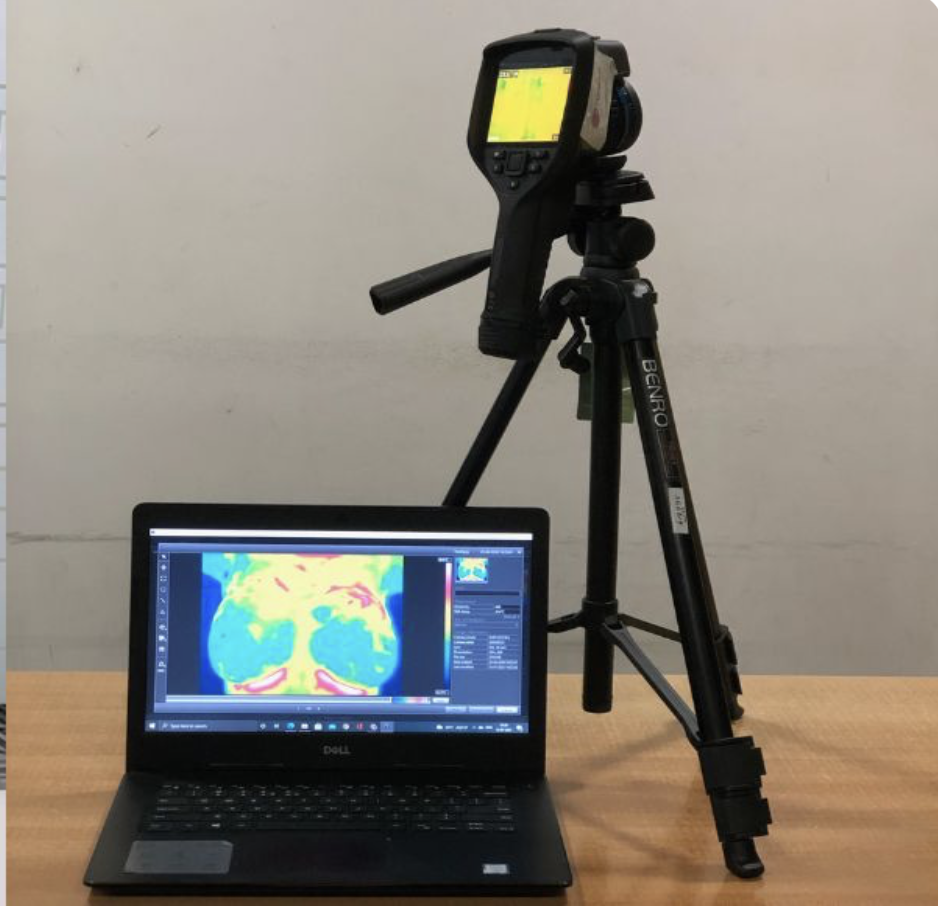
Niramai’s Thermalytix uses AI and thermal imaging for early, privacy-friendly breast cancer screening without radiation or contact. Founded by Geetha Manjunath after a personal loss, it has screened 75,000+ women across 29 Indian cities and abroad. Affordable and scalable, Niramai partners with hospitals, states, and global networks to make yearly screenings accessible for every woman.
Share



Sector

Solution

Technology

State of Origin
Disclaimer:
- Features ‘as is’ submissions and neither constitutes endorsement, certification, recommendation, or validation by NITI Aayog nor makes NITI Aayog liable in any manner.
- Features ‘as is’ submissions and neither constitutes endorsement, certification, recommendation, or validation by NITI Aayog nor makes NITI Aayog liable in any manner.
- Features ‘as is’ submissions and neither constitutes endorsement, certification, recommendation, or validation by NITI Aayog nor makes NITI Aayog liable in any manner.
- Features ‘as is’ submissions and neither constitutes endorsement, certification, recommendation, or validation by NITI Aayog nor makes NITI Aayog liable in any manner.
Impact Metrics
100,000+ women
screened for early breast cancer detection.
Over 90% accuracy
with reduced false positives and unnecessary biopsies.
Scalable and accessible
across rural and low-resource settings in India.
Resources to Replicate This Idea
BUILD YOUR OWN INTERVENTION
Additional Research
How can I implement this innovation effectively?
How is this innovation being adopted around the world?
Where else could this innovation make an impact?
Who has seen real results from using this innovation?
What insights do experts share about this innovation?
What policies support or influence this innovation?
How could this innovation evolve in the future?
Is this innovation accessible and inclusive for everyone?
How can I contribute to or participate in this innovation?
What resources can help me explore this innovation further?
From Innovation to Impact: Key Lessons in Deploying AI-Driven Thermal Imaging for Breast Cancer Screening in India
The journey of integrating AI-powered thermal imaging, notably through Niramai’s Thermalytix, into India’s healthcare system offers a nuanced blueprint for technology adoption in resource-constrained environments. This implementation is not merely a matter of technological advancement but a complex interplay of affordability, scalability, cultural sensitivity, and institutional alignment. Drawing on real-world deployments, policy frameworks, and expert insights, the following analysis unpacks the critical factors underpinning successful implementation and the challenges that remain.
Leveraging Affordability and Accessibility for Public Health Equity
A central pillar of successful implementation is the ability to deliver affordable and accessible screening. Traditional mammography, while effective, remains out of reach for many Indian women due to high costs and limited availability, especially in rural and semi-urban areas. Niramai’s Thermalytix addresses this gap with a non-invasive, radiation-free solution that is both portable and cost-effective. Its design allows trained technicians, rather than specialized radiologists, to operate the device, significantly reducing operational costs and enabling wider deployment.
This approach dovetails with national health priorities, such as those articulated in the Ayushman Bharat scheme, which emphasizes preventive healthcare and universal coverage. For example, in states like Uttar Pradesh and Bihar, mobile screening camps equipped with Thermalytix have reached thousands of women who otherwise lack access to early detection services. By aligning with public health insurance and leveraging government subsidies, the technology is positioned to reduce out-of-pocket expenses and support India’s goal of equitable healthcare access.
Scalable Integration with Community Health Infrastructure
The scalability of AI-driven thermal imaging is demonstrated by Niramai’s partnerships with over 150 hospitals and diagnostic centers, and the screening of more than 100,000 women nationwide. The portability of the device enables deployment in mobile health camps, a model that has proven effective in states such as Karnataka and Maharashtra. These camps, often organized in collaboration with local NGOs and government health departments, extend the reach of screening services into remote and underserved communities.
Integration with existing public health frameworks is critical. For instance, community health workers (ASHAs) and Accredited Social Health Activists are trained to facilitate screenings and follow-up care, ensuring continuity and trust within the community.
Addressing Cultural Sensitivities and Privacy Concerns
Cultural barriers, including stigma and privacy concerns, have historically hindered breast cancer screening uptake in India. Thermalytix’s contactless, radiation-free methodology directly addresses these issues, offering a discreet and comfortable experience that resonates with women in conservative or rural settings. In community feedback from pilot programs in Rajasthan and West Bengal, women cited the non-invasive nature of the screening as a key factor in their willingness to participate.
This sensitivity is especially important in regions where social norms may discourage women from seeking traditional mammography. By respecting privacy and minimizing physical discomfort, the technology not only increases participation rates but also fosters a more inclusive approach to preventive healthcare.
Institutional Collaboration and Evidence from Pilot Programs
The success of AI-driven thermal imaging is underpinned by robust institutional partnerships. Pilot programs in Karnataka and Maharashtra, supported by state health departments and NGOs, have yielded promising results. These pilots have demonstrated improved early detection rates and high levels of community acceptance, providing valuable data to refine both the AI algorithms and operational protocols.
For example, a 2022 pilot in Bengaluru screened over 10,000 women and identified early-stage cancers that might have otherwise gone undetected. Such pilots not only validate the technology but also inform policy decisions regarding broader adoption.
Navigating Regulatory, Training, and Data Privacy Challenges
Despite its promise, the widespread adoption of AI-based thermal imaging faces several challenges. Regulatory approval processes are evolving to accommodate AI-based medical devices, but clarity and consistency are still needed. Data privacy is another critical concern, particularly with the enactment of the Digital Personal Data Protection (DPDP) Act, 2023, which mandates stringent safeguards for sensitive health data.
Ensuring diagnostic accuracy in decentralized settings requires comprehensive training for technicians and robust quality control mechanisms. Initiatives by the Indian Council of Medical Research (ICMR) and academic partners are focused on developing standardized training modules and evaluation frameworks.
Expert Perspectives: Indian Voices on Implementation
Dr. Geetha Manjunath, founder of Niramai, emphasizes, “The true impact of AI in healthcare lies in its ability to democratize access—making early detection available to every woman, regardless of geography or socio-economic status.” Similarly, Dr. Randeep Guleria, former Director of AIIMS Delhi, notes that while AI can augment diagnostic capacity, “rigorous clinical validation and seamless integration with existing workflows are essential to ensure reliability and acceptance.”
These insights underscore the importance of a balanced approach—one that fosters innovation while upholding clinical standards and patient rights.
—
By synthesizing affordability, scalability, cultural sensitivity, institutional collaboration, and regulatory diligence, India’s experience with AI-driven thermal imaging for breast cancer screening provides a replicable model for technology-enabled public health interventions in low-resource settings.
AI-Powered Breast Cancer Screening: A Global Lens on Policy, Innovation, and Equity
The emergence of AI-driven thermal imaging for breast cancer detection, exemplified by India’s Niramai, reflects a broader international movement toward leveraging artificial intelligence for early disease diagnosis. However, the pathways to adoption, policy frameworks, and implementation strategies vary significantly across countries, shaped by local healthcare needs, regulatory environments, and resource constraints. Understanding these global perspectives is critical for informing India’s own journey and for scaling such innovations to benefit diverse populations worldwide.
Contrasting Regulatory Models: The US and Europe
In high-income countries, the integration of AI in breast cancer screening is closely tied to established regulatory and ethical frameworks. The United States, for instance, has seen the Food and Drug Administration (FDA) approve several AI-based tools that augment mammography by enhancing image interpretation and detection accuracy. These solutions, such as Google Health’s AI models and iCAD’s ProFound AI, are typically embedded within advanced imaging infrastructure and require skilled radiologists for operation. The US approach prioritizes rigorous regulatory oversight, insurance reimbursement mechanisms, and seamless integration into existing healthcare systems.
European countries, notably the United Kingdom, have adopted a parallel yet distinct trajectory. The UK’s National Health Service (NHS) has piloted AI-assisted breast cancer screening tools with a strong emphasis on ethical governance, data privacy, and algorithmic transparency. The NHS AI Lab mandates explainability and patient consent, ensuring that technological innovation aligns with public trust and accountability. These frameworks serve as benchmarks for responsible AI deployment, balancing innovation with patient rights.
LMIC Innovations: India, Kenya, and South Africa
Low- and middle-income countries (LMICs) face unique challenges—limited diagnostic infrastructure, workforce shortages, and high disease burdens. India’s Niramai has pioneered a portable, affordable, and non-invasive AI-thermal imaging solution (Thermalytix) that addresses these gaps. This approach has inspired similar pilots in Kenya and South Africa, where portable thermal imaging devices combined with AI analytics are deployed in rural clinics to reach women who lack access to traditional mammography.
These LMIC models underscore the importance of affordability, portability, and cultural sensitivity in AI-driven healthcare. They also highlight the potential for South-South collaboration in scaling context-appropriate technologies.
China’s Centralized Approach: Data Integration and Scale
China’s strategy for AI in healthcare is characterized by large-scale data integration and robust government-led infrastructure. The Chinese government has invested heavily in AI research hubs and digital health platforms, enabling the deployment of AI diagnostic tools across urban and rural settings. Initiatives such as the National AI Healthcare Innovation Center combine AI-powered diagnostics with telemedicine, extending specialist expertise to remote areas. This mirrors India’s ambitions under the Digital Health Mission but is distinguished by greater centralization and funding.
China’s experience demonstrates the advantages of coordinated policy and investment in scaling AI health solutions, though it also raises questions about data privacy and individual autonomy.
India’s Policy Landscape: Flexibility and Gaps
India’s policy approach is mission-driven, focusing on innovation promotion through initiatives like the IndiaAI Mission and the Digital Health Mission. While these programs foster rapid experimentation and support startups such as Niramai, India currently lacks a comprehensive AI regulatory framework specific to healthcare. The Digital Personal Data Protection (DPDP) Act, 2023, provides a foundation for data privacy, but broader issues of algorithmic accountability and ethical governance remain underdeveloped.
This regulatory flexibility has enabled India to become a global leader in affordable, scalable AI health innovations. However, experts from the Centre for Responsible AI (CeRAI) caution that the absence of clear guidelines may create uncertainties around patient safety and data use. Dr. Geetha Manjunath, Niramai’s founder, notes, “India’s open policy environment has catalyzed innovation, but harmonizing with global best practices in ethics and transparency will be crucial for international adoption and trust.”
Lessons for India: Global Benchmarks and Local Adaptation
India’s AI-thermal imaging model stands out for its focus on accessibility, cost-effectiveness, and cultural appropriateness. Yet, as the technology matures and scales, integrating lessons from global regulatory and ethical frameworks will be essential.
International collaborations, such as the India-U.S. TRUST Initiative, offer opportunities for knowledge exchange, capacity building, and harmonized standards. At the same time, India’s experience provides a blueprint for other LMICs seeking to democratize cancer screening through AI.
In sum, the global landscape of AI-powered breast cancer detection is marked by diverse policy models and innovation ecosystems. India’s approach, while distinctive, is both informed by and influential within this evolving international context. By learning from global best practices and adapting them to local realities, India can further strengthen its leadership in equitable, AI-driven healthcare.
AI-Thermal Imaging: Expanding Frontiers in Indian Healthcare
The remarkable success of Niramai’s Thermalytix in breast cancer screening has ignited a wave of innovation, inspiring the application of AI-powered thermal imaging across diverse healthcare and social domains in India. These advancements are not only enhancing early disease detection but are also reshaping preventive healthcare delivery, especially in resource-constrained and rural settings. By leveraging AI’s analytical prowess and the accessibility of thermal imaging, India is pioneering scalable, non-invasive solutions for a range of public health challenges.
AI-Thermal Imaging for Diabetic Foot Ulcer Prevention
Diabetic foot ulcers are a leading cause of morbidity and amputations among India’s rapidly growing diabetic population. Early detection is critical, yet traditional screening methods are often inaccessible in rural areas. AI-integrated thermal imaging offers a transformative solution by identifying abnormal heat signatures—early indicators of ulcer formation—before visible symptoms emerge.
Pilot programs in Tamil Nadu and Kerala, supported by state health departments, have equipped community health workers with portable thermal cameras and AI diagnostic software. These initiatives have demonstrated a reduction in severe foot complications and amputations by enabling timely intervention. According to a 2022 study by the Indian Institute of Public Health, such community-based screenings increased early ulcer detection rates by over 30% in pilot districts. The integration of these tools into government-run clinics aligns with the National Programme for Prevention and Control of Cancer, Diabetes, Cardiovascular Diseases and Stroke (NPCDCS), reinforcing India’s commitment to comprehensive chronic disease management.
AI-Enabled Thermal Screening for Infectious Diseases
The COVID-19 pandemic accelerated the adoption of AI-thermal imaging for mass screening of infectious diseases. Indian startups and research institutions developed AI-powered thermal kiosks capable of detecting elevated body temperatures and abnormal respiratory patterns in real time. These systems were rapidly deployed at airports, railway stations, and government offices, supporting public health surveillance during crisis periods.
Beyond COVID-19, similar AI-thermal imaging solutions are being piloted for tuberculosis (TB) detection—a critical need given India’s high TB burden. The Indian Council of Medical Research (ICMR) is collaborating with state TB control programs to evaluate the efficacy of AI-thermal screening in identifying early pulmonary infections, particularly in high-density urban slums.
Integrating AI Diagnostics into Government Health Missions
India’s flagship health initiatives are increasingly embedding AI-thermal imaging into their operational frameworks. The Ayushman Bharat Digital Mission and the National Health Mission have launched pilot mobile health units in Rajasthan and Uttar Pradesh, equipped with AI-driven thermal imaging devices. These units conduct multi-disease screenings—including breast cancer, diabetic complications, and infectious diseases—during outreach camps in underserved communities.
This integrated approach maximizes resource utilization and supports the government’s vision of universal health coverage. According to the Ministry of Health and Family Welfare, these pilots have improved screening uptake and reduced diagnostic delays, particularly among women and elderly populations. The Digital Health Mission’s emphasis on digital records and telemedicine further facilitates the seamless integration of AI diagnostics into routine care.
Private Sector and Academic Innovations
The private healthcare sector and academic institutions are pivotal in advancing AI-thermal imaging applications. Leading hospital networks such as Apollo Hospitals and Fortis Healthcare have partnered with startups like Niramai to deploy AI-based screening tools for early cancer detection and chronic disease monitoring. These collaborations have led to the establishment of AI diagnostic centers in urban and semi-urban regions, enhancing access to advanced preventive care.
Academic research is also driving innovation. IIT Delhi and IISc Bangalore are conducting interdisciplinary projects to expand AI-thermal imaging to cardiovascular risk assessment and telehealth platforms. For instance, a 2023 pilot at IISc Bangalore demonstrated the feasibility of remote thermal monitoring for heart failure patients, enabling early intervention and reducing hospital readmissions. These efforts are supported by funding from the Department of Biotechnology and the Indian Council of Medical Research, underscoring the government’s commitment to translational research.
Expert Perspectives: Indian Voices on AI-Thermal Imaging
Indian experts emphasize the contextual relevance and transformative potential of AI-thermal imaging. Dr. Geetha Manjunath, founder of Niramai, notes, “The power of AI lies in its ability to detect subtle physiological changes that are invisible to the human eye, making early intervention possible even in low-resource settings.” She advocates for integrating such technologies into primary care to democratize access.
Public health specialists at the All India Institute of Medical Sciences (AIIMS) highlight the importance of culturally sensitive, non-invasive screening methods in overcoming barriers to care, especially for women and marginalized groups. The Indian Council of Medical Research (ICMR) stresses the need for rigorous validation and ethical deployment, ensuring that AI algorithms are transparent and equitable.
—
By extending the reach of AI-thermal imaging beyond breast cancer, India is building a robust, multi-disease screening ecosystem that addresses both clinical and social determinants of health. These research-backed applications, grounded in real-world pilots and policy initiatives, exemplify how technological innovation can drive equitable and sustainable healthcare transformation.
Transforming Lives: AI-Powered Breast Cancer Screening in India
Across India, the introduction of Niramai’s Thermalytix technology is reshaping the landscape of breast cancer detection, especially for women in regions where screening has long been inaccessible or stigmatized. By leveraging artificial intelligence and thermal imaging, this innovation is not only saving lives through early diagnosis but also breaking down cultural and logistical barriers that have historically limited women’s access to preventive healthcare. The following impact stories, grounded in research and policy, illustrate how AI-driven diagnostics are fostering trust, equity, and hope in communities nationwide.
Bridging the Rural-Urban Divide: Stories from the Field
In rural Karnataka, Lakshmi, a 38-year-old mother of two, attended a mobile screening camp organized by a local NGO in collaboration with Niramai. The AI-powered Thermalytix system detected an abnormality that traditional clinical breast examinations had missed. Early intervention enabled timely treatment, dramatically improving her prognosis. Lakshmi’s experience exemplifies how technology can circumvent both infrastructural and cultural barriers—such as discomfort with male healthcare providers and fear of mammography—prevalent in rural India.
Meanwhile, in the tribal districts of Maharashtra, over 5,000 women have been screened in the past year by community health workers trained to operate Thermalytix devices. Beneficiaries consistently report feeling more comfortable with the non-contact, radiation-free process, which respects privacy and reduces anxiety. This approach has not only increased awareness but also encouraged women to seek regular screening, a crucial factor in early detection and improved outcomes.
Technology for All: Urban Adaptation and Socio-Economic Inclusion
The adaptability of Thermalytix is evident in urban settings as well. In Bengaluru, Anjali, a young professional, underwent a routine workplace health checkup where the AI-based screening detected early-stage breast cancer. The affordability and convenience of the test allowed her to participate without disrupting her work schedule, highlighting the technology’s suitability for diverse socio-economic groups.
NGO-Led Initiatives: Building Community Trust and Awareness
Non-governmental organizations, such as the Cancer Patients Aid Association (CPAA), have played a pivotal role in documenting and amplifying these impact stories. Their field reports underscore the significance of AI-driven diagnostics in bridging healthcare inequities and advocate for scaling such innovations to address India’s high breast cancer mortality rate, which is often linked to late-stage detection.
Expert Perspectives: Indian Voices on AI-Driven Screening
Indian experts and institutions are at the forefront of evaluating and guiding the deployment of AI-thermal imaging in healthcare. Dr. Geetha Manjunath, founder of Niramai, highlights that the technology’s core strength lies in its ability to detect subtle physiological changes through machine learning, often before symptoms manifest. She advocates for integrating AI tools into primary healthcare to democratize access and reduce reliance on expensive infrastructure.
Dr. Ranjana Srivastava, an oncologist and public health advocate, emphasizes the importance of culturally sensitive, privacy-preserving screening methods. She notes that Thermalytix’s non-invasive approach addresses the reluctance many younger Indian women feel toward mammography, potentially lowering mortality rates through earlier intervention.
The Indian Council of Medical Research (ICMR) has initiated collaborative projects to validate AI-thermal imaging tools across diverse populations, stressing the need for rigorous clinical trials and data transparency to build trust among clinicians and patients.
Policy Integration and the Road Ahead
The impact of AI-thermal imaging is increasingly recognized within India’s evolving policy environment. The IndiaAI Mission, with a budget of Rs 10,372 crore, prioritizes AI innovation and responsible deployment, directly supporting technologies like Thermalytix. Ayushman Bharat and the Digital Health Mission further facilitate the integration of AI diagnostics into public health infrastructure, promoting universal access to preventive care.
However, the absence of a dedicated regulatory framework for healthcare AI underscores the need for comprehensive guidelines on ethics, data protection, and transparency. The Digital Personal Data Protection (DPDP) Act, 2023, provides a foundational layer for privacy, but ongoing policy development is essential to ensure safe and equitable AI adoption.
—
These impact stories demonstrate the transformative potential of AI-thermal imaging in India. From rural villages to urban workplaces, and from grassroots NGOs to national policy corridors, the ripple effects of this technology are fostering a more inclusive, responsive, and effective healthcare system.
Voices Shaping the Future of AI-Driven Breast Cancer Screening in India
India’s rapid adoption of artificial intelligence (AI) and thermal imaging for early breast cancer detection is being shaped by a diverse coalition of scientists, clinicians, policymakers, and ethicists. Their perspectives illuminate the scientific rigor, cultural sensitivity, and policy frameworks necessary for responsible integration of these technologies into India’s healthcare system. By examining the insights of leading Indian experts and institutions, we gain a nuanced understanding of how AI-thermal imaging is poised to transform cancer screening and public health outcomes.
Harnessing AI and Thermal Analytics: Scientific and Clinical Insights
Dr. Geetha Manjunath, founder and CEO of Niramai, underscores the unique advantage of combining machine learning with thermal imaging to detect minute physiological changes that escape conventional mammography. “Thermalytix leverages AI to analyze subtle temperature variations, enabling detection of tumors at an earlier stage, even in younger women with dense breast tissue,” she explains. This approach is particularly significant in India, where breast cancer often presents at a younger age and late-stage diagnosis is common.
Niramai’s AI-powered solution, Thermalytix, has been validated in multiple clinical studies across Indian hospitals, demonstrating high sensitivity and specificity. Its non-contact, radiation-free nature addresses key barriers to screening, such as discomfort and privacy concerns. Dr. Manjunath advocates for integrating such technologies into primary healthcare, noting that “democratizing access to advanced diagnostics can reduce dependence on costly infrastructure and make early detection feasible in resource-limited settings.”
Cultural Sensitivity and Social Acceptance: Addressing Barriers to Screening
Dr. Ranjana Srivastava, a practicing oncologist and public health advocate, highlights the importance of culturally attuned screening methods in India’s diverse society. She notes that “the privacy-preserving and non-invasive features of AI-thermal imaging are crucial for overcoming the stigma and apprehension that deter many Indian women—especially those under 40—from seeking mammography.” This is particularly relevant in rural and semi-urban areas, where cultural norms and lack of female healthcare providers can inhibit participation in traditional screening programs.
Thermalytix’s design, which allows for screening without physical contact or exposure, has been shown to improve acceptance rates among women who might otherwise avoid testing. Pilot projects in Karnataka and Maharashtra, conducted in partnership with local NGOs, have reported increased uptake and earlier diagnosis, contributing to reduced mortality rates through timely intervention.
Rigorous Validation and Data Transparency: Institutional Approaches
The Indian Council of Medical Research (ICMR) has taken a proactive role in supporting the scientific validation of AI-based diagnostics. Through collaborative projects involving public hospitals and academic centers, ICMR is assessing the effectiveness of AI-thermal imaging across diverse demographic and genetic backgrounds. ICMR experts emphasize the necessity of “robust clinical trials, standardized protocols, and transparent data sharing to build trust among clinicians and patients.”
These efforts are aligned with India’s broader push for evidence-based healthcare innovation. For example, the ICMR’s guidelines for digital health technologies mandate rigorous evaluation and post-market surveillance, ensuring that AI tools like Thermalytix meet safety and efficacy standards before widespread adoption.
Ethical AI Governance: Policy Imperatives for Responsible Adoption
Policy analysts at the Centre for Responsible AI (CeRAI), Indian Institute of Technology Madras, stress that the promise of AI in healthcare must be balanced by robust ethical safeguards. “Algorithmic fairness, data privacy, and accountability are non-negotiable in clinical AI applications,” notes a recent CeRAI policy brief. The analysts recommend that India’s evolving AI policy ecosystem—anchored by initiatives such as the IndiaAI Mission—explicitly address these concerns to foster public trust and equitable outcomes.
CeRAI’s ongoing research advocates for the inclusion of explainability requirements, bias audits, and grievance redressal mechanisms in AI healthcare deployments. These recommendations are being considered by policymakers as India develops sector-specific guidelines for AI governance.
Building a Collaborative Ecosystem: The Way Forward
The convergence of scientific innovation, cultural awareness, and policy stewardship is creating a fertile environment for AI-thermal imaging in India. Experts agree that multi-stakeholder collaboration—spanning government agencies, research institutions, technology startups, and civil society—is essential for scaling these solutions nationwide. The integration of AI diagnostics into flagship programs like Ayushman Bharat and the Digital Health Mission signals a commitment to preventive, accessible, and patient-centric healthcare.
As Dr. Manjunath observes, “India has the opportunity to set global benchmarks in AI-enabled cancer screening by ensuring that technological advancement is matched by ethical and inclusive implementation.” The collective perspectives of Indian experts and institutions thus reinforce the scientific validity, social relevance, and policy imperatives of AI-thermal imaging, charting a path toward equitable and transformative healthcare innovation.
Navigating India’s AI Healthcare Policy Landscape: Foundations, Gaps, and the Road Ahead
India stands at a pivotal juncture in harnessing artificial intelligence (AI) for healthcare transformation. The policy environment is rapidly evolving, with ambitious government initiatives driving innovation, infrastructure, and responsible deployment. Technologies like Niramai’s Thermalytix—an AI-powered, non-invasive breast cancer screening tool—are emblematic of this momentum. Yet, the regulatory framework remains a work in progress, balancing the imperatives of innovation, ethics, and equitable access. This section examines the contours of India’s AI healthcare policy, drawing on flagship programs, regulatory developments, and expert perspectives to illuminate the opportunities and challenges ahead.
The IndiaAI Mission: Catalyzing AI Innovation and Infrastructure
Launched with a substantial allocation of Rs 10,372 crore, the IndiaAI Mission is the government’s flagship program to position India as a global AI leader. The mission’s multi-pronged approach includes building robust AI compute infrastructure, democratizing access to non-personal datasets, nurturing AI startups, and fostering responsible AI practices. Notably, the mission’s focus on “AI for Social Good” has direct implications for healthcare, as seen in the support for startups like Niramai.
For example, the IndiaAI Startup Financing pillar provides grants and incubation support to healthtech innovators developing scalable AI solutions for diagnostics and disease surveillance. The mission also emphasizes the creation of open health datasets, a critical enabler for training and validating AI models in the Indian context. This policy thrust has accelerated the adoption of AI-powered tools like Thermalytix in both public and private healthcare settings.
Integrating AI into National Health Programs: Ayushman Bharat and Digital Health Mission
India’s commitment to universal health coverage is reflected in the Ayushman Bharat scheme, which provides health protection to over 500 million citizens. The program’s emphasis on preventive diagnostics and early disease detection has created fertile ground for AI integration. Pilot projects in states such as Karnataka and Maharashtra have demonstrated the utility of AI-based breast cancer screening in primary health centers, leveraging the extensive network of Accredited Social Health Activists (ASHAs) for community outreach.
Complementing Ayushman Bharat is the Ayushman Bharat Digital Mission (ABDM), which aims to digitize health records, enable telemedicine, and facilitate the seamless integration of AI-enabled diagnostics. The ABDM’s open digital health ecosystem allows for interoperability between AI tools like Thermalytix and electronic health records, streamlining workflows and enhancing continuity of care.
Regulatory Gaps: Data Protection and the Need for AI-Specific Guidelines
Despite these advances, India lacks a comprehensive regulatory framework for AI in healthcare. The Digital Personal Data Protection (DPDP) Act, 2023, marks a significant step by establishing data privacy norms and user consent mechanisms. However, the Act does not address the unique ethical, accountability, and transparency challenges posed by AI-driven medical technologies.
Currently, the government’s approach favors mission-driven innovation over prescriptive regulation, encouraging experimentation but also raising concerns about patient safety and algorithmic bias. The Indian Council of Medical Research (ICMR) has issued draft guidelines on the ethical use of AI in biomedical research, but binding regulations remain under development.
Real-World Impact: Case Studies and Policy Synergy
The convergence of policy support and technological innovation is evident in real-world deployments. For instance, Niramai’s Thermalytix has been adopted in municipal hospitals in Bengaluru under public-private partnership models, enabling affordable breast cancer screening for thousands of women. These initiatives are often supported by state health departments and aligned with national digital health strategies.
Similarly, the integration of AI diagnostics into telemedicine platforms has expanded access to specialist consultations in remote areas, as seen in the eSanjeevani telehealth initiative. The synergy between policy frameworks and technological solutions is critical for scaling impact and ensuring that AI benefits reach underserved populations.
Expert Perspectives: Charting the Path Forward
Indian experts emphasize the need for a balanced policy approach that fosters innovation while safeguarding public interest. Dr. Shinjini Bhatnagar, a leading clinical researcher at the Translational Health Science and Technology Institute (THSTI), observes, “AI holds immense promise for early disease detection, but regulatory clarity and robust validation are essential to build trust among clinicians and patients.”
Institutions such as the All India Institute of Medical Sciences (AIIMS) are actively collaborating with AI startups to conduct clinical validation studies, generating evidence for policy adoption.
In summary, India’s policy content for AI in healthcare is characterized by ambitious national missions, progressive digital health initiatives, and a pragmatic—if still incomplete—regulatory approach. The coming years will be shaped by the government’s ability to craft nuanced, sector-specific guidelines that balance innovation with safety, equity, and accountability.
Charting the Next Frontier: AI and Thermal Imaging in India’s Healthcare Revolution
India stands at a pivotal moment in harnessing artificial intelligence (AI) and thermal imaging for transformative healthcare. As the nation grapples with rising non-communicable diseases and persistent rural-urban health disparities, the convergence of AI-driven diagnostics and scalable digital infrastructure offers unprecedented opportunities. The coming years will likely see these technologies move from pilot projects to nationwide adoption, reshaping preventive care, public health policy, and citizen engagement.
Nationwide Expansion of AI-Driven Screening: Leveraging Grassroots Networks
Scaling up AI-powered thermal imaging platforms like Thermalytix holds the promise of democratizing early breast cancer detection across India. By integrating these solutions with the country’s extensive network of Accredited Social Health Activists (ASHAs) and primary health centers, screening can reach even the most remote communities. This approach aligns with the government’s National Programme for Prevention and Control of Cancer, Diabetes, Cardiovascular Diseases and Stroke (NPCDCS), which emphasizes early detection at the community level.
A real-world example is the collaboration between Niramai, the developer of Thermalytix, and state health departments in Karnataka and Telangana. Mobile screening camps equipped with AI-thermal imaging have already begun to bridge access gaps for rural women, reducing diagnostic delays and lowering treatment costs. If scaled nationally, such models could significantly reduce breast cancer mortality.
Beyond Breast Cancer: AI-Thermal Imaging for Holistic Disease Surveillance
Research indicates that the potential of AI-thermal imaging extends well beyond oncology. Studies from the Indian Institute of Science and Tata Memorial Centre are exploring its application in detecting diabetic foot ulcers, respiratory infections, and cardiovascular anomalies. By combining thermal analytics with wearable sensors and telehealth platforms, continuous remote monitoring for chronic disease management becomes feasible—a crucial advancement for India’s aging population and rising diabetes burden.
For instance, pilot projects in Maharashtra have used AI-thermal imaging to identify early signs of diabetic neuropathy, enabling timely intervention and reducing the risk of amputations. Such innovations are poised to complement the Ayushman Bharat Digital Mission, which seeks to create a unified digital health ecosystem for personalized and data-driven care.
Policy Evolution: Balancing Innovation, Ethics, and Inclusion
India’s policy landscape is rapidly evolving to support responsible AI adoption in healthcare. The Ministry of Electronics and Information Technology (MeitY) and NITI Aayog are developing frameworks that emphasize transparency, data privacy, and algorithmic fairness. The India-U.S. Technology Partnership (TRUST Initiative) exemplifies international collaboration, providing technical and financial support for AI infrastructure.
Expert perspectives underscore the importance of ethical safeguards. Dr. Renu Swarup, former Secretary of the Department of Biotechnology, notes, “India’s AI journey must prioritize patient safety, inclusivity, and explainability to build public trust and clinician confidence.” Advances in explainable AI, such as interpretable heatmaps in diagnostic imaging, are already being piloted at institutions like the All India Institute of Medical Sciences (AIIMS), fostering greater acceptance among healthcare professionals.
Embedding Preventive Diagnostics in Everyday Life
The long-term vision for AI-driven thermal imaging is its seamless integration into daily health routines. Preventive diagnostics could become standard in workplace wellness programs, school health checkups, and home-based care, particularly for vulnerable populations. Corporate health initiatives, such as Tata Steel’s employee wellness program, are piloting AI-enabled screening for early disease detection, setting a precedent for broader adoption.
Government-backed schemes like Ayushman Bharat and the National Rural Health Mission can further institutionalize these technologies, ensuring that preventive care is accessible, affordable, and culturally sensitive. The integration of AI diagnostics with electronic health records will enable longitudinal tracking and proactive interventions, shifting the healthcare paradigm from reactive to preventive.
Expert Perspectives: Indian Leadership in AI-Health Innovation
Indian experts and institutions are at the forefront of this transformation. Dr. Geetha Manjunath, CEO of Niramai, emphasizes, “AI and thermal imaging can bridge the urban-rural divide in cancer screening, but success depends on robust policy support and community engagement.” The Indian Council of Medical Research (ICMR) is actively funding research on AI-based diagnostics, while public-private partnerships are accelerating technology transfer and capacity building.
The NITI Aayog’s AI roadmap outlines a vision for scaling AI in healthcare, highlighting the need for regulatory clarity, workforce training, and equitable access. As India continues to invest in digital health infrastructure and inclusive innovation, the next decade could witness a profound shift in how preventive healthcare is delivered and experienced.
Bridging the Divide: Making AI-Driven Breast Cancer Screening Accessible for All
India’s rapid adoption of AI-powered breast cancer screening technologies, such as Thermalytix, holds transformative potential for public health. Yet, ensuring these innovations reach the country’s most underserved populations—rural women, gender-diverse individuals, and marginalized communities—requires deliberate, research-backed accessibility strategies. Without targeted interventions, technological advances risk deepening existing healthcare inequities rather than alleviating them.
Reducing Barriers Through Culturally Sensitive Design
Thermalytix’s non-invasive, radiation-free, and privacy-preserving approach addresses several cultural and logistical barriers that have historically limited breast cancer screening in India. In many rural regions, social stigma and the scarcity of female healthcare professionals deter women from undergoing conventional mammography. Thermalytix, by enabling fully clothed, contactless imaging, directly responds to these concerns, fostering greater acceptance.
Government initiatives such as the National Rural Health Mission (NRHM) and Ayushman Bharat have prioritized women’s health outreach, but uptake remains uneven. Integrating AI-based tools that respect privacy and minimize discomfort can enhance the effectiveness of these programs, especially when paired with gender-sensitive community engagement.
Expanding Reach Through Mobile Health and Local Empowerment
The portability of AI-enabled devices like Thermalytix is a game-changer for regions with limited healthcare infrastructure. Mobile health camps, already a cornerstone of outreach in states like Uttar Pradesh and Chhattisgarh, can be equipped with these devices to deliver screening services to remote villages.
Empowering local community health workers (ASHAs and ANMs) to operate these devices not only bridges the workforce gap but also fosters trust within marginalized communities. The Ministry of Health and Family Welfare’s guidelines on task-shifting explicitly support training non-physician personnel in basic diagnostic procedures, a model that aligns well with AI-assisted screening.
Addressing Digital Literacy and Language Barriers
While AI diagnostics promise efficiency, their successful adoption hinges on digital literacy and language accessibility. Many rural users are unfamiliar with digital health tools, and interfaces in English or Hindi may exclude speakers of regional languages. However, digital literacy remains a significant hurdle.
Community-based digital education programs, such as the Digital Saksharta Abhiyan (DISHA), have shown promise in bridging this gap. Ensuring that AI interfaces are available in multiple Indian languages and are user-friendly is essential for inclusive adoption.
Ensuring Affordability and Building Trust in AI Systems
Affordability is a critical determinant of accessibility. While AI-based screening can reduce long-term costs by enabling early detection, upfront expenses for devices and training can be prohibitive for low-resource settings. Trust in AI systems is another barrier, particularly among populations with limited exposure to digital healthcare. Building trust requires transparent communication, community involvement in pilot projects, and robust data privacy protections.
Expert Perspectives: Indian Voices on Inclusive AI Healthcare
Dr. Renu Swarup, former Secretary of the Department of Biotechnology, emphasizes, “AI in healthcare must be tailored to India’s social realities—solutions that ignore local context risk exclusion rather than empowerment.”
Non-governmental organizations such as SEWA Bharat have highlighted the importance of collaborating with local women’s groups to co-create awareness campaigns and feedback mechanisms.
—
By embedding accessibility considerations into every stage of AI-driven screening deployment—from design and training to policy and community engagement—India can harness the full potential of innovations like Thermalytix. Achieving equity in cancer detection is not only a technological challenge but a societal imperative, demanding collaboration across government, civil society, and the communities most at risk.
Unlocking Pathways: How Indians Can Shape the Future of AI-Driven Healthcare
India stands at the cusp of a healthcare revolution powered by artificial intelligence (AI) innovations such as Thermalytix, a non-invasive breast cancer screening technology. The success and ethical integration of such solutions depend not only on technological advancements but also on the active participation of citizens, institutions, and communities. By engaging across multiple fronts—grassroots volunteering, education, innovation, policy dialogue, and professional development—Indians can collectively steer the trajectory of AI-enabled preventive healthcare.
Grassroots Engagement: Volunteering and Community Mobilization
Direct community involvement remains a cornerstone for the widespread adoption of AI-driven healthcare. NGOs and healthcare providers frequently organize health screening camps in both urban and rural areas, offering citizens, especially women’s self-help groups and youth organizations, opportunities to volunteer and raise awareness about early cancer detection. For instance, the Tata Trusts’ partnership with Niramai has enabled large-scale breast cancer screening camps using Thermalytix in Maharashtra and Karnataka, significantly increasing early detection rates among underserved populations. These grassroots efforts not only demystify AI technologies but also foster trust and inclusivity, aligning with the National Health Policy 2017’s emphasis on community participation.
Academic Integration: Fostering Interdisciplinary Talent
Educational institutions play a pivotal role in nurturing the next generation of AI and healthcare innovators. By embedding AI and health informatics modules into curricula, universities and colleges facilitate interdisciplinary research and practical skill development. Notably, the Indian Institute of Technology (IIT) Madras has launched dedicated programs on AI in healthcare, encouraging collaborative research between engineering and medical faculties. Such initiatives are critical for building a robust talent pipeline and fostering indigenous innovation tailored to India’s unique healthcare challenges.
Innovation Funding: Catalyzing Startups and Research
Access to funding and incubation is vital for translating AI healthcare concepts into scalable solutions. Platforms like Startup India and Biotechnology Industry Research Assistance Council (BIRAC) further offer seed funding and technical support for early-stage ventures. For example, Niramai, the developer of Thermalytix, received initial support from BIRAC and has since scaled its solution to over 60 healthcare facilities nationwide. These funding mechanisms are instrumental in bridging the gap between research and real-world impact.
Participatory Governance: Policy Dialogue and Public Platforms
Transparent and inclusive policy-making is essential for the ethical deployment of AI in healthcare. The IndiaAI portal serves as a central platform for public engagement, enabling citizens, policymakers, and developers to collaborate on AI governance frameworks. Participatory events such as AI ethics workshops, hackathons, and citizen juries—organized by institutions like the Centre for Internet and Society (CIS) and the Indian Council of Medical Research (ICMR)—encourage diverse perspectives in shaping responsible AI use. Dr. Sunita Nadhamuni, Head of Digital LifeCare at Dell Technologies India, notes, “Open dialogue and co-creation with communities are vital for building trust and ensuring equitable access to AI innovations in healthcare.” Such mechanisms uphold the principles of transparency and accountability outlined in India’s National Digital Health Blueprint.
Professional Development: Upskilling Healthcare Providers
The integration of AI diagnostics into clinical practice hinges on the readiness of healthcare professionals. Targeted training programs—offered by hospitals, medical colleges, and AI companies—equip doctors, nurses, and technicians with the skills needed to interpret AI-generated insights and deliver patient-centered care. The All India Institute of Medical Sciences (AIIMS) has partnered with industry leaders to conduct workshops on AI in radiology and oncology, fostering knowledge exchange and evidence-based adoption. These capacity-building efforts are supported by the National Medical Commission’s guidelines on digital health training, ensuring that practitioners remain at the forefront of technological change.
—
By leveraging these diverse participation opportunities, Indian stakeholders can collectively advance the responsible and impactful integration of AI in preventive healthcare.
Thermalytix: AI-Powered Breast Cancer Screening Test – Niramai – https://niramai.com/about/thermalytix/
Niramai: An AI Solution to Save Lives – Harvard Business School Case – https://www.hbs.edu/faculty/Pages/item.aspx?num=67106
early breast cancer detection | NIRAMAI Health Analytix – https://niramai.com
Prospective Blinded evaluation of Thermalytix, an artificial intelligence-based breast cancer detection tool – medRxiv – https://www.medrxiv.org/content/10.1101/2025.01.12.25320093v1.full.pdf
Niramai Health Analytix – Company Overview and Impact – https://niramai.com/
Niramai’s Thermalytix and its role in India’s healthcare ecosystem – https://niramai.com/about/thermalytix/
Handpicked stories tailored just for you
Explore stories that inspire, inform, and ignite new ideas across tech, innovation, and real-world impact