Printing Living Human Tissue: India’s First Step Toward Lab-Grown Organs
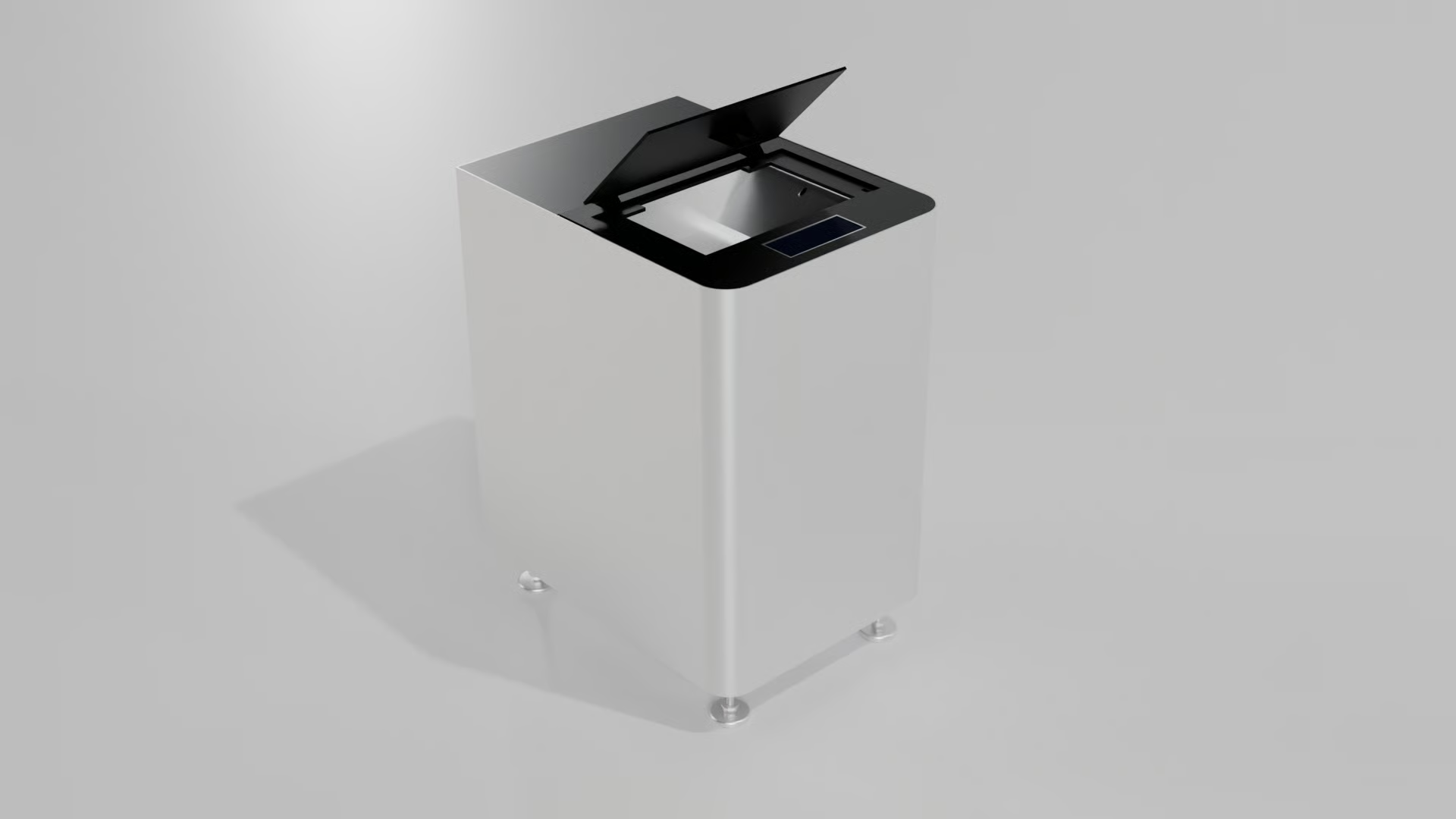
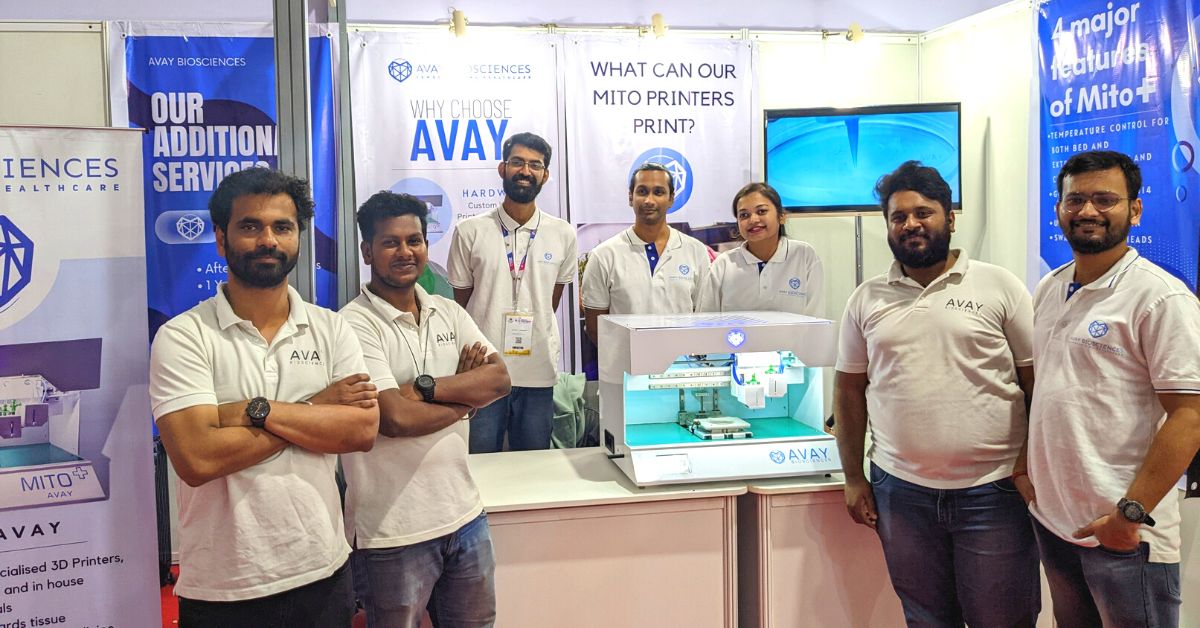
Avay Biosciences has built MITO Plus, a Made-in-India 3D bioprinter that prints living human tissue using bioinks made of cells and biomaterials. These lab-grown tissues aid drug testing, cancer research, and burn treatment, with collaborations from IIT Madras, ICT Mumbai, and BITS Goa. 70% locally manufactured, MITO Plus puts India at the forefront of bioprinting and regenerative medicine.
Share



Sector

Solution

Technology

State of Origin
Impact Metrics
25 printers sold
across India , South Korea, and the European Union.
Reduced cost barrier
for medical research infrastructure.
Supports ethical alternatives
to animal testing.
Resources to Replicate This Idea
BUILD YOUR OWN INTERVENTION
Additional Research
How can I implement this innovation effectively?
How is this innovation being adopted around the world?
Where else could this innovation make an impact?
Who has seen real results from using this innovation?
What insights do experts share about this innovation?
What policies support or influence this innovation?
How could this innovation evolve in the future?
Is this innovation accessible and inclusive for everyone?
How can I contribute to or participate in this innovation?
What resources can help me explore this innovation further?
Driving Indigenous Innovation: Lessons from Avay Biosciences’ Bio 3D Printer Rollout
The successful development and deployment of India’s first homegrown bio 3D printer by Avay Biosciences offers a compelling case study in translating advanced biotechnology from lab to market within the Indian context. This journey underscores the importance of affordability, indigenous manufacturing, modularity, and policy alignment—factors that are critical for sustainable technology adoption in India’s biomedical research ecosystem. Drawing on real-world pilots, institutional partnerships, and expert perspectives, the implementation of this technology reveals both the opportunities and the challenges inherent in building a self-reliant, innovative biotech sector.
Affordability and Indigenous Manufacturing: Lowering Barriers, Building Ecosystems
Historically, the high cost of imported bioprinting equipment—often exceeding ₹50 lakh—has been a significant barrier for Indian research institutions and startups. Avay Biosciences tackled this challenge by adopting open-source hardware designs and sourcing components locally, resulting in a bio 3D printer that is both affordable and robust. This approach not only democratizes access to cutting-edge tissue engineering tools but also stimulates domestic manufacturing, aligning with the Atmanirbhar Bharat Abhiyan’s vision of technological self-reliance. According to Siddharth Nair, founder of Avay Biosciences, “Reducing costs through indigenous design has enabled smaller labs and startups to participate in advanced biomedical research, a shift that was previously unimaginable.”
Customization and Modularity: Adapting to India’s Diverse Research Landscape
India’s research institutions vary widely in their priorities and resources. Avay’s modular, customizable bioprinter design allows users to tailor features for specific applications, from regenerative medicine to pharmaceutical testing. For instance, the printer’s open architecture enables integration with liquid handling automation for high-throughput drug screening, a feature piloted in collaboration with IIT Madras and VIT. This flexibility is crucial for Indian institutions, where research goals and funding can differ dramatically across regions. As Prof. Shalini Gupta of IIT Madras notes, “Customizable platforms empower researchers to innovate locally, addressing unique health challenges and accelerating translational research.”
Institutional Partnerships and Pilot Deployments: Building Trust and Capacity
Strategic collaborations with leading academic incubators—such as those at IIT Madras and VIT—have been instrumental in validating and refining Avay’s technology. These partnerships provide iterative feedback loops, facilitate user training, and help establish credibility within the scientific community. Pilot deployments, supported by grants from BIRAC and Startup India, have enabled real-world testing in both academic and clinical settings. Notably, Avay’s printers have been adopted by research labs in Bengaluru and pharmaceutical startups in Hyderabad, as well as exported to South Korea and the European Union, demonstrating both domestic and international competitiveness.
Ethical, Regulatory, and Policy Alignment: Navigating the Path to Adoption
The bio 3D printer’s ability to produce in-vitro tissue models offers a humane alternative to animal testing, aligning with global and national ethical standards. This ethical advantage may expedite regulatory approvals and enhance public acceptance—key hurdles in biomedical technology adoption. However, India’s regulatory framework for bioprinting remains fragmented, relying on general provisions under the Drugs and Cosmetics Act and biomedical research guidelines. Experts such as Dr. Raghunath Mashelkar, former Director General of CSIR, advocate for streamlined, biotech-specific regulatory pathways to accelerate clinical translation while safeguarding ethical standards.
Challenges and Forward-Looking Recommendations: Scaling for Impact
Despite notable progress, several challenges persist. Regulatory ambiguity, limited access to early-stage financing, and low awareness among potential users can impede broader adoption. Additionally, expanding outreach to Tier 2 and 3 cities, promoting gender and social equity in biotech entrepreneurship, and fostering international collaborations will be crucial for scaling impact.
In sum, the implementation of Avay Biosciences’ bio 3D printer illustrates how context-sensitive innovation, institutional collaboration, and policy alignment can drive the adoption of transformative technologies in India’s biomedical sector.
Charting the Global Landscape: Bio 3D Printing in Comparative Perspective
Bio 3D printing stands at the confluence of biotechnology, engineering, and healthcare, rapidly transforming the contours of regenerative medicine and tissue engineering worldwide. As India’s homegrown innovators like Avay Biosciences make significant strides, understanding global trajectories—spanning regulatory frameworks, public health integration, and commercialization models—offers critical lessons for shaping India’s policy and innovation ecosystem. This section dissects leading international approaches, highlights policy parallels, and draws actionable insights for India’s burgeoning bio 3D printing sector.
United States: Regulatory Rigor and Translational Acceleration
The United States remains a global epicenter for bio 3D printing, propelled by robust federal funding and a well-defined regulatory environment. Institutions such as the Wake Forest Institute for Regenerative Medicine have pioneered breakthroughs in organ and tissue printing, supported by agencies like the National Institutes of Health (NIH) and the Defense Advanced Research Projects Agency (DARPA). These agencies channel substantial grants into translational research, bridging the gap between laboratory innovation and clinical application.
A defining feature of the U.S. model is its regulatory clarity. The Food and Drug Administration (FDA) has issued detailed guidance on bioprinted medical products, delineating pathways for clinical trials and product approvals. For instance, the FDA’s framework for additive manufactured medical devices has enabled companies like Organovo to initiate clinical studies on bioprinted liver tissue for drug toxicity testing. This regulatory predictability accelerates the adoption of novel therapies while safeguarding patient safety—a balance India is actively seeking to emulate.
Europe: Integrating Ethics, Funding, and Public Health
Europe’s approach is characterized by a strong emphasis on ethical oversight, patient safety, and public sector involvement. The European Union’s Horizon Europe program earmarks significant funding for regenerative medicine and bioprinting, with a focus on responsible research and innovation. Countries like Germany and the UK have embedded bioprinting into their national biomedical strategies.
A notable example is the UK’s National Health Service (NHS), which is piloting bioprinted skin grafts and cartilage implants for personalized medicine. These initiatives underscore the role of public healthcare systems in technology adoption, offering a template for India’s government hospitals to integrate advanced biotechnologies. European regulatory bodies, such as the European Medicines Agency (EMA), also enforce rigorous ethical and safety standards, ensuring public trust in emerging therapies.
South Korea: Commercialization and Startup Ecosystem
South Korea exemplifies rapid commercialization, driven by synergistic government-industry-academia collaboration. The government’s proactive funding schemes and innovation hubs have nurtured startups like CELLINK, which specialize in bio-inks and tissue scaffolds. South Korean research institutions have successfully translated laboratory advances into market-ready products, with applications ranging from drug screening to reconstructive surgery.
This commercialization focus is reinforced by targeted government grants and streamlined regulatory processes, enabling startups to scale swiftly. India’s own innovation ecosystem, supported by initiatives such as Startup India and BIRAC, mirrors this approach, though with a stronger emphasis on affordability and indigenous manufacturing.
Comparative Policy Models: India’s Distinctive Approach
India’s bio 3D printing landscape is shaped by mission-driven innovation, cost-effectiveness, and self-reliance. Unlike the regulation-intensive, funding-heavy models of the U.S. and Europe, India leverages a flexible, startup-friendly environment. Programs like Startup India and the Biotechnology Industry Research Assistance Council (BIRAC) provide funding, mentorship, and incubation, empowering startups to iterate rapidly and address local healthcare needs.
However, regulatory ambiguity remains a challenge. While the U.S. and Europe offer clear approval pathways, India’s oversight is currently fragmented, relying on broader biomedical research and medical device regulations. Indian policymakers are increasingly aware of the need for dedicated frameworks to streamline clinical translation and ensure ethical compliance.
Lessons and Opportunities for India
Regulatory Clarity and Clinical Integration: Indian experts, such as Dr. Raghunath Mashelkar (former Director General, CSIR), advocate for the creation of clear regulatory guidelines tailored to bioprinting. “A transparent, science-driven regulatory framework will catalyze clinical adoption and global competitiveness,” he notes.
Public Health System Leverage: Drawing from the NHS model, integrating bioprinting into India’s public hospitals could democratize access to regenerative therapies. Pilot programs in Tamil Nadu’s government hospitals, exploring bioprinted skin grafts for burn victims, exemplify this potential.
International Collaboration: Indian institutions are increasingly engaging in global partnerships for knowledge exchange and co-development. BIRAC’s international collaboration programs and participation in EU-funded consortia are strengthening India’s capabilities and global visibility.
Ethical and Social Considerations: Indian policymakers are keenly aware of the need to balance innovation with ethical responsibility. The integration of ethical review boards and patient safety protocols, as seen in Europe, is gradually being adopted in Indian research institutions.
Conclusion:
India’s bio 3D printing sector is poised to benefit from a nuanced synthesis of global best practices and indigenous innovation. By prioritizing regulatory clarity, leveraging public healthcare infrastructure, and fostering international collaboration, India can accelerate the translation of bio 3D printing from research labs to real-world impact—positioning itself as a leader in accessible, affordable biotechnology for the Global South.
Unlocking the Spectrum: Bio 3D Printing’s Expanding Footprint in India
Bio 3D printing, once confined to the realm of tissue engineering, is rapidly transforming a diverse range of sectors in India. From revolutionizing pharmaceutical research to reshaping medical education and advancing ethical testing, this technology is catalyzing innovation across the country’s scientific and industrial landscape. Its integration into Indian policy frameworks and real-world applications underscores its growing relevance and potential for societal impact.
Accelerating Pharmaceutical Innovation: In-Vitro Drug Testing
Bio 3D printing is redefining preclinical drug development in India by enabling the creation of physiologically relevant tissue models for in-vitro testing. Avay Biosciences, an Indian startup, has developed bioprinters that are now being utilized by pharmaceutical companies and contract research organizations (CROs) for drug screening and toxicity studies. This approach not only reduces the ethical and logistical challenges associated with animal testing but also enhances the predictive accuracy of drug responses in human tissues.
For instance, a Hyderabad-based pharmaceutical startup leveraged Avay’s technology to test new drug formulations on bioprinted liver tissues, significantly improving toxicity assessment and expediting the drug development process. These advancements align with India’s National Biotechnology Development Strategy (2021-2025), which emphasizes affordable, ethical, and efficient healthcare innovation.
Transforming Education and Research: Building India’s Biotech Talent
Academic and research institutions are pivotal in fostering bio 3D printing innovation. Premier institutes such as IIT Madras and VIT have incubated startups like Avay Biosciences, exemplifying the synergy between academia and industry. Bio 3D printing is increasingly embedded in biotechnology curricula, equipping students with hands-on experience in advanced tissue engineering and biomaterials research.
Dr. Shalini Gupta, a professor at IIT Madras, notes, “Integrating bioprinting into our academic programs not only prepares students for emerging careers but also stimulates interdisciplinary research, from bioinformatics to regenerative medicine.” This educational focus is crucial for developing a skilled workforce capable of driving India’s bioeconomy. The proliferation of affordable bioprinters in university labs democratizes access to cutting-edge research tools, previously limited by high import costs.
Pioneering Regenerative Medicine: From Bench to Bedside
Although clinical applications of bio 3D printing in India are still in their early stages, the technology’s potential in regenerative medicine is increasingly recognized. Pilot programs in government hospitals, particularly in Tamil Nadu, are exploring the use of bioprinted skin grafts for burn victims—a critical need in a country with high rates of burn injuries. These initiatives aim to improve patient outcomes while reducing treatment costs.
Looking ahead, bio 3D printing could enable the production of patient-specific cartilage for orthopedic repairs and organoids for disease modeling, paving the way for personalized medicine. The Indian Council of Medical Research (ICMR) is actively evaluating regulatory pathways for the clinical translation of bioprinted tissues, reflecting the government’s commitment to safe and ethical innovation.
Advancing Ethical and Cosmetic Testing: Meeting Global Standards
India’s bio 3D printing sector is also contributing to the ethical transformation of cosmetic and chemical safety testing. The use of bioprinted human tissue models offers a viable alternative to animal testing, supporting Indian manufacturers in meeting international cruelty-free certification requirements. This shift is in line with India’s commitments under the Bureau of Indian Standards and international protocols, enhancing the global competitiveness of Indian cosmetic brands.
Policy Integration and Institutional Support: Catalyzing Growth
The rapid adoption of bio 3D printing in India is underpinned by robust policy support and institutional frameworks. Initiatives like Atmanirbhar Bharat Abhiyan and Startup India incentivize indigenous technology development, while BIRAC provides funding, incubation, and mentorship to biotech startups. These policies are instrumental in reducing import dependence and fostering a self-reliant biotech sector.
BIRAC’s targeted schemes have enabled startups such as Avay Biosciences to scale R&D and commercialization efforts, while the National Biotechnology Development Strategy prioritizes infrastructure, skill-building, and ethical research practices. Regulatory clarity, particularly regarding the clinical use of bioprinted tissues, remains an area for further development, with ongoing consultations involving the Drugs Controller General of India (DCGI) and other stakeholders.
—
Bio 3D printing’s related applications in India are not only expanding the frontiers of science and industry but are also shaping a more ethical, inclusive, and globally competitive innovation ecosystem. As policy, research, and industry continue to converge, the technology’s transformative impact is set to deepen across healthcare, education, and beyond.
Stories of Transformation: How Bio 3D Printing is Reshaping India’s Innovation Landscape
Bio 3D printing is no longer a distant frontier—it is actively transforming lives and research across India. From academic breakthroughs to life-saving medical interventions, the technology’s impact is best understood through real-world stories. These narratives, grounded in Indian policy and practice, reveal how indigenous innovation is democratizing access to advanced biotechnology, fostering inclusivity, and accelerating the nation’s bioeconomy.
Catalyzing Academic Research: Bengaluru’s Leap in Tissue Engineering
At the heart of India’s research revolution is the story of Dr. Anjali Rao, a tissue engineering scientist at a leading Bengaluru university. Leveraging Avay Biosciences’ indigenous bio 3D printer, Dr. Rao’s lab has developed patient-specific cancer tissue models, a feat previously reliant on prohibitively expensive imported equipment. This shift has enabled rapid, cost-effective drug screening, reducing barriers for Indian researchers and aligning with the National Biotechnology Development Strategy’s emphasis on affordable innovation. As Dr. Rao notes, “Access to homegrown bioprinting tools has allowed us to pursue research questions that were once out of reach, putting Indian labs on the global map for cancer research.”
Accelerating Drug Discovery: Hyderabad’s Pharmaceutical Startups
In Hyderabad, a burgeoning pharmaceutical startup ecosystem is harnessing bio 3D printing to revolutionize drug development. One such startup used Avay’s printer to fabricate bioprinted liver tissues, enabling more accurate toxicity assessments for novel drug formulations. This approach has shortened preclinical testing timelines and attracted significant investor interest, demonstrating the commercial viability of indigenous biotech solutions. The Biotechnology Industry Research Assistance Council (BIRAC) has played a pivotal role by providing funding and mentorship. This synergy between policy support and entrepreneurial innovation exemplifies India’s commitment to fostering a globally competitive biotech sector.
Pioneering Clinical Applications: Bioprinted Skin Grafts in Tamil Nadu
While clinical adoption of bio 3D printing is still emerging, pilot programs in Tamil Nadu’s government hospitals are breaking new ground. Supported by state health departments, these initiatives are exploring bioprinted skin grafts for burn victims—a critical need in a country with high rates of burn injuries. Early results indicate reduced treatment costs and improved recovery outcomes. These pilots underscore the potential for bio 3D printing to bridge gaps in India’s public health infrastructure and deliver affordable, patient-centric care.
Empowering Women and Grassroots Innovators: Inclusive Biotech Ecosystems
The ripple effects of indigenous bioprinting innovation extend beyond laboratories and clinics. Inspired by the entrepreneurial journey of Siddharth Nair, founder of Avay Biosciences, women-led biotech startups in Chennai and Pune are entering the field, supported by initiatives like BIRAC’s Women Biotech Entrepreneurs program. NGOs such as the Centre for Cellular and Molecular Platforms (C-CAMP) have documented how affordable bioprinting tools empower grassroots researchers and clinicians, fostering locally relevant solutions to healthcare challenges. These developments are crucial for building a diverse and inclusive biotechnology ecosystem.
Expert Perspectives: Indian Leaders Shaping the Future
Indian experts and institutions offer nuanced insights into the opportunities and challenges of bio 3D printing. Siddharth Nair emphasizes the transformative impact of affordability and indigenous design, advocating for enhanced government support to scale manufacturing and integrate bioprinting into mainstream research. Dr. Raghunath Mashelkar, former Director General of CSIR, frames bio 3D printing as a strategic asset for India’s bioeconomy, calling for policy frameworks that balance innovation with ethical oversight. Prof. Shalini Gupta of IIT Madras highlights the critical role of academic incubators and interdisciplinary funding in nurturing startups, while BIRAC officials stress the need for regulatory clarity and international collaboration to unlock export potential. Collectively, these perspectives underscore the importance of coordinated policy, investment, and capacity-building to sustain India’s leadership in bioprinting innovation.
—
These impact stories illustrate the multifaceted influence of bio 3D printing across India’s research, healthcare, and entrepreneurial landscapes. Grounded in policy and propelled by local ingenuity, these narratives offer a blueprint for harnessing advanced biotechnology to address national priorities and global challenges.
Voices Shaping India’s Bio 3D Printing Revolution
India’s journey in bio 3D printing is being charted by a dynamic cohort of scientists, entrepreneurs, and policy architects. Their perspectives reflect both the promise and the complexity of embedding this transformative technology within India’s healthcare and innovation ecosystems. Drawing on the expertise of leading figures and institutions, this section delves into the critical factors influencing the sector’s trajectory—from affordability and workforce development to regulatory clarity and global competitiveness.
Democratizing Bioprinting: Affordability and Indigenous Innovation
Siddharth Nair, founder of Avay Biosciences, underscores the pivotal role of affordability and indigenous design in making bioprinting accessible across India. “For bio 3D printing to truly impact Indian healthcare, the technology must be both affordable and tailored to local needs,” Nair asserts. Avay Biosciences’ development of India’s first homegrown bioprinter exemplifies this ethos, reducing dependence on expensive imports and enabling broader adoption in research and clinical settings.
Nair advocates for robust government support to scale manufacturing and integrate bioprinting into mainstream biomedical research. He points to the Biotechnology Industry Research Assistance Council (BIRAC) as a key enabler, noting that targeted grants and incubation support have been instrumental in Avay’s R&D and commercialization efforts.
Policy, Ethics, and Public-Private Synergy
Dr. Raghunath Mashelkar, former Director General of the Council of Scientific and Industrial Research (CSIR), frames bio 3D printing as a cornerstone for India’s bioeconomy. He calls for policy frameworks that not only incentivize innovation but also uphold rigorous ethical standards. “India must strike a balance between fostering rapid technological advancement and ensuring that ethical boundaries are respected,” Mashelkar notes in a recent policy forum.
He highlights the necessity of public-private partnerships to drive commercialization and scale. The National Biotechnology Development Strategy (2021–2025) echoes this sentiment, prioritizing collaborative models to accelerate the translation of laboratory breakthroughs into market-ready solutions. Mashelkar’s advocacy has contributed to the inclusion of bio 3D printing in national policy dialogues, emphasizing both opportunity and responsibility.
Building Talent Pipelines: Academia’s Role in Bioprinting
Prof. Shalini Gupta of IIT Madras emphasizes the transformative impact of academic incubators in nurturing bioprinting startups. “Interdisciplinary research and entrepreneurial support within academic institutions are vital for seeding innovation,” she explains. IIT Madras’ incubation ecosystem has played a crucial role in the emergence of ventures like Avay Biosciences, offering mentorship, infrastructure, and access to collaborative networks.
Gupta calls for increased interdisciplinary research funding and curriculum reforms to address the growing demand for skilled professionals in bioprinting and regenerative medicine. She cites the need for integrating hands-on bioprinting modules into biomedical engineering and life sciences programs, preparing graduates for both research and industry roles.
Regulatory Clarity and International Collaboration
Officials at BIRAC highlight that bio 3D printing aligns closely with the National Biotechnology Development Strategy’s goals of affordable healthcare and export potential. However, they caution that regulatory ambiguity remains a barrier. “Clear, dedicated regulatory pathways for bioprinted products are essential to ensure safety, efficacy, and ethical compliance,” a senior BIRAC official notes.
Currently, oversight is provided under the Drugs and Cosmetics Act and biomedical research guidelines, but these frameworks are not tailored to the unique challenges of bioprinting. BIRAC advocates for the development of specific regulations and standards, drawing on global best practices and fostering international collaboration.
India’s Global Ambitions and Export Potential
Indian experts agree that the country is well-positioned to become a global leader in accessible bioprinting solutions. By leveraging its strengths in frugal engineering and modular design, India can address the needs of emerging markets in Asia, Africa, and Latin America. The export of affordable, high-quality bioprinters could significantly boost India’s biotech footprint worldwide.
BIRAC’s international partnerships and participation in global consortia are already opening new avenues for technology transfer and market access. As Siddharth Nair observes, “India’s unique approach—combining affordability with innovation—can set new benchmarks for bioprinting adoption in resource-constrained settings.”
Catalyzing India’s Bio 3D Printing Revolution: Policy Foundations and Strategic Initiatives
India’s policy ecosystem is rapidly evolving to nurture indigenous innovation in biotechnology, with a particular emphasis on emerging fields such as bio 3D printing. Strategic government initiatives, targeted funding mechanisms, and evolving regulatory frameworks are collectively shaping a robust environment for research, commercialization, and societal impact. This section dissects the core policy instruments, their real-world implications, and expert perspectives that are driving the growth of bio 3D printing in India.
Atmanirbhar Bharat and the Push for Indigenous Biotech Manufacturing
The Atmanirbhar Bharat Abhiyan (Self-Reliant India Mission) has become a cornerstone of India’s drive to reduce technological import dependence, especially in critical sectors like biotechnology. By prioritizing domestic manufacturing and innovation, the initiative has spurred startups such as Avay Biosciences to develop homegrown bio 3D printing technologies. According to Dr. Renu Swarup, former Secretary of the Department of Biotechnology (DBT), “India’s self-reliance in biotechnology is not just about manufacturing, but about creating a pipeline of innovation that addresses local and global health challenges.” The policy’s focus on strategic sectors has translated into increased funding, infrastructure support, and preferential procurement for Indian biotech firms, directly impacting the growth trajectory of indigenous bioprinting solutions.
National Biotechnology Development Strategy: Infrastructure, Ethics, and Partnerships
The National Biotechnology Development Strategy (2021–2025) provides a comprehensive roadmap for advancing affordable healthcare, indigenous manufacturing, and ethical research practices. It emphasizes the creation of world-class infrastructure—such as bio-incubators and shared research facilities—and the development of skilled human capital through specialized training programs. The strategy also encourages public-private partnerships, exemplified by collaborations between academic institutions like IIT Madras and startups working on bioprinting. Notably, the strategy’s ethical framework ensures that innovations in bio 3D printing adhere to rigorous standards for safety, consent, and social responsibility, setting a benchmark for responsible research and commercialization.
BIRAC and Startup India: Accelerating Innovation and Market Access
The Biotechnology Industry Research Assistance Council (BIRAC), an initiative of DBT, has emerged as a key enabler for biotech startups. Through funding schemes such as the Biotechnology Ignition Grant (BIG) and the BioNEST incubation network, BIRAC offers financial support, mentorship, and access to state-of-the-art facilities. Avay Biosciences, for instance, has leveraged BIRAC’s support to advance R&D and scale its bioprinting technologies. Complementing this, the Startup India program provides regulatory relaxations, tax incentives, and networking opportunities, fostering a vibrant entrepreneurial ecosystem. These initiatives have collectively lowered entry barriers and accelerated the commercialization of bio 3D printing innovations in India.
Regulatory Landscape: Navigating Oversight and Future Directions
India’s regulatory framework for bio 3D printing is currently evolving. While there are no dedicated regulations for bioprinting, oversight is provided through existing statutes such as the Drugs and Cosmetics Act and guidelines for biomedical research. The Indian Council of Medical Research (ICMR) has issued ethical guidelines that partially address the use of bioprinted tissues in research and clinical settings. However, experts like Dr. S. Venkatesh, Director of the Central Drugs Standard Control Organization (CDSCO), acknowledge the need for “clear, technology-specific regulations that balance innovation with patient safety and ethical compliance.” Policymakers are actively consulting stakeholders to develop frameworks that streamline approvals and facilitate responsible growth in the sector.
Synergies with AI and Digital Missions: Building a Future-Ready Ecosystem
The IndiaAI Mission, though primarily focused on artificial intelligence, plays a pivotal role in supporting bio 3D printing innovation. By investing in AI infrastructure, innovation centers, and startup financing, the mission enables the integration of automation and data-driven design into bioprinting workflows. This synergy is evident in projects where AI-driven modeling accelerates tissue engineering and drug discovery, as seen in collaborations between Avay Biosciences and leading research institutes. The convergence of AI and biotechnology is further reinforced by digital literacy initiatives, such as the National Digital Literacy Mission, which aim to democratize access to advanced technologies across India’s diverse regions.
Expert Perspectives: Charting India’s Bioprinting Policy Trajectory
Indian thought leaders consistently highlight the importance of a holistic policy approach. Dr. Taslimarif Saiyed, CEO of C-CAMP (Centre for Cellular and Molecular Platforms), notes, “India’s strength lies in its ability to combine grassroots innovation with world-class research infrastructure. Policy support must continue to bridge gaps in funding, regulation, and talent development to realize the full potential of bio 3D printing.” The ongoing evolution of India’s biotech policy landscape—anchored in inclusivity, ethical rigor, and global competitiveness—positions the country as a future leader in accessible and impactful bioprinting technologies.
Charting the Next Frontier: India’s Bio 3D Printing Revolution
India’s bio 3D printing sector stands at a transformative crossroads, with the potential to redefine healthcare, research, and industry on both national and global scales. As the country leverages its strengths in affordable innovation, robust policy support, and a burgeoning talent pool, the coming years could see bio 3D printing evolve from niche research to a cornerstone of mainstream medical and biotechnological practice. This section explores the future possibilities for bio 3D printing in India, drawing on current research, policy initiatives, and expert insights to map the road ahead.
Personalized Regenerative Medicine: From Bench to Bedside
The promise of patient-specific tissue and organ fabrication is no longer the stuff of science fiction. Indian research institutions, such as the Indian Institute of Science (IISc) and IIT Madras, are pioneering advances in bio-inks and scaffold materials that could soon enable the printing of functional tissues tailored to individual patients. For instance, Avay Biosciences, a Bengaluru-based startup, has developed modular bioprinters capable of producing cartilage and skin tissues for preclinical studies.
These innovations directly address India’s chronic shortage of organ donors—over 500,000 Indians die annually due to organ failure. By enabling the production of transplantable tissues, bio 3D printing could dramatically reduce waiting times and improve survival rates. The Indian Council of Medical Research (ICMR) is currently drafting guidelines for the clinical translation of bioprinted tissues, signaling a policy shift towards integrating these technologies into mainstream healthcare.
AI-Driven Automation and Accelerated Drug Discovery
The integration of artificial intelligence and automation with bio 3D printing is set to revolutionize biomedical research and pharmaceutical development. Startups like Avay Biosciences are already harnessing AI-driven design algorithms to optimize tissue constructs and automate liquid handling, significantly increasing throughput and precision in drug screening workflows.
This convergence is particularly relevant for India’s pharmaceutical sector, which supplies over 20% of the world’s generic medicines. By adopting AI-enabled bioprinting platforms, Indian pharma companies can expedite preclinical testing, reduce reliance on animal models, and enhance the predictive accuracy of drug efficacy studies.
Democratizing Healthcare: Scaling in Public Institutions
Expanding bio 3D printing beyond elite research labs to government medical colleges and public hospitals is critical for equitable healthcare access. The Ministry of Health and Family Welfare has initiated pilot programs to deploy bioprinters in select All India Institutes of Medical Sciences (AIIMS), aiming to provide regenerative therapies and ethical alternatives to animal testing in public health settings.
Such initiatives align with India’s universal healthcare goals under Ayushman Bharat, which seeks to make advanced medical technologies accessible to all citizens, regardless of socio-economic status.
Exporting Affordable Innovation: India’s Global Biotech Footprint
India’s reputation for frugal engineering positions it as a potential leader in exporting affordable, modular bio 3D printers to emerging markets across Asia, Africa, and Latin America. Companies like Pandorum Technologies and Avay Biosciences are already fielding inquiries from international research centers seeking cost-effective alternatives to Western bioprinters.
The government’s Make in India initiative and the Department of Commerce’s export promotion schemes are supporting this outward push, aiming to capture a share of the projected $4.4 billion global bioprinting market by 2027.
Building a Robust R&D and Regulatory Ecosystem
Sustained progress in bio 3D printing hinges on interdisciplinary research, skill development, and adaptive regulatory frameworks. The Biotechnology Industry Research Assistance Council (BIRAC) has launched targeted funding calls for bioprinting startups, while the National Skill Development Corporation (NSDC) is piloting training modules for bioprinting technicians.
International collaborations are fostering knowledge exchange and accelerating innovation. Meanwhile, the Central Drugs Standard Control Organization (CDSCO) is working with academic experts to draft regulatory pathways for bioprinted medical products, ensuring safety without stifling innovation.
—
India’s bio 3D printing landscape is rapidly evolving, driven by a confluence of scientific ingenuity, policy momentum, and entrepreneurial spirit. By strategically investing in research, fostering inclusive access, and nurturing global partnerships, India is well-positioned to lead the next wave of biotechnological innovation—transforming lives at home and abroad.
Bridging the Divide: Advancing Accessibility in Bio 3D Printing Across India
India’s journey toward bio 3D printing innovation is marked by both promise and challenge. As this transformative technology reshapes biomedical research, healthcare, and manufacturing, ensuring equitable access becomes a national imperative. The country’s vast socio-economic diversity—spanning urban metropolises to rural heartlands—demands intentional strategies to democratize bio 3D printing. Accessibility considerations must address not only geographic and economic barriers, but also issues of gender, digital literacy, and social inclusion. Drawing on policy frameworks, real-world initiatives, and expert perspectives, this section explores how India can foster broad-based participation in the bio 3D printing revolution.
Expanding Infrastructure Beyond Urban Hubs
A persistent challenge in India’s technology landscape is the concentration of advanced infrastructure in metropolitan areas. The IndiaAI Mission, with its targeted expansion of AI education and laboratories into Tier 2 and Tier 3 cities, offers a replicable model for biotech. For instance, the establishment of regional bio-innovation centers equipped with affordable bio 3D printers—such as those piloted in states like Karnataka and Telangana—has begun to bridge the urban-rural divide. According to Dr. S. Chandrasekaran of the Indian Institute of Science, “Decentralizing access to bioprinting tools is essential for nurturing local talent and addressing region-specific healthcare needs.”
Promoting Gender and Social Inclusion in Biotech
Despite significant progress, women and marginalized communities remain underrepresented in India’s biotech sector. The Biotechnology Industry Research Assistance Council (BIRAC) has responded with targeted initiatives such as the Women Biotech Entrepreneurs program, which provides mentorship, funding, and networking opportunities for women-led startups. In 2023, the program supported over 50 women entrepreneurs, many from Scheduled Castes and Scheduled Tribes, to launch ventures in biofabrication and regenerative medicine. Social inclusion is further advanced through partnerships with organizations like the Dalit Indian Chamber of Commerce and Industry (DICCI), which advocates for greater representation of marginalized groups in high-tech entrepreneurship.
Digital Literacy and Localized Training
Digital and technological inclusion is a cornerstone of accessibility. Many rural and semi-urban populations face barriers related to digital literacy, language, and familiarity with advanced equipment. The National Digital Literacy Mission (NDLM) has made significant strides, training over 60 million individuals in basic digital skills. Building on this, several state governments have launched localized training modules for bio 3D printing, delivered in regional languages and tailored to local contexts. For example, the Tamil Nadu Biotechnology Policy 2022 mandates the integration of vernacular training resources for emerging technologies. User-friendly interfaces on bioprinters—developed in collaboration with Indian startups like Avay Biosciences—further enhance usability for non-specialist users.
Policy Frameworks Supporting Equitable Access
Robust policy support underpins efforts to democratize bio 3D printing. Schemes such as the Atal Innovation Mission and the National Initiative for Developing and Harnessing Innovations (NIDHI) offer funding, incubation, and skill development opportunities across the country. The Department of Biotechnology’s BioNEST program has established over 50 bioincubators, many in non-metro locations, providing access to advanced equipment and mentorship. In addition, the National Education Policy (NEP) 2020 emphasizes experiential learning and STEM education, laying the groundwork for early exposure to biotechnologies.
Expert Perspectives: Indian Voices on Inclusive Innovation
Indian experts consistently highlight the importance of context-driven, community-oriented approaches to accessibility. Professor Anita Gupta, Senior Adviser at the Department of Science and Technology, asserts, “We must move from a top-down model to one that empowers local innovators and addresses grassroots challenges.” The Indian Institute of Technology Madras, through its Center for Innovation, has pioneered outreach programs that bring bio 3D printing demonstrations to government schools and rural colleges, inspiring the next generation of scientists.
In summary, accessibility in bio 3D printing is not a singular challenge, but a multidimensional endeavor requiring coordinated action. By expanding infrastructure, fostering diversity, enhancing digital literacy, and enacting supportive policies, India can ensure that the benefits of bio 3D printing reach all segments of society—fueling both scientific progress and social equity.
Unlocking India’s Bio 3D Printing Revolution: Pathways for Meaningful Participation
India’s bio 3D printing sector is rapidly evolving, offering diverse opportunities for citizens, researchers, entrepreneurs, and communities to actively shape its future. From academic engagement to grassroots initiatives, the landscape is enriched by targeted policies, institutional support, and a growing ecosystem of innovators. Understanding these participation avenues is essential for harnessing the full potential of bio 3D printing to address healthcare, research, and industrial challenges in India.
Academic Integration and Collaborative Research
Academic institutions are at the forefront of bio 3D printing innovation, providing structured pathways for student and faculty engagement. Leading universities such as the Indian Institute of Technology Madras (IIT Madras) and the Indian Institute of Science (IISc) Bengaluru have established dedicated biofabrication labs and incubators. For example, IIT Madras’s Centre for Innovation (CFI) regularly collaborates with startups like Avay Biosciences, offering internships, joint research projects, and hackathons focused on tissue engineering and regenerative medicine.
The Department of Biotechnology (DBT) and the Biotechnology Industry Research Assistance Council (BIRAC) actively fund academic-industry partnerships, fostering translational research. According to Dr. S. Sivaram, former Director of the National Chemical Laboratory, “Interdisciplinary collaboration between academia and industry is crucial for advancing bio 3D printing from the lab to the clinic.” These initiatives not only enhance technical skills but also expose participants to real-world challenges and commercialization pathways.
Startup Ecosystems and Entrepreneurial Support
India’s robust startup ecosystem provides fertile ground for bio 3D printing entrepreneurs. Government-backed programs such as Startup India and BIRAC’s Biotechnology Ignition Grant (BIG) scheme offer early-stage funding, mentorship, and regulatory guidance. The Atal Innovation Mission (AIM) further supports biotech startups through Atal Incubation Centres, which provide access to advanced prototyping facilities and business development resources.
Notably, Pune-based Avay Biosciences and Bengaluru’s Next Big Innovation Lab have leveraged these platforms to develop indigenous bioprinters and customized tissue scaffolds. Participation in sector-specific accelerators, such as the C-CAMP BioIncubator, enables startups to network with investors, clinicians, and global partners, accelerating the journey from proof-of-concept to market-ready solutions. The government’s emphasis on “Make in India” further incentivizes local manufacturing and innovation in this domain.
Public Awareness, Education, and Skill Development
Widespread understanding of bio 3D printing is essential for its responsible adoption. Educational outreach initiatives—ranging from school-level workshops to public lectures—are increasingly organized by institutions like the All India Institute of Medical Sciences (AIIMS) and non-profits such as the India STEM Foundation. These programs demystify bio 3D printing, highlighting its applications in personalized medicine, prosthetics, and drug testing.
The National Education Policy (NEP) 2020 underscores the integration of emerging technologies into curricula, encouraging interdisciplinary learning and research. Online platforms, including NPTEL and SWAYAM, now offer specialized courses on biofabrication and biomedical engineering, expanding access to technical knowledge. As Dr. Sujata Mohanty of AIIMS Delhi notes, “Building public literacy around bio 3D printing is vital for ethical discourse and informed policy-making.”
Community Participation and Grassroots Innovation
Beyond formal institutions, community-driven initiatives play a pivotal role in democratizing bio 3D printing. NGOs and citizen science groups, such as the Open Source Pharma Foundation, invite volunteers to participate in outreach, data collection, and pilot projects. These grassroots efforts facilitate technology diffusion in underserved regions and foster inclusive innovation.
For example, the Tata Trusts-supported India Health Fund has piloted community-based projects that utilize 3D-printed medical devices in rural clinics, demonstrating the technology’s potential to address local healthcare gaps. Volunteer-driven hackathons and maker spaces, like those organized by Maker’s Asylum in Mumbai, provide hands-on experience with bioprinting tools, nurturing a culture of experimentation and problem-solving.
Financial Participation and Crowdsourced Innovation
Financial support mechanisms are increasingly accessible to individuals and communities eager to back bio 3D printing ventures. The BIG scheme by BIRAC, as well as crowdfunding platforms such as Ketto and Milaap, enable citizens to directly fund promising research and startups. This democratization of funding not only accelerates innovation but also fosters public ownership of technological advancements.
A notable example is the successful crowdfunding campaign by Pandorum Technologies, which raised funds for developing 3D-printed corneal tissue prototypes. Such initiatives exemplify how collective financial participation can bridge resource gaps and propel high-impact projects from concept to reality.
—
India’s bio 3D printing landscape thrives on active participation across academic, entrepreneurial, and community spheres. By leveraging targeted policies, institutional frameworks, and grassroots engagement, stakeholders can collectively drive innovation, ensuring that the benefits of bio 3D printing are accessible, ethical, and impactful for all.
Avay Biosciences launches indigenous bio 3D printer for human tissues – https://www.expresshealthcare.in/news/avay-biosciences-launches-indigenous-bio-3d-printer-for-human-tissues/437063/
Chennai Startup’s Bio 3D Printer Prints Human Tissues – https://thebetterindia.com/303783/chennai-startup-avay-biosciences-builds-bio-3d-printer-to-print-human-tissues/
Indigenous 3D bio-printer to print human tissue – https://innohealthmagazine.com/2023/innovation/indigenous-3d-bio-printer-to-print-human-tissue/
Handpicked stories tailored just for you
Explore stories that inspire, inform, and ignite new ideas across tech, innovation, and real-world impact