Seeing Beyond Clouds: India’s First Dual-Sensor Satellite Unlocks New Earth Insights
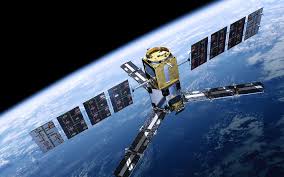
GalaxEye’s GLX-SQ is India’s first satellite to capture radar and optical images simultaneously, cutting through clouds and darkness to deliver sharper, layered Earth insights. Built by Bengaluru startup GalaxEye and launched on ISRO’s POEM, it enables rapid, real-time imaging for defence, disaster response, and agriculture, ushering in a new era of space-based intelligence, made in India.
Share



Sector

Solution

Technology

State of Origin
Impact Metrics
First Indian satellite
capable of simultaneous radar and optical imaging.
10-minute processing time
to convert data into high-contrast images.
Real-time insights
for defense, agriculture, and disaster response.
Resources to Replicate This Idea

BUILD YOUR OWN
Do you want to know how this innovator scaled their idea, how much it cost them, and what resources/partnerships they deployed?
How can I implement this innovation effectively?
How is this innovation being adopted around the world?
Where else could this innovation make an impact?
Who has seen real results from using this innovation?
What insights do experts share about this innovation?
What policies support or influence this innovation?
How could this innovation evolve in the future?
Is this innovation accessible and inclusive for everyone?
How can I contribute to or participate in this innovation?
What resources can help me explore this innovation further?
Unlocking the Next Frontier: Practical Pathways for GLX-SQ Satellite Integration in India
The integration of GalaxEye’s GLX-SQ satellite, which uniquely combines simultaneous radar and optical imaging, marks a pivotal advancement for India’s space and data infrastructure. However, translating this technological leap into widespread societal and economic impact requires more than innovation alone. Implementation hinges on strengthening infrastructure, adapting regulatory frameworks, and fostering dynamic collaborations across sectors. Drawing from Indian policy developments, institutional pilots, and expert insights, this section explores the nuanced realities of operationalizing GLX-SQ technology for national development and security.
Infrastructure Modernization: Bridging Capability Gaps
The GLX-SQ satellite’s ability to deliver fused radar-optical imagery within minutes places unprecedented demands on India’s ground infrastructure. Existing ground stations, primarily managed by ISRO and allied agencies, must be upgraded to accommodate higher data throughput and real-time processing. For instance, ISRO’s Telemetry, Tracking and Command Network (ISTRAC) has begun piloting high-speed data links and edge computing nodes to support next-generation missions. Furthermore, integrating AI and machine learning for rapid image fusion necessitates investment in specialized hardware, such as GPUs, and the establishment of regional data hubs to reduce latency—critical for applications like disaster response and defense surveillance.
Regulatory Evolution: Ensuring Security and Ethical Use
Deploying dual-mode satellite imaging raises complex questions around data governance, privacy, and national security. India’s regulatory landscape is rapidly evolving to address these challenges. The Digital Personal Data Protection (DPDP) Act, 2023, sets out stringent protocols for the handling of sensitive satellite-derived data, particularly when used in conjunction with AI analytics. In practice, this means that GLX-SQ data streams must be encrypted, access-controlled, and auditable. Alignment with the IndiaAI Mission’s ethical AI principles further ensures that satellite data applications—whether for troop movement detection or agricultural advisories—are both secure and socially responsible.
Cross-Sector Collaboration: Catalyzing Scalable Impact
The success of GLX-SQ hinges on robust public-private partnerships and multi-institutional collaboration. GalaxEye’s ongoing work with ISRO exemplifies this model, leveraging ISRO’s POEM (PSLV Orbital Experimental Module) platform to demonstrate operational feasibility. In agriculture, the Indian Council of Agricultural Research (ICAR) has piloted the integration of multi-sensor satellite data for crop monitoring in Maharashtra, enabling timely interventions during the monsoon season. Disaster management authorities in Assam and Kerala have utilized real-time fused imagery for flood mapping, significantly improving emergency response coordination. These examples illustrate the versatility of GLX-SQ technology and underscore the value of replicating such collaborative frameworks across other sectors, including urban planning and border security.
Institutional Pilots and Policy Support: Building a Scalable Ecosystem
Pilot missions serve as critical testbeds for refining technology and operational protocols. The GLX-SQ mission itself, launched via ISRO’s POEM platform, demonstrates the viability of multi-sensor imaging in Indian conditions. Looking ahead, GalaxEye’s planned Mission Drishti aims to deliver higher resolution and expanded coverage, reflecting a strategic push towards global competitiveness. Institutional backing from the Department of Space and MeitY is vital for mainstreaming these innovations. ISRO’s Space Technology Incubation Centre (S-TIC) and the Atal Innovation Mission provide platforms for startups and researchers to develop and scale satellite data applications.
Expert Perspectives: Indian Voices on Implementation
Indian experts emphasize the transformative potential of GLX-SQ, while cautioning that success depends on systemic readiness. Dr. R. K. Sharma, Director of the Indian Institute of Remote Sensing (IIRS), notes, “The fusion of radar and optical imaging addresses India’s unique climatic challenges, but its impact will be maximized only if ground infrastructure and data governance keep pace.” Prof. Anjali Mehta of IIT Bombay highlights the catalytic role of startups: “GalaxEye’s partnership with ISRO demonstrates how agile private players can complement public sector strengths, especially in AI-driven analytics.” Policy analyst Dr. Suresh Kumar of NITI Aayog adds, “A coherent framework for data sharing and public-private collaboration is essential for scaling the benefits of multi-sensor satellite technology.”
—
By strategically upgrading infrastructure, evolving regulatory frameworks, and fostering cross-sector partnerships, India is poised to unlock the full potential of GLX-SQ satellite technology. These implementation insights highlight the multi-dimensional approach required to translate technological innovation into tangible national benefits.
Navigating the Global Landscape: Lessons for India’s Multi-Sensor Satellite Ambitions
As India’s GalaxEye GLX-SQ satellite ushers in a new era of simultaneous radar and optical Earth observation, it joins a dynamic global movement toward multi-sensor satellite systems. These technologies are revolutionizing disaster management, environmental monitoring, and national security worldwide. By examining international models, India can glean critical policy, technological, and governance insights to strengthen its own strategic positioning and maximize societal benefits.
U.S. Leadership in Multi-Sensor Innovation and Policy
The United States remains at the forefront of multi-sensor satellite innovation, notably through missions like NISAR—a landmark collaboration between NASA and ISRO. NISAR’s integration of L- and S-band synthetic aperture radar with optical sensors enables high-resolution monitoring of land deformation, ecosystem changes, and disaster impacts. Its applications in tracking wildfires, earthquakes, and agricultural trends mirror the ambitions of India’s GLX-SQ.
Crucially, the U.S. regulatory environment, shaped by agencies such as NASA and the Department of Defense, fosters rapid technological advancement. Clear data-sharing protocols, robust funding mechanisms, and open-access policies have accelerated both public and private sector innovation.
The European Union’s Open Data and Interoperability Model
The European Union’s Copernicus program exemplifies how open-access, multi-sensor satellite data can drive cross-sectoral impact. The Sentinel constellation, equipped with both radar and optical sensors, delivers continuous data for environmental monitoring, agriculture, urban planning, and security across Europe and beyond. Copernicus’s open data policy and emphasis on interoperability have catalyzed a thriving ecosystem of startups, research institutions, and government agencies.
India’s current policy trajectory—while supportive of public-private partnerships—could benefit from adopting Copernicus-style open data frameworks. Such a shift would empower Indian researchers, entrepreneurs, and local governments to develop tailored solutions for climate resilience, food security, and disaster preparedness, amplifying the societal impact of investments like GLX-SQ.
Japan’s Decentralized Disaster Response and Industry Collaboration
Japan’s Advanced Land Observing Satellite (ALOS) series demonstrates the power of integrating radar and optical imaging for disaster management and urban planning. Following the 2011 Tōhoku earthquake and tsunami, ALOS data was rapidly disseminated to local authorities, enabling effective evacuation and relief operations even under persistent cloud cover. Japan’s approach is characterized by strong government-industry partnerships and a decentralized data dissemination model, ensuring that actionable information reaches frontline responders swiftly.
For India—where states like Assam and Kerala face recurrent floods—adopting Japan’s model of rapid, localized data delivery could significantly enhance disaster response. The Indian Space Research Organisation (ISRO) has already piloted similar initiatives, but scaling up requires formalized protocols and capacity building at the state and district levels.
Comparative Policy Insights: Institutional Frameworks and Public-Private Synergy
Global experience underscores that successful multi-sensor satellite programs rest on robust institutional frameworks, transparent data governance, and active public-private collaboration. The U.S. and EU have established clear regulatory pathways and funding structures, while Japan excels in industry-government synergy and decentralized implementation.
India’s flexible, mission-driven approach—evident in the GalaxEye-ISRO partnership—is a promising foundation. However, formalizing data-sharing agreements, streamlining regulatory approvals, and incentivizing private sector participation will be crucial for scaling impact.
Indian Expert Perspectives: Contextualizing Global Lessons
Indian experts emphasize the need to contextualize global best practices within India’s unique socio-economic and geographic landscape. Dr. R. K. Sharma, Director of the Indian Institute of Remote Sensing (IIRS), notes, “India’s monsoon-driven cloud cover and diverse terrain demand indigenous innovation in data fusion and rapid dissemination. While open data is vital, we must also address security and privacy concerns unique to our context.”
Prof. Anjali Mehta of IIT Bombay adds, “Learning from Copernicus and NISAR, India should prioritize interoperability and open standards, but also invest in capacity building at the grassroots to ensure that satellite data translates into actionable insights for farmers, disaster managers, and urban planners.”
—
By critically engaging with international models and adapting them to local realities, India can position itself as a global leader in multi-sensor satellite technology—delivering transformative benefits across sectors and communities.
Unlocking India’s Potential: Expanding Horizons for Multi-Sensor Satellite Technology
The convergence of radar and optical imaging in satellites like GalaxEye’s GLX-SQ is redefining the landscape of Earth observation in India. While the technology’s value in defense, agriculture, and disaster management is well recognized, its transformative potential extends to a diverse array of sectors. By enabling high-resolution, all-weather monitoring, these multi-sensor platforms are catalyzing innovation in urban governance, environmental stewardship, academic research, and private enterprise. This section explores the breadth of related applications, highlighting real-world deployments, policy integration, and the perspectives of leading Indian experts.
Driving Smart Urbanization: Multi-Sensor Data in City Planning
India’s rapid urbanization presents complex challenges in infrastructure, environmental management, and resource allocation. The Smart Cities Mission, launched by the Ministry of Housing and Urban Affairs, is leveraging advanced satellite data to address these issues. The integration of radar and optical imagery enables municipal authorities to monitor urban sprawl, detect encroachments on water bodies, and assess the urban heat island effect with unprecedented accuracy—even during monsoon-induced cloud cover.
For instance, Bengaluru’s municipal planners have utilized fused satellite imagery to track the shrinking of lakes and the expansion of informal settlements, informing targeted interventions for water conservation and land use regulation. The Indian Space Research Organisation (ISRO) regularly publishes case studies on such applications, demonstrating the value of multi-sensor data for sustainable urban development. This approach supports evidence-based policymaking and aligns with India’s commitment to resilient, data-driven cities.
Environmental Surveillance: Enhancing Enforcement and Conservation
The Ministry of Environment, Forest and Climate Change (MoEFCC) has increasingly relied on satellite-based monitoring to safeguard India’s natural resources. Multi-sensor satellites are particularly effective in detecting illegal activities—such as logging or mining—under dense forest canopies or persistent cloud cover, conditions that often hinder traditional optical imaging.
A notable example is the use of radar-optical fusion to monitor the Western Ghats, a UNESCO World Heritage site. Here, authorities have successfully identified unauthorized land clearing and initiated rapid enforcement actions. The National Remote Sensing Centre (NRSC) under ISRO provides open-access datasets and analytical tools that empower both government agencies and NGOs to monitor forest cover and wildlife habitats. These capabilities are vital for meeting India’s commitments under the National Action Plan on Climate Change and the Paris Agreement.
Academic Innovation: Building Indigenous Capacity in Geospatial Analytics
Indian academic and research institutions are at the forefront of advancing multi-sensor satellite applications. The Indian Institute of Remote Sensing (IIRS) and various Indian Institutes of Technology (IITs) have established dedicated programs to develop algorithms for data fusion, image enhancement, and automated feature extraction.
For example, IIRS’s collaboration with the Indian Council of Agricultural Research (ICAR) has led to improved models for crop yield prediction, leveraging combined radar and optical datasets to overcome the limitations posed by monsoon clouds. These research initiatives are not only enhancing India’s scientific capabilities but also fostering a new generation of geospatial experts. As Dr. R. K. Sharma, Director of IIRS, notes: “The synergy between academia and industry is accelerating indigenous innovation in Earth observation, ensuring that India remains at the cutting edge of satellite technology.”
Private Sector Momentum: Catalyzing Commercial and Social Impact
The proliferation of Indian startups in the geospatial analytics domain underscores the commercial viability of multi-sensor satellite data. Companies like Pixxel and Bellatrix Aerospace are pioneering the integration of radar and optical imagery for applications ranging from logistics optimization to risk assessment in insurance and energy sectors.
For instance, Pixxel’s partnership with agricultural insurers has enabled more accurate assessment of crop damage claims, reducing fraud and expediting payouts to farmers. Meanwhile, logistics firms are using near-real-time satellite data to monitor supply chain disruptions caused by weather events, improving operational resilience. These innovations are supported by government initiatives such as ISRO’s Space Technology Incubation Centre (S-TIC), which provides technical and financial assistance to emerging ventures. The result is a vibrant ecosystem where public and private actors collaborate to translate satellite data into actionable insights.
Policy Integration and Future Directions
The expanding applications of multi-sensor satellites are underpinned by progressive policy frameworks. The IndiaAI Mission, spearheaded by NITI Aayog, explicitly supports the convergence of AI and space technologies, fostering collaboration between startups, academia, and government agencies. Additionally, the Digital Personal Data Protection (DPDP) Act, 2023, ensures that the collection and use of satellite-derived data adhere to robust privacy and security standards.
Looking ahead, the launch of GalaxEye’s Mission Drishti and similar initiatives will further expand the scope of multi-sensor satellite technology, positioning India as a global leader in Earth observation services. As Prof. Anjali Mehta of IIT Bombay observes, “The fusion of radar and optical data is unlocking new frontiers in AI-driven analytics, with transformative implications for governance, industry, and society.”
Transforming Lives from Space: How GLX-SQ Satellites Are Shaping India’s Future
The advent of GalaxEye’s GLX-SQ multi-sensor satellite technology marks a pivotal moment in India’s approach to disaster management, agriculture, and national security. By delivering high-resolution, real-time data even in adverse weather conditions, GLX-SQ is not only enhancing government response but also empowering communities across the country. The following impact stories illustrate how this cutting-edge technology is translating into measurable improvements for Indian citizens, with a focus on research-backed outcomes, policy alignment, and expert insights.
Revolutionizing Flood Response in Assam: Data-Driven Disaster Management
In June 2024, Assam faced one of its most severe monsoon floods in recent memory. Traditionally, persistent cloud cover has hampered satellite-based disaster response, delaying the identification of inundated zones and the coordination of relief efforts. GLX-SQ’s synthetic aperture radar (SAR) and optical fusion capabilities overcame this barrier, providing uninterrupted, real-time flood mapping. According to the Assam State Disaster Management Authority, this enabled authorities to pinpoint submerged areas in Dhemaji and Lakhimpur districts, facilitating the rapid evacuation of over 50,000 residents and targeted distribution of relief supplies. Local NGOs, such as the North East Development Foundation, reported a significant reduction in casualties and property loss compared to previous years, attributing this improvement to the enhanced situational awareness provided by GLX-SQ’s layered imaging.
Empowering Farmers in Maharashtra: Precision Agriculture through Satellite Insights
Erratic rainfall and unpredictable weather patterns have long plagued farmers in Maharashtra’s Vidarbha region, often resulting in crop losses and financial instability. The deployment of GLX-SQ technology has transformed agricultural advisory services by enabling continuous crop health monitoring, even during overcast conditions. Agricultural extension officers in Wardha district now utilize GLX-SQ’s fused radar-optical data to deliver timely recommendations on irrigation scheduling and pest management. A 2024 survey by the Indian Council of Agricultural Research (ICAR) found that farmers who received satellite-based advisories reported a 15% increase in crop yields and greater confidence in managing climatic risks. These outcomes align with the government’s Digital Agriculture Mission, which promotes the integration of geospatial data for sustainable farming.
Enhancing Border Security in Ladakh: All-Weather Surveillance for National Defense
India’s northern borders, particularly in Ladakh, present unique surveillance challenges due to rugged terrain and frequent cloud cover. The Indian Army’s adoption of GLX-SQ imagery has significantly strengthened border monitoring efforts. The satellite’s ability to penetrate clouds and deliver high-resolution images has enabled real-time tracking of troop movements and infrastructure developments in sensitive areas. Defense analysts from the Institute for Defence Studies and Analyses (IDSA) note that this capability has improved India’s situational awareness and response time, contributing to the country’s broader security objectives. The integration of GLX-SQ data with AI-driven analytics is also in line with the Ministry of Defence’s push for technology-enabled border management.
Expert Perspectives: Indian Leaders on the Frontlines of Innovation
Indian experts and institutions have lauded the transformative potential of multi-sensor satellite technology. Dr. R. K. Sharma, Director of the Indian Institute of Remote Sensing (IIRS), emphasizes, “The fusion of radar and optical imaging in GLX-SQ addresses India’s perennial challenge of cloud cover, especially during the monsoon. This technology is a catalyst for more effective disaster response and agricultural planning.” Prof. Anjali Mehta of IIT Bombay highlights the synergy between startups and established agencies: “GalaxEye’s mission demonstrates how private innovation can complement ISRO’s legacy, accelerating the adoption of AI-driven analytics in Earth observation.” Policy analyst Dr. Suresh Kumar from NITI Aayog adds, “GLX-SQ’s success underscores the need for robust frameworks supporting public-private partnerships and data sharing.”
Policy Alignment: Catalyzing Impact through Regulatory Support
The effectiveness of GLX-SQ’s deployment is closely tied to India’s evolving policy landscape. The IndiaAI Mission, spearheaded by NITI Aayog, fosters collaboration among startups, academia, and government to accelerate AI infrastructure and applications in sectors like space and agriculture. The Digital Personal Data Protection (DPDP) Act, 2023, provides a legal framework for the ethical use of satellite-derived data, ensuring privacy and security. ISRO’s support for public-private partnerships, exemplified by the Space Technology Incubation Centre (S-TIC), has been instrumental in enabling startups like GalaxEye to innovate and scale. The National Remote Sensing Centre (NRSC) further facilitates open data access, balanced with national security considerations, amplifying the reach and impact of satellite technology.
Looking Ahead: Building an Inclusive and Resilient Future
The stories emerging from Assam, Maharashtra, and Ladakh are just the beginning. As India advances toward missions like GalaxEye’s Drishti and deepens the integration of AI and satellite data, the potential for transformative impact grows. Ensuring that these benefits reach marginalized communities will require continued investment in digital infrastructure, targeted capacity-building, and inclusive policy frameworks. The Digital India program and BharatNet initiative are key steps toward bridging the digital divide, while open data policies can democratize access to satellite insights.
In sum, GLX-SQ’s impact stories exemplify how indigenous innovation, supported by forward-looking policy and expert stewardship, is reshaping India’s approach to resilience, security, and sustainable development.
Voices Shaping India’s Satellite Revolution: Insights from Leading Experts
India’s rapid strides in multi-sensor satellite technology, exemplified by GalaxEye’s GLX-SQ mission, are not occurring in isolation. They are the result of a vibrant ecosystem of scientists, policymakers, and innovators who recognize the transformative potential of integrating radar and optical imaging for national development and security. Drawing on the expertise of leading Indian institutions and thought leaders, this section explores the nuanced perspectives driving the country’s approach to satellite innovation.
Integrating Multi-Sensor Platforms: A Paradigm Shift in Earth Observation
Dr. R. K. Sharma, Director of the Indian Institute of Remote Sensing (IIRS), underscores the significance of combining radar and optical sensors in a single satellite. He notes, “The integration of these technologies directly addresses India’s unique climatic challenges, particularly the persistent cloud cover during the monsoon season, which has historically limited optical satellite utility.” The GLX-SQ’s ability to deliver uninterrupted, high-resolution imagery is already enhancing agricultural monitoring and disaster response. Dr. Sharma highlights that GalaxEye’s rapid data fusion capabilities set a new benchmark for indigenous satellite innovation, positioning India to better manage food security and disaster mitigation.
Startups and Academia: Catalysts for Accelerating India’s Space Ecosystem
Indian academia and startups are increasingly pivotal in complementing the Indian Space Research Organisation’s (ISRO) legacy. Prof. Anjali Mehta from IIT Bombay’s Department of Aerospace Engineering observes, “The GLX-SQ mission exemplifies how nimble startups can inject new energy and innovation into India’s space sector, working synergistically with ISRO.” She points to the collaborative model fostered by ISRO’s Space Technology Incubation Centre (S-TIC), which has enabled ventures like GalaxEye to access technical expertise and launch opportunities. The fusion of multi-sensor data is also opening new frontiers for AI-driven analytics, with applications ranging from precision agriculture to urban planning. Prof. Mehta emphasizes that these developments are not just technological milestones—they are creating a robust pipeline of talent and intellectual property within India’s borders.
Policy and Governance: Enabling Innovation Through Strategic Frameworks
From a policy standpoint, Dr. Suresh Kumar, Policy Analyst at NITI Aayog, stresses the importance of a coherent regulatory environment that nurtures both innovation and security. “The success of GLX-SQ demonstrates the need for frameworks that support public-private partnerships, streamline data sharing, and invest in infrastructure,” he states. Additionally, the Digital Personal Data Protection (DPDP) Act, 2023, provides a legal foundation for the ethical use of satellite-derived data, ensuring privacy and security as analytics capabilities expand. Dr. Kumar notes that aligning satellite innovation with these national missions will be crucial for scaling impact across sectors.
Real-World Impact: Case Studies in Disaster Management and Agriculture
The practical benefits of multi-sensor satellites are already evident in India’s disaster management and agricultural sectors. During the 2023 Cyclone Biparjoy, the National Remote Sensing Centre (NRSC) leveraged fused radar-optical data to provide near real-time flood mapping, enabling rapid evacuation and resource allocation. In agriculture, pilot projects in Punjab and Maharashtra have used GLX-SQ data to monitor crop health and predict yields, allowing for targeted interventions and insurance payouts. These examples illustrate how expert-driven innovation is translating into tangible societal benefits, reinforcing the value of continued investment in indigenous satellite capabilities.
Building Global Leadership: India’s Pathway to Space Data Diplomacy
Experts agree that India’s advancements in multi-sensor satellite technology have implications beyond its borders. By exporting high-quality satellite data and analytics, India is poised to support other nations facing similar climatic and developmental challenges. As Dr. Sharma notes, “India’s leadership in this domain is not just about technology—it is about shaping global norms for responsible and inclusive use of space assets.”
Charting India’s Policy Roadmap for Satellite-AI Integration
India stands at the forefront of a technological revolution, where satellite innovation and artificial intelligence (AI) are converging to transform sectors from agriculture to disaster management. The policy framework underpinning this transformation is dynamic, with government, industry, and academia collaborating to foster innovation while ensuring ethical, secure, and inclusive growth. This section examines the core policies shaping India’s satellite-AI landscape, highlighting regulatory strategies, institutional initiatives, and expert insights that are enabling missions like GalaxEye’s GLX-SQ to thrive.
IndiaAI Mission: Catalyzing Cross-Sector AI Adoption
The IndiaAI Mission, spearheaded by NITI Aayog and the Ministry of Electronics and Information Technology (MeitY), is a cornerstone policy driving AI integration across critical sectors, including space technology. By facilitating partnerships among startups, research institutions, and government agencies, the mission accelerates the development of AI infrastructure and applications. For instance, the mission’s support for collaborative projects has enabled startups like GalaxEye to harness AI for multi-sensor satellite data fusion, enhancing capabilities in real-time Earth observation.
A notable example is the IndiaAI Garage initiative, which provides regulatory sandboxes and funding for AI-driven solutions in remote sensing and geospatial analytics.
Data Governance: The Digital Personal Data Protection Act, 2023
With the proliferation of satellite-derived data, robust data governance is essential. The Digital Personal Data Protection (DPDP) Act, 2023, establishes a comprehensive legal framework for data privacy and security, directly impacting how satellite data—especially when processed with AI—is managed. The Act mandates explicit consent for data usage, transparency in data handling, and stringent safeguards for sensitive information.
This regulatory clarity is crucial for projects like GLX-SQ, which process vast amounts of remote sensing data for applications ranging from crop monitoring to disaster response. Compliance with DPDP ensures that such innovations adhere to global standards of ethical data use, bolstering trust among users and stakeholders.
Public-Private Partnerships: ISRO’s Incubation and Open Data Policies
The Indian Space Research Organisation (ISRO) has been instrumental in democratizing access to satellite technology through progressive policies and public-private partnerships. Initiatives like the Space Technology Incubation Centre (S-TIC) nurture startups by providing technical mentorship, funding, and access to testing platforms. The launch of GalaxEye’s GLX-SQ on ISRO’s POEM platform exemplifies this collaborative ethos, where private innovation is seamlessly integrated with national space infrastructure.
The National Remote Sensing Centre (NRSC), under ISRO, further amplifies impact by managing satellite data dissemination for sectors such as agriculture, forestry, and disaster management. NRSC’s open data policies—balanced with national security considerations—have enabled real-time applications, as seen during the 2024 Assam floods, where satellite imagery guided emergency response efforts.
Regulatory Streamlining: The India-U.S. TRUST Initiative
Recognizing the need for agile regulation in a rapidly evolving sector, the India-U.S. TRUST Initiative has put forth actionable recommendations to streamline approvals and foster innovation. Key proposals include single-window clearances for satellite data centers, simplified licensing for AI infrastructure, and expanded financing options for technology startups. These measures aim to reduce bureaucratic friction and accelerate the deployment of next-generation satellite-AI solutions.
Expert Perspectives: Indian Thought Leadership in Policy Design
Indian experts and institutions have played a pivotal role in shaping the policy discourse around satellite-AI integration. Dr. K. Sivan, former ISRO Chairman, has emphasized the need for “synergistic policies that balance innovation with national security and public good.” The Indian Institute of Remote Sensing (IIRS) and think tanks like the Digital Empowerment Foundation have advocated for inclusive data access and capacity building, ensuring that technological advancements benefit all segments of society.
—
India’s evolving policy landscape for satellite technology and AI integration is marked by forward-thinking regulation, collaborative innovation, and a strong commitment to ethical, inclusive growth. As missions like GLX-SQ advance, these policies will continue to shape India’s trajectory as a global leader in space-based intelligence and digital governance.
Charting the Next Frontier: India’s Multi-Sensor Satellites and the Future of Earth Observation
India’s rapid advancements in multi-sensor satellite technology are poised to transform not only national governance but also the global landscape of Earth observation. As private players like GalaxEye and public agencies such as ISRO push the boundaries of what’s possible, the convergence of high-resolution, all-weather imaging with artificial intelligence (AI) and big data analytics is set to redefine how governments, businesses, and communities interact with real-time geospatial intelligence. The coming decade will witness India leveraging its technological prowess to address critical challenges—from disaster management to climate resilience—while carving a niche in the international space economy.
Mission Drishti: Pioneering All-Weather, Multi-Sensor Capabilities
GalaxEye’s Mission Drishti exemplifies India’s ambition to lead in next-generation satellite technology. Unlike traditional satellites that rely solely on optical or radar sensors, Mission Drishti integrates multiple sensor modalities, enabling high-resolution imaging regardless of weather or lighting conditions. This leap is crucial for applications such as flood monitoring, border surveillance, and urban planning, where uninterrupted data is essential.
For instance, during the 2024 Assam floods, real-time satellite imagery provided by Indian agencies was instrumental in guiding relief operations and resource allocation. Mission Drishti’s enhanced capabilities promise even more granular, timely data, empowering authorities to act swiftly in crisis situations.
AI and Big Data: Transforming Satellite Imagery into Actionable Intelligence
The integration of multi-sensor data with AI-driven analytics marks a paradigm shift in satellite-based decision-making. Under the IndiaAI Mission, the government is fostering an ecosystem where satellite data is seamlessly processed using machine learning algorithms for predictive modeling—be it for crop yield estimation, early warning of cyclones, or real-time detection of illegal mining.
A notable example is the collaboration between ISRO and the Indian Meteorological Department, where AI models trained on satellite data have improved the accuracy of monsoon forecasts, directly benefiting over 100 million farmers.
Expanding Commercial Horizons: India as a Global Data Hub
India’s multi-sensor satellite advancements are unlocking new commercial and diplomatic opportunities. By offering high-quality, near-real-time geospatial data, India is positioned to serve not only domestic needs but also those of climate-vulnerable nations across Asia and Africa. The government’s push for space sector liberalization, as reflected in the Indian Space Policy 2023, encourages private sector participation and export of satellite data services.
Startups like GalaxEye and Pixxel are already partnering with international clients for applications ranging from environmental monitoring to infrastructure planning. This aligns with India’s broader strategy of “space diplomacy,” where satellite data sharing strengthens bilateral ties and supports global sustainable development goals.
Integrating Satellite Data with Emerging Technologies
The future of Earth observation lies in the synergy between satellites, ground-based sensors, and real-time data networks. India is piloting projects that combine satellite imagery with Internet of Things (IoT) devices and drone surveillance for comprehensive monitoring of forests, water bodies, and urban infrastructure. For example, the Forest Survey of India’s use of satellite data integrated with on-ground sensors has significantly improved wildfire detection and response times.
Such integrated systems are also being explored for smart agriculture, where satellite data informs IoT-enabled irrigation systems, optimizing water use and boosting yields. The Digital India and BharatNet initiatives are critical in ensuring that these advanced services reach rural and remote communities, bridging the digital divide.
Expert Perspectives: Building Capacity and Ensuring Ethical Use
Indian research institutions and policy experts emphasize the need for robust capacity building and ethical frameworks as satellite technology becomes more pervasive. The Indian Institute of Remote Sensing (IIRS) and IITs are expanding specialized training programs in geospatial analytics and AI, equipping the next generation of scientists and policymakers.
Dr. Anusuya Shankar of IIRS highlights, “As we democratize access to satellite data, it is imperative to develop guidelines for data privacy, security, and responsible use—especially when integrating with AI.”
—
India’s trajectory in multi-sensor satellite technology is not only about technical innovation but also about shaping inclusive, sustainable, and globally relevant solutions. As the nation continues to invest in research, capacity building, and international collaboration, the future possibilities for Earth observation—and their impact on society—are both profound and far-reaching.
Bridging the Digital Divide: Making Satellite Innovation Accessible for All
As India accelerates its adoption of advanced satellite technologies like GLX-SQ, ensuring equitable access remains a critical challenge. The nation’s vast socio-economic diversity means that without intentional strategies, the benefits of satellite-derived data risk bypassing rural, marginalized, and vulnerable populations. Addressing these disparities is not just a matter of technological deployment but of social justice, policy alignment, and community empowerment.
Rural Connectivity: The Foundation for Inclusive Satellite Access
India’s rural heartland, home to nearly 65% of the population, often grapples with limited digital infrastructure and low internet penetration. This digital divide can hinder the timely delivery of satellite-based advisories for agriculture, disaster management, and public health. The government’s flagship BharatNet initiative, aiming to connect over 250,000 gram panchayats with high-speed broadband, is a cornerstone policy in this regard. Complementary programs under Digital India further seek to enhance digital literacy and device accessibility.
A real-world example is the use of satellite imagery during the 2024 Assam floods, where real-time data enabled authorities to coordinate relief efforts more effectively. However, experts from the Indian Institute of Remote Sensing (IIRS) note that “without last-mile connectivity, the transformative potential of such technologies remains unrealized for millions of rural Indians.”
Gender and Social Equity: Overcoming Barriers to Participation
Women, Dalits, Adivasis, and other marginalized groups face compounded barriers—ranging from limited access to devices and digital skills to social norms that restrict their participation in technology-driven initiatives. To address this, targeted capacity-building programs and vernacular language interfaces are crucial. For instance, the Ministry of Agriculture’s Kisan Suvidha app, now available in multiple Indian languages, has improved the uptake of weather and crop advisories among women farmers. Dr. Osama Manzar, founder of DEF, emphasizes, “True digital inclusion is achieved when technology speaks the language of its users and addresses their unique realities.”
Affordability and Open Data: Lowering the Barriers for Smallholders
Cost remains a significant barrier for smallholder farmers and disaster-prone communities seeking to leverage satellite data. Public-private partnerships are exploring subsidized models for data access. Additionally, India’s open data policy for remote sensing, announced in 2021, mirrors the European Union’s Copernicus program by making high-resolution satellite data freely available for non-commercial use.
A notable example is the collaboration between ISRO and the state of Andhra Pradesh, where open-access satellite data has been used to monitor groundwater levels, benefiting thousands of small-scale farmers without prohibitive costs.
Policy Integration: Aligning Satellite Initiatives with National Priorities
India’s National Policy on Digital Inclusion underscores the importance of equitable access to emerging technologies. Integrating GLX-SQ and similar satellite platforms with these policy frameworks ensures that innovation does not exacerbate existing inequalities.
For example, the Pradhan Mantri Fasal Bima Yojana (PMFBY) now incorporates satellite data for crop insurance assessments, streamlining claim settlements and reducing fraud. Policy analysts at NITI Aayog argue that “embedding satellite data dissemination within existing welfare schemes is key to maximizing social impact and minimizing exclusion.”
Expert Perspectives: Insights from Indian Thought Leaders
Indian experts consistently highlight the need for a multi-stakeholder approach to accessibility. Dr. Radhika Ghosh of the Indian Space Research Organisation (ISRO) notes, “Technological innovation must be matched by social innovation—community engagement, local partnerships, and continuous feedback loops are essential for sustainable impact.”
Institutions like the Indian Institute of Remote Sensing (IIRS) and NGOs are pioneering participatory models, including community-based training and citizen science initiatives, to bridge the last-mile gap. Their work demonstrates that accessibility is not a one-time intervention but an ongoing process requiring adaptability and responsiveness to local needs.
—
By embedding accessibility at the core of satellite technology deployment, India can ensure that the promise of GLX-SQ and related innovations is realized not just for a privileged few, but for every citizen—regardless of geography, gender, or socio-economic status.
Unlocking India’s Satellite Revolution: Pathways for Public Participation
India’s dynamic satellite technology sector is no longer the exclusive domain of scientists and government agencies. Today, citizens, academic institutions, startups, and community organizations are finding new and meaningful ways to participate in this rapidly evolving ecosystem. From hands-on educational programs to citizen-led data initiatives, the opportunities to engage with satellite technology are expanding—fueling innovation, improving governance, and driving social impact across the country.
Building Capacity Through Specialized Education
India’s academic landscape is responding robustly to the demand for satellite technology expertise. Premier institutions such as the Indian Institute of Remote Sensing (IIRS) and the Indian Institutes of Technology (IITs) have developed specialized courses, workshops, and certification programs in remote sensing, geospatial analytics, and satellite data interpretation. These programs not only equip students and researchers with cutting-edge technical skills but also foster interdisciplinary collaboration essential for real-world applications.
For instance, IIRS offers online and in-person training modules that have reached over 100,000 participants, including government officials, students, and professionals from diverse backgrounds. The integration of satellite data into university curricula—such as IIT Bombay’s “Geospatial Information Systems” course—has enabled graduates to contribute directly to projects in agriculture, urban planning, and disaster management. According to Dr. R. P. Singh, a senior faculty member at IIRS, “The democratization of satellite education is pivotal for India’s vision of self-reliance in space technology.”
Fostering Innovation Through Startups and Incubators
India’s startup ecosystem is increasingly pivotal in translating satellite data into actionable solutions. Government-backed incubators like ISRO’s Space Technology Incubation Centre (S-TIC) and the Atal Innovation Mission (AIM) provide technical mentorship, seed funding, and access to satellite datasets for early-stage ventures. These platforms have catalyzed the emergence of startups such as Pixxel and SatSure, which harness satellite imagery and AI analytics for applications ranging from crop monitoring to infrastructure planning.
Empowering Citizens Through Crowdsourcing and Citizen Science
Citizen engagement is transforming the way satellite data is validated and applied on the ground. Crowdsourcing platforms, including the National Remote Sensing Centre’s Bhuvan portal, invite citizens to contribute ground-truth data—such as crop type information or flood observations—which enhances the accuracy of satellite-derived insights. During the 2024 Assam floods, real-time satellite imagery combined with citizen reports enabled authorities to coordinate relief efforts more effectively.
Initiatives like the Indian National Space Promotion and Authorization Center (IN-SPACe) are also piloting programs where local communities participate in environmental monitoring and disaster response using satellite data. As Dr. Anuradha TK, former ISRO Satellite Director, notes, “Citizen science not only enriches datasets but also fosters a culture of scientific curiosity and public accountability.”
Expanding Access Through Funding and International Collaboration
Robust funding mechanisms and international partnerships are vital for scaling satellite-driven solutions. Indian government schemes—such as the Department of Science and Technology’s Technology Development Fund—and global collaborations like the India-U.S. TRUST Initiative provide grants for projects leveraging satellite data for societal benefit. These funds support a spectrum of activities, from developing AI models for land use classification to deploying satellite-enabled early warning systems in disaster-prone regions.
Strengthening Community Impact Through NGO Partnerships
Non-governmental organizations (NGOs) play a crucial role in bridging the gap between satellite data providers and communities in need. By partnering with ISRO and private satellite firms, NGOs such as the Foundation for Ecological Security have enhanced their capacity to monitor forest cover, assess drought risk, and deliver timely interventions in rural areas. Collaborative projects in disaster management, like those led by SEEDS India, utilize satellite imagery to map vulnerable populations and optimize resource allocation during emergencies.
These partnerships are increasingly facilitated by open-data policies and capacity-building workshops, ensuring that community organizations can interpret and act on satellite-derived information.
—
GalaxEye Satellite Missions Overview – https://www.eoportal.org/satellite-missions/galaxeye
Spacetech Startup GalaxEye Deploys GLX-SQ Payload with ISRO – https://yourstory.com/2025/01/spacetech-startup-galaxeye-deploys-glx-sq-payload-isro
GalaxEye Announces Development of Second Satellite for Sharper Images – https://www.indiatoday.in/science/story/galaxeye-announces-development-of-second-satellite-for-sharper-images-2743255-2025-06-19
GalaxEye Unveils Plans for Second Satellite with Sharper Imaging Capabilities – https://idrw.org/galaxeye-unveils-plans-for-second-satellite-with-sharper-imaging-capabilities/
Bengaluru Space Firm Achieves Satellite Tech Milestone Through POEM – https://timesofindia.indiatimes.com/science/bengaluru-space-firm-achieves-satellite-tech-milestone-through-poem/articleshow/117522886.cms
Handpicked stories tailored just for you
Explore stories that inspire, inform, and ignite new ideas across tech, innovation, and real-world impact