Smart Sensors, Cleaner Streets: Surat’s Tech-Powered Waste Revolution
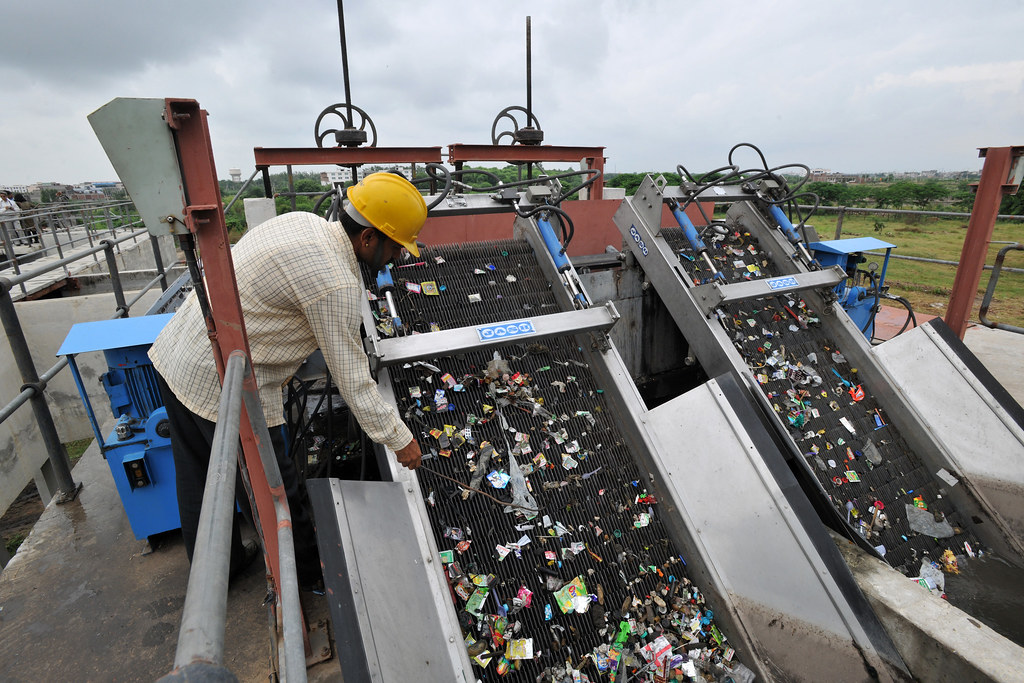
Surat’s Integrated Command and Control Centre (ICCC) has turned solid waste management into a real-time, data-driven system—tracking 2,100+ bins and vehicles via RFID and GPS to optimize routes, cut service lapses, and reduce disease risks. By improving sanitation coverage, minimizing uncollected garbage, and enhancing accountability, the city has seen fewer complaints, cleaner streets, and stronger resilience to health crises. This replicable model links smart governance with preventive healthcare, aligning with Swachh Bharat and Smart Cities Mission goals.
Share



Sector

Solution

Technology

State of Origin
Disclaimer:
- Features ‘as is’ submissions and neither constitutes endorsement, certification, recommendation, or validation by NITI Aayog nor makes NITI Aayog liable in any manner.
- Features ‘as is’ submissions and neither constitutes endorsement, certification, recommendation, or validation by NITI Aayog nor makes NITI Aayog liable in any manner.
- Features ‘as is’ submissions and neither constitutes endorsement, certification, recommendation, or validation by NITI Aayog nor makes NITI Aayog liable in any manner.
- Features ‘as is’ submissions and neither constitutes endorsement, certification, recommendation, or validation by NITI Aayog nor makes NITI Aayog liable in any manner.
Impact Metrics
Reduced risk of
vector-borne diseases due to fewer missed garbage collection points.
Significant drop
in door-to-door sanitation complaints over three years, improving hygiene.
Resources to Replicate This Idea
BUILD YOUR OWN INTERVENTION
Additional Research
How can I implement this innovation effectively?
How is this innovation being adopted around the world?
Where else could this innovation make an impact?
Who has seen real results from using this innovation?
What insights do experts share about this innovation?
What policies support or influence this innovation?
How could this innovation evolve in the future?
Is this innovation accessible and inclusive for everyone?
How can I contribute to or participate in this innovation?
What resources can help me explore this innovation further?
From Vision to Practice: Lessons from Surat’s Smart Sanitation Revolution
Surat’s Integrated Command and Control Centre (ICCC) stands as a pioneering model in the digital transformation of urban sanitation in India. By leveraging real-time data, modular technology, and institutional collaboration, Surat has redefined how cities can address sanitation challenges at scale. The city’s experience offers critical insights for policymakers, urban planners, and technology implementers seeking to replicate and adapt such models across diverse Indian contexts. This section delves into the practicalities, policy alignments, and research-backed strategies that have underpinned Surat’s success, while drawing on both Indian and global experiences to illuminate pathways for future urban governance.
Modular, Scalable Technology: The Backbone of Adaptability
A defining feature of Surat’s ICCC is its modular architecture, which allows for phased implementation and future expansion. By employing open APIs and interoperable platforms, Surat ensured that its system could integrate new functionalities—ranging from waste management to epidemic response—without overhauling core infrastructure. This approach is particularly suited to Indian cities, where resource constraints and administrative fragmentation are common.
For example, the ICCC’s integration of RFID-tagged vehicles and GPS tracking enabled precise route monitoring, reducing inefficiencies and improving service reliability. The modular design also facilitated the addition of biometric attendance systems, which enhanced workforce accountability—a persistent challenge in municipal operations.
Institutional Coordination and Governance: Breaking Silos
Technological innovation alone cannot drive systemic change; robust governance frameworks are essential. Surat’s ICCC succeeded in part because it fostered cross-departmental collaboration, breaking down traditional silos between municipal departments. This institutional alignment enabled seamless data sharing and joint decision-making, critical for managing complex urban systems.
Indian policy increasingly emphasizes such coordination. The National Urban Digital Mission (NUDM) advocates for interoperable digital platforms that unify services across sanitation, water, and health. Surat’s experience demonstrates that institutional buy-in—supported by clear mandates and capacity-building initiatives—can accelerate technology adoption and maximize impact.
Data Transparency and Citizen Engagement: Building Trust and Accountability
Surat’s ICCC has set new standards for transparency and responsiveness in urban sanitation. Real-time dashboards and mobile app-based complaint mechanisms have empowered residents, particularly in underserved neighborhoods, to report issues and track resolutions. This participatory approach has fostered greater trust between citizens and municipal authorities.
During the COVID-19 pandemic, these systems proved invaluable. For instance, the biometric attendance and GPS tracking of sanitation workers ensured uninterrupted services and minimized health risks. Community health volunteers have highlighted how the ICCC’s complaint resolution system led to cleaner streets and a decline in vector-borne diseases—a testament to the power of citizen-centric design.
Expert Perspectives: Indian Thought Leadership on Smart Urban Governance
Indian experts and institutions have been vocal in their endorsement of Surat’s approach. Dr. Ramesh Kumar, Professor of Urban Planning at IIT Delhi, observes, “Surat’s model demonstrates how data-driven governance can transform municipal services from reactive to proactive, directly impacting public health outcomes.” The Centre for Science and Environment (CSE) lauds the ICCC’s modularity and transparency, noting its replicability across cities with varying capacities. Meanwhile, the National Institute of Urban Affairs (NIUA) recommends embedding such platforms within broader urban health frameworks, linking sanitation data with health surveillance for integrated epidemic response.
These expert perspectives underscore the importance of combining technological innovation with institutional reform and policy alignment.
Policy Integration: Aligning with National Missions and Global Best Practices
Surat’s ICCC aligns seamlessly with flagship Indian initiatives such as the Swachh Bharat Mission, Smart Cities Mission, and National Urban Health Mission. By providing a digital backbone for real-time monitoring and service optimization, the ICCC advances the objectives of cleaner cities, improved public health, and inclusive urban governance.
International comparisons reveal that while Indian cities face unique challenges—such as scale, resource limitations, and socio-economic diversity—the modular, adaptable approach exemplified by Surat is well-suited for these conditions. Policy frameworks abroad often combine technology with regulatory mandates and citizen incentives, a balance Indian policymakers are increasingly adopting.
—
Surat’s ICCC offers a blueprint for cities seeking to harness technology for transformative urban sanitation. Its success lies not just in technological adoption, but in the careful orchestration of modular design, institutional collaboration, transparency, and policy integration—principles that are now shaping the next generation of smart, inclusive Indian cities.
Learning from the World: How Global Innovations Shape Urban Sanitation in India
Across continents, cities are leveraging technology to transform urban sanitation and public health management. While Surat’s Integrated Command and Control Centre (ICCC) stands as a beacon of smart urban governance in India, global experiences offer valuable lessons and cautionary tales. By examining international models—from Singapore’s Smart Nation to Barcelona’s Urban Platform—Indian policymakers and practitioners can contextualize their efforts, adapt best practices, and anticipate challenges unique to the Indian urban landscape.
Smart Nation Singapore: Regulatory Backbone and Public-Private Synergy
Singapore’s Smart Nation initiative exemplifies a holistic approach to urban sanitation, underpinned by robust regulatory frameworks and dynamic public-private partnerships. The city-state has deployed an extensive network of IoT sensors to monitor waste collection, water quality, and air pollution in real time. AI-driven analytics power predictive maintenance and resource allocation, while citizen-facing mobile apps foster public engagement and responsiveness.
A key differentiator is Singapore’s strong regulatory oversight, which ensures that technology adoption is standardized and scalable. The government’s collaboration with private technology firms accelerates innovation while maintaining accountability. This model’s success is evident in consistently high sanitation standards and rapid response to public health threats.
Barcelona’s Urban Platform: Data Integration and Participatory Governance
Barcelona has pioneered the integration of municipal data streams through its Urban Platform, connecting waste management, traffic, and environmental monitoring systems. Predictive analytics optimize garbage collection routes, reducing operational costs and environmental impact. Notably, Barcelona’s participatory governance model empowers citizens to co-create policies via digital platforms—contrasting with the more centralized approach seen in many Indian cities.
This participatory ethos has strengthened public trust and accountability, offering a compelling lesson for Indian urban governance. While Surat’s ICCC excels in operational efficiency, Barcelona’s experience suggests that embedding citizen input into digital platforms can further enhance legitimacy and responsiveness.
U.S. Cities: Incentivizing Behavior Change through Technology
In the United States, cities like San Francisco have combined technology with behavioral incentives to advance urban sanitation. The Zero Waste program utilizes RFID tags and data analytics to track waste streams, while policy instruments such as pay-as-you-throw schemes encourage source-level waste reduction. This integration of digital monitoring with regulatory and financial incentives has propelled San Francisco toward ambitious sustainability targets.
Indian cities, including Surat, could adapt such incentive-based models by linking data-driven monitoring with community awareness campaigns and regulatory enforcement.
Indian Adaptations: Modular Solutions Amidst Complexity
India’s Smart Cities Mission, with Surat as a flagship, mirrors global trends but operates within a vastly different context—marked by scale, resource constraints, and socio-economic diversity. Unlike Singapore’s centralized governance or Barcelona’s participatory frameworks, Indian cities often contend with fragmented administrative structures. This necessitates modular, interoperable solutions such as the ICCC, which can be tailored to local needs and capacities.
For example, the Greater Hyderabad Municipal Corporation has implemented GPS and RFID tracking for waste vehicles, while Pune leverages mobile apps for citizen reporting—demonstrating the adaptability of technology across varied urban environments.
Expert Perspectives: Indian Thought Leadership on Global Adaptation
Indian experts have critically examined the transferability of global models to the Indian context. Dr. Ramesh Kumar, Professor of Urban Planning at IIT Delhi, observes, “While international best practices provide a valuable blueprint, Indian cities must innovate within their unique administrative and socio-economic realities. Surat’s ICCC demonstrates how global ideas can be localized for maximum impact.”
The Centre for Science and Environment (CSE) highlights the importance of open APIs and real-time dashboards, as seen in Surat, for ensuring transparency and accountability—key tenets of successful global models. Meanwhile, the National Institute of Urban Affairs (NIUA) advocates for integrating sanitation data with health surveillance systems, drawing on international experiences to inform the National Urban Health Mission’s preventive strategies.
Policy Implications: Toward an Integrated, Incentive-Driven Framework
Internationally, successful urban sanitation systems blend technology adoption with regulatory mandates and citizen incentives. Indian policymakers are increasingly recognizing the value of this integrated approach. The Swachh Bharat Mission and Smart Cities Mission provide the digital and financial backbone for initiatives like ICCC, while the National Urban Health Mission emphasizes preventive health through environmental interventions.
Policy analysts recommend that Indian cities amplify the impact of digital sanitation management by embedding behavioral change campaigns and regulatory enforcement—drawing inspiration from global models such as San Francisco’s incentive schemes and Barcelona’s participatory platforms.
Looking Forward: Global Trends and Indian Opportunities
Emerging trends such as the use of “digital twins”—virtual replicas of urban environments for scenario planning—are gaining traction internationally and hold promise for Indian cities. By integrating AI-driven predictive analytics and environmental sensors, future iterations of ICCC could enable real-time, anticipatory public health management.
Embedding these innovations within national frameworks like Digital India and the National Health Stack will be crucial for scalability and interoperability.
In sum, India’s urban sanitation journey is enriched by global experiences but must remain rooted in local realities. By selectively adapting international best practices and fostering homegrown innovation, Indian cities can chart a path toward cleaner, healthier, and more inclusive urban futures.
Harnessing Technology for Urban Transformation: Expanding the Reach of Surat’s ICCC Model
The technological and data-driven innovations pioneered by Surat’s Integrated Command and Control Centre (ICCC) have catalyzed a new era in urban governance across India. By integrating real-time data analytics, citizen engagement tools, and modular infrastructure, the ICCC framework is now being adapted in diverse contexts—from solid waste management to water quality monitoring and epidemic response. This section explores how these related applications are shaping Indian cities, drawing on research, policy, and expert insights.
Data-Driven Urban Sanitation: Replication and Innovation
Surat’s ICCC has inspired cities nationwide to adopt technology-enabled sanitation solutions. The Greater Hyderabad Municipal Corporation (GHMC), for example, utilizes GPS and RFID tracking for its fleet of waste collection vehicles. This system has improved route optimization, reduced fuel consumption, and minimized uncollected waste, directly impacting urban cleanliness and public health. According to GHMC’s annual report, the implementation of these technologies has led to a 20% increase in waste collection efficiency (GHMC, 2023).
Similarly, Pune Municipal Corporation has leveraged mobile applications that allow citizens to report sanitation issues, such as missed garbage pickups or overflowing bins. These reports feed into a centralized dashboard, enabling municipal staff to respond in real time and prioritize interventions in high-need areas. This participatory approach is aligned with the Smart Cities Mission’s emphasis on citizen-centric governance.
Integrating Environmental Monitoring with Public Health
Beyond waste management, Indian cities are increasingly deploying sensor-based systems to monitor water and air quality. Chennai’s municipal authorities have piloted IoT-enabled water quality sensors that transmit data to control centers, allowing for early detection of contamination and rapid response to public health threats. This mirrors Surat’s vision of a modular public health infrastructure, where data streams from sanitation, water, and air quality are integrated for comprehensive urban health management.
The Indian Institute of Technology (IIT) Bombay has contributed to this evolution by developing AI-powered predictive models for waste generation and collection. These models, tested in Mumbai’s municipal wards, enable dynamic allocation of resources and preemptive action during peak waste periods, such as festivals or monsoon season. Private sector innovators like Saahas Zero Waste have also built digital platforms to facilitate waste segregation and recycling, demonstrating the potential for government–startup collaboration in scaling sustainable solutions.
Policy Frameworks: Building Interoperable Urban Systems
The expansion of ICCC-inspired applications is underpinned by robust policy initiatives at the national level. The National Urban Digital Mission (NUDM) seeks to establish interoperable digital infrastructure across Indian cities, making it possible to replicate and adapt models like Surat’s ICCC. NUDM supports the integration of urban services—including sanitation, water, and health—within a unified digital ecosystem.
Flagship programs such as the Swachh Bharat Mission and the Smart Cities Mission have provided both the mandate and funding for cities to invest in digital sanitation solutions.
Expert Perspectives: Indian Thought Leadership on Smart Urbanism
Indian experts and institutions have played a pivotal role in shaping the discourse on technology-driven urban governance. Dr. Ramesh Kumar, Professor of Urban Planning at IIT Delhi, emphasizes that “the integration of real-time data with institutional reforms is transforming municipal services from reactive to proactive, directly improving public health outcomes.”
The Centre for Science and Environment (CSE) has lauded the modular and open architecture of Surat’s ICCC, noting in its 2023 report that “the use of open APIs and real-time dashboards sets a new standard for transparency and accountability in urban sanitation.” The National Institute of Urban Affairs (NIUA) further advocates for embedding such platforms within broader urban health frameworks, recommending that ICCC-like systems be scaled under the National Urban Health Mission to enable integrated epidemic response.
Real-World Impact and Future Directions
The tangible benefits of these technology-driven interventions are evident in cities like Surat, where the ICCC has led to measurable improvements in cleanliness and reductions in vector-borne diseases, particularly in underserved neighborhoods. During the COVID-19 pandemic, the ICCC’s real-time monitoring and biometric attendance systems ensured continuity of sanitation services and protected frontline workers.
Looking forward, the integration of AI and machine learning into ICCC platforms promises to further optimize waste management and environmental monitoring. The adoption of “digital twin” technologies—virtual replicas of urban environments—could enable Indian cities to simulate scenarios, test interventions, and allocate resources with unprecedented precision. Embedding these innovations within the frameworks of Digital India and the National Health Stack will be crucial for achieving interoperability and maximizing public health impact.
—
This analysis underscores how the ICCC model, rooted in Surat’s experience, is being adapted and expanded across India. Through collaborative innovation, robust policy support, and expert guidance, Indian cities are charting a path toward more resilient, inclusive, and data-driven urban governance.
Transforming Urban Sanitation: Surat’s ICCC as a Catalyst for Health and Equity
Surat’s Integrated Command and Control Centre (ICCC) has redefined the city’s approach to urban sanitation, delivering measurable improvements in public health, transparency, and social inclusion. Once plagued by chronic waste accumulation and frequent disease outbreaks, neighborhoods like Adajan and Varachha now exemplify how data-driven governance can uplift even the most underserved communities. The ICCC’s blend of real-time monitoring, citizen engagement, and institutional accountability has not only enhanced cleanliness but also fostered trust between residents and municipal authorities. Surat’s experience offers a compelling blueprint for cities across India seeking to leverage technology for sustainable urban transformation.
Data-Driven Disease Reduction: Linking Sanitation and Public Health
Surat’s ICCC has demonstrated a direct correlation between improved waste management and declining rates of vector-borne diseases. In densely populated wards such as Varachha, municipal data and local health reports indicate a significant drop in dengue and malaria cases since the ICCC’s implementation. Health workers attribute this progress to the ICCC’s real-time waste tracking and rapid response systems, which ensure timely garbage removal and targeted interventions in sanitation hotspots. The integration of sanitation data with health surveillance is increasingly recognized as a best practice under the National Urban Health Mission, reinforcing the critical role of environmental interventions in preventive healthcare.
Empowering Communities: Technology-Enabled Citizen Participation
The ICCC’s mobile app-based complaint system has empowered residents, particularly in low-income neighborhoods, to actively participate in urban governance. This participatory approach has increased transparency and accountability, fostering a new sense of civic trust. NGOs such as CEED have documented that the ICCC model prioritizes social equity by focusing resources on historically underserved areas, aligning with the objectives of the Swachh Bharat Mission.
Resilience in Crisis: Maintaining Sanitation During COVID-19
During the COVID-19 pandemic, Surat’s ICCC proved instrumental in sustaining essential sanitation services amid unprecedented challenges. The deployment of biometric attendance systems ensured accountability among sanitation workers, while GPS-enabled route optimization minimized exposure risks and maintained operational efficiency. This proactive management prevented secondary health crises related to waste accumulation. Surat’s experience underscores the value of robust digital infrastructure in safeguarding public health during emergencies.
Expert Perspectives: Indian Thought Leadership on Smart Sanitation
Indian urban policy experts and institutions have widely recognized Surat’s ICCC as a pioneering model of smart governance. Dr. Ramesh Kumar, Professor of Urban Planning at the Indian Institute of Technology Delhi, emphasizes that “Surat’s integration of real-time data and institutional reform has shifted municipal services from reactive to proactive, yielding tangible public health benefits.” Policy analysts at NIUA recommend embedding ICCC-like platforms within the National Urban Health Mission to strengthen preventive healthcare and epidemic preparedness. These expert endorsements highlight the ICCC’s role in setting new benchmarks for transparency, accountability, and innovation in urban sanitation.
Policy Integration and Future Directions: Scaling Impact Across India
Surat’s ICCC is firmly anchored in India’s flagship urban initiatives, including the Smart Cities Mission, Swachh Bharat Abhiyan, and the National Urban Digital Mission. The Ministry of Housing and Urban Affairs actively promotes the adoption of ICCC models nationwide, recognizing their potential to enhance urban health and environmental outcomes. Looking ahead, integrating artificial intelligence and predictive analytics could further optimize waste management, while expanding the ICCC’s scope to include air and water quality monitoring would create comprehensive urban health dashboards.
Surat’s journey with the ICCC demonstrates that technology, when thoughtfully integrated with policy and community engagement, can deliver transformative outcomes in urban sanitation and public health. As Indian cities grapple with rapid urbanization and complex health challenges, the Surat model offers a scalable, inclusive, and future-ready pathway for sustainable urban development.
Leading Voices on Surat’s ICCC: Insights from India’s Urban Policy Experts
Surat’s Integrated Command and Control Centre (ICCC) has emerged as a benchmark for smart urban governance in India, drawing attention from leading academics, policy think tanks, and government institutions. These experts emphasize the ICCC’s transformative impact on municipal service delivery, its potential for replication, and its alignment with national urban health and digitalization goals. Their perspectives provide a nuanced understanding of how data-driven platforms like the ICCC are reshaping urban sanitation and public health management across Indian cities.
Integrating Technology and Institutional Reform: Academic Perspectives
Dr. Ramesh Kumar, Professor of Urban Planning at the Indian Institute of Technology Delhi, underscores the critical interplay between technological innovation and institutional change in Surat’s ICCC model. According to Dr. Kumar, “Surat’s approach exemplifies how embedding real-time data analytics within municipal operations can shift city governance from a reactive to a proactive paradigm, particularly in public health and sanitation.” He points to the ICCC’s ability to rapidly detect sanitation bottlenecks—such as irregular waste collection or overflowing bins—and trigger immediate municipal responses, which has contributed to measurable reductions in vector-borne diseases in high-density neighborhoods.
This integration is not unique to Surat but is increasingly advocated by urban planning scholars as essential for sustainable city management.
Modular Design and Replicability: Environmental Think Tank Analysis
The Centre for Science and Environment (CSE), a leading Indian environmental policy institute, has lauded the ICCC’s modular architecture and open data standards. In its 2023 report, CSE states, “The use of open APIs and real-time dashboards in Surat’s ICCC sets a benchmark for transparency and accountability in urban sanitation.” This design allows cities with varying technical capacities to adopt and adapt the system incrementally, rather than requiring a wholesale overhaul of existing infrastructure.
CSE’s analysis draws attention to the ICCC’s real-time public dashboards, which display waste collection schedules, complaint redressal rates, and air quality indices. Such transparency has fostered greater civic participation and trust in municipal governance.
Embedding ICCC within National Urban Health Frameworks
Policy analysts at the National Institute of Urban Affairs (NIUA) advocate for integrating ICCC-type platforms into India’s broader urban health strategies. Their recent policy brief highlights the importance of linking sanitation data with health surveillance systems to enable coordinated epidemic response and preventive care. “By connecting real-time sanitation metrics with disease surveillance, cities can anticipate outbreaks and deploy targeted interventions, a capability that proved invaluable during the COVID-19 pandemic,” notes a senior NIUA researcher.
NIUA recommends scaling ICCC platforms under the National Urban Health Mission (NUHM), emphasizing their role in supporting vulnerable populations through data-driven resource allocation. Surat’s model, which integrates sanitation and health data, is cited as a best practice for cities seeking to operationalize NUHM’s preventive healthcare mandate.
Policy Alignment and Government Endorsement
Surat’s ICCC is closely aligned with several flagship government initiatives, including the Swachh Bharat Mission, Smart Cities Mission, and the National Urban Digital Mission (NUDM). The Ministry of Housing and Urban Affairs (MoHUA) has formally recognized Surat’s ICCC as a model for other cities, issuing guidelines that encourage the adoption of similar command centers nationwide. These policy frameworks provide both the funding and regulatory support necessary for scaling data-driven urban management.
For instance, the Smart Cities Mission has enabled over 70 Indian cities to establish ICCCs, drawing on Surat’s experience to guide implementation. The NUDM further supports interoperability and standardization, ensuring that digital platforms can be replicated and integrated across diverse urban contexts.
Real-World Impact: Lessons for Urban India
The collective insights from Indian experts and institutions highlight Surat’s ICCC as a scalable, transparent, and effective model for urban sanitation and health governance. Its success demonstrates the value of combining technological innovation with institutional reform, open data, and policy alignment. As more Indian cities seek to modernize their urban management systems, the Surat experience offers a blueprint for leveraging digital platforms to achieve sustainable, inclusive, and resilient urban futures.
Harnessing Policy Synergy: Surat’s ICCC and the Future of Urban Sanitation in India
Surat’s Integrated Command and Control Centre (ICCC) stands as a testament to how Indian cities can leverage national policy frameworks to transform urban sanitation and public health. By aligning with flagship missions such as Swachh Bharat Abhiyan, Smart Cities Mission, and the National Urban Health Mission, Surat’s ICCC not only digitizes waste management but also integrates health and environmental data for proactive governance. This policy landscape, enriched by recent digital initiatives, creates fertile ground for scaling data-driven, inclusive urban sanitation solutions across India.
Embedding ICCC within India’s Flagship Urban Missions
Surat’s ICCC is intricately woven into the fabric of India’s major urban policy initiatives. The Swachh Bharat Mission (SBM), launched in 2014, set ambitious targets for eliminating open defecation and improving solid waste management. Surat’s data-driven waste collection and monitoring system directly advances SBM’s objectives, enabling real-time tracking of waste flows and rapid response to sanitation complaints.
The Smart Cities Mission (SCM), initiated by the Ministry of Housing and Urban Affairs (MoHUA), provided both the digital infrastructure and funding that catalyzed Surat’s ICCC deployment. Surat’s selection as a model city under SCM has led to its recognition in MoHUA’s official guidelines as a best practice for urban governance. These guidelines actively encourage other cities to adopt ICCC frameworks, citing Surat’s success in improving service delivery and citizen engagement.
Integrating Health and Sanitation: The NUHM Approach
The National Urban Health Mission (NUHM) emphasizes preventive healthcare, particularly for vulnerable urban populations. Surat’s ICCC exemplifies NUHM’s vision by integrating sanitation data with health indicators, allowing for targeted interventions in high-risk neighborhoods. For instance, during the 2020 dengue outbreak, Surat’s ICCC enabled municipal teams to correlate waste accumulation hotspots with disease incidence, facilitating rapid vector control measures.
Dr. Rajesh Kumar, a public health expert at the Indian Council of Medical Research, notes, “Surat’s model demonstrates how environmental data, when linked with health surveillance, can shift urban health management from reactive to preventive—a core NUHM principle.”
Digital Interoperability: The Role of NUDM and National Policy
The National Urban Digital Mission (NUDM), launched in 2021, aims to create interoperable digital platforms for all urban local bodies, supporting the replication of ICCC models nationwide. Surat’s experience highlights the value of such interoperability: its ICCC integrates data from sanitation, health, and environmental sensors, enabling coordinated municipal action.
MoHUA’s policy documents underscore the need for scalable, standards-based digital infrastructure. The Digital India initiative and the National Policy on Digital Inclusion further bolster this ecosystem by promoting affordable access and digital literacy, especially in underserved communities.
Real-World Impact and Replication: Surat as a Policy Laboratory
Surat’s ICCC has become a reference point for cities like Pune and Bhopal, which have adopted similar command centers to address local sanitation and health challenges. For example, Pune’s Smart City Development Corporation modeled its waste management dashboard on Surat’s ICCC, resulting in a 30% reduction in citizen complaints within the first year of implementation.
MoHUA’s “India Smart Cities Awards” have repeatedly recognized Surat for its innovative use of technology in urban management, reinforcing the city’s role as a policy laboratory for scalable solutions.
Expert Perspectives: Indian Thought Leadership on Urban Digital Governance
Indian institutions and experts are shaping the discourse on digital urban governance. The Centre for Internet and Society (CIS) emphasizes the importance of participatory design and equity in deploying digital platforms for sanitation.
Sunil Abraham, co-founder of CIS, argues, “Technology must be a tool for empowerment, not exclusion. Surat’s ICCC shows promise, but scaling such models requires attention to digital literacy, multilingual access, and community participation.”
MoHUA’s ongoing consultations with academic partners like the Indian Institute for Human Settlements (IIHS) further inform policy refinements, ensuring that technological innovation is matched by inclusivity and sustainability.
—
Collectively, these policy frameworks and expert insights position Surat’s ICCC as a model for data-driven, inclusive urban sanitation. As India’s urbanization accelerates, the integration of digital infrastructure, health data, and participatory governance—anchored in robust national policy—will be critical for achieving sustainable, equitable public health outcomes.
Charting the Next Frontier: Transforming Urban Health through Smart Governance
As Indian cities grapple with rapid urbanization and complex public health challenges, the Integrated Command and Control Centre (ICCC) model stands poised to redefine the future of urban governance. By leveraging cutting-edge technologies and fostering cross-sectoral collaboration, the ICCC framework can evolve into a robust platform for anticipatory, data-driven public health management. The coming years promise a convergence of artificial intelligence, environmental monitoring, and participatory digital governance—heralding a new era for Indian cities striving for resilience, inclusivity, and sustainability.
Harnessing Predictive Analytics for Proactive Sanitation Management
The integration of artificial intelligence (AI) and machine learning into ICCC operations offers transformative potential for urban sanitation. Predictive models can analyze historical waste generation data, festival calendars, weather patterns, and population mobility to forecast sanitation needs with remarkable precision. For instance, the Pune Smart City ICCC has piloted AI-driven modules to optimize waste collection routes, resulting in reduced operational costs and improved service coverage. By anticipating surges in waste generation—such as during monsoons or public events—municipalities can allocate resources dynamically, minimizing the risk of public health crises.
Indian policy frameworks such as the National Urban Digital Mission (NUDM) encourage the adoption of such advanced analytics to enhance municipal efficiency.
Building Integrated Urban Health Dashboards with Environmental Sensing
Expanding the ICCC’s technological arsenal to include real-time environmental sensors can create holistic urban health dashboards. These platforms would aggregate data on air and water quality, noise pollution, and waste management, empowering city officials to detect and respond to emerging threats swiftly. Surat’s ICCC has initiated pilot projects integrating air quality sensors, enabling targeted interventions during hazardous pollution episodes.
The National Clean Air Programme (NCAP) and the Jal Jeevan Mission provide policy impetus for such integrations, emphasizing data-driven approaches to environmental health. Linking these dashboards with health information systems could facilitate real-time tracking of vector-borne diseases, correlating environmental changes with clinical surveillance.
Digital Twins: Revolutionizing Scenario Planning and Resource Optimization
Globally, the concept of “digital twins”—virtual replicas of physical urban environments—is gaining traction as a tool for scenario planning and resource optimization. By simulating the impact of policy interventions, infrastructure upgrades, or disease outbreaks, digital twins enable city planners to test strategies before real-world implementation.
Adopting digital twins within ICCC frameworks could revolutionize public health preparedness, allowing Indian cities to model the spread of infectious diseases or the effects of sanitation interventions under various scenarios.
Policy Synergy: Embedding Smart Technologies in National Initiatives
Realizing the full potential of ICCC-driven innovations requires seamless integration with India’s flagship digital and health initiatives. Embedding ICCC technologies within the Digital India and National Health Stack ecosystems can foster interoperability, secure data sharing, and cross-sectoral collaboration. The Ministry of Housing and Urban Affairs (MoHUA) has advocated for such convergence through the Smart Cities Mission, emphasizing open data standards and unified digital infrastructure.
Expert Perspectives: Indian Voices Shaping the Future
Indian researchers and practitioners are at the forefront of reimagining urban health governance. Dr. Anurag Agrawal, former Director of CSIR-Institute of Genomics and Integrative Biology, emphasizes, “The integration of environmental and health data is critical for early warning systems and targeted interventions in Indian cities.” The Centre for Internet and Society (CIS) advocates for participatory design in digital governance, ensuring that technology deployments are inclusive and context-sensitive.
Institutions like the Indian Institute for Human Settlements (IIHS) are actively collaborating with municipal bodies to develop scalable models for smart sanitation and public health, grounded in local realities. These expert perspectives underscore the importance of interdisciplinary research, stakeholder engagement, and continuous policy innovation as Indian cities chart the next frontier in urban health management.
Bridging the Digital Divide: Making Urban Sanitation Technology Accessible for All
As Indian cities rapidly adopt technology-driven solutions to address urban sanitation challenges, ensuring equitable access and participation becomes a pressing priority. The Integrated Command and Control Centre (ICCC) in Surat exemplifies how digital platforms can transform municipal services, yet it also highlights persistent barriers—especially for marginalized communities. Addressing these gaps requires a nuanced approach that blends technological innovation with social inclusion, policy alignment, and community empowerment.
Targeting Underserved Communities: Prioritizing Equity in Implementation
Research consistently shows that urban sanitation initiatives often overlook high-density, low-income neighborhoods, exacerbating existing inequalities. Surat’s ICCC, however, has made deliberate efforts to prioritize these areas by mapping underserved zones and directing resources accordingly. For instance, the system’s complaint redressal platform is tailored to identify and respond to sanitation issues in informal settlements, where municipal services have historically lagged.
This approach aligns with the Swachh Bharat Mission’s emphasis on inclusive urban sanitation and is reinforced by the Ministry of Housing and Urban Affairs’ guidelines for Smart Cities. By leveraging geospatial data and citizen feedback, the ICCC ensures that marginalized populations are not left behind in the digital transformation of urban governance.
Overcoming Digital Literacy and Access Barriers
Despite the promise of digital platforms, significant challenges remain in terms of digital literacy and access—particularly among women, the elderly, and those in rural-urban transition zones. According to a 2022 report by the Internet and Mobile Association of India, only 33% of rural women have regular access to the internet, compared to 57% of urban men. This digital divide can limit the effectiveness of app-based sanitation reporting and feedback mechanisms.
To address these disparities, Surat’s municipal authorities have launched community training sessions in collaboration with local NGOs, focusing on basic smartphone usage and digital rights. Additionally, the ICCC platform supports multilingual interfaces and offers offline reporting options through SMS and community kiosks.
Gender-Sensitive Sanitation: Integrating Safety and Inclusion
Gender-sensitive planning is crucial for effective and equitable sanitation systems. Female sanitation workers, who constitute a significant portion of the urban sanitation workforce, often face unsafe working conditions and lack access to appropriate protective equipment. Surat’s ICCC has begun to address these issues by incorporating gender-disaggregated data into its monitoring systems, allowing for targeted interventions such as the provision of gender-appropriate facilities and safety gear.
The Ministry of Women and Child Development’s guidelines on safe workplaces have informed these efforts, ensuring that technology deployments do not inadvertently reinforce gender biases. For example, the city has piloted women-only waste disposal sites and introduced grievance redressal mechanisms specifically for female workers—initiatives that are now being considered for scale-up in other Smart Cities.
Participatory Design and Community Engagement
Inclusive digital governance hinges on participatory design and sustained community engagement. In Surat, regular public consultations and feedback sessions have been institutionalized, allowing residents to shape the evolution of the ICCC platform.
Educational institutions such as the Indian Institute of Technology (IIT) Gandhinagar have partnered with the city to conduct hackathons and innovation challenges, generating locally relevant solutions for sanitation management. These collaborations not only foster technological innovation but also democratize access to decision-making processes.
Expert Perspectives: Indian Voices on Inclusive Urban Sanitation
Indian experts emphasize the need for context-specific, equity-driven approaches to urban sanitation technology. Dr. Anjali Karol Mohan, an urban policy specialist at the National Institute of Urban Affairs, notes, “Technology is only as inclusive as the systems and policies that underpin it. Without deliberate efforts to bridge social and digital divides, smart city initiatives risk deepening existing inequities.”
—
By embedding accessibility considerations into every stage of technology deployment, Indian cities like Surat are charting a path toward more inclusive, responsive, and equitable urban sanitation systems. These efforts, grounded in robust policy frameworks and community engagement, offer valuable lessons for policymakers and practitioners nationwide.
Unlocking Civic Engagement: Pathways for Participation in Sanitation Technology
Active participation from citizens, institutions, and communities is pivotal to the success of sanitation technology initiatives in India. As urban centers like Surat deploy Integrated Command and Control Centres (ICCCs) to revolutionize public health and sanitation, diverse engagement opportunities are emerging. These avenues not only foster innovation but also ensure that solutions are inclusive, contextually relevant, and sustainable. This section explores research-backed participation models, highlights real-world examples, and references key Indian policies and platforms that empower stakeholders to shape the future of urban sanitation.
Community-Driven Initiatives: Volunteering and Grassroots Mobilization
Grassroots engagement remains a cornerstone of effective sanitation interventions. Indian NGOs such as Sulabh International and the Centre for Environment and Education (CEE) have long demonstrated the impact of community mobilization. Through volunteering, citizens contribute to awareness campaigns, behavioral change drives, and on-ground implementation of sanitation technologies.
Research by the Indian Institute for Human Settlements (IIHS) underscores that community participation enhances technology adoption and sustainability, especially when local champions are involved in decision-making processes. “Sanitation solutions gain traction when communities are not just recipients but co-creators,” notes Dr. Anuradha Joshi, IIHS faculty, highlighting the need for participatory models.
Academic-Industry Collaboration: Innovation Challenges and Data Analytics
Educational institutions are increasingly partnering with municipal bodies and industry to drive technological innovation in sanitation. The Ministry of Housing and Urban Affairs (MoHUA) has institutionalized this approach through the Smart Cities Innovation Challenge, which invites startups and academic teams to develop solutions for urban challenges, including waste management and real-time sanitation monitoring.
A notable example is the collaboration between IIT Madras and the Chennai Municipal Corporation, where students developed AI-powered tools to monitor public toilet cleanliness and optimize waste collection routes. Hackathons and data analytics competitions, such as those organized under the Atal Innovation Mission, have yielded actionable prototypes that are piloted in cities like Pune and Surat. These partnerships not only foster technical skills but also embed a culture of problem-solving and civic responsibility among youth.
Leveraging Digital Platforms: Citizen Feedback and Real-Time Reporting
Digital engagement platforms are transforming how citizens interact with urban sanitation systems. Mobile applications like Swachhata App, developed by MoHUA, empower residents to report sanitation issues, track complaint resolution, and provide feedback directly to municipal authorities. Under the Smart Cities Mission, municipal corporations have institutionalized public consultations, enabling citizens to participate in policy formulation and project monitoring.
A 2022 study by the National Institute of Urban Affairs (NIUA) found that cities with robust digital grievance redressal systems reported a 30% increase in citizen satisfaction with sanitation services. “Digital tools bridge the gap between service providers and users, making governance more transparent and accountable,” observes Dr. Rajesh Tandon, founder of Participatory Research in Asia (PRIA).
Policy-Backed Funding: Supporting Social Enterprises and Startups
Government-backed funding schemes are catalyzing the growth of technology-driven social enterprises in sanitation. The Atal Innovation Mission (AIM) and Startup India provide seed funding, mentorship, and incubation support to startups addressing public health and sanitation challenges.
For example, the Delhi-based startup Garv Toilets, supported by AIM, has deployed IoT-enabled smart toilets in several Indian cities, enhancing maintenance efficiency and user experience. These funding mechanisms not only incentivize innovation but also ensure that scalable solutions reach underserved communities. The government’s emphasis on public-private partnerships, as outlined in the National Policy on Faecal Sludge and Septage Management (FSSM), further encourages collaborative models for sustainable sanitation.
Expert Perspectives: The Role of Inclusive Participation in Sustainable Outcomes
Indian experts consistently emphasize the importance of inclusive participation in sanitation technology initiatives. Dr. Bindeshwar Pathak, founder of Sulabh International, asserts, “Technological solutions must be rooted in local realities and shaped by those who use them daily.” The All India Institute of Hygiene and Public Health (AIIHPH) advocates for participatory planning, noting that interventions co-designed with marginalized groups—such as women and informal workers—are more likely to succeed and endure.
Policy think tanks like the Centre for Policy Research (CPR) recommend institutionalizing citizen engagement through regular feedback loops, capacity-building workshops, and transparent communication channels. These strategies, supported by empirical evidence, ensure that sanitation technology serves as a tool for empowerment rather than exclusion.
—
By leveraging these multifaceted participation opportunities, Indian stakeholders can collectively drive transformative change in urban sanitation, ensuring that technological advancements translate into healthier, more equitable cities.
Part C: Urban Infrastructure with Case Studies on Surat’s Smart City Initiatives – https://www.suratmunicipal.gov.in/Home/SmartCitySurat
India’s Smart City Program: Challenges and Opportunities (includes analysis relevant to Surat) – https://csd.columbia.edu/sites/default/files/content/docs/ICT%20India/Papers/ICT_India_Working_Paper_62.pdf
City Waste Management Profile: Surat, India (detailed report on Surat’s waste management and sanitation efforts) – https://www.thecirculateinitiative.org/wp-content/uploads/City-Waste-Management-Profile-Surat-India.pdf
75+ Case Studies of Innovative Projects of Smart Cities in India (includes urban sanitation and health-related projects) – https://niua.in/intranet/sites/default/files/2778.pdf
Handpicked stories tailored just for you
Explore stories that inspire, inform, and ignite new ideas across tech, innovation, and real-world impact