
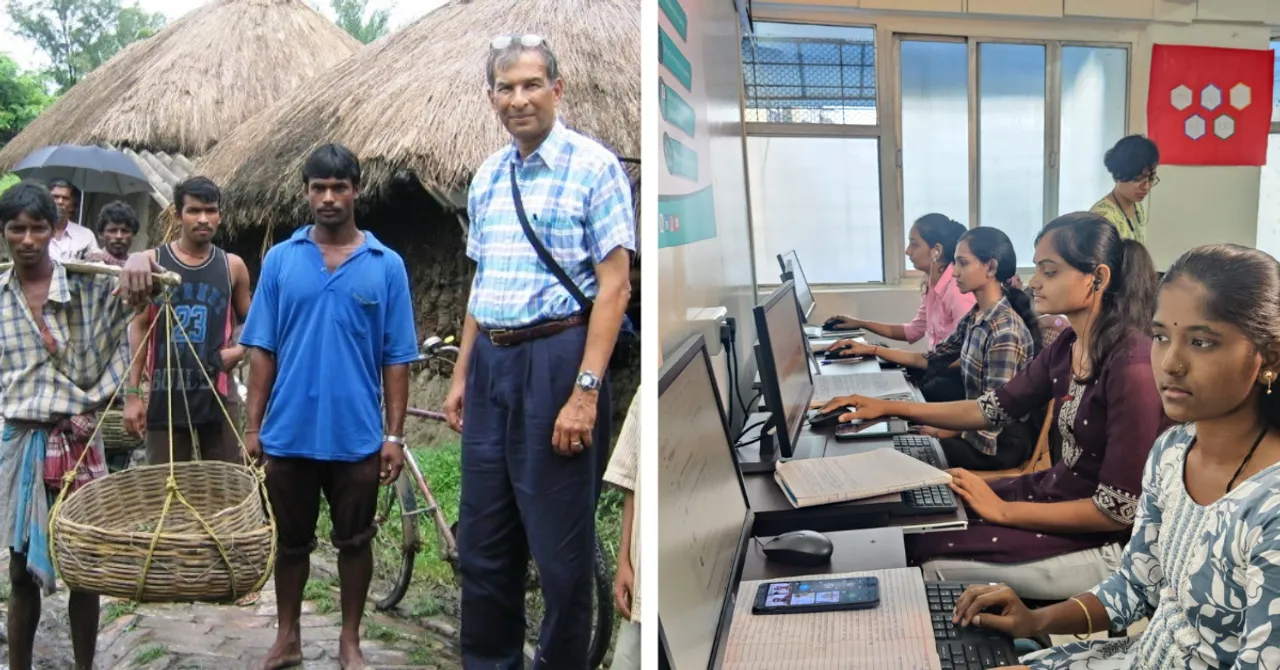
Training Over 500,000 Youth for India’s Digital Workforce: Tech Leads Skilling for Inclusive Employment:
Anudip Foundation has built a scalable, technology-driven skilling ecosystem that equips youth from low-income, rural, and urban communities with industry-relevant digital skills and workplace readiness. By combining blended learning, AI-enabled interview preparation, and end-to-end learner tracking, the initiative has enabled large-scale transitions into formal technology roles.
Updated on: 22 January 2026

Sector

Solution

Technology

State of Origin
Impact Metrics
500,000+ youth trained
with technology-enabled skilling programmes across India.
52%+ women
participants, indicating strong female participation in technology skilling among underserved communities.
91% learners
from households earning below ₹20,000 per month.
400+ trainers
and grassroots staff supporting programme delivery, mentoring, and community outreach across geographies.
Anudip Foundation is a technology-enabled skilling organisation founded in 2007 by technologists Deepak Basu and Radha Basu to address a critical and persistent challenge in India’s development trajectory: the exclusion of large sections of youth from the digital economy due to lack of access to industry-relevant skills. Conceived at a time when rapid digitisation was beginning to reshape labour markets, Anudip was established with the objective of enabling underserved youth—particularly from rural, tribal, and low-income urban communities—to transition into formal, technology-driven employment.
Over nearly two decades, Anudip has developed and scaled a structured skilling ecosystem that combines technical training, workplace readiness, and technology-enabled learning systems to improve employability outcomes for first-generation learners. The organisation focuses not on basic digital literacy, but on preparing youth for entry-level roles in the technology sector that offer sustained income and upward mobility.
Programme design and technology stack
Anudip’s training programmes are built around industry-aligned technology roles. Core offerings include Java-based full-stack development, Python programming, web technologies, and application support. To remain aligned with evolving labour market demands, learners are also introduced to cloud computing concepts, data-driven roles, and foundational AI skills.
Training delivery follows a blended model. Instructor-led sessions are supported by a digital learning management system (LMS) through which attendance, assessments, feedback, and learner progress are tracked end-to-end. AI-enabled tools such as simulated interview platforms allow learners to practise communication and interview skills through repeated, guided interactions—an intervention particularly relevant for youth with limited exposure to formal professional environments.
Recognising that employability barriers often extend beyond technical competence, Anudip integrates structured modules on communication, professional behaviour, interview preparation, and workplace norms into all programmes. This holistic approach is designed to address confidence gaps that disproportionately affect first-generation learners.
Outreach, learner support, and quality assurance
Anudip’s work begins at the community level. Outreach is conducted through local institutions such as panchayats, colleges, employment exchanges, self-help groups, and government partnerships, complemented by door-to-door mobilisation and digital campaigns. Prospective learners undergo counselling to assess readiness and align aspirations with programme pathways, often supported by orientation and demo sessions.
Once enrolled, learners are supported through continuous mentoring, monitored attendance, and placement assistance. Dedicated placement teams guide students through job matching, interview processes, and onboarding into formal workplaces. Academic quality is overseen by a central excellence team, with trainers receiving regular upskilling and final assessments conducted by third-party evaluators. Industry partnerships with organisations such as Google, Microsoft, Accenture, and UNICEF help ensure curriculum relevance and alignment with real-world requirements.
Scale and impact
To date, Anudip has trained over 500,000 learners across India through a nationwide network of more than 400 trainers and grassroots teams. The organisation primarily serves economically vulnerable populations: 91% of learners come from households earning below ₹20,000 per month, and over 52% are women. Many participants are first-generation learners with limited prior exposure to English communication or formal employment environments.
Beyond individual employment outcomes, the intervention has demonstrated broader social impact. Increased workforce participation among women has contributed to shifts in household income stability, educational aspirations for children, and community perceptions around women’s employment in technology roles. In some geographies, sustained engagement has led to the emergence of local talent pools supporting AI data services and technology-enabled work.
Relevance for India’s education and skilling ecosystem
The Anudip model illustrates how technology-enabled skilling, when combined with community outreach and learner-centric support systems, can strengthen India’s education-to-employment pipeline. By aligning training with labour market demand and embedding digital tools for assessment, mentoring, and placement, such initiatives help bridge the gap between formal education and employable skills.
At a national level, scalable models like Anudip’s can support key priorities including digital inclusion, women’s workforce participation, and the preparation of a future-ready workforce for emerging technology sectors. Integrating similar approaches within public skilling programmes and state-level education initiatives could accelerate equitable access to technology careers, particularly in underserved regions, while contributing to inclusive economic growth and long-term human capital development in India.
Share Your Story Today, Shape Viksit Bharat Tomorrow
Got an idea, innovation, or experience that's making a difference? Share your story now and ignite India's transformation because your voice can drive the future forward!
Resources to Replicate This Idea
BUILD YOUR OWN INTERVENTION
Handpicked stories tailored just for you
Explore stories that inspire, inform, and ignite new ideas across tech, innovation, and real-world impact

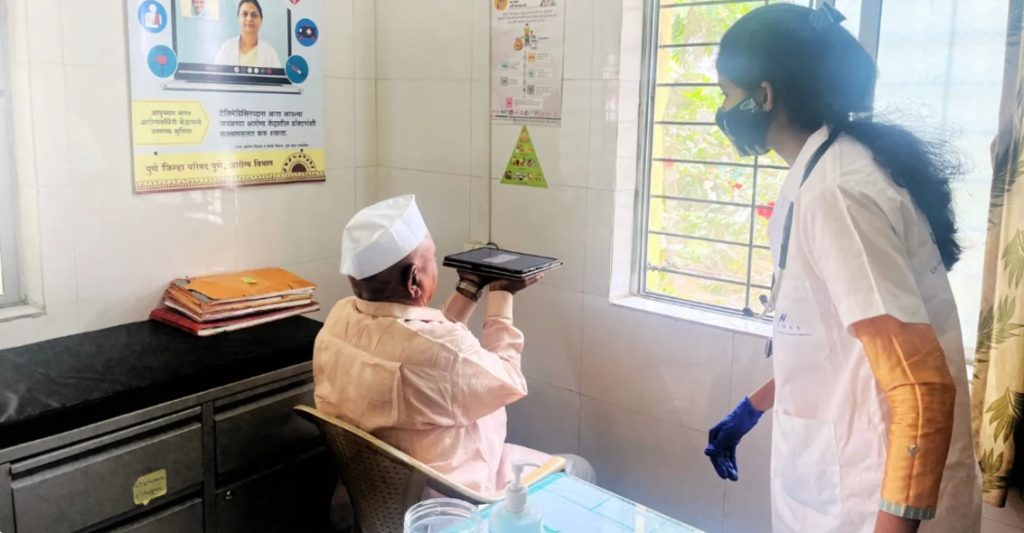
How AI Diagnostics Are Reaching India’s Frontline Health Workers
AffEx equips rural health workers with an AI-powered point-of-care screening kit — testing hemoglobin, blood pressure, ECG, and cardiac and...
Read More