
Advancing AI Literacy and Cyber Safety for Underserved Communities
The initiative equips underserved communities with the digital skills and AI capabilities needed to develop practical solutions to real-world challenges. Through grassroots AI education and cyber safety programmes, it promotes digital inclusion, empowers individuals to navigate emerging technologies and strengthens resilience against online fraud.
Updated on: 28 November 2026

Sector

Solution

Technology

State of Origin
Disclaimer:
Features ‘as is’ submissions and neither constitutes endorsement, certification, recommendation, or validation by NITI Aayog nor makes NITI Aayog liable in any manner.
Impact Metrics
800+ students reached
equipping young people from underserved communities with practical AI skills, digital literacy and the confidence to build technology-driven solutions.
90+ teaching sessions conducted
delivering hands-on AI education, digital skills training and cyber safety awareness through schools, NGOs and community centres.
10 chapters established
building a grassroots network across India, Egypt and Chile to extend the reach of AI education and digital empowerment.
Building practical AI capabilities
enabling young people to move beyond using AI tools to identifying real-world challenges, developing technology-driven solutions and applying their learning in everyday contexts.
According to a survey covering 25 countries, Indians have among the lowest awareness about Artificial Intelligence (AI). The survey found that about 14 percent of Indians have heard of or read a lot about AI.
AI is rapidly transforming education, employment and everyday life. However, access to these technologies and the skills required to use them effectively remain unevenly distributed. For underserved communities, particularly in developing countries, the digital divide risks becoming an AI divide, further limiting opportunities for education, economic participation and innovation.
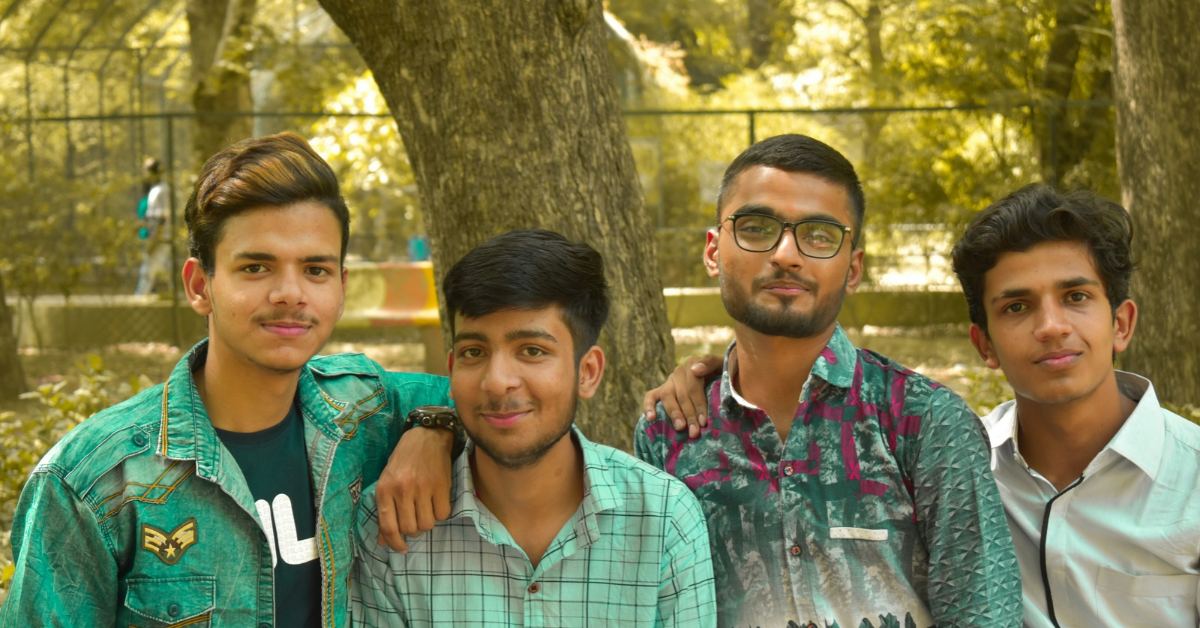
ByteByByte, a Maharashtra-based startup, seeks to address this disparity by equipping underserved communities with the knowledge and practical skills needed to understand, access and leverage AI. Through structured, hands-on programmes, the youth-led initiative introduces participants to AI tools such as ChatGPT, Claude and Microsoft Copilot, beginning with foundational digital literacy and progressing towards real-world applications.
The emphasis is on making AI accessible, relevant and useful in everyday life. Participants are encouraged to identify challenges within their own communities and use AI to develop practical solutions. These include building WhatsApp-based copilots to assist parents, automating processes for small businesses and transforming conventional spreadsheet-based systems into functional web applications. Such experiences not only improve digital confidence but also foster critical thinking, creativity and problem-solving abilities, while developing skills that can enhance future employability.
Equally important is the initiative’s peer-to-peer learning model, in which high school and university students volunteer as instructors, extending AI education to schools, NGOs, government institutions and community centres. This approach makes training affordable and scalable while encouraging participants to become educators and community contributors themselves.
By combining foundational digital education with practical AI applications, ByteByByte aims to ensure that technological progress is inclusive. Its broader vision is to enable underserved communities to participate in shaping the AI-driven future, rather than remain passive consumers of technologies developed elsewhere. Ultimately, AI literacy is not merely a technical skill but an essential tool for expanding opportunities, strengthening communities and fostering equitable development.
Bridging the AI divide
ByteByByte is a youth-led initiative working towards bridging the digital and AI divide in underrepresented communities and countries. The initiative currently operates through 10 chapters across India, Egypt and Chile. It has reached over 800 students through approximately 90 sessions, working across education and technology.
It operates through three primary programmes:
Build with AI
Build with AI is a six-week programme designed for students aged 13–18. It primarily works with NGOs, schools, government institutions, community centres and underserved communities where access to computers and digital resources remains limited.
The programme aims to introduce students to digital technology and AI, beginning with fundamental computer literacy before progressing to practical applications of AI tools. Participants learn to use platforms such as ChatGPT, Claude and Microsoft Copilot to solve real-world problems, automate repetitive tasks and develop practical solutions.
Over six weeks, participants are encouraged to identify a real-life problem within their homes, schools or neighbourhoods and use artificial intelligence to develop a practical solution. The first two weeks focus on digital foundations, introducing students to basic computer operations, internet navigation, online safety, password protection and identifying digital scams. Students also learn to distinguish between everyday complaints and problems that can be addressed through actionable solutions, culminating in a one-page project proposal. Weeks three and four focus on AI literacy, where participants are introduced to Microsoft Copilot, learn effective prompting techniques and understand the importance of verifying AI-generated information. They then use tools such as Microsoft Designer to develop and refine their projects through text, images and other visual elements. The final two weeks focus on testing, refining and presenting their solutions.
Microsoft AI Curriculum
The second programme is developed in collaboration with Microsoft and draws on resources from the Microsoft Education Resource Library. It follows a three-track curriculum, with a particular focus on Microsoft Copilot and its practical applications.
Through this programme, participants are introduced to AI tools and learn how to integrate them into their everyday activities, education and professional environments.
The programme is delivered entirely through in-person sessions, with learners working in pairs to encourage collaboration and peer-to-peer learning. Each session is designed around practical engagement, ensuring that participants complete or create something tangible rather than relying solely on theoretical instruction. Facilitators also adapt learning resources to the participants’ preferred languages to make the content accessible across diverse communities.
It is particularly suited to students with little or no prior computer experience, taking them from basic digital literacy to developing and presenting their own games. The curriculum incorporates resources from Microsoft and its educational partners, beginning with fundamental computer skills such as using a mouse and keyboard, navigating browsers and managing files. Participants are subsequently introduced to artificial intelligence through activities such as AI for Oceans and AI for Farmers, where they explore how AI models learn and how technology can address real-world challenges.
The programme also follows a progression-based mentorship model in which college students who complete the higher education curriculum return as facilitators for younger learners. This creates a continuous cycle of peer-led instruction, allowing participants to develop their own skills before extending digital and AI education to subsequent cohorts.
ByteShield
Data suggests that cybersecurity incidents in India rose from 10.29 lakh in 2022 to 22.68 lakh in 2024.
ByteShield is a digital safety and awareness programme primarily designed for middle-aged and senior citizens. It focuses on educating participants about online fraud, digital scams and methods of identifying and preventing cybercrime.
The programme recently established a partnership with the Cyber Crime Branch of Pune. As part of this collaboration, the department provides real case files from its investigations, which are incorporated into the training sessions. Representatives from the department also participate in sessions and awareness campaigns, bringing practical insights and credibility to the programme.
The programme recognises that while many senior citizens regularly use digital platforms such as WhatsApp, they may not be familiar with the methods employed by cybercriminals to exploit users. It therefore focuses on educating participants about common online scams, identifying fraudulent messages and calls, and developing the confidence to respond safely to suspicious digital interactions.
The curriculum focuses on four common warning signs associated with digital scams: urgency, fear, secrecy and demands for immediate payment. Participants are taught to recognise manipulative tactics, such as callers claiming that their bank accounts will be blocked, impersonating police officials or instructing them not to inform family members. The programme reinforces two fundamental safety principles: legitimate banks and law enforcement authorities do not use intimidation or secrecy to demand immediate action, and personal banking credentials, including PINs and OTPs, should never be shared with anyone. Particular emphasis is placed on identifying so-called digital arrest scams, clarifying that police authorities in India do not arrest individuals through phone or video calls.
Participants practise identifying suspicious behaviour and responding appropriately. They are also encouraged to save the national cybercrime helpline number, 1930, on their phones before completing the session.
Addressing the digital and AI literacy gap
One of the primary challenges ByteByByte seeks to address is the gap between India’s growing technological ambitions and the digital literacy levels of its population.
According to research cited by the initiative, approximately 28 per cent of Indian youth can send an email but are unable to attach a document. This highlights the significant gap between basic digital access and the ability to effectively use technology.
Although India has one of the world’s youngest populations, the rapid development of artificial intelligence presents a risk of further marginalising young people who lack access to essential digital skills. Without adequate exposure to emerging technologies, they may find themselves excluded from future employment opportunities, innovation and decision-making spaces.
ByteByByte addresses this challenge by developing structured curricula, generally ranging from three to six weeks, and deploying student volunteers to schools, NGOs and community centres. Its programmes begin with foundational digital literacy and gradually introduce participants to more advanced AI applications.
The initiative also tracks participants’ progress to understand how exposure to AI influences their thinking, productivity and problem-solving abilities. By comparing participants’ capabilities before and after the programmes, they are also undertaking research into the impact of AI education.
Share Your Story Today, Shape Viksit Bharat Tomorrow
Got an idea, innovation, or experience that's making a difference? Share your story now and ignite India's transformation because your voice can drive the future forward!
Disclaimer:
Features ‘as is’ submissions and neither constitutes endorsement, certification, recommendation, or validation by NITI Aayog nor makes NITI Aayog liable in any manner.
Resources to Replicate This Idea
BUILD YOUR OWN INTERVENTION
Handpicked stories tailored just for you
Explore stories that inspire, inform, and ignite new ideas across tech, innovation, and real-world impact

Advancing Sustainable Urban Mobility Through Robotics, AI and Intelligent Infrastructure
Combining robotics, IoT and AI, the innovation introduces a new model of electric personal rapid transit designed to address urban...
Read More