30,000+ Hectares Being Restored: A Frontier Technology for Carbon Removal, Cleaner Agriculture & Farmer Empowerment
Agricultural waste can become a powerful tool in the fight against air pollution and climate change. Through frontier technologies such as biochar production, agroforestry and satellite-based monitoring, farmers can reduce crop-residue burning, restore soil health and generate new income opportunities, creating lasting environmental and economic benefits for rural India.
Updated on: 20 November 2026

Sector

Solution

Technology

State of Origin
Disclaimer:
Features ‘as is’ submissions and neither constitutes endorsement, certification, recommendation, or validation by NITI Aayog nor makes NITI Aayog liable in any manner.
Impact Metrics
27,000 farmers
helped in India to restore agricultural land and reduce carbon emissions.
30,000 hectares of land
being restored to improve soil fertility and moisture retention, potentially increasing crop productivity and reducing farmers' dependence on chemical inputs.
10,000 tonnes of CO2
sequestered by the end of 2026, helping improve biodiversity and restore degraded ecosystems.
25–30 percent of the revenue
generated from selling carbon credits is received by farmers.
The impact of stubble burning on air pollution varies depending on geographical location, season and wind conditions. Research shows that rural crop residue burning contributes about 32 percent of PM2.5-related mortality in Delhi during the post-monsoon season. Globally, approximately 450 million tonnes of agricultural residue are burned every year, releasing significant quantities of greenhouse gases and harmful air pollutants into the atmosphere.
Every year, during the winter months, North India, particularly Delhi and the surrounding states of Punjab, Haryana and Uttar Pradesh, experiences a severe rise in air pollution. The air becomes thick with smog, visibility decreases, and air quality often reaches hazardous levels. This creates serious health problems, including respiratory illnesses, asthma, eye irritation and other lung-related diseases.
One of the major seasonal contributors to this pollution is stubble burning. After harvesting paddy crops, farmers often burn the leftover crop residue to quickly clear their fields for the next sowing season. This practice releases large amounts of smoke, particulate matter (PM2.5 and PM10), carbon monoxide and other harmful pollutants into the atmosphere. Winds can carry these pollutants towards Delhi and other densely populated regions, worsening an already polluted environment.
Stubble burning becomes particularly problematic because it coincides with winter, when low temperatures, slower winds and temperature inversion trap pollutants close to the ground. However, it is important to recognise that vehicle emissions, industrial pollution, construction dust and other sources also contribute significantly to North India’s poor air quality.
Addressing this issue requires affordable alternatives for farmers, better crop-residue management and government support. Technologies such as biochar production can convert agricultural waste into useful material instead of burning it, benefiting both farmers and the environment.
Converting agricultural waste into biochar
India has formally recognised biochar produced through pyrolysis under its fertiliser regulatory framework.
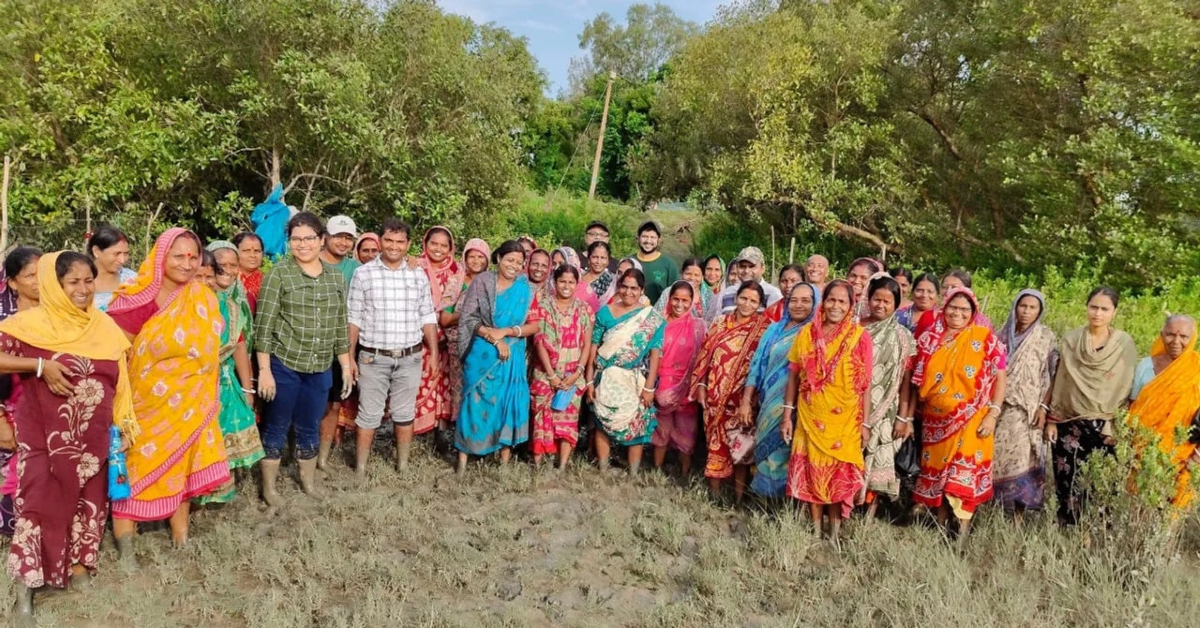
This carbon removal technology is demonstrated by Equilibrium Earth, a climate-focused company working with over 27,000 farmers in India to restore agricultural land and reduce carbon emissions.
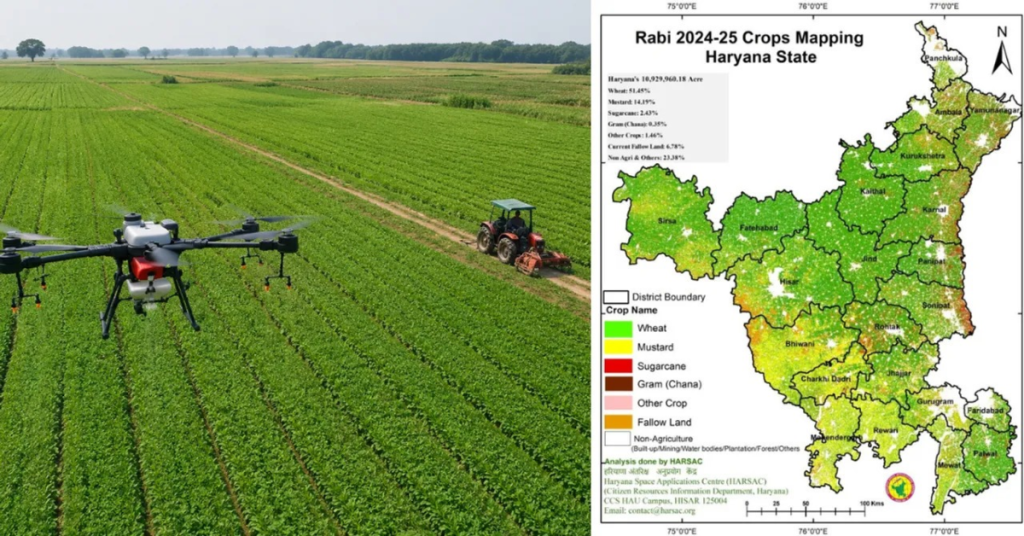
Equilibrium Earth uses innovative methods such as biochar production, agroforestry, mangrove restoration and climate-smart agriculture. One significant technique is converting agricultural waste, such as cotton stalks, into biochar through controlled burning. Instead of burning crop residue in open fields and causing air pollution, farmers can mix biochar into the soil. This helps improve soil fertility, retain moisture and potentially increase crop yields. The company also uses modern technologies such as satellite imagery, geospatial monitoring and digital systems to track land restoration, measure carbon removal and ensure transparency in carbon credits.
The impact of this frontier technology is both environmental and economic. Environmentally, it helps reduce carbon emissions, restore degraded land, improve soil quality and protect biodiversity. Economically, it creates additional income opportunities for farmers. Equilibrium Earth covers most upfront project costs, while farmers receive approximately 25–30 percent of the revenue generated from selling carbon credits. This encourages farmers to adopt sustainable agricultural practices without bearing major financial risks.
Furthermore, this technology demonstrates how innovation can connect environmental protection with rural development. It creates opportunities for companies to invest in credible carbon-removal projects while ensuring that local communities benefit directly.
In conclusion, carbon removal technology represents an important advancement in the fight against climate change. Its impact goes beyond reducing carbon emissions; it supports farmers, strengthens agricultural communities and promotes sustainable land management. It shows that frontier technology can create a balance between economic growth, environmental protection and social well-being.
Technology-driven sustainable land management
This plays an important role in improving farmers’ livelihoods while helping India tackle its growing pollution problem. Innovative solutions such as biochar production, agroforestry, climate-smart agriculture and satellite-based land monitoring can transform the way agricultural land is managed.
One major example is the conversion of agricultural waste into biochar. This reduces open-field burning, which contributes to air pollution, particularly during North India’s winter months. Biochar also improves soil fertility and moisture retention, potentially increasing crop productivity and reducing farmers’ dependence on chemical inputs.
Similarly, agroforestry and mangrove restoration help absorb carbon dioxide, improve biodiversity and restore degraded ecosystems. Technology such as satellite imagery and geospatial monitoring makes it possible to track restoration efforts and measure carbon removal more accurately.
These initiatives also create additional income opportunities for farmers through carbon credits, encouraging them to adopt environmentally friendly practices.
For India, such innovations support broader goals of reducing pollution, combating climate change, restoring degraded land and promoting sustainable agriculture. Ultimately, technology makes environmental protection economically beneficial for rural communities, demonstrating that India’s development and sustainability goals can progress together.
Share Your Story Today, Shape Viksit Bharat Tomorrow
Got an idea, innovation, or experience that's making a difference? Share your story now and ignite India's transformation because your voice can drive the future forward!
Disclaimer:
Features ‘as is’ submissions and neither constitutes endorsement, certification, recommendation, or validation by NITI Aayog nor makes NITI Aayog liable in any manner.
Resources to Replicate This Idea
BUILD YOUR OWN INTERVENTION
Handpicked stories tailored just for you
Explore stories that inspire, inform, and ignite new ideas across tech, innovation, and real-world impact


Democratising AI-Powered Career Readiness: Transforming 700+ Students With 80% Faster Feedback
An AI-powered career readiness technology is leveraging 12 specialised AI mentors to empower 700+ students with free, personalised interview preparation...
Read More