
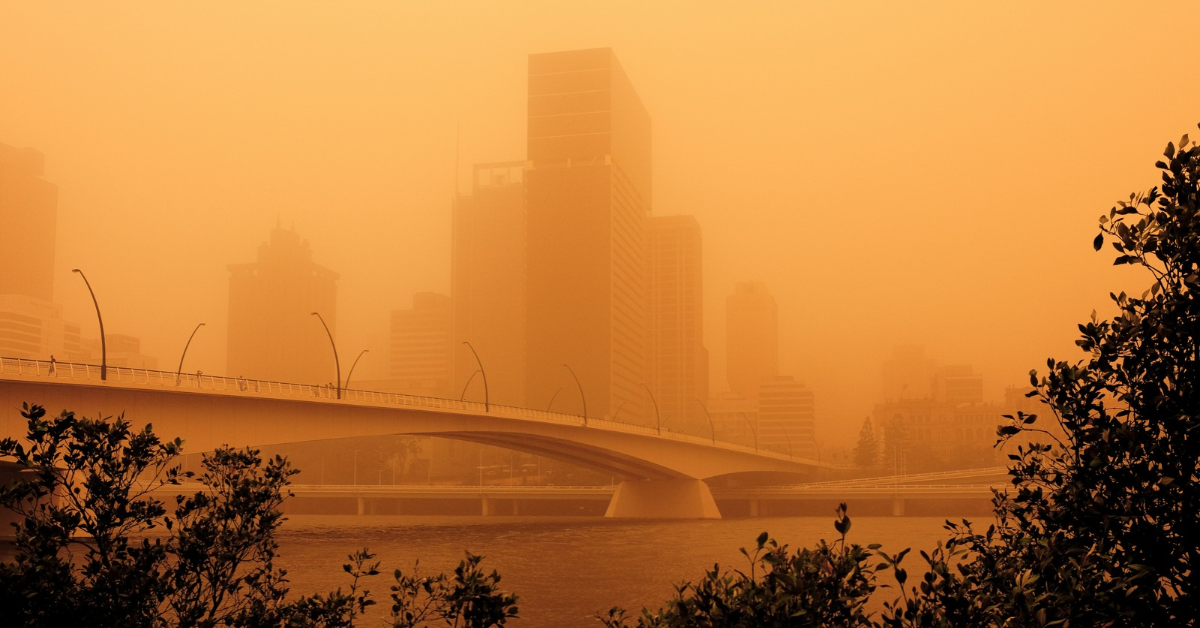
Making Clean Air Affordable: The Frontier Innovation Targeting 85% Pollution Reduction
A nature-inspired air purification technology combines natural fibres, beneficial microbes, adsorbents and indoor plants to tackle particulate matter and gaseous pollutants. In internal controlled tests, the system reported an 80–85% reduction in AQI within 20 minutes, offering a promising, affordable approach to cleaner indoor air.
Updated on: 18 November 2026

Sector

Solution

Technology

State of Origin
Disclaimer:
Features ‘as is’ submissions and neither constitutes endorsement, certification, recommendation, or validation by NITI Aayog nor makes NITI Aayog liable in any manner.
Impact Metrics
80–85% reduction in AQI in 20 minutes
in internal controlled testing in an enclosed space, offering a promising approach to improving indoor air quality.
Up to 92% reduction in PM10
helping reduce exposure to airborne dust and particulate pollutants.
Nature-based, hybrid purification
combining natural fibres, beneficial bacteria, adsorbents and indoor plants,
Designed for diverse Indian climatic conditions
with a focus on adapting to India's diverse humidity, temperature and pollution conditions.
Indoor air pollution is an increasingly serious yet often overlooked threat to human health. Since people spend nearly 80–90% of their time indoors, prolonged exposure to polluted indoor environments can have significant health consequences.
Harmful pollutants include particulate matter (PM2.5 and PM10), carbon monoxide, volatile organic compounds (VOCs), and other toxic gases. These pollutants can accumulate indoors, sometimes reaching concentrations higher than those outdoors.
Research has found that long-term exposure to air pollution increased deaths by 1.5 million deaths per year in India, when compared to conditions if India met the World Health Organization’s recommendations for safe exposure.
Continuous exposure can cause respiratory irritation, allergies, asthma, headaches and reduced lung function, while long-term exposure increases the risk of cardiovascular diseases, chronic respiratory illnesses and lung cancer. Children, older adults and individuals with existing health conditions are particularly vulnerable. Despite its serious implications, indoor air pollution often goes unnoticed because many pollutants are invisible and odourless.
Therefore, ensuring clean indoor air through effective ventilation and affordable air purification solutions is essential for protecting public health and creating healthier living and working environments.
A biophysical air purification system
Enviroforge is an innovative biophysical air purification system developed by Rohan Kumar, a PhD research scholar at IIT Bombay, to make clean indoor air more accessible and affordable for Indian households. Unlike conventional air purifiers that primarily rely on mechanical filtration, this technology combines natural fibres, adsorbent materials, beneficial bacteria and indoor plants to tackle multiple forms of air pollution.
The purifier uses bamboo, coconut, banana and jute fibres to trap dust and particulate matter, including PM2.5 and PM10. Materials such as activated carbon, biochar, zeolite and ceramic filters help absorb gaseous pollutants, while beneficial bacteria biologically degrade certain chemical pollutants. Indoor plants further support the purification process, creating a hybrid solution that integrates nature with scientific innovation.
Developed through multiple prototypes and real-world testing, the technology reportedly achieved an 80–85% reduction in AQI within 20 minutes during internal controlled testing. Designed for Indian climatic conditions, the purifier also prioritises affordability.
By combining sustainability, biological processes and accessible technology, the technology offers a promising alternative to expensive commercial air purifiers. Its innovation lies in making cleaner indoor air potentially more affordable, practical and accessible to ordinary families.
Tackling India’s climate crisis
Innovations aimed at tackling indoor air pollution can play a significant role in strengthening India’s response to both the climate crisis and the growing air pollution challenge. With millions of people exposed to harmful pollutants inside homes, schools and workplaces, affordable air purification technologies can help reduce health risks and improve the quality of life.
India has undertaken several initiatives to tackle the growing challenge of air pollution through a combination of policy interventions, technological innovation, regulatory measures and public participation. A key initiative is the National Clean Air Programme (NCAP), launched in 2019, which covers 130 cities and promotes city-specific action plans to address major sources of pollution.
India has also strengthened air-quality monitoring through systems such as Continuous Ambient Air Quality Monitoring Systems (CAAQMS) and Online Continuous Emission Monitoring Systems (OCEMS), which provide real-time data on ambient air quality and industrial emissions.
To tackle vehicular pollution, the government has introduced BS-VI emission standards, promoted electric mobility through schemes such as PM E-Drive and PM E-Bus Sewa, and encouraged the scrapping of older, polluting vehicles. Industrial emissions are being addressed through stricter emission standards, continuous monitoring and pollution-control technologies. Measures to reduce construction and road dust include mechanised road sweeping, anti-smog guns and improved construction waste management. To curb stubble burning, the government is supporting crop-residue management machinery, biomass pelletisation and the use of agricultural waste as fuel.
Additionally, initiatives such as the Green India Mission, Nagar Van Yojana and Ek Ped Maa Ke Naam campaign aim to expand green cover and strengthen ecological resilience. Institutional mechanisms, including the Central Pollution Control Board (CPCB), the Commission for Air Quality Management (CAQM) and the Graded Response Action Plan (GRAP), further strengthen monitoring, enforcement and emergency responses.
Together, these efforts reflect India’s growing commitment to addressing air pollution through coordinated, science-based and sector-specific interventions.
When it comes to tackling indoor pollution, innovations that use natural, biodegradable and locally available materials can promote resource efficiency, reduce dependence on synthetic filtration products and support a circular economy. For instance, solutions such as Enviroforge, which combine natural fibres, plant-based materials, beneficial microbes and indoor plants, demonstrate how sustainable technologies can address pollution while minimising environmental impact. Such innovations can also encourage green entrepreneurship, create demand for agricultural by-products such as coconut, banana and jute fibres, and generate livelihood opportunities for local communities.
At a broader level, developing low-energy, affordable and scalable purification systems can complement India’s efforts to improve air quality and build climate-resilient cities. While indoor air purification cannot replace the need to control pollution at its source, it offers an important additional layer of protection. By investing in accessible, nature-based technologies, India can pursue a development pathway that balances public health, environmental sustainability and inclusive economic growth.
Share Your Story Today, Shape Viksit Bharat Tomorrow
Got an idea, innovation, or experience that's making a difference? Share your story now and ignite India's transformation because your voice can drive the future forward!
Disclaimer:
Features ‘as is’ submissions and neither constitutes endorsement, certification, recommendation, or validation by NITI Aayog nor makes NITI Aayog liable in any manner.
Resources to Replicate This Idea
BUILD YOUR OWN INTERVENTION
Handpicked stories tailored just for you
Explore stories that inspire, inform, and ignite new ideas across tech, innovation, and real-world impact

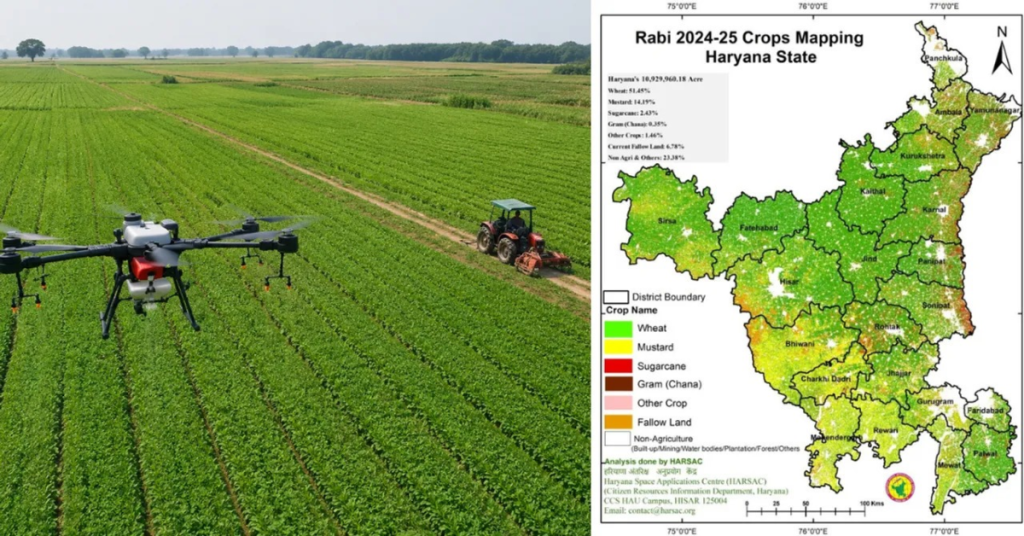
How AI and Satellite Innovation Are Transforming Agriculture for 15 Lakh Farmers Across Haryana
From satellite imagery and AI-powered analytics to drone mapping, frontier technologies are transforming how India monitors crop health, predicts yields...
Read More